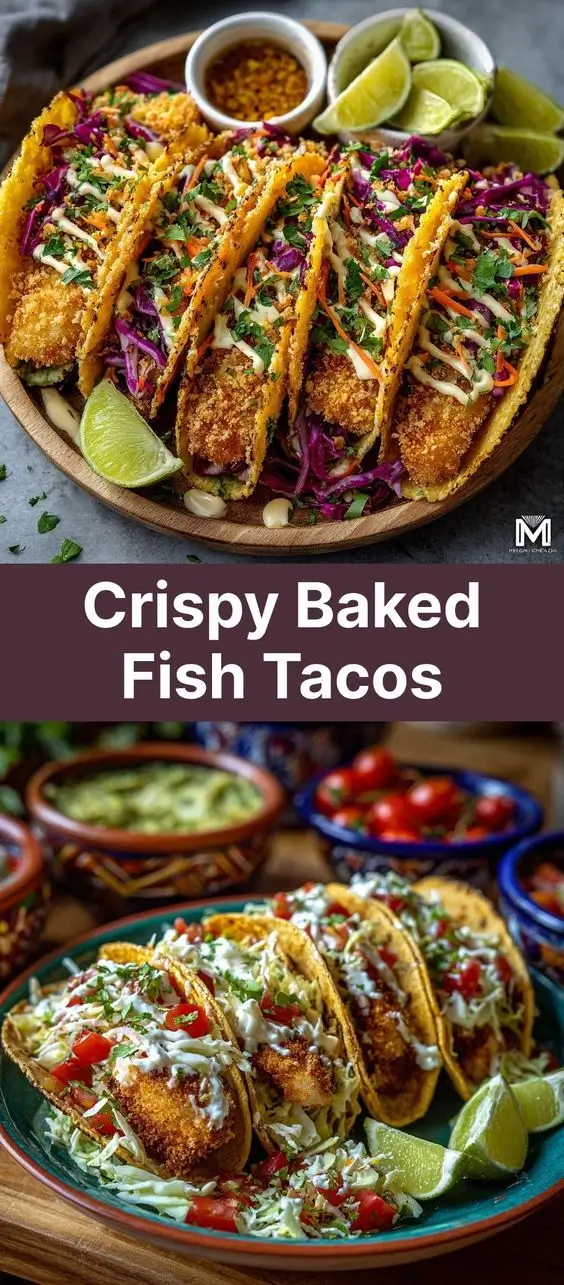
Crispy Baked Fish Tacos: A Flavorful, Healthier Twist on a Classic Favorite
The History of Fish Tacos
Fish tacos, known as “tacos de pescado” in Spanish, trace their origins back to the coastal regions of Baja California in Mexico. While street food has long been a staple of Mexican culinary culture, fish tacos emerged prominently in the 20th century, particularly after local fishermen began frying fresh-caught white fish, stuffing them into warm corn tortillas, and topping them with simple yet vibrant ingredients like cabbage, crema, and lime.
Though the exact origin story is debated, one popular account attributes the creation of the modern fish taco to Japanese-Mexican fishermen in Ensenada during the 1920s. These fishermen are said to have brought tempura-style frying techniques to the region, influencing the light, crispy batter now synonymous with authentic Baja fish tacos. The dish gained international fame in the 1980s when chefs from Southern California traveled south, discovered the delicious handheld meal, and brought it back across the border—sparking a culinary craze that continues to grow today.
Now, fish tacos are celebrated around the world for their perfect balance of textures and flavors: flaky fish, crunchy coating, soft tortilla, and zesty toppings. With increasing interest in healthier cooking methods, baked versions have risen in popularity, offering all the taste without the excess oil of deep frying.
Ingredients Breakdown
The magic of crispy baked fish tacos lies not only in technique but in the quality and harmony of its components. Here’s a detailed breakdown of each ingredient and its role:
Fish Fillets (1 lb)
Ideal choices include cod, tilapia, mahi-mahi, or halibut—white fish with mild flavor and firm texture that hold up well to baking. These varieties absorb seasonings beautifully while remaining tender inside and crisp outside when properly cooked.
Panko Breadcrumbs (1 cup)
Panko breadcrumbs are lighter and crispier than traditional breadcrumbs, creating a delicate crunch without heaviness. Their larger flakes allow for better browning and air circulation in the oven, crucial for achieving that sought-after golden crust.
Grated Parmesan Cheese (¼ cup)
Adding Parmesan enhances umami and helps create a richer, more complex crust. It also contributes to browning and adds a subtle savory depth that complements the fish.
Paprika (1 tsp)
Paprika lends both color and mild sweetness, enhancing visual appeal and adding warmth without heat. Smoked paprika can be used for a deeper, campfire-like note.
Garlic Powder (½ tsp)
A pantry essential, garlic powder delivers consistent flavor without the moisture or burning risk of fresh garlic. It blends seamlessly into the breading mixture for uniform seasoning.
Salt and Black Pepper (to taste)
Essential for balancing flavors. Salt amplifies other seasonings, while black pepper provides a gentle kick and aromatic complexity.
Egg (1 large)
The egg acts as a binder, helping the breadcrumb mixture adhere to the fish. Whisked thoroughly, it forms a sticky layer that ensures even coating.
Cooking Spray (olive oil or avocado oil)
Used to lightly coat the baking sheet and mist the fish before baking, cooking spray promotes even browning and crispiness without drenching the fish in oil.
Corn or Flour Tortillas (8 small)
Traditional fish tacos use soft corn tortillas, which offer an earthy flavor and pliable texture. However, flour tortillas are often preferred for their durability and softness, especially when serving guests unfamiliar with crumbly corn varieties.
Toppings (optional but recommended):
- Shredded Cabbage or Slaw: Adds crunch and freshness. Red cabbage offers color contrast.
- Avocado Slices or Guacamole: Creamy texture balances the crisp fish.
- Lime Wedges: A squeeze of lime brightens the entire taco.
- Cilantro: For herbal brightness.
- Sliced Radishes: Peppery bite and visual pop.
- Chipotle Mayo or Crema: Spicy, tangy drizzle that ties everything together.
- Pico de Gallo or Salsa Fresca: Fresh tomato-based relish adds juiciness and acidity.
Step-by-Step Recipe
- Preheat the Oven: Set your oven to 425°F (220°C). Preheating ensures immediate crisping when the fish hits the tray.
- Prepare the Baking Sheet: Line a large baking sheet with parchment paper or aluminum foil for easy cleanup. Lightly coat with cooking spray to prevent sticking.
- Set Up Breading Station: In a shallow bowl, whisk the egg until smooth. In another bowl, combine panko breadcrumbs, Parmesan cheese, paprika, garlic powder, salt, and black pepper. Mix thoroughly.
- Coat the Fish: Pat the fish fillets dry with paper towels—this step is critical for crispiness. Dip each fillet first into the egg, letting excess drip off, then press firmly into the breadcrumb mixture, ensuring full coverage on both sides. Place coated fillets on the prepared baking sheet.
- Spray and Bake: Lightly mist the top of each fillet with cooking spray. This encourages browning and crisp texture. Bake for 12–15 minutes, flipping halfway through, until the coating is golden brown and the fish flakes easily with a fork.
- Warm the Tortillas: While the fish bakes, warm the tortillas. You can do this in a dry skillet over medium heat for 30 seconds per side, wrap them in foil and place in the oven, or microwave them wrapped in a damp paper towel for 30 seconds.
- Assemble the Tacos: Once the fish is done, break it into chunks or strips and place onto warm tortillas. Add shredded cabbage, avocado, cilantro, and any other desired toppings. Finish with a generous squeeze of fresh lime juice and a drizzle of chipotle mayo or crema.
- Serve Immediately: Enjoy while hot and crispy for the best texture experience!
Expert Tips for Perfect Crispy Baked Fish Tacos
- Dry the Fish Thoroughly: Moisture is the enemy of crispiness. Always pat fish fillets dry before breading.
- Use a Wire Rack: For ultra-crisp results, place a wire rack on the baking sheet and set the fish on top. This allows hot air to circulate underneath, preventing sogginess on the bottom.
- Don’t Overcrowd: Leave space between fillets on the baking sheet. Crowding causes steaming instead of baking, resulting in softer texture.
- Flip Halfway: Turning the fish ensures even browning and crispness on both sides.
- Season Generously: Don’t skimp on spices. The breading is your flavor carrier—season it well.
- Double-Dip for Extra Crunch: For an extra-thick crust, dip the fish in egg, then crumbs, then egg again, then crumbs once more before baking.
- Check Internal Temperature: Fish is safely cooked at 145°F (63°C) internally. Use a meat thermometer for accuracy, especially with thicker fillets.
Variations and Customizations
One of the joys of fish tacos is their adaptability. Try these creative twists to keep meals exciting:
Gluten-Free Version
Swap regular panko for gluten-free panko breadcrumbs and ensure your tortillas are certified gluten-free (corn tortillas are naturally gluten-free, but check labels for cross-contamination).
Low-Carb/Keto Option
Use almond flour or crushed pork rinds instead of panko. Serve the fish in lettuce wraps instead of tortillas for a refreshing, low-carb alternative.
Spicy Kick
Add cayenne pepper, chili powder, or cumin to the breadcrumb mix. Top with pickled jalapeños or a spicy sriracha-lime crema.
Plant-Based Alternative
While not traditional, you can mimic the texture using marinated and baked hearts of palm, jackfruit, or breaded tofu. Adjust cooking time accordingly.
Mediterranean-Inspired
Replace Mexican seasonings with oregano, lemon zest, and dill. Serve with tzatziki, cucumber slices, and red onion for a Greek-style twist.
Tropical Fusion
Add mango salsa, pineapple chunks, and coconut flakes to the topping bar. Use coconut milk in place of egg for a vegan-friendly breading base.
Kid-Friendly Version
Keep seasonings mild and serve with plain yogurt-based sauce. Let kids assemble their own tacos with colorful toppings—they’re more likely to eat what they build!
Health Considerations and Nutritional Value
Baked fish tacos are a nutritionally balanced meal that supports heart health, weight management, and overall wellness when prepared thoughtfully.
Nutritional Benefits of Key Ingredients
- Fish: Rich in high-quality protein and omega-3 fatty acids (EPA and DHA), which support brain function, reduce inflammation, and lower risk of heart disease.
- Panko Breadcrumbs: Lower in fat than many fried coatings. Opt for whole wheat panko to increase fiber content.
- Eggs: Provide complete protein and essential nutrients like choline and vitamin D.
- Avocado: Packed with heart-healthy monounsaturated fats, fiber, potassium, and antioxidants.
- Lime Juice: High in vitamin C, which boosts immunity and enhances iron absorption from plant foods.
- Cabbage: Low in calories and high in fiber, vitamin K, and cancer-fighting glucosinolates.
Calorie Estimate (per serving, 2 tacos)
| Component | Approximate Calories |
|---|---|
| Fish (3 oz, baked) | 90–110 |
| Panko coating | 70–90 |
| Two tortillas | 120–160 |
| Toppings (cabbage, avocado, lime, etc.) | 80–120 |
| Total (approximate) | 360–500 |
Note: Values vary based on specific ingredients and portion sizes. Using lean fish, minimal oil, whole grain tortillas, and vegetable-rich toppings keeps the meal light and nutrient-dense.
Dietary Considerations
- Heart-Healthy: Baking instead of frying reduces saturated fat and cholesterol intake.
- Diabetes-Friendly: Monitor tortilla choice—opt for small, whole-grain tortillas to manage carbohydrate intake. Pair with fiber-rich slaw and healthy fats to stabilize blood sugar.
- Allergies: Contains fish, eggs, and dairy (Parmesan). Can be modified for allergies with substitutes, but always consult a healthcare provider for severe sensitivities.
- Pregnancy: Fish is beneficial during pregnancy for fetal brain development, but avoid high-mercury species. Stick to low-mercury options like cod, tilapia, and salmon.
Full Ingredient List
- 1 pound white fish fillets (cod, tilapia, mahi-mahi, or halibut), patted dry
- 1 large egg, beaten
- 1 cup panko breadcrumbs
- ¼ cup grated Parmesan cheese
- 1 teaspoon paprika (smoked or sweet)
- ½ teaspoon garlic powder
- ½ teaspoon salt (or to taste)
- ¼ teaspoon black pepper
- Cooking spray (olive oil or avocado oil)
- 8 small corn or flour tortillas
- 1 cup shredded green or purple cabbage
- 1 avocado, sliced or mashed
- ¼ cup chopped fresh cilantro
- 2 limes, cut into wedges
- Optional: chipotle mayo, sour cream, Greek yogurt, pico de gallo, radishes, jalapeños
Directions
- Preheat oven to 425°F (220°C). Line a baking sheet with parchment paper and lightly coat with cooking spray.
- In a shallow bowl, whisk the egg until fully blended. In another bowl, combine panko, Parmesan, paprika, garlic powder, salt, and pepper.
- Dry the fish fillets thoroughly with paper towels. Dip each fillet into the egg, allowing excess to drip off, then press into the breadcrumb mixture to coat both sides evenly. Place on the baking sheet.
- Lightly spray the top of each fillet with cooking spray to promote browning.
- Bake for 12–15 minutes, flipping halfway through, until golden brown and fish flakes easily with a fork.
- While fish bakes, warm tortillas in a dry skillet or oven.
- Break fish into pieces and assemble tacos: place fish in warm tortillas, then top with cabbage, avocado, cilantro, and a squeeze of lime. Drizzle with chipotle mayo or crema if desired.
- Serve immediately with extra lime wedges and hot sauce on the side.
FAQ (Frequently Asked Questions)
Can I make these ahead of time?
You can prep the breading mixture and coat the fish up to 2 hours in advance. Store on the baking sheet, covered, in the refrigerator. Bake just before serving for maximum crispiness. Assembled tacos are best eaten fresh.
Can I freeze baked fish tacos?
While freezing is possible, the texture of baked fish may become slightly mushy upon reheating. If freezing, freeze unbaked breaded fillets on a tray, then transfer to a freezer bag. Bake from frozen, adding 5–8 minutes to cook time. Reheat assembled tacos in a toaster oven to preserve texture.
Why is my fish not crispy?
Common culprits include excess moisture in the fish, overcrowded baking sheets, skipping the cooking spray, or underheating the oven. Ensure fish is dry, oven is fully preheated, and there’s space between fillets.
Can I use frozen fish?
Yes, but thaw completely in the refrigerator overnight and pat very dry before breading. Frozen fish releases more water, so extra drying is essential.
What kind of fish is best for fish tacos?
Mild, firm white fish works best. Cod and tilapia are affordable and widely available. Mahi-mahi and halibut offer richer flavor and firmer texture. Avoid oily or strongly flavored fish like mackerel.
How do I reheat leftovers?
Reheat in a toaster oven or conventional oven at 375°F for 8–10 minutes to maintain crispiness. Avoid microwaving, which makes the coating soggy.
Are baked fish tacos healthy?
Yes! Compared to fried versions, baked fish tacos significantly reduce fat and calorie content while preserving protein and essential nutrients. Adding plenty of vegetables and using whole grain tortillas boosts fiber and micronutrient intake.
Summary
Crispy baked fish tacos deliver all the flavor and crunch of traditional fried tacos with a fraction of the guilt—thanks to a light panko-Parmesan crust and oven-baking method. Packed with protein, healthy fats, and fresh toppings, they’re a balanced, family-friendly meal ready in under 30 minutes.