Introduction
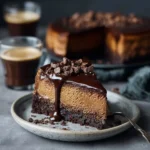
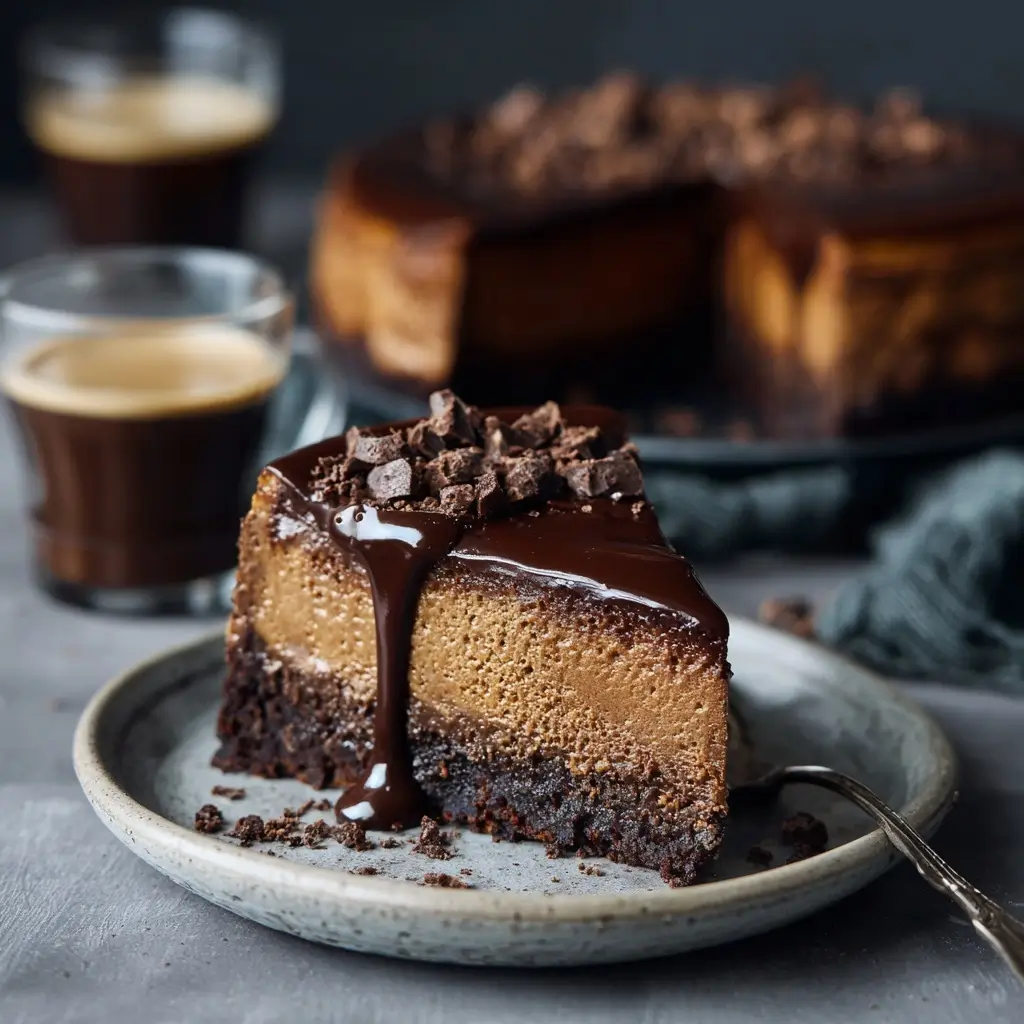
Indulge in the luxurious, bold, and deeply satisfying marriage of two beloved culinary icons: rich, velvety dark chocolate and intensely aromatic espresso. The Dark Chocolate Espresso Cheesecake is not merely a dessert—it’s an experience. This decadent confection balances the profound bitterness and antioxidant richness of high-cacao dark chocolate with the bright, earthy, slightly acidic lift of freshly brewed espresso, all cradled in a lusciously creamy, ultra-smooth New York–style cheesecake base. Its elegant simplicity belies its sophisticated flavor profile: complex yet harmonious, intense yet balanced, rich without cloying sweetness. Whether served at an intimate dinner party, as a celebratory centerpiece, or as a soul-soothing treat on a quiet evening, this cheesecake commands attention—not through flashy garnishes, but through its unapologetic depth of flavor, impeccable texture, and artisanal craftsmanship. It speaks to the modern palate: discerning, coffee-obsessed, chocolate-devoted, and unafraid of bold, grown-up flavors.
The History
The lineage of the Dark Chocolate Espresso Cheesecake is a fascinating fusion of centuries-old traditions and 20th-century American innovation. Cheesecake itself traces back to ancient Greece, where early versions made with fresh cheese, honey, and wheat were served to athletes at the first Olympic Games in 776 BCE. The Romans adopted and refined it, spreading cheesecake across their empire. In medieval Europe, variations evolved with regional cheeses and spices, while the classic “New York” style—dense, rich, and baked with cream cheese—emerged in the late 19th and early 20th centuries, popularized by immigrant bakers like Arnold Reuben and later perfected by legends such as Lindy’s and Junior’s.
Chocolate’s journey began with the ancient Mesoamericans, who revered cacao as sacred and consumed it as a bitter, frothy, spiced beverage. Spanish conquistadors introduced it to Europe, where sugar transformed it into a luxury confection. By the 19th century, solid dark chocolate bars became widely available following innovations by Fry & Sons (1847) and Cadbury. Meanwhile, espresso was born from Angelo Moriondo’s 1884 patent and refined by Luigi Bezzera and Desiderio Pavoni in early 20th-century Milan—ushering in the modern coffee bar culture.
The convergence of these three pillars—cheesecake, dark chocolate, and espresso—gained traction in the 1980s and 1990s during America’s “second wave” coffee revolution and the rise of gourmet baking. Pioneering chefs and food writers began experimenting with coffee-infused desserts, recognizing how espresso’s natural acidity cuts through fat and enhances chocolate’s fruity and roasted notes. By the 2000s, the combination appeared in upscale cafés, artisanal bakeries, and influential cookbooks—from Dorie Greenspan’s meticulous techniques to David Lebovitz’s Parisian-inspired twists. Today, the Dark Chocolate Espresso Cheesecake stands as a testament to global culinary dialogue: a New York foundation, Mesoamerican cacao, Italian espresso engineering, and contemporary American dessert artistry—all unified on a single, unforgettable slice.
Ingredients Breakdown
Every element in this recipe has been carefully selected for purpose, performance, and flavor synergy. Understanding the *why* behind each ingredient empowers you to source wisely and troubleshoot confidently:
- Graham Cracker Crust Base: Whole-grain graham crackers provide structure, subtle molasses sweetness, and a gentle caramel note that complements both chocolate and coffee. Finely ground, they create a tender-yet-sturdy foundation that won’t disintegrate under the weight of the filling.
- Unsalted Butter (melted): Acts as the binding agent for the crust. Using unsalted butter gives you full control over sodium levels and ensures no off-flavors interfere with the nuanced espresso-chocolate balance.
- Granulated Sugar (for crust): Adds sweetness and aids in browning and crispness. A modest amount keeps the crust assertive but never sugary.
- Cream Cheese (full-fat, brick-style, room temperature): The irreplaceable heart of the cheesecake. Philadelphia or Kraft brands are reliable; avoid whipped or low-fat versions—they contain stabilizers and excess air that cause cracking and graininess. Room temperature ensures smooth incorporation without overmixing.
- Full-Fat Sour Cream: Adds tang, moisture, and a luxurious silkiness. Its acidity helps tenderize proteins and contributes to a more delicate crumb. Never substitute with Greek yogurt unless adjusted for thickness and pH.
- Heavy Whipping Cream (36–40% fat): Provides unmatched richness, smoothness, and stability. Its high fat content prevents curdling and yields a denser, more velvety texture than half-and-half or milk.
- Granulated Sugar (for filling): Not just sweetener—it dissolves into the batter, aiding in aeration and structural integrity. Too little leads to a dense, chalky texture; too much increases risk of weeping and over-browning.
- Large Eggs (room temperature): Act as emulsifiers and leaveners. Their proteins coagulate gently during baking, creating structure without toughness. Room temperature eggs blend seamlessly and reduce mixing time—critical for minimizing air bubbles.
- Vanilla Extract (pure, not imitation): Enhances floral and woody top notes in both chocolate and espresso. Its warm, round aroma bridges the two dominant flavors without competing.
- Instant Espresso Powder (NOT instant coffee granules): The non-negotiable secret weapon. Made from finely ground, spray-dried espresso, it delivers intense, concentrated, oil-rich coffee flavor without added water or bitterness. Brands like Medaglia D’Oro, Illy, or Lavazza are ideal. Granules won’t dissolve fully and leave gritty residue.
- Unsweetened Cocoa Powder (Dutch-process preferred): Offers deep, mellow chocolate flavor with reduced acidity. Dutch-process cocoa is alkalized, yielding a smoother, richer profile that harmonizes with espresso’s earthiness. Natural cocoa works but may add sharper acidity—adjust with a pinch of baking soda if using exclusively.
- High-Quality Dark Chocolate (70–74% cacao, finely chopped or grated): Must be couverture-grade or premium baking chocolate (e.g., Valrhona Guanaja, Callebaut 70/30, Ghirardelli 72%). The cocoa butter content ensures glossy melt-in-your-mouth texture and clean flavor release. Avoid chocolate chips—they contain stabilizers that inhibit proper melting and integration.
- Salt (fine sea salt or kosher): A tiny amount (¼ tsp) is essential. It doesn’t make the cake taste salty—it heightens sweetness, suppresses bitterness, and sharpens all other flavors in the composition.
Step-by-Step Recipe
- Prepare the Springform Pan: Wrap the *outside bottom and sides* of a 9-inch springform pan tightly with two overlapping layers of heavy-duty aluminum foil. This prevents water from the bain-marie (water bath) from seeping in during baking—a critical step for crack-free results. Lightly grease the *inside* of the pan with butter or non-stick spray, then line the bottom with a parchment paper round (cut to fit precisely).
- Make the Crust: In a food processor, pulse 1 ½ cups (150g) graham cracker crumbs, 2 tbsp (25g) granulated sugar, and ¼ tsp fine sea salt until uniform. Add 6 tbsp (85g) melted unsalted butter and pulse until the mixture resembles wet sand and holds together when pinched. Press firmly and evenly into the bottom and 1 inch up the sides of the prepared pan using the back of a flat-bottomed measuring cup or glass. Refrigerate for at least 30 minutes (or freeze for 15) to set.
- Preheat Oven & Prepare Water Bath: Position oven rack in the lower third. Preheat oven to 325°F (163°C). Place a large, deep roasting pan (larger than your springform) on the rack. Fill it halfway with hot tap water (about 1–1.5 inches deep)—this creates the steamy, even-heat environment essential for gentle baking.
- Melt Chocolate & Bloom Espresso: In a heatproof bowl set over a saucepan of barely simmering water (double boiler), melt 8 oz (227g) finely chopped dark chocolate, stirring constantly until smooth and glossy (≈3–4 minutes). Remove from heat. Whisk in 2 tbsp (12g) instant espresso powder and 2 tbsp (15g) Dutch-process cocoa powder until fully dissolved and homogeneous. Let cool slightly (≈5 minutes) but do not let it harden.
- Cream Cheese Base: In the bowl of a stand mixer fitted with the paddle attachment (or large bowl with hand mixer), beat 24 oz (680g / four 8-oz bricks) full-fat cream cheese on medium-low speed for 2 minutes until completely smooth and free of lumps. Scrape down bowl and paddle thoroughly. Add 1 cup (200g) granulated sugar and beat on medium for 1 minute until lightened and fluffy. Scrape again.
- Incorporate Dairy & Flavorings: Add 1 cup (240g) full-fat sour cream and ½ cup (120ml) heavy cream. Beat on medium-low for 1 minute until fully combined and silky. Scrape bowl. Add 2 tsp pure vanilla extract and ¼ tsp fine sea salt. Mix on low for 15 seconds until incorporated.
- Add Eggs One at a Time: With mixer on low speed, add 4 large room-temperature eggs one at a time, beating for exactly 20 seconds after each addition. Scrape bowl thoroughly after each egg. Overmixing introduces air, which expands and collapses during baking—causing cracks. The mixture should be thick, glossy, and cohesive—not foamy.
- Temper in Chocolate Mixture: With mixer on the lowest possible setting (or using a silicone spatula), slowly pour the warm (not hot) chocolate-espresso mixture into the batter in a thin, steady stream. Mix only until *just* combined—no streaks remain. Overmixing here can cause separation or a grainy texture. Use a spatula to fold the bottom and center once or twice to ensure uniformity.
- Pour & Smooth: Pour batter into the chilled crust. Gently tap the pan on the counter 3–4 times to release large air bubbles. Use an offset spatula to smooth the top into an even layer. Run a knife dipped in hot water around the inner edge of the pan to loosen any batter clinging to the side—this promotes even settling and reduces cracking.
- Bake in Water Bath: Carefully place the foil-wrapped springform pan into the preheated roasting pan with hot water. The water should reach halfway up the sides of the springform. Bake for 1 hour 25 minutes to 1 hour 40 minutes. The cheesecake is done when the edges are set and puffed slightly, but the center (a 3-inch circle) jiggles softly like Jell-O when gently shaken—*not* liquidy. An instant-read thermometer inserted 1 inch from center should read 150–152°F (65–67°C).
- Cool Gradually (Crucial!): Turn oven off. Crack the oven door open 1–2 inches with a wooden spoon. Let cheesecake cool inside the oven for 1 hour. Then, remove from water bath, carefully peel off foil, and run a thin knife around the *inside* edge to loosen. Cool on a wire rack at room temperature for 2 hours. Refrigerate uncovered for *at least 12 hours*, preferably 24–48 hours, before slicing. This slow, extended chill allows textures to fully harmonize, flavors to deepen, and the structure to firm impeccably.
Tips
- Room Temperature is Non-Negotiable: Cream cheese, eggs, sour cream, and heavy cream must all be truly room temperature (68–72°F / 20–22°C). Take them out 2–3 hours ahead. Cold ingredients cause lumps, curdling, and uneven mixing—guaranteeing cracks and graininess.
- Patience with the Water Bath: Don’t skip it. The humid, gentle heat prevents rapid surface drying and thermal shock—the #1 causes of cracks. Ensure your roasting pan is deep enough and your foil wrap is *triple-layered* and *seamless*. Test for leaks by filling the wrapped pan with water before adding batter.
- No Overmixing, Ever: Once eggs are added, mix *only* until just combined. Every extra second introduces air. Use low speeds, scrape constantly, and trust visual cues over timers.
- Chill Time is Baking Time: Do not rush the refrigeration. Under-chilled cheesecake will be soft, lack definition, and taste “raw.” The 24-hour minimum allows starches to set, fats to crystallize properly, and volatile espresso notes to mellow into harmony.
- Perfect Slicing Technique: Use a long, thin, non-serrated knife. Dip it in very hot water, wipe dry with a clean towel, slice cleanly, then repeat. Wipe and reheat between *every* cut. For flawless presentation, chill the knife in the freezer for 5 minutes before starting.
- Prevent Browning & Cracking: If the top begins to brown too quickly in the last 20 minutes, loosely tent with aluminum foil. If cracks appear, don’t panic—chill fully, then cover the top with a thin layer of espresso-chocolate ganache (see Variations) to hide and enhance.
- Altitude Adjustments: Above 3,000 ft: Reduce sugar by 1 tbsp, increase baking time by 5–10 minutes, and consider adding 1 extra tbsp sour cream for moisture retention.
- Freezing for Longevity: Unfrosted, fully chilled cheesecake freezes beautifully for up to 3 months. Wrap tightly in plastic wrap, then foil. Thaw overnight in the fridge—never at room temperature—to preserve texture.
Variations and Customizations
This foundational recipe is a canvas for creativity. All variations maintain structural integrity while offering exciting new dimensions:
- White Chocolate Espresso Swirl: Melt 4 oz (113g) high-quality white chocolate. Cool to 90°F. After pouring main batter, drop spoonfuls of white chocolate onto the surface. Drag a toothpick in figure-eights for a marbled effect. Adds creamy sweetness and vanilla nuance.
- Espresso Bean Crunch Topping: Sprinkle 2 tbsp finely chopped, high-quality dark chocolate-covered espresso beans over the *chilled*, unsliced cheesecake. Adds delightful textural contrast and bursts of intense coffee flavor.
- Orange-Zest Infusion: Add 1 tbsp finely grated orange zest (organic, unwaxed) to the chocolate-espresso mixture before tempering. Orange’s bright citrus oils elevate the chocolate’s fruit notes and complement espresso’s floral top notes.
- Smoked Salt Finish: Just before serving, lightly dust the top with flaky smoked sea salt (e.g., Applewood or Hickory). The savory, umami smoke adds astonishing complexity and balances sweetness profoundly.
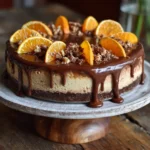
- Decadent Ganache Glaze: Make a mirror glaze: Heat ½ cup (120ml) heavy cream until steaming. Pour over 6 oz (170g) finely chopped dark chocolate + 1 tbsp espresso powder. Let sit 2 minutes, then whisk until smooth. Cool to 90°F, then pour over *chilled* cheesecake. Creates a stunning, glossy, professional finish.
- Gluten-Free Adaptation: Substitute graham crackers with 1 ½ cups (150g) certified gluten-free gingersnap or almond flour cookies. Ensure all other ingredients (especially cocoa and espresso powder) are certified GF.
- Vegan Version (Advanced): Replace cream cheese with soaked and blended raw cashews + coconut cream + lemon juice + agar-agar. Use cold-brew espresso concentrate instead of powder. Requires precise pH and gelation testing—best attempted with a dedicated vegan cheesecake guide.
- Mini Mason Jar Cheesecakes: Divide batter among 8–10 sterilized 8-oz mason jars. Bake in a water bath at 325°F for 35–45 minutes. Chill 8+ hours. Perfect for portion control and gifting.
Health Considerations and Nutritional Value
A single generous slice (1/12th of the 9-inch cake, approx. 180g) provides approximately:
- Calories: 520–580 kcal
- Total Fat: 38–42g (24–28g saturated)
- Carbohydrates: 42–46g (32–36g sugars)
- Protein: 8–10g
- Fiber: 2–3g (from graham crackers & cocoa)
- Key Micronutrients: Calcium (15% DV), Iron (8% DV), Magnesium (12% DV), Copper (20% DV), Manganese (25% DV)
Positive Attributes:
- Antioxidant Powerhouse: Dark chocolate (70%+) is exceptionally rich in flavonoids—epicatechin and procyanidins—which support vascular health, reduce oxidative stress, and may improve cognitive function. Espresso contributes chlorogenic acid, another potent antioxidant linked to metabolic benefits.
- Neuroprotective Potential: Caffeine (≈35–45mg per slice) and theobromine in dark chocolate enhance alertness, focus, and mood regulation without the jitters associated with coffee alone—thanks to chocolate’s calming L-theanine-like compounds.
- Heart Health Support: Studies associate regular, moderate dark chocolate consumption with improved endothelial function, reduced LDL oxidation, and modest blood pressure lowering—especially when paired with coffee’s polyphenols.
- Mineral Density: High in magnesium (crucial for muscle/nerve function) and copper/manganese (cofactors for antioxidant enzymes).
Considerations & Mindful Enjoyment:
- Saturated Fat Content: Primarily from dairy and cocoa butter. While recent research nuances the role of saturated fat, those with specific lipid disorders or cardiovascular concerns should enjoy this dessert in moderation (1 small slice weekly) and balance with high-fiber, plant-forward meals.
- Sugar Load: Contains significant added sugar. Optimize by using the minimal recommended sugar, choosing less-sweet dark chocolate (74%), or substituting 1–2 tbsp of the granulated sugar with erythritol or allulose for a lower-glycemic version (test first for texture).
- Caffeine Sensitivity: While lower than a cup of coffee, the cumulative caffeine + theobromine may affect sleep or anxiety in sensitive individuals. Best enjoyed earlier in the day.
- Dairy Considerations: Contains lactose and casein. Lactose-intolerant individuals may tolerate small portions due to fermentation in sour cream, but dairy-free alternatives require recipe reformulation.
- Not a “Health Food”—But a Worthwhile Indulgence: Its nutritional merits lie in *quality ingredients* and *phytonutrient density*, not low-calorie status. Savor it intentionally, slowly, and as part of a varied, whole-food diet.
Ingredients
- For the Crust:
- 1 ½ cups (150g) graham cracker crumbs (about 12 full sheets)
- 2 tablespoons (25g) granulated sugar
- ¼ teaspoon fine sea salt
- 6 tablespoons (85g) unsalted butter, melted
- For the Filling:
- 24 ounces (680g) full-fat brick-style cream cheese, room temperature (4 (8-oz) packages)
- 1 cup (200g) granulated sugar
- 1 cup (240g) full-fat sour cream, room temperature
- ½ cup (120ml) heavy whipping cream (36–40% fat), room temperature
- 2 teaspoons pure vanilla extract
- ¼ teaspoon fine sea salt
- 4 large eggs, room temperature
- 2 tablespoons (12g) high-quality instant espresso powder (e.g., Medaglia D’Oro)
- 2 tablespoons (15g) Dutch-process unsweetened cocoa powder
- 8 ounces (227g) high-quality dark chocolate (70–74% cacao), finely chopped or grated
Directions
- Preheat oven to 325°F (163°C). Position rack in lower third. Wrap the *outside bottom and sides* of a 9-inch springform pan tightly with two layers of heavy-duty aluminum foil. Lightly grease inside and line bottom with parchment.
- Make crust: Pulse graham crumbs, 2 tbsp sugar, and ¼ tsp salt in food processor until fine. Add melted butter; pulse until moistened. Press firmly into pan bottom and 1″ up sides. Chill 30 min.
- Fill large roasting pan with hot water (1–1.5″ deep); place on oven rack.
- Melt chocolate: In double boiler, melt chocolate, stirring until smooth. Whisk in espresso powder and cocoa until dissolved. Cool 5 min.
- Cream cheese: Beat cream cheese on medium-low 2 min until smooth. Add sugar; beat 1 min. Scrape bowl.
- Add sour cream and heavy cream; beat 1 min on medium-low until smooth. Scrape. Add vanilla and salt; mix 15 sec.
- Add eggs one at a time on low speed, beating 20 sec after each. Scrape bowl thoroughly after each.
- With mixer on lowest speed, slowly pour warm chocolate mixture into batter. Mix until *just* combined. Fold once with spatula.
- Pour into crust. Tap pan to release bubbles. Smooth top. Run hot knife around edge.
- Place springform in water bath. Bake 1 hr 25 min–1 hr 40 min until edges set and center jiggles softly. Internal temp: 150–152°F.
- Turn oven off. Crack door open 1–2″. Cool 1 hr in oven. Remove from water bath; peel foil. Loosen edge with knife. Cool 2 hrs on rack.
- Refrigerate *uncovered* for minimum 12 hrs, ideally 24–48 hrs before slicing.
FAQ
- Q: Can I use instant coffee instead of espresso powder?
- A: Not recommended. Instant coffee granules are coarser, less soluble, and often contain fillers or added sugar. They won’t dissolve fully, leaving gritty pockets and muted flavor. Espresso powder is finely ground, intensely flavored, and designed for baking. If absolutely necessary, grind instant coffee *very* finely in a spice grinder—but expect inferior results.
- Q: Why did my cheesecake crack?
- A: Most common causes: (1) Overmixing after adding eggs, (2) Cooling too quickly (skip the oven-off step!), (3) Water bath not used or leaking, (4) Opening oven door before 1 hr 15 min, (5) Overbaking (center should jiggle). Even cracked cakes taste amazing—cover with ganache!
- Q: Can I make this without a water bath?
- A: Technically yes, but strongly discouraged. Without the humid, even heat, the surface dries and contracts rapidly, pulling away from the edges and causing severe cracks. The water bath is the single most effective tool for a flawless, creamy texture. Foil-wrapping is easy and foolproof.
- Q: How do I know when it’s perfectly baked?
- A: Visual cue: Edges are puffed and set; center (3-inch circle) jiggles softly like Jell-O—not sloshes like water. Thermometer cue: 150–152°F (65–67°C) 1″ from center. Err on the side of underbaked—it firms dramatically while chilling.
- Q: Can I use a different pan size?
- A: A 10-inch pan will yield a thinner, faster-baking cheesecake (reduce time by 10–15 min; check at 1 hr 10 min). An 8-inch will be thicker and need ~15 min longer. Adjust water bath depth accordingly. Never use a regular cake pan—it will leak.
- Q: Is the espresso powder necessary? Can I omit it?
- A: You *can* omit it, but you’ll lose the defining brightness, acidity, and aromatic complexity that lifts the chocolate and prevents heaviness. It’s what transforms “chocolate cheesecake” into “Dark Chocolate *Espresso* Cheesecake.” Try reducing to 1 tbsp if sensitive, but don’t skip entirely.
- Q: Can I freeze leftovers?
- A: Absolutely! Slice