Introduction
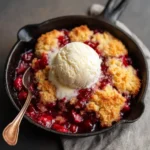
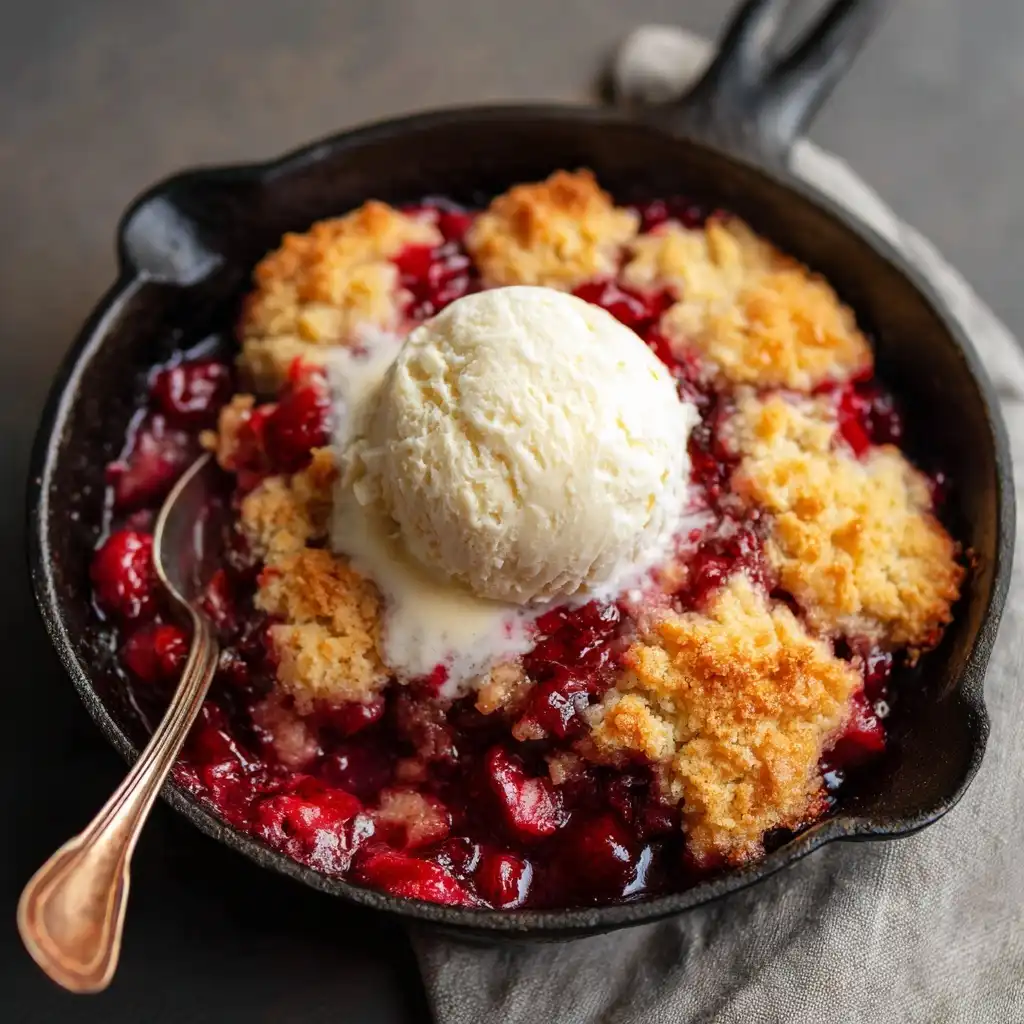
Welcome to the ultimate guide for making an Easy Cranberry Cobbler—a beloved, rustic dessert that perfectly balances tartness and sweetness with minimal effort and maximum flavor. Whether you’re a seasoned baker or a kitchen novice, this cobbler is forgiving, flexible, and endlessly satisfying. Its golden, biscuit-like topping crowns a bubbling, jewel-toned cranberry filling that’s both nostalgic and refreshingly vibrant. Ideal for holiday gatherings, cozy weeknight treats, or spontaneous dessert cravings, this recipe delivers restaurant-quality results without fancy techniques or hard-to-find ingredients. In fact, you’ll likely already have most of what you need in your pantry—and if not, substitutions are seamless and encouraged. Let’s dive into the rich story behind this classic American dessert, explore why it’s stood the test of time, and walk through every step with clarity, confidence, and care.
The History
Cobbler has deep roots in early American culinary tradition, evolving from British “cobbled” or “roughly assembled” fruit desserts brought over by colonial settlers. Unlike pies—which required precise pastry rolling and crimping—cobblers were born of practicality: settlers adapted limited resources and tools to create comforting, hearty fruit-based desserts baked in cast-iron skillets or Dutch ovens over open hearths. The name “cobbler” is widely believed to derive from the “cobbled” appearance of the uneven, dropped-biscuit or dumpling-style topping—reminiscent of cobblestone streets. While peach, apple, and blackberry cobblers dominated Southern and Appalachian tables, cranberry cobbler gained regional prominence in New England and the Upper Midwest, where wild and cultivated cranberries thrived in acidic bogs. Native American tribes, including the Wampanoag and Lenape, had long used cranberries for food, medicine, and dye—introducing them to Pilgrims who later incorporated them into celebratory dishes, especially around Thanksgiving. By the late 19th century, canned and jellied cranberry sauce became commercially available (thanks to Ocean Spray’s cooperative model in the 1930s), further embedding cranberries into American dessert culture. Today’s Easy Cranberry Cobbler honors that legacy—blending historical ingenuity with modern accessibility, seasonal awareness, and joyful simplicity.
Ingredients Breakdown
Understanding *why* each ingredient matters helps you adapt, troubleshoot, and elevate your cobbler—not just follow instructions. Here’s a detailed, chef-level breakdown:
- Fresh or Frozen Cranberries (4 cups): The star! Their high pectin content ensures a naturally thick, glossy filling without cornstarch—though a small amount can be added for extra stability. Tartness varies by variety and ripeness; frozen berries work just as well (no need to thaw) and often yield more consistent texture.
- Granulated Sugar (1 to 1¼ cups): Sweetens and balances acidity. Start with 1 cup for bright-tart flavor; increase only if serving with unsweetened whipped cream or ice cream—or if using ultra-tart wild cranberries. Brown sugar may be substituted partially (¼ cup) for deeper molasses notes.
- Orange Zest & Juice (1 large orange): A non-negotiable duo. Zest adds aromatic citrus oil that lifts the cranberry’s sharpness, while juice contributes acidity and brightness—enhancing natural fruit flavors without diluting intensity. Avoid bottled juice; fresh-squeezed makes a measurable difference in aroma and balance.
- Ground Cinnamon & Nutmeg (½ tsp + ¼ tsp): Warm spices that complement—not overpower—cranberry’s complexity. Cinnamon adds gentle sweetness; nutmeg lends subtle earthiness. Freshly grated nutmeg is highly recommended for superior fragrance and potency.
- Unsalted Butter (6 tbsp, cold & cubed): Essential for flaky, tender biscuit topping. Cold butter creates steam pockets during baking, yielding lift and delicate layers. Salted butter can be used—but reduce added salt accordingly.
- All-Purpose Flour (1¾ cups): Provides structure. For gluten-free versions, use a 1:1 certified GF blend (like Bob’s Red Mill) with xanthan gum included.
- Baking Powder (2 tsp) & Baking Soda (¼ tsp): Double-acting leaveners ensure reliable rise. Baking soda also neutralizes excess acidity from cranberries and orange, improving browning and tenderness.
- Granulated Sugar (⅓ cup) + Coarse Turbinado Sugar (2 tbsp): The topping’s dual-sugar system: fine sugar blends into the batter for sweetness and tenderness; turbinado adds crunch, sparkle, and caramelized depth when baked.
- Heavy Cream or Whole Milk (¾ cup): Adds richness and moisture. Heavy cream yields a more luxurious, slightly denser biscuit; whole milk produces a lighter, airier texture. Buttermilk may be substituted (reduce baking soda to ⅛ tsp) for tangy tenderness.
- Salt (½ tsp): Enhances all other flavors and balances sweetness—never skip, even in desserts.
Bonus optional additions: 1 tbsp maple syrup (in filling, for autumnal warmth); ¼ tsp almond extract (in topping batter, for aromatic nuance); 2 tbsp chopped toasted pecans or walnuts (folded into topping before baking).
Step-by-Step Recipe
Follow these meticulously tested steps for foolproof success—each stage designed to prevent common pitfalls like soggy topping, broken filling, or uneven baking.
- Preheat & Prep: Position oven rack in the lower third. Preheat oven to 375°F (190°C). Generously grease a 9×13-inch ceramic or metal baking dish (or two 8-inch square dishes for faster bake time and crispier edges). Line bottom with parchment paper for effortless removal—optional but highly recommended.
- Make the Filling: In a large bowl, combine cranberries, granulated sugar (start with 1 cup), orange zest, orange juice, cinnamon, nutmeg, and a pinch of salt. Gently stir—do not crush berries. Let sit 10 minutes to begin macerating and drawing out juices. Stir again—mixture should look glossy and lightly syrupy. If using frozen cranberries, expect some icy crystals; they’ll melt and integrate during baking.
- Transfer & Level: Pour filling into prepared dish. Use a spatula to spread evenly. Do *not* pre-bake the filling—it will bubble beautifully under the topping.
- Make the Topping Batter: In a food processor (or large bowl + pastry cutter), pulse or cut cold butter into flour, baking powder, baking soda, salt, and ⅓ cup granulated sugar until mixture resembles coarse meal with pea-sized butter pieces. Add heavy cream or milk gradually—1–2 tbsp at a time—pulsing or stirring *just until* a shaggy, slightly sticky dough forms. Do *not* overmix; lumps are good! Overworking develops gluten = tough topping.
- Drop & Distribute: Using a 2-tablespoon cookie scoop or spoon, drop 8–10 generous mounds of dough evenly over cranberry layer. Gently press each mound *slightly* to flatten (½-inch thick), leaving small gaps between for filling to bubble through. Don’t worry about full coverage—the gaps create delicious caramelized edges.
- Finish & Bake: Sprinkle entire surface evenly with turbinado sugar. Place dish on a parchment-lined baking sheet (to catch any potential overflow). Bake 45–55 minutes, rotating halfway, until topping is deeply golden brown, crisp at edges, and springy to light touch—and filling is vigorously bubbling *through the gaps* (not just around edges). Internal temperature of filling should read 205–210°F on an instant-read thermometer.
- Cool Strategically: Remove from oven and let rest *at least 30 minutes* before serving. This allows filling to fully set (prevents runny slices) and topping to firm up. Serve warm—not hot—for optimal texture contrast.
Tips
- Room-Temp Ingredients? No—Cold Is Key: Butter *must* stay cold until it hits the oven. Chill flour and cream 15 minutes beforehand if your kitchen runs warm.
- No Food Processor? No Problem: Use a box grater to shred cold butter into flour—then toss gently with fork. Or freeze butter 10 minutes, then use two knives or fingers.
- Too Much Liquid? If filling seems overly juicy after macerating (e.g., from very ripe oranges or watery frozen berries), stir in 1 tbsp quick-cooking tapioca or cornstarch—let sit 2 minutes before transferring to dish.
- Golden Topping Every Time: Brush unbaked topping mounds lightly with cream or egg wash (1 yolk + 1 tsp water) before turbinado sugar—adds shine and deeper color.
- Avoid Soggy Bottoms: Ensure your dish is *fully* greased—including corners—and place on a preheated baking sheet. Steam needs escape routes!
- Don’t Peek Early: Opening oven before 35 minutes risks collapse. Trust the timer—and the aroma!
- Make-Ahead Magic: Assemble filling and topping separately up to 24 hours ahead. Refrigerate filling (covered); store topping batter chilled in bowl covered with plastic wrap. Assemble cold-to-cold and bake—add 5–8 minutes to bake time.
- Freezer-Friendly: Fully baked, cooled cobbler freezes beautifully for up to 3 months. Wrap tightly in foil + freezer bag. Reheat covered at 325°F for 30 minutes, then uncovered 10 minutes to recrisp.
Variations and Customizations
This cobbler is a canvas—celebrate seasons, dietary needs, and personal flair with these inspired twists:
- Cranberry-Apple Fusion: Replace 1½ cups cranberries with peeled, diced Honeycrisp or Granny Smith apples. Add ¼ tsp cardamom to filling for floral warmth.
- Orange-Glazed Pecan: Fold ½ cup toasted pecans into topping batter. Drizzle finished cobbler with orange glaze (1 cup powdered sugar + 2 tbsp orange juice + ½ tsp zest).
- Vegan Version: Substitute cold vegan butter (Miyoko’s or Earth Balance), plant-based milk (soy or oat), and flax egg (1 tbsp ground flax + 3 tbsp water, rested 5 min) in topping. Use coconut sugar in filling for unrefined sweetness.
- Gluten-Free: Use 1:1 GF flour blend *with xanthan gum*. Add ½ tsp additional xanthan gum if blend doesn’t include it—critical for binding and rise.
- Spiced Chai Cranberry: Steep 1 chai tea bag in warm orange juice for 5 minutes before adding to filling. Add ¼ tsp ground ginger and clove to spices.
- Mini Individual Cobblers: Portion into 6 ramekins (6-oz size). Reduce bake time to 28–35 minutes—watch closely for golden tops and bubbling edges.
- Herb-Infused: Stir 1 tsp finely chopped fresh rosemary or thyme into filling—surprisingly harmonious with cranberry’s piney notes.
- Boozy Twist: Add 2 tbsp Grand Marnier, Cointreau, or bourbon to filling—reduce orange juice by 1 tbsp to maintain balance.
Health Considerations and Nutritional Value
An honest, nuanced look at what’s in your cobbler—and how to enjoy it mindfully:
Nutrition Snapshot (per standard 12-serving recipe, ~⅔ cup per portion):
- Calories: ~285 kcal
- Total Fat: 11g (7g saturated—mostly from butter)
- Carbohydrates: 43g (29g sugars—naturally occurring + added)
- Fiber: 3g (from cranberries + orange zest)
- Protein: 3g
- Vitamin C: ~25% DV (powerful antioxidant from cranberries & orange)
- Manganese: ~15% DV (supports metabolism and bone health)
Health Highlights:
- Cranberries Are Functional Superfoods: Rich in proanthocyanidins (PACs) shown to support urinary tract health and combat oxidative stress. Their polyphenols may improve vascular function and reduce inflammation.
- Low Glycemic Impact (When Balanced): Though sweetened, the fiber, acidity, and fat content slow glucose absorption—especially when served with plain Greek yogurt instead of ice cream.
- Butter Isn’t the Enemy: Grass-fed butter provides vitamin K2 (for calcium utilization) and butyrate (a gut-healing short-chain fatty acid). Moderation is key—not elimination.
Smart Swaps for Specific Goals:
- Lower Sugar: Reduce granulated sugar to ¾ cup + add 2 tbsp monk fruit/erythritol blend. Keep orange juice/zest for flavor integrity.
- Higher Fiber: Replace ¼ cup flour with oat fiber or ground flaxseed in topping batter.
- Lower Fat: Use ½ cup low-fat buttermilk + 2 tbsp cold butter (rest 5 min before mixing) — texture will be slightly less rich but still tender.
- Added Protein: Stir 2 scoops unflavored collagen peptides into dry topping ingredients—undetectable taste, boosts satiety.
Note: This is not a “health food”—it’s a nourishing, intentional dessert. Prioritize whole-food ingredients, savor slowly, and pair with mindful eating practices for true wellness alignment.
Ingredients
- 4 cups fresh or frozen cranberries (do not thaw if frozen)
- 1 cup granulated sugar (plus ⅓ cup for topping)
- Zest and juice of 1 large navel orange (about 2 tsp zest, ¼ cup juice)
- ½ teaspoon ground cinnamon
- ¼ teaspoon freshly grated nutmeg
- ¼ teaspoon fine sea salt
- 6 tablespoons unsalted butter, cold and cubed
- 1¾ cups all-purpose flour (spooned & leveled)
- 2 teaspoons baking powder
- ¼ teaspoon baking soda
- ¾ cup heavy cream or whole milk
- 2 tablespoons turbinado or raw sugar (for sprinkling)
Directions
- Preheat oven to 375°F (190°C). Grease a 9×13-inch baking dish and line bottom with parchment paper (optional but recommended).
- In a large bowl, combine cranberries, 1 cup sugar, orange zest, orange juice, cinnamon, nutmeg, and salt. Stir gently and let stand 10 minutes to macerate.
- Pour cranberry mixture into prepared baking dish and spread evenly.
- In a food processor (or large bowl), combine flour, baking powder, baking soda, salt, and ⅓ cup sugar. Add cold butter and pulse (or cut in with pastry cutter) until mixture resembles coarse crumbs with pea-sized butter pieces.
- Add cream or milk gradually, pulsing or stirring just until a shaggy, slightly sticky dough forms—do not overmix.
- Using a 2-tablespoon scoop, drop 8–10 mounds of dough over cranberry layer. Gently press each mound to about ½-inch thickness, leaving small gaps between.
- Sprinkle evenly with turbinado sugar. Place dish on a parchment-lined baking sheet.
- Bake 45–55 minutes, rotating halfway, until topping is deep golden and filling bubbles vigorously through gaps.
- Let cool at least 30 minutes before serving. Serve warm with vanilla ice cream, whipped cream, or unsweetened Greek yogurt.
FAQ
- Can I use canned cranberry sauce instead of fresh/frozen berries?
- No—canned sauce contains gelling agents, preservatives, and excessive sugar that disrupt texture, acidity, and baking chemistry. Stick to whole berries for authentic structure and balanced tartness.
- Why did my topping sink or become gummy?
- Most commonly caused by: (1) overmixing the batter—develops gluten; (2) using warm/melted butter; (3) pouring hot filling over cold topping—always assemble cold-to-cold; (4) underbaking—filling must reach 205°F+ to properly set and support topping.
- Can I make this dairy-free?
- Absolutely. Use cold vegan butter, unsweetened soy or oat milk, and ensure your baking powder is aluminum-free and vegan-certified. Texture remains excellent.
- How do I store leftovers?
- Cool completely, cover tightly, and refrigerate up to 5 days. Reheat individual portions in microwave (30 sec) or full dish at 325°F for 15–20 minutes until warmed through. Top crisps best when reheated uncovered.
- Is there a way to reduce the tartness without adding more sugar?
- Yes! Add 1 tbsp pure maple syrup or honey to filling—it enhances fruitiness while softening acidity. Also, ensure you’re using full orange zest (oils are flavor-balancing) and consider adding a pinch of ground allspice for rounded warmth.
- Can I prepare this the night before and bake it fresh in the morning?
- Yes—with caveats. Assemble filling in dish and refrigerate covered. Prepare topping batter, cover, and chill separately. Assemble cold-to-cold 15 minutes before baking and add 5–7 minutes to bake time. Do *not* assemble fully and refrigerate overnight—the topping will absorb moisture and turn dense.
- What’s the best way to serve it for a crowd?
- Bake in a large ceramic or enameled cast-iron dish for even heat distribution and rustic presentation. Serve directly from the dish with a large serving spoon. Offer a pitcher of warm spiced cream (cream + cinnamon + pinch of salt, gently warmed) for drizzling.
Summary
This Easy Cranberry Cobbler is a timeless, adaptable, and deeply flavorful dessert that celebrates seasonal fruit with minimal fuss and maximum heart. With its vibrant, tart-sweet filling and golden, tender-crisp topping, it’s equally at home on a holiday table or a quiet Tuesday night.
Backed by culinary history, nutritionally thoughtful tweaks, and foolproof technique, it invites creativity while delivering consistent, soul-warming results—proving that exceptional baking truly begins with simplicity, quality ingredients, and joyful intention.