Introduction
The Egg Salad Sandwich is a timeless classic—simple, satisfying, and endlessly adaptable. Whether served on soft white bread at a Sunday brunch, tucked into a whole grain wrap for a quick lunch, or elegantly presented on artisanal sourdough for an afternoon tea, this humble sandwich bridges generations and geographies. Its enduring appeal lies not only in its comforting familiarity but also in its remarkable versatility: it can be minimalist and clean for health-conscious eaters, rich and creamy for indulgent moments, or boldly spiced and globally inspired for adventurous palates. More than just a meal, the egg salad sandwich represents resourcefulness—born from pantry staples, elevated by technique, and refined through personal tradition. In this comprehensive guide, we’ll explore every facet of this beloved dish: its surprising historical roots, the science behind each ingredient’s role, foolproof preparation methods, nuanced tips honed by decades of culinary practice, creative riffs from Mediterranean to Asian fusion, evidence-based nutritional insights, and thoughtful answers to the questions home cooks ask most.
The History
While hard-boiled eggs have been consumed since ancient times—archaeological evidence suggests Egyptians and Romans preserved them in salt and ash—the modern egg salad sandwich as we know it emerged in the late 19th and early 20th centuries in the United States. Its rise coincided with pivotal developments in food technology and domestic life: the widespread adoption of home refrigeration (which made safe egg storage possible), the commercial availability of mayonnaise (first mass-produced by Richard Hellmann in 1912), and the proliferation of sliced, pre-packaged bread following Otto Rohwedder’s invention of the bread-slicing machine in 1928). Early references appear in community cookbooks like The Boston Cooking-School Cook Book (1896) by Fannie Farmer, where “egg salad” was listed as a cold entrée, often served with lettuce and crackers—not yet as a sandwich. By the 1930s, wartime rationing further cemented its status: eggs were relatively affordable, shelf-stable when boiled, and protein-dense—making egg salad an economical, nutritious solution during meat shortages. Regional variations soon followed: the Midwest favored celery and sweet pickle relish; Southern versions embraced mustard and paprika; New England chefs began folding in fresh dill and capers. Internationally, parallels exist—the French salade d’œufs, Japanese tamago sando (with ultra-soft, sugar-and-mirin–infused eggs), and Indian anda salad with cumin and green chilies—but the American sandwich format, with its emphasis on creamy texture and balanced crunch, remains uniquely iconic. Understanding this lineage reminds us that the egg salad sandwich isn’t static—it’s a living recipe shaped by innovation, necessity, and cultural exchange.
Ingredients Breakdown
Every exceptional egg salad sandwich begins not with technique—but with intentionality toward ingredients. Each component plays a precise functional and sensory role:
- Eggs (6 large, pasture-raised preferred): The foundation. Pasture-raised eggs offer deeper orange yolks rich in lutein and omega-3s, contributing both visual appeal and nuanced flavor. Older eggs (7–10 days old) peel more easily due to increased pH, but freshness is critical for food safety—always use eggs within their “best by” date and cool immediately after boiling.
- Mayonnaise (⅓–½ cup, full-fat, preferably homemade or high-quality store-bought): Acts as the emulsifier and moisture regulator. Full-fat mayo provides richness and prevents dryness; low-fat or “light” versions contain added gums and water that destabilize texture and dilute flavor. Homemade mayo (egg yolk, Dijon, lemon juice, slow-emulsified oil) adds brightness and avoids preservatives.
- Yellow or Dijon Mustard (1–2 tsp): Adds acidity to cut richness, enhances egg flavor via volatile compounds, and contributes subtle heat. Dijon offers complexity (brown mustard seeds, white wine vinegar); yellow mustard delivers nostalgic tang and bright color.
- Red Onion (2 tbsp finely minced, soaked in cold water for 5 minutes): Provides sharp allium bite and aromatic depth. Soaking removes harsh sulfur notes while preserving crunch and sweetness.
- Celery (¼ cup finely diced): Delivers essential textural contrast—juicy crispness that offsets creaminess. Choose inner stalks for tenderness and minimal stringiness.
- Hard Salami or Pickle Relish (1 tbsp optional but recommended): A secret weapon for umami and dimension. Finely diced salami adds savory depth and subtle fat; sweet or dill relish contributes acidity and gentle sweetness. Avoid overly vinegary brands that overwhelm.
- Fresh Herbs (1 tbsp chopped chives or dill): Bright, aromatic top notes that lift the entire profile. Chives add mild onion essence; dill complements eggs inherently. Add *after* mixing to preserve vibrancy.
- Seasonings (¾ tsp fine sea salt, ¼ tsp freshly ground white pepper, pinch of smoked paprika or Old Bay): Salt enhances all flavors and improves protein solubility for better binding; white pepper offers warmth without black specks; smoked paprika adds earthy nuance, while Old Bay nods to coastal heritage.
- Lemon Zest (from ½ lemon, optional but transformative): Microplaned zest introduces citrus oils that awaken the palate and balance fat—more impactful than juice alone.
Understanding these roles empowers customization: swap mustard for yuzu kosho for Japanese flair, replace celery with jicama for Mexican-inspired crunch, or use crème fraîche instead of mayo for French bistro elegance.
Step-by-Step Recipe
- Perfect Hard-Boil the Eggs: Place eggs in a single layer in a saucepan. Cover with 1 inch of cool water. Add 1 tsp white vinegar (helps coagulate leaking whites) and 1 tsp salt (aids peeling). Bring to a *full, rolling boil* over medium-high heat. Once boiling, cover, remove from heat, and let sit—9 minutes for jammy-yolked eggs ideal for salad; 12 minutes for fully set, chalk-free yolks. Immediately transfer to an ice-water bath for *at least 15 minutes*—this stops cooking, firms the white, and creates a crucial air gap between shell and membrane.
- Peel with Precision: Gently tap each egg on the counter, then roll between palms to crack evenly. Start peeling from the wider end (where the air pocket resides) under cold running water—this flushes away membrane fragments and prevents tearing.
- Chill & Chop: Pat eggs completely dry. Chill peeled eggs in the fridge for 20 minutes—cold eggs crumble less and yield cleaner cuts. Coarsely chop with a sharp chef’s knife (not a food processor—over-processing makes paste). For traditional texture: ⅜-inch pieces. For rustic elegance: slightly larger, varied pieces.
- Build Flavor Base: In a chilled stainless-steel bowl, whisk together mayonnaise, mustard, lemon zest, salt, white pepper, and smoked paprika until smooth and aerated (about 30 seconds).
- Combine Gently: Add chopped eggs, drained red onion, celery, salami or relish, and half the herbs. Using a flexible silicone spatula, fold *just until coated*—15–20 turns max. Overmixing breaks down eggs and releases water, causing separation.
- Rest & Marinate: Cover tightly and refrigerate *minimum 1 hour*, ideally 3 hours. This allows flavors to harmonize, celery to mellow, and dressing to hydrate evenly without sogginess. Stir once before serving to redistribute.
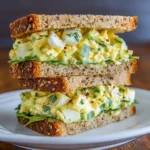
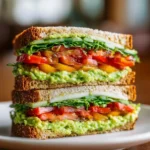
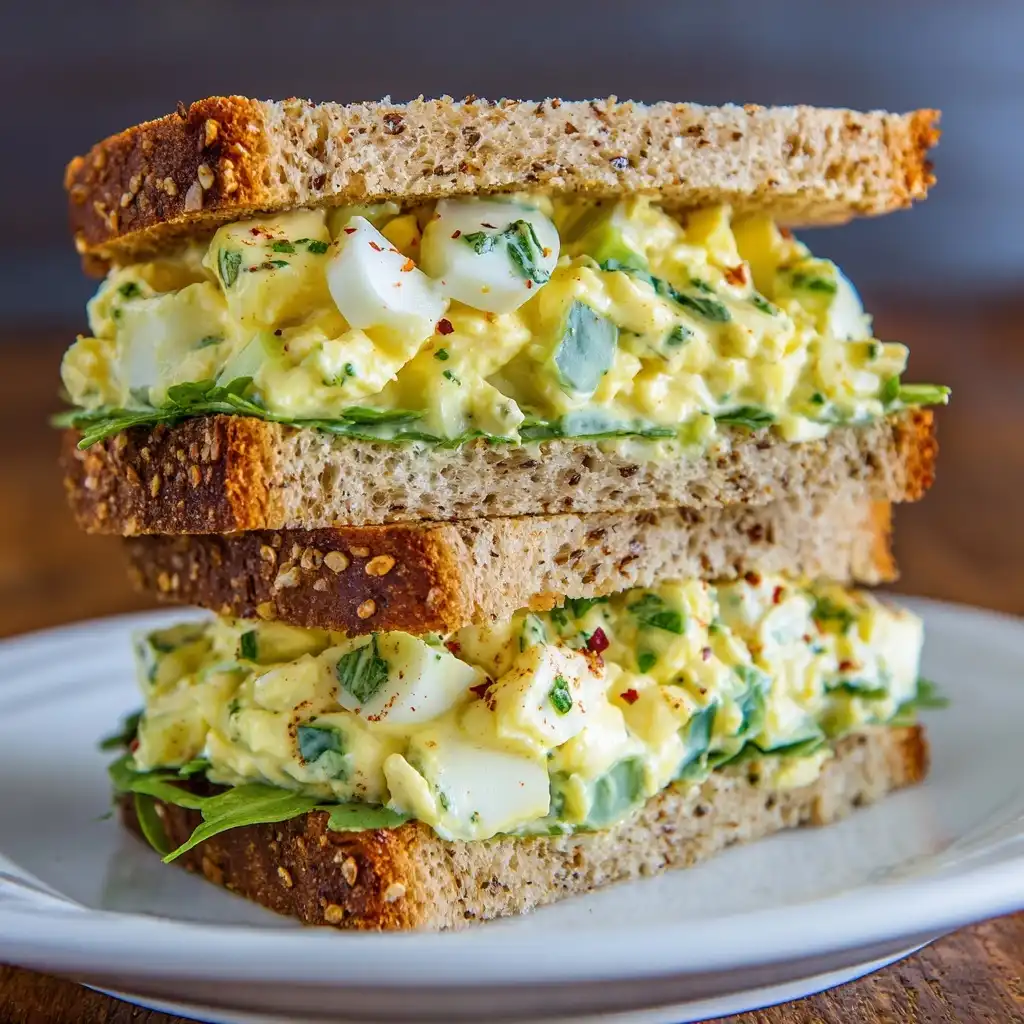
- Toast & Assemble: Lightly toast bread (brioche, levain, or multigrain) until golden and crisp—this prevents structural collapse. Spread a thin layer of extra mayonnaise or herb butter on *both* slices to create a moisture barrier. Spoon egg salad generously (¾ cup per sandwich), leveling gently. Top with microgreens, arugula, or alfalfa sprouts for freshness and visual contrast. Cut diagonally for maximum surface area and aesthetic appeal.
Tips
- Temperature Matters: Keep all ingredients cold until assembly. Warm eggs + warm mayo = greasy, separated salad. Chill bowls, utensils, and even the cutting board.
- The “No-Drain” Rule: Never rinse chopped eggs or squeeze vegetables—residual moisture dilutes flavor and causes sliminess. Pat dry thoroughly instead.
- Vinegar Is Your Friend: A ¼ tsp apple cider vinegar stirred in at the end adds brightness that mimics aging without acidity overload.
- Texture Hierarchy: Aim for three textures: creamy (egg yolk/mayo), crunchy (celery/onion), and tender-crisp (herbs/sprouts). Adjust ratios based on preference—more celery for crunch lovers, extra yolk for richness.
- Toast Timing: Toast bread *immediately* before assembling. Stale toast absorbs moisture; piping-hot toast steams the filling. For make-ahead lunches, pack components separately and assemble onsite.
- Acid Balance: If salad tastes flat after chilling, don’t add more salt—add a few drops of lemon juice or sherry vinegar. Acid resets perception of flavor.
- Knife Skills: Use a serrated knife for clean sandwich cuts. Saw gently—don’t press down. Wipe blade between cuts for pristine edges.
- Storage Science: Store undressed salad in an airtight container with parchment pressed directly on the surface to prevent oxidation (green-gray yolks). Keeps 3–4 days refrigerated. Never freeze—eggs become rubbery and watery.
Variations and Customizations
The egg salad sandwich is a canvas—not a constraint. Here are meticulously developed variations, each with distinct cultural logic and technical considerations:
- Mediterranean Herb & Olive: Replace mayo with Greek yogurt + tahini (2:1 ratio). Fold in Kalamata olives (pitted, chopped), roasted red peppers, lemon zest, oregano, and crumbled feta. Serve on pita or ciabatta. *Why it works:* Yogurt’s lactic acid tenderizes while tahini adds unctuous depth; olives contribute brine that replaces salt.
- Curry-Lime Vegan “Egg”: Pulse firm tofu, chickpea flour, turmeric, black salt (kala namak—for sulfurous “egg” aroma), lime zest, and mango chutney until crumbly. Bind with Vegenaise. Add shredded carrot and cilantro. *Science note:* Black salt’s hydrogen sulfide replicates egg’s signature scent; turmeric provides yolk-like color without staining.
- Smoked Salmon & Dill: Use 4 eggs + 3 oz cold-smoked salmon (flaked). Substitute crème fraîche for half the mayo. Add capers, fresh dill, and a whisper of horseradish. Serve on everything bagel thins. *Chef’s tip:* Fold salmon in last to avoid shredding; horseradish activates salmon’s natural enzymes for brighter flavor.
- Southern Pimento Cheese Fusion: Blend ¼ cup sharp cheddar, 2 tbsp pimentos (drained), 1 tsp Worcestershire, and 1 tbsp buttermilk into the base mayo mixture before adding eggs. Garnish with pickled okra. *Flavor synergy:* Buttermilk’s acidity cuts cheddar’s fat; pimentos add sweet smoke that mirrors paprika.
- Japanese Tamago Sando Style: Use ultra-soft boiled eggs (6-minute sous vide at 165°F). Mash yolks with Kewpie mayo (richer, MSG-enhanced), mirin, and rice vinegar. Fold in barely-set whites. Press into a square mold lined with plastic wrap, chill 1 hour, then slice. Serve on milk bread toasted with yakiniku sauce butter. *Precision note:* Kewpie’s caramelized garlic and egg yolk base creates unparalleled silkiness.
- Southwest Chipotle-Avocado: Replace ¼ cup mayo with mashed ripe avocado. Add adobo sauce (1 tsp), pickled red onions, corn kernels, and crushed tortilla chips for crunch. Top with cotija and cilantro. *Food safety:* Avocado oxidizes—add lime juice and serve within 2 hours.
Each variation honors the core principles—balance, texture, temperature control—while reimagining identity. Experiment fearlessly, but document ratios: successful customization is iterative science.
Health Considerations and Nutritional Value
A standard egg salad sandwich (made with 6 large eggs, ⅓ cup full-fat mayo, 2 slices whole grain bread, ¼ cup celery/onion) delivers approximately 620 calories, 38g protein, 42g fat (10g saturated), 32g carbohydrates, and 6g fiber. While often labeled “high-cholesterol,” modern nutrition science clarifies critical context: dietary cholesterol has minimal impact on blood cholesterol for ~70% of people (per American Heart Association 2021 guidelines). Eggs provide 13 essential nutrients—including choline (vital for brain health and methylation), lutein/zeaxanthin (eye protection), and vitamin D (rare in foods). The real nutritional levers lie in intelligent modifications:
- Heart-Healthy Swaps: Replace half the mayo with mashed white beans (cannellini or navy)—adds soluble fiber that binds bile acids, lowering LDL cholesterol. Boost omega-3s by using flaxseed- or algae-oil–enriched eggs.
- Low-Carb/Keto Adaptation: Serve in butter-lettuce cups or portobello mushroom caps. Use avocado oil mayo and omit bread entirely—protein and healthy fats keep satiety high without spiking insulin.
- Anti-Inflammatory Focus: Incorporate turmeric (1/8 tsp), black pepper (enhances curcumin absorption), and walnuts (crushed, for crunch and ALA omega-3s). Pair with a side of fermented kimchi for gut microbiome support.
- Allergen-Conscious Options: For egg allergy, silken tofu + nutritional yeast + black salt creates a functional mimic. For soy-free mayo, choose avocado oil or olive oil–based versions. Gluten-free? Use certified GF bread or gluten-free seed crackers.
- Sodium Awareness: Traditional recipes hover near 800mg sodium. Reduce by 40% using low-sodium mustard, unsalted butter for toasting, and omitting salami/relish. Boost flavor with lemon, herbs, and smoked paprika instead.
- Digestive Sensitivity: For those with IBS, replace onion/celery with grated cucumber (squeezed dry) and fennel bulb (thinly shaved)—low-FODMAP and anti-spasmodic.
Ultimately, the egg salad sandwich can align with nearly any dietary framework—when approached with nutritional literacy rather than restriction. It’s not inherently “healthy” or “unhealthy”; it’s a vehicle for intentional nourishment.
Ingredients
- 6 large pasture-raised eggs
- 1 tablespoon distilled white vinegar
- 1 teaspoon fine sea salt (for boiling water)
- ⅓ cup full-fat, high-quality mayonnaise (Hellmann’s, Duke’s, or homemade)
- 1½ teaspoons Dijon mustard
- ½ teaspoon lemon zest (from ½ organic lemon)
- ¾ teaspoon fine sea salt (plus more to taste)
- ¼ teaspoon freshly ground white pepper
- Pinch of smoked paprika (or Old Bay seasoning)
- 2 tablespoons red onion, finely minced and soaked in ice water for 5 minutes, then drained
- ¼ cup celery, finely diced (inner stalks preferred)
- 1 tablespoon finely diced hard salami OR sweet pickle relish (drained)
- 1 tablespoon fresh chives or dill, finely chopped
- 2 slices high-quality bread (brioche, sourdough, or whole grain), lightly toasted
- Optional garnish: microgreens, arugula, or alfalfa sprouts
Directions
- Place eggs in a single layer in a medium saucepan. Cover with 1 inch of cool water. Add vinegar and 1 tsp salt. Bring to a full, rolling boil over medium-high heat.
- Once boiling, cover pan, remove from heat, and let sit: 12 minutes for fully set yolks.
- Immediately transfer eggs to an ice-water bath. Chill for at least 15 minutes.
- Tap eggs gently on counter, roll to crack, and peel under cold running water, starting at the wider end.
- Pat eggs completely dry. Chill peeled eggs in refrigerator for 20 minutes.
- Using a sharp knife, coarsely chop eggs to ⅜-inch pieces. Place in a chilled stainless-steel bowl.
- In a separate small bowl, whisk together mayonnaise, mustard, lemon zest, ¾ tsp salt, white pepper, and smoked paprika until smooth.
- Pour dressing over eggs. Add drained red onion, celery, salami or relish, and half the herbs. Fold gently with silicone spatula until just combined (15–20 turns).
- Cover bowl tightly and refrigerate for minimum 1 hour, up to 3 hours.
- Lightly toast bread until golden and crisp. Spread thin layer of extra mayonnaise or herb butter on both slices.
- Spoon chilled egg salad onto bottom slice (¾ cup). Top with greens and second slice. Cut diagonally. Serve immediately.
FAQ
- Can I make egg salad ahead of time?
- Yes—prepare the dressed salad up to 3 days in advance. Store in an airtight container with parchment pressed directly on the surface to prevent oxidation. Stir well before using. For best texture, assemble sandwiches no more than 30 minutes before eating.
- Why does my egg salad get watery?
- Three primary causes: 1) Eggs not patted dry before chopping, 2) Vegetables (onion, celery) not drained thoroughly, 3) Overmixing, which breaks down egg proteins and releases moisture. Always chill components, drain aggressively, and fold gently.
- What’s the best bread for egg salad?
- Bread should be sturdy enough to support moisture without disintegrating, yet tender enough to complement creaminess. Top choices: brioche (rich, slightly sweet), levain (tangy, chewy crust), or whole grain seeded (nutty, high-fiber). Avoid overly porous breads like French baguettes—they absorb too quickly.
- Can I freeze egg salad?
- No. Freezing causes egg proteins to denature, resulting in a rubbery, watery, grainy texture upon thawing. Mayonnaise also separates irreversibly. For long-term storage, freeze hard-boiled eggs *undressed* (peeled, in airtight container) for up to 1 month—thaw overnight in fridge, then prepare fresh.
- How do I make it spicy?
- Add ¼ tsp cayenne pepper or 1 tsp sriracha to the dressing. For layered heat, fold in 1 tablespoon finely minced jalapeño (seeds removed) or pickled Fresno chiles. Smoked chipotle powder adds depth alongside heat.
- Is egg salad safe for pregnant people?
- Yes—if eggs are cooked until yolks and whites are completely firm (160°F internal temperature) and handled safely (refrigerated ≤2 hours, consumed within 3–4 days). Avoid raw or soft-boiled eggs, homemade mayonnaise with raw eggs, or unpasteurized dairy products.
- How can I make it vegan?
- Create a “scrambled tofu” base: Crumble 14 oz firm tofu, sauté with 1 tsp turmeric, ½ tsp black salt, 1 tbsp nutritional yeast, 1 tsp kala namak, and 1 tbsp lemon juice. Cool, then mix with vegan mayo, celery, onion, and dill. Texture and flavor closely mimic traditional versions.
- What herbs pair best with egg salad?
- Classic: chives, dill, tarragon. Unexpected but brilliant: basil (for Italian flair), mint (brightens Southeast Asian versions), or shiso (Japanese-inspired). Always add fresh herbs *after* chilling to preserve volatile oils.
Summary
The Egg Salad Sandwich is far more than a nostalgic lunchbox staple—it’s a masterclass in balance, texture, and culinary adaptability, rooted in history yet perpetually evolving through global innovation and personal expression. From its pragmatic origins in early 20th-century American kitchens to its current renaissance as a vehicle for wellness, sustainability, and cross-cultural creativity, it remains unmatched in its ability to satisfy deeply while inviting endless reinvention.
Whether you prioritize perfect peeling technique, optimize for heart health, explore plant-based alternatives, or craft a gourmet variation worthy of a Michelin-starred picnic, this guide equips you with the science, stories, and strategies to transform simple ingredients into something extraordinary—one thoughtfully assembled bite at a time.