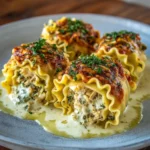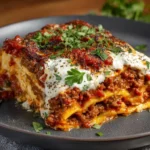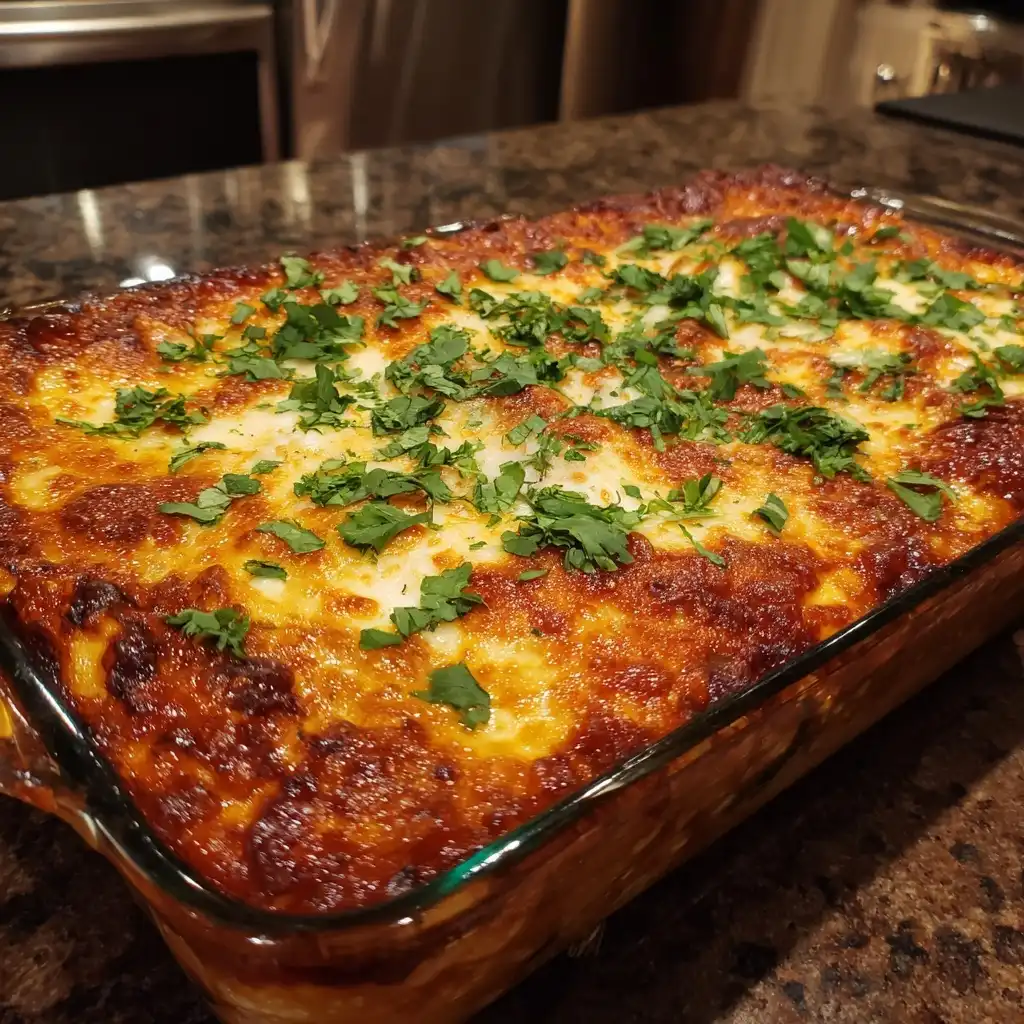
Introduction
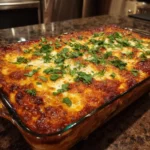
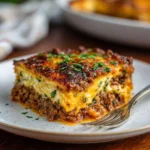
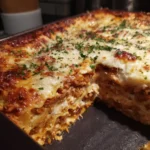
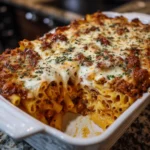
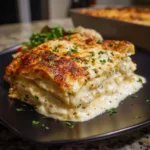
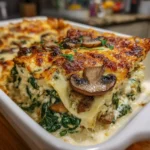
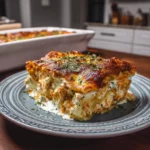
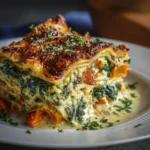
Eggplant Parmesan Lasagna is a decadent, soul-satisfying fusion dish that bridges the rich traditions of Italian-American cuisine—merging the robust, layered structure of classic lasagna with the deep, savory elegance of eggplant Parmesan. Unlike traditional lasagna that relies on pasta sheets, this innovative rendition uses thinly sliced, roasted or pan-seared eggplant as the foundational “noodle” layer—adding not only a velvety texture and meaty bite but also a subtle sweetness and earthy depth. It’s a celebration of seasonal produce elevated through time-honored techniques: salting and draining eggplant to remove bitterness and excess moisture, slow-simmering aromatic tomato sauce, building layers of creamy ricotta, tangy mozzarella, sharp Parmigiano-Reggiano, and fresh herbs. Whether you’re seeking a vegetarian showstopper for Sunday dinner, a make-ahead crowd-pleaser for potlucks, or a comforting yet refined centerpiece for holiday gatherings, Eggplant Parmesan Lasagna delivers complexity, balance, and unmistakable Italian heart—with every forkful.
The History
The origins of Eggplant Parmesan Lasagna lie at the intersection of culinary evolution, regional adaptation, and immigrant ingenuity. Its lineage traces back to melanzane alla parmigiana, a beloved Southern Italian dish from Campania and Sicily dating to at least the 18th century—though some food historians suggest eggplant-based preparations may have appeared even earlier, influenced by Arab agricultural practices introduced to Sicily in the 9th century. Traditional parmigiana features breaded, fried eggplant slices layered with tomato sauce and cheese, then baked until bubbling and golden. When Italian immigrants arrived in the United States in the late 19th and early 20th centuries, they adapted recipes using locally available ingredients and American kitchen tools—leading to the rise of “Italian-American” classics like spaghetti and meatballs and baked ziti. Lasagna, already popular in Northern Italy with its delicate pasta ribbons and rich ragù, became a natural canvas for reinterpretation. By the mid-20th century, home cooks—particularly in New York, New Jersey, and Philadelphia—began experimenting with vegetable-based lasagna alternatives, driven by both economic necessity (during wartime rationing) and growing appreciation for plant-forward cooking. The marriage of eggplant Parmesan and lasagna emerged organically: a clever way to reduce carbs, accommodate dietary preferences, add nutritional density, and honor tradition without compromise. Today, it stands as a testament to culinary hybridity—honoring nonna’s sauce while embracing modern sensibilities around wellness, sustainability, and flavor innovation.
Ingredients Breakdown
Every exceptional Eggplant Parmesan Lasagna begins with intentionality—not just in selection, but in understanding *why* each ingredient matters:
- Eggplant (2–3 medium globe eggplants, ~2½–3 lbs total): Choose firm, glossy, heavy-for-their-size specimens with taut, blemish-free skin. Smaller eggplants tend to have fewer seeds and less bitterness. Salting before cooking draws out solanine (a naturally occurring alkaloid), reduces water content (preventing sogginess), and enhances texture and flavor absorption.
- Extra-virgin olive oil (¼–⅓ cup, plus more for brushing): Use a high-quality, fruity, medium-intensity oil—essential for roasting eggplant, sautéing aromatics, and adding finishing richness. Avoid refined or light olive oils, which lack nuance and smoke too easily.
- Tomato sauce base (4–5 cups total): A blend of San Marzano-style crushed tomatoes (canned), tomato purée, and optional passata creates ideal body and acidity. Look for low-sodium, no-sugar-added varieties. Fresh basil stems, garlic cloves, onion quarters, and bay leaf simmered *in* the sauce—not just added—infuse deep, layered aroma.
- Fresh herbs (1 large bunch basil + 2 tbsp chopped oregano + 1 tbsp chopped thyme): Basil adds sweet-peppery brightness; oregano contributes warm, slightly minty depth; thyme lends subtle earthiness and complexity. Reserve whole leaves for garnish and use tender stems in the sauce.
- Ricotta cheese (3 cups full-fat, whole-milk): The creamy, mild backbone of the filling. Opt for artisanal, small-batch ricotta—drained overnight in cheesecloth if watery. Never substitute low-fat or part-skim unless absolutely necessary; fat carries flavor and ensures luxurious mouthfeel.
- Mozzarella (16–20 oz fresh mozzarella di bufala or high-moisture cow’s milk): Shredded *and* torn fresh mozzarella provide both meltability and textural contrast. Bufala offers unparalleled creaminess and tang; high-quality domestic mozzarella (like BelGioioso or Sorrento) is an excellent alternative.
- Parmigiano-Reggiano (1½ cups freshly grated, not pre-grated): This DOP-certified cheese is irreplaceable—its nutty, umami-rich, crystalline granules add salt, depth, and structural integrity. Pre-grated versions contain anti-caking agents and lose volatile aromatics.
- Egg (1 large, room temperature): Acts as a binder for the ricotta mixture—helping it hold together during slicing without making it rubbery. Optional but highly recommended for clean layers.
- Garlic (4–5 cloves, minced): Sautéed gently in olive oil, it forms the aromatic base of the sauce—and a portion is folded into the ricotta for savory resonance.
- Onion (1 large yellow or sweet onion, finely diced): Provides sweetness, body, and foundational umami when cooked low and slow until translucent and fragrant.
- Red pepper flakes (½ tsp, plus more to taste): Adds gentle heat and dimension—not spice for spice’s sake, but to awaken other flavors.
- Salt & freshly ground black pepper (to taste, plus 2 tbsp kosher salt for eggplant): Salt is critical at *every stage*: for drawing moisture from eggplant, seasoning sauce layers, balancing acidity, and enhancing cheese. Use Diamond Crystal kosher salt for consistent control.
- Nutmeg (¼ tsp freshly grated): A whisper of warm, sweet spice elevates the ricotta filling—traditionally used in Italian ricotta-based fillings for its aromatic synergy.
- Optional enhancements: A splash of dry white wine (½ cup) deglazed into the sauce base; ¼ cup toasted pine nuts or walnuts folded into ricotta; 2 tbsp chopped fresh parsley for brightness; 1 tbsp balsamic glaze swirled into the finished sauce; a sprinkle of lemon zest over the final bake for lift.
Step-by-Step Recipe
- Prep the Eggplant (Start 2+ Hours Before Baking): Slice eggplants lengthwise into ¼-inch-thick planks (not rounds—lengthwise gives better structural integrity). Arrange in a single layer on wire racks set over baking sheets. Generously sprinkle both sides with kosher salt (about 1 tbsp per eggplant). Let rest 90–120 minutes at room temperature. Rinse thoroughly under cold water, then gently press between clean kitchen towels or paper towels to remove all surface moisture. Lightly brush both sides with olive oil.
- Roast the Eggplant (40–45 Minutes): Preheat oven to 425°F (220°C). Line two large baking sheets with parchment. Arrange eggplant slices in a single layer—do not overlap. Roast on middle and lower racks, rotating and flipping halfway, until deeply golden, tender but not mushy, and slightly shrunken (edges will curl slightly). Total time: ~40 minutes. Cool completely on racks—this prevents steam buildup and ensures stable layering.
- Prepare the Sauce (30–45 Minutes, Can Be Made Ahead): Heat 2 tbsp olive oil in a heavy-bottomed Dutch oven over medium-low heat. Add diced onion and cook, stirring occasionally, until soft and translucent (~10 min). Add minced garlic and red pepper flakes; cook 1 minute until fragrant—do not brown. Stir in crushed tomatoes, tomato purée, 1 cup water, basil stems, bay leaf, and a pinch of salt. Bring to a gentle simmer, then reduce heat to low. Partially cover and simmer uncovered for 30–45 minutes, stirring every 10 minutes, until thickened and rich. Discard basil stems and bay leaf. Stir in ½ cup fresh basil leaves and adjust seasoning. Cool slightly.
- Make the Ricotta Filling (10 Minutes): In a large bowl, combine drained ricotta, 1 cup grated Parmigiano-Reggiano, 1 egg, 1 tsp salt, ¼ tsp nutmeg, 1 tbsp chopped oregano, 1 tbsp chopped thyme, and 1 minced garlic clove. Fold gently with a spatula until just combined—do not overmix. Cover and refrigerate 15–30 minutes to firm up.
- Assemble the Lasagna (25–30 Minutes): Reduce oven to 375°F (190°C). Lightly grease a 9×13-inch glass or ceramic baking dish (avoid dark metal—it browns too quickly). Spread 1 cup warm tomato sauce evenly across bottom. Layer ⅓ of roasted eggplant slices, slightly overlapping, covering sauce completely. Dollop ⅓ of ricotta mixture over eggplant and spread gently with an offset spatula. Sprinkle with ⅓ of shredded mozzarella and ⅓ of remaining Parmigiano-Reggiano. Repeat layers twice more, ending with a final layer of eggplant, sauce, cheeses, and a generous dusting of extra Parmigiano-Reggiano and reserved fresh basil leaves.
- Bake (55–65 Minutes): Cover tightly with greased aluminum foil (prevents drying and excessive browning). Bake 40 minutes. Remove foil and bake uncovered 15–25 minutes more, until top is deeply golden, bubbling at edges, and internal temperature reaches 165°F (74°C) when checked with an instant-read thermometer in the center. Rotate pan halfway through uncovered bake.
- Rest (Crucial! 25–35 Minutes): Remove from oven and let stand undisturbed on a wire rack for *at least* 25 minutes—ideally 30–35. This allows starches to set, cheeses to re-emulsify, and layers to cohere. Cutting too soon causes collapse and sauce seepage. Tent loosely with foil if cooling longer than 30 minutes.
- Finish & Serve: Garnish with additional fresh basil, a drizzle of high-quality olive oil, and flaky sea salt. Slice with a sharp, non-serrated knife dipped in hot water between cuts for clean edges.
Tips
- Salting is non-negotiable—but timing matters. Under-salting won’t draw out enough moisture; over-salting (beyond 2 hours) can make eggplant overly soft. If short on time, quick-brine in saltwater (2 tbsp salt per quart water) for 30 minutes—then rinse and press.
- Roast, don’t fry—unless you want extra richness. Roasting yields deeper flavor, less oil absorption, and better structural integrity. For indulgence, pan-fry slices in olive oil until golden (2–3 min per side), then drain on wire racks.
- Layer with intention—not thickness. Keep ricotta layer thin (¼ inch max) to prevent slumping. Use an offset spatula or bench scraper for even distribution without tearing eggplant.
- Cheese temperature affects melt. Grate mozzarella and Parmigiano just before assembling—cold cheese melts more evenly and doesn’t clump. Let ricotta come to room temp before mixing for smoother incorporation.
- Build flavor in stages. Sauté garlic *after* onions are soft to avoid burning. Deglaze pan with wine before adding tomatoes for acidity and depth. Simmer sauce long enough to concentrate—but not so long it becomes flat or overly acidic.
- Use a thermometer. Visual cues alone aren’t reliable. Insert thermometer into center of lasagna after uncovering—if below 165°F, return to oven in 5-minute increments.
- Resting isn’t passive—it’s transformative. During rest, residual heat continues gentle cooking, starches retrograde for firmness, and fats emulsify into a cohesive, sliceable texture. Skipping this step sacrifices structure and clarity of layers.
- Reheat smartly. To reheat leftovers, cover with damp parchment + foil and warm at 325°F for 25–35 minutes—then uncover for 5 minutes to crisp top. Microwaving makes eggplant rubbery and separates cheese.
- Freeze like a pro. Assemble unbaked lasagna, wrap *tightly* in plastic + foil, freeze up to 3 months. Thaw overnight in fridge, then bake covered 55 min + uncovered 20 min at 375°F. Or bake frozen: add 20–25 minutes covered, then uncover and bake until bubbly and golden.
- Leftovers shine new. Cold slices make incredible open-faced “eggplant parm toast”—topped with arugula, lemon juice, and shaved Parmigiano. Or chop and stir into tomato soup for instant depth.
Variations and Customizations
This recipe is a master template—designed for creativity, dietary needs, seasonal shifts, and personal preference. Here are inspired, tested variations:
- Vegan Eggplant Parmesan Lasagna: Replace ricotta with blended silken tofu + lemon juice + nutritional yeast + garlic powder + salt; use cashew mozzarella (homemade or brands like Miyoko’s or Daiya); swap Parmigiano for almond-based “Parm”; enrich sauce with miso paste (1 tsp) for umami. Roast eggplant with tamari and smoked paprika for depth.
- Low-Carb/Keto Version: Keep eggplant base but omit sugar in sauce (verify canned tomatoes are sugar-free); replace ricotta with full-fat cottage cheese blended smooth + cream cheese; use aged provolone or fontina instead of mozzarella for higher fat/lower carb; add crumbled crispy pancetta or bacon between layers for richness and crunch.
- Meat-Inclusive “Nonna’s Hybrid”: Brown 1 lb grass-fed ground beef + pork blend with onions/garlic, deglaze with red wine, simmer into sauce for 1 hour. Layer meat sauce *between* ricotta and eggplant—or fold cooked Italian sausage crumbles into ricotta with fennel pollen.
- Summer Garden Edition: Add thin ribbons of zucchini and yellow squash between eggplant layers; fold roasted cherry tomatoes and fresh oregano into ricotta; top final layer with heirloom tomato slices brushed with olive oil and balsamic before baking.
- Herbes de Provence Twist: Infuse sauce with lavender buds (¼ tsp) and herbes de Provence (1 tbsp); stir chopped preserved lemon rind into ricotta; finish with crumbled feta and Kalamata olives.
- Spiced North African Fusion: Toast cumin, coriander, and cinnamon; infuse into olive oil for roasting eggplant; add harissa (1 tbsp) to tomato sauce; mix ricotta with chopped mint, cilantro, and toasted almonds; garnish with pomegranate arils.
- “Everything But the Kitchen Sink” Vegetarian: Layer roasted red peppers, sautéed spinach (well-drained), caramelized fennel, and artichoke hearts between eggplant and cheese. Add lemon zest and dill to ricotta.
- Gluten-Free Certified: Ensure all canned tomatoes, spices, and cheeses are certified GF (some grated cheeses contain wheat starch). No substitutions needed—the recipe is naturally GF.
- Individual Ramekin Portions: Halve all ingredients and assemble in six 6-oz ceramic ramekins. Bake covered 35 min, uncovered 12–15 min. Perfect for portion control or elegant dinner parties.
- Sheet Pan “Deconstructed” Style: Roast eggplant, zucchini, bell peppers, and red onions together. Toss with herb-infused tomato sauce, dollop ricotta, scatter cheeses, and broil until golden—served family-style with crusty bread.
Health Considerations and Nutritional Value
Eggplant Parmesan Lasagna—when prepared thoughtfully—offers remarkable nutritional synergy, far surpassing many traditional pasta-based lasagnas. A standard 9×13-inch pan yields approximately 12 generous servings. Per serving (1/12th of recipe, ~1¾ cups), estimated values are:
- Calories: 340–390 kcal (varies based on cheese/oil amounts)
- Protein: 22–26 g (excellent source from ricotta, mozzarella, and Parmigiano)
- Fat: 20–24 g (mostly unsaturated from olive oil and dairy; includes beneficial conjugated linoleic acid [CLA] from grass-fed dairy)
- Carbohydrates: 18–22 g (primarily complex carbs and fiber from eggplant and tomatoes; net carbs ~14–18 g)
- Dietary Fiber: 6–8 g (eggplant skin is exceptionally rich in nasunin—a potent antioxidant anthocyanin—and soluble fiber that supports gut health and satiety)
- Vitamins & Minerals: Excellent source of vitamin K (crucial for bone and cardiovascular health), potassium (supports blood pressure regulation), manganese (antioxidant enzyme cofactor), and folate (cell repair and DNA synthesis). Tomatoes contribute lycopene—a carotenoid with proven anti-inflammatory and cardioprotective effects, especially bioavailable when cooked with olive oil.
Key Health Advantages Over Traditional Lasagna:
- No refined flour: Eliminates gluten-related concerns (for sensitive individuals) and avoids blood sugar spikes linked to white pasta.
- Higher phytonutrient density: Eggplant provides nasunin, chlorogenic acid, and polyphenols shown in studies to support cognitive function and reduce oxidative stress.
- Lower glycemic load: Eggplant has a glycemic index of just 15—making this dish suitable for prediabetic and type 2 diabetic meal planning (with attention to portion size and overall carb count).
- Heart-healthy fats: Extra-virgin olive oil supplies monounsaturated fats and oleocanthal—an anti-inflammatory compound comparable to ibuprofen in potency.
- Reduced sodium potential: With mindful cheese selection (low-sodium mozzarella, unsalted butter in sauce if used) and reliance on herbs/spices over salt, total sodium can be kept under 500 mg per serving.
Considerations & Mindful Modifications:
- Dairy sensitivity? Substitute lactose-free ricotta/mozzarella or explore cultured cashew cheeses. Note: Parmigiano-Reggiano is naturally lactose-free due to aging.
- High cholesterol concerns? Use part-skim ricotta *only if* full-fat isn’t tolerated—though recent research suggests dietary cholesterol has minimal impact on serum cholesterol for most people. Focus instead on saturated fat quality (choose grass-fed, pasture-raised dairy when possible).
- Sodium-conscious eaters: Omit added salt in ricotta; rely on herbs, lemon, and umami-rich ingredients (sun-dried tomatoes, mushrooms, miso) for flavor. Rinse canned tomatoes to reduce sodium by up to 40%.
- Kid-friendly tip: Blend ricotta mixture with a bit of cooked cauliflower or white beans for added fiber and nutrients—undetectable in flavor and texture.
- Pregnancy/nursing note: Pasteurized cheeses are safe; eggplant is rich in folate and choline—both vital for fetal neural development.
Ingredients
- 2–3 medium globe eggplants (about 2½–3 lbs total), ends trimmed
- 2 tbsp + 2 tsp kosher salt (Diamond Crystal), divided
- ⅓ cup extra-virgin olive oil, plus more for brushing
- 1 large yellow onion (about 1½ cups diced)
- 4–5 garlic cloves, minced (divided)
- ½ tsp red pepper flakes
- 1 (28-oz) can San Marzano-style crushed tomatoes
- 1 (6-oz) can tomato purée
- 1 cup low-sodium vegetable or chicken broth (or water)
- 1 large bunch fresh basil (stems reserved, leaves chopped)
- 1 bay leaf
- 2 tbsp chopped fresh oregano
- 1 tbsp chopped fresh thyme
- 3 cups full-fat whole-milk ricotta cheese (drained if watery)
- 1 large egg
- ¼ tsp freshly grated nutmeg
- 16–20 oz fresh mozzarella (preferably mozzarella di bufala or high-moisture cow’s milk), torn or shredded
- 1½ cups freshly grated Parmigiano-Reggiano cheese (plus extra for garnish)
- Freshly ground black pepper
- Flaky sea salt (for finishing)
- Extra-virgin olive oil (for finishing drizzle)
Directions
- Prepare Eggplant: Slice eggplants lengthwise into ¼-inch-thick planks. Arrange in a single layer on wire racks set over baking sheets. Sprinkle both sides generously with 2 tbsp kosher salt. Let sit at room temperature for 1 hour 30 minutes to 2 hours. Rinse thoroughly under cold running water. Pat *very* dry with clean kitchen towels or paper towels—press gently but firmly to extract all moisture. Brush both sides lightly with olive oil.
- Roast Eggplant: Preheat oven to 425°F (220°C). Line two large rimmed baking sheets with parchment paper. Arrange eggplant slices in a single layer—do not overlap. Roast on middle and lower oven racks for 20 minutes. Rotate pans and flip eggplant slices. Continue roasting 15–25 minutes more, until deeply golden brown, tender when pierced with a fork, and slightly shrunken. Transfer to wire racks to cool completely (about 30 minutes). Reduce oven to 375°F (190°C).
- Make Sauce: Heat 2 tbsp olive oil in a heavy-bottomed Dutch oven or large saucepan over medium-low heat. Add diced onion and cook, stirring occasionally, until soft and translucent (8–10 minutes). Add 3 minced garlic cloves and red pepper flakes; cook 1 minute until fragrant. Stir in crushed tomatoes, tomato purée, broth, basil stems, bay leaf, and 1 tsp kosher salt. Bring to a gentle simmer, then reduce heat to low. Partially cover and simmer uncovered for 35–45 minutes, stirring every 10 minutes, until thickened and rich. Discard basil stems and bay leaf. Stir in ½ cup chopped basil leaves, 1 tbsp oregano, and 1 tsp black pepper. Taste and adjust salt. Set aside to cool slightly (sauce should be warm, not hot, when assembling).
- Prepare Ricotta Filling: In a large bowl, combine ricotta, egg, remaining 2 tsp kosher salt, nutmeg, remaining 1 tbsp oregano, remaining 1 tbsp thyme, and last minced garlic clove. Fold gently with a spatula until just combined. Cover and refrigerate 15–30 minutes.
- Assemble Lasagna: Lightly grease a 9×13-inch glass or ceramic baking dish. Spread 1 cup warm tomato sauce evenly across bottom. Layer ⅓ of roasted eggplant slices, slightly overlapping to cover sauce completely. Dollop ⅓ of ricotta mixture over eggplant and spread gently to ¼-inch thickness. Sprinkle with ⅓ of mozzarella and ⅓ of Parmigiano-Reggiano. Repeat layers twice more, ending with a final layer of eggplant. Top with remaining 1 cup tomato sauce, remaining mozzarella, remaining Parmigiano-Reggiano, and remaining ½ cup chopped basil.
- Bake: Cover tightly with greased aluminum foil. Bake at 375°F for 40 minutes. Carefully remove foil and bake uncovered 18–22 minutes more, until top is deeply golden, bubbling vigorously at edges, and internal temperature reads 165°F (74°C) in center. Rotate pan halfway through uncovered bake.
- Rest & Serve: Remove from oven and let rest on a wire rack, uncovered, for 30 minutes exactly. This is essential for clean slicing. Garnish with additional fresh basil, a generous drizzle of olive oil, flaky sea salt, and extra grated Parmigiano-Reggiano. Slice with a sharp chef’s knife dipped in hot water between cuts.
FAQ
- Can I use Japanese or Chinese eggplant instead of globe?
- Yes—but adjust technique. Japanese eggplant is thinner, less seedy, and more delicate. Slice ⅛-inch thick and reduce roasting time by 8–10 minutes. It absorbs less oil and yields a more tender, almost silky layer—ideal for lighter interpretations. Chinese eggplant is even milder and more watery; salt thoroughly and roast at 400°F for 15–20 minutes.