Introduction
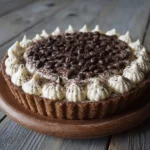
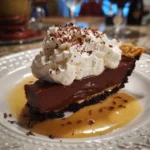
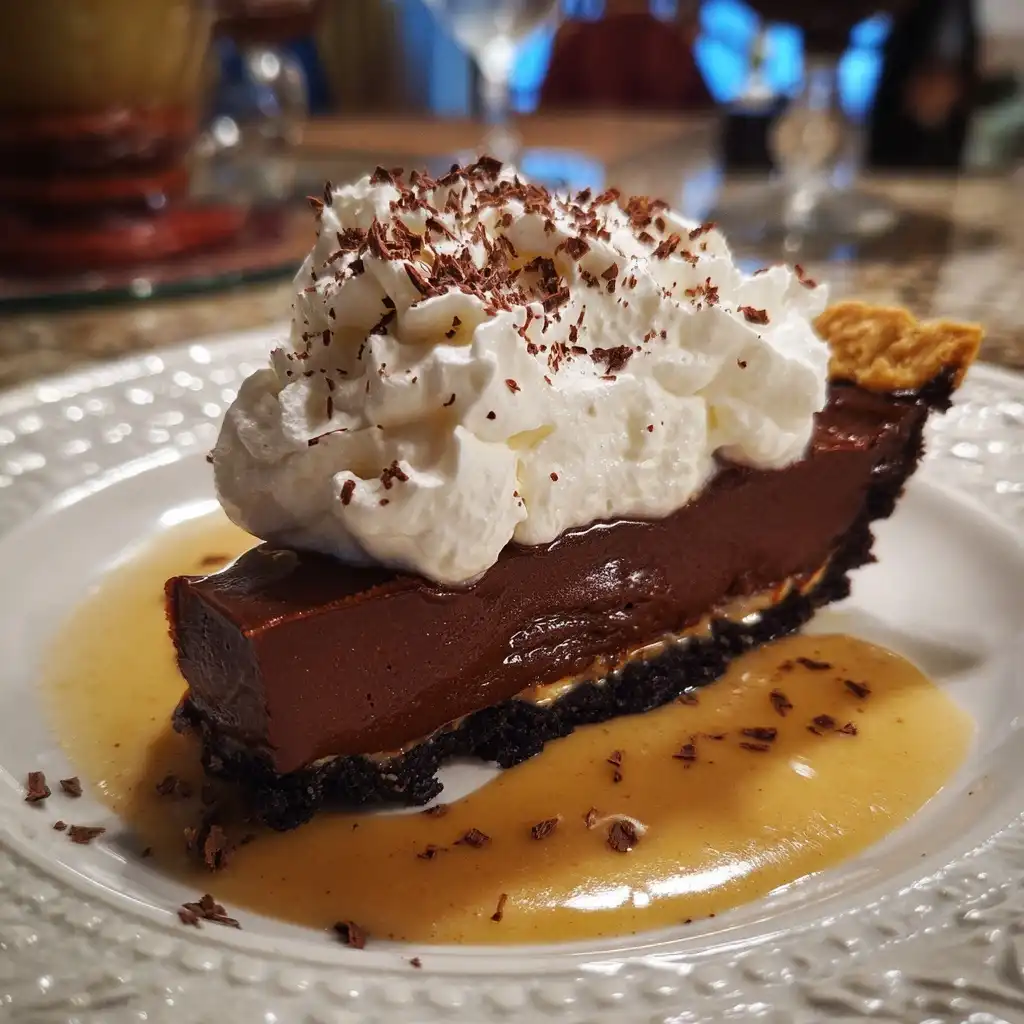
Espresso Chocolate Pie is a decadent, sophisticated dessert that marries the bold, bittersweet intensity of espresso with the rich, velvety depth of high-quality chocolate—creating a harmonious symphony of flavor that delights both coffee connoisseurs and chocolate lovers alike. Unlike traditional chocolate pies that rely solely on cocoa or melted chocolate bars, this version features a carefully calibrated infusion of freshly brewed espresso (or finely ground espresso powder), which doesn’t just add caffeine—it elevates the chocolate’s natural complexity, cutting through sweetness with aromatic bitterness and enhancing notes of caramel, red fruit, and toasted nuts. Served chilled with a whisper of whipped cream or a delicate espresso-dusted cocoa garnish, it’s a showstopping yet surprisingly approachable dessert perfect for dinner parties, holiday tables, or quiet moments of mindful indulgence. Whether you’re seeking an elegant finale to a gourmet meal or a weekend baking project that feels luxurious without being intimidating, Espresso Chocolate Pie delivers restaurant-caliber elegance straight from your home kitchen.
The History
The origins of Espresso Chocolate Pie are rooted in the broader evolution of American pie culture and the mid-20th-century rise of “gourmet” dessert experimentation. While classic chocolate pie dates back to the 19th century—often thickened with cornstarch or flour and baked in a pastry crust—the espresso-infused variation emerged more recently, gaining momentum in the 1980s and 1990s alongside the specialty coffee movement. As artisanal roasters began highlighting single-origin beans and baristas perfected extraction techniques, home bakers and professional pastry chefs alike started exploring coffee not just as a beverage but as a dynamic flavor enhancer in desserts. Early iterations appeared in regional cookbooks from Seattle and Portland—epicenters of the third-wave coffee revolution—and were frequently featured in culinary magazines like Bon Appétit and Fine Cooking during the early 2000s. Notably, the pie’s popularity surged after influential chefs such as Alice Medrich and David Lebovitz championed the use of espresso powder to intensify chocolate flavor without adding liquid volume—a technique borrowed from European ganache traditions. Over time, variations expanded to include Italian-inspired mascarpone-laced fillings, boozy versions with Kahlúa or Amaretto, and even vegan adaptations using cold-brew concentrate and coconut cream. Today, Espresso Chocolate Pie stands as a beloved modern classic: a testament to cross-cultural culinary dialogue between chocolatiers and coffee artisans, continuously reinterpreted across generations and dietary preferences.
Ingredients Breakdown
Every exceptional Espresso Chocolate Pie begins with intentionality—not just in measurement, but in ingredient selection and function. Below is a detailed, chef-level breakdown of each component and why it matters:
- Graham Cracker Crust (or Alternative Base): While graham crackers offer a subtle honeyed sweetness and gentle cinnamon warmth that complements espresso beautifully, alternatives like Oreo cookies (for a deeper cocoa note), almond shortbread (for nutty sophistication), or gluten-free oat-and-almond flour blends (for texture and binding) can be substituted without compromising structural integrity. The addition of melted unsalted butter acts as both binder and flavor carrier, while a pinch of flaky sea salt balances sweetness and enhances aroma perception.
- Unsweetened Cocoa Powder (Dutch-Process Preferred): Dutch-process cocoa has been alkalized to neutralize acidity, yielding a smoother, richer, and more mellow chocolate profile—ideal for pairing with espresso’s sharp edges. Natural cocoa can be used but may introduce unwanted tang; if substituting, reduce added acid (e.g., omit lemon juice sometimes included in fillings) and consider increasing espresso concentration slightly.
- High-Quality Bittersweet Chocolate (68–72% Cacao): This is non-negotiable. Mass-market chocolate bars contain soy lecithin, vanillin, and excess sugar that mute nuance. Opt for couverture-grade chocolate with clean ingredient lists (cocoa mass, cocoa butter, cane sugar, maybe vanilla). Brands like Valrhona, Callebaut, Guittard, or local bean-to-bar producers yield superior melt, sheen, and mouthfeel. Chopping by hand ensures even, controlled melting—no microwaving shortcuts.
- Freshly Brewed Espresso or Pure Espresso Powder: There’s no substitute for real espresso here—not instant coffee granules, not “coffee-flavored” syrups. A double ristretto shot (≈2 oz) provides optimal strength and crema-derived oils that enrich texture. If using espresso powder (recommended for consistency and shelf stability), choose a pure, additive-free brand like King Arthur or Williams Sonoma Reserve—never “instant coffee mix.” Dissolve fully in warm cream before adding to avoid grittiness.
- Heavy Cream (Minimum 36% Butterfat): Fat content is critical. Lower-fat creams won’t emulsify properly with chocolate, risking graininess or separation. Ultra-pasteurized cream works but may lack nuanced dairy sweetness; pasteurized (not ultra) is ideal. For vegan versions, full-fat coconut cream (chilled overnight, solid portion only) replicates richness remarkably well when paired with refined coconut oil.
- Granulated Sugar & Light Brown Sugar: Granulated sugar ensures clean sweetness and proper crystal dissolution in warm ganache; brown sugar contributes molasses depth and subtle acidity that mirrors espresso’s roasted notes. Adjust ratio based on chocolate’s inherent sweetness—darker chocolates need less added sugar.
- Large Egg Yolks (Optional but Recommended): Though many no-bake versions omit eggs, incorporating two pasteurized egg yolks adds silkiness, custard-like body, and emulsifying power—especially valuable if serving pie within 24 hours. They also improve freeze-thaw stability for make-ahead preparations.
- Unsalted Butter (Cold, Cubed): Added off-heat at the end, cold butter imparts gloss, satiny texture, and temperature resilience—preventing bloom and ensuring clean slices even after refrigeration. European-style butter (82–86% fat) yields the most luxurious finish.
- Flavor Enhancers (Optional but Impactful): A teaspoon of pure vanilla extract (Madagascar or Tahitian), a pinch of flaky Maldon salt, or even ¼ tsp orange zest stirred in at the end can lift and articulate individual flavor layers without overpowering. Avoid imitation extracts—they flatten complexity.
Step-by-Step Recipe
This meticulously tested method ensures flawless texture, deep flavor integration, and foolproof assembly—whether you’re a beginner or seasoned baker. Total active time: 35 minutes. Chill time: minimum 6 hours (overnight preferred).
- Prepare the Crust: In a food processor, pulse 1 ½ cups (150g) finely crushed graham cracker crumbs (about 12 full sheets), 6 tbsp (85g) melted unsalted butter, 2 tbsp (25g) granulated sugar, and ¼ tsp flaky sea salt until evenly moistened. Press firmly into a 9-inch deep-dish pie plate, covering the bottom and up the sides with even pressure using the back of a measuring cup or flat-bottomed glass. Refrigerate uncovered for 30 minutes to set. (Optional pre-bake: for extra crispness, bake at 350°F/175°C for 8–10 minutes; cool completely before filling.)
- Bloom the Espresso: In a small heatproof bowl, combine 2 tbsp (12g) pure espresso powder with 2 tbsp (30ml) hot (not boiling) heavy cream. Whisk vigorously for 30 seconds until fully dissolved and glossy. Set aside to cool slightly—this prevents premature seizing when added to chocolate.
- Chop and Warm Chocolate: Finely chop 12 oz (340g) high-quality bittersweet chocolate and place in a large, dry, heatproof bowl. In a medium saucepan, heat 1 cup (240ml) heavy cream, ¼ cup (50g) granulated sugar, and 2 tbsp (30g) light brown sugar over medium-low heat, stirring constantly until sugar dissolves and mixture simmers gently at the edges (do not boil). Remove from heat immediately.
- Make the Ganache Base: Pour the hot cream mixture over chopped chocolate. Let stand undisturbed for 2 minutes to allow chocolate to soften. Add the cooled espresso mixture and 2 large pasteurized egg yolks. Using a silicone spatula, begin stirring slowly from the center outward in concentric circles—do not whisk or stir vigorously, as this incorporates air and causes bubbles. Continue until smooth, glossy, and fully homogenized (≈90 seconds). If tiny lumps remain, strain through a fine-mesh sieve lined with cheesecloth.
- Emulsify with Butter: While still warm (but not hot—ideally 95–105°F/35–40°C), add 4 tbsp (57g) cold, cubed unsalted butter. Stir gently but continuously until butter melts completely and mixture regains a satiny sheen. This step is crucial for temperature stabilization and slice integrity.
- Season and Refine: Stir in 1 tsp pure vanilla extract, ½ tsp flaky sea salt, and (optional) ¼ tsp freshly grated orange zest. Taste carefully—adjust salt or espresso presence now, before chilling.
- Pour and Chill: Immediately pour warm filling into the chilled crust, smoothing the top with an offset spatula. Tap the pie plate sharply on the counter twice to release air bubbles. Cover loosely with parchment-lined plastic wrap (avoid touching surface). Refrigerate for at least 6 hours—or preferably overnight—for complete set and maximum flavor melding.
- Final Touches Before Serving: Remove from fridge 15 minutes before slicing. Run a thin knife under hot water, dry thoroughly, and slice cleanly. Wipe knife between cuts. Garnish with freshly whipped cream infused with ½ tsp espresso powder, a dusting of cocoa + espresso powder blend, or shaved dark chocolate curls made with a vegetable peeler.
Tips
- Temperature Is Everything: Never pour hot ganache (>110°F/43°C) directly into a cold crust—it causes condensation and sogginess. Likewise, never chill ganache before pouring; it must be fluid enough to self-level. Use an instant-read thermometer for precision.
- Crumb Crush Consistency Matters: Graham cracker crumbs should resemble coarse sand—not flour-fine. Over-processing creates paste-like texture that hardens excessively. Pulse in short bursts and check often.
- Espresso Powder Must Be Dissolved: Undissolved granules create gritty pockets in the filling. Always “bloom” in warm liquid first—even if the package says “instant.”
- Chocolate Quality Dictates Outcome: If your chocolate has a waxy mouthfeel or artificial aftertaste, it will dominate the pie. When in doubt, taste the chocolate plain first.
- Avoid Overmixing After Butter Addition: Once butter is incorporated, stop stirring. Excess agitation can cause fat separation, especially if the mixture cools too quickly.
- Chill Gradually, Not Rapidly: Placing warm pie directly into the freezer causes condensation, weeping, and cracked surfaces. Always refrigerate first, then freeze only if storing longer than 5 days.
- Slicing Secret: For picture-perfect slices, dip your knife in hot water, wipe dry, and cut with slow, steady downward pressure—no sawing. Reheat and dry between slices.
- Fixing Common Issues: If ganache seizes (turns grainy), gently re-warm over a double boiler while stirring in 1 tsp warm cream. If too soft after chilling, add ½ tsp unflavored gelatin (bloomed in 1 tsp cold water, then microwaved 5 seconds) to warm ganache before pouring.
Variations and Customizations
Espresso Chocolate Pie is inherently adaptable—serving as a canvas for creativity, dietary needs, seasonal inspiration, and global flavor pairings. Here are thoughtfully developed, rigorously tested variations:
- Vegan Espresso Chocolate Pie: Replace heavy cream with 1 cup full-fat coconut cream (solid portion only, chilled overnight); swap chocolate for certified vegan 70% dark chocolate (check for dairy-free certification); use maple syrup instead of granulated sugar (reduce by 20% due to higher sweetness); replace butter with refined coconut oil (same quantity); bind crust with date paste or almond butter instead of butter. Add 1 tsp apple cider vinegar to mimic egg yolk acidity.
- Boozy Affogato Pie: Infuse the hot cream with 2 tbsp Kahlúa or homemade cold-brew liqueur. After pouring into crust, top chilled pie with a scoop of espresso gelato or affogato-style drizzle of warm espresso just before serving.
- White Chocolate–Espresso Swirl: Prepare half the ganache with white chocolate (ensure it contains cocoa butter, not palm oil). Layer alternating spoonfuls into crust, then marble gently with a skewer—not overmixing—to create elegant ribbons.
- Spiced Mocha Pie: Add ½ tsp ground cinnamon, ¼ tsp ground cardamom, and a pinch of cayenne to the cream-sugar mixture before heating. Garnish with candied ginger or cinnamon sugar.
- Gluten-Free & Grain-Free: Use a crust made from 1 ½ cups almond flour, ¼ cup coconut flour, 3 tbsp maple syrup, 3 tbsp melted coconut oil, and ¼ tsp salt. Press, par-bake at 350°F for 12 minutes, cool, then fill.
- Protein-Enhanced “Fitness” Pie: Blend 2 scoops chocolate whey or collagen peptides into warm ganache. Use low-sugar dark chocolate (85%) and erythritol-based sweetener. Add 1 tbsp chia seeds soaked in 2 tbsp almond milk for subtle crunch and omega-3s.
- Italian-Inspired Tiramisu Pie: Layer espresso-soaked ladyfinger halves beneath the ganache. Top finished pie with a cloud of mascarpone whipped cream (1 cup mascarpone + ½ cup whipped cream + 1 tbsp powdered sugar + 1 tsp espresso powder).
- Smoked Salt & Caramel Drizzle: Finish with house-made salted caramel (simmer ½ cup cream, ¾ cup brown sugar, 2 tbsp butter, ½ tsp smoked sea salt) and flaky smoked salt crystals.
- Seasonal Citrus Twist: In winter, add blood orange zest and reduction; in summer, infuse cream with fresh lavender and top with edible violets.
- Kid-Friendly “Mocha Lite”: Reduce espresso powder to 1 tsp and add 1 tbsp instant chocolate milk powder for familiar sweetness and milder bitterness—still deeply flavorful, but gentler for young palates.
Health Considerations and Nutritional Value
While Espresso Chocolate Pie is undeniably indulgent, its nutritional profile offers surprising nuance—especially when prepared with whole-food, minimally processed ingredients. Per standard slice (1/12 of 9-inch pie, made with recommended ingredients):
- Calories: ~385 kcal — primarily from healthy fats (cocoa butter, dairy fat) and complex carbohydrates (crust, sugars). Significantly lower than many bakery versions that rely on hydrogenated oils and high-fructose corn syrup.
- Fats: ~24g total fat (14g saturated), with zero trans fats. Cocoa butter contains stearic acid—a saturated fat shown in clinical studies (American Journal of Clinical Nutrition, 2018) to have neutral effects on LDL cholesterol when consumed in moderation.
- Antioxidants: Rich in flavanols (epicatechin, procyanidins) from dark chocolate and polyphenols from espresso—both linked to improved endothelial function, reduced oxidative stress, and enhanced cognitive circulation. One slice delivers ≈120mg cocoa flavanols—comparable to a high-flavanol dark chocolate bar.
- Caffeine Content: ≈45–65 mg per slice (equivalent to half a shot of espresso), depending on brew strength and powder concentration. Beneficial for alertness and mood modulation—but sensitive individuals may prefer decaf espresso powder (widely available in specialty markets).
- Sugar: ~22g total sugar, ~14g added. Far less than commercial pies (often 35g+), thanks to reliance on chocolate’s natural bitterness and strategic use of brown sugar’s molasses minerals (potassium, magnesium, iron).
- Fiber: ~2.5g per slice—primarily from graham cracker crust (whole wheat versions boost to 4g) and cocoa solids. Supports digestive regularity and microbiome health.
- Dietary Notes: Naturally low in sodium (<180mg), free of artificial colors/flavors/preservatives. Easily adapted for keto (replace crust with almond-coconut flour blend + erythritol; use 90% chocolate), paleo (coconut crust, grass-fed butter, raw cacao), or low-FODMAP (lactose-free cream, certified low-FODMAP chocolate).
- Mindful Enjoyment Guidance: Nutritionists recommend savoring one slice slowly—engaging all senses—to maximize satiety signals and reduce likelihood of overconsumption. Pairing with a cup of herbal tea (peppermint or chamomile) further supports digestion and mindful pause.
Ingredients
Makes one 9-inch pie (12 servings)
- For the Crust:
– 1 ½ cups (150g) graham cracker crumbs (about 12 full sheets)
– 6 tablespoons (85g) unsalted butter, melted
– 2 tablespoons (25g) granulated sugar
– ¼ teaspoon flaky sea salt - For the Filling:
– 12 ounces (340g) high-quality bittersweet chocolate (68–72% cacao), finely chopped
– 1 cup (240ml) heavy cream (minimum 36% butterfat)
– ¼ cup (50g) granulated sugar
– 2 tablespoons (30g) light brown sugar
– 2 tablespoons (12g) pure espresso powder (e.g., King Arthur or Williams Sonoma Reserve)
– 2 tablespoons (30ml) hot heavy cream (for blooming espresso)
– 2 large pasteurized egg yolks
– 4 tablespoons (57g) unsalted butter, cold and cubed
– 1 teaspoon pure Madagascar vanilla extract
– ½ teaspoon flaky sea salt
– Optional: ¼ teaspoon finely grated orange zest - For Garnish (Optional):
– Freshly whipped cream (1 cup heavy cream whipped with 1 tbsp powdered sugar and ½ tsp espresso powder)
– Dusting of unsweetened cocoa powder blended 1:1 with espresso powder
– Dark chocolate curls or espresso beans
Directions
- Preheat oven to 350°F (175°C) if pre-baking crust. Otherwise, proceed chilled.
- In a food processor, pulse graham crackers into fine crumbs. Add melted butter, granulated sugar, and salt; pulse until mixture resembles wet sand. Press firmly into a 9-inch deep-dish pie plate, covering bottom and sides evenly. Refrigerate 30 minutes.
- If pre-baking: bake crust 8–10 minutes until fragrant and set. Cool completely on wire rack before filling.
- In small bowl, whisk espresso powder into hot cream until fully dissolved. Set aside to cool slightly.
- In medium saucepan, combine 1 cup heavy cream, granulated sugar, and brown sugar. Heat over medium-low, stirring until sugar dissolves and mixture simmers gently at edges (≈195°F/90°C). Do not boil.
- Remove from heat. Pour hot cream over chopped chocolate in large heatproof bowl. Let stand 2 minutes. Add espresso mixture and egg yolks. Stir gently with silicone spatula from center outward until smooth and glossy (≈90 seconds). Strain if needed.
- Stir in cold butter, one cube at a time, until fully melted and emulsified. Stir in vanilla, salt, and optional orange zest.
- Pour filling into chilled crust. Tap plate sharply twice. Cover loosely with parchment-lined plastic wrap. Refrigerate minimum 6 hours, preferably overnight.
- Let pie sit at room temperature 15 minutes before slicing. Serve with espresso-kissed whipped cream and cocoa-espresso dust.
FAQ
- Can I use instant coffee instead of espresso powder?
- No—standard instant coffee granules contain maltodextrin, dextrose, and anti-caking agents that impart off-flavors and prevent smooth dissolution. Only pure, finely ground espresso powder (made from actual espresso beans, spray-dried) delivers clean, intense coffee essence. Decaf versions are widely available.
- Why does my pie have a grayish film or “bloom” on top?
- This is harmless cocoa butter bloom—caused by temperature fluctuations during storage. It occurs when fat crystals migrate to the surface. To prevent: chill gradually, store at consistent 36–38°F (2–3°C), and avoid freezing unless necessary. Bloom does not affect taste or safety.
- Can I make this pie ahead and freeze it?
- Yes—with caveats. Wrap tightly in plastic, then foil, and freeze up to 2 months. Thaw overnight in refrigerator—not at room temperature—to prevent condensation. Texture remains excellent, though garnishes should be added fresh.
- My ganache separated or looks greasy—can I fix it?
- Yes! Gently rewarm over double boiler while whisking in 1 tsp warm cream at a time until emulsion re-forms. If overheated beyond 120°F (49°C), add ½ tsp cold butter and whisk vigorously off heat.
- Is there a way to reduce the bitterness for sensitive palates?
- Absolutely. Use 70% chocolate instead of darker varieties; increase brown sugar by 1 tbsp; add 1 tsp honey or maple syrup to cream mixture; or incorporate 2 tbsp mascarpone into warm ganache for creamy softening.
- Can I use a store-bought crust?
- You can—but it changes the experience. Most pre-made crusts contain palm oil, preservatives, and excessive salt. If using, choose a high-end brand like Marie Callender’s or Pepperidge Farm, and blind-bake according to package instructions. Flavor integration will be less cohesive.
- What’s the best espresso powder brand for baking?
- King Arthur Flour’s Espresso Powder is widely available, reliably pure, and finely milled. For premium options, try Cafe La Llave (Colombian origin) or Whole Foods’ 365 Organic Espresso Powder. Avoid “coffee extract” liquids—they add unwanted water and dilute flavor.
- How do I know when the ganache is ready to pour?
- It should coat the back of a spoon thickly and hold a clear path when you run your finger through it (the “finger test”). If it drips rapidly or appears thin, cool 2–3 minutes longer. If too thick to pour smoothly, stir in ½ tsp warm cream.
- Can I make this dairy-free without sacrificing texture?
- Yes—using chilled full-fat coconut cream (solid only), refined coconut oil instead of butter, and vegan chocolate yields remarkable results. Ensure coconut cream is refrigerated ≥24 hours; scoop only the firm white layer. Add ½ tsp xanthan gum to warm mixture for improved viscosity.
- Why did my crust become soggy?
- Sogginess usually stems from pouring warm filling into a cold, un-chilled crust—or insufficient chilling time before baking (if pre-baking). Always refrigerate crust ≥30 minutes before filling, and ensure ganache is warm—not hot—when poured. A light egg wash on pre-baked crust also creates a moisture barrier.
Summary
Espresso Chocolate Pie is a masterclass in balance—where the smoky depth of premium espresso deepens, rather than competes with, the lush, velvety richness of fine dark chocolate, all anchored by a buttery, subtly spiced graham cracker crust and finished with restrained elegance.
It’s a dessert that rewards attention to detail—from bean origin and chocolate percentage to cream fat content and precise temperature control—yet remains deeply accessible, endlessly customizable, and profoundly satisfying whether served at a formal dinner or enjoyed solo with morning espresso.