Introduction
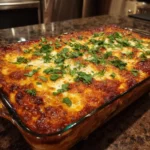
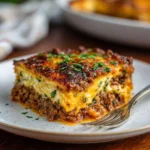
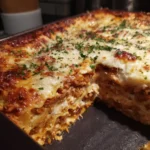
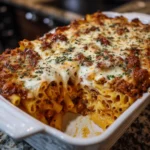
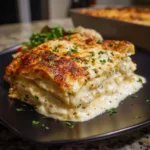
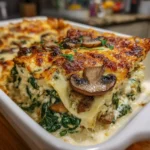
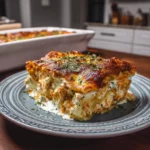
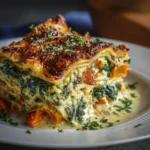
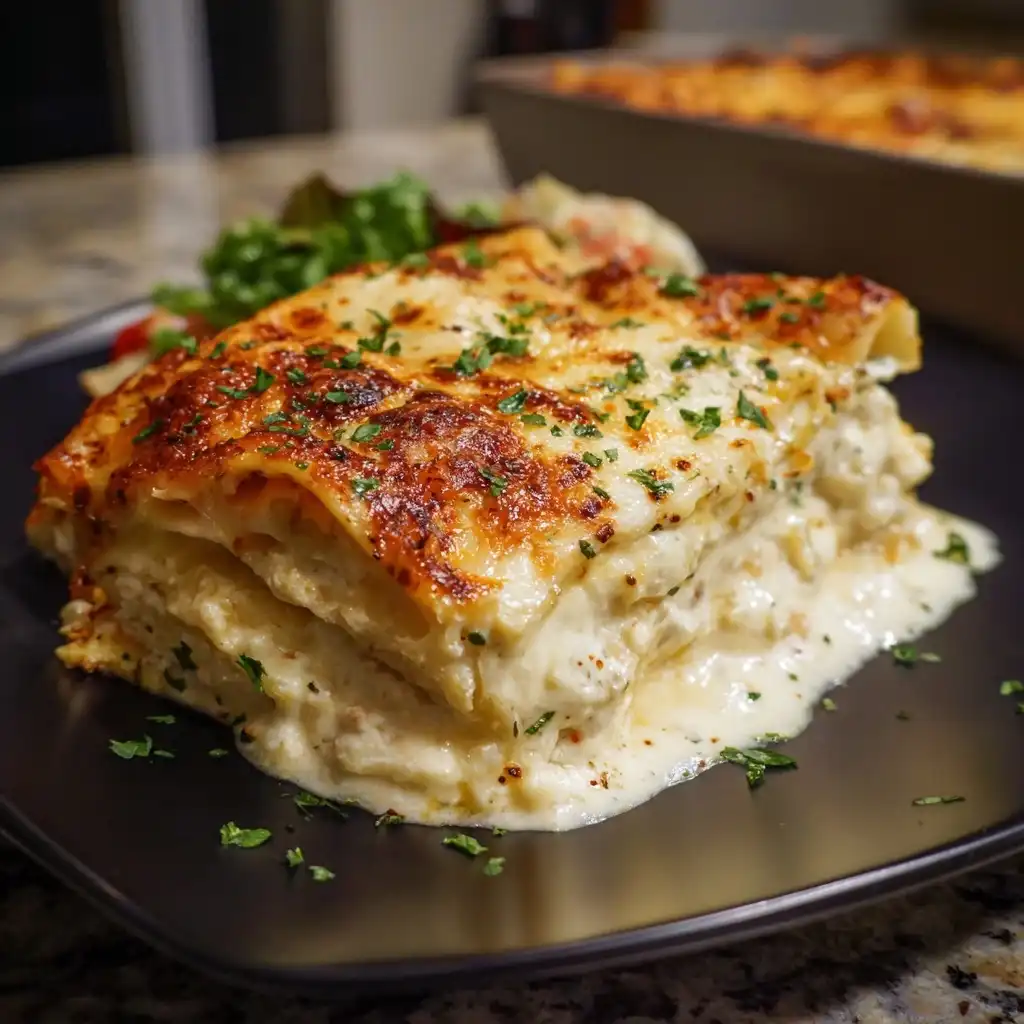
Welcome to the ultimate guide to Four Cheese White Sauce Lasagna — a rich, creamy, and deeply satisfying Italian-American classic reimagined with luxurious depth and layered complexity. Unlike traditional red-sauce lasagnas, this version embraces the velvety elegance of a béchamel-based white sauce infused with not one, not two, but four distinct cheeses—each selected for its unique melting properties, flavor profile, and textural contribution. Whether you’re preparing it for a holiday feast, a comforting weeknight dinner with elevated flair, or impressing guests at a dinner party, this lasagna delivers decadence without compromise and comfort without cliché. It’s more than pasta—it’s a symphony of dairy, herbs, and handmade care, baked to golden perfection and crowned with a bubbling, bronzed crust that crackles ever so slightly under your fork.
The History
The origins of lasagna trace back over 800 years to medieval Italy, where early versions—like the 13th-century “lasanum” referenced in the English cookbook Libre de Sent Sovi—were layered dishes made with sheets of pasta, spices, and sometimes cheese or meat, though tomato-based sauces wouldn’t appear until centuries later, following the Columbian Exchange. The white-sauce variation, however, owes much to Northern Italian traditions—particularly from Emilia-Romagna and Lombardy—where butter, cream, and aged cheeses reign supreme. Béchamel (known locally as balsamella) was adopted into Italian cuisine via French culinary influence in the 18th century and quickly became the foundation for many baked pasta dishes, including lasagne al forno alla bolognese, which traditionally layers ragù, béchamel, and green spinach pasta.
The “four cheese” concept emerged more recently in mid-20th-century American-Italian kitchens and upscale trattorias seeking richness and novelty. While no single canonical quartet exists, chefs and home cooks began combining cheeses that complemented each other structurally and sensorially: a sharp, salty hard cheese for umami punch; a creamy, melt-prone semi-soft for lusciousness; a tangy, briny option for brightness; and a nutty, aromatic aged variety for complexity. Over time, this evolved into today’s beloved Four Cheese White Sauce Lasagna—a dish that honors tradition while embracing innovation, regional diversity, and the universal love of cheese.
Ingredients Breakdown
Every exceptional Four Cheese White Sauce Lasagna begins not with technique—but with intention behind each ingredient. Below is a meticulous breakdown of why each component matters, including sourcing tips, substitutions with caveats, and functional roles in texture and flavor development:
- Fresh Lasagna Noodles (No-Boil or Traditional): High-protein durum wheat noodles provide structural integrity during baking. No-boil varieties absorb liquid efficiently but require sufficient sauce moisture; traditional noodles must be parboiled to al dente to avoid gumminess. For artisanal depth, consider spinach- or herb-infused fresh sheets—or even homemade pasta for unparalleled tenderness and bite.
- Unsalted Butter: Used both in the roux and for brushing pan edges, unsalted butter grants precise control over sodium and contributes essential milk solids and fat for browning and mouthfeel. European-style (82–84% fat) yields superior flavor and silkier emulsions.
- All-Purpose Flour: The thickening agent in béchamel. Wondra flour is ideal for lump-free roux due to its pre-gelatinized starch, but standard AP flour works beautifully when whisked vigorously and cooked long enough to eliminate raw taste.
- Whole Milk (or Half-and-Half Blend): Whole milk (3.25% fat) ensures creaminess without heaviness. For extra opulence, replace up to ¼ of the milk with half-and-half or whole-milk ricotta whey. Avoid ultra-pasteurized milk if possible—it can yield a faintly cooked flavor and less stable emulsion.
- Freshly Grated Parmigiano-Reggiano DOP: The cornerstone of savoriness. Authentic, 24-month-aged Parmigiano adds crystalline crunch, deep nuttiness, and umami backbone. Pre-grated “Parmesan” lacks enzymatic complexity and often contains anti-caking agents that impede melting.
- Mozzarella di Bufala or High-Moisture Fior di Latte: Provides stretch, sheen, and milky sweetness. Buffalo mozzarella offers richer fat and tang; fior di latte (cow’s milk) is milder and more widely available. Always grate it fresh—pre-shredded contains cellulose and won’t melt evenly.
- Ricotta Cheese (Whole-Milk, Full-Fat, Drained): Adds cloud-like creaminess, subtle sweetness, and protein structure. Opt for small-batch, vat-set ricotta—not the grainy, watery supermarket kind. Drain overnight in cheesecloth for optimal thickness and flavor concentration.
- Gorgonzola Dolce (or Mild Blue): The “fourth cheese” that elevates the ensemble with gentle piquancy, earthy funk, and creamy blue veining. Dolce (sweet) style ensures balance—avoid piccante unless you desire bold assertiveness. Substitute with Danish blue or Cambozola for approachability.
- Nutmeg (Freshly Grated): Not optional—it’s transformative. Fresh nutmeg adds warm, floral, almost citrusy top notes that cut through richness and unify dairy flavors. Pre-ground loses potency within weeks.
- Fresh Herbs (Flat-Leaf Parsley & Basil): Stirred in just before layering, they lend aromatic freshness and visual vibrancy. Reserve some for garnish.
- Garlic & Onion (Sweated, Not Browned): A subtle soffritto base enhances savory depth without overpowering. Use yellow onion and 1–2 cloves garlic, finely minced and gently softened in butter.
- Sea Salt & White Pepper: Salt amplifies all cheese flavors; white pepper adds nuanced heat without black specks—ideal for pristine white sauce aesthetics.
Step-by-Step Recipe
This method prioritizes precision, patience, and layered assembly for foolproof results. Total active time: ~90 minutes. Resting and baking time: 1 hour 20 minutes. Serves 10–12.
- Prepare the Cheese Trio Filling: In a large bowl, combine 2 cups well-drained whole-milk ricotta, ½ cup grated Parmigiano-Reggiano, ½ cup crumbled Gorgonzola Dolce, ¼ cup chopped fresh basil, 2 tbsp chopped flat-leaf parsley, 1 tsp lemon zest, ½ tsp freshly grated nutmeg, 1 tsp kosher salt, and ¼ tsp freshly ground white pepper. Fold gently with a spatula until homogenous—do not overmix. Cover and refrigerate for at least 30 minutes to allow flavors to meld and texture to firm.
- Make the Four-Cheese Béchamel: In a heavy-bottomed Dutch oven or saucepan, melt 6 tbsp unsalted butter over medium-low heat. Add 1 small finely diced yellow onion and 2 minced garlic cloves; sauté 4–5 minutes until translucent but not colored. Whisk in ⅓ cup all-purpose flour and cook, stirring constantly, for 3 minutes until fragrant and pale blonde (do not brown). Gradually whisk in 4 cups warmed whole milk (heated separately to ~110°F), ½ cup at a time, ensuring each addition is fully incorporated before adding the next. Bring to a gentle simmer, then reduce heat to low. Cook, whisking continuously, for 12–15 minutes until thickened to a nappe consistency (coats the back of a spoon and holds a clear line when finger-swiped). Remove from heat. Stir in 1 cup grated mozzarella, ½ cup grated Parmigiano-Reggiano, ¼ cup crumbled Gorgonzola, ¼ tsp freshly grated nutmeg, 1 tsp kosher salt, and ½ tsp white pepper. Taste and adjust seasoning—remember cheeses will intensify during baking.
- Parboil Noodles (if using traditional): Bring a large pot of salted water to rolling boil. Cook noodles 1 minute less than package instructions for al dente. Drain, rinse briefly under cold water to halt cooking, then lay flat on parchment-lined sheet trays in single layers to prevent sticking.
- Assemble with Precision: Preheat oven to 375°F (190°C). Grease a 9×13-inch heavy-duty glass or ceramic baking dish with butter. Spread ¾ cup béchamel evenly across bottom. Layer 4 noodles (slightly overlapping if needed). Spread ⅓ of ricotta mixture (about 1¼ cups) evenly over noodles. Spoon 1 cup béchamel over ricotta. Sprinkle with ¼ cup shredded mozzarella and 1 tbsp grated Parmigiano. Repeat layers twice more: noodles → ricotta → béchamel → cheeses. Finish with a final noodle layer, remaining béchamel (reserve ~½ cup), and generous topping of 1 cup mozzarella, ⅓ cup Parmigiano, and 2 tbsp crumbled Gorgonzola. Dot surface with 1 tbsp cold butter pieces for golden, shatteringly crisp finish.
- Bake with Steam Control: Cover tightly with greased aluminum foil (butter-side down to prevent sticking). Bake 45 minutes. Carefully remove foil and bake uncovered 25–30 minutes until top is deeply golden, bubbly at edges, and internal temperature reads 165°F (74°C) in center. Rotate pan halfway through uncovered phase for even browning.
- Rest, Then Serve: Remove from oven and let rest, undisturbed, for full 35 minutes. This allows starches to set, cheeses to re-emulsify, and layers to cohere—critical for clean, elegant slices. Cut with a sharp chef’s knife dipped in hot water between cuts. Garnish with extra basil, parsley, lemon zest, and a drizzle of high-quality extra-virgin olive oil.
Tips
- Temperature Matters: Warm your milk before adding to roux—it prevents lumps and accelerates thickening. Likewise, bring cheeses to room temperature before incorporating into sauces or fillings for seamless integration.
- The “No-Boil” Loophole: If using no-boil noodles, increase total béchamel volume by ½ cup and add ¼ cup reserved ricotta whey or whole milk to filling—extra moisture ensures noodles hydrate fully without turning mushy.
- Grating Is Non-Negotiable: Pre-shredded cheeses contain potato starch or cellulose that inhibits melting and creates greasy separation. Invest in a microplane (for hard cheeses) and box grater (for mozzarella).
- Béchamel Patience Pays Off: Undercooked roux tastes raw and pasty; overcooked roux turns brown and bitter. Cook until it smells like toasted almonds and leaves a thin film on the pan—then immediately add milk.
- Layer Logic: Always start and end with béchamel—not ricotta—to protect noodles from drying out and ensure cohesive binding. Ricotta layers should be centered, never touching pan edges.
- Golden Crust Hack: For extra-crisp, caramelized tops, broil on low for 90 seconds after resting—but watch closely. Alternatively, brush exposed noodles with melted butter + garlic before final bake.
- Freeze Like a Pro: Assemble unbaked lasagna, cover tightly with foil + plastic wrap, and freeze up to 3 months. Thaw overnight in fridge, then bake covered 60 min + uncovered 35 min (add 5–10 min if still chilled center).
- Leftover Magic: Refrigerate leftovers up to 5 days. Reheat individual portions in toaster oven at 350°F for 15–18 min—microwaving makes cheese rubbery and noodles soggy.
Variations and Customizations
This recipe is a canvas—not a cage. Adapt it thoughtfully to suit dietary needs, seasonal produce, cultural influences, or personal whims—all while preserving its creamy, cheesy soul:
- Vegetarian Luxe: Fold in roasted vegetables—2 cups caramelized leeks + roasted delicata squash + wilted Swiss chard—for earthy sweetness and vibrant color. Add toasted pine nuts and crispy sage for textural contrast.
- Meat-Inspired Umami Boost: Replace ½ cup ricotta with 1 cup finely ground pancetta or guanciale, rendered until crisp and folded into filling. Or add 1 cup slow-braised short rib meat, shredded and mixed into béchamel.
- Gluten-Free Integrity: Use certified GF no-boil lasagna noodles (Tinkyada or Barilla) and substitute gluten-free flour blend (with xanthan gum) for roux. Ensure all cheeses are GF-certified—some processed blues contain gluten stabilizers.
- Dairy-Free Dream (Vegan): Swap butter for cultured vegan butter (Miyoko’s), milk for cashew cream (soaked + blended + strained), and cheeses for house-made nut-based alternatives: almond-parmesan (blanched almonds + nutritional yeast + lemon + miso), macadamia-ricotta (soaked + fermented), and cashew-gorgonzola (with probiotic powder + apple cider vinegar).
- Herb-Forward Garden Version: Infuse béchamel with fresh thyme stems, rosemary sprigs, and bay leaf (strained before cheese addition). Fold ¼ cup chopped tarragon, chives, and lemon thyme into ricotta mixture.
- Spiced & Global Twists: Add ½ tsp smoked paprika + pinch of cayenne to béchamel for Spanish flair; stir in harissa paste and preserved lemon to ricotta for North African vibrancy; or fold in miso paste + toasted sesame oil + scallions for umami-rich Japanese-Italian fusion.
- Breakfast Lasagna: Layer with scrambled eggs + caramelized onions + fontina + maple-glazed bacon + chive crème fraîche. Bake at 325°F for gentler set.
- Mini Individual Portions: Use muffin tins lined with parchment. Assemble in layers, bake 28–32 min. Perfect for parties or meal prep—freeze unbaked or baked.
Health Considerations and Nutritional Value
A single 1-cup serving (approx. 1/12th of recipe) provides roughly:
- Calories: 425–470 kcal
- Protein: 24–28 g (excellent source—supports muscle maintenance and satiety)
- Fat: 26–30 g (mostly unsaturated from dairy fats; includes conjugated linoleic acid [CLA] from grass-fed sources)
- Carbohydrates: 28–32 g (primarily complex from pasta; fiber ~2 g if using whole-wheat noodles)
- Calcium: ~45% DV (from multiple dairy sources—supports bone health)
- Vitamin B12, Phosphorus, Zinc, Vitamin A: All present in bioavailable forms
Key Considerations:
- Sodium Awareness: Naturally high due to aged cheeses (especially Parmigiano and Gorgonzola). Reduce added salt by 25% and rely on herbs, lemon, and umami-rich ingredients (mushrooms, tomato paste) for flavor lift.
- Lactose Sensitivity: Aged cheeses (Parmigiano, Gorgonzola) contain minimal lactose (<0.1g/serving). Ricotta and mozzarella retain more (~1–2g)—opt for lactose-free ricotta or strain longer to reduce further.
- Saturated Fat Context: While higher in saturated fat, recent research suggests full-fat dairy—when consumed as part of a balanced diet—may support metabolic health better than low-fat alternatives laden with added sugars or stabilizers.
- Portion Mindfulness: Richness encourages satisfaction with smaller servings. Pair with a large arugula-lemon salad, roasted broccoli, or lentil soup to boost fiber, phytonutrients, and volume without excess calories.
- Pregnancy Note: Use only pasteurized cheeses—confirm labels on ricotta, mozzarella, and Gorgonzola. Avoid raw-milk blues unless clearly labeled safe.
- Heart-Healthy Swaps: Substitute 2 tbsp butter with extra-virgin olive oil in béchamel base; use part-skim mozzarella (but retain full-fat ricotta and Parmigiano for flavor integrity); increase vegetable layers to displace ~15% pasta volume.
Ingredients
Makes one 9×13-inch pan (10–12 servings)
- 12 no-boil lasagna noodles (or 12 traditional noodles, parboiled)
- 6 tablespoons unsalted butter, plus extra for greasing
- 1 small yellow onion, finely diced
- 2 garlic cloves, minced
- ⅓ cup all-purpose flour (or Wondra)
- 4 cups whole milk, warmed
- 1 cup whole-milk ricotta, well-drained (see Tips)
- 1 cup shredded fresh mozzarella (not low-moisture block)
- 1 cup grated Parmigiano-Reggiano (aged 24+ months)
- ½ cup crumbled Gorgonzola Dolce
- 2 tablespoons chopped fresh basil
- 2 tablespoons chopped flat-leaf parsley
- 1 teaspoon lemon zest
- 1½ teaspoons freshly grated nutmeg (divided)
- 1½ teaspoons kosher salt (plus more to taste)
- ½ teaspoon freshly ground white pepper
- Extra basil, parsley, lemon zest, and olive oil for garnish
Directions
- In a large bowl, combine ricotta, ½ cup Parmigiano, ¼ cup Gorgonzola, basil, parsley, lemon zest, ½ tsp nutmeg, 1 tsp salt, and ¼ tsp white pepper. Fold gently until smooth. Cover and chill 30+ minutes.
- In a heavy-bottomed pot, melt 4 tbsp butter over medium-low. Add onion and garlic; cook 4–5 min until soft. Whisk in flour; cook 3 min until fragrant. Gradually whisk in warm milk, ½ cup at a time, until smooth. Simmer gently 12–15 min, whisking constantly, until thickened. Remove from heat.
- Stir into béchamel: ½ cup mozzarella, ½ cup Parmigiano, ¼ cup Gorgonzola, remaining 1 tsp nutmeg, ½ tsp salt, and ¼ tsp white pepper. Taste and adjust.
- Preheat oven to 375°F. Grease 9×13″ dish. Spread ¾ cup béchamel on bottom.
- Layer: 4 noodles → ⅓ ricotta mixture → 1 cup béchamel → ¼ cup mozzarella + 1 tbsp Parmigiano. Repeat twice. Top with final noodles, remaining béchamel (reserve ~½ cup), then 1 cup mozzarella, ⅓ cup Parmigiano, 2 tbsp Gorgonzola, and dot with 1 tbsp cold butter.
- Cover tightly with greased foil. Bake 45 min. Uncover; bake 25–30 min until golden and bubbling.
- Let rest 35 min. Cut with hot-knife. Garnish and serve.
FAQ
- Can I make this ahead of time?
- Absolutely. Assemble up to 24 hours in advance, cover, and refrigerate. Add 5–8 minutes to covered bake time. For longer storage, freeze unbaked (up to 3 months) or baked (up to 2 months); thaw overnight before reheating.
- Why does my béchamel break or become greasy?
- Most commonly caused by overheating after cheese is added, using cold cheese, or adding cheese too quickly. Always remove béchamel from heat before stirring in cheese, and incorporate gradually while folding—not whisking—until just melted.
- Can I use cottage cheese instead of ricotta?
- You can—but it’s not ideal. Cottage cheese is curdled and watery. If substituting, drain thoroughly (overnight), blend until smooth, and mix with 1 egg white to stabilize. Ricotta remains superior for texture and neutrality.
- What if I don’t have Gorgonzola? Any good substitutes?
- Yes: Cambozola (milder, creamier), Danish blue (balanced tang), or even aged provolone (nutty, less pungent). Avoid feta—it’s too salty and crumbly, and won’t melt seamlessly.
- My lasagna turned out watery—what went wrong?
- Common culprits: under-drained ricotta, no-boil noodles with insufficient sauce moisture, undercooked béchamel (too thin), or skipping the mandatory 35-minute rest. Also check oven calibration—underbaking prevents proper starch gelation.
- Is it safe to reheat lasagna multiple times?
- For food safety and quality, reheat leftovers only once. Store portions separately and reheat only what you’ll consume. Each reheat degrades texture and increases bacterial risk if cooled improperly.
- Can I add spinach? How do I prevent sogginess?
- Yes—use 10 oz frozen chopped spinach, thawed and squeezed *extremely* dry (wrap in cheesecloth and twist hard). Fold into ricotta mixture. Or sauté 12 oz fresh spinach with garlic until wilted and moisture fully evaporated before cooling and folding in.
- What wine pairs best with this lasagna?
- An Italian white with bright acidity and body: Soave Classico, Vermentino, or lightly oaked Chardonnay. For red lovers, choose low-tannin, high-acid options: Barbera d’Alba, Dolcetto, or Pinot Noir. Avoid heavy Cabernets—they clash with creamy richness.
Summary
Four Cheese White Sauce Lasagna is a masterclass in dairy harmony—where velvety béchamel, cloud-soft ricotta, stretchy mozzarella, nutty Parmigiano, and whispering blue unite in a golden, herb-flecked, oven-browned triumph.
It honors centuries of Italian technique while inviting creativity, customization, and mindful indulgence—proving that the most comforting dishes are those made with reverence, restraint, and relentless attention to detail.