Introduction
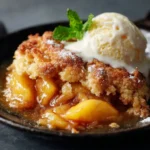
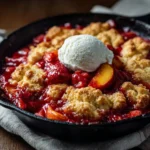
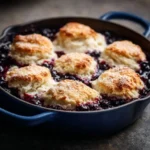
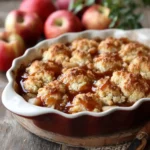
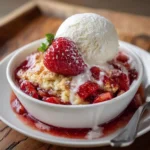
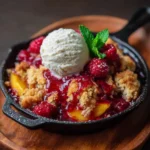
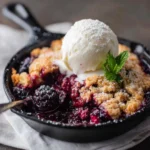
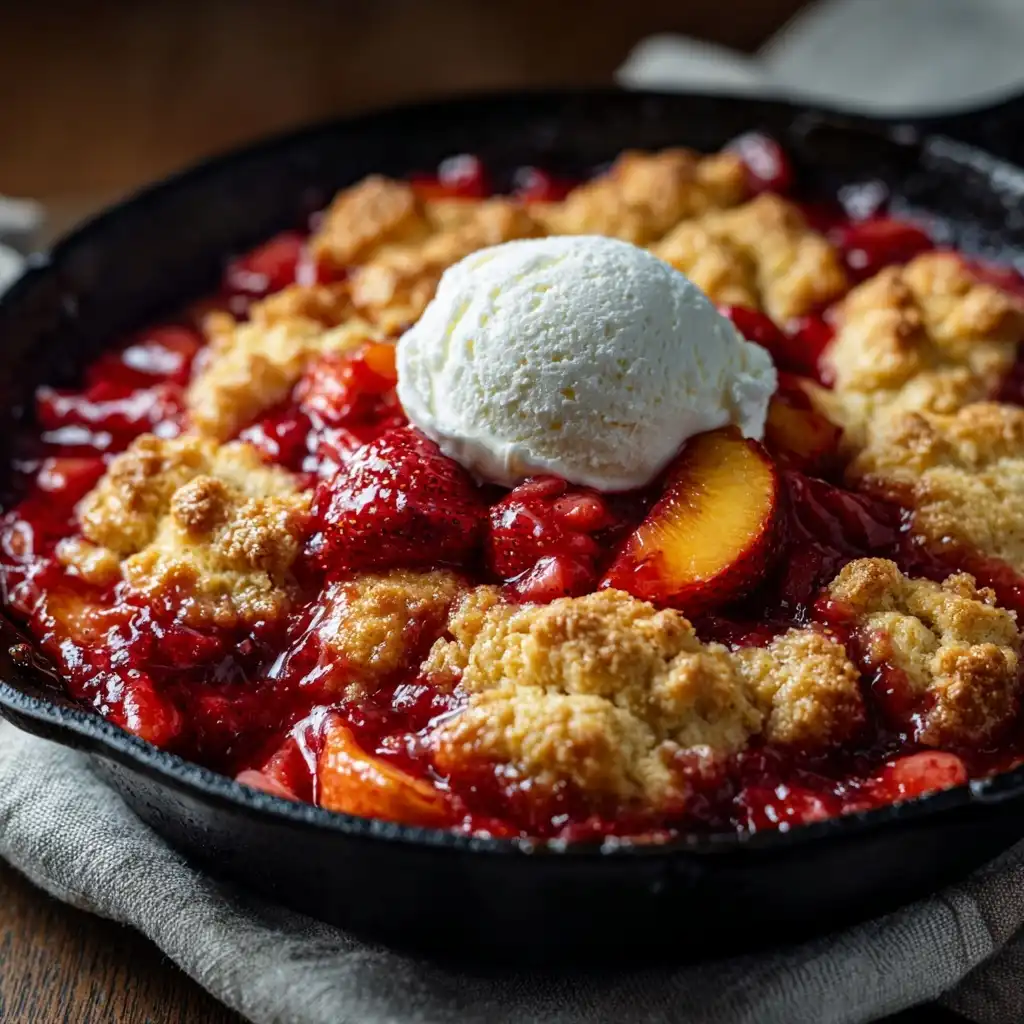
There’s something undeniably magical about a freshly baked cobbler—warm, bubbling fruit nestled beneath a golden, buttery, biscuit-like topping, releasing sweet, floral, and tangy aromas that fill the entire home. The Fresh Strawberry Peach Cobbler is the quintessential summer dessert: vibrant, nostalgic, and effortlessly elegant. It celebrates the peak-season harmony of two of nature’s most beloved stone fruits—juicy, sun-ripened peaches and fragrant, ruby-red strawberries—transformed into a comforting, rustic masterpiece. Unlike pies or crisps, cobblers feature a distinctive drop-biscuit or cake-like topping that bakes up tender and slightly crisp at the edges while soaking up just enough fruit syrup to stay luxuriously moist—not soggy, not dry, but perfectly balanced. Whether served straight from the oven with a scoop of vanilla bean ice cream melting slowly into its warm crevices or enjoyed the next day at room temperature with a dollop of crème fraîche, this cobbler evokes backyard barbecues, family reunions, front-porch afternoons, and the simple joy of seasonal abundance. It’s more than dessert—it’s edible sunshine, a love letter to summer in every spoonful.
The History
The origins of the cobbler stretch back centuries, deeply rooted in both English and American culinary traditions. While early British “cobblers” referred to dishes with a top crust (often made from suet pastry), the version we know today—a fruit filling crowned with a biscuit, dumpling, or cake-like batter—evolved in colonial America. With limited access to refined ingredients like puff pastry or precise ovens, early settlers adapted: they used pantry staples—flour, butter, sugar, baking powder, and seasonal fruit—to create hearty, forgiving desserts baked in cast iron skillets or Dutch ovens over open fires or in wood-burning stoves. The word “cobbler” is thought to derive from the verb “to cobble,” meaning to assemble or patch together—aptly describing the rustic, irregular, “cobbled” appearance of the uneven biscuit topping as it rises and browns during baking. By the 19th century, cobblers had become a staple across the American South and Midwest, where orchards and berry patches flourished. Strawberry and peach cobblers, in particular, rose to prominence in states like Georgia, South Carolina, and California—regions where both fruits thrive in overlapping seasons (late spring through mid-summer). Over time, regional variations emerged: some added oats or nuts to the topping; others incorporated cornmeal for texture; many included a splash of bourbon or almond extract for depth. Today’s Fresh Strawberry Peach Cobbler honors this legacy—not as a museum piece, but as a living tradition, updated with modern techniques (like macerating fruit to control juiciness), mindful ingredient choices (reduced added sugars, whole-grain options), and reverence for the integrity of ripe, local produce.
Ingredients Breakdown
Every exceptional cobbler begins with intentionality—not just measuring, but understanding *why* each ingredient matters. Below is a meticulous breakdown of the components that make this Fresh Strawberry Peach Cobbler extraordinary:
Fruit Component
- Fresh Ripe Peaches (about 4–5 medium): Choose freestone varieties (e.g., Elberta, Red Haven, or O’Henry) for easy pitting and superior flavor. Look for fragrant, slightly yielding fruit with golden-orange blush—not green or overly firm. Underripe peaches lack sweetness and aroma; overripe ones turn mushy. Their natural pectin helps thicken the filling without excessive starch, while their delicate acidity balances strawberry’s brightness.
- Fresh Strawberries (1 pint, ~2 cups hulled and halved/quartered): Seek locally grown, deep red berries with glossy skin and intact green caps. Smell them—they should smell sweet, jammy, and slightly floral. Avoid berries with white shoulders or dull color, which indicate underripeness and diminished flavor. Strawberries contribute vibrant acidity, bright color, and subtle herbaceous notes that lift the entire dish.
- Raw Honey or Pure Maple Syrup (optional, 1–2 tbsp): Not merely sweeteners—these add complex, earthy undertones and gentle moisture. They also enhance browning in the fruit layer due to their natural fructose content. Use only if reducing refined sugar; otherwise, omit.
Filling Enhancers
- Unbleached All-Purpose Flour (2 tbsp): Acts as the primary thickener. Its moderate gluten content provides structure without gumminess. For gluten-free versions, a 1:1 GF blend with xanthan gum works well; arrowroot or tapioca starch (1½ tbsp) yields a glossier, more translucent set.
- Real Vanilla Bean Paste or Pure Extract (1 tsp): Vanilla’s warm, creamy, almost spicy notes deepen the fruit’s complexity and bridge the gap between strawberry’s tartness and peach’s honeyed richness. A scraped vanilla bean pod adds visible specks and unparalleled aroma.
- Lemon Zest (from ½ lemon) & Fresh Lemon Juice (1 tbsp): Zest contributes volatile citrus oils—intensely aromatic and uplifting—while juice adds bright acidity that prevents cloying sweetness and preserves the fruit’s fresh character. Never skip this duo; it’s the secret behind “restaurant-quality” balance.
- Ground Cinnamon (¼ tsp) & Pinch of Ground Ginger (optional): Warm, aromatic spices that echo the natural spice notes in ripe peaches and complement strawberries’ berry profile without overpowering. Too much cinnamon dominates; this amount is subtle, sophisticated, and deeply nostalgic.
Topping Foundation
- Organic Unsalted Butter (6 tbsp, cold and cubed): Cold fat is non-negotiable for flakiness and lift. As it melts in the oven, steam creates airy pockets in the biscuit layer. European-style butter (82–84% fat) yields richer flavor and superior browning. Salted butter can be used, but reduce added salt accordingly.
- Granulated Cane Sugar (⅓ cup): Provides sweetness, tenderness (by inhibiting gluten development), and crucial browning via caramelization. For a deeper flavor, substitute 1–2 tbsp with turbinado or demerara sugar for a sparkling, crunchy crust.
- Baking Powder (1½ tsp) & Baking Soda (¼ tsp): A dual-leavening system ensures maximum rise and tenderness. Baking powder provides initial lift; baking soda reacts with the fruit’s natural acids (and any lemon juice in the topping) for extra height and a subtle, pleasant tang.
- Unbleached All-Purpose Flour (1¼ cups): The structural backbone. Sifting ensures even distribution of leaveners and prevents dense spots. For whole-grain nuance, replace up to ¼ cup with white whole wheat flour—adds fiber and nuttiness without compromising texture.
- Heavy Cream or Full-Fat Buttermilk (¾ cup, very cold): Adds richness, moisture, and tenderness. Buttermilk’s acidity further activates baking soda and lends a subtle tang that complements the fruit. Heavy cream yields a more luxurious, cake-like crumb; buttermilk gives a slightly more rustic, tender-biscuit texture. Never use low-fat dairy—it lacks the fat needed for proper emulsification and browning.
- Coarse Turbinado Sugar (for sprinkling): Applied just before baking, this raw sugar forms a stunning, shatteringly crisp, caramelized crust that contrasts beautifully with the soft fruit below. It’s the finishing flourish that elevates presentation and texture.
Step-by-Step Recipe
Follow these detailed, chef-tested steps for flawless results—each stage designed to maximize flavor, texture, and reliability:
Step 1: Prep & Macerate the Fruit (20 minutes + 30–60 min rest)
- Wash, hull, and slice strawberries into uniform ½-inch pieces. Place in a large non-reactive bowl (glass or stainless steel).
- Blanch peaches: Score an “X” on the bottom of each peach, submerge in boiling water for 30–45 seconds, then transfer immediately to an ice bath. Slip off skins, halve, pit, and slice into ½-inch wedges. Add to strawberries.
- Add granulated sugar (⅔ cup), lemon juice, lemon zest, vanilla, cinnamon, ginger, and salt. Gently fold to coat all fruit evenly—avoid crushing.
- Cover and let macerate at room temperature for 30–60 minutes. During this time, the sugar draws out juices, dissolves, and begins to create a rich, flavorful syrup. You’ll see liquid pool at the bottom—this is ideal. Stir once halfway through.
Step 2: Preheat & Prep Baking Dish (5 minutes)
- Position oven rack in the center. Preheat oven to 375°F (190°C). Do not skip preheating—consistent, high heat is vital for proper topping rise and fruit bubbling.
- Lightly butter or spray a 9×13-inch ceramic or glass baking dish (or a deep 10-inch cast iron skillet for rustic charm). Ensure even coverage to prevent sticking.
Step 3: Make the Topping Batter (10 minutes)
- In a food processor fitted with a steel blade, pulse cold cubed butter with flour, sugar, baking powder, baking soda, and salt until mixture resembles coarse crumbs with some pea-sized butter pieces remaining (about 8–10 pulses). Alternatively, use a pastry cutter or two knives.
- Transfer to a medium bowl. Create a well in the center. Pour in cold heavy cream (or buttermilk) all at once.
- Gently stir with a fork or spatula—just until a shaggy, slightly lumpy dough forms. Do not overmix! Lumps are good; smooth batter = tough topping. If dough seems too dry, add 1 tsp more cream; if too wet, sprinkle in 1 tsp flour.
- Let dough rest 5 minutes—this hydrates the flour and relaxes gluten for tenderness.
Step 4: Assemble & Bake (5 minutes prep + 45–55 minutes bake)
- Stir the macerated fruit mixture gently to redistribute juices. Pour evenly into the prepared baking dish. Do not drain excess liquid—it’s essential for sauce formation.
- Using a 2-tbsp cookie scoop or spoon, drop 8–10 generous mounds of topping batter over the fruit. Space them evenly. Do not flatten—let them mound naturally for optimal rise and air pockets.
- Sprinkle the entire surface generously with turbinado sugar—aim for visible crystals covering each mound.
- Place dish on a parchment-lined or foil-lined baking sheet (to catch inevitable bubbling-over—crucial for easy cleanup!).
- Bake for 45–55 minutes, rotating halfway through for even browning. The cobbler is done when the topping is deeply golden brown, puffed, and firm to the touch (no jiggle), and the fruit filling is bubbling vigorously around the edges and through gaps in the topping. An internal thermometer inserted into the thickest part of the topping should read 205–210°F.
Step 5: Cool & Serve (Essential 30–45 minute rest)
- Remove from oven and place on a wire rack. Resist cutting! Let cool for at least 30 minutes—ideally 45. This allows the filling to fully set, the syrup to thicken, and the topping to firm up. Cutting too soon releases steam and causes a runny, soupy mess.
- Serve warm, not hot. Scoop generously with a wide spatula to capture both fruit and topping. Best accompanied by high-quality vanilla ice cream, lightly sweetened whipped cream, or a drizzle of reduced balsamic glaze for contrast.
Tips
- Peak-Season is Non-Negotiable: This cobbler shines only with fruit at its absolute zenith. Taste a strawberry and a peach raw—if they’re not explosively sweet and fragrant, wait a few days or source from a farmers’ market.
- Chill Everything: Cold butter, cold cream, even a chilled bowl—all ensure the topping stays flaky and rises properly. Pop your mixing bowl and cream in the fridge 15 minutes before starting.
- Don’t Skip the Maceration: It’s not just about drawing out juice—it’s flavor infusion, texture control, and natural thickening. Rushing this step leads to watery filling and muted taste.
- Measure Flour Correctly: Spoon flour into the measuring cup and level with a knife. Scooping packs flour and adds up to 25% extra—guaranteeing dense, gummy topping.
- Watch the Oven, Not Just the Timer: Ovens vary wildly. Start checking at 40 minutes. Look for vigorous bubbling *and* deep golden color—not just time elapsed.
- Use a Light-Colored Pan: Dark metal or glass pans absorb more heat, causing over-browning on the bottom before the center cooks. Ceramic or light-colored glass distributes heat evenly.
- Embrace the “Ugly Delicious”: Rustic cracks, uneven browning, and overflowing syrup are signs of authenticity—not failure. Perfection is overrated; soulfulness is essential.
- Make Ahead Smart: Prep fruit (macerate) and topping dough separately up to 1 day ahead. Store fruit covered in fridge; keep dough wrapped tightly in fridge. Assemble cold-to-cold just before baking—no need to bring to room temp.
- Reheat Gently: Leftovers? Cover loosely with foil and warm in a 325°F oven for 15–20 minutes. Microwaving makes topping rubbery and fruit watery.
- Freeze for Later: Assemble unbaked cobbler, wrap *extremely* well in plastic + foil, freeze up to 3 months. Bake from frozen—add 15–20 minutes to bake time and cover loosely with foil for first 30 minutes to prevent over-browning.
Variations and Customizations
This recipe is a canvas—adaptable to dietary needs, seasonal shifts, pantry constraints, and personal whims. Here are inspired, tested variations:
Dietary Adaptations
- Gluten-Free: Substitute 1:1 gluten-free all-purpose flour blend (with xanthan gum) for both fruit thickener and topping. Add ½ tsp additional xanthan gum to topping flour if blend doesn’t include it. Ensure oats (if using) are certified GF.
- Vegan: Replace butter with cold vegan butter sticks (Miyoko’s or Earth Balance); use full-fat coconut milk (canned, stirred well) or oat milk + 1 tsp apple cider vinegar (as buttermilk substitute); swap honey/maple for agave or coconut sugar. Note: texture will be slightly denser, but deeply flavorful.
- Lower-Sugar: Reduce granulated sugar in filling to ½ cup. Boost flavor with 1 tsp orange zest, ¼ tsp cardamom, and 1 tbsp blackberry jam (natural pectin + sweetness). Top with unsweetened coconut flakes instead of turbinado.
- Whole Grain Boost: Replace ¼ cup all-purpose flour in topping with white whole wheat or oat flour. Add 1 tbsp ground flaxseed for fiber and nuttiness. Compensate with 1 extra tsp cream if dough seems dry.
Flavor & Texture Twists
- Bourbon-Infused: Add 1 tbsp aged bourbon to the macerating fruit along with lemon juice. Its vanilla/oak notes harmonize beautifully with peach and strawberry. (Optional: brush warm topping with bourbon-spiked butter before serving.)
- Herb-Forward: Stir 1 tsp finely chopped fresh basil or mint into the fruit *after* macerating (not before—heat dulls herbs). Or infuse cream with 2 sprigs of thyme (steep 10 min, strain) for the topping.
- Nutty Crunch: Fold ⅓ cup toasted sliced almonds or pecans into the topping batter before dropping. Or sprinkle toasted pistachios over finished cobbler.
- Spiced Chai: Replace cinnamon/ginger with ½ tsp chai spice blend (cardamom, cloves, black pepper, star anise) and steep 1 chai tea bag in warm cream for topping.
- Blueberry-Peach Fusion: Swap half the strawberries for equal weight of fresh blueberries (toss with 1 tsp cornstarch extra—blueberries release more juice).
Seasonal Swaps
- Fall Version: Replace strawberries with 1½ cups diced, peeled apples (Honeycrisp or Granny Smith) and ½ cup dried cranberries (soaked 10 min in warm orange juice). Add ¼ tsp nutmeg.
- Winter Citrus: Use 2 cups segmented blood oranges and 1 cup roasted pears. Reduce sugar; add 1 tsp grated orange zest and 1 tbsp Grand Marnier to filling.
- Spring Rhubarb: Substitute 1½ cups diced rhubarb (tart!) for half the strawberries. Increase sugar to 1 cup and add ¼ tsp ground allspice. Rhubarb’s sharpness cuts peach’s sweetness brilliantly.
Health Considerations and Nutritional Value
While traditionally viewed as indulgent, this Fresh Strawberry Peach Cobbler can be part of a balanced, nutrient-conscious lifestyle—especially when made with whole, minimally processed ingredients. Here’s a realistic, science-informed perspective:
Nutritional Highlights (per standard serving, approx. 1/12 of recipe)
- Antioxidant Powerhouse: Strawberries rank among the highest fruits for vitamin C (150% DV per cup) and anthocyanins (anti-inflammatory pigments). Peaches provide beta-carotene (vitamin A precursor), chlorogenic acid (linked to blood sugar regulation), and polyphenols.
- Fiber-Rich: One serving delivers ~4g dietary fiber (15% DV)—primarily from fruit skins and natural pectin. Fiber supports gut health, satiety, and stable blood glucose response.
- Healthy Fats (in topping): Butter provides fat-soluble vitamins (A, D, E, K) and conjugated linoleic acid (CLA), associated with metabolic benefits in research. Using grass-fed butter increases omega-3s and CLA.
- No Artificial Additives: Zero preservatives, colors, or high-fructose corn syrup—unlike store-bought desserts. You control every ingredient.
Mindful Modifications for Specific Goals
- Blood Sugar Friendly: Reduce total sugar by 25%, emphasize lemon juice/zest (lowers glycemic impact), serve with Greek yogurt (protein/fat slows absorption), and pair with a leafy green salad to lower overall meal GI.
- Heart Health Focus: Use avocado oil instead of some butter in topping; add 2 tbsp ground walnuts (omega-3s); choose unsalted butter to control sodium.
- Digestive Support: Include the fruit skins (rich in pectin and insoluble fiber) and consider adding 1 tsp ground chia seeds to the topping batter for extra soluble fiber and omega-3s.
- Weight-Conscious Enjoyment: Prioritize portion control (1 serving = satisfaction, not deprivation), savor slowly, and pair with protein (e.g., cottage cheese) to increase fullness and reduce subsequent snacking.
Important Realities
This is still a dessert—moderation matters. The primary sources of calories are natural fruit sugars (fructose, glucose) and added sugars/butter. It is not a “health food,” but it *is* nutritionally superior to highly processed alternatives. The key is context: enjoying it as part of a varied, whole-food diet—not daily, but meaningfully. Listening to hunger/fullness cues, sharing generously, and focusing on pleasure (not guilt) transforms dessert from an afterthought into a mindful, joyful ritual.
Ingredients
Makes 12 servings
For the Fruit Filling:
- 4–5 medium ripe freestone peaches (about 2 lbs / 900g), peeled, pitted, and sliced ½-inch thick
- 1 pint (about 2 cups / 275g) fresh strawberries, hulled and halved or quartered
- ⅔ cup (135g) organic granulated cane sugar (adjust to ½ cup for less sweet)
- 1 tablespoon (15ml) fresh lemon juice
- 1 teaspoon (2g) finely grated lemon zest
- 1 teaspoon (5g) pure vanilla extract or 1 scraped vanilla bean
- ¼ teaspoon (0.5g) ground cinnamon
- Pinch (⅛ tsp) ground ginger (optional)
- ¼ teaspoon (1.5g) fine sea salt
- 2 tablespoons (16g) unbleached all-purpose flour (or arrowroot/tapioca starch for GF)
For the Biscuit Topping:
- 1¼ cups (160g) unbleached all-purpose flour (spooned & leveled)
- ⅓ cup (65g) organic granulated cane sugar
- 1½ teaspoons (7g) aluminum-free baking powder
- ¼ teaspoon (1g) baking soda
- ½ teaspoon (3g) fine sea salt
- 6 tablespoons (85g) cold unsalted butter, cubed
- ¾ cup (180ml) very cold heavy cream or full-fat buttermilk
- 2–3 tablespoons (25–40g) coarse turbinado or demerara sugar, for sprinkling
For Serving (Optional but Highly Recommended):
- High-quality vanilla bean ice cream
- Lightly sweetened whipped cream
- Fresh mint leaves or extra lemon zest
- Drizzle of reduced balsamic vinegar (simmer ½ cup balsamic + 1 tsp honey until syrupy)
Directions
- Prep the Fruit: In a large bowl, combine sliced peaches, strawberries, granulated sugar, lemon juice, lemon zest, vanilla, cinnamon, ginger (if using), and salt. Gently fold to coat. Cover and let macerate at room temperature for 30–60 minutes, stirring once halfway through.
- Preheat & Prep Dish: Position oven rack in center. Preheat oven to 375°F (190°C). Lightly grease a 9×13-inch baking dish or 10-inch cast iron skillet.
- Make Topping: In a food processor, pulse flour, sugar, baking powder, baking soda, and salt until combined. Add cold butter; pulse 8–10 times until mixture resembles coarse crumbs with pea-sized butter pieces. Transfer to a bowl. Make a well; pour in cold cream. Stir gently with a fork just until a shaggy dough forms (do not overmix). Let rest 5 minutes.
- Assemble: Stir macerated fruit gently. Pour into prepared dish (do not drain). Drop topping by heaping tablespoons (8–10 mounds) evenly over fruit. Sprinkle generously with turbinado sugar.
- Bake: Place dish on a parchment- or foil-lined baking sheet. Bake 45–55 minutes, rotating halfway, until topping is deep golden brown, puffed, and firm, and filling is bubbling vigorously around edges and through gaps.
- Cool & Serve: Let cool on a wire rack for at least 30–45 minutes before serving. Scoop warm into bowls. Serve with ice cream or whipped cream.
FAQ
- Can I use frozen strawberries and peaches?
- Yes—but with caveats. Thaw completely, then drain *excess* liquid (reserve 2 tbsp for flavor). Frozen fruit is softer and releases more water, so increase thickener to 3 tbsp flour/starch. Expect slightly less vibrant color and texture, but flavor remains excellent. Avoid freezer-burnt fruit.
- Why did my topping sink or become gummy?
- Most common causes: (1) Overmixing the topping batter—gluten develops, making it