Introduction
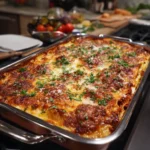
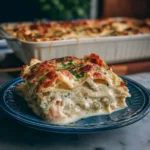
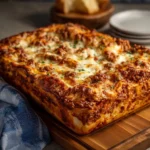
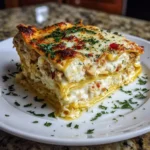
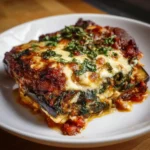
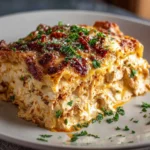
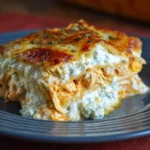
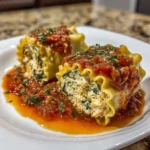
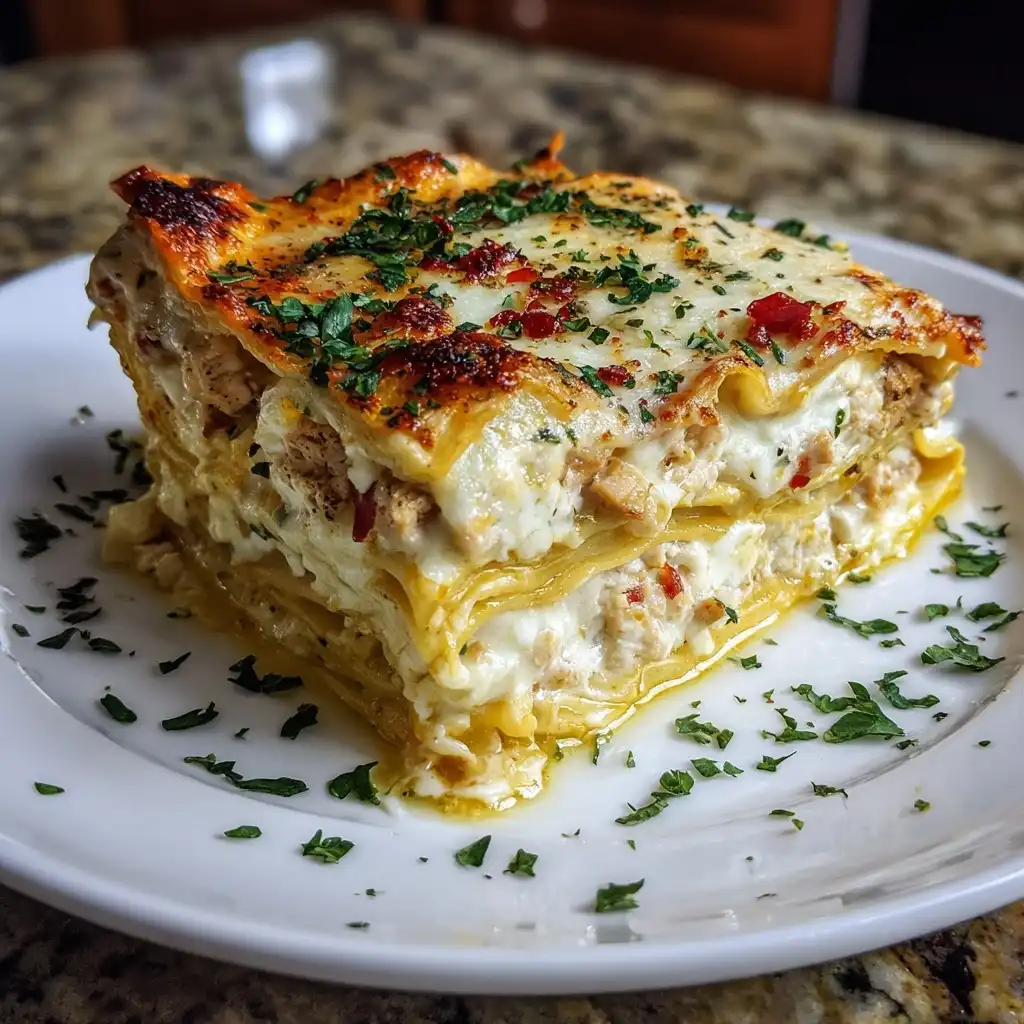
Garlic Parmesan Chicken Lasagna is a rich, comforting, and deeply flavorful twist on the beloved Italian classic—elevated with tender shredded or diced chicken, aromatic roasted and fresh garlic, sharp aged Parmesan cheese, creamy ricotta and mozzarella blends, and layers of no-boil lasagna noodles baked to golden perfection. Unlike traditional beef-based versions, this iteration offers a lighter yet luxuriously satisfying profile that balances savory depth, herbaceous brightness, and umami richness. Whether served at a family Sunday dinner, a holiday gathering, or as meal-prep-ready portions for busy weekdays, this dish delivers restaurant-quality appeal with approachable, home-kitchen execution. Its versatility, crowd-pleasing nature, and make-ahead convenience make it a cornerstone recipe for modern cooks seeking both comfort and culinary sophistication.
The History
Lasagna’s origins trace back over 700 years—to 13th-century Italy, where early iterations like “lasanum” (Latin for “cooking pot”) appeared in the medieval cookbook De honesta voluptate et valetudine by Bartolomeo Sacchi (Platina). These early versions featured stacked sheets of dough layered with grated cheese and spices—not tomato sauce, which only entered Italian cuisine after the Columbian Exchange introduced tomatoes from the Americas in the 16th century. By the 18th century, regional variations flourished: Naples favored rich meat ragù with bechamel; Emilia-Romagna championed green spinach-infused noodles with rich Bolognese; and Sicily added ricotta, cinnamon, and candied fruit. The American adaptation began in earnest with Italian immigrants in the late 19th and early 20th centuries, who adapted recipes using accessible ingredients—leading to the iconic “American-style” lasagna with ricotta, mozzarella, and robust marinara. Garlic Parmesan Chicken Lasagna emerged much later—likely in the 1990s–2000s—as part of the broader “gourmet comfort food” movement, fueled by food magazines, cable cooking shows, and the rise of boneless, skinless chicken breast as a lean protein staple. Chefs and home cooks alike began experimenting with substitutions—replacing ground beef with grilled, roasted, or slow-cooked chicken—and amplifying flavor with bold garlic-forward techniques and premium cheeses. Today, it stands as a testament to culinary evolution: honoring tradition while embracing innovation, nutrition awareness, and global flavor sensibilities.
Ingredients Breakdown
Every exceptional Garlic Parmesan Chicken Lasagna begins with intentional, high-quality components—each selected not just for function but for layered flavor, texture, and balance. Below is a meticulous breakdown of why each ingredient matters—and how substitutions or upgrades can elevate your final dish:
- Chicken Breast (or Thighs): Boneless, skinless chicken breasts are lean and mild, ideal for absorbing garlic and herb notes—but thighs offer superior moisture, richer flavor, and forgiving texture during longer baking. For best results, poach, roast, or pan-sear with aromatics before shredding or dicing.
- Fresh Garlic: Not optional—non-negotiable. Fresh cloves deliver pungent, bright, enzymatically active compounds that mellow into sweet, nutty depth when cooked. Avoid jarred minced garlic (which contains preservatives and lacks complexity) or garlic powder (which adds one-dimensional heat without aroma).
- Roasted Garlic: A game-changer. Roasting transforms raw garlic’s sharp bite into caramelized, buttery sweetness—adding luxurious depth to the ricotta layer and sauce. One whole head, roasted until soft and golden-brown, yields ~15–20 cloves of velvety, spreadable gold.
- Grated Parmigiano-Reggiano: Authentic, imported Italian Parmigiano-Reggiano (DOP-certified) is aged 24+ months, delivering crystalline crunch, nutty umami, and saline tang. It’s irreplaceable for finishing—pre-grated supermarket “Parmesan” often contains cellulose anti-caking agents and lacks depth.
- Ricotta Cheese: Whole-milk, small-curd ricotta provides creaminess and delicate grain. Drain excess whey through cheesecloth for 30 minutes to prevent watery layers. For extra richness, blend in a spoonful of mascarpone or crème fraîche.
- Mozzarella: Low-moisture, part-skim shreds melt evenly and bubble beautifully—but for ultimate indulgence, use fresh mozzarella di bufala (sliced and patted dry) or a blend of provolone and fontina for nuanced browning and stretch.
- No-Boil Lasagna Noodles: Engineered to hydrate fully during baking, these eliminate pre-cooking hassle and reduce risk of mushiness. Look for oven-ready varieties made with durum wheat semolina for optimal structural integrity and al dente bite.
- Marinara Sauce: Use a high-quality, low-sugar, slow-simmered sauce—or make your own with San Marzano tomatoes, olive oil, onion, carrot, celery, basil, and a splash of red wine. Avoid overly acidic or overly sweet commercial brands.
- Fresh Herbs: Basil and parsley add aromatic lift and visual freshness. Reserve half for garnish—added post-bake—to preserve volatile oils and vibrant color.
- Heavy Cream or Whole Milk: Enriches the ricotta mixture, lending silkiness and preventing dryness. Evaporated milk is an excellent lower-fat alternative with concentrated dairy flavor.
- Unsalted Butter & Extra-Virgin Olive Oil: Butter adds richness and mouthfeel to the sauce base; EVOO contributes peppery fruitiness and healthful polyphenols. Use both for dimension.
- Onion, Carrot, Celery (Mirepoix): The aromatic foundation of any great sauce—sweated slowly to build sweetness and complexity without browning.
- Red Pepper Flakes & Black Pepper: Provide subtle warmth and earthy spice—enhancing rather than overpowering the garlic and cheese.
Step-by-Step Recipe
- Prep the Chicken: Place 1.5 lbs boneless, skinless chicken breasts or thighs in a large saucepan. Cover with low-sodium chicken broth, 2 smashed garlic cloves, 1 bay leaf, 1 tsp black peppercorns, and 1 tsp dried oregano. Bring to a gentle simmer over medium-low heat; cover and cook for 15–18 minutes (for breasts) or 22–25 minutes (for thighs), until internal temperature reaches 165°F. Remove chicken, let rest 5 minutes, then shred finely with two forks or dice into ½-inch pieces. Reserve 1 cup broth for sauce.
- Roast the Garlic: Preheat oven to 400°F. Slice 1 inch off the top of 1 whole garlic head to expose cloves. Drizzle generously with olive oil, wrap tightly in foil, and roast for 40–45 minutes until cloves are soft, golden, and fragrant. Cool slightly, then squeeze pulp into a small bowl; mash with a fork into a smooth paste.
- Prepare the Ricotta Mixture: In a large bowl, combine 2 cups whole-milk ricotta, 1 cup grated Parmigiano-Reggiano, ½ cup shredded mozzarella, ¼ cup heavy cream, 1 tsp lemon zest, 2 tbsp chopped fresh parsley, 1 tsp freshly ground black pepper, ½ tsp red pepper flakes, and the entire roasted garlic paste. Stir gently until fully integrated—do not overmix. Set aside.
- Build the Marinara Base: Heat 2 tbsp olive oil in a large Dutch oven over medium heat. Add 1 finely diced yellow onion, 1 grated carrot, and 1 stalk finely diced celery. Sauté 8–10 minutes until softened and translucent. Stir in 4 minced fresh garlic cloves and cook 1 minute until fragrant. Add 1 (28-oz) can crushed San Marzano tomatoes, 1 tbsp tomato paste, ½ cup reserved chicken broth, 1 tsp dried basil, 1 tsp dried oregano, ½ tsp fennel seeds (optional, for depth), and a pinch of sugar. Simmer uncovered 25–30 minutes, stirring occasionally, until thickened and rich. Season with sea salt and freshly cracked black pepper to taste.
- Combine Chicken & Sauce: Fold the shredded chicken into the warm marinara sauce. Let cool slightly—this prevents the ricotta from curdling when layered.
- Assemble the Lasagna: Preheat oven to 375°F. Lightly grease a 9×13-inch deep-dish baking dish (with 3-inch sides). Spread 1 cup marinara-chicken mixture evenly across the bottom. Layer 4 no-boil lasagna noodles (slightly overlapping if needed). Top with ⅓ of the ricotta mixture, spreading gently to edges. Spoon 1⅓ cups chicken sauce over ricotta. Sprinkle with ¼ cup Parmigiano-Reggiano and ¼ cup mozzarella. Repeat layers twice more: noodles → ricotta → sauce → cheese. Finish with a final noodle layer, remaining sauce, and generous toppings of both cheeses.
- Bake Covered: Cover tightly with aluminum foil (tent it to prevent cheese from sticking). Bake for 45 minutes.
- Bake Uncovered: Remove foil and bake 15–20 minutes longer, until top is deeply golden, bubbly at edges, and internal temperature registers 165°F in center.
- Rest Before Serving: Let lasagna rest, undisturbed, for a full 25–30 minutes. This critical step allows starches to set, layers to stabilize, and cheese to re-emulsify—ensuring clean, intact slices instead of soupy collapse.
- Garnish & Serve: Top with additional fresh basil ribbons, parsley, lemon zest, and a drizzle of high-quality extra-virgin olive oil. Serve with garlic-rubbed crostini or a crisp arugula-lemon salad.
Tips
- Don’t Skip the Rest: Cutting into hot lasagna guarantees runny layers and lost structure. That 30-minute rest isn’t optional—it’s the secret to professional presentation and perfect portioning.
- Layer Thoughtfully: Spread ricotta gently with an offset spatula—not a spoon—to avoid tearing noodles. Press lightly to adhere, but never stir or swirl.
- Control Moisture: Excess liquid is the #1 cause of soggy lasagna. Always drain ricotta, pat fresh mozzarella dry, and simmer sauce until thick—not pourable. If using frozen spinach (in veggie variations), thaw completely and squeeze *aggressively* in a clean towel.
- Boost Umami: Stir 1 tsp soy sauce or ½ tsp fish sauce into the marinara—undetectable on its own but deepens savoriness exponentially.
- Garlic Timing Matters: Raw garlic burns easily—always sauté minced garlic *after* aromatics soften, and never longer than 60 seconds. Roasted garlic goes into the ricotta—never the sauce—where its sweetness shines.
- Freeze Smart: Assemble unbaked lasagna, wrap tightly in foil + plastic, and freeze up to 3 months. Thaw overnight in fridge before baking—add 10–15 minutes covered time.
- Reheat Without Drying: Cover with damp parchment + foil and warm at 325°F until heated through (25–35 min). Splash 1 tbsp broth or cream over top before reheating.
- Make-Ahead Friendly: Prepare ricotta mix and sauce up to 3 days ahead; store separately in airtight containers. Assemble day-of for peak freshness.
- Uniform Noodles = Even Cooking: Break no-boil noodles to fit snugly—no gaps. Overlapping is fine, but avoid double-layering in one spot.
- Salt Strategically: Season each component individually (chicken, sauce, ricotta) rather than salting the final dish—ensures balanced, nuanced seasoning throughout.
Variations and Customizations
This recipe is a master canvas—adaptable to dietary needs, seasonal produce, pantry constraints, and global inspirations. Here are 12 thoughtfully crafted variations—with technique notes for success:
- Spinach & Sun-Dried Tomato: Fold 10 oz thawed, squeezed spinach and ⅓ cup chopped oil-packed sun-dried tomatoes into the ricotta. Add 1 tsp balsamic glaze to sauce.
- Mushroom & Truffle: Sauté 12 oz mixed mushrooms (cremini, shiitake, oyster) in butter until golden; deglaze with ¼ cup dry sherry. Stir into chicken sauce. Finish with 1 tsp white truffle oil.
- Buffalo Chicken: Toss shredded chicken in ⅓ cup Buffalo sauce before mixing into sauce. Swap Parmigiano for blue cheese crumbles in ricotta and top with crumbled gorgonzola.
- Low-Carb Zoodle Lasagna: Replace noodles with 4–5 medium zucchini, spiralized and salted for 10 minutes, then patted bone-dry. Layer raw—no pre-cook needed.
- Dairy-Free: Use cashew ricotta (soaked cashews + lemon + nutritional yeast), coconut-based mozzarella shreds, and vegan Parmesan. Ensure marinara is vegan-certified.
- Keto-Friendly: Substitute noodles with thin almond-flour or flaxseed “sheets” (baked separately), increase healthy fats (avocado oil, olive oil, cheese), and reduce tomato content (use 1 cup marinara + 1 cup roasted red pepper purée).
- Gluten-Free: Use certified GF no-boil noodles (brown rice or lentil-based). Confirm all sauces, broths, and cheeses are GF—many Parmesan brands contain wheat starch.
- Mediterranean Herb: Infuse sauce with 2 tbsp chopped fresh oregano, mint, and dill. Add crumbled feta and kalamata olives to ricotta layer.
- Smoky Chipotle: Add 1–2 tsp adobo sauce + 1 minced chipotle to marinara. Stir smoked paprika into ricotta and top with pickled red onions.
- Breakfast Lasagna: Replace chicken with crumbled cooked breakfast sausage; fold in scrambled eggs and cheddar into ricotta; top with crispy bacon.
- Instant Pot Version: Cook chicken + aromatics in IP (15 min high pressure); make sauce via sauté mode; assemble in oven-safe insert; pressure cook 25 min with 1 cup water (then broil to brown).
- Sheet Pan “Lasagna”: For easy cleanup and portion control: layer sauce, noodles, ricotta, chicken, cheese on a rimmed sheet pan; bake 25–30 min at 425°F. Cut into squares.
Health Considerations and Nutritional Value
A single 1-cup serving (approx. 1/12 of a 9×13 pan) of Garlic Parmesan Chicken Lasagna—prepared with whole-milk ricotta, lean chicken breast, no-boil noodles, and moderate cheese—offers a nutrient-dense, balanced profile:
- Calories: ~385–420 kcal per serving
- Protein: 32–36g — supporting muscle maintenance, satiety, and metabolic health. Chicken provides all 9 essential amino acids; Parmigiano adds bioavailable calcium-binding protein.
- Fat: 18–22g total — predominantly unsaturated (from olive oil, cheese, garlic), with minimal saturated fat (<7g). Rich in conjugated linoleic acid (CLA) from grass-fed dairy sources.
- Carbohydrates: 24–28g — primarily complex carbs from whole-grain or enriched noodles (fiber: 2–3g/serving). Low-glycemic impact due to high protein/fat content slowing digestion.
- Vitamins & Minerals: Excellent source of calcium (35% DV), vitamin B12 (45% DV), selenium (60% DV), zinc (25% DV), and vitamin A (from carrots/tomatoes). Garlic contributes allicin—linked to cardiovascular support and immune modulation.
- Dietary Notes: Naturally low in added sugars (<2g/serving), free of artificial preservatives, and adaptable for gluten-free, dairy-reduced, or higher-fiber versions. To lower sodium: use low-sodium broth, unsalted butter, and omit added table salt—relying on herbs, lemon, and aged cheese for flavor.
- Functional Benefits: Garlic’s organosulfur compounds may support healthy blood pressure and cholesterol metabolism. Lycopene in cooked tomatoes is more bioavailable—and enhanced by olive oil’s fat content. Probiotic potential exists in traditionally cultured ricotta and Parmigiano.
Note: Nutrition estimates vary based on specific brands, cheese ratios, and noodle types. For precise tracking, input exact ingredients into apps like Cronometer or MyFitnessPal using USDA database entries.
Ingredients
- 1.5 lbs boneless, skinless chicken breasts or thighs
- 4 cups low-sodium chicken broth (divided)
- 1 whole head garlic, top sliced off
- 3 tbsp extra-virgin olive oil (divided)
- 1 medium yellow onion, finely diced
- 1 large carrot, grated
- 1 celery stalk, finely diced
- 4 cloves fresh garlic, minced
- 1 (28-oz) can San Marzano tomatoes, crushed
- 2 tbsp tomato paste
- 1 tsp dried basil
- 1 tsp dried oregano
- ½ tsp fennel seeds (optional)
- Pinch of granulated sugar
- Sea salt and freshly ground black pepper (to taste)
- 2 cups whole-milk ricotta cheese
- 1 cup freshly grated Parmigiano-Reggiano (plus extra for topping)
- 1 cup low-moisture mozzarella, shredded (plus extra for topping)
- ¼ cup heavy cream or whole milk
- 1 tsp lemon zest
- 2 tbsp fresh flat-leaf parsley, finely chopped
- ½ tsp red pepper flakes
- 12 no-boil lasagna noodles (regular or gluten-free)
- Fresh basil leaves, for garnish
- Extra-virgin olive oil, for drizzling
Directions
- Place chicken in a saucepan and cover with 3 cups broth. Add 2 smashed garlic cloves, 1 bay leaf, and 1 tsp black peppercorns. Bring to a gentle simmer over medium-low heat. Cover and cook 15–25 minutes (depending on cut) until chicken reaches 165°F internally. Remove, cool slightly, then shred or dice. Reserve 1 cup broth.
- Preheat oven to 400°F. Drizzle exposed garlic head with 1 tbsp olive oil, wrap in foil, and roast 40–45 minutes until soft and golden. Cool, then squeeze cloves into a bowl and mash into paste.
- In a large bowl, combine ricotta, 1 cup Parmigiano, 1 cup mozzarella, cream, lemon zest, parsley, black pepper, red pepper flakes, and roasted garlic paste. Mix gently until uniform. Refrigerate until assembly.
- Heat 2 tbsp olive oil in a Dutch oven over medium heat. Sauté onion, carrot, and celery 8–10 minutes until soft. Stir in minced garlic; cook 1 minute. Add tomatoes, tomato paste, reserved broth, herbs, fennel, and sugar. Simmer uncovered 25–30 minutes until thickened. Season well.
- Fold shredded chicken into warm sauce. Let cool 10 minutes.
- Preheat oven to 375°F. Grease a 9×13-inch baking dish. Spread 1 cup sauce on bottom. Layer 4 noodles. Spread ⅓ ricotta mixture. Top with 1⅓ cups chicken sauce. Sprinkle with ¼ cup each Parmigiano and mozzarella. Repeat two more times. Top with final 4 noodles, remaining sauce, and generous cheese.
- Cover tightly with foil. Bake 45 minutes. Remove foil. Bake 15–20 minutes more until golden and bubbling.
- Let rest 25–30 minutes. Garnish with basil, lemon zest, parsley, and olive oil. Slice and serve.
FAQ
- Can I use ground chicken instead of shredded?
- Yes—but brown it thoroughly first with onions and garlic to develop flavor and remove excess moisture. Drain well before adding to sauce.
- Why does my lasagna turn out watery?
- Most commonly: under-drained ricotta, unthickened sauce, or skipping the rest period. Also check for over-saucing—stick to recommended amounts. No-boil noodles absorb ~2 cups liquid; excess overwhelms them.
- Can I prepare this lasagna the day before?
- Absolutely. Assemble fully, cover tightly, and refrigerate overnight. Bake straight from fridge—add 10 minutes to covered bake time.
- What’s the best way to reheat leftovers?
- Individual portions: microwave covered with damp paper towel, 60–90 sec. Full pan: cover with foil + parchment, bake at 325°F for 25–35 min until steaming hot inside.
- Is there a substitute for ricotta?
- Cottage cheese (small-curd, full-fat, blended until smooth) works well. For vegan: soaked and blended cashews with lemon, nutritional yeast, and garlic.
- Can I freeze baked lasagna?
- Yes—but texture is best when frozen *unbaked*. Baked versions may suffer from ice crystal damage to cheese and noodles. Freeze up to 3 months; thaw overnight before baking.
- How do I know when it’s done baking?
- Edges should be deeply golden and bubbling vigorously. Insert an instant-read thermometer into center—it must read 165°F. Noodles should be tender but not mushy when tested with a knife.
- Can I make this vegetarian?
- Easily. Omit chicken; add 2 cups sautéed mushrooms, 1 cup lentils (pre-cooked), or 1 block pressed, baked tofu. Boost umami with miso or soy sauce in sauce.
- Why use no-boil noodles instead of regular?
- No-boil noodles are par-cooked and designed to hydrate fully during baking—eliminating prep time and reducing risk of overcooking. Regular noodles require precise boiling and cooling, and may become gummy or brittle if under/overdone.
- Can I use pre-minced garlic from a jar?
- Not recommended. Jarred garlic lacks volatile aromatic compounds, often contains citric acid or preservatives, and imparts a flat, sour note. Fresh is non-negotiable for authentic flavor.
Summary
Garlic Parmesan Chicken Lasagna is a masterclass in layered comfort—uniting tender herb-roasted chicken, sweet roasted and pungent fresh garlic, creamy house-blended ricotta, and sharp, nutty Parmigiano-Reggiano within tender no-boil noodles and slow-simmered San Marzano marinara.
With make-ahead flexibility, endless customization potential—from keto and dairy-free to globally inspired twists—and impressive nutrition packed into every golden, bubbling slice, it’s a timeless centerpiece that satisfies both soul and science.