Introduction
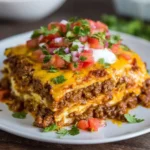
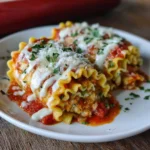
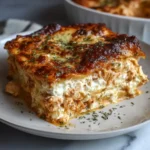
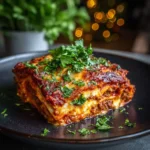
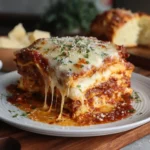
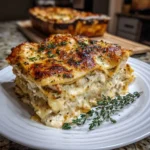
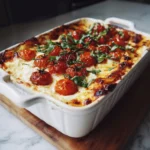
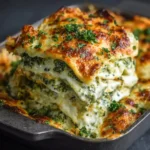
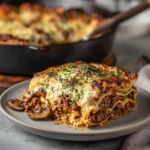
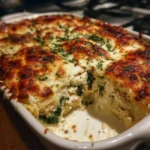
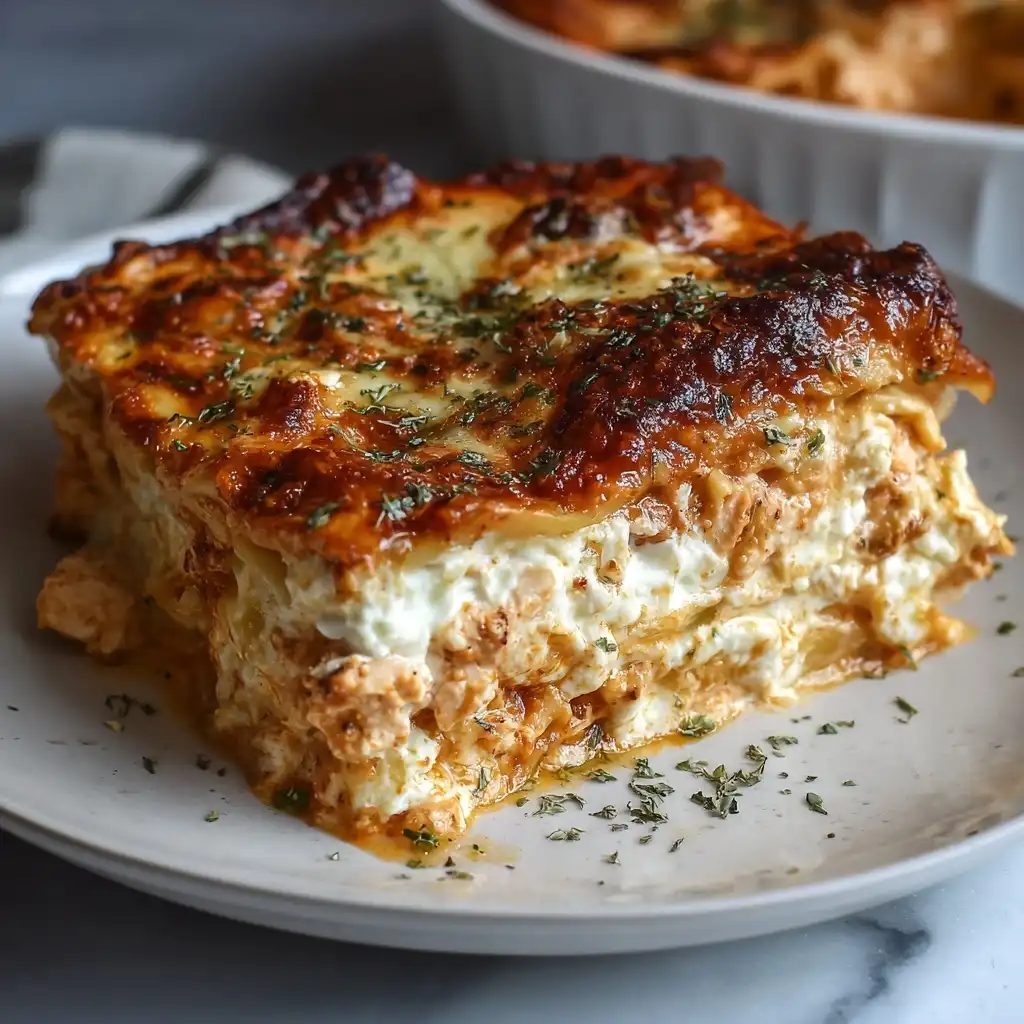
Welcome to a vibrant fusion of Mediterranean tradition and Italian comfort—Greek-Inspired Chicken Lasagna. This innovative, soul-warming dish reimagines the classic layered casserole by infusing it with the bold, sun-drenched flavors of Greece: tangy feta, creamy tzatziki-infused ricotta, herbaceous oregano and dill, juicy roasted chicken, and vibrant vegetables like spinach, roasted red peppers, and kalamata olives. Far from a mere substitution, this recipe honors the integrity of both culinary heritages—retaining lasagna’s satisfying structure and oven-baked richness while channeling the freshness, acidity, and aromatic depth characteristic of Greek home cooking. Whether you’re seeking a showstopping dinner for guests, a make-ahead meal prep staple, or simply a delicious departure from the ordinary, this lasagna delivers layers of texture, complexity, and unmistakable Mediterranean soul.
The History
Lasagna, in its earliest documented form, traces back to 13th-century Italy—specifically the De honesta voluptate et valetudine (c. 1475) by Bartolomeo Platina, which featured layered pasta sheets with grated cheese and spices. Yet its true evolution was one of migration, adaptation, and cultural dialogue. As Italian immigrants settled across the globe—including in Greece and the broader Eastern Mediterranean—they encountered local ingredients, techniques, and flavor philosophies that subtly reshaped their culinary expressions. Simultaneously, Greek cuisine—rooted in ancient traditions emphasizing olive oil, fresh herbs, yogurt-based dairy, briny olives, and lemon—has long celebrated layered dishes: think spanakopita (spinach and feta phyllo pie), tiropita, and even rustic baked pastitsio variations found in northern Greek villages near the Albanian and Macedonian borders.
The modern Greek-inspired chicken lasagna is thus a 21st-century culinary hybrid—a product of globalization, food media democratization, and home cooks’ growing fluency in cross-cultural technique. It emerged organically from bloggers and chefs experimenting with protein swaps (chicken replacing traditional ground beef or lamb), dairy substitutions (ricotta blended with strained Greek yogurt or tzatziki), and herb-forward seasonings reflective of the Aegean. Unlike Americanized “Greek-style” dishes that rely solely on feta sprinkles, this version embeds authenticity at every layer—marinating chicken in lemon-oregano oil, folding in wilted greens as in horta, and finishing with a crumble of sharp, brined feta rather than mild mozzarella-only topping. Its history isn’t written in cookbooks—but in shared kitchen tables, immigrant grandmothers adapting recipes for new pantries, and a generation that sees no contradiction between al dente noodles and the scent of dried dill.
Ingredients Breakdown
Every element in this Greek-Inspired Chicken Lasagna serves a distinct sensory and structural purpose—balancing richness, brightness, salt, earthiness, and texture. Here’s why each ingredient matters:
- No-Boil Lasagna Noodles: Essential for seamless layering and optimal moisture absorption. These thin, durum wheat sheets soften perfectly during baking when layered with adequately hydrated fillings—eliminating pre-cooking hassle while ensuring tender-yet-defined layers (not mushy or gummy). Gluten-free options made from brown rice or lentil flour work beautifully for dietary needs—just verify they’re labeled “oven-ready.”
- Boneless, Skinless Chicken Breasts or Thighs: Chicken thighs are preferred for their superior moisture retention, richer flavor, and forgiving texture during roasting and shredding. Breasts offer leaner protein but require careful marination and lower-temp roasting to avoid dryness. Both benefit immensely from the lemon-oregano-garlic marinade—a non-negotiable step that seasons deep and introduces authentic Greek acidity.
- Full-Fat Ricotta Cheese: The creamy backbone of the filling. Full-fat ricotta provides essential fat-soluble mouthfeel and binds other ingredients without curdling. Low-fat versions often yield a grainy, watery texture that separates during baking. For extra authenticity, drain ricotta in cheesecloth for 30 minutes to remove excess whey—this concentrates flavor and prevents lasagna from becoming soggy.
- Plain Whole-Milk Greek Yogurt (or Homemade Tzatziki Base): Not merely a “lighter substitute,” this adds cultured tang, subtle garlic notes (if using tzatziki), and natural enzymes that tenderize proteins and brighten richness. It also contributes lactic acidity that cuts through feta’s saltiness—mirroring how Greeks use yogurt in savory pies and stews. Avoid flavored or sweetened yogurts; seek 10%–12% fat content for optimal stability.
- Feta Cheese (Imported Greek, in Brine): The soul of the dish. Authentic Greek feta made from sheep’s milk (or sheep-goat blend) and aged in brine offers complex salty-umami depth, crumbly texture, and a clean, lactic finish. Domestic “feta-style” cheeses—often made from cow’s milk and packed in whey or vinegar—lack the nuanced fermentation and can turn greasy or overly sharp when baked. Always crumble feta by hand just before assembling; pre-crumbled versions contain anti-caking starches that mute flavor and hinder melting.
- Fresh Spinach (Not Frozen): While frozen spinach is convenient, fresh baby spinach retains delicate texture, vibrant green color, and higher levels of heat-sensitive nutrients like folate and vitamin C. It wilts quickly and releases minimal water when sautéed briefly with garlic and olive oil—preserving the filling’s integrity. If using frozen, thaw completely and squeeze *aggressively* in a clean towel to remove every drop of liquid.
- Roasted Red Peppers (Jarred or Homemade): Adds sweetness, smokiness, and vivid color. Opt for peppers packed in olive oil—not vinegar or water—for enhanced richness and compatibility with Greek pantry staples. Pat dry and chop finely to distribute flavor evenly without creating wet pockets.
- Kalamata Olives: A signature Greek accent—briny, fruity, and slightly wine-like. Pitted and roughly chopped, they lend bursts of umami and a subtle bitterness that balances the dish’s creaminess. Avoid overloading; ½ cup is ideal for harmony, not dominance.
- Fresh Herbs (Dill & Oregano): Dill brings anise-tinged freshness reminiscent of Greek salads and fish dishes; oregano offers warm, peppery earthiness. Both are added *fresh* at multiple stages—marinade, filling, and garnish—to preserve volatile oils lost in drying. Dried oregano alone cannot replicate the brightness of fresh; if absolutely necessary, use 1 tsp dried oregano *plus* 1 tbsp fresh dill as minimum compromise.
- Lemon Zest and Juice: The quintessential Greek acidulant. Zest contributes aromatic citrus oils that perfume the entire dish; juice adds bright, clean acidity that lifts fat and salt. Never substitute vinegar—it lacks the nuanced fruitiness and can curdle dairy.
- Extra-Virgin Olive Oil (EVOO): Used both for roasting chicken and sautéing aromatics, high-quality Greek or Spanish EVOO (with robust, peppery finish and low acidity <0.3%) imparts grassy, artichoke-like notes fundamental to the dish’s authenticity. Reserve a drizzle for finishing—heat degrades delicate polyphenols, so raw EVOO adds antioxidant-rich aroma.
Step-by-Step Recipe
- Marinate the Chicken (Minimum 1 Hour, Ideally Overnight): In a large bowl, combine 2 tbsp extra-virgin olive oil, zest and juice of 1 large lemon, 3 minced garlic cloves, 1 tbsp finely chopped fresh oregano, 1 tsp dried oregano, 1 tsp sea salt, and ½ tsp freshly ground black pepper. Add 1.5 lbs boneless, skinless chicken thighs (or breasts), turning to coat thoroughly. Cover and refrigerate. For deeper flavor, pierce chicken lightly with a fork before marinating.
- Roast the Chicken (25–30 Minutes): Preheat oven to 400°F (200°C). Place marinated chicken on a parchment-lined baking sheet. Roast until internal temperature reaches 165°F (74°C) and juices run clear—about 25 minutes for thighs, 20 for breasts. Remove, rest 10 minutes, then shred finely using two forks. Reserve ¼ cup of accumulated pan juices (discard excess fat).
- Prepare the Vegetable Base: In a large skillet over medium heat, warm 2 tbsp EVOO. Add 1 finely diced yellow onion and 3 minced garlic cloves; sauté 4–5 minutes until translucent. Stir in 5 oz fresh baby spinach (approx. 6 loosely packed cups) and cook until just wilted—about 90 seconds. Off heat, stir in ½ cup finely chopped roasted red peppers, ⅓ cup pitted and chopped Kalamata olives, 1 tbsp fresh dill, ½ tsp lemon zest, and a pinch of crushed red pepper flakes (optional). Set aside to cool slightly.
- Make the Greek Yogurt-Ricotta Filling: In a large mixing bowl, combine 2 cups full-fat ricotta, 1 cup plain whole-milk Greek yogurt (or ¾ cup yogurt + ¼ cup homemade tzatziki—strained cucumber, garlic, lemon, dill), 1 large egg, ½ cup grated Parmigiano-Reggiano (for binding and umami), 1 tsp lemon zest, 1 tbsp fresh dill, 1 tbsp fresh oregano, 1 tsp sea salt, and ½ tsp black pepper. Whisk vigorously until smooth and homogenous—no lumps! Gently fold in shredded chicken and cooled vegetable mixture until evenly distributed.
- Assemble the Lasagna (Critical Technique): Preheat oven to 375°F (190°C). Lightly grease a 9×13-inch ceramic or glass baking dish. Spread ¾ cup of the filling mixture evenly across the bottom—this creates a moisture barrier preventing sticking. Layer 4 no-boil lasagna noodles (slightly overlapping if needed). Spread ⅓ of remaining filling (approx. 2 cups) evenly over noodles. Sprinkle with ⅓ of crumbled feta (about ⅔ cup). Repeat: noodles → filling → feta, two more times. Final layer: noodles topped with remaining filling and a generous 1 cup of crumbled feta. Drizzle entire surface with 1 tbsp EVOO and a final sprinkle of lemon zest and fresh dill.
- Bake Covered, Then Uncovered: Cover tightly with aluminum foil (tent it slightly to prevent cheese from sticking). Bake for 45 minutes. Carefully remove foil and bake uncovered for 15–20 minutes more, until top is golden, edges are bubbling vigorously, and internal temperature reads 165°F (74°C) when checked with an instant-read thermometer inserted into center.
- Rest Before Slicing (Non-Negotiable): Remove from oven and let stand, uncovered, for *full 30 minutes*. This allows starches to set, layers to stabilize, and residual heat to finish cooking the noodles. Cutting too soon results in collapsed, soupy slices. For best results, assemble up to 1 day ahead, refrigerate covered, and bake straight from cold—adding 10–15 minutes to covered baking time.
Tips
- Texture Control is Everything: Excess moisture is the #1 enemy of great lasagna. Always pat chicken dry before marinating; squeeze spinach *thoroughly* after wilting; drain roasted peppers well; and use full-fat, well-drained dairy. If your filling seems wet, add 2 tbsp fine breadcrumbs or almond flour to absorb excess liquid.
- Layer Thickness Matters: Don’t overload layers—thin, even distribution ensures each bite contains balanced ratios of noodle, filling, and cheese. Use an offset spatula or bench scraper to smooth filling gently without dragging noodles.
- Feta Placement Strategy: Sprinkle feta *between* layers—not just on top. This ensures melty, salty pockets throughout, rather than a single salty crust. Reserve ¼ cup for final garnish post-baking for fresh, uncooked flavor contrast.
- Oven Thermometer Required: Built-in oven thermostats are notoriously inaccurate. An inexpensive standalone oven thermometer ensures precise 375°F baking—critical for noodle hydration without burning edges.
- Resting Isn’t Optional—It’s Structural Engineering: That 30-minute rest allows gluten networks in noodles to relax and rebind, starches to retrograde, and fats to resolidify. Slice with a sharp chef’s knife dipped in hot water for clean, restaurant-quality portions.
- Make-Ahead Mastery: Assemble unbaked lasagna up to 2 days ahead; cover tightly and refrigerate. Or freeze fully assembled (unbaked) for up to 3 months—thaw overnight in fridge before baking. Add 5–10 minutes to initial covered bake time if starting cold.
- Revive Leftovers Like a Pro: Reheat individual slices in a toaster oven at 350°F for 12–15 minutes (foil-covered first 8 mins, then uncovered). Microwaving makes noodles rubbery—avoid unless absolutely necessary (then cover with damp paper towel and heat at 50% power in 30-sec bursts).
Variations and Customizations
This recipe is intentionally designed as a canvas—not a rigid formula. Embrace seasonal produce, pantry staples, and dietary needs with confidence:
- Vegetarian Version: Omit chicken entirely. Boost protein and texture with 1 cup cooked lentils (green or brown), 1 cup crumbled tofu sautéed in lemon-oregano oil, or ½ cup toasted pine nuts. Add 1 cup chopped grilled zucchini or eggplant for Mediterranean depth.
- Seafood Twist: Replace chicken with 1 lb wild-caught cod or haddock, poached gently in lemon-herb broth, then flaked. Fold in ¼ cup capers for briny brightness. Reduce feta slightly to avoid salt overload.
- Low-Carb/Keto Adaptation: Substitute no-boil noodles with thinly sliced zucchini ribbons (salted, drained, and patted dry) or blanched cabbage leaves. Increase ricotta/yogurt ratio slightly for binding. Use nutritional yeast instead of Parmesan if avoiding dairy.
- Gluten-Free Integrity: Use certified GF oven-ready lasagna noodles (brown rice or quinoa-based). Ensure all packaged ingredients (roasted peppers, olives) are GF-certified—many brines contain hidden gluten or barley derivatives.
- Spice Lover’s Edition: Infuse marinade with ½ tsp ground cinnamon and ¼ tsp ground clove—subtly nodding to Greek spice traditions. Add 1 tsp harissa paste to ricotta mixture for smoky heat.
- Herb Garden Variations: Swap dill for 2 tbsp chopped fresh mint (classic in Greek lamb dishes) or 1 tbsp chopped fresh parsley + 1 tsp dried mint. Basil works surprisingly well with lemon-feta profiles—use sparingly (1 tbsp) to avoid pesto associations.
- Regional Greek Inspirations: For a Cycladic flair, add 2 tbsp chopped sun-dried tomatoes and 1 tsp capers. For a Crete-inspired version, include ¼ cup crumbled myzithra cheese and a drizzle of thyme-infused honey on top before baking.
- Weeknight Express: Use rotisserie chicken (skip marinating/roasting). Sauté spinach and aromatics while heating pre-cooked chicken. Assemble and bake in 60 minutes flat—still tastes slow-cooked thanks to quality ingredients.
Health Considerations and Nutritional Value
This Greek-Inspired Chicken Lasagna is nutritionally sophisticated—not just “healthier than regular lasagna,” but thoughtfully engineered for sustained energy, gut health, and micronutrient density. A standard serving (1/8 of 9×13 pan, approx. 1.5 cups) delivers approximately:
- Calories: 420–460 kcal (varies by cheese/noodle choice)
- Protein: 32–36g (high biological value from chicken, ricotta, feta, and egg—supports muscle maintenance and satiety)
- Fat: 22–26g (predominantly monounsaturated from EVOO and feta; includes conjugated linoleic acid [CLA] from sheep/goat dairy)
- Carbohydrates: 24–28g (mainly complex carbs from whole-grain noodles if used; low glycemic impact due to high protein/fat content)
- Fiber: 3–4g (from spinach, olives, roasted peppers, and optional whole-grain noodles)
- Vitamins & Minerals: Exceptionally rich in calcium (feta, ricotta), vitamin K (spinach, herbs), vitamin B12 (chicken, dairy), folate (spinach), iron (chicken thighs), and antioxidants (lutein/zeaxanthin in spinach; polyphenols in EVOO and oregano).
Dietary Notes:
- Heart-Healthy: High in oleic acid (EVOO), potassium (spinach, tomatoes), and omega-3s (if using pasture-raised chicken or adding walnuts); naturally low in sodium *if* unsalted butter and low-sodium feta are selected.
- Gut-Friendly: Fermented dairy (Greek yogurt, feta) provides live probiotics (especially if unpasteurized feta is used—check label). Garlic, onions, and olives contain prebiotic fibers feeding beneficial gut bacteria.
- Anti-Inflammatory Profile: Rich in polyphenols (oleocanthal in EVOO mimics ibuprofen), apigenin (parsley/dill), rosmarinic acid (oregano), and lycopene (roasted peppers)—all clinically linked to reduced systemic inflammation.
- Considerations: Feta is high in sodium—those on strict low-sodium diets (<1500 mg/day) may reduce amount by 25% or rinse briefly under cold water. For lactose sensitivity, full-fat Greek yogurt and aged feta contain minimal lactose; ricotta is moderate—consider lactase enzyme supplementation if needed.
Ingredients
- 1.5 lbs boneless, skinless chicken thighs (or breasts)
- ¼ cup extra-virgin olive oil (divided; use high-quality Greek or Spanish EVOO)
- Zest and juice of 1 large lemon (about 2 tsp zest, 3 tbsp juice)
- 4 garlic cloves, minced (divided)
- 1 tbsp fresh oregano, finely chopped (plus 1 tsp dried)
- 1 tsp sea salt (plus more to taste)
- ½ tsp freshly ground black pepper
- 2 cups full-fat whole-milk ricotta cheese (well-drained)
- 1 cup plain whole-milk Greek yogurt (or ¾ cup yogurt + ¼ cup strained tzatziki)
- 1 large egg
- ½ cup finely grated Parmigiano-Reggiano cheese
- 1 small yellow onion, finely diced
- 5 oz fresh baby spinach (about 6 cups loosely packed)
- ½ cup jarred roasted red peppers, drained and finely chopped
- ⅓ cup pitted Kalamata olives, roughly chopped
- 1 tbsp fresh dill, finely chopped (plus more for garnish)
- ½ tsp lemon zest (additional)
- 1 pinch crushed red pepper flakes (optional)
- 12 no-boil lasagna noodles (regular or gluten-free)
- 1 ½ cups imported Greek feta cheese, crumbled (in brine; do not substitute)
- Additional fresh dill and lemon zest for finishing
Directions
- Marinate chicken in 2 tbsp olive oil, lemon zest/juice, 3 garlic cloves, fresh + dried oregano, salt, and pepper for ≥1 hour (overnight preferred).
- Preheat oven to 400°F. Roast marinated chicken 25–30 min until 165°F internally. Rest 10 min, then shred.
- In skillet, heat 2 tbsp olive oil. Sauté onion and 1 garlic clove 4–5 min. Add spinach; wilt 90 sec. Off heat, stir in roasted peppers, olives, dill, lemon zest, and red pepper flakes. Cool.
- In bowl, whisk ricotta, yogurt/tzatziki, egg, Parmesan, lemon zest, dill, oregano, salt, and pepper until smooth. Fold in shredded chicken and cooled veg mixture.
- Preheat oven to 375°F. Grease 9×13″ dish. Spread ¾ cup filling on bottom. Layer 4 noodles. Spread ⅓ filling. Sprinkle ⅓ feta. Repeat twice. Top with final noodles, remaining filling, and 1 cup feta. Drizzle with 1 tbsp EVOO; garnish with lemon zest and dill.
- Cover tightly with foil. Bake 45 min. Remove foil; bake uncovered 15–20 min until golden and bubbling.
- Rest uncovered 30 min before slicing. Serve with extra lemon wedges, olives, and a simple arugula-lemon vinaigrette salad.
FAQ
- Can I use regular lasagna noodles instead of no-boil?
- Yes—but you must pre-cook them to *al dente* (1–2 minutes less than package directs), drain, and lay flat on oiled parchment to prevent sticking. No-boil noodles absorb liquid more predictably and yield superior texture in layered dishes like this.
- Why does the recipe emphasize imported Greek feta? Can’t I use domestic feta?
- Authentic Greek feta (PDO-certified) is made from at least 70% sheep’s milk, aged in brine for ≥2 months, and develops complex lactic tang, crumbly-yet-creamy texture, and balanced saltiness. Domestic “feta-style” is usually 100% cow’s milk, aged shorter, and packed in whey/vinegar—resulting in milder, sometimes rubbery or overly salty outcomes that don’t melt or integrate authentically.
- My lasagna came out watery. What went wrong?
- Most common causes: (1) Undrained ricotta/yogurt, (2) Wet spinach (not squeezed), (3) Excess liquid from roasted peppers or olives, (4) Under-baking (noodles didn’t fully hydrate), or (5) Cutting before full 30-min rest. Next time, drain dairy 30 min prior, squeeze spinach in a towel until no water drips, and verify internal temp hits 165°F.
- Can I prepare this lasagna ahead and refrigerate or freeze it?
- Absolutely. Assemble unbaked, cover tightly, and refrigerate up to 48 hours. Bake directly from fridge—add 10–15 min to covered bake time. For freezing: wrap unbaked lasagna in double-layer plastic + foil; freeze ≤3 months. Thaw overnight in fridge before baking (same timing as refrigerated version).
- Is there a vegan version possible?
- Yes—with thoughtful swaps: Use soy-based “chicken” strips marinated in lemon-oregano, cashew ricotta (soaked cashews + lemon + nutritional yeast + garlic), silken tofu blended with lemon and herbs for yogurt layer, and vegan feta (brands like Violife or Follow Your Heart). Note: Flavor profile shifts significantly—focus on herb intensity and lemon brightness to compensate.
- What wine pairs best with this dish?
- A crisp, high-acid white complements the lemon and feta beautifully: Assyrtiko from Santorini (mineral, saline, citrus), Moschofilero from Peloponnese (floral, rosewater, light body), or a dry Greek Retsina (resinated pine note—adventurous but traditional). For red lovers, choose a light, low-tannin option like Xinomavro Rosé or young Agiorgitiko.
- Can I add other vegetables like eggplant or zucchini?
- Yes—roast 1 small eggplant or 2 medium zucchinis (diced, salted, drained, and roasted at 425°F for 20 min) and fold into filling. They add earthy depth and moisture balance—but reduce spinach by half to avoid overloading.
- How do I store and reheat leftovers properly?
- Store cooled leftovers in airtight container up to 4 days. Reheat in 350°F oven (foil-covered 10 min, then uncovered 5 min) for best texture. Avoid microwaving unless necessary—then use 50% power, 30-sec bursts, covered with damp paper towel.
Summary
This Greek-Inspired Chicken Lasagna masterfully bridges two iconic culinary traditions—layering tender roasted chicken, lemon-kissed herbs, creamy tzatziki-enriched ricotta, and briny feta into a harmonious, oven-baked masterpiece that’s both deeply comforting and vibrantly fresh. Every bite celebrates the sun-drenched flavors of the Mediterranean while