Introduction
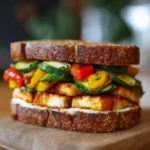
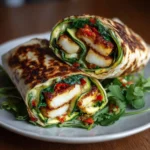
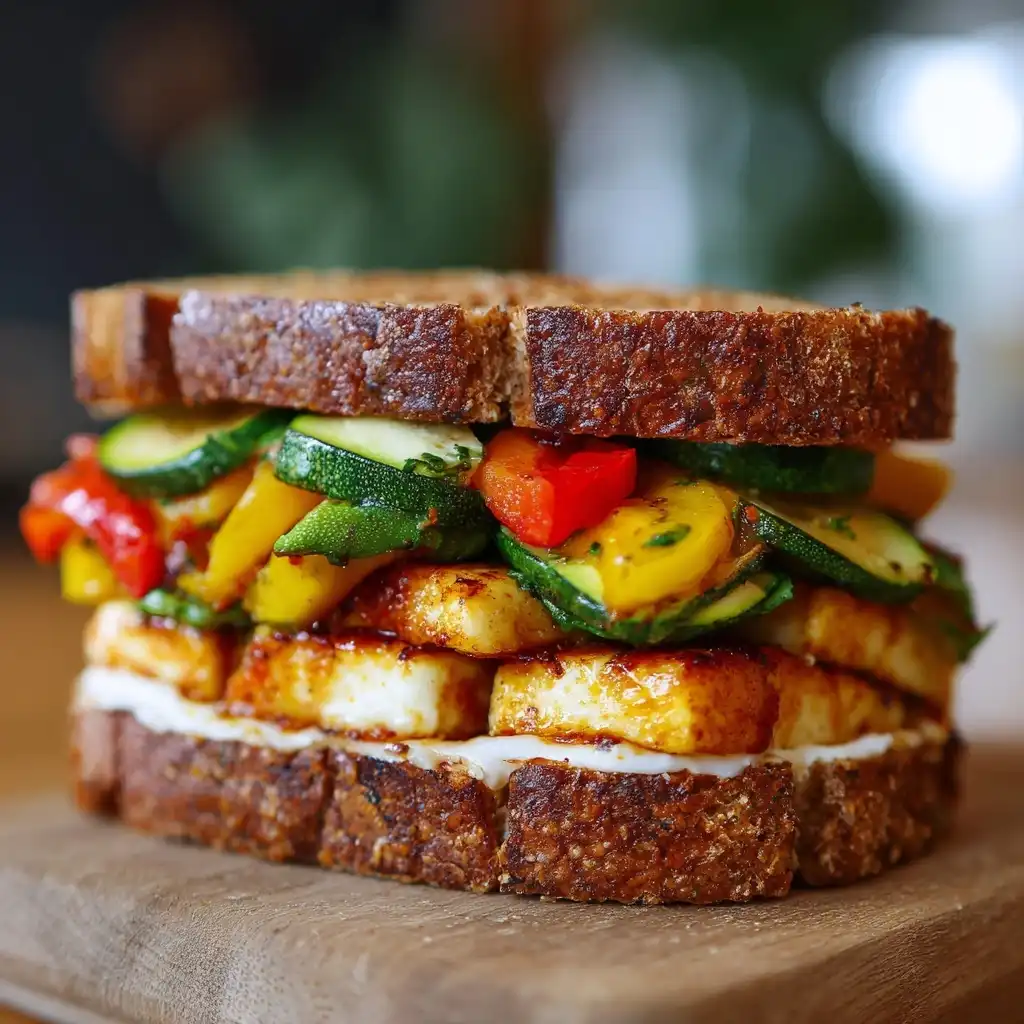
The Halloumi Veggie Sandwich is a vibrant, satisfying, and utterly delicious plant-forward meal that celebrates the unique textural magic of halloumi cheese—grilled to golden perfection—and pairs it with an artful medley of seasonal vegetables, zesty dressings, and artisanal bread or wraps. Far more than just a vegetarian alternative, this sandwich stands proudly on its own as a culinary highlight: hearty yet fresh, rich yet balanced, savory yet bright. Whether enjoyed as a leisurely weekend lunch, a quick weeknight dinner, or a show-stopping addition to picnics and potlucks, the Halloumi Veggie Sandwich bridges Mediterranean tradition with modern food sensibilities—offering bold flavor, impressive nutrition, and endless creative potential.
The History
Halloumi’s origins trace back over 2,000 years to the island of Cyprus, where pastoral communities developed this distinctive brined, semi-hard cheese from a blend of goat’s, sheep’s, and sometimes cow’s milk. Its high melting point—a result of the unique whey protein structure and traditional production method involving heating curds in their own whey—made it ideal for grilling, frying, or even eating raw in ancient times. Historically consumed as a preserved protein source during long summers and leaner months, halloumi was rarely featured in sandwiches in its homeland; rather, it appeared alongside watermelon in summer salads, sizzled on open fires at village feasts, or served simply with olive oil and oregano. The fusion of halloumi into sandwich culture emerged much later—primarily in the UK, Australia, and North America—during the early 2000s artisanal cheese boom and the rise of “vegetarian gourmet” dining. Chefs and home cooks alike were captivated by its squeaky-chewy bite and ability to hold shape under heat, leading to inventive pairings with roasted peppers, grilled zucchini, minted yogurt, and crusty ciabatta. Today, the Halloumi Veggie Sandwich embodies a global culinary conversation—one that honors Cypriot heritage while embracing multicultural vegetable traditions, from Middle Eastern za’atar-spiced tomatoes to Japanese shiso-kissed cucumber ribbons.
Ingredients Breakdown
Every exceptional Halloumi Veggie Sandwich begins with intentionality—not just in selection, but in understanding how each component contributes to harmony of flavor, texture, temperature, and nutrition:
- Halloumi Cheese (8 oz / 225 g): Opt for authentic Cypriot halloumi (PDO-protected when imported) or high-quality artisanal versions made from at least 70% sheep/goat milk. Its naturally salty, milky-sweet profile and dense, springy texture are irreplaceable—low-moisture mozzarella or paneer will not replicate its structural integrity or caramelization capacity.
- Bread or Wrap Base (2 servings): Choose thoughtfully: rustic sourdough or levain for crunch and tang; whole-grain pita or lavash for pliability and fiber; or large, soft spinach or tomato basil tortillas for added nutrients and foldability. Toasting or griddling enhances structural support and prevents sogginess.
- Grilled & Roasted Vegetables: A dynamic trio is essential—e.g., thick-cut zucchini ribbons (salted, rested, then grilled), blistered cherry tomatoes (bursting with umami-sweet juice), and smoky roasted red peppers (jarred or homemade). These deliver moisture contrast, charred depth, and natural sweetness.
- Fresh Raw Elements: Adds brightness and crispness—thinly sliced English cucumber, peppery baby arugula or radicchio, red onion rings (quick-pickled for balance), and fresh mint or flat-leaf parsley leaves.
- Signature Sauce or Spread: Not optional—this is the binding soul. Classic options include lemon-tahini drizzle (tahini + lemon juice + garlic + maple syrup + ice-cold water, emulsified to pourable silk), herbed Greek yogurt (strained yogurt + dill + chives + lemon zest + sea salt), or harissa-mayo (smoked paprika, roasted garlic, harissa paste, and vegan mayo).
- Finishing Accents: Flaky sea salt (Maldon), sumac for tangy floral notes, toasted sesame or pumpkin seeds, a drizzle of aged balsamic glaze or pomegranate molasses, and a final crack of black pepper.
Step-by-Step Recipe
- Prep the Halloumi: Remove halloumi from brine and pat *thoroughly* dry with paper towels (critical for achieving golden sear, not steam). Slice into ½-inch thick slabs (not too thin—they’ll shrink; not too thick—they won’t cook through evenly). Lightly brush both sides with extra virgin olive oil and a whisper of ground cumin or smoked paprika (optional but recommended).
- Grill or Pan-Seal the Halloumi: Heat a cast-iron skillet or grill pan over medium-high until smoking hot. Place halloumi slices without crowding. Cook undisturbed for 2–3 minutes until deep golden brown and slightly puffed at edges. Flip carefully with a thin metal spatula and repeat on second side (1.5–2.5 minutes). Transfer to a wire rack to cool slightly—this prevents carryover cooking and allows residual heat to finish tenderizing the center. Do *not* stack while hot—it creates steam and softens the crust.
- Prepare the Vegetables: While halloumi rests, fire up the same pan (wipe if needed). Toss zucchini ribbons with olive oil, thyme, salt, and pepper; sear 2–3 min per side until grill-marked and tender-crisp. Add cherry tomatoes to pan for last 60 seconds—just until skins blister and split. Simultaneously, warm roasted red peppers (drained and patted dry) in the pan for 30 seconds to revive aroma.
- Build the Base: Lightly toast or griddle your chosen bread/wrap—just enough to add structure and prevent disintegration. If using pita or wrap, open fully and lay flat on a clean surface. Spread 1½ tablespoons of sauce evenly across the entire surface, leaving a ½-inch border.
- Layer Strategically: Begin with greens (arugula or spinach) for moisture barrier. Then arrange warm grilled zucchini, blistered tomatoes (with their juices!), and roasted peppers. Nestle halloumi slices gently on top—do not press down. Scatter pickled red onions and fresh herbs over all.
- Finish & Rest: Sprinkle generously with flaky salt, sumac, and toasted seeds. Drizzle with balsamic glaze or pomegranate molasses. Fold tightly (if wrap) or close sandwich (if bread). Let rest, seam-side down, for 90 seconds—this allows flavors to marry and sauces to gently permeate layers without making bread soggy.
- Serve Immediately: Cut diagonally for presentation. Serve with lemon wedges, extra sauce on the side, and a small bowl of marinated olives or lemon-dressed lentils.
Tips
- Dry Halloumi Like Your Sandwich Depends on It: Excess moisture = steaming, not searing. Pat twice—once out of brine, again after slicing.
- Don’t Skip the Rest Step: Allowing halloumi to cool 2–3 minutes before assembling preserves its crust and prevents wilting delicate greens.
- Toast Bread/Wrap *After* Sauce Application: For wraps: spread sauce, then lightly griddle 10–15 seconds per side—heat activates oils in sauce and seals the surface.
- Layer Greens First — Always: They act as a natural moisture buffer between wet ingredients (tomatoes, sauce) and bread.
- Use a Thin, Rigid Spatula for Flipping Halloumi: Flexible spatulas tear the delicate sear. A fish spatula or narrow offset spatula works best.
- Control Tomato Juices: After blistering, transfer tomatoes to a fine-mesh strainer for 30 seconds to drain excess liquid—prevents sandwich flooding.
- Warm, Not Hot, Halloumi Slices: Serving halloumi at 110–120°F (warm-to-the-touch) delivers optimal chew and creaminess. Overheated halloumi turns rubbery.
- Acid Is Your Ally: A tiny splash of lemon juice or apple cider vinegar in your sauce or sprinkled over assembled sandwich lifts richness and balances salt.
- Prep Components Ahead, Assemble Last Minute: Grill halloumi and veggies up to 4 hours ahead; store separately, covered, at room temp. Chill sauces. Assemble within 5 minutes of serving.
- Wrap Technique Matters: For burrito-style wraps: fold sides in first, then roll tightly from bottom—tuck ingredients snugly as you go. Secure with parchment paper “bandage” for neat transport.
Variations and Customizations
The Halloumi Veggie Sandwich is a canvas—not a rigid formula. Here are inspired, chef-tested adaptations for every palate and pantry:
- Mediterranean Mezze Style: Swap roasted peppers for sun-dried tomatoes (oil-packed, chopped), add crumbled kalamata olives, capers, and a smear of whipped feta with lemon zest.
- Lebanese-Inspired: Use saj bread or markook; layer with tabbouleh (parsley, bulgur, tomato, mint, lemon); top with halloumi and a drizzle of toum (garlic sauce).
- Harissa-Spiced North African: Marinate halloumi in harissa + olive oil + lemon juice for 15 minutes pre-grill; add preserved lemon strips and roasted carrots spiced with cumin and coriander.
- Asian-Fusion Wrap: Use scallion pancakes or rice paper wrappers; fill with halloumi, quick-pickled daikon & carrot, cilantro, crushed peanuts, and a yuzu-miso mayonnaise.
- Breakfast Halloumi Sandwich: Grill halloumi alongside portobello mushrooms and asparagus; serve on brioche with smashed avocado, soft-scrambled eggs (optional), and everything bagel seasoning.
- Vegan Adaptation: Substitute premium vegan halloumi (branded brands like Evesca or Violife offer excellent melt-and-sear capability); use cashew-based “tzatziki” or turmeric-infused silken tofu spread; add grilled eggplant and beetroot hummus.
- Low-Carb/Keto Friendly: Ditch bread entirely—serve halloumi and veggies over a bed of massaged kale or butter lettuce cups; top with avocado slices, hemp hearts, and green goddess dressing.
- Spicy Sriracha-Lime: Brush grilled halloumi with sriracha-lime glaze (sriracha, lime juice, honey or agave, garlic powder); add julienned jalapeños and cilantro.
- Autumn Harvest Version: Roast delicata squash rings and caramelized red onions; add toasted walnuts and sage-infused maple mustard sauce.
- Kid-Friendly “Smiley Face” Sandwich: Use mini pita pockets; cut halloumi into fun shapes (stars, circles); layer with mild tzatziki, shredded carrots, and cucumber ribbons—let kids assemble their own.
Health Considerations and Nutritional Value
A well-constructed Halloumi Veggie Sandwich is a nutrient-dense powerhouse—especially when built with whole foods and mindful preparation. Per standard serving (1 large wrap or 2-slice sandwich), approximate nutritional profile includes:
- Calories: 480–590 kcal (varies by bread/wrap choice and oil usage)
- Protein: 22–28 g — Halloumi provides ~19 g protein per 100 g, plus contributions from legume-based spreads or seeds.
- Fat: 26–34 g — Predominantly heart-healthy monounsaturated fats (from olive oil, halloumi, avocado, nuts) and conjugated linoleic acid (CLA) naturally present in sheep/goat dairy.
- Carbohydrates: 38–48 g — Primarily complex carbs and fiber from whole grains, vegetables, and legumes; low glycemic impact when paired with healthy fats/protein.
- Fiber: 8–12 g — From roasted peppers, zucchini, greens, whole-grain bread/wrap, and optional additions like chickpeas or lentils.
- Vitamins & Minerals: Exceptionally rich in calcium (halloumi offers ~700 mg per 100 g), vitamin B12, selenium, zinc, vitamin C (from tomatoes, peppers, lemon), vitamin K (greens), and potassium (zucchini, tomatoes).
Key Health Notes:
- Sodium Awareness: Traditional halloumi is naturally high in sodium due to brining (~350–450 mg per slice). Reduce overall salt elsewhere—skip added table salt, choose low-sodium roasted peppers, and rinse halloumi briefly before drying if sensitive.
- Lactose Sensitivity: Halloumi contains minimal lactose (<0.1 g per serving) due to fermentation and whey removal—well tolerated by most lactose-intolerant individuals.
- Cholesterol Consideration: Contains dietary cholesterol (~50–60 mg/serving), but recent research affirms that for most people, dietary cholesterol has minimal impact on blood cholesterol when consumed within balanced, plant-rich diets.
- Anti-Inflammatory Boost: Olive oil, tomatoes (lycopene), peppers (vitamin C & antioxidants), garlic, and herbs provide synergistic anti-inflammatory phytonutrients.
- Gluten-Free Option: Easily achieved using certified GF wraps, corn tortillas, or lettuce cups—just verify halloumi brand is GF (most are, but always check labels).
Ingredients
- 8 oz (225 g) block authentic Cypriot or high-quality halloumi cheese
- 2 large pitas, 2 slices artisan sourdough, or 2 large (10-inch) whole-wheat or spinach tortillas
- 2 medium zucchinis, sliced lengthwise into ¼-inch ribbons
- 1 cup cherry tomatoes
- ½ cup jarred roasted red peppers, drained and patted dry
- 2 tbsp extra virgin olive oil (plus more for brushing)
- 1 tsp dried oregano or 1 tbsp fresh thyme leaves
- ¼ tsp ground cumin or smoked paprika (optional)
- ½ small red onion, very thinly sliced
- ¼ cup quick-pickle liquid (1/4 cup apple cider vinegar + 1 tbsp sugar + ½ tsp salt)
- 2 cups baby arugula or mixed baby greens
- ¼ cup fresh mint leaves, roughly torn
- 2 tbsp flaky sea salt (e.g., Maldon), for finishing
- 1 tsp sumac
- 1 tbsp toasted sesame or pumpkin seeds
- Lemon wedges, for serving
For Lemon-Tahini Sauce (makes ~¾ cup):
- ¼ cup well-stirred tahini
- 3 tbsp fresh lemon juice (about 1 large lemon)
- 1 small garlic clove, finely grated or minced
- 1 tsp pure maple syrup or agave nectar
- ¼ tsp ground cumin
- Pinch of cayenne (optional)
- 3–4 tbsp ice-cold water, as needed for consistency
- Sea salt to taste
Directions
- In a small bowl, whisk together tahini, lemon juice, grated garlic, maple syrup, cumin, and cayenne. Whisk vigorously, then slowly drizzle in ice-cold water, 1 tablespoon at a time, until smooth, creamy, and pourable (like heavy cream). Season with salt. Set aside.
- Make quick-pickled red onions: Combine vinegar, sugar, and salt in a small jar. Add onion slices, shake well, and let sit at room temperature for minimum 15 minutes (up to 2 hours for deeper flavor).
- Pat halloumi dry thoroughly with paper towels. Slice into ½-inch thick pieces. Brush both sides lightly with olive oil and sprinkle with oregano and cumin.
- Heat a large cast-iron skillet or grill pan over medium-high heat until very hot. Add 1 tsp olive oil and swirl to coat. Place halloumi in a single layer and cook undisturbed for 2–3 minutes, until deeply golden and slightly puffed. Flip and cook 1.5–2.5 minutes more. Transfer to a wire rack and let rest 3 minutes.
- In the same pan, add another tsp olive oil. Add zucchini ribbons in a single layer. Season with salt and pepper. Cook 2–3 minutes per side until grill-marked and tender-crisp. Push to one side; add cherry tomatoes and cook 60 seconds until blistered. Remove all vegetables to a plate; drain tomatoes briefly in a strainer.
- Wipe pan clean. Warm roasted red peppers in pan for 30 seconds. Remove.
- If using pita or tortillas: lightly griddle or toast on dry pan for 20–30 seconds per side until pliable and lightly speckled. If using bread: toast until golden and crisp.
- Spread 1½ tbsp lemon-tahini sauce evenly over each base. Layer arugula, then zucchini, blistered tomatoes (with juices), roasted peppers, and halloumi slices.
- Drain pickled onions and scatter over top with fresh mint. Sprinkle generously with flaky salt, sumac, and toasted seeds.
- Fold or close sandwich. Let rest seam-side down for 90 seconds. Slice diagonally and serve immediately with lemon wedges and extra sauce.
FAQ
- Can I bake halloumi instead of pan-frying?
- Yes—but with caveats. Baking (425°F for 12–15 min, flipped halfway) yields softer edges and less defined caramelization. For best results, broil on high for final 2 minutes after baking to restore crispness.
- Why does my halloumi stick to the pan?
- Three main causes: (1) pan not hot enough—must be smoking hot before adding; (2) halloumi not dry enough—moisture turns to steam and glues it down; (3) flipping too soon—wait until edges visibly lift and brown.
- Is halloumi safe to eat raw?
- Yes—traditionally it is. But grilling or frying unlocks its signature texture and flavor. Raw halloumi is quite salty and rubbery; heat transforms it into something luxuriously tender-yet-chewy.
- Can I prep this sandwich ahead for lunchboxes?
- Absolutely—but keep components separate. Store grilled halloumi, roasted/grilled veggies, sauce, and greens in individual airtight containers. Assemble no more than 20 minutes before eating to maintain texture and prevent sogginess.
- What’s the best way to store leftover halloumi?
- Submerge in fresh brine (1 cup water + 1 tbsp salt, boiled and cooled) in an airtight container. Refrigerate up to 10 days. Drain and pat dry before reusing.
- My sauce broke—how do I fix it?
- Over-thinning or using warm tahini can cause separation. To rescue: place broken sauce in blender with 1 tsp cold water and ½ tsp lemon juice. Blend on high 15–20 seconds until re-emulsified and silky.
- Can I freeze halloumi?
- Technically yes—but not recommended. Freezing alters its dense, squeaky texture, making it crumbly and less cohesive when cooked. Best enjoyed fresh or refrigerated.
- What non-dairy substitutes work best?
- Vegan halloumi (Evesca, Elegantly Vegan, or Trader Joe’s version) performs closest to dairy halloumi. Avoid generic “grilling cheeses”—they often lack structural integrity and flavor depth.
- Is this sandwich suitable for weight management?
- Yes—with mindful tweaks: opt for whole-grain, lower-calorie wraps (e.g., spinach tortilla ~110 cal), limit oil to 1 tsp total, increase non-starchy veg volume (add shredded cabbage, spinach, or sprouts), and use ¾ portion of halloumi (6 oz instead of 8 oz).
- How do I make this gluten-free *and* nut-free?
- Use certified GF corn tortillas or brown rice wraps. Ensure tahini is processed in a nut-free facility (many are—but always verify). Substitute tahini with roasted sunflower seed butter for a similar creamy, earthy profile.
Summary
The Halloumi Veggie Sandwich is a masterclass in textural contrast, layered umami, and vibrant plant-powered nourishment—where squeaky-golden cheese meets charred summer vegetables, zesty herb sauces, and thoughtfully toasted bases.
Rooted in ancient Cypriot tradition yet endlessly adaptable to global flavors, dietary needs, and seasonal abundance, it proves that vegetarian eating need never mean compromise—only celebration, creativity, and deeply satisfying bites.