Introduction
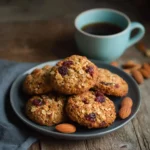
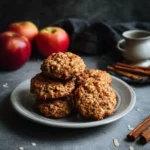
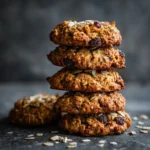
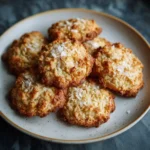
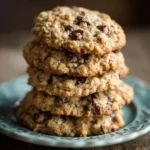
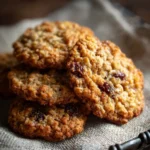
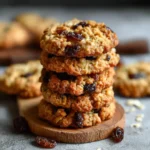
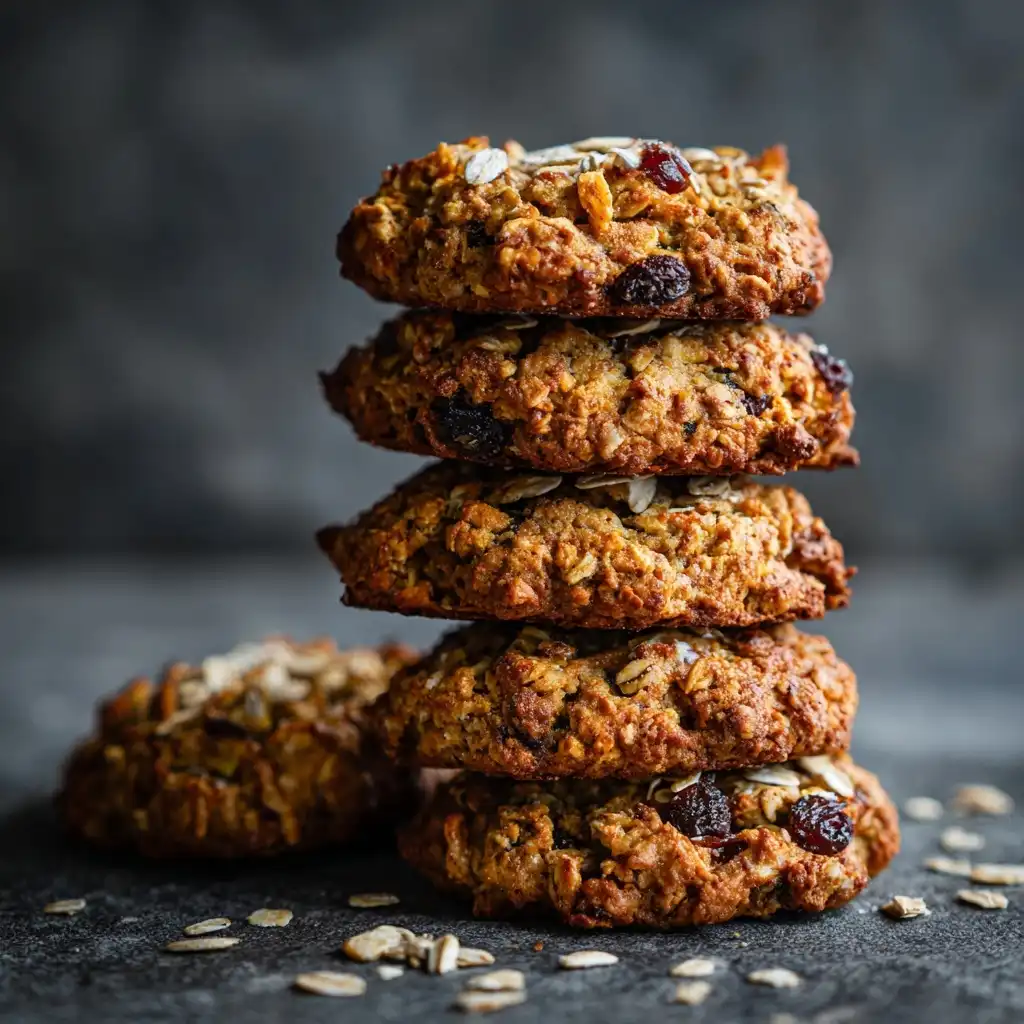
Healthy Banana Oatmeal Cookies are a wholesome, naturally sweetened treat that bridges the gap between indulgence and nutrition. Far from the overly sugary, butter-laden cookies of conventional baking, these soft-baked delights harness the creamy sweetness of ripe bananas, the hearty fiber of whole oats, and the subtle richness of nutrient-dense add-ins—making them ideal for breakfast, post-workout fuel, midday snacks, or even toddler-approved finger food. Designed with intentionality and flexibility, this recipe prioritizes real-food ingredients, minimal processing, and functional benefits—without sacrificing flavor, chewiness, or nostalgic cookie comfort.
The History
The origins of banana oatmeal cookies trace back to mid-20th-century American home kitchens, where resourceful bakers sought ways to repurpose overripe bananas—often deemed “too bruised” for eating raw—into satisfying baked goods. Early versions appeared in community cookbooks, extension service bulletins (like those from the USDA Cooperative Extension), and women’s magazines during the 1940s and ’50s, reflecting wartime rationing sensibilities: substituting scarce sugar with fruit, replacing refined flour with whole grains, and minimizing eggs and dairy when supplies were limited. As nutrition science evolved, so did the recipe’s identity—transforming from a frugal pantry staple into a cornerstone of modern health-conscious baking. Today’s iterations reflect decades of dietary research: emphasizing soluble fiber (beta-glucan from oats) for cholesterol management, resistant starch from underripe bananas for gut health, and antioxidant-rich add-ins like cinnamon and walnuts. The rise of gluten-free, vegan, and low-sugar lifestyles has further elevated its adaptability—solidifying its status not just as a cookie, but as a culturally resonant, scientifically supported, kitchen-tested wellness tool.
Ingredients Breakdown
Every ingredient in this Healthy Banana Oatmeal Cookie recipe serves a functional, nutritional, and sensory purpose—no filler, no empty calories. Here’s what makes each component indispensable:
- Ripe Bananas (3 medium, mashed): Provide natural sweetness (fructose + glucose), moisture, binding power (thanks to pectin and starch), potassium, vitamin B6, and prebiotic fiber. Opt for bananas with deep brown speckles—their higher sugar content and enzymatic activity enhance browning, tenderness, and flavor depth.
- Old-Fashioned Rolled Oats (2 cups, certified gluten-free if needed): Not instant or quick oats—they retain ideal texture and deliver 4g of soluble fiber per ½ cup, proven to support heart health and steady blood glucose response. Their chewy integrity holds up during baking without turning gummy.
- Almond Butter or Peanut Butter (½ cup unsweetened, no added oil): Adds healthy monounsaturated fats, plant-based protein (~7g per ¼ cup), vitamin E, and natural emulsification to replace butter. Creamy—not oily—varieties ensure uniform dough cohesion.
- Pure Maple Syrup or Raw Honey (¼ cup): A modest, unrefined sweetener that contributes trace minerals (zinc, manganese), antioxidants, and hygroscopic properties to retain moisture. Avoid corn syrup or agave—both have higher fructose loads and fewer phytonutrients.
- Ground Flaxseed (3 tbsp, freshly milled preferred): Acts as an egg replacer (when mixed with water), while delivering omega-3 ALA, lignans (phytoestrogens with anti-inflammatory effects), and viscous fiber that slows digestion and promotes satiety.
- Cinnamon (1½ tsp Ceylon or Saigon): More than flavor—it enhances insulin sensitivity, inhibits postprandial glucose spikes, and contains cinnamaldehyde, a potent antimicrobial compound.
- Baking Soda (½ tsp, aluminum-free): Reacts with the bananas’ natural acidity to lift the cookies gently—no need for baking powder, keeping sodium low and leavening clean.
- Sea Salt (¼ tsp): Balances sweetness, amplifies other flavors, and supports electrolyte balance—especially important if consuming as a pre- or post-exercise snack.
- Vanilla Extract (1 tsp pure, alcohol-based): Enhances aromatic complexity and contains vanillin, which exhibits mild neuroprotective and antioxidant activity.
- Optional Add-Ins (choose 1–2): Chopped Walnuts (½ cup) — rich in alpha-linolenic acid (ALA) and polyphenols; Unsweetened Shredded Coconut (⅓ cup) — adds lauric acid and crisp texture; Dark Chocolate Chips (40–70% cacao, ⅓ cup) — delivers flavanols linked to improved endothelial function; Frozen Blueberries (½ cup, tossed in oat flour) — bursts of anthocyanins and vitamin C without soggy centers.
Step-by-Step Recipe
- Prep & Preheat: Line two large baking sheets with parchment paper or silicone baking mats. Preheat oven to 350°F (175°C). Position racks in upper and lower thirds for even heat circulation.
- Mash Bananas: In a large mixing bowl, use a fork or potato masher to thoroughly mash 3 ripe bananas until smooth with no large lumps. Measure precisely—you need ~1 ¼ cups mashed. Let sit 2 minutes to release extra moisture (discard any pooling liquid for firmer cookies).
- Build Wet Base: To the mashed bananas, add almond butter, maple syrup, ground flaxseed, vanilla, and cinnamon. Whisk vigorously for 60–90 seconds until glossy, fully emulsified, and slightly thickened—this develops structure and prevents separation during baking.
- Combine Dry Ingredients: In a separate medium bowl, whisk together oats, baking soda, and sea salt. For best texture and gluten-free assurance, pulse oats in a blender or food processor for 5 seconds to lightly chop—this increases surface area for binding without creating flour.
- Fold Gently: Pour dry mixture over wet mixture. Using a flexible silicone spatula, fold *just until no dry streaks remain*—about 12–15 strokes. Overmixing activates oat starches, leading to dense, gummy cookies. If adding mix-ins, fold them in during the last 3 strokes.
- Rest the Dough: Cover bowl with a damp cloth and let rest at room temperature for 15 minutes. This allows oats to hydrate fully, flax to gel, and flavors to meld—resulting in superior spread control and cohesive texture.
- Portion & Shape: Use a 1.5-tablespoon cookie scoop (or heaping tablespoon) to portion dough. Roll each into a smooth ball, then gently flatten to ¾-inch thickness on prepared sheet—cookies will spread minimally. Space 2 inches apart (they expand ~25%). For crinkled tops, press a whole walnut half or dark chocolate square into the center of each before baking.
- Bake Strategically: Bake 1 sheet at a time in center rack for 13–15 minutes. Rotate pan halfway through. Cookies are done when edges are golden and set, centers look *just* matte (not shiny or wet), and a toothpick inserted near center comes out with moist crumbs—not wet batter. Avoid overbaking: they firm up significantly upon cooling.
- Cool Completely: Let cookies rest on baking sheet for 8 minutes—this finishes internal cooking and sets structure. Then carefully transfer to a wire rack to cool fully (20+ minutes). Skipping this step causes breakage and steam-induced sogginess.
- Store Thoughtfully: Once cooled, store in an airtight container at room temperature for up to 4 days, in refrigerator for up to 10 days, or freeze for 3 months layered between parchment. Re-crisp stale cookies at 325°F for 4–5 minutes.
Tips
- Ripe Banana Hack: Freeze overripe bananas (peeled) in zip-top bags for up to 6 months. Thaw overnight in fridge or microwave on defrost—then drain excess liquid before using.
- Oat Texture Matters: Avoid quick oats—they turn mushy. Steel-cut oats won’t soften enough; stick to old-fashioned or thick rolled oats. For extra-chewy cookies, substitute ¼ cup of oats with oat bran.
- No Butter? No Problem: These cookies rely on banana + nut butter for fat and moisture. Substituting oil or coconut oil often yields greasy, flat results—stick to whole-food fats.
- Altitude Adjustments: Above 3,000 ft? Reduce baking soda to ¼ tsp, increase oats by 1 tbsp, and bake 1–2 minutes longer.
- Uniform Baking: Use an oven thermometer—many ovens run hot or cold. A 25°F variance can mean underbaked centers or burnt edges.
- Sweetness Control: If bananas are very sweet, reduce maple syrup to 2 tbsp. Taste dough pre-bake (it’s safe!)—adjust cinnamon or salt for balance.
- Gluten-Free Guarantee: Even “gluten-free oats” can be cross-contaminated. Choose brands certified to <10 ppm gluten (e.g., Bob’s Red Mill GF, Glutenfreeda).
- Vegan Verification: Ensure chocolate chips and baking soda are vegan-certified (some soda contains animal-derived processing agents).
- Batch Efficiency: Double the dry ingredients and store in a labeled jar for “pantry-ready” future batches—just add fresh wet ingredients.
- Child Involvement Tip: Let kids mash bananas, stir dough, and place toppings—they’re more likely to eat what they help create!
Variations and Customizations
This recipe is a dynamic canvas—designed to evolve with your dietary needs, seasonal produce, pantry inventory, and flavor curiosity. All variations maintain the core nutritional profile and structural integrity:
- Protein-Powered: Add 2 scoops (¼ cup) unflavored or cinnamon-vanilla plant-based protein powder + 1 extra tbsp almond milk. Increases protein to ~5g per cookie—ideal for muscle recovery.
- Lower-Sugar / Diabetic-Friendly: Replace maple syrup with 2 tbsp monk fruit + erythritol blend (e.g., Lakanto) and add 1 tsp apple cider vinegar to boost leavening. Net carbs drop to ~12g per cookie.
- Flourless & Grain-Free: Swap oats for 1 cup almond flour + ½ cup sunflower seed meal + ¼ cup coconut flour. Results in keto-compliant cookies (3g net carbs) with nutty depth.
- Spiced Chai Version: Add ½ tsp ground ginger, ¼ tsp cardamom, ⅛ tsp cloves, and 1 tsp loose-leaf chai tea (steeped 5 min, cooled, strained, and reduced to 1 tbsp liquid).
- Tropical Twist: Fold in ⅓ cup toasted coconut, ¼ cup dried mango (chopped fine), and 2 tbsp lime zest. Replace cinnamon with ½ tsp turmeric for anti-inflammatory synergy.
- Savory-Sweet Herb Option: Omit cinnamon; add 1 tsp finely minced rosemary + 2 tbsp grated aged cheddar + 1 tbsp black pepper. Surprisingly delicious with apple slices.
- Overnight Oat Cookie Bars: Press dough into an 8×8″ parchment-lined pan. Bake at 325°F for 22–25 minutes. Cool completely, then chill 1 hour before slicing—perfect for meal prep.
- Mini Bite-Sized: Use a 1-teaspoon scoop and bake 9–11 minutes. Great for parties, school lunches, or portion-controlled snacking.
- Allergy-Safe (Top 8 Free): Use sunflower seed butter, pumpkin seed butter, or tahini instead of nut butter; swap flax for chia seeds; choose seed-based chocolate chips.
- Seasonal Produce Swaps: Replace ½ banana with ½ cup roasted sweet potato purée (cooled) for earthy depth and extra beta-carotene—or ⅓ cup unsweetened applesauce for lighter texture.
Health Considerations and Nutritional Value
Per standard cookie (recipe yields ~18 cookies, ~45g each), here’s the evidence-backed nutritional profile and physiological impact:
- Calories: ~135 kcal — Balanced energy density: neither too sparse (causing hunger rebound) nor excessive (contributing to passive overconsumption).
- Total Carbohydrates: ~20g (Fiber: 3.2g, Sugars: 8.5g natural) — High in beta-glucan soluble fiber, clinically shown to reduce LDL cholesterol by 5–10% with daily intake of 3g. Low glycemic load (~7) thanks to fiber-fat-protein matrix slowing glucose absorption.
- Protein: ~4.1g — Complete amino acid profile enhanced by combining oats (methionine-limited) with nut butter (lysine-limited). Supports muscle protein synthesis and satiety hormone (CCK, GLP-1) release.
- Fat: ~5.3g (MUFA: 2.8g, PUFA: 1.4g, Saturated: 0.7g) — Predominantly heart-healthy monounsaturated fats from nuts/seeds. Zero trans fats or industrial seed oils.
- Potassium: ~180mg — Critical for sodium-potassium pump function, blood pressure regulation, and nerve transmission—especially beneficial for active individuals or those on high-sodium diets.
- Vitamin B6: 0.3mg (18% DV) — Essential for neurotransmitter synthesis (serotonin, dopamine), red blood cell formation, and immune function.
- Antioxidant ORAC Value: ~1,200 μmol TE/cookie — Driven by cinnamon, banana polyphenols (dopamine, catechins), and optional walnuts (ellagic acid)—helps mitigate oxidative stress and chronic inflammation.
Dietary Alignment: Naturally vegan (if honey omitted), vegetarian, dairy-free, soy-free, and easily adaptable to gluten-free, nut-free, low-FODMAP (reduce banana to 2, omit apple/add-in), and renal-friendly (low-sodium, low-phosphorus) protocols. Not recommended for strict keto (carb count too high) or histamine intolerance (fermented bananas may trigger—use just-ripe fruit).
Ingredients
- 3 medium ripe bananas (about 1 ¼ cups mashed)
- 2 cups old-fashioned rolled oats (certified gluten-free if needed)
- ½ cup unsweetened natural almond butter or peanut butter (smooth, no added oil or sugar)
- ¼ cup pure maple syrup or raw honey (substitute monk fruit blend for sugar-free)
- 3 tablespoons ground flaxseed (freshly milled preferred)
- 1½ teaspoons ground cinnamon (Ceylon recommended)
- ½ teaspoon aluminum-free baking soda
- ¼ teaspoon fine sea salt
- 1 teaspoon pure vanilla extract
- ½ cup optional add-ins (e.g., chopped walnuts, dark chocolate chips, unsweetened coconut, frozen blueberries)
Directions
- Preheat oven to 350°F (175°C). Line two large baking sheets with parchment paper or silicone mats.
- In a large bowl, mash bananas with a fork until smooth. Stir in almond butter, maple syrup, ground flaxseed, vanilla, and cinnamon. Whisk 60–90 seconds until glossy and well combined.
- In a separate bowl, whisk together oats, baking soda, and sea salt.
- Gently fold dry ingredients into wet ingredients using a silicone spatula—stir just until no dry patches remain (12–15 strokes max). Fold in optional add-ins, if using.
- Cover bowl and let dough rest 15 minutes at room temperature.
- Use a 1.5-tablespoon cookie scoop to portion dough. Roll into balls, then flatten gently to ¾-inch thickness on prepared sheets, spacing 2 inches apart.
- Bake one sheet at a time in center rack for 13–15 minutes, rotating halfway, until edges are golden and centers appear set and matte.
- Let cookies cool on sheet for 8 minutes, then transfer to wire rack to cool completely (20+ minutes) before storing.
FAQ
- Can I make these gluten-free?
- Yes—use certified gluten-free oats and verify all add-ins (e.g., chocolate chips, nut butter) are GF-certified. Cross-contamination is the #1 risk, not oats themselves.
- Why did my cookies spread too much or stay too thick?
- Over-mashing bananas (releasing too much water), using quick oats (too starchy), skipping the 15-minute rest (oats didn’t hydrate), or baking on warm sheets all cause spreading issues. Conversely, underripe bananas, too much oat flour, or over-chilling dough leads to domed, dry cookies.
- Can I use frozen bananas?
- Absolutely—thaw completely, drain ALL excess liquid (even 1 tsp changes texture), then measure. Frozen bananas often yield deeper flavor and softer crumb.
- Are these suitable for babies or toddlers?
- Yes—with modifications: omit added sweetener, skip nuts/chocolate (choking hazard), use sunflower seed butter, and ensure oats are finely pulsed. Always supervise eating.
- Can I prepare dough ahead?
- Yes—refrigerate covered for up to 48 hours (dough thickens; add 1 tsp milk before scooping). Freeze unbaked dough balls on a tray, then bag for up to 3 months—bake frozen, +2–3 minutes.
- Why do you recommend Ceylon cinnamon?
- Ceylon (“true cinnamon”) contains negligible coumarin—a compound in Cassia cinnamon linked to liver toxicity in high doses. It’s also sweeter, more delicate, and higher in antioxidants.
- Can I add protein powder?
- Yes—but limit to ¼ cup unflavored or vanilla plant-based powder and add 1 extra tbsp liquid (milk or water) to prevent dryness. Whey protein may curdle with banana acidity.
- How do I make them crunchier?
- Bake 1–2 minutes longer, cool completely on rack (don’t stack), and store uncovered overnight. Or add 2 tbsp toasted oat bran for structural grit.
- Can I use oat flour instead of rolled oats?
- Not interchangeably—oat flour absorbs more liquid and creates denser, cake-like cookies. If substituting, reduce to 1 ¼ cups oat flour and add 2 tbsp extra nut butter.
- Are these good for weight loss?
- Yes—as part of a balanced diet. High fiber + protein promotes fullness, stabilizes blood sugar (reducing cravings), and replaces ultra-processed snacks. Portion awareness remains key.
Summary
Healthy Banana Oatmeal Cookies are a nutritionally intelligent, deeply flavorful, and endlessly adaptable staple—built on the synergy of ripe bananas, whole oats, and minimally processed fats—to deliver sustained energy, digestive support, and antioxidant protection without compromise.
Whether you’re managing blood sugar, supporting gut health, feeding a family, meal prepping for fitness goals, or simply craving something kind to your body and taste buds, this recipe proves that truly healthy baking doesn’t mean sacrifice—it means abundance, wisdom, and joy in every bite.