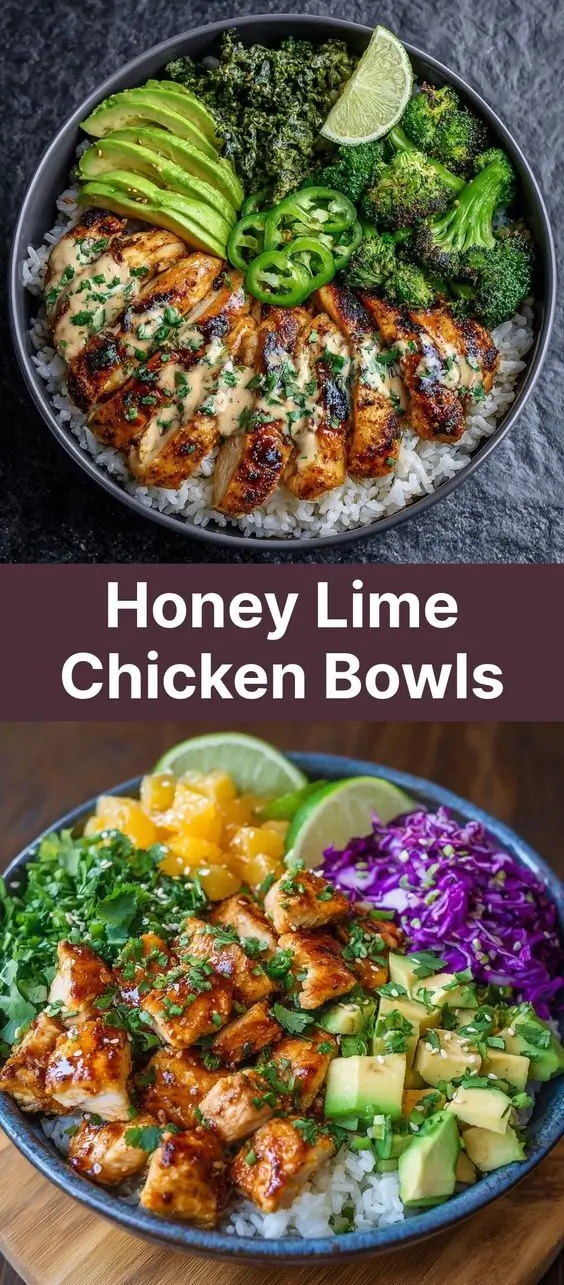
Honey Lime Chicken Bowls: A Zesty, Healthy Delight for Every Palate
Craving a meal that strikes the perfect balance between sweet, tangy, and savory? Look no further than Honey Lime Chicken Bowls. These vibrant, nutrient-packed bowls are more than just a dinner option—they’re a culinary experience that brings together bold flavors and wholesome ingredients in one satisfying dish. Whether you’re meal prepping for the week, hosting a casual dinner, or simply treating yourself to something delicious after a long day, this recipe is designed to impress without overwhelming.
Light enough for summer evenings yet hearty enough to satisfy year-round, Honey Lime Chicken Bowls combine tender grilled chicken glazed in a luscious honey-lime sauce with a colorful array of fresh vegetables, fluffy rice, and optional extras like avocado, cilantro, and toasted nuts. Each bite delivers a burst of citrusy sweetness balanced by the subtle warmth of garlic and ginger. It’s comfort food reimagined—elevated, nutritious, and bursting with global-inspired flair.
The History Behind the Flavor
While there’s no single documented origin for Honey Lime Chicken Bowls, their roots can be traced to a fusion of culinary traditions from Southeast Asia, Latin America, and modern American healthy-eating trends. The use of honey as a natural sweetener dates back thousands of years across multiple cultures—from ancient Egypt to traditional Chinese medicine—where it was prized not only for its flavor but also its preservative and healing properties.
Lime, on the other hand, became prominent in world cuisine through trade routes that spread citrus fruits from Southeast Asia to the Mediterranean and eventually the Americas. In countries like Thailand, Vietnam, Mexico, and the Philippines, combinations of sweet (honey or palm sugar), sour (lime or tamarind), salty (fish sauce or soy), and spicy (chilies) form the foundation of many iconic dishes.
The modern “bowl” concept—often referred to as grain bowls or Buddha bowls—gained popularity in the early 2010s as part of the clean eating movement. Chefs and home cooks alike began layering proteins, grains, vegetables, and flavorful sauces into single-serving meals that were both Instagram-worthy and nutritionally balanced. Honey Lime Chicken Bowls emerged as a favorite variation, combining the best of sweet-sour marinades with the convenience and visual appeal of bowl-style dining.
Today, these bowls are served in trendy cafes, fitness-focused restaurants, and kitchens around the world. They represent a shift toward mindful eating—celebrating fresh ingredients, global flavors, and customizable options that cater to diverse dietary needs.
Ingredients Breakdown: What Makes This Dish Shine?
The magic of Honey Lime Chicken Bowls lies in the harmony of its components. Let’s break down each ingredient category and explore how they contribute to the overall taste, texture, and nutritional profile of the dish.
For the Honey Lime Chicken:
- Chicken Breast (or Thighs): Lean, high-protein meat that absorbs marinade beautifully. Boneless, skinless chicken breasts are preferred for a lighter option, while thighs offer richer flavor and juiciness.
- Honey: Adds natural sweetness and helps create a glossy glaze when cooked. Raw or local honey enhances depth of flavor and may provide mild antibacterial benefits.
- Fresh Limes: Key for acidity and brightness. Freshly squeezed lime juice prevents the dish from feeling heavy and lifts all other flavors. Lime zest intensifies the citrus aroma.
- Garlic: Minced fresh garlic adds pungency and complexity. When sautéed or grilled, it mellows into a savory backbone.
- Ginger: Freshly grated ginger introduces a warm, slightly spicy note that complements the citrus and cuts through richness.
- Soy Sauce (or Tamari): Provides umami and saltiness. Use low-sodium soy sauce to control salt levels, or tamari for a gluten-free alternative.
- Olive Oil (or Avocado Oil): Helps emulsify the marinade and promotes even browning during cooking.
- Red Pepper Flakes (optional): For those who enjoy heat, a pinch adds a gentle kick that contrasts nicely with the sweetness.
For the Bowl Base:
- White or Brown Rice: Serves as a neutral base. White rice offers fluffiness; brown rice adds fiber and a nuttier taste. Cauliflower rice is an excellent low-carb substitute.
- Quinoa: A protein-rich alternative that provides all nine essential amino acids. Its light, slightly crunchy texture pairs well with moist chicken.
For the Toppings & Veggies:
- Avocado: Creamy, rich in heart-healthy fats, and adds luxurious mouthfeel. Sliced or diced just before serving to prevent browning.
- Cucumber: Cool and crisp, providing hydration and freshness. English cucumbers work best due to fewer seeds.
- Cherry Tomatoes: Sweet bursts of juiciness that enhance color and flavor contrast.
- Red Cabbage: Adds crunch and vibrant purple hues. Can be served raw or lightly pickled for extra tang.
- Carrots: Julienned or shredded for sweetness and color. Also rich in beta-carotene.
- Bell Peppers: Red, yellow, or orange varieties bring sweetness and crunch.
- Green Onions: Mild onion flavor with a pop of green color. Great for garnish.
- Cilantro: A polarizing herb, but crucial for authentic brightness. Substitute parsley if disliked.
Optional Add-ons:
- Toasted Almonds or Cashews: For nutty crunch and added protein/fat.
- Sesame Seeds: Toasted white or black sesame seeds add visual interest and subtle earthiness.
- Kimchi or Pickled Red Onions: For fermented tang and gut-friendly probiotics.
- Soft-Boiled Egg: Boosts protein and creates a creamy yolk drizzle when pierced.
- Microgreens or Sprouts: Elevates presentation and adds enzymes and nutrients.
Step-by-Step Recipe: How to Make Perfect Honey Lime Chicken Bowls at Home
Follow this detailed guide to create restaurant-quality Honey Lime Chicken Bowls right in your kitchen. With prep and cook time under 45 minutes, this recipe is ideal for busy weeknights or elegant weekend dinners.
Ingredients
- 1.5 lbs (680g) boneless, skinless chicken breasts or thighs
- 1/3 cup honey (preferably raw)
- 1/4 cup fresh lime juice (about 2–3 limes)
- Zest of 1 lime
- 3 cloves garlic, minced
- 1 tbsp fresh ginger, grated
- 3 tbsp low-sodium soy sauce (or tamari)
- 2 tbsp olive oil
- 1/2 tsp red pepper flakes (optional)
- Salt and freshly ground black pepper to taste
- 2 cups cooked rice (white, brown, or cauliflower rice)
- 1 ripe avocado, sliced
- 1 cup cucumber, diced
- 1 cup cherry tomatoes, halved
- 1/2 cup shredded red cabbage
- 1/2 cup julienned carrots
- 1/4 cup chopped cilantro
- 2 green onions, thinly sliced
- 2 tbsp toasted sesame seeds
- 1/4 cup toasted cashews or almonds (optional)
Directions
- Marinate the Chicken: In a medium bowl, whisk together honey, lime juice, lime zest, minced garlic, grated ginger, soy sauce, olive oil, red pepper flakes, salt, and black pepper until fully combined. Place chicken in a large resealable bag or shallow dish and pour marinade over it. Seal or cover and refrigerate for at least 30 minutes (up to 4 hours for deeper flavor). Do not marinate longer than 8 hours, as the acidity can start to “cook” the chicken and alter texture.
- Cook the Rice: While the chicken marinates, prepare your chosen rice according to package instructions. For extra flavor, cook brown rice in vegetable or chicken broth instead of water. Keep warm once done.
- Cook the Chicken: Heat a grill pan, skillet, or outdoor grill over medium-high heat. Remove chicken from marinade (reserve about 2–3 tablespoons of marinade for basting) and shake off excess. Grill or pan-sear chicken for 6–7 minutes per side, depending on thickness, until internal temperature reaches 165°F (74°C). During the last 2 minutes of cooking, brush reserved marinade onto the chicken to build a sticky glaze. Avoid using leftover marinade that touched raw chicken unless boiled first.
- Rest and Slice: Transfer cooked chicken to a cutting board and let rest for 5 minutes. This allows juices to redistribute, ensuring moist meat. Then slice into thin strips or bite-sized cubes.
- Prepare Vegetables: While chicken rests, assemble toppings. Dice avocado, slice cucumbers, halve cherry tomatoes, shred cabbage, julienne carrots, chop cilantro, and slice green onions. Arrange in small bowls or platters for easy assembly.
- Assemble the Bowls: Begin with a base of warm rice. Arrange slices of honey lime chicken on one side. Fill the rest of the bowl with colorful vegetables and toppings. Drizzle with a little extra honey-lime dressing if desired (see tips below).
- Garnish and Serve: Sprinkle with toasted sesame seeds, chopped nuts, cilantro, and green onions. Serve immediately while chicken is warm and flavors are vibrant.
Pro Tips for the Best Honey Lime Chicken Bowls
- Use Fresh Citrus: Bottled lime juice lacks the bright, aromatic quality of freshly squeezed. Always opt for real limes.
- Don’t Overcook the Chicken: Use a meat thermometer to avoid dryness. Pull chicken at 160°F—it will carry over to 165°F while resting.
- Double the Sauce: Make extra honey-lime glaze to serve on the side or use as a salad dressing later in the week.
- Prevent Sogginess: If prepping ahead, store components separately. Assemble just before eating to maintain texture.
- Add Texture Contrast: Include at least one crunchy element—cabbage, cucumber, nuts, or seeds—to elevate every bite.
- Balance Sweetness: If the honey overwhelms, balance with a splash of rice vinegar or a sprinkle of flaky sea salt.
- Grill for Smokiness: For deeper flavor, grill the chicken outdoors or on a stovetop grill pan to mimic charred edges.
Variations and Customizations: Make It Your Own
One of the greatest strengths of Honey Lime Chicken Bowls is their versatility. Here are creative ways to adapt the recipe based on dietary preferences, seasonal ingredients, or cultural twists:
Dietary Adaptations:
- Keto/Low-Carb: Swap rice for riced cauliflower or a bed of massaged kale. Increase healthy fats with extra avocado and nuts.
- Paleo: Replace soy sauce with coconut aminos and ensure honey is raw/unprocessed.
- Vegan/Vegetarian: Substitute chicken with grilled tofu, tempeh, or chickpeas. Marinate and cook similarly for deep flavor absorption.
- Gluten-Free: Use tamari instead of soy sauce and verify all other ingredients (like sauces) are certified GF.
Global Twists:
- Thai-Inspired: Add peanut butter to the marinade, top with crushed peanuts, and serve with mango slices.
- Mexican Fusion: Use corn tortillas or black beans, add pico de gallo, and swap lime for lime-cilantro rice.
- Japanese-Influenced: Incorporate nori strips, edamame, and a touch of miso in the glaze.
- Mediterranean Style: Add olives, feta cheese, roasted red peppers, and swap rice for quinoa or farro.
Seasonal Swaps:
- Spring: Use asparagus, snap peas, radishes, and fresh herbs like dill or mint.
- Summer: Load up on heirloom tomatoes, corn, zucchini, and basil.
- Fall: Roast sweet potatoes, Brussels sprouts, or apples for warmth and sweetness.
- Winter: Use roasted root vegetables, sautéed kale, and pickled veggies for brightness.
Health Considerations and Nutritional Value
Honey Lime Chicken Bowls are naturally nutrient-dense when built thoughtfully. Below is an approximate nutritional breakdown per serving (excluding optional toppings):
- Calories: ~550–650 kcal
- Protein: ~35–40g (supports muscle repair and satiety)
- Carbohydrates: ~60–70g (mostly complex carbs from whole grains and veggies)
- Fats: ~18–22g (primarily unsaturated from avocado, olive oil, and nuts)
- Fiber: ~6–9g (from vegetables, whole grains, and legumes)
- Sodium: ~600–800mg (can be reduced by using low-sodium soy sauce)
- Vitamins & Minerals: Rich in vitamin C (limes, bell peppers), vitamin A (carrots, cabbage), potassium (avocado), iron (meat, quinoa), and folate (leafy greens).
Health Benefits:
- Honey: Contains antioxidants and has antimicrobial properties. Moderation is key due to natural sugars.
- Lime: High in vitamin C, which supports immune function and collagen production.
- Ginger & Garlic: Known for anti-inflammatory and cardiovascular benefits.
- Lean Protein: Promotes fullness and helps regulate blood sugar.
- Colorful Vegetables: Provide phytonutrients linked to reduced risk of chronic diseases.
Considerations:
- Sugar Content: Honey adds natural sugar (~17g per 1/3 cup). Diabetics or low-sugar dieters can reduce honey to 2–3 tbsp or substitute with monk fruit syrup.
- Allergens: Contains soy and tree nuts (if using cashews/almonds). Always label accordingly.
- Boneless Chicken Breasts: Very lean—pair with healthy fats (avocado, oils) to aid nutrient absorption.
Frequently Asked Questions (FAQ)
Can I make this recipe ahead of time?
Yes! Marinate the chicken up to 24 hours in advance. Cook and slice it, then store in an airtight container for up to 3 days. Keep rice and veggies separate. Reheat chicken gently and assemble bowls fresh.
Can I bake the chicken instead of grilling?
Absolutely. Preheat oven to 400°F (200°C). Place marinated chicken on a lined baking sheet and bake for 20–25 minutes, flipping halfway and brushing with reserved marinade in the last 5 minutes.
Is this recipe freezer-friendly?
Cooked chicken freezes well for up to 3 months. Cool completely, then freeze in portions. Thaw overnight in the fridge before reheating. Avoid freezing raw marinated chicken for safety.
Can I use frozen vegetables?
Fresh is best for texture, but frozen steamed vegetables (like broccoli or peas) can be used in a pinch. Drain well and pat dry to prevent sogginess.
How do I keep the avocado from turning brown?
Slice it just before serving. Alternatively, toss avocado pieces with a bit of lime juice and seal tightly in a container to minimize oxidation.
What can I use instead of honey?
Maple syrup or agave nectar work as vegan alternatives, though they lack honey’s floral notes. Adjust quantity to taste.
Can I turn this into a salad?
Yes! Skip the rice and serve the chicken over mixed greens with the same toppings for a lighter version.
Summary
Honey Lime Chicken Bowls blend sweet, tangy, and savory flavors in a nourishing, visually stunning meal that’s easy to customize and perfect for any occasion. Packed with lean protein, fresh produce, and wholesome grains, this dish delivers big taste with balanced nutrition.