Introduction
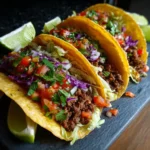
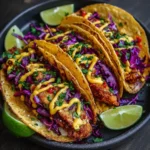
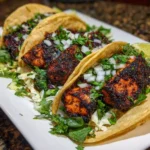
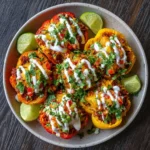
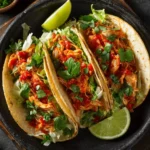
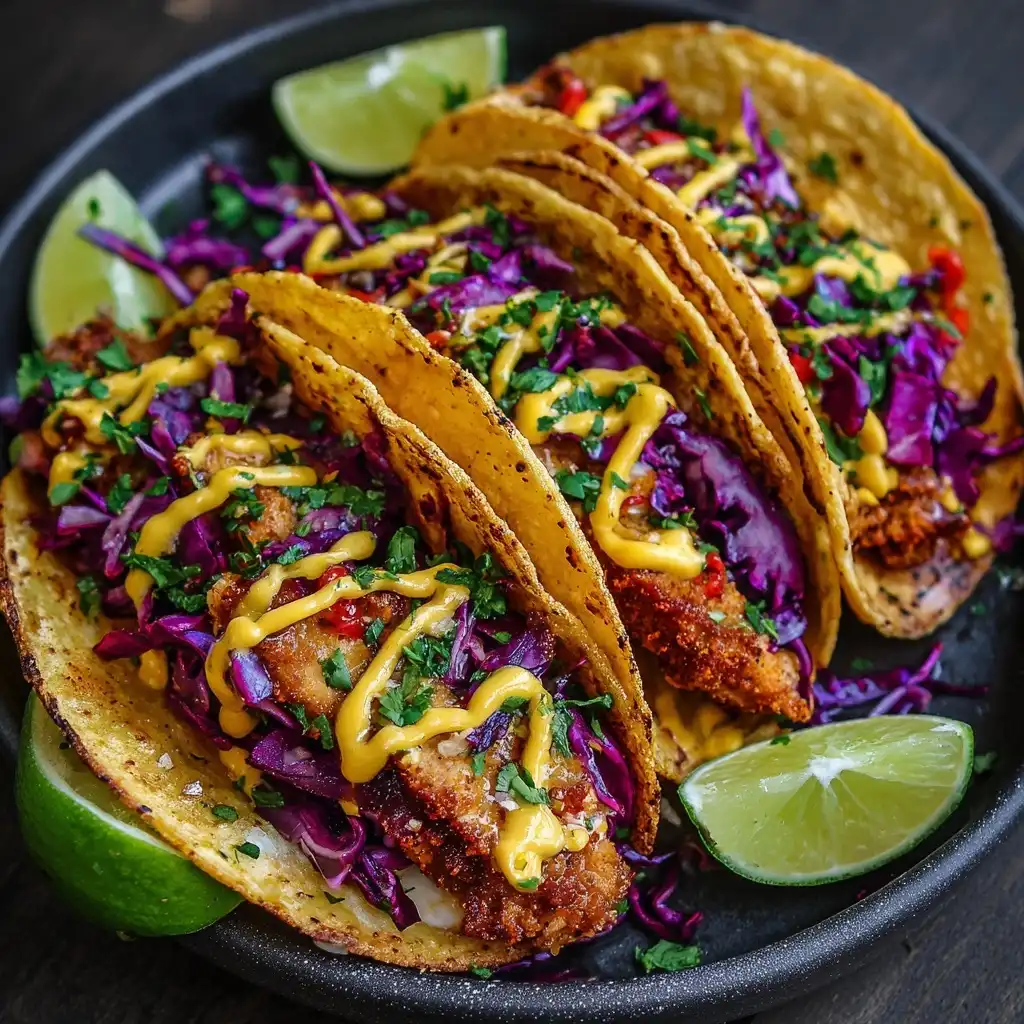
Honey Mustard Chicken Tacos are a vibrant, flavor-forward fusion dish that marries the sweet tang of honey mustard with the bold, handheld convenience of Mexican-inspired street tacos. Far from a mere mashup of trends, this recipe thoughtfully balances richness and brightness, tenderness and texture—delivering a crowd-pleasing meal that’s equally at home on a weeknight dinner table, a backyard barbecue spread, or a festive taco bar. With its golden-brown, herb-kissed chicken nestled in warm, pliable tortillas and crowned with cool, zesty toppings, each bite offers a symphony of contrasting yet complementary notes: caramelized sweetness, sharp mustard acidity, savory umami, herbal freshness, and gentle heat. Whether you’re a seasoned home cook seeking a reliable showstopper or a beginner eager for approachable, restaurant-quality results, these tacos deliver depth without complexity—and endless potential for personalization.
The History
While tacos trace their roots to pre-Hispanic Mesoamerica—where indigenous peoples used soft corn tortillas as edible utensils for fish, beans, and roasted game—the modern honey mustard chicken taco is a distinctly 21st-century American innovation. Its genesis lies at the intersection of three culinary currents: the rise of gourmet food trucks (particularly in cities like Los Angeles and Austin, where chefs began experimenting with global condiments on traditional formats), the mainstream popularity of honey mustard as a versatile sauce (spurred by fast-casual chains and bottled condiment aisles in the 1990s and early 2000s), and the broader “flavor-first” movement that prioritizes bold, balanced profiles over rigid authenticity. Early iterations appeared on menus around 2012–2014, often featuring grilled chicken thighs glazed with a reduction of Dijon, local honey, apple cider vinegar, and smoked paprika. Social media accelerated its evolution—Instagram-friendly plating, TikTok marinade hacks, and Pinterest-driven topping combos (think pickled red onions, crumbled cotija, and chipotle-lime crema) cemented its status as a cultural staple. Though not rooted in ancestral tradition, the dish honors the taco’s spirit of adaptability, resourcefulness, and joyful customization—a testament to how food evolves organically across generations, geographies, and grocery store aisles.
Ingredients Breakdown
Every exceptional Honey Mustard Chicken Taco begins with intentionality—not just in selection, but in understanding *why* each component matters:
- Chicken Breast or Thighs: Boneless, skinless chicken breasts offer lean, mild flavor and clean texture—ideal for slicing into tender strips—but can dry out if overcooked. Chicken thighs (boneless, skinless) are richer, more forgiving, and inherently juicier due to higher fat content; they absorb marinade deeply and caramelize beautifully. For optimal results, many chefs recommend a 50/50 blend or using thighs exclusively for maximum succulence and flavor retention.
- Whole-Grain or Dijon Mustard: Dijon provides sharp, wine-kissed pungency and emulsifying power, while whole-grain mustard adds rustic texture, visible seeds, and nuanced warmth. Avoid yellow mustard—it lacks depth and contains too much vinegar and turmeric, which can overpower and dull the sauce’s balance.
- Raw, Unfiltered Local Honey: Raw honey contributes complex floral notes, subtle earthiness, and natural enzymes that aid tenderizing. Pasteurized, ultra-filtered honey works functionally but sacrifices aromatic dimension. Darker varietals (e.g., buckwheat or wildflower) lend molasses-like depth; lighter clover honey offers delicate sweetness. Never substitute corn syrup or agave—they lack enzymatic activity and alter Maillard browning.
- Apple Cider Vinegar: Adds bright, fruity acidity to cut through richness and balance sweetness. Its mild profile won’t clash with mustard or honey—unlike white vinegar, which tastes harsh, or balsamic, which competes with honey’s caramel tones.
- Garlic & Fresh Ginger: Minced garlic delivers savory backbone; freshly grated ginger adds citrusy-woody warmth and subtle heat that lingers gently—not aggressively. Powdered versions lack volatile oils and enzymatic liveliness essential for marinade penetration.
- Smoked Paprika & Ground Cumin: Smoked paprika lends velvety, campfire-like depth without heat (use *sweet* smoked, not hot); cumin provides earthy, nutty resonance that bridges Mexican and global pantry sensibilities. Toasting whole cumin seeds before grinding unlocks exponentially more aroma.
- High-Heat Oil (Avocado or Grapeseed): Essential for achieving a flawless sear—high smoke point prevents burning, while neutral flavor lets the chicken shine. Olive oil (especially extra virgin) is discouraged for high-heat cooking due to low smoke point and bitter off-notes when heated.
- Corn Tortillas (Double-Layered): Authentic, small-diameter (6-inch) white or blue corn tortillas provide structural integrity, earthy sweetness, and gluten-free assurance. Warming them properly—on a dry cast-iron comal or skillet until pliable and lightly blistered—is non-negotiable for preventing breakage and enhancing flavor. Always use two per taco for reinforcement.
- Crema or Sour Cream Base: Full-fat Mexican crema (slightly thinner and tangier than sour cream) or high-quality sour cream forms the cooling, unctuous foundation for toppings. A splash of lime juice and pinch of salt transform it into a vibrant, balanced drizzle.
- Fresh Toppings: Shredded purple cabbage adds crunch and anthocyanin-rich color; thinly sliced radishes bring peppery bite and visual contrast; fresh cilantro imparts bright, citrusy lift; pickled red onions contribute sweet-tart acidity and vibrant magenta hue; crumbled queso fresco or cotija offers salty, milky counterpoint to sweetness.
Step-by-Step Recipe
- Marinate the Chicken (30 min–24 hours): In a non-reactive bowl, whisk together ⅓ cup Dijon mustard, ¼ cup raw honey, 2 tbsp apple cider vinegar, 3 minced garlic cloves, 1 tbsp freshly grated ginger, 1 tsp smoked paprika, 1 tsp ground cumin, 1 tsp kosher salt, ½ tsp black pepper, and 2 tbsp avocado oil. Add 1.5 lbs boneless, skinless chicken thighs (or breast), turning to coat thoroughly. Cover and refrigerate—minimum 30 minutes for surface infusion, ideally 4–8 hours for deep penetration, or up to 24 hours for profound tenderness (do not exceed—acid can begin to “cook” proteins).
- Prepare Toppings Ahead of Cooking: While chicken chills, prepare components that benefit from resting: quick-pickle red onions (thinly slice 1 small red onion, submerge in ½ cup apple cider vinegar + 2 tbsp honey + 1 tsp salt for 20+ min); shred 2 cups purple cabbage; slice 6–8 radishes paper-thin; chop ¼ cup fresh cilantro; crumble ½ cup queso fresco; and make lime crema (½ cup crema + juice of 1 lime + pinch of salt).
- Warm Tortillas Thoughtfully: Heat a dry cast-iron skillet or comal over medium-high heat. Warm each corn tortilla for 30–45 seconds per side until soft, pliable, and lightly speckled with char. Stack in a cloth-lined tortilla warmer or wrapped in a clean kitchen towel to retain steam and flexibility. Do *not* microwave—this steams rather than toasts, yielding rubbery texture.
- Sear Chicken to Perfection: Remove chicken from marinade (reserve excess marinade). Pat pieces *very dry* with paper towels—critical for achieving caramelization, not steaming. Heat 1 tbsp avocado oil in a heavy-bottomed stainless steel or cast-iron skillet over medium-high heat until shimmering. Place chicken in a single layer without crowding. Sear undisturbed for 4–5 minutes until deeply golden brown and easily releases from pan. Flip and cook 3–4 more minutes until internal temperature reaches 165°F (use instant-read thermometer inserted into thickest part). Transfer to a cutting board; rest 5 minutes.
- Reduce the Marinade into Glaze: Pour reserved marinade into the same hot skillet. Bring to a vigorous simmer over medium heat, scraping up browned bits. Cook 4–6 minutes, stirring occasionally, until thickened to a glossy, coat-the-back-of-a-spoon consistency (~⅓ cup remains). Remove from heat.
- Glaze & Slice: Thinly slice rested chicken against the grain into ¼-inch strips. Return to skillet with reduced glaze; toss gently over low heat for 60–90 seconds until evenly coated and warmed through. Avoid overcooking—glaze should cling, not pool.
- Assemble with Intention: Place two warm tortillas stacked in palm. Spoon 3–4 oz glazed chicken down center. Drizzle generously with lime crema. Top with shredded cabbage, pickled onions, radish slices, cilantro, and crumbled cheese. Serve immediately with lime wedges and extra crema on the side.
Tips
- Marinade Science Matters: Acid (vinegar) and enzymes (ginger, mustard) tenderize—but too much time or too much acid leads to mush. Stick to the 30-min–24-hour window. For deeper flavor without risk, add 1 tsp soy sauce or fish sauce to marinade—it boosts umami without affecting texture.
- Dry Chicken = Golden Chicken: Moisture is the enemy of sear. Always pat chicken bone-dry before cooking—even after marinating. A damp surface creates steam instead of Maillard reaction.
- Don’t Skip the Rest: Allowing chicken to rest redistributes juices. Cutting too soon releases moisture, resulting in drier bites. Five minutes makes a measurable difference in succulence.
- Control Glaze Thickness: If glaze reduces too much and becomes sticky or hardens on cooling, whisk in 1 tsp warm water or broth to loosen. If too thin, simmer 1–2 minutes longer.
- Tortilla Integrity Hack: For foolproof pliability, lightly brush each tortilla with oil before warming—this prevents cracking and enhances char. Double-layering isn’t optional; it prevents structural failure under juicy fillings.
- Temperature Contrast is Key: Serve warm chicken on warm (not hot) tortillas with cool, crisp toppings. This interplay defines the experience—never serve everything piping hot.
- Make-Ahead Strategy: Marinate chicken and prep all toppings (except herbs and lime crema) up to 2 days ahead. Store separately in airtight containers. Assemble only just before serving to preserve texture and vibrancy.
- Leftover Magic: Extra glazed chicken makes exceptional salad toppers, grain bowl protein, sandwich filling (on brioche with arugula), or breakfast hash ingredient. Glaze freezes beautifully for up to 3 months—thaw overnight in fridge.
Variations and Customizations
This recipe is a canvas—not a contract. Embrace creativity while honoring balance:
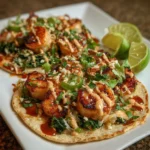
- Protein Swaps: Try grilled shrimp (marinate 15 min max), pulled pork shoulder (simmered in glaze until tender), crispy tofu (extra-firm, pressed & baked), or blackened salmon fillets (skin-on for structure, flaked post-cook).
- Global Flavor Twists: Korean-Inspired: Swap Dijon for gochujang + honey + rice vinegar + toasted sesame oil; top with kimchi slaw and scallions. Mediterranean: Use whole-grain mustard + orange blossom honey + lemon zest + oregano; top with cucumber-tomato relish and feta. Smoky Chipotle: Add 1–2 tsp adobo sauce + ½ tsp chipotle powder to marinade; top with avocado crema and pickled jalapeños.
- Tortilla Alternatives: Blue corn for nuttier depth; sprouted grain for added fiber; gluten-free cassava or almond flour tortillas for dietary needs; or even butter lettuce cups for a low-carb, crunchy vessel.
- Vegetarian/Vegan Adaptation: Replace chicken with king oyster mushrooms (sliced thick, marinated, then grilled until meaty) or tempeh (steamed first, then marinated and pan-seared). Use maple syrup or date syrup instead of honey; vegan crema (cashew-based or coconut yogurt + lime); nutritional yeast instead of cheese.
- Heat Level Control: Mild: Omit black pepper or add ¼ tsp smoked paprika only. Medium: Add ½ tsp ancho chili powder. Bold: Stir 1 finely minced serrano (seeds removed) into glaze or top with habanero salsa.
- Breakfast Taco Version: Add 2 whisked eggs cooked with a spoonful of glaze folded in; top with avocado slices, crumbled bacon, and microgreens.
- Gourmet Garnish Upgrades: Toasted pepitas, pickled Fresno chiles, candied pecans, micro-cilantro, edible flowers, or a dusting of Tajín on the rim of lime wedges.
Health Considerations and Nutritional Value
A well-constructed Honey Mustard Chicken Taco can be both indulgent and nutritionally intelligent—when mindful choices inform each layer:
- Protein Powerhouse: Chicken thighs provide ~25g high-quality protein per 4-oz serving, plus bioavailable iron, zinc, B6, and selenium. Opting for organic, pasture-raised poultry further increases omega-3s and vitamin E.
- Smart Sweetness: Raw honey contains polyphenols, antioxidants, and prebiotic oligosaccharides—though still a sugar, it’s metabolically gentler than refined alternatives. Portion control matters: the full recipe uses ~1 tbsp honey per taco (≈60 calories), far less than sugary bottled sauces.
- Functional Fats: Avocado oil contributes monounsaturated fats linked to heart health and enhanced absorption of fat-soluble vitamins (A, D, E, K) from toppings like cabbage and radishes.
- Fiber & Phytonutrients: Purple cabbage delivers anthocyanins (anti-inflammatory pigments), vitamin C, and 2g fiber per ½ cup. Pickled onions offer gut-friendly probiotics (if unpasteurized) and quercetin. Radishes supply glucosinolates and vitamin C.
- Lower-Sodium Options: Reduce added salt by 50% and rely on smoked paprika, cumin, garlic, and lime for savoriness. Choose low-sodium crema or make your own with plain Greek yogurt + lime.
- Gluten-Free Assurance: Naturally compliant when using certified GF corn tortillas and checking mustard labels (some contain wheat-derived vinegar or fillers).
- Calorie-Conscious Build: A fully loaded taco (chicken, 2 tortillas, modest crema, veggies) ranges 320–380 calories—substantially lighter than fast-food counterparts (often 500–700+). To reduce further: use one tortilla, increase veggie volume, swap crema for plain Greek yogurt, and omit cheese.
- Allergen Notes: Naturally nut-free and dairy-optional (vegan crema). For egg allergies, ensure mustard is egg-free (most Dijon is, but verify). Honey is not suitable for infants under 12 months.
Ingredients
- 1.5 lbs boneless, skinless chicken thighs (or breasts), trimmed and cut into 1-inch strips
- ⅓ cup Dijon mustard (stone-ground preferred)
- ¼ cup raw, unfiltered honey
- 2 tablespoons apple cider vinegar
- 3 large garlic cloves, minced
- 1 tablespoon fresh ginger, finely grated
- 1 teaspoon smoked paprika (sweet, not hot)
- 1 teaspoon ground cumin (toasted & ground if possible)
- 1 teaspoon kosher salt
- ½ teaspoon freshly ground black pepper
- 2 tablespoons avocado oil (divided)
- 12 (6-inch) white or blue corn tortillas, preferably handmade
- ½ cup Mexican crema or full-fat sour cream
- Juice of 1 large lime
- Pinch of fine sea salt
- 2 cups thinly shredded purple cabbage
- 1 small red onion, very thinly sliced
- ¼ cup apple cider vinegar
- 2 tablespoons honey
- 1 teaspoon kosher salt
- 6–8 radishes, very thinly sliced
- ¼ cup fresh cilantro leaves, roughly chopped
- ½ cup crumbled queso fresco or cotija cheese
- Lime wedges, for serving
Directions
- In a medium non-reactive bowl, whisk together Dijon mustard, honey, apple cider vinegar, minced garlic, grated ginger, smoked paprika, ground cumin, kosher salt, black pepper, and 1 tablespoon of the avocado oil until smooth and emulsified.
- Add chicken strips to the bowl, turning to coat completely. Cover and refrigerate for at least 30 minutes or up to 24 hours.
- Prepare pickled onions: In a small jar or bowl, combine sliced red onion, ¼ cup apple cider vinegar, 1 tablespoon honey, and ½ teaspoon salt. Stir well and let sit at room temperature for at least 20 minutes (or refrigerate up to 1 week).
- When ready to cook, remove chicken from refrigerator and let sit at room temperature for 10 minutes. Pat chicken *very dry* with paper towels.
- Heat remaining 1 tablespoon avocado oil in a large heavy-bottomed skillet (cast iron preferred) over medium-high heat until shimmering.
- Add chicken in a single layer—do not overcrowd. Sear undisturbed for 4–5 minutes until deeply golden and easily releases. Flip and cook 3–4 more minutes until internal temperature reaches 165°F. Transfer to a cutting board; rest 5 minutes.
- Pour reserved marinade into the hot skillet. Bring to a rapid simmer over medium heat, scraping up browned bits. Cook, stirring occasionally, for 4–6 minutes until reduced by half and thickened to a glossy, syrupy glaze.
- Thinly slice rested chicken against the grain. Return to skillet with glaze; toss gently over low heat for 60–90 seconds until fully coated and heated through.
- Warm tortillas: Heat a dry comal or skillet over medium-high heat. Warm each tortilla for 30–45 seconds per side until soft and lightly blistered. Stack in a cloth-lined basket or wrapped towel.
- Make lime crema: In a small bowl, whisk together crema, lime juice, and a pinch of salt until smooth.
- To assemble: Stack two warm tortillas. Spoon ¼–⅓ cup glazed chicken down center. Drizzle with lime crema. Top with shredded cabbage, pickled onions (drained), radish slices, cilantro, and crumbled cheese. Serve immediately with extra lime wedges and crema on the side.
FAQ
- Can I bake the chicken instead of pan-searing?
- Yes—with adjustments. Arrange marinated chicken on a parchment-lined sheet pan. Roast at 425°F for 18–22 minutes until 165°F internally. Broil 1–2 minutes to caramelize, then glaze as directed. Note: Pan-searing yields superior texture and fond for glaze.
- Why does my glaze separate or become grainy?
- Overheating or rapid cooling causes emulsion breakdown. Whisk constantly while reducing. If separation occurs, remove from heat, let cool slightly, then vigorously whisk in 1 tsp cold water or cream. Graininess usually signals overheated honey—keep heat at medium, not high.
- Can I make these ahead for a party?
- Absolutely. Marinate chicken and prep all toppings (except fresh herbs and lime crema) up to 2 days ahead. Reheat glazed chicken gently in a skillet with 1 tsp water or broth. Warm tortillas just before serving. Assemble tacos à la minute for peak texture.
- What if I don’t have smoked paprika?
- Substitute ½ tsp regular sweet paprika + ¼ tsp liquid smoke (use sparingly) OR 1 tsp ancho chili powder for smoky depth without heat. Avoid “hot” smoked paprika unless you want significant spice.
- Are corn tortillas gluten-free?
- 100% corn tortillas are naturally gluten-free—but verify packaging for “certified GF” if serving those with celiac disease, as cross-contamination can occur in shared facilities.
- How do I prevent soggy tortillas?
- Never assemble tacos more than 2 minutes before serving. Keep tortillas wrapped in a towel to retain steam (not moisture), and avoid adding wet toppings (like excess crema) until the final moment. Blot pickled onions well before using.
- Can I freeze the marinated chicken?
- Yes—freeze in marinade in an airtight freezer bag for up to 3 months. Thaw overnight in the refrigerator before cooking. Discard marinade used on raw chicken; make fresh glaze from scratch.
- What’s the best way to reheat leftovers?
- Reheat chicken gently in a covered skillet over low heat with 1 tsp broth or water to prevent drying. Tortillas are best reheated on a dry skillet. Avoid microwaving assembled tacos—they’ll steam and soften irreversibly.
- Is there a low-sugar version?
- Replace honey with 2 tbsp pure monk fruit extract blended with 1 tbsp unsweetened applesauce to retain viscosity and moisture. Reduce glaze time by 1–2 minutes, as sugar-free versions thicken faster.
- Can I use store-bought honey mustard?
- Not recommended. Most commercial versions contain high-fructose corn syrup, preservatives, excessive sodium, and artificial flavors that mute nuance and hinder caramelization. Homemade glaze takes 5 minutes and delivers infinitely superior depth and control.
Summary
Honey Mustard Chicken Tacos are a masterclass in balance—where the rich, savory depth of seared chicken meets the bright, complex sweetness of house-reduced honey-mustard glaze, all cradled in warm, handmade corn tortillas and elevated by vibrant, textural toppings. Rooted in modern culinary ingenuity yet respectful of timeless taco principles—freshness, contrast, and communal joy—this recipe is endlessly adaptable, nutritionally thoughtful, and guaranteed to spark conversation, cravings, and repeat requests.
Whether you’re feeding a family of four or hosting a fiesta for twelve, these tacos prove that extraordinary flavor doesn’t require complexity—just quality ingredients, intentional technique, and the confidence to make them unmistakably, deliciously your own.