Introduction
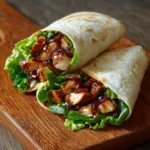
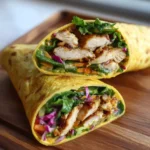
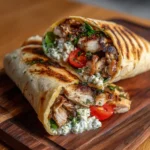
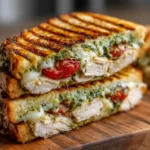
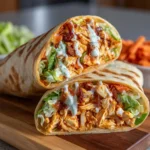
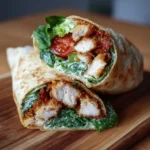
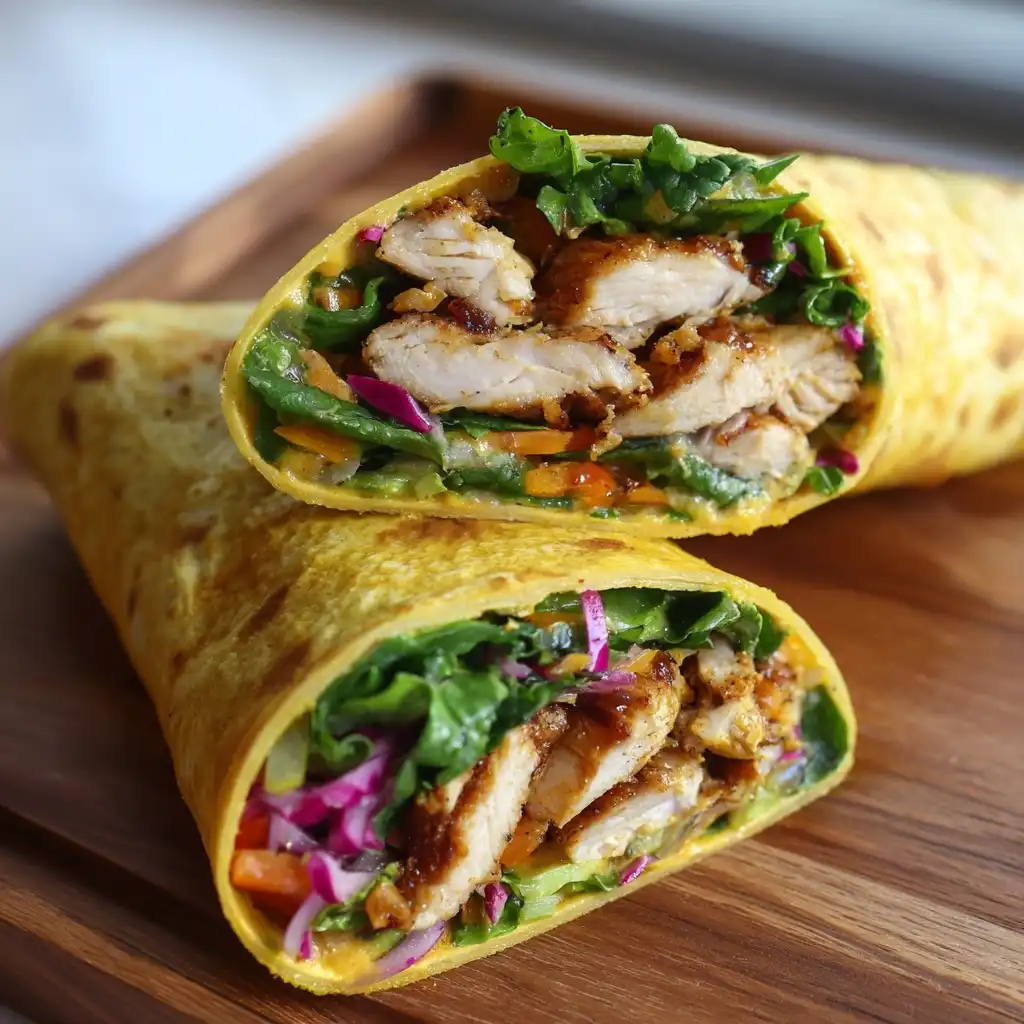
The Honey Mustard Chicken Wrap is a beloved modern classic—bursting with sweet, tangy, and savory notes in every bite. It’s the perfect harmony of comfort and convenience: tender grilled or baked chicken marinated in a luscious honey mustard sauce, wrapped snugly in a soft, pliable tortilla alongside crisp fresh vegetables and creamy accents. Whether served as a quick weekday lunch, a satisfying post-workout meal, or a crowd-pleasing addition to picnics and potlucks, this wrap delivers bold flavor without compromising on balance or ease. Its widespread appeal lies not only in its irresistible taste but also in its remarkable adaptability—easily scaled for meal prep, customized for dietary needs, and elevated with gourmet touches for special occasions.
The History
While no single inventor or origin year can be definitively credited, the Honey Mustard Chicken Wrap emerged organically from the broader evolution of American sandwich culture in the late 20th century. Honey mustard itself has ancient roots—mustard seeds were used medicinally and culinarily by the Romans and Egyptians, while honey was prized across civilizations for preservation and sweetness. The modern honey mustard condiment gained traction in the U.S. during the 1950s and ’60s, popularized by brands like French’s and later enhanced by regional barbecue and salad dressing innovations. As fast-casual dining exploded in the 1980s and ’90s—with chains like Panera Bread, Cosi, and later Chipotle pioneering customizable wraps—the honey mustard pairing became a natural candidate for protein-forward handhelds. Chicken, already America’s most consumed poultry, offered the ideal neutral canvas for the sauce’s vibrant profile. By the early 2000s, food blogs, cooking shows, and viral recipe platforms cemented the Honey Mustard Chicken Wrap as a staple—transitioning from restaurant menu item to home kitchen favorite, and eventually, a cornerstone of healthy meal-prep culture.
Ingredients Breakdown
Understanding each component deepens both flavor execution and nutritional intentionality:
- Chicken Breast (or Thigh): Lean, high-protein base—breast offers lowest fat and calories; thighs provide richer texture and moisture, especially when grilled or air-fried.
- Whole-Grain or Spinach Tortilla: Adds fiber, B vitamins, and subtle earthiness; spinach varieties contribute trace iron and folate without overpowering flavor.
- Raw Honey: Not just a sweetener—it contains enzymes, antioxidants (like pinocembrin), and prebiotic oligosaccharides that support gut health. Opt for raw, unfiltered honey for maximum phytonutrient retention.
- Dijon Mustard: Made with brown mustard seeds, white wine, and vinegar, it contributes sharpness, depth, and glucosinolates linked to anti-inflammatory benefits.
- Apple Cider Vinegar (or White Wine Vinegar): Enhances tang, balances sweetness, aids marinade penetration, and may modestly support blood sugar regulation.
- Garlic & Onion Powder: Concentrated allium compounds (allicin, quercetin) offer cardiovascular and immune-supportive properties—even without fresh aromatics.
- Paprika (Smoked or Sweet): Adds warmth and complexity; rich in vitamin A (as beta-carotene) and capsaicin-related antioxidants.
- Fresh Spinach or Butter Lettuce: Delivers vitamins K, A, and C, plus nitrates that may support healthy blood pressure and endurance.
- Shredded Carrots & Sliced Red Cabbage: Provide crunch, vibrant color, and glucosinolates (especially in cabbage), known for detoxification support.
- Avocado or Greek Yogurt Drizzle: Healthy monounsaturated fats (avocado) or probiotic-rich protein (yogurt) add creaminess while enhancing satiety and nutrient absorption—particularly fat-soluble vitamins from veggies.
- Optional Garnishes: Chopped fresh dill or parsley (for chlorophyll and apigenin), toasted sunflower or pumpkin seeds (magnesium, zinc, vitamin E), or crumbled feta (calcium, conjugated linoleic acid).
Step-by-Step Recipe
- Marinate the Chicken (30 min–24 hrs): In a bowl, whisk together ¼ cup raw honey, 3 tbsp Dijon mustard, 1 tbsp apple cider vinegar, 1 tsp garlic powder, 1 tsp onion powder, ½ tsp smoked paprika, ½ tsp black pepper, and ¼ tsp sea salt. Add 1.5 lbs boneless, skinless chicken breasts or thighs (sliced into ½-inch thick cutlets for faster, more even cooking). Coat thoroughly, cover, and refrigerate. For best results, marinate at least 2 hours—or overnight for deeper infusion.
- Cook the Chicken (12–18 min): Heat 1 tbsp avocado oil or olive oil in a stainless steel or cast-iron skillet over medium-high heat. Remove chicken from marinade (reserve excess for basting), pat dry lightly, and cook 5–7 minutes per side until internal temperature reaches 165°F (74°C) and edges begin to caramelize. During the last 2 minutes, brush generously with reserved marinade—this creates a glossy, sticky glaze. Transfer to a cutting board; rest 5 minutes, then slice thinly against the grain.
- Prep the Vegetables (5 min): While chicken rests, shred 1 cup carrots using a box grater or food processor. Thinly slice ½ cup red cabbage and ¼ cup red onion. Rinse and spin-dry 2 cups baby spinach or butter lettuce. Optional: quickly pickle red onion in 2 tbsp apple cider vinegar + 1 tsp maple syrup + pinch of salt for 10 minutes for extra brightness.
- Warm & Soften Tortillas (30 sec–1 min per tortilla): Heat a dry skillet over medium-low flame. Warm each 10–12 inch whole-grain or spinach tortilla for ~30 seconds per side until pliable and slightly puffed—this prevents cracking when rolling. Stack under a clean kitchen towel to keep warm and flexible.
- Assemble with Strategic Layering (2 min per wrap): Lay tortilla flat. Spread 1 tbsp plain nonfat Greek yogurt or mashed avocado in a 3-inch-wide horizontal band across the center third. Top with ¾ cup spinach, followed by ⅓ of the sliced chicken (approx. 5 oz), then ¼ cup shredded carrots, 2 tbsp red cabbage, and 1 tbsp pickled red onion (if using). Sprinkle with 1 tsp sunflower seeds and a pinch of flaky sea salt.
- Roll Tightly & Seal (1 min): Fold bottom edge up over filling, tuck tightly, then fold left and right sides inward. Roll forward firmly but gently, applying slight downward pressure to compact layers. If desired, wrap snugly in parchment paper and foil for grab-and-go portability—or serve immediately open-faced for visual appeal.
Tips
- Marinade Safety First: Never reuse marinade that contacted raw chicken unless boiled vigorously for 3+ minutes to kill pathogens—better yet, reserve 2 tbsp before adding chicken, or make a double batch.
- Avoid Soggy Wraps: Pat chicken *very* dry before cooking—excess moisture steams instead of sears. Also, let cooked chicken cool 2–3 minutes before slicing to retain juices—and drain any accumulated liquid before assembling.
- Tortilla Flexibility Hack: If tortillas crack despite warming, lightly brush both sides with olive oil and return to skillet for 10 seconds—oil increases elasticity and adds subtle richness.
- Meal-Prep Friendly Assembly: Store components separately for up to 4 days refrigerated: cooked chicken (in marinade glaze), chopped veggies (in airtight container with damp paper towel), dressed greens (in separate container), and tortillas (wrapped in foil at room temp or lightly oiled and stacked in sealed bag). Assemble within 30 minutes of eating.
- Grill Master Tip: For smoky depth, use a grill pan or outdoor grill. Oil grates well, cook chicken over indirect heat first (to cook through), then finish over direct heat with basting for charred, caramelized edges.
- Freeze for Later: Fully assembled wraps (without avocado or yogurt) freeze beautifully for up to 3 months. Wrap individually in parchment + foil, then place in freezer bag. Thaw overnight in fridge and refresh in a toaster oven at 325°F for 8–10 minutes.
- Texture Contrast is Key: Always include at least one crunchy element (cabbage, jicama matchsticks, cucumber ribbons, or crushed almonds) and one creamy element (Greek yogurt, avocado, or whipped feta) for multisensory satisfaction.
Variations and Customizations
Dietary & Lifestyle Adaptations
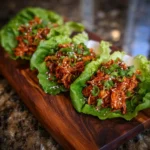
- Keto/Low-Carb: Swap tortilla for large butter lettuce leaves (romaine hearts or Bibb), collard green “wraps” (blanched 10 seconds for pliability), or almond-flour flatbread. Increase avocado and add crumbled bacon or hemp hearts for healthy fats.
- Gluten-Free: Use certified GF corn, cassava, or almond-flour tortillas—or go grain-free with coconut wraps or roasted eggplant slices. Verify mustard and sauces are GF-certified (some Dijon contains wheat-derived vinegar).
- Vegan/Vegetarian: Replace chicken with marinated and grilled tempeh, pressed extra-firm tofu, or chickpea “scramble” sautéed with turmeric and nutritional yeast. Boost umami with tamari, miso paste, or liquid smoke in the honey-mustard blend (sub maple syrup or date syrup for honey).
- Dairy-Free: Skip Greek yogurt drizzle—use dairy-free cashew cream, tahini-thinned with lemon, or ripe avocado blended with lime and cilantro.
- High-Protein Boost: Add 1 hard-boiled egg (sliced), 2 tbsp crumbled goat cheese, or ¼ cup cooked quinoa to the filling. Or stir 1 scoop unflavored collagen peptides into the marinade for invisible protein enhancement.
Flavor & Regional Twists
- Southern Smoke: Add ½ tsp chipotle powder + 1 tsp molasses to marinade; top with pickled jalapeños and crispy fried onions.
- Mediterranean Fusion: Swap Dijon for whole-grain mustard + lemon zest; add kalamata olives, diced cucumber, crumbled feta, and oregano.
- Asian-Inspired: Replace honey with brown rice syrup; add grated ginger, toasted sesame oil, and scallions. Serve with quick-pickled daikon and carrot.
- Tex-Mex Honey Chipotle: Blend honey, adobo sauce, lime juice, and chipotle purée; layer with black beans, roasted corn, and cotija cheese.
- Herb Garden Fresh: Stir 2 tbsp finely chopped tarragon, chives, and dill into Greek yogurt drizzle; garnish with edible flowers and microgreens.
Special Occasion Elevations
- Gourmet Brunch Version: Use brioche tortilla, add poached egg, arugula, and truffle-infused honey mustard.
- Appetizer Style: Cut into 1-inch pinwheels—perfect for parties. Secure with toothpicks and serve with extra honey mustard for dipping.
- Deconstructed Platter: Arrange components family-style on a wooden board: glazed chicken skewers, rainbow slaw, warmed tortillas, herb-yogurt dip, and assorted toppings (pomegranate arils, toasted pepitas, preserved lemon).
Health Considerations and Nutritional Value
A standard Honey Mustard Chicken Wrap (made with 10-inch whole-grain tortilla, 5 oz grilled chicken breast, 1 tbsp honey, 1.5 tbsp Dijon, 1 tbsp Greek yogurt, 1 cup spinach, ¼ cup carrots, 2 tbsp red cabbage, and ¼ avocado) delivers approximately:
- Calories: 485–520 kcal
- Protein: 42–46 g (supports muscle synthesis, satiety, and metabolic health)
- Fiber: 8–10 g (from whole grains, vegetables, and seeds—promotes digestive regularity and microbiome diversity)
- Healthy Fats: 18–22 g (mostly monounsaturated from avocado/olive oil—associated with reduced LDL cholesterol and improved endothelial function)
- Vitamins & Minerals: Exceptionally high in Vitamin A (210% DV), Vitamin K (190% DV), Folate (45% DV), Selenium (65% DV), and Potassium (28% DV). Moderate in iron (15% DV) and zinc (22% DV).
Key Health Notes:
- Sugar Awareness: While honey is natural, it’s still concentrated fructose. Limit added sweeteners to ≤2 tbsp per serving—especially for those managing insulin resistance or NAFLD. Substitute 1 tsp pure monk fruit extract + 1 tbsp unsweetened applesauce for lower-glycemic depth.
- Sodium Control: Dijon mustard and store-bought tortillas can be high in sodium. Choose low-sodium mustard and make your own tortillas (whole-wheat flour, water, olive oil, salt) to reduce intake by up to 40%.
- Allergen Transparency: Common allergens include mustard (Class I allergen in EU), gluten (in many tortillas), and dairy (in yogurt). Always label clearly for shared meals or events.
- Anti-Nutrient Mitigation: Raw cruciferous veggies (cabbage, kale) contain goitrogens—light steaming or fermenting (as in sauerkraut) reduces them while preserving beneficial isothiocyanates.
- Balanced Blood Sugar Strategy: Pairing high-quality protein, fiber, and fat slows glucose absorption. This wrap scores highly on glycemic load (<10)—ideal for sustained energy and focus.
Ingredients
- 1.5 lbs boneless, skinless chicken breasts or thighs, sliced ½-inch thick
- ¼ cup raw, unfiltered honey
- 3 tbsp Dijon mustard (stone-ground preferred for texture)
- 1 tbsp apple cider vinegar (unpasteurized, with “the mother”)
- 1 tsp garlic powder
- 1 tsp onion powder
- ½ tsp smoked paprika (or sweet paprika)
- ½ tsp freshly ground black pepper
- ¼ tsp fine sea salt (plus extra for finishing)
- 1 tbsp avocado oil or extra-virgin olive oil (for cooking)
- 4 (10–12 inch) whole-grain or spinach tortillas
- 2 cups baby spinach or butter lettuce, washed and dried
- 1 cup shredded carrots (about 2 medium carrots)
- ½ cup thinly sliced red cabbage
- ¼ cup thinly sliced red onion (or quick-pickled version)
- ½ medium ripe avocado, sliced or mashed
- ¼ cup plain nonfat Greek yogurt (or dairy-free alternative)
- 2 tbsp toasted sunflower or pumpkin seeds
- Fresh dill, parsley, or chives for garnish (optional)
Directions
- In a medium glass or ceramic bowl, whisk together honey, Dijon mustard, apple cider vinegar, garlic powder, onion powder, smoked paprika, black pepper, and sea salt until smooth and emulsified. Add chicken pieces and turn to coat thoroughly. Cover and refrigerate for at least 2 hours—or ideally, 8–12 hours for optimal tenderness and flavor penetration.
- When ready to cook, remove chicken from refrigerator 15 minutes prior to allow for even heating. Reserve 2 tablespoons of marinade separately for basting (do not reuse uncooked marinade).
- Heat avocado oil in a heavy-bottomed skillet (cast iron preferred) over medium-high heat until shimmering but not smoking (~375°F). Remove chicken from marinade, gently shake off excess, and pat dry with paper towels. Place in skillet without crowding—cook in batches if needed.
- Arrange chicken in a single layer. Cook undisturbed for 5–6 minutes until deeply golden and easily releases from pan. Flip carefully using tongs, reduce heat to medium, and cook another 5–6 minutes until internal temperature reads 165°F when checked with an instant-read thermometer inserted into thickest part.
- During final 2 minutes of cooking, brush generously with reserved marinade. Continue brushing once more after flipping, allowing glaze to bubble and caramelize. Transfer chicken to a clean cutting board, tent loosely with foil, and rest for 5 minutes.
- While chicken rests, prepare vegetables: shred carrots, thinly slice red cabbage and red onion, wash and spin-dry greens. If pickling onion, combine slices with 2 tbsp apple cider vinegar, 1 tsp maple syrup, and ⅛ tsp salt; set aside for 10 minutes.
- Warm tortillas one at a time in a dry skillet over medium-low heat for 25–30 seconds per side until soft and pliable. Stack under a clean kitchen towel to retain steam and flexibility.
- To assemble each wrap: lay a warm tortilla flat. Spread 1 tablespoon Greek yogurt horizontally across center third. Layer with ½ cup spinach, ⅓ of sliced chicken (approx. 5 oz), ¼ cup carrots, 2 tablespoons red cabbage, 1 tablespoon pickled red onion, and ½ sliced avocado.
- Sprinkle with 1 teaspoon toasted seeds and a pinch of flaky sea salt. Fold bottom edge up over filling, tuck tightly, fold left and right sides inward, then roll forward with gentle but firm pressure to seal.
- For best texture and portability, wrap completed wrap snugly in parchment paper, then foil—or serve immediately with extra honey mustard on the side for dipping. Enjoy within 30 minutes for peak freshness and crunch.
FAQ
- Can I use store-bought honey mustard instead of making my own?
- Yes—but read labels carefully. Many commercial versions contain high-fructose corn syrup, artificial preservatives (sodium benzoate), and excessive sodium (up to 300mg per tbsp). For best quality and control, make your own using just 4–5 clean ingredients. If purchasing, choose organic, small-batch brands like Primal Kitchen or Gourmet Gardenia that list honey as the first ingredient and avoid additives.
- Why does my wrap fall apart when I bite into it?
- This usually results from one (or more) of four causes: (1) Tortilla wasn’t warmed enough—cold or stale tortillas lack elasticity; (2) Overfilling—stick to the recommended 1.5 cups total filling per 10-inch wrap; (3) Wet ingredients not drained—always spin-dry greens and pat chicken dry before assembling; (4) Rolling too loosely—apply steady forward pressure while rolling, tucking filling in as you go. Practice makes perfect!
- Can I make this ahead for lunch prep?
- Absolutely—and it’s highly recommended! Cook and slice chicken up to 4 days ahead; store submerged in its cooled marinade glaze in an airtight container. Chop veggies (except avocado and herbs) and store separately with a damp paper towel. Assemble wraps the morning of or up to 30 minutes before eating. For true grab-and-go ease, wrap tightly in parchment + foil and refrigerate—just unwrap and enjoy cold or briefly warmed.
- What’s the best way to reheat a leftover wrap?
- Avoid the microwave—it makes tortillas rubbery and separates layers. Instead, unwrap and place seam-side down in a lightly oiled skillet over medium-low heat for 2–3 minutes per side until warmed through and tortilla regains crisp-tender texture. Alternatively, use a toaster oven at 325°F for 7–9 minutes—foil-wrapped for steam, then unwrapped for final 2 minutes to crisp exterior.
- Is honey mustard safe for kids or people with allergies?
- Honey must be avoided in children under 12 months due to infant botulism risk. Mustard is a recognized allergen in many countries (EU, Canada, Australia); always disclose presence in shared settings. For allergy-conscious environments, consider a seed-based “mustard” made from ground mustard seeds, vinegar, and turmeric—or omit entirely and boost flavor with lemon zest, tamari, and toasted cumin.
- How do I make this spicier?
- Add heat thoughtfully: ¼ tsp cayenne or chipotle powder to marinade, 1 tsp sriracha blended into the yogurt drizzle, or a few thin rings of fresh jalapeño layered with cabbage. For slow-building heat, include a small amount of minced serrano or habanero—start with ¼ tsp and adjust upward. Always taste marinade before adding chicken!
- Can I air-fry the chicken instead of pan-searing?
- Yes—and it yields wonderfully juicy, evenly cooked results. Preheat air fryer to 375°F. Lightly spray basket with oil. Arrange marinated chicken in single layer (no overlapping). Air-fry 12–14 minutes, flipping halfway and brushing with reserved marinade during last 3 minutes. Rest 5 minutes before slicing. Note: Glaze will be less intense than stovetop—enhance with post-cook honey-mustard drizzle.
- What wine or beverage pairs well with this wrap?
- The sweet-tangy profile shines with off-dry whites: try a German Riesling Kabinett, Oregon Pinot Gris, or Viognier. For non-alcoholic options, sparkling apple cider, hibiscus-ginger shrub soda, or chilled green tea with lemon complement brightness without overwhelming.
Summary
The Honey Mustard Chicken Wrap is a nutritionally balanced, endlessly adaptable handheld meal that marries the comforting sweetness of raw honey, the bold complexity of Dijon mustard, and the lean protein power of perfectly grilled chicken—all wrapped in a fiber-rich tortilla with vibrant, gut-friendly vegetables.
Whether you’re meal-prepping for the week, hosting a brunch, accommodating dietary restrictions, or simply craving something flavorful yet wholesome, this recipe delivers restaurant-quality satisfaction with home-kitchen simplicity—and invites endless creativity with every twist, swap, and seasonal variation.