Introduction
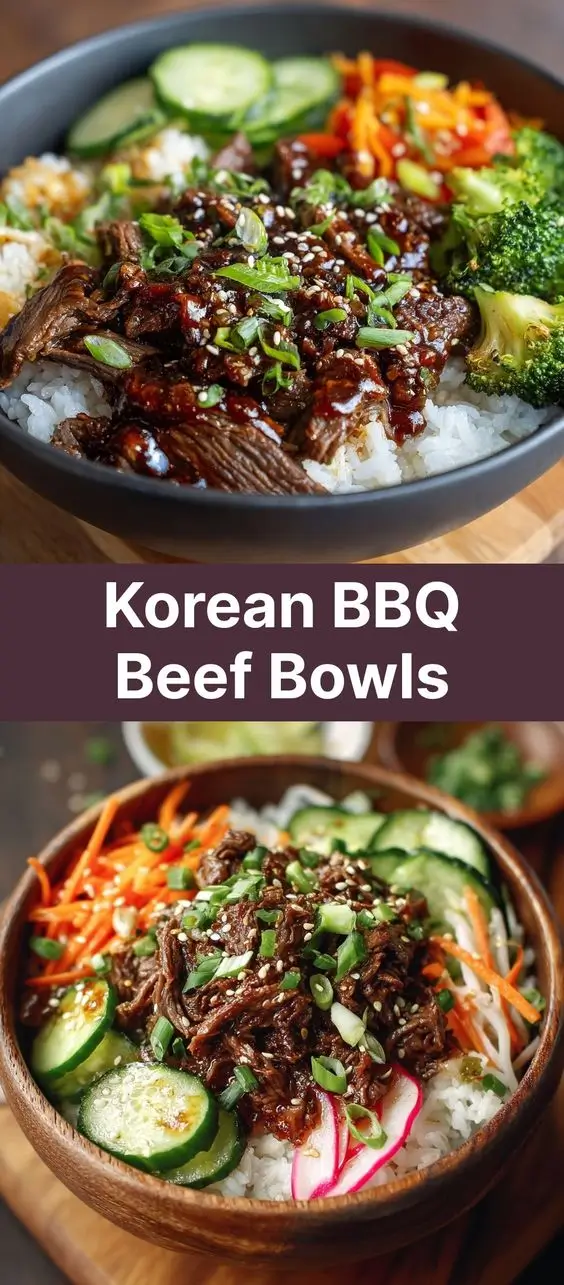
Korean BBQ Beef Bowls are a vibrant, flavor-packed dish that brings the bold and savory essence of Korean street food straight to your dinner table. These bowls combine tender, marinated beef with a symphony of fresh vegetables, steamed rice, and a rich, slightly sweet and spicy sauce that’s impossible to resist. Perfect for busy weeknights or meal prepping, they offer a satisfying balance of protein, complex carbs, and colorful veggies. Whether you’re a long-time fan of Korean cuisine or trying it for the first time, this dish delivers restaurant-quality taste with the comfort of homemade cooking.
What sets Korean BBQ Beef Bowls apart is their versatility and ease of customization. You can tailor each component to suit your dietary preferences—swap in brown rice or quinoa for added fiber, load up on extra greens, or add a fried egg for richness. The marinade, rooted in traditional Korean flavors, uses gochujang (fermented chili paste), soy sauce, garlic, and sesame oil to create a deeply umami profile that caramelizes beautifully when grilled or seared. Served over fluffy rice and garnished with crisp cucumber, pickled radish, kimchi, and a sprinkle of toasted sesame seeds, each bite offers a delightful contrast of textures and temperatures.
Beyond their delicious taste, these bowls celebrate the Korean culinary philosophy of harmony—balancing spicy, sweet, salty, sour, and bitter elements in one cohesive meal. They’re also a gateway to exploring Korean ingredients like gochujang, doenjang (soybean paste), and sesame oil, which have become staples in global kitchens. With their Instagram-worthy presentation and explosive flavor, Korean BBQ Beef Bowls are more than just a meal—they’re an experience.
The History
To truly appreciate Korean BBQ Beef Bowls, it’s essential to understand their roots in Korea’s rich culinary history. While the bowl format may seem modern, its foundation lies in centuries-old Korean grilling traditions known as gogi-gui, where meats are marinated and cooked at the table over charcoal. This communal style of dining dates back to the Joseon Dynasty (1392–1897), when beef was a rare luxury reserved for special occasions due to Confucian agricultural values that emphasized oxen for farming.
The marinade used in Korean BBQ, particularly for dishes like bulgogi (fire meat), evolved during the Goguryeo era (37 BCE – 668 CE), when early forms of soy fermentation began. The use of soy sauce, garlic, and pear juice to tenderize and flavor meat became widespread by the 19th century. However, it wasn’t until the 20th century—particularly after the Korean War—that beef consumption increased significantly, thanks to economic development and exposure to Western diets.
The modern concept of the “bowl” meal, while not traditionally Korean, emerged from the fusion of Korean flavors with Western fast-casual dining trends. In the 2000s, Korean-Mexican fusion trucks in Los Angeles popularized dishes like bulgogi tacos, which later inspired grain bowls served in cafes and health-focused restaurants across the U.S. Korean BBQ Beef Bowls are a direct descendant of this culinary cross-pollination—a perfect blend of heritage and innovation.
Today, these bowls honor tradition while embracing convenience. The core flavors remain authentic, but the assembly allows for personalization and speed, making them ideal for modern lifestyles. From Seoul homes to Silicon Valley lunch breaks, Korean BBQ Beef Bowls represent a global love affair with Korean cuisine—one bite at a time.
Ingredients Breakdown
The magic of Korean BBQ Beef Bowls lies in the careful selection and layering of ingredients, each contributing to the overall depth of flavor, texture, and nutrition. Here’s a detailed breakdown:
- Beef (Ribeye, Sirloin, or Flank Steak): High-fat cuts like ribeye offer rich marbling that melts during cooking, enhancing juiciness. Leaner sirloin or flank steak work well too, especially when sliced thinly against the grain. Freezing the meat for 20–30 minutes before slicing makes it easier to cut paper-thin pieces, crucial for quick cooking and tenderness.
- Soy Sauce (or Tamari for Gluten-Free): The backbone of the marinade, providing saltiness and umami. Use low-sodium soy sauce to control salt levels, especially since other components like kimchi can be salty.
- Gochujang (Korean Chili Paste): A fermented red pepper paste made from chili powder, glutinous rice, soybeans, and salt. It adds heat, sweetness, and deep umami complexity. Adjust quantity based on spice tolerance—start with 1 tablespoon and increase as desired.
- Sesame Oil: Cold-pressed sesame oil imparts a nutty aroma and enhances the savory profile. Use sparingly—it’s potent—and always add it toward the end of cooking or in the marinade to preserve flavor.
- Rice Vinegar or Apple Cider Vinegar: Adds brightness and balances the richness of the beef and oil. Rice vinegar is milder and more traditional.
- Honey or Brown Sugar: Natural sweeteners caramelize during cooking, creating a glossy glaze. Honey adds floral notes; brown sugar gives molasses depth.
- Fresh Garlic and Ginger: Minced or grated, these aromatics form the flavor base. Freshly prepared releases volatile oils that dried versions lack.
- Pear or Pineapple Juice: Contains natural enzymes (like papain in pineapple) that tenderize meat. Asian pear is traditional in Korea, but apple or even kiwi can be used in small amounts to avoid mushiness.
- Toasted Sesame Seeds: Used as a garnish, they add crunch and visual appeal. Toast lightly in a dry pan until golden for maximum fragrance.
- Cooked Rice (White, Brown, or Black): Serves as the neutral base. Short-grain white rice is classic, but brown rice boosts fiber and nutrients. For color and antioxidants, try forbidden black rice.
- Vegetable Toppings: Common choices include julienned carrots, thinly sliced cucumbers, shredded lettuce, scallions, avocado, and sautéed mushrooms. Pickled vegetables like danmuji (yellow pickled radish) or homemade kimchi add tang and probiotics.
- Fried Egg (Optional): A runny yolk acts as a natural sauce, coating the rice and beef. Cook sunny-side up or over-easy.
- Kimchi: Fermented napa cabbage with chili, garlic, and ginger. Offers heat, acidity, and gut-friendly bacteria. Choose mild or spicy varieties depending on preference.
- Green Onions and Cilantro: Fresh herbs brighten the dish and contrast the richness of the beef.
- Neutral Cooking Oil (Avocado or Grapeseed): High smoke point oils are ideal for searing the beef without burning the marinade.
Step-by-Step Recipe
Creating the perfect Korean BBQ Beef Bowl is simple once you follow these detailed steps. This recipe serves 4 and takes about 45 minutes, including marinating time.
- Prepare the Marinade: In a medium bowl, whisk together ½ cup soy sauce, 3 tablespoons honey (or brown sugar), 2 tablespoons gochujang, 2 tablespoons sesame oil, 2 tablespoons rice vinegar, 4 cloves minced garlic, 1 tablespoon grated fresh ginger, and ¼ cup freshly squeezed Asian pear or pineapple juice. Mix until smooth and well combined.
- Slice the Beef: Take 1.5 pounds of ribeye or sirloin and slice it into thin strips (about ¼ inch thick), cutting against the grain. Place in a resealable plastic bag or shallow dish.
- Marinate the Beef: Pour the marinade over the beef, ensuring all pieces are coated. Seal and refrigerate for at least 30 minutes, or ideally 2–4 hours for deeper flavor. Do not exceed 8 hours if using pineapple juice, as enzymes may make the meat mushy.
- Cook the Rice: While the beef marinates, cook 2 cups of jasmine or short-grain rice according to package instructions. Keep warm.
- Prep the Vegetables: Julienne 1 carrot, thinly slice 1 cucumber, chop 4 green onions, and prepare any additional toppings like kimchi, avocado slices, or sautéed mushrooms.
- Sear the Beef: Heat 1 tablespoon of neutral oil in a large skillet or grill pan over high heat. Remove beef from marinade (shake off excess) and sear in batches for 2–3 minutes per side until caramelized and cooked through. Avoid overcrowding to ensure proper browning.
- Rest and Glaze: Transfer cooked beef to a plate. Optional: Return to pan with 2 tablespoons of reserved marinade and simmer 1 minute to thicken into a glaze. Discard any raw marinade that touched uncooked meat unless boiled for safety.
- Assemble the Bowls: Divide rice among four bowls. Top with a generous portion of beef. Arrange vegetables artistically around the bowl—carrots, cucumbers, green onions, kimchi, and avocado. Drizzle with extra gochujang or sesame oil if desired.
- Add Garnishes: Sprinkle with toasted sesame seeds and chopped cilantro. Serve with a fried egg on top if using.
- Serve Immediately: Enjoy hot while the rice is steamy and the egg yolk is runny. Provide extra kimchi and sauces on the side.
Tips
- Slice Thin, Slice Right: Always cut beef against the grain to shorten muscle fibers, resulting in more tender bites. Partially freeze the meat for cleaner, thinner slices.
- Don’t Over-Marinate with Enzymatic Fruits: While pear or pineapple juice tenderizes, too long (over 8 hours) can turn meat mushy. Stick to 30 minutes–4 hours.
- Reserve Some Marinade: Before adding raw meat, set aside a small portion of marinade for glazing. Boil it for 2 minutes to kill bacteria before drizzling over cooked beef.
- High Heat is Key: Use the highest heat possible when searing to achieve a smoky char without overcooking. A cast-iron or carbon steel pan works best.
- Batch Cooking: Cook beef in batches to prevent steaming. Overcrowding lowers pan temperature and creates moisture instead of sear.
- Customize Texture: For a crispier topping, quickly pickle the carrots and cucumbers in rice vinegar, sugar, and salt for 15 minutes before serving.
- Meal Prep Friendly: Marinate beef and chop veggies ahead. Store separately in airtight containers for up to 3 days. Cook beef fresh for best texture.
- Budget-Friendly Swap: Use ground beef instead of sliced steak. Brown thoroughly and stir in marinade to create a quick “bulgogi crumble.”
- Vegan Adaptation: Replace beef with marinated tofu, tempeh, or mushrooms (shiitake or oyster). Use maple syrup instead of honey.
- Double the Sauce: The marinade doubles as a dipping sauce or drizzle—great for kids or those who want extra flavor.
Variations and Customizations
Korean BBQ Beef Bowls are incredibly adaptable. Here are some creative twists to keep your meals exciting:
- Chicken Bulgogi Bowls: Substitute beef with boneless chicken thighs. Marinate and cook similarly. Chicken absorbs flavors well and stays juicy.
- Pork Galbi Style: Use thinly sliced pork shoulder or ribs. Add a splash of mirin and increase pear juice for sweeter, stickier results.
- Spicy Tuna Bowl: Replace beef with seared ahi tuna or canned tuna mixed with gochujang mayo. Great for pescatarians.
- Noodle Bowls: Swap rice for glass noodles (japchae) or soba. Toss with sesame oil and scallions for a heartier base.
- Low-Carb/Keto Version: Serve over cauliflower rice or a bed of mixed greens. Increase healthy fats with avocado and extra sesame oil.
- Mediterranean Fusion: Add hummus, olives, feta, and roasted red peppers for a cross-cultural twist.
- Tropical Twist: Include mango, pineapple chunks, and coconut aminos in the marinade for a sweet, island-inspired flavor.
- Breakfast Bowl: Use leftover beef over rice with two fried eggs, sriracha, and spinach—perfect for brunch.
- Deconstructed Bibimbap: Skip mixing—arrange all ingredients neatly and let diners combine at the table with gochujang.
- Grain-Free Option: Use shredded cabbage, zucchini noodles, or butter lettuce cups as a base for a lighter wrap-style meal.
Health Considerations and Nutritional Value
Korean BBQ Beef Bowls can be both indulgent and nutritious, depending on preparation and portion control. Here’s a nutritional analysis per serving (based on 1.5 lbs beef, white rice, standard toppings):
- Calories: ~650–800 kcal (varies with rice type and oil use)
- Protein: ~35–40g (excellent source from beef)
- Fat: ~25–35g (mostly unsaturated from sesame oil and beef marbling)
- Carbohydrates: ~60–80g (primarily from rice and sweeteners)
- Sodium: ~900–1200mg (moderate; reduce with low-sodium soy sauce)
- Fiber: ~5–8g (especially with brown rice, vegetables, and kimchi)
- Vitamins & Minerals: Rich in iron, B12, zinc (from beef), vitamin A (carrots), vitamin C (cucumber, kimchi), and selenium (sesame seeds).
Health Tips:
- Reduce Sodium: Use reduced-sodium soy sauce and limit added salt. Rinse kimchi briefly if too salty.
- Boost Fiber: Opt for brown rice, quinoa, or barley. Add more raw or fermented vegetables.
- Heart-Healthy Fats: Balance saturated fat from beef with monounsaturated fats from avocado and olive oil-based dressings.
- Probiotics: Kimchi and pickled vegetables support gut health with live cultures.
- Portion Control: Use smaller bowls to manage portion sizes. Fill half the bowl with non-starchy vegetables.
- Allergen Notes: Contains soy, sesame, and gluten (unless tamari is used). Always check labels on gochujang for wheat content.
- Diabetes-Friendly: Reduce honey/sugar in marinade, use low-glycemic grains, and pair with high-fiber veggies.
When enjoyed as part of a balanced diet, Korean BBQ Beef Bowls offer a nutrient-dense, satisfying meal that supports energy, muscle repair, and digestive wellness.
Ingredients
- 1.5 lbs ribeye, sirloin, or flank steak, thinly sliced
- ½ cup soy sauce (or tamari for gluten-free)
- 3 tablespoons honey or brown sugar
- 2 tablespoons gochujang (Korean chili paste)
- 2 tablespoons toasted sesame oil
- 2 tablespoons rice vinegar
- 4 cloves garlic, minced
- 1 tablespoon fresh ginger, grated
- ¼ cup Asian pear or pineapple juice (freshly squeezed)
- 2 cups cooked jasmine or brown rice
- 1 medium carrot, julienned
- 1 cucumber, thinly sliced
- 4 green onions, sliced
- 1 cup kimchi
- 1 avocado, sliced (optional)
- 4 large eggs (for frying, optional)
- 2 tablespoons neutral oil (avocado or grapeseed)
- 1 tablespoon sesame seeds, toasted
- Fresh cilantro, chopped (optional)
Directions
- In a bowl, whisk together soy sauce, honey, gochujang, sesame oil, rice vinegar, garlic, ginger, and pear juice until fully blended.
- Place sliced beef in a resealable bag or container and pour marinade over it. Seal and refrigerate for 30 minutes to 4 hours.
- Cook rice according to package instructions and keep warm.
- Prepare all vegetables and set aside in separate bowls for assembly.
- Heat neutral oil in a large skillet over high heat. Remove beef from marinade (discard used marinade or reserve a clean portion for boiling and glazing).
- Sear beef in batches for 2–3 minutes per side until browned and cooked through. Transfer to a plate.
- If desired, boil reserved marinade for 2 minutes and drizzle over beef for extra shine and flavor.
- Fry eggs sunny-side up in the same pan, seasoning with salt and pepper.
- Assemble bowls: Start with rice, then add beef, vegetables, kimchi, avocado, and a fried egg.
- Garnish with green onions, sesame seeds, cilantro, and extra gochujang if desired.
- Serve immediately while hot.
FAQ
Can I make this ahead of time?
Yes! Marinate the beef and chop vegetables up to 3 days in advance. Cook beef and fry eggs fresh for best texture.
Is gochujang very spicy?
Gochujang has moderate heat with a sweet, smoky depth. It’s less fiery than fresh chilies. Start with 1 tablespoon and adjust to taste.
Can I use frozen beef?
Thaw completely before slicing and marinating. Partially freezing helps with thin slicing, but never cook from frozen.
What if I can’t find Asian pear?
Use regular pear, apple, or pineapple juice. Even a banana puree can tenderize, though it alters flavor slightly.
Are these bowls gluten-free?
Only if you use tamari instead of soy sauce and verify your gochujang is gluten-free (some brands contain wheat).
Can I bake the beef instead of pan-searing?
Yes. Broil on a lined baking sheet for 4–5 minutes per side. Watch closely to avoid drying out.
How do I store leftovers?
Store components separately in airtight containers for up to 4 days. Reheat beef and rice gently in microwave or skillet.
Can I freeze marinated beef?
Yes. Freeze in marinade for up to 2 months. Thaw overnight in fridge before cooking.
What can I use instead of kimchi?
Try pickled daikon, sauerkraut, or quick-pickled cucumbers for tang and crunch.
Are these kid-friendly?
Absolutely! Serve with less gochujang, extra rice, and fun toppings like corn, cheese, or mild salsa.
Summary
Korean BBQ Beef Bowls are a delicious fusion of traditional Korean flavors and modern bowl-meal convenience, featuring marinated beef, steamed rice, and fresh toppings. Packed with umami, customizable ingredients, and balanced nutrition, they’re perfect for weeknight dinners, meal prep, or entertaining guests.