Introduction
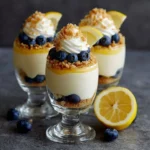
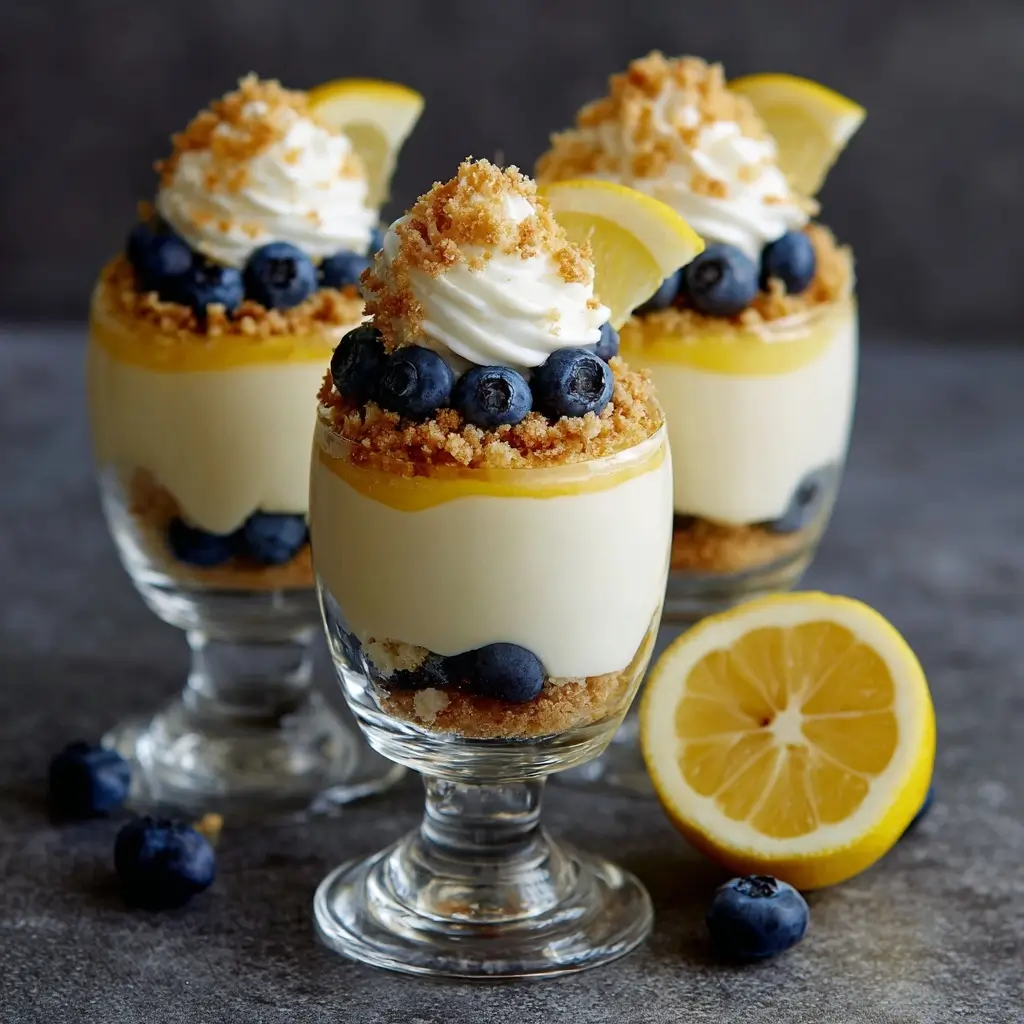
Lemon Cheesecake Parfaits are the perfect marriage of bright, zesty citrus and luxuriously creamy, tangy-sweet cheesecake — elegantly layered in individual servings for maximum visual appeal and portion control. Unlike traditional baked cheesecakes that require oven time, water baths, and lengthy cooling periods, these no-bake parfaits come together in under 30 minutes and chill to perfection in just a few hours — making them ideal for weeknight desserts, dinner parties, bridal showers, or summer picnics. Each glass showcases vibrant layers of velvety lemon cheesecake mousse, crisp graham cracker crumb crust, and often a luscious lemon curd ribbon or fresh berry accent — delivering a refreshing yet decadent bite with every spoonful. Their modularity invites creativity: swap garnishes, adjust sweetness, add texture, or adapt for dietary needs — all while preserving that unmistakable, sunshine-kissed lemon-cheesecake harmony.
The History
While the exact origin of the Lemon Cheesecake Parfait is difficult to pinpoint, its lineage traces back through several culinary traditions. Cheesecake itself boasts ancient roots — Greek bakers served simple cheese-and-honey cakes at Olympic games as early as 776 BCE, and Roman versions evolved with the addition of eggs and crushed biscuits. The modern American baked cheesecake emerged prominently in the late 19th century, particularly after the invention of cream cheese by William Lawrence in Chester, New York (1872), and its popularization by the Philadelphia Cream Cheese brand in the 1880s. Lemon’s inclusion in cheesecake recipes surged mid-20th century, as home cooks embraced citrus for its balancing acidity and bright flavor — especially during post-war eras when fresh fruit was prized for both taste and vitamin C content.
The “parfait” format, however, originates from French culinary tradition (parfait meaning “perfect”), where it originally referred to a rich, slow-churned frozen dessert similar to ice cream. In American usage by the 1950s–60s, the term broadened to describe any elegant, layered chilled dessert — often served in tall glasses and composed of alternating textures like yogurt, fruit, granola, or custard. The fusion of lemon cheesecake and parfait form likely gained traction in the 1990s and early 2000s with the rise of food magazines, cooking shows, and early food blogs emphasizing presentation, make-ahead convenience, and restaurant-style plating at home. Today, Lemon Cheesecake Parfaits symbolize the modern dessert ethos: approachable technique, bold flavor, Instagram-worthy aesthetics, and customizable wellness-forward options — bridging heritage and innovation in every spoonful.
Ingredients Breakdown
Understanding each component — and why it’s included — empowers you to troubleshoot, substitute, and elevate your parfaits with confidence:
- Cream Cheese: Full-fat, brick-style (not spreadable or low-moisture varieties) is essential for structure, richness, and tang. Cold cream cheese blends more smoothly and prevents graininess; softened (not melted) ensures even incorporation without overmixing.
- Granulated Sugar: Provides sweetness and helps stabilize the mousse by interacting with cream cheese proteins. Powdered sugar can be used but may introduce cornstarch, subtly dulling flavor and affecting texture.
- Fresh Lemon Juice: The soul of the dessert — use only freshly squeezed (never bottled). Its volatile oils and precise pH activate the cream cheese’s tang and prevent curdling. Key for brightness and balance.
- Lemon Zest: Contains aromatic citrus oils concentrated in the peel’s outermost layer. Finely grated zest adds intense fragrance and complexity that juice alone cannot replicate.
- Heavy Whipping Cream (36–40% fat): Must be cold and high-fat for optimal whipping stability. Provides airy lift, luxurious mouthfeel, and helps suspend the lemon-cheese mixture without collapsing.
- Vanilla Extract (pure, not imitation): Adds warmth and depth, rounding out sharp citrus notes and enhancing dairy sweetness without overpowering.
- Graham Cracker Crumbs: The foundational crust layer. Whole-grain graham crackers offer subtle molasses notes and structural integrity; honey or cinnamon variants add nuance. Butter binding creates cohesion and richness.
- Salted Butter (unsalted preferred, with added salt): Melted butter binds crumbs and enhances flavor. Salt balances sweetness and intensifies lemon’s vibrancy — a small but critical seasoning step.
- Optional Enhancers: A pinch of fine sea salt amplifies all flavors; a splash of full-fat sour cream or Greek yogurt adds extra tang and silkiness; stabilized whipped cream (with gelatin or instant pudding mix) extends shelf life for make-ahead service.
Step-by-Step Recipe
- Prepare the Crust Layer: In a food processor or sturdy zip-top bag, pulse 1 ½ cups (150g) graham cracker crumbs until fine. Melt 6 tablespoons (85g) unsalted butter and stir into crumbs until evenly moistened and clumping slightly. Divide evenly among 6–8 (6-oz) clear glass parfait cups, mason jars, or wine glasses. Press firmly into an even ½-inch base using the back of a spoon or small measuring cup. Refrigerate for at least 20 minutes to set.
- Make the Lemon Cheesecake Filling: In a large bowl, beat 16 oz (454g / 2 standard bricks) full-fat cream cheese with an electric mixer on medium speed until completely smooth and creamy — about 2 minutes. Scrape down sides. Gradually add ¾ cup (150g) granulated sugar, beating 1–2 minutes until fully incorporated and lightened in color. Add ¼ cup (60ml) freshly squeezed lemon juice, 2 tablespoons finely grated lemon zest, and 1 teaspoon pure vanilla extract. Beat on medium-low until just combined — do not overmix. Set aside.
- Whip the Cream: In a separate chilled bowl, pour 1 ½ cups (360ml) very cold heavy whipping cream. Using chilled beaters, whip on medium-high speed until soft peaks form — about 2–3 minutes. Do not overwhip to stiff or grainy consistency.
- Combine & Fold: Gently fold one-third of the whipped cream into the lemon cream cheese mixture using a large silicone spatula — this lightens the base. Then carefully fold in the remaining whipped cream in two additions, using a gentle figure-eight motion and rotating the bowl. Stop folding as soon as no white streaks remain — overfolding deflates air and results in dense, heavy mousse.
- Layer the Parfaits: Spoon or pipe the lemon cheesecake mousse over the chilled crumb bases, filling each cup about ¾ full (leaving ½ inch space for garnish). Tap gently on counter to release air bubbles and smooth tops.
- Chill to Set: Cover loosely with plastic wrap or place in an airtight container. Refrigerate for a minimum of 4 hours — ideally overnight (8–12 hours). This allows flavors to meld, textures to harmonize, and the mousse to firm up without weeping or separating.
- Final Garnish & Serve: Just before serving, top each parfait with additional graham cracker crumbs, a delicate curl or twist of lemon zest, a dollop of lemon curd, a few fresh blueberries or raspberries, or a mint leaf. For elegance, drizzle with a house-made lemon-thyme syrup or a light honey glaze.
Tips
- Temperature Matters: All dairy ingredients — cream cheese, cream, even mixing bowls and beaters — should be cold (except cream cheese, which must be softened to room temperature before beating). Warm cream cheese causes greasiness; warm cream won’t whip properly.
- Zest First, Juice After: Always zest lemons before juicing — the skin is drier and easier to grate, and you avoid accidentally removing bitter pith while squeezing.
- Strain Your Juice: Fresh lemon juice often contains pulp and tiny seeds. Straining ensures a perfectly smooth mousse with no grit or unexpected bursts.
- Fold, Don’t Stir: Folding preserves air volume. Use a wide spatula, cut down through center, sweep across bottom, and lift up and over — rotating bowl constantly. If you see streaks, fold 2–3 more strokes. If it looks curdled, stop immediately — overmixing is irreversible.
- Crumb Consistency Check: Crumbs should hold together when pinched — if too dry, add ½ tsp more melted butter; if too wet, add 1 tsp extra crumbs. Avoid over-pressing — compacted crust becomes hard and unpleasantly chewy.
- Prevent Weeping: Excess moisture causes separation. Ensure cream cheese is fully softened (no lumps), juice is at room temp (not cold straight from fridge), and mousse is well-chilled before serving. Never freeze unless fully stabilized (see Variations).
- Make-Ahead Mastery: Crust layers can be prepped up to 3 days ahead and stored airtight in fridge. Unfilled mousse keeps 2 days refrigerated. Assembled parfaits hold beautifully for 24–48 hours — best served within first 36 hours for peak texture.
- Visual Layering Pro-Tip: For ultra-defined strata, chill crust layer 30 minutes, then add mousse and return to fridge for 1 hour before adding final garnishes — this prevents sinking or bleeding.
- Room Temp Rest: Let chilled parfaits sit at room temperature for 5–7 minutes before serving — this softens the mousse slightly for creamier mouthfeel and enhances aroma release.
Variations and Customizations
This versatile base recipe welcomes endless creativity — whether adapting for dietary preferences, seasonal produce, or special occasions:
- Dairy-Free/Vegan: Substitute full-fat coconut cream (chilled overnight, solid part only) for heavy cream; use vegan cream cheese (e.g., Kite Hill or Miyoko’s); replace graham crackers with gluten-free/vegan digestive-style cookies; bind with refined coconut oil or vegan butter.
- Gluten-Free: Use certified GF graham-style crackers (like Schär or Pamela’s) or almond flour shortbread crumbs. Ensure all extracts and additives are GF-certified.
- Lower-Sugar/Keto: Replace granulated sugar with erythritol-monk fruit blend (1:1 ratio); use keto-friendly graham alternatives (almond/coconut flour + psyllium + butter); boost lemon zest to 3 tbsp for amplified flavor without sugar.
- Protein-Boosted: Blend in 1–2 scoops unflavored or lemon-vanilla whey or collagen peptides (ensure cold-soluble). Add 1 tbsp Greek yogurt for extra tang and protein density.
- Flavor Twists:
- Lavender-Lemon: Infuse cream with 1 tsp culinary lavender (steep 10 min, strain) + ¼ tsp lavender extract.
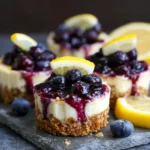
- Blueberry-Lemon Swirl: Gently ripple 2 tbsp homemade blueberry compote (reduced + strained) into mousse before layering.
- Coconut-Lime: Substitute lime for lemon, add 2 tbsp toasted coconut flakes to crust, and fold in ¼ cup unsweetened shredded coconut into mousse.
- Earl Grey Infused: Steep 2 Earl Grey tea bags in warm cream for 5 minutes before chilling and whipping.
- Texture Upgrades: Add crunch with candied lemon peel, pistachios, or toasted coconut between layers; incorporate chew with dried cranberries or golden raisins soaked in lemon liqueur; include freshness with micro basil or edible flowers.
- Occasion-Specific Ideas:
- Wedding Dessert Bar: Serve in vintage coupe glasses with gold-dusted lemon zest and white chocolate curls.
- Baby Shower: Layer with pastel-colored fruit purées (strawberry, mango) and pastel sprinkles.
- Summer BBQ: Add grilled peach slices and a drizzle of balsamic reduction.
- Holiday Version: Swap graham for ginger snap crust, add cardamom to mousse, and garnish with pomegranate arils and candied rosemary.
- Freezer-Friendly Option: For long-term storage (up to 2 months), stabilize mousse with 1 tsp unflavored gelatin bloomed in 1 tbsp cold water, then dissolved in 1 tbsp warm lemon juice before folding in. Thaw overnight in fridge — never at room temp.
Health Considerations and Nutritional Value
A single 6-oz Lemon Cheesecake Parfait (based on standard recipe with graham crust, full-fat dairy, and no added curd or fruit) typically contains approximately:
- Calories: 320–380 kcal
- Total Fat: 22–26g (14–17g saturated)
- Carbohydrates: 28–32g (20–24g sugars, primarily from added sugar and graham crackers)
- Protein: 5–7g
- Vitamin C: ~15–20mg (30–40% DV) — largely from fresh lemon juice and zest
- Calcium: ~60–80mg (6–8% DV) — from dairy sources
- Fiber: ~1g (unless enhanced with whole-grain crumbs, chia, or fruit)
Key Health Notes:
- Portion Control Advantage: Individual servings inherently support mindful eating — unlike a full cheesecake, parfaits discourage overconsumption and simplify calorie tracking.
- No-Bake Benefit: Eliminates added oils or sprays sometimes used in baked crusts, and avoids potential acrylamide formation from high-heat baking.
- Nutrient Density Boosters: Adding fresh berries increases antioxidants (anthocyanins), fiber, and vitamin K; lemon zest provides flavonoids (hesperidin, naringenin) linked to anti-inflammatory and vascular benefits.
- Considerations for Sensitive Diets: Naturally gluten-free if using GF crust; easily adaptable for lactose intolerance using lactose-free cream cheese and heavy cream (lactase-treated); high in saturated fat — those managing cholesterol may opt for reduced-fat cream cheese (though texture suffers) or increase citrus/zest to reduce needed sugar/fat.
- Sugar Awareness: While tart lemons allow for moderate sweetener use, the recipe still relies on added sugar for balance and texture. Natural alternatives (maple syrup, honey) alter pH and may cause slight curdling — best tested in small batches.
- Pregnancy & Food Safety: Uses pasteurized dairy and no raw eggs — safe for expectant individuals. Always verify cream cheese and sour cream labels state “pasteurized.”
When enjoyed occasionally as part of a balanced diet, Lemon Cheesecake Parfaits offer more than indulgence — they deliver mood-boosting citrus aromatics, gut-supportive fermented dairy notes (especially with added probiotic-rich yogurt), and a psychologically satisfying, multi-sensory dessert experience rooted in real food ingredients.
Ingredients
- 1 ½ cups (150g) graham cracker crumbs (about 12 full sheets)
- 6 tablespoons (85g) unsalted butter, melted
- Pinch of fine sea salt
- 16 oz (454g) full-fat brick-style cream cheese, softened to room temperature
- ¾ cup (150g) granulated sugar
- ¼ cup (60ml) freshly squeezed lemon juice (from ~2–3 large lemons), strained
- 2 tablespoons finely grated lemon zest (from same lemons)
- 1 teaspoon pure vanilla extract
- 1 ½ cups (360ml) cold heavy whipping cream (36–40% fat)
- For Garnish (optional but recommended): Extra graham cracker crumbs, lemon zest curls, fresh raspberries or blueberries, lemon curd, mint leaves, or edible flowers
Directions
- In a medium bowl, combine graham cracker crumbs, melted butter, and pinch of salt. Stir with a fork until all crumbs are evenly moistened and begin to clump. Divide mixture evenly among 6–8 (6-oz) clear glasses or jars. Press firmly into an even, compact ½-inch layer using the back of a spoon or small flat-bottomed tool. Refrigerate for at least 20 minutes to set.
- In a large mixing bowl, beat softened cream cheese with an electric mixer on medium speed for 2 minutes, until completely smooth and free of lumps. Scrape down sides and bottom of bowl.
- Add granulated sugar and beat for another 1–2 minutes until lightened and fluffy. Scrape bowl again.
- Add lemon juice, lemon zest, and vanilla extract. Mix on low speed just until fully incorporated — about 30 seconds. Do not overmix. Set aside.
- In a separate chilled bowl, pour cold heavy whipping cream. Using chilled beaters, whip on medium-high speed until soft peaks form — when beaters are lifted, tips curl gently downward. This usually takes 2–3 minutes. Do not overwhip.
- Add one-third of the whipped cream to the lemon cream cheese mixture. Gently fold with a large silicone spatula until mostly combined. Then fold in remaining whipped cream in two additions, using a gentle lifting and turning motion. Stop as soon as no white streaks remain — batter should be airy, glossy, and uniformly pale yellow.
- Spoon or pipe mousse over chilled crumb bases, filling each vessel about ¾ full. Smooth tops with spatula. Lightly tap glasses on counter to settle and remove air pockets.
- Cover loosely with plastic wrap or place in covered container. Refrigerate for a minimum of 4 hours — preferably 8–12 hours — to fully set and develop flavor.
- Just before serving, garnish each parfait with desired toppings: a sprinkle of graham crumbs, a twist of lemon zest, 3–4 fresh berries, or a small dollop of lemon curd.
- Serve chilled. For optimal texture, let rest at room temperature for 5–7 minutes before enjoying.
FAQ
- Can I make these ahead of time?
- Yes! Crust layers can be made up to 3 days ahead and refrigerated airtight. Unfilled mousse keeps 2 days refrigerated. Fully assembled parfaits are best consumed within 36–48 hours for ideal texture and freshness — though they remain safe up to 72 hours.
- Why did my mousse get grainy or curdle?
- Most commonly due to temperature mismatch: cold lemon juice added to warm or partially melted cream cheese, or over-beating the cream cheese before adding other ingredients. Always use room-temp softened (not melted) cream cheese and room-temp lemon juice. Also ensure no water enters the bowl — even a drop can cause separation.
- Can I use low-fat cream cheese or Neufchâtel?
- You can — but expect a softer, less stable mousse with diminished richness and increased risk of weeping. Full-fat is strongly recommended for structure, flavor, and mouthfeel.
- My parfaits are too sweet — how can I fix that?
- Reduce sugar to ½ cup (100g) and increase lemon zest to 3 tbsp and lemon juice to ⅓ cup (80ml). Add a pinch of salt to heighten acidity perception. Taste filling before folding in cream — adjust as needed.
- Can I freeze Lemon Cheesecake Parfaits?
- Yes — but only if stabilized. Add 1 tsp unflavored gelatin (bloomed in 1 tbsp cold water, then dissolved in 1 tbsp warm lemon juice) to filling before folding in whipped cream. Freeze up to 2 months in airtight containers. Thaw overnight in refrigerator — never at room temperature.
- What if I don’t have graham crackers?
- Excellent substitutes include vanilla wafers, shortbread cookies, Biscoff cookies (for caramel notes), or even crushed toasted almonds mixed with butter for nut-based crust. Adjust butter quantity based on crumb absorbency.
- Can I make them dairy-free?
- Absolutely. Use full-fat coconut cream (chilled, solid part only) for whipping, vegan cream cheese, and coconut oil or vegan butter for crust. Add 1 tsp lemon extract for flavor reinforcement, as plant-based versions often lack dairy tang.
- How do I prevent soggy crust?
- Ensure crust is thoroughly chilled before adding mousse. Avoid over-wetting crumbs — they should clump when squeezed, not drip. If assembling hours ahead, consider adding mousse just before chilling, or use a thin barrier layer (e.g., quick-set lemon jelly or stabilized whipped cream) between crust and mousse.
- Are these safe for pregnant people?
- Yes — provided all dairy products (cream cheese, sour cream, heavy cream) are pasteurized, which is standard in U.S. grocery brands. No raw eggs are used.
- Can kids help make these?
- Yes — it’s a highly kid-friendly recipe! Children can measure crumbs and sugar, stir crust mixture, zest lemons (with supervision), and spoon or pipe mousse into cups. Great for teaching kitchen safety, measurement, and sensory exploration (citrus smells, creamy textures).
Summary
Lemon Cheesecake Parfaits are a brilliantly refreshing, no-bake twist on a classic dessert — combining zesty lemon curd-like brightness with cloud-like cream cheese mousse and a buttery graham cracker base, all elegantly layered in portable, portion-perfect glasses.
Effortless to prepare, endlessly customizable for dietary needs or seasonal inspiration, and nutritionally thoughtful when made with whole ingredients, they deliver joyful flavor, stunning presentation, and nostalgic comfort — all in a single, satisfying spoonful.