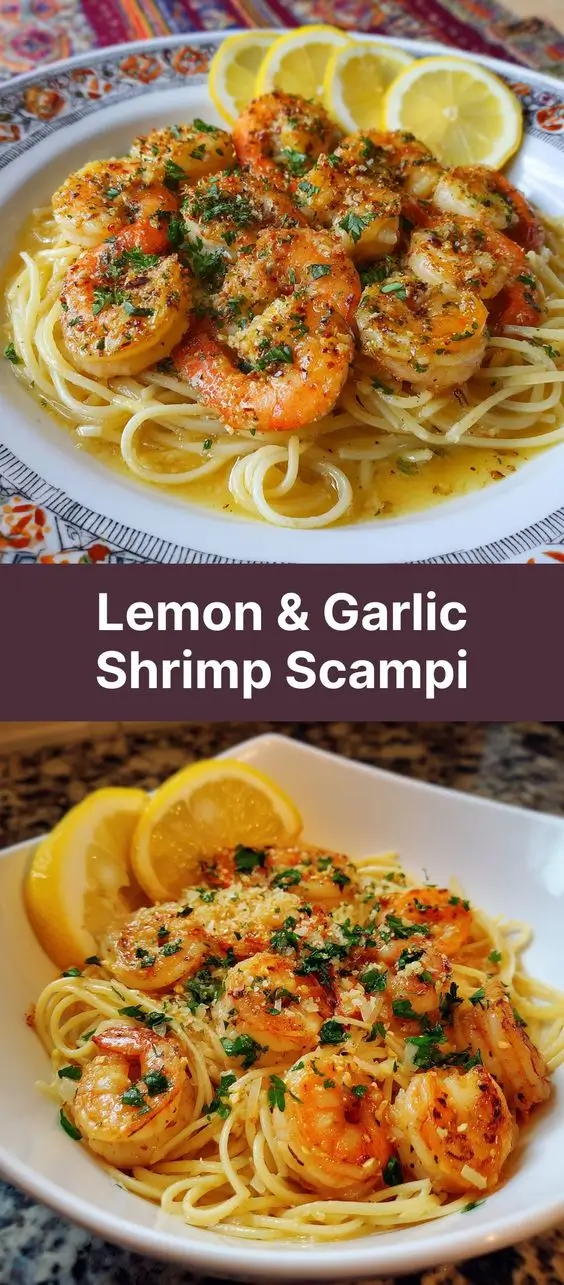
Lemon & Garlic Shrimp Scampi: A Zesty, Garlicky Delight That Melts in Your Mouth
Lemon & Garlic Shrimp Scampi is one of those timeless dishes that effortlessly bridges the gap between elegance and simplicity. With its vibrant citrus notes, bold garlic flavor, and succulent shrimp sautéed to perfection, this Italian-American classic has earned a permanent place on dinner tables around the world. Whether you’re preparing a romantic dinner for two or hosting a casual gathering with friends, Shrimp Scampi delivers restaurant-quality taste with minimal effort. In this comprehensive guide, we’ll dive deep into every aspect of this beloved dish—from its intriguing history and ingredient nuances to step-by-step cooking techniques, health benefits, creative variations, and frequently asked questions—so you can master the art of Lemon & Garlic Shrimp Scampi like a seasoned chef.
The History of Shrimp Scampi
Despite its name, traditional “scampi” doesn’t actually refer to shrimp at all. The term originates from Italy, where “scampo” means langoustine—a small lobster-like crustacean native to the Mediterranean Sea. In coastal regions of Italy, particularly Liguria and Venice, scampi were traditionally prepared in a rich sauce made with white wine, garlic, olive oil, and parsley—a preparation known as scampi alla busara or al burro.
When Italian immigrants brought their culinary traditions to the United States in the early 20th century, true langoustines were difficult to source. Enter the humble shrimp—an abundant, affordable, and similarly textured seafood alternative. American cooks adapted the classic scampi recipe using large shrimp, and thus, “Shrimp Scampi” was born—not an authentic Italian dish per se, but a delicious fusion of Old World technique and New World ingredients.
By the mid-20th century, Shrimp Scampi had become a staple of Italian-American cuisine, appearing on menus in red-sauce joints and upscale trattorias alike. Its popularity soared due to its quick cooking time, luxurious taste, and versatility. Today, it’s often served over pasta (especially linguine), though modern interpretations may include serving it alongside crusty bread, rice, or even as a topping for polenta or zucchini noodles.
Ingredients Breakdown: What Makes This Dish Shine?
The magic of Lemon & Garlic Shrimp Scampi lies in its simplicity and the quality of its core components. Each ingredient plays a crucial role in building layers of flavor, texture, and aroma. Let’s take a detailed look at what goes into a classic version of this dish:
- Shrimp: Typically, large or jumbo shrimp (16/20 or 21/25 count per pound) are used. They should be peeled and deveined, with tails left on for presentation if desired. Freshness is key—look for firm, translucent flesh with a mild ocean scent. Frozen wild-caught shrimp, when properly thawed, can work just as well as fresh.
- Garlic: The undisputed star of the show. Freshly minced garlic provides a pungent, aromatic base that infuses the entire dish. Don’t skimp—most recipes call for 4 to 6 cloves, depending on your love for garlic!
- Lemons: Both zest and juice are essential. Lemon zest contains fragrant oils that add brightness without acidity, while freshly squeezed lemon juice brings tangy freshness that cuts through the richness of butter and oil.
- Butter: Unsalted butter forms the silky foundation of the sauce. It adds richness and helps emulsify the other ingredients. Some recipes use a mix of butter and olive oil to balance flavor and smoke point.
- Olive Oil: Extra virgin olive oil contributes fruitiness and depth. Combined with butter, it creates a luxurious fat base that won’t burn easily during high-heat sautéing.
- Dry White Wine: A crisp, acidic wine like Pinot Grigio, Sauvignon Blanc, or Vermentino deglazes the pan and enhances the overall complexity. Avoid sweet wines—they’ll throw off the balance.
- Red Pepper Flakes: Just a pinch adds subtle heat and dimension without overwhelming the delicate seafood.
- Fresh Parsley: Flat-leaf (Italian) parsley is preferred for its clean, slightly peppery flavor. It’s added at the end for color and freshness.
- Salt and Black Pepper: Essential seasonings that enhance all other flavors. Sea salt or kosher salt works best for even seasoning.
Optional additions might include capers for brininess, anchovy paste for umami depth, or grated Parmesan cheese (though not traditional in Italy, some American versions include it).
Step-by-Step Recipe: How to Make Perfect Lemon & Garlic Shrimp Scampi
Follow these meticulous steps to create a flawless plate of Lemon & Garlic Shrimp Scampi every time. Total preparation and cooking time: approximately 25 minutes.
Ingredients
- 1 ½ pounds (680g) large shrimp (16/20 or 21/25 count), peeled and deveined, tails on or off
- 4 cloves garlic, finely minced
- ½ cup dry white wine (e.g., Pinot Grigio)
- ¼ cup fresh lemon juice (about 1–2 lemons)
- 1 tablespoon lemon zest (from about 1 lemon)
- ½ cup (1 stick / 113g) unsalted butter
- 3 tablespoons extra virgin olive oil
- ½ teaspoon red pepper flakes (adjust to taste)
- ¼ cup chopped fresh parsley
- Salt and freshly ground black pepper, to taste
- 12 oz (340g) linguine or spaghetti (optional, for serving)
- Lemon wedges, for garnish
- Grated Parmesan cheese (optional)
Directions
- Prepare the Pasta (if serving): Bring a large pot of salted water to a boil. Add linguine and cook according to package instructions until al dente. Reserve ½ cup of pasta water before draining. Set aside.
- Prep the Shrimp: Pat the shrimp dry thoroughly with paper towels—this ensures proper searing instead of steaming. Season lightly with salt and pepper.
- Heat the Pan: In a large skillet or sauté pan (preferably stainless steel or nonstick), heat olive oil and 2 tablespoons of butter over medium-high heat until shimmering but not smoking.
- Sear the Shrimp: Add shrimp in a single layer and cook for 1–2 minutes per side, just until they turn pink and opaque. Do not overcrowd the pan—work in batches if necessary. Remove shrimp to a plate and set aside.
- Build the Sauce: Reduce heat to medium. Add remaining butter to the same pan. Once melted, add minced garlic and red pepper flakes. Sauté for 30–60 seconds, stirring constantly, until fragrant but not browned (burnt garlic turns bitter).
- Deglaze with Wine: Pour in the white wine, scraping up any browned bits from the bottom of the pan (these are flavor gold!). Let the mixture simmer for 2–3 minutes to reduce by half.
- Add Citrus Elements: Stir in lemon juice and lemon zest. Simmer for another minute to meld flavors.
- Emulsify the Sauce: Swirl in the remaining butter piece by piece, creating a smooth, glossy sauce. If the sauce breaks, don’t worry—just keep stirring gently; it will come together.
- Return Shrimp to Pan: Add the cooked shrimp back into the sauce along with any accumulated juices. Toss to coat and warm through for 1 minute. Taste and adjust seasoning with salt and pepper.
- Incorporate Pasta (if using): Add drained pasta to the skillet and toss everything together. Add reserved pasta water 1–2 tablespoons at a time to loosen the sauce and help it cling to the noodles.
- Finish with Freshness: Remove from heat and stir in chopped parsley. Garnish with additional lemon zest, red pepper flakes, or a drizzle of olive oil if desired.
- Serve Immediately: Plate hot, with lemon wedges on the side for extra squeeze. Optionally, top with grated Parmesan cheese or serve with crusty bread to soak up the sauce.
Tips for Success: Elevate Your Shrimp Scampi Game
- Use Fresh Ingredients: Fresh lemon juice and zest make a world of difference compared to bottled versions. Same goes for garlic and herbs.
- Don’t Overcook the Shrimp: Shrimp cook quickly and become rubbery if overdone. Remove them from the pan as soon as they turn opaque with a slight C-curl.
- Control Garlic Heat: Garlic burns easily. Keep the heat moderate when sautéing and stir constantly to prevent bitterness.
- Brown the Shrimp Properly: Dry shrimp thoroughly before cooking. Wet shrimp steam rather than sear, robbing you of that desirable golden edge.
- Reserve Pasta Water: The starchy liquid helps bind the sauce to the pasta, creating a restaurant-style finish.
- Baste the Shrimp: After adding the sauce, spoon it over the shrimp while they reheat—this infuses more flavor.
- Balancing Acidity: If the lemon flavor is too sharp, swirl in a bit more butter or a teaspoon of honey to mellow it out.
- Make Ahead? Not Really: This dish is best made fresh. However, you can prep ingredients (mince garlic, chop parsley, measure liquids) ahead of time for faster assembly.
Variations and Customizations: Make It Your Own
While classic Lemon & Garlic Shrimp Scampi is divine on its own, there are countless ways to personalize it based on dietary preferences, cultural influences, or pantry availability.
Gluten-Free Option
Simply omit the pasta or substitute with gluten-free linguine, zucchini noodles (zoodles), spaghetti squash, or rice noodles. Serve the scampi generously ladled over the base of choice.
Creamy Scampi
For a richer twist, stir in ¼ to ½ cup heavy cream or crème fraîche after reducing the wine. The result is a velvety, luxurious sauce reminiscent of Alfredo—but still brightened by lemon and garlic.
Tomato & Capers (Scampi alla Busara Style)
Add 1 cup diced tomatoes (fresh or canned) and 2 tablespoons rinsed capers along with the wine. This variation leans into the Italian roots of the dish, offering a briny, slightly sweet-tart profile.
Herb Variations
Swap parsley for basil for a summery vibe, or add a touch of thyme or tarragon for sophistication. Chives also make a great garnish.
Protein Substitutions
Try scallops, chunks of white fish (like cod or halibut), or even chicken breast cutlets. Adjust cooking times accordingly.
Vegan/Vegetarian Version
Use king oyster mushrooms, hearts of palm, or marinated tofu strips as stand-ins for shrimp. Replace butter with vegan butter or olive oil, and skip the wine or use a non-alcoholic substitute like vegetable broth with a splash of apple cider vinegar.
Spicy Scampi
Double the red pepper flakes or add a dash of hot sauce (like Calabrian chili paste or sriracha) for extra kick. You can also sauté a finely diced jalapeño with the garlic.
Wine-Free Scampi
No wine? No problem. Substitute with low-sodium chicken or vegetable broth mixed with 1 tablespoon white wine vinegar or lemon juice to retain acidity.
Pantry-Friendly Shortcut
If you’re out of fresh lemon, use 3 tablespoons bottled lemon juice and skip the zest. While not ideal, it still delivers tangy flavor in a pinch.
Health Considerations and Nutritional Value
Lemon & Garlic Shrimp Scampi is relatively healthy when prepared mindfully, offering high-quality protein and beneficial nutrients—though portion control and ingredient choices matter.
Nutrition Highlights (per serving, serves 4, with pasta):
- Calories: ~450–550 kcal
- Protein: ~30–35g (excellent source)
- Fat: ~20–25g (mostly unsaturated from olive oil and butter)
- Carbohydrates: ~35–40g (primarily from pasta)
- Sodium: ~600–900mg (can vary based on added salt and butter)
- Vitamin C: High from lemon juice
- Selenium & Iodine: Abundant in shrimp
- Omega-3 Fatty Acids: Moderate amount, especially in wild-caught shrimp
Health Benefits
- Lean Protein Source: Shrimp are low in fat and calories but rich in complete protein, supporting muscle repair and satiety.
- Heart-Healthy Fats: Olive oil contains monounsaturated fats linked to reduced inflammation and improved cholesterol levels.
- Antioxidant Power: Garlic contains allicin, which has antimicrobial and anti-inflammatory properties. Lemon provides vitamin C, boosting immunity.
- Digestive Aid: The acidity from lemon and wine can stimulate digestion and bile production.
Considerations
- Cholesterol: Shrimp are naturally high in dietary cholesterol (~170mg per 3oz). However, recent research suggests dietary cholesterol has less impact on blood cholesterol than once believed, especially when part of a balanced diet.
- Sodium Content: Can be high due to butter, added salt, and optional Parmesan. Use low-sodium butter, limit added salt, and skip cheese to reduce intake.
- Butter vs. Oil: For a lighter version, replace half the butter with additional olive oil or use a plant-based butter alternative.
- Alcohol in Cooking: Most alcohol evaporates during simmering, but trace amounts may remain. Those avoiding alcohol entirely should use a non-alcoholic substitute.
- Allergies: Contains shellfish, dairy (butter), and wheat (if served with regular pasta). Always label accordingly for guests.
Frequently Asked Questions (FAQ)
Can I use frozen shrimp for Shrimp Scampi?
Yes! In fact, most “fresh” shrimp have been previously frozen. Thaw frozen shrimp in the refrigerator overnight or under cold running water. Pat dry before cooking to ensure proper searing.
Do I need to peel the shrimp?
You can leave the tails on for presentation, but make sure they’re deveined. Peeled and deveined shrimp cook more evenly and are easier to eat, especially when tossed with pasta.
Can I make Shrimp Scampi without wine?
Absolutely. Substitute with low-sodium broth (chicken or vegetable) plus 1 tablespoon lemon juice or white wine vinegar to maintain acidity and depth.
Why did my sauce break or separate?
A broken sauce usually results from temperature shock or too much fat. To fix it, slowly whisk in a few teaspoons of warm water or pasta water while removing from heat. Emulsification improves with gentle stirring.
How do I store leftovers?
Store in an airtight container in the refrigerator for up to 2 days. Reheat gently on the stove with a splash of water or broth to revive the sauce. Do not microwave vigorously—it can overcook the shrimp.
Can I freeze Shrimp Scampi?
Not recommended. Freezing alters the texture of shrimp, making them mushy upon thawing. The sauce may also separate due to butter content.
Is Shrimp Scampi keto-friendly?
Without pasta, yes! Serve over spiralized zucchini, cauliflower rice, or roasted asparagus. Just watch the wine—some contain sugars. Opt for dry varieties and reduce quantity if needed.
What wine pairs well with Shrimp Scampi?
A crisp white wine such as Pinot Grigio, Sauvignon Blanc, or unoaked Chardonnay complements the citrus and garlic beautifully. A light rosé also works well in summer.
Can I use margarine instead of butter?
It’s not recommended. Margarine lacks the rich flavor and proper fat composition for emulsifying sauces. Stick to real unsalted butter for best results.
How can I make this dish dairy-free?
Replace butter with a high-quality vegan butter or increase the amount of olive oil. Coconut oil can work but will impart a slight sweetness.
Summary
Lemon & Garlic Shrimp Scampi is a vibrant, flavorful dish that combines plump shrimp with a buttery, garlicky lemon sauce infused with white wine and herbs—simple to make yet impressively delicious. Whether served over pasta, zoodles, or alongside crusty bread, it’s a weeknight winner that feels indulgent and nourishing all at once.