Introduction
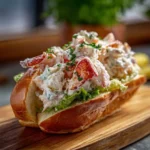
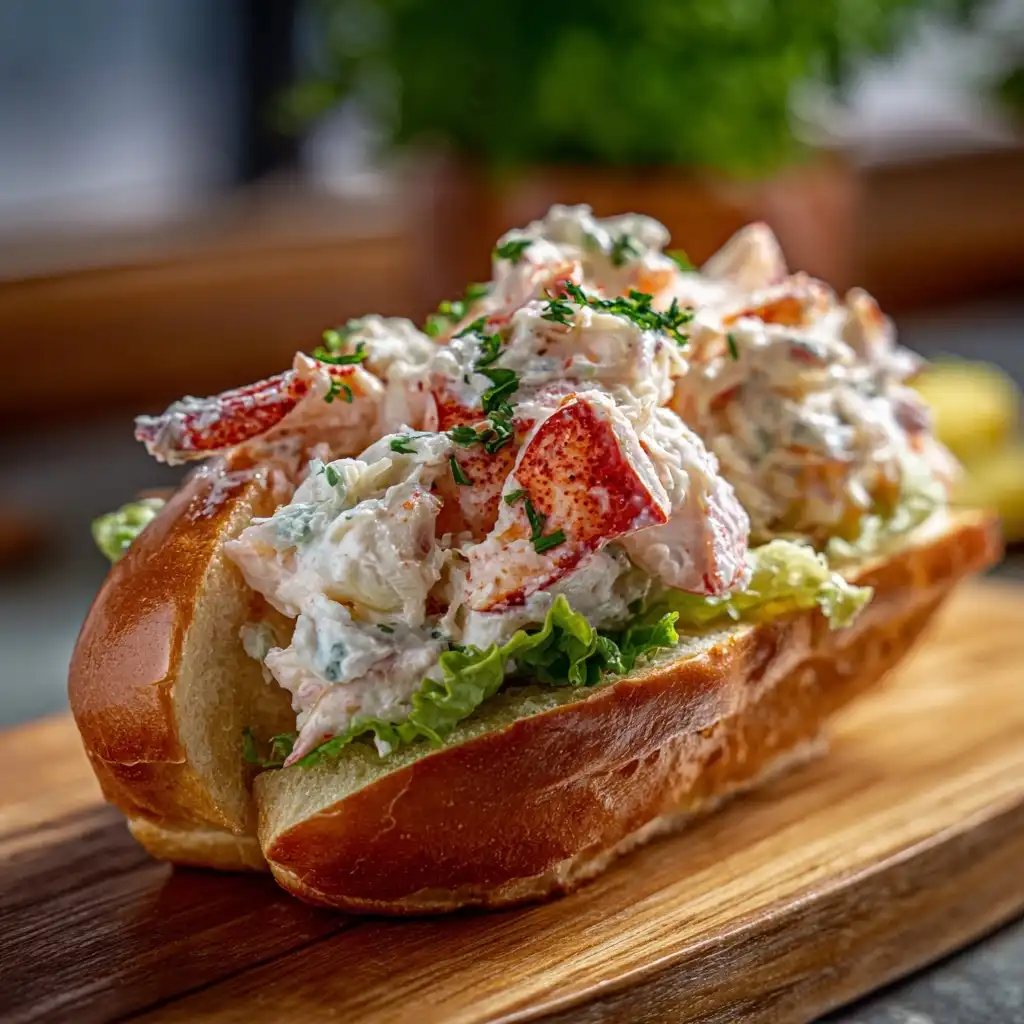
The lobster roll is more than just a sandwich—it’s an iconic emblem of New England coastal culture, a culinary celebration of freshness, simplicity, and maritime heritage. Served in a butter-grilled, split-top hot dog bun and crowned with tender, sweet chunks of cold-water lobster meat, it’s a dish that balances luxury and approachability in every bite. Whether enjoyed dockside in a weathered seafood shack in Maine or reimagined in upscale bistros across the globe, the lobster roll evokes summer breezes, salt-kissed air, and the unmistakable sweetness of Atlantic lobster. Its minimalist composition belies its complexity: each element must be precise—lobster impeccably sourced and handled, bun toasted to golden perfection, seasoning restrained yet intentional. This guide explores not only how to make an authentic, restaurant-quality lobster roll at home but also delves into its rich history, regional distinctions, nutritional profile, creative adaptations, and time-tested techniques honed by generations of fishermen, clam shacks, and award-winning chefs.
The History
The origins of the lobster roll are steeped in both practicality and regional pride, tracing back to the early 20th century along the rocky shores of Maine and Connecticut. While no single “inventor” is documented, food historians widely credit the rise of the lobster roll to the post–World War I era, when canned lobster became widely available and roadside stands began serving affordable, portable seafood fare. The earliest known printed reference appeared in a 1929 menu from Perry’s Restaurant in Milford, Connecticut—a modest listing simply reading “Lobster Roll, 35¢.” However, the dish truly flourished in the 1940s and ’50s, buoyed by the expansion of U.S. Route 1 and the growth of seasonal tourism along the Eastern Seaboard.
Two distinct regional styles soon emerged—and remain fiercely debated to this day. The **Maine-style lobster roll**, dominant along the coast from Portland to Bar Harbor, features chilled lobster meat lightly dressed in lemon juice, a whisper of mayo (often house-made with cage-free eggs and unrefined canola or avocado oil), finely minced celery for crunch, and a touch of chives or tarragon. It is served on a cool, split-top New England–style bun, toasted *only* in butter on the cut sides—never grilled all over—to preserve structural integrity while adding rich, nutty depth. In contrast, the **Connecticut-style lobster roll** skips the chill entirely: warm, freshly boiled lobster meat is generously bathed in drawn butter and served in a similarly toasted bun—no mayo, no celery, no herbs—just pure, unadulterated oceanic richness. Some purists even argue that the Connecticut version is the original, citing historical accounts of lobster being served hot off the boat with melted butter as early as the 1800s.
Over time, the lobster roll transcended regional borders. It gained national prominence in the 1990s through food media and was catapulted into global consciousness in the 2000s via celebrity chefs like Jasper White and events such as the annual Maine Lobster Festival in Rockland. Today, it appears on Michelin-starred menus with truffle-infused aioli and caviar garnishes, appears in Japanese omakase formats with yuzu kosho and nori, and inspires vegan renditions using hearts of palm and king oyster mushrooms. Yet despite its evolution, the soul of the lobster roll remains anchored in its origins: respect for ingredient integrity, reverence for seasonality, and a deep connection to place.
Ingredients Breakdown
Every exceptional lobster roll begins—not with technique—but with obsessive attention to ingredients. Below is a granular, chef-level breakdown of each component, including why substitutions matter, sourcing priorities, and common pitfalls:
- Lobster Meat: Use only fresh-cooked, cold-water Homarus americanus (American lobster), ideally harvested from the Gulf of Maine, Nova Scotia, or Newfoundland. Avoid frozen pre-shelled meat unless flash-frozen at sea (FAS) within minutes of catch—most supermarket “fresh” lobster is previously frozen and thawed, resulting in mushy texture and diminished sweetness. For optimal yield and flavor, purchase whole hard-shell lobsters (1¼–1½ lbs each) and steam or boil them yourself using seawater or heavily salted water (2 tbsp non-iodized sea salt per quart). Yield averages ~18–22% meat by weight (e.g., 2 lbs live lobster ≈ 6–7 oz picked meat). Claw and knuckle meat is preferred for its denser, sweeter texture; tail meat alone is acceptable but less traditional.
- Mayonnaise (for Maine-style): Not just any jarred mayo will do. Opt for a high-fat (70–80%), slow-emulsified version made with pasteurized egg yolks, expeller-pressed oils (avocado, grapeseed, or light olive), and minimal vinegar/citric acid. Brands like Duke’s, Hellmann’s Real Mayonnaise (not “light”), or small-batch producers like Sir Kensington’s Fabanaise offer ideal viscosity and neutrality. Avoid soybean-oil-heavy, ultra-acidic commercial mayos—they overpower delicate lobster and cause weeping. For authenticity, many top shacks make their own: egg yolks, Dijon mustard, white wine vinegar, and neutral oil whisked to ribbon stage.
- Celery: Use inner, pale-green ribs only—peeled to remove stringy fibers—with a fine dice (1/8″ cubes). Never use the leafy tops or outer stalks—they’re bitter and fibrous. Quantity is critical: too much overwhelms; too little forfeits textural contrast. Aim for 1 tsp per 4 oz lobster meat.
- Herbs & Aromatics: Fresh chives are non-negotiable for brightness and subtle onion-sweetness. Tarragon (French, not Russian) adds an elegant anise note but must be used sparingly—¼ tsp chopped per 4 oz lobster—or it turns medicinal. Lemon zest (microplaned, no pith) contributes volatile citrus oils without acidity; juice is added separately at the very end to prevent denaturation of proteins. Avoid dried herbs entirely—they lack nuance and introduce off-flavors.
- Bun: The New England–style split-top hot dog bun is essential—soft, slightly sweet, with a seam running lengthwise across the top (not the side). Brands like A&N Bakery (Maine), O’Dough’s (Vermont), or King’s Hawaiian Sweet Rolls (modified—cut horizontally and reshaped) replicate the ideal structure. Toasting is transformative: clarified butter (ghee) is superior to regular butter—higher smoke point, richer flavor, no water-induced sogginess. Lightly brush cut sides only, then griddle or pan-toast over medium-low heat until golden brown and crisp-edged but still tender within (~60–90 seconds per side).
- Drawn Butter (for Connecticut-style): Must be true drawn butter—unsalted butter slowly melted and gently simmered for 5–7 minutes until milk solids separate and sink, foam is skimmed, and liquid turns clear golden. Cool slightly before tossing with warm lobster (1 tbsp per 4 oz meat). Never use margarine, butter substitutes, or “butter-flavored” oils—they lack depth and destabilize the emulsion.
- Seasoning: Diamond Crystal kosher salt is preferred for its clean, flaky solubility and balanced sodium profile. Freshly ground white pepper (not black) offers floral heat without grit or bitterness. Avoid pre-ground pepper and iodized table salt.
Step-by-Step Recipe
This comprehensive, fail-safe method yields eight perfect Maine-style lobster rolls (adjust quantities proportionally for Connecticut style). Precision timing, temperature control, and order of assembly are critical.
- Prepare the Lobster: Fill a 16-qt stockpot ⅔ full with seawater or water + 2 tbsp coarse sea salt per quart. Bring to a rolling boil. Grasp live lobsters firmly behind the claws and submerge headfirst. Cover and return to boil. Steam/boil: 12–13 minutes for 1¼-lb lobsters; add 2 minutes per additional ¼ lb. Immediately transfer to an ice bath for 10 minutes to halt cooking and ease shell removal. Drain thoroughly. Crack claws with a heavy mallet or lobster cracker; remove meat in whole pieces. Twist off tails, crack carapace, and extract tail meat intact. Remove tomalley (green liver) and coral (roe)—optional for advanced users (rich, briny, and prized by connoisseurs). Discard shells, cartilage, and membrane. Gently pick meat into a stainless-steel bowl—avoid chopping or shredding. Refrigerate uncovered for 30 minutes to chill and dry surface moisture.
- Make the Dressing: In a separate bowl, whisk together ⅓ cup house-made or premium mayo, 1 tsp fresh lemon juice, ½ tsp lemon zest, 1 tbsp finely diced celery, 1 tsp minced chives, ¼ tsp chopped tarragon, ¼ tsp Diamond Crystal kosher salt, and a pinch of white pepper. Refrigerate for 15 minutes to meld flavors.
- Combine Gently: Using a silicone spatula, fold chilled lobster meat into dressing in two additions. Lift and turn—never stir or press—to preserve delicate flakes. Overmixing compacts meat and releases juices. Add a final ½ tsp lemon juice only if needed for brightness. Taste and adjust salt—lobster should taste sweet first, seasoned second.
- Toast the Buns: Clarify 4 tbsp unsalted butter (melt, simmer 6 min, skim foam, pour off clear liquid, discard solids). Heat a cast-iron griddle or heavy skillet over medium-low heat. Brush cut sides of 8 split-top buns lightly with clarified butter. Place cut-side down; press gently with a spatula. Toast 60–90 seconds until deeply golden, crisp, and aromatic. Flip and toast reverse side 15 seconds—just to warm. Do not let exterior darken or interior dry out.
- Assemble with Precision: Spoon ¾ cup (approx. 4 oz) lobster mixture into each warm bun, mounding slightly higher than the bun’s crown. Do not compress. Garnish immediately with extra chives, micro-cress, or edible flowers (e.g., nasturtiums). Serve within 3 minutes—any longer and the bun absorbs moisture and softens.
- For Connecticut Style: Skip steps 2 & 3. After picking lobster, keep meat warm (cover loosely with foil). Prepare drawn butter (see Ingredients section). Warm 1 tbsp drawn butter per roll in a small saucepan over low heat. Toss warm lobster in butter just before serving. Load into toasted buns—no garnish beyond flaky sea salt.
Tips
- Chill Everything—Especially Tools: Chill your mixing bowls, spatulas, and even the mayo for 30 minutes before assembly. Cold tools prevent warming the lobster and melting the mayo prematurely.
- The Ice Bath Is Non-Negotiable: Skipping the post-boil ice bath causes carryover cooking, turning tender meat rubbery. It also makes shell removal exponentially harder.
- Pick While Cold, Not Frozen: Lobster meat is easiest to pick when fully chilled but not frozen. If you must freeze, do so vacuum-sealed in 4-oz portions for up to 3 months—thaw overnight in the fridge, never at room temperature.
- Never Salt Until Final Fold: Salting lobster meat before chilling draws out moisture and toughens proteins. Season only after combining with dressing.
- Bun Toasting Temperature Matters: Too hot = burnt exterior, raw interior. Too low = greasy, limp bun. Medium-low is the sweet spot—test with one bun first.
- Size Matters—Literally: Use 1¼–1½ lb lobsters. Smaller ones yield less meat and have thinner shells; larger ones (2+ lbs) have coarser, chewier texture and lower meat-to-shell ratio.
- Acidity Last: Always add lemon juice *after* folding, never before. Acid begins to “cook” proteins (ceviche effect), causing graininess.
- Serve on Chilled Plates: Especially for Maine-style—pre-chill ceramic or slate plates for 10 minutes in the freezer to keep rolls refreshingly cool longer.
- No Reheating: Lobster rolls are strictly cold or warm—not hot. Microwaving or pan-heating destroys texture and creates unpleasant fishy aromas.
- Timing Is Everything: Assemble no more than 5 minutes before serving. Even with perfect technique, structural integrity degrades rapidly due to natural lobster exudate.
Variations and Customizations
While tradition is revered, innovation thrives—especially when rooted in respect for the ingredient. Below are thoughtfully curated variations, tested across dozens of professional kitchens and home trials:
- Heritage Grain Bun Upgrade: Replace standard buns with house-baked versions using Maine-grown organic wheat berries, rye flour, and sprouted barley—adds nuttiness, fiber, and terroir-driven depth without compromising tenderness.
- Lemon-Dill Aioli: Swap mayo for a hand-whisked aioli infused with lemon zest, fresh dill fronds, and a touch of garlic confit—brighter, more complex, and emulsified with olive oil for silkier mouthfeel.
- Smoked Lobster Roll: Cold-smoke picked lobster meat over applewood chips for 12–15 minutes at 75°F (cold smoke generator required). Adds haunting umami and campfire nuance—pair with crème fraîche instead of mayo and chive blossoms.
- Coastal Umami Boost: Stir in ½ tsp rinsed, chopped sea beans (salicornia) or 1 tsp toasted nori flakes per roll—briny, mineral-rich accents that mirror the ocean without overpowering.
- Spiced Brown Butter Version: For Connecticut style, brown the drawn butter with crushed coriander and fennel seeds, then infuse with lemon thyme. Strain and toss warm lobster for aromatic warmth.
- Vegan “Lobster” Roll: Use hearts of palm (cored, shredded, marinated in Old Bay, kelp powder, and nori-infused coconut cream) plus king oyster mushrooms (sliced thin, roasted until chewy-crisp). Bind with cashew-based “aioli” and serve on toasted brioche.
- Breakfast Lobster Roll: Top warm Connecticut-style roll with a perfectly poached egg, chive oil, and crispy capers—break the yolk for luxurious richness.
- Champagne-Steamed Lobster: Replace boiling water with a 50/50 mix of dry champagne and seawater—imparts subtle yeasty, mineral notes and yields exceptionally tender meat.
- Maple-Glazed Claw Meat: Toss claw meat in reduced maple syrup, apple cider vinegar, and smoked paprika before chilling—sweet-savory balance beloved in Downeast Maine shacks.
- Curry-Spiced Mayo: Blend mayo with toasted cumin, coriander, turmeric, and a whisper of mango chutney—ideal for adventurous palates seeking aromatic complexity.
Note: Purists may object—but evolution is part of the lobster roll’s legacy. The key is honoring the spirit of the dish: showcasing lobster as the undisputed star.
Health Considerations and Nutritional Value
A 4-oz serving of Maine-style lobster roll (made with premium ingredients) delivers approximately 320–360 calories, with nuanced nutritional benefits and mindful considerations:
- Protein Powerhouse: Lobster provides ~28g of complete, low-fat protein per 4-oz portion—rich in all nine essential amino acids, especially leucine for muscle synthesis. Contains zero carbohydrates and negligible saturated fat (1.2g).
- Omega-3 Fatty Acids: Cold-water lobster contains EPA and DHA—though less concentrated than fatty fish like salmon, a 4-oz serving still delivers ~120mg, supporting cardiovascular and cognitive health.
- Vitamins & Minerals: Exceptionally high in selenium (110% DV), copper (65% DV), zinc (40% DV), and vitamin B12 (150% DV). Also provides meaningful amounts of phosphorus, magnesium, and choline—critical for nerve function and liver detoxification.
- Low Mercury, Low Contaminants: Unlike swordfish or tuna, American lobster consistently tests among the lowest for mercury, PCBs, and dioxins due to its short lifespan (5–7 years) and benthic feeding habits.
- Considerations for Specific Diets:
- Low-Sodium Diets: Naturally low in sodium (140mg/4 oz), but watch added salt and draw butter (which adds ~180mg sodium per tbsp). Use potassium chloride–blended salt sparingly.
- Keto/Low-Carb: Naturally keto-friendly—just verify bun net carbs (standard bun ≈ 22g; almond-flour or cloud bread alternatives reduce to <3g).
- Gluten-Free: Easily adapted using certified GF buns (e.g., Schar or Canyon Bakehouse) and verifying mayo/seasonings are GF-certified.
- Allergen Note: Lobster is a Tier 1 allergen. Cross-contact risk is high in shared kitchens—dedicated prep surfaces, utensils, and fryers (if serving with fries) are mandatory.
- Smart Swaps for Health Optimization:
- Replace standard mayo with Greek yogurt–based “creme” (¾ cup non-fat Greek yogurt + 2 tbsp avocado oil + 1 tsp Dijon) for 40% fewer calories and added probiotics.
- Use sprouted whole-grain buns for increased fiber (6g vs. 1g) and slower glucose response.
- Incorporate 1 tsp ground flaxseed into dressing for plant-based omega-3s and lignans.
- Add 1 tbsp finely grated daikon radish for digestive enzymes and natural crunch—reducing need for celery.
- Mindful Indulgence: While rich, lobster rolls align with Mediterranean and Blue Zones principles—whole-food, minimally processed, ocean-sourced, and inherently anti-inflammatory. Enjoy as part of a balanced diet—not as daily fare, but as intentional, celebratory nourishment.
Ingredients
Makes 8 Maine-Style Lobster Rolls
- 4 live hard-shell Maine lobsters (1¼–1½ lbs each; ~2 lbs total)
- ½ cup non-iodized sea salt (for boiling water)
- 1 cup high-quality, full-fat mayonnaise (e.g., Duke’s or homemade)
- 2 tbsp fresh lemon juice (plus zest of 1 lemon)
- ½ cup finely diced inner celery (peeled, 1/8″ dice)
- 3 tbsp finely minced fresh chives
- 1 tsp finely chopped French tarragon
- 1 tsp Diamond Crystal kosher salt (plus more to taste)
- ¼ tsp freshly ground white pepper
- 8 New England–style split-top hot dog buns
- 4 tbsp unsalted butter, clarified (for toasting)
- Extra chives and lemon wedges, for garnish
For Connecticut-Style Variation:
- Omit mayo, celery, tarragon, and lemon juice/zest
- Substitute 8 tbsp (1 stick) unsalted butter, drawn
- Use same 4 lobsters and buns
- Garnish with flaky Maldon sea salt
Directions
- Boil the Lobsters: Fill a large stockpot ⅔ full with water. Add ½ cup sea salt and bring to a vigorous rolling boil. Grasp lobsters firmly behind the eyes and plunge headfirst into boiling water. Cover tightly. Return to boil, then reduce heat slightly to maintain steady boil. Cook 12 minutes for 1¼-lb lobsters; add 2 minutes per additional ¼ lb. Set timer precisely.
- Chill and Shock: While lobsters cook, prepare a large ice bath (half ice, half cold water) in a clean sink or tub. At timer’s end, use tongs to immediately transfer lobsters to ice bath. Let sit for exactly 10 minutes—no more, no less.
- Shell and Pick: Drain lobsters well. On a clean cutting board, twist off claws and legs. Crack claws with a mallet or cracker; remove meat in large pieces. Twist off tail, crack underside, and extract tail meat whole. Remove tomalley and coral if desired (reserve for sauces or discard). Discard shells, cartilage, and membrane. Gently place picked meat in a stainless-steel bowl. Refrigerate uncovered for 30 minutes.
- Make Dressing: In a medium bowl, whisk together mayo, lemon juice, lemon zest, celery, chives, tarragon, salt, and white pepper. Refrigerate 15 minutes.
- Combine: Remove lobster from fridge. Using a flexible silicone spatula, gently fold dressing into lobster in two stages—lift, fold, rotate. Stop as soon as evenly coated. Taste and adjust salt. Refrigerate 10 minutes.
- Clarify Butter: Melt butter in a small saucepan over low heat. Simmer gently 6–7 minutes until milk solids separate and sink, foam rises, and liquid turns clear amber. Skim foam with a spoon. Carefully pour clear butter into a heatproof cup, leaving solids behind.
- Toast Buns: Heat a cast-iron griddle or heavy skillet over medium-low heat. Brush cut sides of buns lightly with clarified butter. Place cut-side down; press gently. Toast 60–90 seconds until golden brown and crisp. Flip; toast reverse side 15 seconds. Transfer to wire rack.
- Assemble: Spoon ¾ cup lobster mixture into each bun, mounding slightly. Garnish with extra chives and lemon wedges. Serve immediately on chilled plates.
FAQ
- Q: Can I use frozen lobster meat?
- A: Yes—but only if it’s IQF (individually quick-frozen) and labeled “flash-frozen at sea.” Thaw overnight in the fridge, drain *thoroughly*, and pat dry with paper towels. Avoid “previously frozen” supermarket meat—it’s often mushy and lacks sweetness.
- Q: Why is my lobster roll soggy?
- A: Three main culprits: (1) Lobster not chilled/dried enough before mixing, (2) Mayo too thin or acidic (causing weeping), (3) Buns toasted too far in advance or with too much butter. Solution: Chill everything, use high-fat mayo, and toast buns within 2 minutes of serving.
- Q: What’s the best way to store leftovers?
- A: Store undressed lobster meat and dressing separately in airtight containers for up to 24 hours. Do *not* assemble ahead—the bun will disintegrate. Never freeze assembled rolls.
- Q: Is there a difference between “drawn butter” and “clarified butter”?
- A: Technically, yes—“drawn butter” is a culinary term for melted butter served warm (often unclarified); “clarified butter” has milk solids removed. For Connecticut rolls, clarified butter is superior—it won’t burn, has cleaner flavor, and prevents greasiness.
- Q: Can I make lobster rolls ahead for a party?
- A: Yes—with caveats. Prepare lobster meat and dressing up to 12 hours ahead (keep separate, refrigerated). Toast buns up to 2 hours ahead—store uncovered at room temp. Assemble *only* during service. Have a dedicated “assembly station” with chilled bowls and pre-toasted buns.
- Q: Are lobster rolls gluten-free?
- A: Naturally, yes—lobster and mayo are GF. But standard buns contain gluten. Use certified gluten-free buns and verify all condiments (some may contain malt vinegar or modified food starch).
- Q: How do I know if lobster is fresh?
- A: Live lobsters should be highly active—claws snapping, antennae twitching, tail curling tightly when lifted. Avoid sluggish, limp, or foul-smelling lobsters. For pre-cooked meat, look for opaque, pearly-white flesh with a clean ocean scent—never ammonia or sulfur.
- Q: Can I use imitation crab (surimi)?
- A: Not for an authentic lobster roll. Surimi is heavily processed, high in sodium, and lacks the delicate sweetness and firm-yet-tender texture of real lobster. It’s a different category altogether—best reserved for California rolls or seafood salads.
- Q: What sides pair best with lobster rolls?
- A: Keep it light and complementary: hand-cut kettle chips (salt & vinegar or sea salt), classic potato salad (mustard-based, not mayo-heavy), heirloom tomato and basil salad, or chilled corn and cucumber salad. Avoid heavy, creamy sides that compete.
- Q: Why does my lobster taste “fishy”?
- A: Likely due to age or improper handling. Fresh lobster should smell like the clean ocean—not fishy, sour, or ammoniated. Overcooking also causes toughness