Introduction
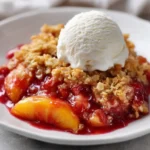
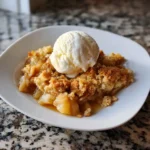
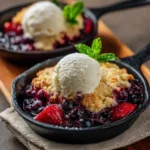
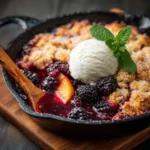
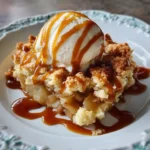
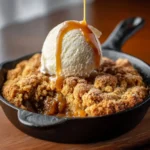
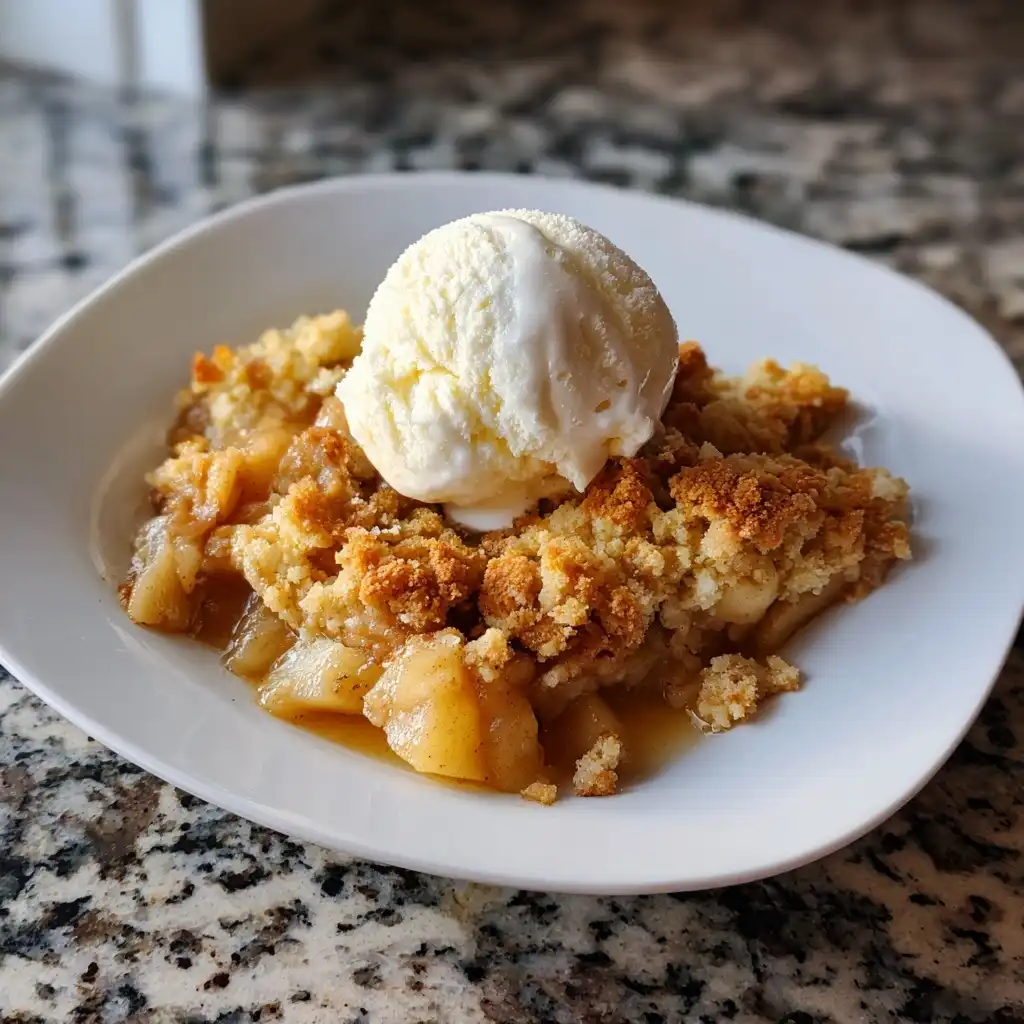
Low Sugar Apple Cobbler is a comforting, homestyle dessert that reimagines the classic American favorite with mindful sweetness—without sacrificing warmth, texture, or soul-satisfying richness. Unlike traditional cobblers loaded with refined sugar, this version prioritizes natural sweetness from ripe apples and subtle enhancements like cinnamon, nutmeg, and a touch of pure maple syrup or monk fruit sweetener—making it an ideal choice for those managing blood sugar, following low-glycemic or diabetic-friendly diets, embracing keto-adjacent or whole-food lifestyles, or simply seeking a more nourishing treat. It’s not “diet food”—it’s deeply flavorful, tender-crisp, aromatic, and satisfying in its own right: golden-brown topping cradling bubbling spiced apples with just the right balance of tart and mellow. Whether served warm with a scoop of unsweetened coconut milk ice cream or enjoyed solo at breakfast (yes—really!), this cobbler proves that reducing sugar doesn’t mean compromising on tradition, joy, or indulgence.
The History
The origins of apple cobbler trace back to early American colonial times—born not from culinary extravagance, but from necessity and ingenuity. Settlers adapted English “cobbled” or “rustic” fruit tarts using whatever was available: tart native crabapples or heirloom varieties like Roxbury Russet, coarse stone-ground flour, lard or butter from their own livestock, and minimal sweeteners—often honey, molasses, or maple syrup, as cane sugar was expensive and scarce. The term “cobbler” likely derives from the “cobbled” appearance of the uneven, dropped-biscuit topping—reminiscent of cobblestone streets—rather than any connection to cobblers who mend shoes. By the 19th century, apple cobbler had become a staple across Appalachia and the Midwest, baked in cast iron skillets over wood stoves and passed down through generations via oral tradition and stained recipe cards. As sugar consumption surged in the 20th century, commercial recipes began calling for 1–2 cups of granulated sugar per batch—transforming a humble, seasonal dish into a hyper-sweet indulgence. Today’s low-sugar revival is both a nutritional recalibration and a return to roots: honoring the original spirit of resourcefulness, seasonality, and balance—where apples shine, spices uplift, and sweetness serves the fruit—not the other way around.
Ingredients Breakdown
Every ingredient in this low-sugar apple cobbler is chosen with intention—functionally and nutritionally:
- Apples (4–5 medium, ~2 lbs): A blend is key—½ Granny Smith (tart, firm, holds shape), ¼ Honeycrisp (juicy, subtly sweet), and ¼ Pink Lady or Braeburn (balanced acidity and floral notes). Their natural fructose, pectin, and fiber create body and gentle sweetness without added sugar spikes.
- Thickener (2 tsp arrowroot powder or tapioca starch): Superior to cornstarch for low-sugar baking—neutral flavor, clear gel, and gluten-free. Prevents runny filling while enhancing glossy sheen and mouthfeel.
- Warm Spices (1½ tsp ground cinnamon, ¼ tsp freshly grated nutmeg, pinch of cardamom & allspice): Not just flavor—they’re bioactive powerhouses: cinnamon helps modulate glucose metabolism; nutmeg contains myristicin with anti-inflammatory properties; cardamom supports digestion.
- Acid Balance (1 tbsp fresh lemon juice): Brightens flavor, preserves apple color, and slows enzymatic browning—plus enhances perception of sweetness without adding sugar (a sensory trick backed by food science).
- Natural Sweetener Blend (3 tbsp pure maple syrup + 2 tbsp erythritol or monk fruit blend): Maple syrup contributes minerals (zinc, manganese) and complex caramel notes; erythritol/monk fruit provide bulk and sweetness with near-zero glycemic impact and no aftertaste when balanced properly.
- Cobbler Topping Dry Base (1 cup almond flour + ½ cup oat fiber or golden flaxseed meal): Almond flour adds protein, healthy monounsaturated fats, and rich nuttiness; oat fiber (not oat flour) delivers soluble beta-glucan for satiety and blood sugar stabilization—zero net carbs, zero grit.
- Binding & Lift (1 large egg + 1 tsp apple cider vinegar + ½ tsp baking powder): Egg provides structure and moisture retention; ACV reacts with baking powder for gentle lift—no need for excess sugar to aerate the batter.
- Fat Component (¼ cup cold grass-fed butter or coconut oil): Butter lends depth and flakiness; coconut oil offers lauric acid and works beautifully for dairy-free versions. Both remain solid at cool temps—critical for biscuit-like texture.
- Pinch of Sea Salt (¼ tsp): Enhances all flavors, balances sweetness, and supports electrolyte balance—especially important when reducing sodium-heavy processed alternatives.
This isn’t substitution cooking—it’s foundational reformulation rooted in food chemistry, botany, and metabolic wellness.
Step-by-Step Recipe
- Prep & Preheat: Position oven rack in lower third. Preheat oven to 350°F (175°C). Lightly grease a deep 9×13-inch ceramic or glass baking dish (or 10-inch cast iron skillet) with ghee or coconut oil. Line bottom with parchment for effortless removal if desired.
- Core & Slice Apples: Wash, core (leave skins on for fiber & polyphenols), and slice apples ¼-inch thick—uniformity ensures even cooking. Place in a large stainless steel or glass bowl.
- Macinate the Filling: Add lemon juice, cinnamon, nutmeg, cardamom, allspice, salt, maple syrup, and erythritol/monk fruit. Gently toss with hands or silicone spatula until every slice glistens. Let sit 15 minutes—this draws out juices, softens fibers, and allows spices to bloom.
- Thicken Strategically: Sprinkle arrowroot/tapioca evenly over macerated apples. Fold gently 8–10 times until fully incorporated and glossy. Avoid overmixing—prevents gluey texture.
- Transfer & Level: Pour apple mixture into prepared dish. Use spatula to spread evenly and press down lightly—eliminates air pockets for cohesive bake.
- Prepare Topping Batter: In a separate bowl, whisk together almond flour, oat fiber/flax meal, baking powder, and salt. Cut in cold butter (or coconut oil) using pastry cutter or two forks until mixture resembles coarse crumbs with pea-sized bits. Whisk egg and ACV in small bowl, then pour into dry ingredients. Stir *just* until shaggy dough forms—do not overwork. Batter will be thick, slightly sticky, and lumpy (ideal for rustic cobbler texture).
- Drop & Distribute: Using two spoons or a 1.5-tbsp cookie scoop, drop 8–10 generous mounds of batter over apples. Gently flatten each mound with back of spoon—not smooth, but slightly spread to cover ~70% of surface, leaving intentional gaps for steam escape and caramelized edges.
- Bake with Precision: Place dish on center oven rack. Bake 55–65 minutes—until topping is deeply golden brown, edges are crisp and slightly pulled away from sides, and apples bubble vigorously *through gaps* (not just around edges). Internal temperature of filling should reach 205°F (96°C) — use instant-read thermometer inserted through topping gap.
- Cool with Patience: Remove from oven and rest on wire rack for *minimum 30 minutes*. This allows filling to fully set (arrowroot gel firms), prevents soggy topping, and lets residual heat continue gentle cooking. Cutting too soon releases steam and causes collapse.
- Serve Mindfully: Scoop with wide spatula—preserve layers. Best served warm, not hot. Optional garnishes: unsweetened whipped coconut cream, toasted walnuts, a sprinkle of crushed cinnamon sticks, or micro mint.
Tips
- Apple Selection Matters More Than You Think: Avoid Red Delicious or Gala—they turn mealy. Opt for multi-apple blends—and taste-test slices raw: they should offer bright acidity *and* underlying sweetness. Underripe apples need more sweetener; overripe ones require extra thickener.
- Chill Your Fat—Religiously: Butter or coconut oil must be firmly cold (35–40°F). Warm fat melts into flour, yielding dense, greasy topping instead of tender, layered crumbles. Pop your butter in freezer for 10 minutes before cutting in.
- No Overmixing—Ever: Once wet and dry ingredients meet, stir only until *just combined*. Overworked batter develops gluten (even in almond flour, residual proteins can tighten) and yields toughness. Lumps = tenderness.
- Steam Escape Is Non-Negotiable: Those gaps between topping mounds aren’t rustic charm—they’re functional. They allow volatile acids and excess moisture to evaporate, concentrating flavor and preventing sogginess. Never try to “fill in” the spaces.
- Oven Thermometer Required: Built-in oven dials are notoriously inaccurate—up to ±25°F off. An oven thermometer ensures precise 350°F baking—critical for proper starch gelatinization and topping rise.
- Altitude Adjustment: Above 3,000 ft? Increase oven temp by 15–25°F, reduce baking powder to ¼ tsp, and add 1 tsp additional oat fiber to counteract faster evaporation and weaker lift.
- Make-Ahead Magic: Assemble filling up to 24 hours ahead—refrigerate covered. Prepare topping batter same-day only (to prevent premature activation of leaveners). Or freeze unbaked cobbler for up to 3 months—bake from frozen, adding 20–25 minutes covered with foil, then uncover to finish.
- Leftovers Love the Fridge: Store covered in refrigerator up to 5 days. Reheat individual portions in toaster oven (best for crisp topping) or microwave (cover loosely—topping softens, but filling shines).
Variations and Customizations
- Keto-Approved Version: Replace maple syrup with 1 tbsp powdered allulose + 1 tsp vanilla extract; swap oat fiber for 2 tbsp psyllium husk powder (adds binding & fiber); top with crushed pecans + cinnamon instead of full batter.
- Vegan & Soy-Free: Use flax “egg” (1 tbsp ground flax + 2.5 tbsp water, rested 5 min); replace butter with refined coconut oil; ensure monk fruit blend is erythritol-free (some contain maltodextrin—opt for allulose-based).
- Spiced Pear-Ginger Twist: Substitute 2 pears for 2 apples; add 1 tbsp finely grated fresh ginger + 1 star anise pod (remove before serving); finish with black pepper swirl.
- Overnight Oat-Crisp Topping: For breakfast-forward appeal, replace batter with ¾ cup rolled oats (gluten-free), 2 tbsp chia seeds, ¼ cup unsweetened applesauce, 1 tsp cinnamon, and 2 tbsp chopped toasted almonds—bake same time, uncovered.
- Herbal Infusion: Steep 1 tsp dried rosemary or thyme in warm maple syrup for 10 minutes before mixing into filling—strain and discard herb. Adds sophisticated, savory-earthy contrast.
- Gluten-Sensitive Crumble: Skip batter entirely—make a streusel with ½ cup almond flour, ¼ cup sunflower seed flour, 2 tbsp melted butter, 1 tbsp maple-erythritol blend, and 2 tbsp chopped hazelnuts. Sprinkle thickly pre-bake.
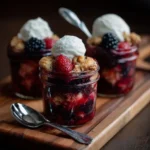
- Deconstructed Individual Servings: Layer spiced apples and dollops of batter in ramekins. Bake 35–40 minutes. Serve with cinnamon-infused cashew cream.
- Smoked Apple Variation: Cold-smoke apples 15 minutes pre-maceration using applewood chips—adds campfire depth perfect for fall gatherings.
Health Considerations and Nutritional Value
This low-sugar apple cobbler is formulated to support metabolic health without compromising pleasure or tradition. Per generous 1-cup serving (⅛ of full recipe):
- Total Carbohydrates: ~24g (vs. 55–65g in conventional versions)
- Net Carbs: ~14g (accounting for 10g fiber from apples, almond flour, oat fiber, and flax)
- Sugars: ~11g total (9g naturally occurring fructose/glucose from apples + 2g from maple syrup—well below WHO’s 25g/day added sugar limit)
- Fiber: ~10g (35% DV)—supports gut microbiome diversity, slows glucose absorption, and promotes satiety
- Protein: ~5g (from almond flour, egg, and trace apple protein)—enhances thermic effect of food and stabilizes energy
- Healthy Fats: ~12g (mostly monounsaturated from almond flour & butter)—improves insulin sensitivity and nutrient absorption of fat-soluble phytonutrients (quercetin, chlorogenic acid)
- Phytonutrient Powerhouse: Apples contribute quercetin (anti-inflammatory), epicatechin (vascular support), and pectin (prebiotic); cinnamon supplies cinnamaldehyde (AMPK activator); nutmeg offers myristicin (neuroprotective)
Who Benefits Most? Individuals with prediabetes or type 2 diabetes (clinical studies show cinnamon + fiber-rich fruit significantly improves postprandial glucose curves); those healing from gut dysbiosis (low-FODMAP friendly when using certified oat fiber); people managing PCOS (low-glycemic load supports hormonal balance); and anyone prioritizing longevity-focused nutrition (antioxidant density, low AGE formation due to gentle baking vs. high-heat caramelization).
Cautions: Monk fruit/erythritol are generally well-tolerated, but sensitive individuals may experience mild GI effects at >30g/day—this recipe uses only 2 tbsp (~10g). Always consult your healthcare provider before major dietary shifts if managing insulin-dependent diabetes, kidney disease, or on SGLT2 inhibitors.
Ingredients
- 4–5 medium apples (approx. 2 lbs), such as Granny Smith, Honeycrisp, and Pink Lady—cored, peeled or unpeeled per preference, sliced ¼-inch thick
- 1 tbsp fresh lemon juice
- 1½ tsp ground cinnamon
- ¼ tsp freshly grated nutmeg
- Pinch each of ground cardamom and allspice
- ¼ tsp fine sea salt
- 3 tbsp pure Grade A maple syrup (preferably dark amber for robust flavor)
- 2 tbsp granulated erythritol or monk fruit-allulose blend (e.g., Lakanto Golden)
- 2 tsp arrowroot powder or tapioca starch
- 1 cup blanched almond flour (super-fine, not almond meal)
- ½ cup oat fiber (NOT oat flour—look for “whole grain oat fiber” or golden flaxseed meal as alternative)
- ½ tsp aluminum-free baking powder
- ¼ cup cold unsalted grass-fed butter or refined coconut oil, cut into ½-inch cubes
- 1 large pasture-raised egg, cold
- 1 tsp apple cider vinegar
Directions
- Preheat oven to 350°F (175°C). Grease a 9×13-inch baking dish or 10-inch cast iron skillet with ghee or coconut oil. Optional: line bottom with parchment paper.
- In a large bowl, combine apple slices, lemon juice, cinnamon, nutmeg, cardamom, allspice, salt, maple syrup, and erythritol/monk fruit. Gently toss until evenly coated. Let macerate 15 minutes at room temperature.
- Sprinkle arrowroot or tapioca starch over macerated apples. Fold gently with silicone spatula until fully absorbed and glossy—about 10 folds. Transfer to prepared dish and spread evenly, pressing down lightly.
- In a medium bowl, whisk together almond flour, oat fiber (or flax meal), baking powder, and salt. Add cold butter or coconut oil cubes. Using a pastry cutter or two forks, cut in until mixture resembles coarse crumbs with visible pea-sized pieces.
- In a small bowl, whisk cold egg and apple cider vinegar until frothy (about 30 seconds). Pour into flour-fat mixture. Stir with fork just until a shaggy, slightly sticky dough forms—do not overmix. It should hold together when pinched, with visible lumps.
- Using two spoons or a 1.5-tbsp cookie scoop, drop 8–10 mounds of batter over apple layer. Gently flatten each mound with back of spoon to ~3-inch diameter—intentionally leaving gaps between for steam release.
- Bake 55–65 minutes, rotating dish halfway, until topping is deep golden brown, edges are crisp and pulling away from sides, and filling bubbles vigorously through gaps (internal temp 205°F/96°C).
- Remove from oven and cool on wire rack for minimum 30 minutes—this sets the filling and prevents topping collapse.
- Serve warm, garnished optionally with unsweetened coconut whip, toasted walnuts, or a dusting of cinnamon. Store covered in refrigerator up to 5 days.
FAQ
- Can I use frozen apples?
- Yes—but thaw completely, then drain *all* excess liquid in a fine-mesh strainer (press gently). Frozen apples release more water; add ½ tsp extra arrowroot to compensate. Flavor is slightly muted vs. fresh, but still delicious.
- Why not use stevia alone?
- Stevia’s bitter aftertaste intensifies in baked goods and can clash with apples’ delicate acidity. Blending with maple syrup or erythritol buffers bitterness and adds viscosity and browning capacity missing in pure stevia.
- My topping sank into the apples—what went wrong?
- Most common causes: (1) batter overmixed → developed toughness; (2) apples not macerated long enough → excess surface moisture; (3) oven too cool → topping didn’t set before filling boiled; (4) skipped chilling fat → melted instantly and soaked in.
- Is this gluten-free?
- Yes—provided you use certified gluten-free oat fiber (or sub flax) and verify your baking powder is GF. Almond flour is naturally GF, but always check labels for cross-contamination warnings.
- Can I make it dairy-free?
- Absolutely. Replace butter with refined coconut oil (no coconut taste) or vegan butter with similar fat content (e.g., Melt Organic). Ensure egg substitute is appropriate if also vegan—flax egg works well.
- How do I know when it’s done if I don’t have a thermometer?
- Look for vigorous, jammy bubbling *through the gaps* (not just around edges), deep mahogany-brown topping with crisp, dry edges, and a clean toothpick inserted into topping (not apples) coming out crumb-free—not wet or gummy.
- Can I double the recipe?
- Yes—but use two 9×13 dishes or one 12×17-inch roasting pan. Do not increase bake time proportionally; start checking at 55 minutes. Crowding causes steaming instead of baking.
- Why leave apple skins on?
- Apple skins contain ursolic acid (muscle-preserving), quercetin (anti-allergy), and half the fiber. They soften beautifully during baking and add subtle tannic complexity—no need to peel unless texture-sensitive.
- Can I add nuts or berries?
- Yes—with nuance: fold ⅓ cup chopped toasted walnuts or pecans into batter *just before dropping*. For berries, add only ½ cup frozen blueberries *on top of apples before batter*—they’ll burst and add jewel-toned pockets without thinning filling.
- Is this suitable for Weight Watchers or Mediterranean diet?
- Yes—it aligns with both: whole-food ingredients, minimal processing, healthy fats, high fiber, and no added refined sugars. Points vary by plan version, but typically 5–6 SmartPoints per serving; fully compatible with Mediterranean principles.
Summary
This Low Sugar Apple Cobbler honors centuries of American baking tradition while thoughtfully integrating modern nutritional science—delivering deep flavor, tender-crisp texture, and metabolic support in every golden-brown bite. Made with smart sweeteners, fiber-rich flours, and antioxidant-packed apples, it’s a dessert that satisfies the soul *and* supports long-term wellness—no compromise required.