Introduction
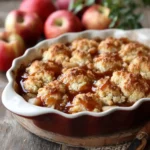
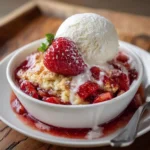
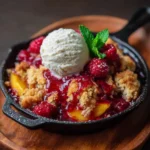
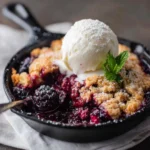
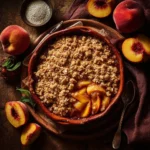
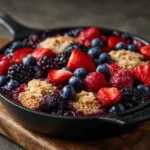
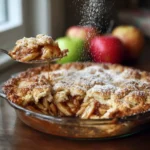
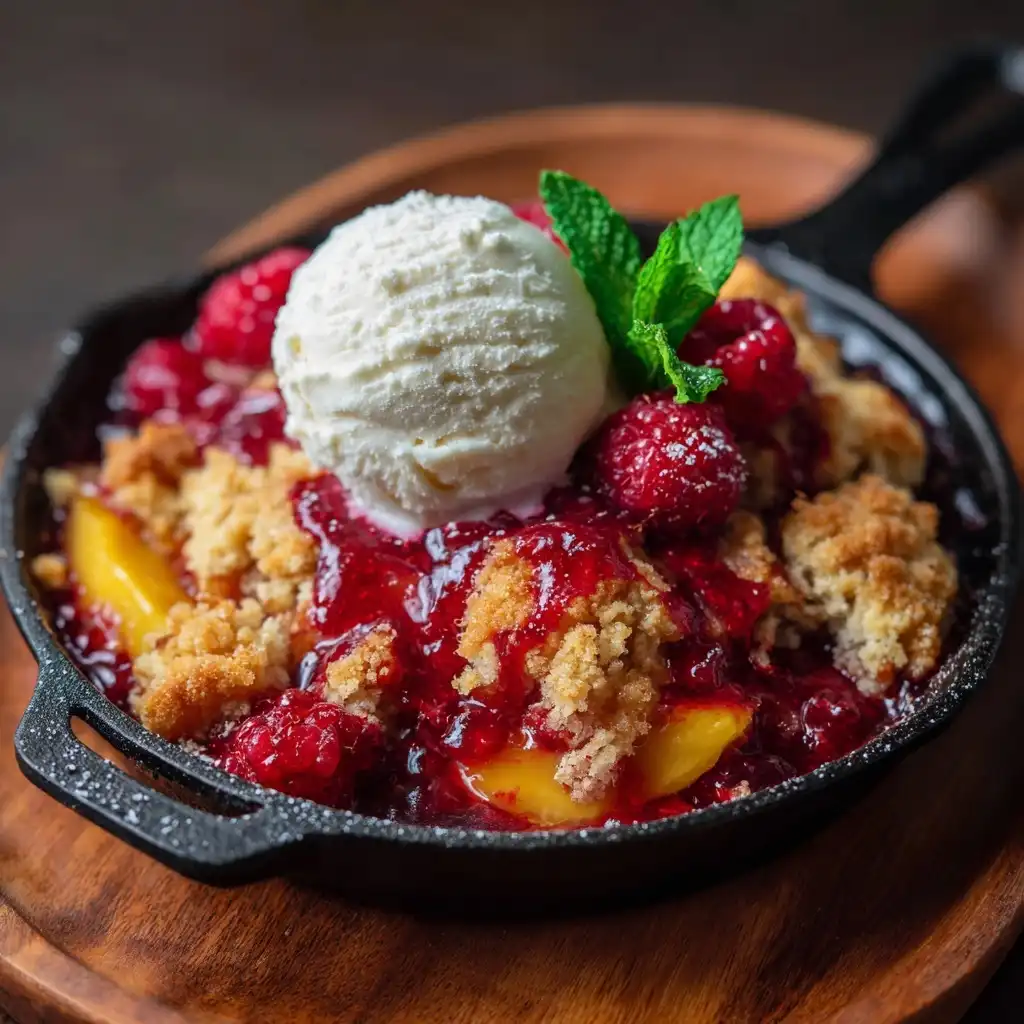
Welcome to the vibrant, sun-kissed world of the Mango Raspberry Cobbler — a luscious, seasonal dessert that marries the tropical sweetness of ripe mangoes with the bright, tart tang of fresh raspberries. This cobbler is more than just a comforting treat; it’s a celebration of summer’s bounty, a harmonious fusion of textures and temperatures, and a versatile showstopper equally at home on a rustic farmhouse table or an elegant dinner party buffet. Unlike traditional fruit pies, cobblers feature a tender, biscuit-like or cakey topping that bakes up golden and crisp on top while remaining soft and pillowy underneath — all while soaking up the bubbling, jewel-toned fruit filling beneath. Whether you’re a seasoned baker or a curious beginner, this recipe delivers foolproof structure, bold flavor, and room for creativity — making it as joyful to prepare as it is delightful to serve.
The History
The cobbler — a beloved American dessert with deep colonial roots — traces its origins back to the 17th and 18th centuries, when early English settlers adapted their traditional suet puddings to suit the ingredients and tools available in the New World. Without access to ovens capable of precise temperature control or refined pastry techniques, they turned to simple, forgiving methods: stewing seasonal fruits in cast-iron skillets or Dutch ovens over open hearths, then covering them with dropped biscuit dough or a rustic “cobbled” crust — hence the name “cobbler.” By the 19th century, cobblers had become staples across rural America, especially in the South and Midwest, where orchards and berry patches flourished. While peach, apple, and blackberry cobblers dominated early cookbooks, the mango raspberry variation is a modern evolution — born from global ingredient accessibility, the rise of farmers’ markets, and the culinary embrace of cross-cultural flavor pairings. Mangoes, native to South Asia and later cultivated across Latin America and the Caribbean, arrived in U.S. grocery stores en masse in the late 20th century, while raspberries — long cherished in European and North American gardens — gained renewed popularity through heirloom varieties and organic farming movements. The union of these two fruits reflects contemporary baking trends: balancing natural sweetness with acidity, prioritizing whole-food integrity, and honoring seasonality without sacrificing indulgence.
Ingredients Breakdown
Every exceptional cobbler begins with intention — not just in measurement, but in selection, ripeness, and synergy. Below is a detailed breakdown of each component, including why it matters, ideal substitutions, and functional roles in texture and chemistry:
- Fresh Ripe Mangoes (3 large, ~2 lbs peeled and diced): Choose Ataulfo (Champagne) or Kent mangoes for their low-fiber flesh, high sugar content, and creamy texture. Underripe mangoes lack depth and won’t break down enough; overripe ones can turn mushy. Their natural pectin helps thicken the filling, while their enzymes (especially when raw) interact gently with raspberries to enhance brightness.
- Fresh Raspberries (2 cups, lightly rinsed and stemmed): Opt for locally grown, in-season berries for peak tartness and floral aroma. Frozen raspberries may be used in a pinch (do not thaw — add frozen to prevent excess liquid), but avoid canned or syrup-packed versions, which dilute flavor and introduce unwanted sugars and stabilizers. Raspberries contribute volatile esters (like raspberry ketone) that lift the mango’s heavier notes and provide crucial acidity to balance richness.
- Granulated Sugar (¾ cup + 2 tbsp total): Divided use is intentional: ¾ cup sweetens the fruit layer, enhancing juiciness and aiding caramelization; 2 tbsp is folded into the topping for subtle sweetness and browning (Maillard reaction). Organic cane sugar adds nuanced molasses undertones; coconut sugar may be substituted for deeper caramel notes but will darken the topping.
- Cornstarch (¼ cup): The optimal thickener here — neutral in flavor, highly effective at mid-range temperatures, and less prone to cloudiness or stringiness than flour or arrowroot. It creates a glossy, velvety syrup that clings to fruit without becoming gluey. For a gluten-free or paleo option, tapioca starch works well but requires slightly less (3 tbsp) and benefits from a 5-minute rest after mixing to fully hydrate.
- Lemon Juice (2 tbsp freshly squeezed): Not merely for tartness — citric acid sharpens mango’s tropical esters, prevents enzymatic browning, and activates cornstarch’s thickening power. Bottled juice lacks volatile citrus oils and often contains preservatives that mute flavor.
- Unsalted Butter (6 tbsp, cold and cubed): Critical for flakiness and tenderness in the biscuit topping. Cold fat creates steam pockets as it melts, resulting in layers and lift. European-style butter (82–84% fat) yields richer flavor and superior browning. Vegan? Use chilled refined coconut oil or a high-fat plant-based butter designed for baking (e.g., Miyoko’s or Melt).
- All-Purpose Flour (1 ½ cups): Provides gluten structure for cohesion without toughness. For extra tenderness, substitute ¼ cup with finely ground almond flour or oat flour. Gluten-free bakers should use a 1:1 blend with xanthan gum (e.g., King Arthur or Bob’s Red Mill); skip additional binders unless specified.
- Baking Powder (2 tsp) & Baking Soda (¼ tsp): A dual-leavening system ensures maximum rise and lightness. Baking powder provides consistent lift; soda reacts instantly with lemon juice and buttermilk (if using) for extra lift and subtle alkalinity that enhances golden browning.
- Sea Salt (¾ tsp): Enhances all other flavors, reduces perceived bitterness in raspberries, and balances sweetness. Flake salt is reserved for finishing; fine sea salt integrates evenly into dry ingredients.
- Heavy Cream or Full-Fat Coconut Milk (¾ cup): Adds moisture, fat, and richness to the batter. Heavy cream yields classic tenderness and browning; canned coconut milk (stirred well) makes a decadent dairy-free version with complementary tropical notes. Avoid low-fat milks — they create gummy, dense topping.
- Vanilla Extract (1 tsp pure, not imitation): Contains over 200 aromatic compounds that harmonize mango and raspberry. Madagascar bourbon vanilla offers creamy depth; Tahitian vanilla adds fruity-floral nuance.
- Optional Garnishes: Fresh mint leaves (cooling contrast), toasted coconut flakes (textural crunch), crème fraîche or mascarpone (tangy richness), edible flowers (borage or pansies), or a drizzle of reduced mango-raspberry coulis.
Step-by-Step Recipe
This meticulously tested method ensures success every time — from preheating your oven to pulling the cobbler from the oven with perfect golden edges and a bubbling, fragrant center. Follow each step with care, and understand the “why” behind the timing and technique.
- Preheat & Prep: Position oven rack in the lower third. Preheat oven to 375°F (190°C). Generously grease a 9×13-inch ceramic or metal baking dish (or two 8-inch square dishes for even baking and portion control). Line a sheet pan with parchment — you’ll place the dish on it to catch any potential bubbling over.
- Prepare the Fruit Filling: In a large non-reactive bowl (glass or stainless steel), combine diced mango, raspberries, ¾ cup granulated sugar, cornstarch, lemon juice, and a pinch of salt (⅛ tsp). Gently fold with a silicone spatula until evenly coated — avoid crushing the raspberries. Let macerate at room temperature for 20 minutes. During this time, juices will release, sugar will dissolve, and cornstarch will begin hydrating — critical for even thickening later.
- Make the Biscuit Topping: In a food processor (or large bowl + pastry cutter), pulse or cut cold butter into flour, remaining sugar (2 tbsp), baking powder, baking soda, and salt until mixture resembles coarse crumbs with some pea-sized butter pieces remaining. This uneven fat distribution creates flaky layers. Transfer to a medium bowl. Whisk heavy cream and vanilla together; pour over flour mixture. Stir with a fork just until shaggy clumps form — do not overmix. Batter should be thick, slightly sticky, and hold together when pinched — if too dry, add 1 tsp cream; if too wet, sprinkle in 1 tsp flour.
- Assemble with Precision: Pour macerated fruit (including all accumulated juices) into the prepared baking dish. Smooth surface evenly. Drop biscuit dough by generous 2-tbsp scoops over fruit in rows — do not spread or flatten. Leave small gaps between mounds to allow steam to escape and promote even baking. For visual appeal, arrange in a diamond or staggered pattern.
- Bake with Strategy: Place dish on prepared sheet pan. Bake for 45–55 minutes. First 30 minutes: fruit bubbles vigorously at edges. Next 15 minutes: topping rises, turns pale gold, and begins drying. Final 5–10 minutes: topping deepens to rich amber, edges crisp, and center registers 205–210°F on an instant-read thermometer. Fruit should bubble thickly — not runny — around the perimeter. If topping browns too quickly, loosely tent with foil.
- Cool & Set: Remove from oven and let rest on a wire rack for at least 45 minutes. This is non-negotiable: the filling needs time to fully set as starches retrograde and juices thicken. Cutting too soon releases steam and results in soupy cobbler. For best texture, cool 1.5–2 hours — it will still be warm and fragrant.
- Serve Mindfully: Scoop with a wide spoon or ice cream scoop. Serve warm, never piping hot. Ideal pairings include lightly sweetened whipped cream, vanilla bean ice cream, or tangy crème fraîche. Store leftovers covered at room temperature up to 2 hours, then refrigerate.
Tips
- Select Fruit Wisely: Mangoes should yield slightly to gentle palm pressure near the stem end and smell sweetly floral at the base. Raspberries must be plump, deeply colored, and free of mold or mushiness — discard any dull, shriveled, or leaking berries before use.
- Control Moisture Relentlessly: Pat raspberries *very* dry with paper towels after rinsing. Excess water dilutes flavor and hinders thickening. If mangoes are exceptionally juicy, toss diced fruit with 1 tbsp extra cornstarch before combining with raspberries.
- Butter Temperature Is Everything: Cut butter into ½-inch cubes and return to fridge for 10 minutes after cutting if your kitchen exceeds 72°F. Warm butter melts too fast, creating greasy, dense topping instead of flaky layers.
- Don’t Skip the Maceration: That 20-minute rest isn’t passive — it’s active chemistry. Sugar draws out water, dissolving and creating a syrup that carries flavor deep into fruit cells. Cornstarch swells and begins forming heat-stable networks.
- Measure Flour Correctly: Spoon flour into measuring cup and level with a knife — never scoop directly from the bag (causes compaction and up to 25% excess flour). Too much flour = tough, dry topping.
- Use a Light Hand with the Batter: Overmixing develops gluten, leading to chewy, rubbery biscuits. Stir only until no dry flour remains — streaks of flour are better than overworked dough.
- Rotate for Even Baking: At 30 minutes, carefully rotate the dish 180° front-to-back to counteract hot spots in your oven — especially important in convection or older ovens.
- Test Doneness Holistically: Visual cues (golden color, bubbling edges) + tactile cues (firm, springy topping) + thermal cues (205°F center) > timer alone. Ovens vary wildly — trust your senses.
- Reheat Gently: To refresh leftovers, cover dish with foil and warm at 325°F for 15–20 minutes. Microwaving makes topping soggy and fruit watery.
- Freeze Smartly: Unbaked cobbler freezes beautifully: assemble completely, freeze uncovered until solid (~4 hrs), then wrap tightly in plastic + foil. Bake from frozen — add 20–25 minutes to bake time and tent with foil first 30 minutes.
Variations and Customizations
This cobbler is a canvas — adaptable to dietary needs, seasonal shifts, pantry constraints, and personal whims. Here are thoughtfully developed variations, each tested for structural integrity and flavor harmony:
- Tropical Twist: Add ¼ cup toasted macadamia nuts to the biscuit batter and stir 1 tbsp shredded unsweetened coconut into the fruit filling. Replace 2 tbsp cream with coconut milk for layered island vibes.
- Spiced Harmony: Infuse warmth with ½ tsp ground ginger, ¼ tsp cardamom, and a 1-inch piece of peeled fresh turmeric (grated fine) added to the fruit. These spices complement mango’s earthiness without overpowering raspberry’s brightness.
- Herbal Elegance: Fold 1 tbsp finely chopped fresh basil or lemongrass (outer fibers removed, inner stalk minced) into the fruit. Basil adds peppery sweetness; lemongrass lends clean, citrusy lift. Add zest of 1 lime for synergy.
- Gluten-Free & Grain-Free: Swap flour for ¾ cup almond flour + ¾ cup cassava flour + 1 tsp xanthan gum. Increase baking powder to 2¼ tsp. Use ghee instead of butter and coconut cream instead of dairy cream.
- Vegan Delight: Use cold vegan butter (e.g., Earth Balance sticks), full-fat coconut milk (canned, stirred), and replace egg wash (if using) with maple syrup + almond milk glaze. Ensure cornstarch is non-GMO and certified vegan.
- Low-Sugar Adaptation: Reduce sugar to ½ cup total (¼ cup in fruit, ¼ cup in topping) and add 2 tbsp monk fruit-allulose blend for bulk and browning. Include 1 tsp apple cider vinegar to enhance perceived sweetness and balance acidity.
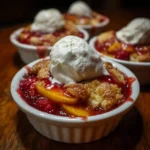
- Mini Individual Cobblers: Divide filling and topping among 6–8 greased ramekins (6-oz size). Bake at 375°F for 32–38 minutes — smaller volume means faster, more even cooking and Instagram-worthy presentation.
- Breakfast Cobbler: Reduce sugar by half, omit lemon juice, add ½ tsp cinnamon and ¼ cup rolled oats to topping. Serve with Greek yogurt and a drizzle of local honey — wholesome, satisfying, and protein-forward.
- Boozy Infusion: Stir 2 tbsp dark rum, elderflower liqueur, or Chambord into the fruit mixture before baking. Alcohol volatilizes during baking, leaving only aromatic complexity — not alcohol taste.
- Winter Version (Off-Season): Use frozen mango chunks (thawed and well-drained) and frozen raspberries (added frozen). Boost flavor with 1 tsp mango extract and ½ tsp raspberry seed oil. Add 1 tbsp apple butter to fruit for depth and natural pectin.
Health Considerations and Nutritional Value
While undeniably indulgent, this Mango Raspberry Cobbler offers meaningful nutritional benefits when approached with mindful ingredient choices and portion awareness. A standard serving (1/12 of the 9×13 recipe, approx. 1 cup with topping) contains approximately:
- Calories: 320–360 kcal (varies with butter/cream choice and sugar adjustments)
- Carbohydrates: 48–52g (of which 32–36g natural sugars from fruit; 12–14g added sugar — well below FDA’s 50g/day limit)
- Fiber: 5–6g (mango contributes ~3g/serving; raspberries ~2g — excellent for gut health and satiety)
- Vitamin C: ~75–90mg (100%+ DV — mango and raspberries are both exceptional sources, supporting immunity and collagen synthesis)
- Vitamin A (as beta-carotene): ~1800–2200 IU (nearly 40% DV — vital for vision, skin health, and antioxidant defense)
- Manganese: ~0.4mg (20% DV — supports bone formation and metabolism)
- Polyphenols & Antioxidants: Raspberries contain ellagic acid and anthocyanins; mangoes offer mangiferin and quercetin — compounds studied for anti-inflammatory, neuroprotective, and blood-sugar-modulating effects.
Key Health Notes:
- Natural Sugar vs. Added Sugar: Over 65% of the sugar comes from whole fruit — accompanied by fiber, water, and phytonutrients that slow glucose absorption and prevent spikes. This contrasts sharply with desserts relying solely on refined sugar.
- Fat Profile: Using unsalted butter provides beneficial short- and medium-chain fatty acids and fat-soluble vitamins (A, D, E, K). For heart-health focus, substitute half the butter with avocado oil or walnut oil — rich in monounsaturated fats and omega-3s.
- Glycemic Impact: With moderate portions and optional additions like oats or nuts, the glycemic load remains moderate (GL ≈ 14–16), making it suitable for most individuals managing blood sugar — especially when paired with protein (e.g., yogurt) or healthy fat.
- Dietary Inclusivity: Easily adapted for gluten-free, dairy-free, vegan, or lower-sugar diets without sacrificing enjoyment — empowering diverse nutritional needs.
- Mindful Indulgence Principle: Enjoying dessert regularly — in appropriate portions and with presence — correlates with better long-term dietary adherence and reduced stress-related cortisol spikes, which can otherwise drive cravings.
Ingredients
Makes one 9×13-inch cobbler (12 servings)
- 3 large ripe mangoes (about 2 lbs), peeled, pitted, and diced into ½-inch pieces
- 2 cups fresh raspberries, gently rinsed and stemmed
- ¾ cup granulated sugar, plus 2 tablespoons
- ¼ cup cornstarch
- 2 tablespoons freshly squeezed lemon juice
- ¼ teaspoon fine sea salt (for filling)
- 6 tablespoons unsalted butter, very cold and cubed
- 1 ½ cups all-purpose flour (spooned & leveled)
- 2 teaspoons baking powder
- ¼ teaspoon baking soda
- ¾ teaspoon fine sea salt (for topping)
- ¾ cup heavy cream or full-fat canned coconut milk (well-stirred)
- 1 teaspoon pure vanilla extract
Directions
- Preheat oven to 375°F (190°C). Grease a 9×13-inch baking dish and place on a parchment-lined sheet pan.
- In a large bowl, combine mango, raspberries, ¾ cup sugar, cornstarch, lemon juice, and ¼ tsp salt. Gently fold until evenly coated. Let sit at room temperature for 20 minutes.
- In a food processor or large bowl, combine flour, 2 tbsp sugar, baking powder, baking soda, and ¾ tsp salt. Add cold cubed butter. Pulse (or cut in) until mixture resembles coarse crumbs with visible pea-sized butter pieces.
- Add cream and vanilla. Stir with a fork just until a shaggy, slightly sticky dough forms — about 12–15 strokes. Do not overmix.
- Pour fruit mixture (with all juices) into prepared dish. Smooth top. Drop dough by heaping 2-tablespoon portions evenly over fruit, leaving small gaps between mounds.
- Bake for 45–55 minutes, until topping is deep golden brown, edges bubble thickly, and center reaches 205–210°F. Tent with foil if topping browns too quickly.
- Cool on a wire rack for at least 45 minutes (ideally 1.5–2 hours) before serving.
- Serve warm with whipped cream, ice cream, or crème fraîche.
FAQ
- Can I use frozen fruit?
- Yes — frozen mango (thawed and well-drained) and frozen raspberries (added frozen) work well. Expect a slightly longer bake time (add 5–8 minutes) and possibly 1 extra tsp cornstarch to manage moisture.
- Why did my cobbler turn out runny?
- Most commonly: insufficient cooling time (juices need 45+ mins to set), underripe fruit (low natural pectin), or cornstarch not fully hydrated (skip maceration). Also check oven temp with a thermometer — underbaking prevents starch gelatinization.
- Can I make this ahead?
- Absolutely. Assemble unbaked cobbler up to 24 hours ahead; cover tightly and refrigerate. Add 5–7 minutes to bake time. Fully baked cobbler keeps refrigerated for 4 days — reheat covered at 325°F.
- What’s the best way to peel a mango?
- Stand mango upright on its narrow end. Slice vertically along the flat pit on both sides (“cheeks”). Score flesh in a crosshatch pattern without cutting through skin, then invert skin to pop cubes outward. Scoop with a spoon.
- Can I substitute another berry?
- Blackberries or blueberries work beautifully — reduce sugar by 1 tbsp for blackberries (more tart) or increase by 1 tbsp for blueberries (milder). Avoid strawberries — their high water content and low pectin cause sogginess.
- Is there a way to make the topping crispier?
- Brush tops of dough mounds with heavy cream and sprinkle with turbinado sugar before baking. Or, broil for 1–2 minutes at the end (watch closely!) for caramelized crunch.
- Can I use a different thickener?
- Arrowroot works (use same amount), but creates a glossier, more delicate gel. Tapioca gives a chewier, “bubbly” texture — reduce to 3 tbsp and let filling rest 10 minutes longer. Flour requires double the amount (½ cup) and yields opaque, slightly pasty results.
- How do I store leftovers?
- Cover tightly and refrigerate for up to 4 days. Reheat individual portions in a 325°F oven for 15 minutes (covered) or microwave 30 seconds (less ideal for texture). Do not freeze baked cobbler — topping becomes grainy.
- Can I double this recipe?
- Yes — use two 9×13 dishes or one commercial 12×17-inch pan. Maintain same oven temp but increase bake time by 5–10 minutes. Rotate dishes halfway through for even browning.
- Why does my topping sink into the fruit?
- Overmixing the batter develops gluten, making it heavy. Also, adding batter to cold fruit (not room-temp) causes immediate fat melting. Always macerate fruit at room temp and drop batter gently without pressing down.
Summary
The Mango Raspberry Cobbler is a masterclass in seasonal harmony — where sun-ripened mangoes lend velvety sweetness and tropical depth, and vibrant raspberries deliver bright acidity and antioxidant-rich complexity, all enveloped in a golden, tender-crisp biscuit topping that bakes to perfection.
With meticulous attention to ingredient quality, smart technique, and thoughtful customization options — from vegan and gluten-free adaptations to spiced, herbal, or tropical variations — this cobbler transcends tradition to become a nourishing, joyful, and endlessly expressive centerpiece for any table.