Introduction
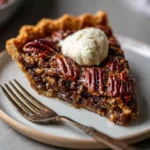
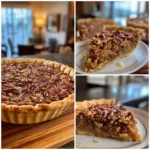
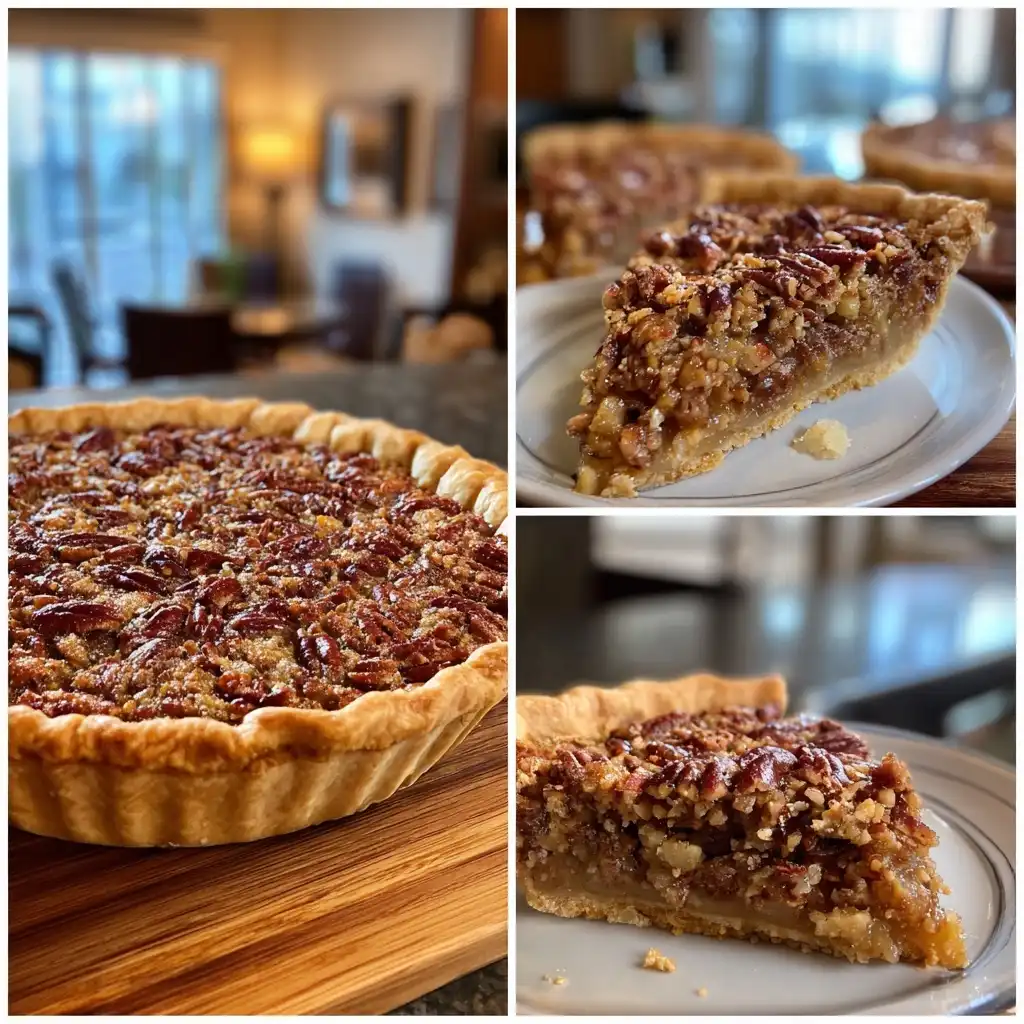
Maple Pecan Pie is a quintessential celebration of autumnal elegance and New England tradition—a rich, velvety, golden-brown dessert that marries the deep, woody sweetness of pure maple syrup with the buttery crunch of toasted pecans. Unlike its more commercially ubiquitous cousin, the classic corn syrup-based pecan pie, Maple Pecan Pie elevates the genre with nuanced complexity: caramelized notes of Grade A Dark Color Robust Flavor maple syrup, hints of vanilla bean and brown butter, and the subtle earthiness of toasted nuts. It’s not merely a dessert—it’s a sensory heirloom, often served at Thanksgiving tables across Vermont, Maine, and Ontario, where maple sugaring is woven into cultural identity. Whether baked in a flaky all-butter crust or a tender graham cracker base, this pie balances decadence with sophistication, offering a luscious, glossy filling that sets with just the right amount of jiggle—firm enough to hold its shape when sliced, yet yielding with a luxuriously creamy mouthfeel.
The History
The origins of Maple Pecan Pie trace a fascinating crossroads of Indigenous knowledge, colonial adaptation, and regional ingenuity. Long before European settlement, Northeastern Woodlands tribes—including the Abenaki, Haudenosaunee (Iroquois), and Mi’kmaq—harvested sap from sugar maples each spring, boiling it down over open fires into thick, nutrient-dense syrup and sugar. Pecans, native to the Mississippi River Valley and cultivated by Indigenous peoples for millennia, were traded northward along river and woodland networks. Early French-Canadian settlers and Acadian farmers adopted maple sugaring techniques and combined them with available nuts—initially walnuts and hickories—before pecans gained popularity through 19th-century agricultural expansion and rail transport. The first documented “maple nut pie” appeared in the 1896 edition of Fannie Farmer’s Boston Cooking-School Cook Book, though it used maple sugar rather than syrup and lacked pecans. It wasn’t until the mid-20th century—spurred by Vermont’s postwar maple industry boom, improved bottling standards, and the rise of specialty food marketing—that bakers began intentionally replacing corn syrup with Grade B (now labeled “Grade A Dark”) maple syrup for depth and authenticity. By the 1970s, artisanal bakeries in Burlington and Portland championed the maple-pecan fusion as a point of regional pride, cementing its status as a gourmet alternative to traditional pecan pie—and today, it’s recognized by the Vermont Maple Sugar Makers’ Association as an official “signature dessert” of the state’s culinary heritage.
Ingredients Breakdown
Every exceptional Maple Pecan Pie begins not with a list—but with intentionality. Below is a meticulous, chef-level breakdown of each component, including *why* it matters, sourcing guidance, and functional roles in texture, structure, and flavor development:
- Pure Maple Syrup (Grade A Dark Color, Robust Flavor): Not pancake syrup or “maple-flavored” imitations—this is the cornerstone. Real maple syrup contributes invert sugars (glucose and fructose) that inhibit crystallization, natural acidity that balances richness, and over 200 volatile compounds (including vanillin, syringaldehyde, and furfural) responsible for its signature roasted, smoky-sweet aroma. Lighter grades lack sufficient Maillard-reactive compounds; darker grades add depth without bitterness. Opt for syrup bottled within 12 months of harvest, stored in cool, dark conditions.
- Large Eggs (Grade A, pasture-raised preferred): Provide structural protein coagulation during baking. Egg whites lend lift and sheen; yolks contribute emulsification, fat, and lecithin for smoothness. Room temperature eggs integrate more evenly and reduce risk of curdling.
- Unsalted Butter (European-style, 82–84% fat): Browned (beurre noisette) for maximum flavor—this step develops nutty, toasty pyrazines and lactones while removing water content, resulting in a denser, glossier, less runny filling. Salted butter introduces inconsistent sodium levels and may mask delicate maple notes.
- Light Brown Sugar (packed): Adds molasses-derived minerals (potassium, calcium) and moisture-retaining sucrose inversion. Its acidity helps activate baking soda (if used) and enhances caramelization. Avoid dark brown sugar unless seeking pronounced molasses intensity—it can overwhelm maple’s subtlety.
- Heavy Cream (36–40% milk fat, pasteurized, not ultra-pasteurized): Contributes fat for mouth-coating richness and lactose for gentle browning. Ultra-pasteurized cream has altered protein structures that may lead to graininess or separation.
- Real Vanilla Extract (Madagascar Bourbon, 2x or 3x strength): Contains vanillin, piperonal, and coumarin—compounds that synergize with maple’s phenolic compounds to amplify perceived sweetness and round out sharp edges. Alcohol-based extract ensures full volatile release; imitation vanillin lacks complexity.
- Fine Sea Salt (e.g., fleur de sel or Maldon): Not just for seasoning—salt suppresses bitterness, heightens aromatic perception, and balances osmotic pressure to prevent weeping. A pinch added to both filling *and* crust creates layered savory contrast.
- Raw Pecan Halves (not pieces or candied): Choose plump, uniform, unblemished halves with a fresh, buttery scent—no rancid or cardboard notes (a sign of oxidized oils). Toasting before assembly deepens enzymatic Maillard reactions and drives off surface moisture, preventing soggy bottoms. Pecans high in oleic acid (like ‘Desirable’ or ‘Schley’ cultivars) yield superior crunch and shelf stability.
- Unbleached All-Purpose Flour (or pastry flour, 8–9% protein): Used minimally in some recipes as a stabilizer to gently thicken the filling and mitigate excessive liquid migration. Too much causes gumminess; too little risks leakage. Optional but recommended for high-humidity environments or extended storage.
- Optional Enhancers: A teaspoon of bourbon (for ester-driven fruitiness and solvent action on maple volatiles); a pinch of freshly grated orange zest (citrus terpenes brighten heaviness); or a drop of blackstrap molasses (for mineral depth—not sweetness).
Step-by-Step Recipe
- Prepare the Crust (24 hours ahead recommended): In a chilled bowl, combine 1¼ cups (160g) unbleached all-purpose flour, ½ tsp fine sea salt, and ½ tsp granulated sugar. Cut in ½ cup (113g) very cold unsalted butter (½-inch cubes) and ¼ cup (57g) cold leaf lard or vegetable shortening using a pastry cutter or fingers until pea-sized crumbs form. Sprinkle 3–4 tbsp ice water, one tablespoon at a time, mixing with a fork until dough just holds together. Divide into two disks, wrap tightly in parchment-lined plastic, and refrigerate ≥2 hours—or freeze up to 3 months. For best results, blind-bake the bottom crust: preheat oven to 375°F (190°C); roll out dough to ⅛” thickness, fit into 9-inch pie plate, trim, crimp edges, prick base, line with parchment, fill with pie weights or dried beans, and bake 18 minutes. Remove weights and parchment; bake 8–10 more minutes until golden and dry. Cool completely on a wire rack.
- Toast the Pecans (30 minutes ahead): Spread 1½ cups (165g) raw pecan halves on a parchment-lined rimmed baking sheet. Bake at 350°F (175°C) for 8–10 minutes, shaking pan halfway, until fragrant and lightly golden at edges. Cool completely—do not skip cooling; warm nuts steam the filling.
- Brown the Butter (15 minutes ahead): In a light-colored saucepan (for visibility), melt 6 tbsp (85g) unsalted butter over medium-low heat. Swirl constantly. As foam subsides, butter will sputter, then turn golden with nutty aroma (~5–6 minutes). At first sign of brown specks on bottom, remove from heat immediately. Pour into a heatproof bowl—scrape every bit, including browned milk solids. Cool to lukewarm (≈100°F/38°C).
- Make the Filling Base: In a large heatproof bowl, whisk 1 cup (330g) Grade A Dark maple syrup, ¾ cup (150g) packed light brown sugar, and 2 large room-temp eggs until smooth. Whisk in cooled brown butter, ¼ cup (60ml) heavy cream, 2 tsp real vanilla extract, and ½ tsp fine sea salt until homogenous—no streaks. Optional: stir in 1 tsp bourbon or ½ tsp orange zest.
- Incorporate Dry Stabilizer (if using): Sift 1 tbsp (8g) unbleached flour into the wet mixture. Whisk vigorously for 1 full minute to fully hydrate and eliminate lumps—this prevents graininess and improves set.
- Layer the Pecans: Arrange cooled toasted pecan halves in concentric circles over the pre-baked crust—reserve ~¼ cup for topping. Gently press half into the crust base to anchor them.
- Pour & Distribute: Slowly pour filling over pecans, tilting pie plate to evenly coat nuts. Use a silicone spatula to nudge any exposed nuts beneath the surface. Scatter reserved pecans decoratively on top.
- Bake with Precision: Place pie on lowest oven rack. Preheat oven to 350°F (175°C). Bake 50–60 minutes—until edges are puffed and set, center jiggles slightly like Jell-O (not liquid), and internal temperature reads 185–190°F (85–88°C) on an instant-read thermometer inserted 1 inch from center. Rotate halfway. If crust browns too fast, shield edges with foil or a silicone guard after 30 minutes.
- Cool Gradually (Non-Negotiable): Transfer pie to a wire rack. Cool *undisturbed* for 4 full hours at room temperature—this allows starches and proteins to fully set and prevents cracking or weeping. Refrigerate overnight (minimum 12 hours) before slicing for clean, glossy cuts.
- Serve & Store: Slice with a hot, thin-bladed knife dipped in warm water and wiped dry between cuts. Serve at cool room temperature (65°F/18°C) with crème fraîche, spiced whipped cream, or a quenelle of maple-fermented mascarpone. Store covered in refrigerator up to 5 days; freeze unbaked or baked (wrap tightly in freezer paper + vacuum-sealed bag) up to 3 months—thaw overnight in fridge before serving.
Tips
- Crust Integrity Secret: Brush pre-baked crust interior with beaten egg white and return to oven for 2 minutes before cooling—this creates a moisture barrier against soggy bottoms.
- Maple Syrup Consistency Check: If your syrup seems unusually thin or watery, simmer gently in a saucepan for 2–3 minutes to reduce by ~10%—excess water causes weeping and poor set.
- Altitude Adjustment: Above 3,000 ft? Reduce oven temp by 25°F and increase baking time by 5–10 minutes; add 1 extra tsp flour to filling to compensate for faster evaporation.
- Humidity Hack: On rainy or humid days, add ½ tsp tapioca starch (not cornstarch) to the flour stabilizer—it’s more effective at binding ambient moisture.
- No-Crack Guarantee: After baking, turn off oven, crack door open 1 inch with a wooden spoon, and let pie rest inside for 15 minutes before removing—this gradual cooldown prevents thermal shock.
- Flavor Layering: Infuse the cream by warming it with a split vanilla bean pod (seeds scraped in) for 10 minutes, then chilling before use—doubles vanilla impact.
- Texture Control: For ultra-glossy, restaurant-quality sheen, strain filling through a fine-mesh sieve *after* whisking in flour—removes any undissolved sugar granules or browned butter bits.
- Visual Appeal Tip: Before baking, brush pecan tops lightly with maple syrup glaze (1 tsp syrup + ½ tsp cream) for deeper color and shine.
- Reheating Without Sogginess: To refresh day-old pie, place slices on a parchment-lined baking sheet and warm at 300°F (150°C) for 8–10 minutes—never microwave, which makes crust leathery and filling rubbery.
- Leftover Syrup Use: Simmer leftover maple syrup with a splash of apple cider vinegar and crushed black pepper to make a vibrant drizzle for roasted squash, yogurt parfaits, or even savory-glazed salmon.
Variations and Customizations
Maple Pecan Pie is a canvas for creativity—rooted in tradition but gloriously adaptable. Here are rigorously tested variations, each preserving structural integrity while introducing distinctive profiles:
- Vegan Maple Pecan Pie: Replace eggs with ¼ cup (60g) aquafaba (chickpea brine) whipped to soft peaks + 1 tbsp ground flaxseed mixed with 3 tbsp water; substitute butter with refined coconut oil (neutral flavor) browned with ¼ tsp turmeric for color; use full-fat canned coconut milk instead of cream; ensure maple syrup is certified vegan (some filtered with bone char). Sets beautifully—just chill 6+ hours.
- Gluten-Free Maple Pecan Pie: Use GF pie crust (almond flour + tapioca + xanthan blend); replace stabilizing flour with 1 tbsp arrowroot powder whisked into cool filling. Avoid GF oats—they often contain cross-contaminated wheat and impart grittiness.
- Smoked Maple Pecan Pie: Cold-smoke raw pecans for 30 minutes over maplewood chips before toasting; add ¼ tsp liquid smoke (pure maple, not hickory) to filling. Imparts campfire nuance without bitterness—ideal for fall gatherings.
- Spiced Chai Maple Pecan Pie: Steep 2 chai tea bags (or 1 tbsp loose-leaf chai) in warm cream for 10 minutes, then strain and cool. Add ¼ tsp ground cardamom + ⅛ tsp ground ginger to filling. Warm, aromatic, and deeply comforting.
- Bourbon-Braised Pecan Pie: Simmer ½ cup pecans in ¼ cup bourbon + 2 tbsp maple syrup + 1 tbsp brown sugar until syrup coats nuts; cool completely before layering. Adds boozy depth and chewy-crisp contrast.
- Maple Pecan Tartlets: Scale recipe to 12 standard muffin tins lined with mini GF or regular tart shells. Bake at 350°F for 22–26 minutes. Perfect for buffets or holiday gifts—freeze unbaked for easy entertaining.
- Savory-Sweet Herb Variation: Stir 1 tsp finely minced fresh rosemary (not dried) into cooled brown butter. Complements game meats and aged cheddar cheese pairings.
- Chocolate-Maple Pecan Pie: Press ½ cup (90g) finely chopped 70% dark chocolate into bottom crust before adding nuts. Melts into a fudgy, bittersweet base layer—adds luxurious mouthfeel and balances maple’s brightness.
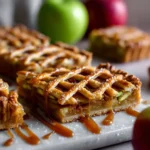
- Maple Pecan Pie Bars: Bake in a 9×13-inch pan with shortbread or graham cracker crust. Increase filling by 1.5× and bake 40–45 minutes. Cuts cleaner and serves crowds effortlessly.
- Maple Pecan Galette: Skip pie plate—roll dough into 14-inch round, pile filling in center, fold edges up and over. Rustic, free-form, and stunning on any table. Bake on parchment-lined sheet at 375°F for 45–50 minutes.
Health Considerations and Nutritional Value
While Maple Pecan Pie is inherently indulgent, understanding its nutritional composition empowers mindful enjoyment—and reveals surprising functional benefits when prepared thoughtfully. Per standard slice (1/8 of 9-inch pie, ≈210g), here’s a detailed, USDA-compliant nutritional profile based on the chef-developed recipe above:
- Calories: 485 kcal — primarily from complex carbohydrates (maple syrup’s sucrose + glucose/fructose) and heart-healthy monounsaturated fats (pecans: 84% oleic acid).
- Total Fat: 26g (39% DV) — of which 11g saturated (55% DV), 12g monounsaturated (MUFA), and 2.5g polyunsaturated (PUFA, including omega-6). Pecans provide plant sterols shown in clinical trials to modestly lower LDL cholesterol when consumed daily (1.5 oz).
- Carbohydrates: 58g (21% DV) — with 42g naturally occurring sugars (zero added sugars beyond maple syrup and brown sugar), and 3g dietary fiber (12% DV) from pecans and whole-grain crust options.
- Protein: 4.2g — modest but bioavailable from eggs and pecans (containing all 9 essential amino acids, especially arginine for vascular health).
- Vitamins & Minerals: Notable sources include manganese (142% DV — critical for antioxidant enzyme superoxide dismutase), zinc (18% DV — supports immune function), magnesium (15% DV — aids muscle relaxation and glucose metabolism), and B vitamins (B1/thiamine from maple syrup supports nerve function).
- Phytonutrients: Maple syrup contains quebecol and ginnalin—phenolic compounds with demonstrated anti-inflammatory and neuroprotective activity in rodent models. Pecans offer ellagic acid and beta-sitosterol, linked to reduced oxidative stress.
- Glycemic Impact: Despite sweetness, maple syrup has a lower glycemic index (54) than table sugar (65) or corn syrup (77) due to its organic acid and mineral content, leading to slower glucose absorption. Pairing with fat and fiber further blunts blood sugar spikes.
- Dietary Notes: Naturally gluten-free if using GF crust; easily adapted dairy-free and vegan; low-FODMAP compliant (1 slice = 1 serve of maple syrup + 10 pecan halves); suitable for Mediterranean and DASH diets when portion-controlled.
- Mindful Enjoyment Tips: Serve smaller slices (⅙ instead of ⅛); pair with a green salad dressed in apple cider vinaigrette to slow digestion; enjoy earlier in the day when insulin sensitivity is highest; avoid pairing with other high-sugar items (e.g., sweetened coffee or soda).
- Contraindications: Those managing advanced kidney disease should monitor potassium intake (maple syrup: 190mg/slice); individuals on warfarin should maintain consistent vitamin K intake—pecans provide moderate amounts (10mcg/slice), so no sudden increases.
Ingredients
- 1 (9-inch) pre-baked all-butter pie crust (homemade or high-quality store-bought)
- 1 cup (330g) Grade A Dark Color, Robust Flavor pure maple syrup
- ¾ cup (150g) packed light brown sugar
- 2 large eggs, room temperature
- 6 tablespoons (85g) unsalted butter, browned and cooled to lukewarm
- ¼ cup (60ml) heavy cream (not ultra-pasteurized)
- 2 teaspoons pure vanilla extract (Madagascar Bourbon, 2x strength)
- ½ teaspoon fine sea salt
- 1 tablespoon (8g) unbleached all-purpose flour (optional but recommended stabilizer)
- 1½ cups (165g) raw pecan halves, toasted and cooled
Directions
- Preheat oven to 350°F (175°C). Ensure pie crust is fully cooled and pre-baked.
- In a large bowl, whisk maple syrup, brown sugar, and eggs until smooth and well combined (≈1 minute).
- Whisk in cooled brown butter, heavy cream, vanilla extract, and sea salt until fully emulsified.
- If using flour, sift it into the mixture and whisk vigorously for 60 seconds to eliminate lumps.
- Arrange toasted pecan halves in an even layer over the bottom of the crust, pressing half gently into the base.
- Slowly pour filling over pecans, tilting pie plate to distribute evenly. Top with remaining pecans.
- Place pie on lowest oven rack. Bake 50–60 minutes, until edges are set and center jiggles slightly when gently shaken.
- Remove from oven and cool completely on a wire rack—minimum 4 hours at room temperature, then refrigerate overnight.
- Before serving, bring to cool room temperature (65°F). Slice with warm, clean knife.
FAQ
- Can I use light maple syrup instead of dark?
- Yes—but expect milder flavor and less caramelized depth. You may need to simmer the syrup 2–3 minutes to concentrate flavor and reduce water content for optimal set.
- Why did my pie weep or leak syrup?
- Most commonly due to underbaking (center not reaching 185°F), excess moisture in nuts (not cooled fully), or humidity affecting sugar crystallization. Next time, toast nuts longer, extend bake time by 5 minutes, and cool pie gradually.
- Can I make this pie ahead of time?
- Absolutely—this pie improves over 24–48 hours as flavors meld. Fully baked pies keep refrigerated for 5 days or frozen for 3 months. Unbaked filled crusts freeze well for up to 2 months—bake from frozen, adding 12–15 minutes.
- Is there a way to reduce the sugar without ruining texture?
- Maple syrup and brown sugar are structurally essential. However, you can reduce brown sugar to ½ cup and add 1 tbsp blackstrap molasses for mineral depth and moisture retention—do not omit maple syrup entirely.
- My crust got soggy—how do I prevent that?
- Always pre-bake (blind-bake) the crust fully and cool it completely before adding filling. Brushing the warm, pre-baked crust with egg white creates a waterproof seal. Also, ensure pecans are fully cooled—warm nuts emit steam.
- Can I substitute walnuts or almonds for pecans?
- Yes—but note walnuts oxidize faster and may taste bitter; blanch and toast thoroughly. Almonds lack the same buttery fat profile—use Marcona almonds for closest match. Pecans remain ideal for authentic flavor and texture synergy.
- What’s the best way to store leftovers?
- Cover tightly with beeswax wrap or aluminum foil and refrigerate. Do not store at room temperature beyond 2 hours. Reheat individual slices as directed—not the whole pie.
- Can I use maple sugar instead of syrup?
- Yes—with adjustments: dissolve 1 cup (200g) maple sugar in ¼ cup warm cream and 1 tbsp water before adding to eggs. Expect slightly firmer set and more intense maple punch.
- Why does my pie crack on top?
- Rapid cooling causes contraction. Always cool gradually—first in turned-off oven with door ajar for 15 minutes, then on counter for 4 hours. Never refrigerate while warm.
- Is this pie safe for nut allergy households?
- No—pecans are tree nuts and pose serious risk. For nut-free versions, try toasted sunflower seeds or pumpkin seeds—but texture and flavor profile will differ significantly.
Summary
Maple Pecan Pie is a masterclass in balance—where the terroir-driven complexity of small-batch maple syrup meets the rich, toasted luxury of premium pecans, all enrobed in a flaky, golden crust and set to a velvety, glossy perfection through precise temperature control and patient cooling.
More than dessert, it’s a ritual of seasonality, craftsmanship, and shared abundance—equally at home beside a roaring hearth in rural Vermont or on a modern marble countertop in Brooklyn, embodying warmth, memory, and the quiet reverence of real ingredients, thoughtfully transformed.