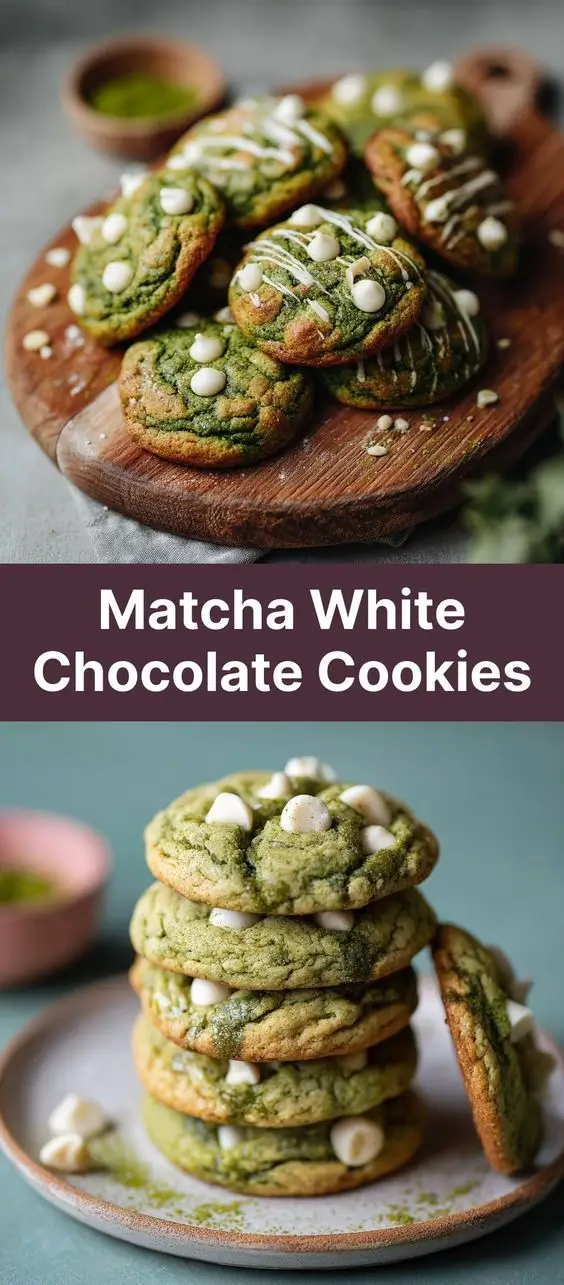
Matcha White Chocolate Cookies: A Delicate Fusion of Earthy and Sweet
The History of Matcha in Western Baking
The journey of matcha from ancient Japanese tea ceremonies to modern Western kitchens is a tale of cultural fusion and culinary innovation. Originating in China during the Tang Dynasty, matcha was later perfected in Japan, where it became central to Zen Buddhist rituals and the revered Japanese tea ceremony known as chanoyu. For centuries, matcha remained largely confined to traditional East Asian practices—until the late 20th century, when globalization and rising interest in health-conscious foods brought this vibrant green powder into international spotlight.
By the early 2000s, matcha had infiltrated smoothie bowls, lattes, and desserts across North America and Europe. Its unique combination of earthy depth and natural sweetness made it an ideal candidate for pairing with rich ingredients like white chocolate. The first documented appearance of matcha-infused baked goods in Western patisseries can be traced back to trendy cafés in cities like New York, Los Angeles, and London. It wasn’t long before bakers began experimenting with matcha in cookies, cakes, and macarons.
Matcha white chocolate cookies emerged as a beloved hybrid treat—a perfect balance between the vegetal notes of finely ground tencha leaves and the creamy sweetness of white chocolate. Unlike traditional chocolate chip cookies that rely on cocoa’s bitterness, these cookies offer a more nuanced flavor profile, appealing to those who appreciate subtlety and sophistication in their sweets. Today, they are celebrated not only for their taste but also for their striking jade-green hue, which adds visual elegance to any dessert platter.
Ingredients Breakdown: Why Each One Matters
The magic of matcha white chocolate cookies lies not just in their flavor, but in the careful selection and synergy of each ingredient. Understanding what each component contributes allows you to bake with intention and confidence.
- Unsalted Butter (1 cup, softened): Provides richness, moisture, and structure. Using unsalted butter gives you control over the salt content, ensuring the delicate matcha flavor isn’t overwhelmed.
- Granulated Sugar (3/4 cup): Adds sweetness and helps create a slightly crisp outer edge while keeping the center soft. It also aids in browning through caramelization.
- Brown Sugar (1/4 cup, packed): Contributes moisture and chewiness due to its molasses content. It deepens the overall flavor and enhances texture.
- Egg (1 large): Acts as a binder and adds structure. It also improves browning and lends a tender crumb.
- Vanilla Extract (1 tsp): Enhances aroma and rounds out the flavor profile, complementing both the matcha and white chocolate without overpowering them.
- All-Purpose Flour (2 cups): Forms the structural backbone of the cookie. Properly measured flour ensures the right balance between softness and stability.
- Pure Culinary-Grade Matcha Powder (2 tbsp): The star ingredient. High-quality ceremonial or culinary-grade matcha delivers intense color and a clean, grassy-sweet flavor. Avoid using low-grade or stale matcha, as it can taste bitter and dull.
- Baking Soda (1/2 tsp): A leavening agent that helps the cookies rise slightly and spread evenly during baking.
- Salt (1/4 tsp): Balances sweetness and heightens all other flavors. Even a small amount makes a noticeable difference.
- White Chocolate Chunks or Chips (1 1/2 cups): Offers creamy pockets of sweetness that contrast beautifully with the earthy matcha. Opt for high-cocoa-content white chocolate for better melt and flavor.
- (Optional) Melted White Chocolate for Drizzling: Adds visual appeal and an extra layer of sweetness when drizzled on cooled cookies.
Step-by-Step Recipe
Follow these detailed instructions to create perfectly balanced matcha white chocolate cookies with a soft center, slightly crisp edges, and a stunning green hue.
- Preheat Oven & Prepare Baking Sheets: Preheat your oven to 350°F (175°C). Line two or more baking sheets with parchment paper or silicone baking mats to prevent sticking and ensure even baking.
- Cream Butter and Sugars: In a large mixing bowl, beat the softened unsalted butter, granulated sugar, and brown sugar together using a hand mixer or stand mixer fitted with a paddle attachment. Mix on medium speed for 2–3 minutes until light, fluffy, and pale in color. Scrape down the sides of the bowl as needed.
- Add Wet Ingredients: Beat in the egg and vanilla extract until fully incorporated, about 1 minute. The mixture should look smooth and emulsified.
- Combine Dry Ingredients: In a separate bowl, whisk together the all-purpose flour, matcha powder, baking soda, and salt. Sift the mixture if your matcha has clumps—this ensures even distribution and prevents green streaks in the dough.
- Incorporate Dry into Wet: Gradually add the dry ingredients to the wet mixture, mixing on low speed until just combined. Do not overmix; stop as soon as no flour streaks remain.
- Fold in White Chocolate: Using a spatula, gently fold in the white chocolate chunks or chips until evenly distributed throughout the dough. At this point, the dough should be soft but hold its shape when pressed.
- Chill the Dough (Recommended): For best results, cover the dough and refrigerate for at least 30 minutes—or up to 72 hours. Chilling firms the butter, reduces spreading, intensifies flavors, and leads to a thicker, chewier cookie.
- Scoop and Shape: Use a cookie scoop or tablespoon to portion out rounded balls of dough (about 1.5 tablespoons each). Roll into smooth spheres and place them 2 inches apart on the prepared baking sheets.
- Bake: Bake one sheet at a time in the center rack of the oven for 9–11 minutes. The cookies are done when the edges are lightly golden but the centers still appear soft and puffy. They will continue to set as they cool.
- Cool and Finish: Let the cookies cool on the baking sheet for 5 minutes before transferring them to a wire rack to cool completely. If desired, drizzle with melted white chocolate once cooled.
Tips for Perfect Matcha White Chocolate Cookies
- Use High-Quality Matcha: This cannot be overstated. Cheap or oxidized matcha turns brownish and tastes bitter. Look for bright green, finely milled powder labeled “ceremonial” or “culinary grade” from reputable brands.
- Don’t Overbake: These cookies should be underbaked slightly for optimal chewiness. When removing them from the oven, they may look too soft—but they firm up perfectly during cooling.
- Measure Flour Accurately: Spoon flour into your measuring cup and level it off with a knife. Never scoop directly from the bag, as this compacts the flour and leads to dry, dense cookies.
- Chill the Dough: Skipping the chill step increases spread. Cold dough holds its shape better and develops deeper flavor complexity.
- Uniform Sizing: Use a cookie scoop to ensure consistent size and even baking. This prevents some cookies from burning while others remain raw.
- Rotate the Pan: Halfway through baking, rotate the baking sheet 180 degrees for even browning, especially if your oven has hot spots.
- Storage Tips: Store cooled cookies in an airtight container at room temperature for up to 5 days. For longer storage, freeze baked cookies for up to 3 months or freeze unbaked dough balls for quick baking later.
- Enhance Presentation: Sprinkle a pinch of matcha powder or edible gold dust over the tops before baking for a gourmet touch.
Variations and Customizations
While classic matcha white chocolate cookies are delightful on their own, there’s plenty of room for creativity. Try these variations to suit different tastes and occasions:
- Double Chocolate Matcha Cookies: Add 1/2 cup of dark chocolate chunks for a bittersweet contrast against the sweet white chocolate and earthy matcha.
- Nutty Twist: Fold in 1/2 cup of toasted chopped pistachios, almonds, or macadamia nuts for added crunch and nutty aroma.
- Lemon Zest Infusion: Add 1 tsp of finely grated lemon zest to brighten the flavor and cut through the richness of the white chocolate.
- Oatmeal Matcha Cookies: Replace 1 cup of flour with old-fashioned oats for a heartier, chewier texture reminiscent of oatmeal raisin—but with a modern twist.
- Gluten-Free Version: Substitute all-purpose flour with a 1:1 gluten-free flour blend. Ensure your matcha and other ingredients are certified gluten-free.
- Dairy-Free Option: Use plant-based butter (like Miyoko’s or Earth Balance) and dairy-free white chocolate chips (such as Enjoy Life brand).
- Vegan Adaptation: Combine dairy-free butter, flax egg (1 tbsp ground flaxseed + 3 tbsp water), and vegan white chocolate for a fully plant-based version.
- Mini Cookies: Make bite-sized versions using a teaspoon-sized scoop. Reduce baking time to 7–8 minutes for adorable party treats.
- Stuffed Cookies: Place a small square of white chocolate in the center of each dough ball before baking for a molten surprise inside.
- Seasonal Themes: Decorate with colored sprinkles for holidays, or use red-and-white chocolate chips for Valentine’s Day.
Health Considerations and Nutritional Value
While matcha white chocolate cookies are undeniably indulgent, they do carry some nutritional benefits—thanks primarily to the matcha green tea powder.
Benefits of Matcha:
- Rich in Antioxidants: Matcha contains high levels of catechins, particularly epigallocatechin gallate (EGCG), which may help reduce oxidative stress and support cellular health.
- Natural Energy Boost: Matcha provides a steady release of caffeine (about 30–35 mg per serving), promoting alertness without the jitters often associated with coffee.
- L-Theanine Content: This amino acid promotes relaxation and mental clarity, creating a calm-yet-focused state—ideal for mindful snacking.
- Metabolism Support: Some studies suggest that matcha may mildly boost metabolism and fat oxidation when combined with physical activity.
Nutritional Snapshot (Per Cookie, based on 24 cookies):
| Nutrient | Amount |
|---|---|
| Calories | 180 kcal |
| Total Fat | 10 g |
| Saturated Fat | 6 g |
| Cholesterol | 25 mg |
| Sodium | 85 mg |
| Total Carbohydrates | 22 g |
| Dietary Fiber | 0.5 g |
| Sugars | 14 g |
| Protein | 2 g |
| Caffeine (from matcha) | ~10–15 mg |
Important Notes:
- These cookies are still a treat food and should be enjoyed in moderation, especially for those monitoring sugar, saturated fat, or calorie intake.
- Individual values may vary depending on ingredient brands, exact measurements, and cookie size.
- To make them healthier, consider reducing sugar by 1–2 tablespoons or using coconut sugar. However, this may affect texture and spread.
- For protein enrichment, add 1–2 tablespoons of unflavored whey or plant-based protein powder, adjusting flour as needed.
Ingredients
- 1 cup (2 sticks / 227g) unsalted butter, softened
- 3/4 cup (150g) granulated sugar
- 1/4 cup (50g) packed brown sugar
- 1 large egg, room temperature
- 1 teaspoon pure vanilla extract
- 2 cups (250g) all-purpose flour
- 2 tablespoons (10g) high-quality culinary-grade matcha powder
- 1/2 teaspoon baking soda
- 1/4 teaspoon salt
- 1 1/2 cups (270g) white chocolate chunks or chips
- (Optional) 1/4 cup melted white chocolate for drizzling
Directions
- Preheat oven to 350°F (175°C). Line baking sheets with parchment paper.
- In a large bowl, cream together softened butter, granulated sugar, and brown sugar until light and fluffy (2–3 minutes).
- Beat in egg and vanilla extract until smooth.
- In another bowl, whisk together flour, matcha powder, baking soda, and salt. Sift if necessary.
- Gradually add dry ingredients to wet, mixing on low until just combined.
- Fold in white chocolate chunks with a spatula.
- Cover dough and chill in refrigerator for 30 minutes to 72 hours.
- Roll dough into 1.5-tablespoon balls and place 2 inches apart on baking sheets.
- Bake for 9–11 minutes, rotating pan halfway, until edges are golden but centers are soft.
- Cool on baking sheet for 5 minutes, then transfer to wire rack to cool completely.
- (Optional) Drizzle with melted white chocolate after cooling.
FAQ
Can I use any type of matcha powder?
It’s best to use culinary-grade or ceremonial-grade matcha. Avoid “matcha-flavored” powders with fillers, artificial colors, or excessive sugar, as they won’t deliver authentic flavor or vibrant color.
Why did my cookies turn out flat?
Common causes include warm dough, melted butter, too much sugar, or skipping the chilling step. Always use softened—not melted—butter and chill the dough before baking.
Can I freeze the cookie dough?
Absolutely! Portion the dough into balls and freeze on a tray. Once solid, transfer to a freezer bag. Bake straight from frozen—just add 1–2 minutes to the baking time.
Do matcha cookies taste strongly of green tea?
They have a mild, pleasant earthiness with a hint of sweetness. The white chocolate balances the vegetal note, making the flavor approachable even for matcha beginners.
Are these cookies naturally green?
Yes! The vibrant green comes entirely from real matcha powder. Low-quality matcha may result in a duller, yellowish-green color.
Can I make these without white chocolate?
You can substitute with dried white cranberries, chopped white chocolate bars, or even rainbow sprinkles for a fun twist. However, the creamy sweetness of white chocolate complements matcha best.
How long do they stay fresh?
Stored in an airtight container at room temperature, they last 4–5 days. For extended freshness, freeze for up to 3 months.
Is matcha safe for kids?
Yes, in moderation. Each cookie contains only a small amount of caffeine (similar to decaf coffee). Still, monitor consumption for young children or those sensitive to caffeine.
Summary
Indulge in the harmonious blend of earthy matcha and creamy white chocolate with these soft, chewy cookies that delight the senses and elevate everyday baking. Perfect for tea lovers, dessert enthusiasts, and anyone seeking a sophisticated twist on a classic favorite.