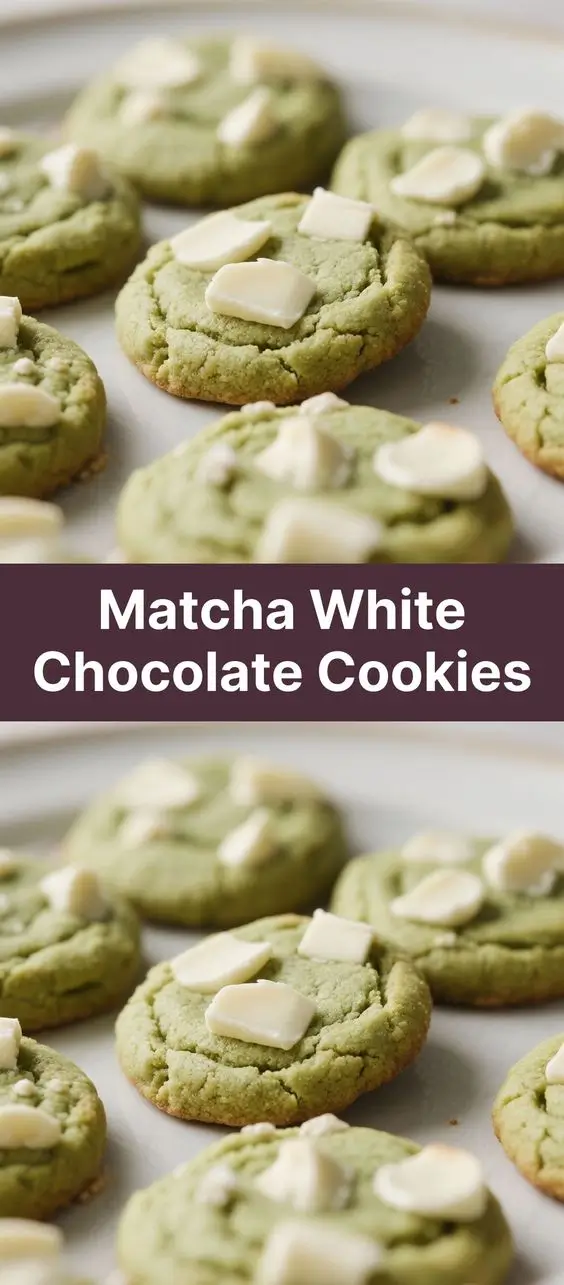
Matcha White Chocolate Cookies: A Delicate Fusion of Earthy and Sweet
The History: Where Tradition Meets Innovation
The story of Matcha White Chocolate Cookies is one that beautifully bridges cultures and culinary evolution. Matcha, a finely ground powder made from specially grown and processed green tea leaves, has been an integral part of Japanese culture for over 800 years, originating in Zen Buddhist monasteries where it was used in tea ceremonies to promote mindfulness and tranquility. The vibrant green powder symbolizes purity, harmony, and respect—core tenets of the traditional tea ceremony.
Fast forward to the modern era, where matcha’s popularity exploded globally in the early 21st century. It began appearing not just in lattes and smoothies but also in desserts—cakes, ice creams, and pastries—thanks to its unique earthy flavor and health-promoting antioxidants. Meanwhile, white chocolate, invented in the 1930s by Nestlé as a way to use excess milk powder, gained fame for its creamy sweetness and vanilla-forward profile. Though technically not “chocolate” (as it contains no cocoa solids), white chocolate became a beloved confectionary staple.
The fusion of matcha and white chocolate is a relatively recent innovation, born in the kitchens of experimental bakers and patisseries across Japan, the United States, and Europe. The pairing makes perfect sense: the grassy, slightly bitter notes of matcha balance the intense sweetness of white chocolate, creating a sophisticated flavor profile that delights both novice and experienced palates. Matcha White Chocolate Cookies emerged as a star in this trend—a cookie that’s both nostalgic and avant-garde, comforting yet exotic.
Ingredients Breakdown: Understanding What Goes Into Every Bite
To create the perfect batch of Matcha White Chocolate Cookies, each ingredient plays a crucial role—not just in flavor, but in texture, structure, and aroma. Let’s break them down:
- Unsalted Butter: Provides richness and tenderness. Using unsalted butter allows you to control the salt level precisely. It should be softened to room temperature for proper creaming with sugar.
- Granulated Sugar: Adds sweetness and helps create a slight crispness on the edges while contributing to spread during baking.
- Brown Sugar: Offers moisture and chewiness thanks to its molasses content. It also deepens the flavor with a hint of caramel.
- Egg: Acts as a binder and adds structure. One large egg is typically sufficient to hold the dough together without making it cakey.
- Vanilla Extract: Enhances overall flavor complexity. Pure extract is preferred over imitation for a more authentic taste.
- All-Purpose Flour: The structural backbone of the cookie. It provides gluten formation necessary for texture but shouldn’t be overmixed to avoid toughness.
- Cornstarch: Often added in small amounts to soften the texture and create a melt-in-your-mouth quality.
- Matcha Powder: The star ingredient. Use high-quality ceremonial-grade matcha for the best color and flavor. Culinary-grade works too but may have a more bitter edge. Avoid stale or improperly stored matcha, which turns dull yellow-green and loses potency.
- Baking Soda & Baking Powder: Leavening agents that help the cookies rise slightly and achieve a soft center. Baking soda reacts with acids (like brown sugar), while baking powder provides additional lift.
- Salt: Balances sweetness and enhances all other flavors. Fine sea salt or kosher salt works best.
- White Chocolate Chunks or Chips: Preferably high-quality with real cocoa butter. Chopping a white chocolate bar gives irregular pieces that distribute better than uniform chips.
Step-by-Step Recipe: Crafting Perfection One Batch at a Time
Making Matcha White Chocolate Cookies is a rewarding process that combines precision and patience. Follow these detailed steps for bakery-quality results every time.
- Prepare Ingredients: Take the butter and egg out of the refrigerator about 30–60 minutes ahead. They should be at room temperature to ensure even mixing.
- Whisk Dry Ingredients: In a medium bowl, sift together 2 cups all-purpose flour, 2 tablespoons cornstarch, 2 teaspoons baking powder, ½ teaspoon baking soda, ¼ teaspoon salt, and 2 tablespoons high-quality matcha powder. Sifting prevents clumps and ensures even distribution of leaveners and matcha throughout the dough.
- Cream Butter and Sugars: In a large mixing bowl, beat 1 cup (2 sticks) softened unsalted butter with ¾ cup granulated sugar and ¾ cup packed light brown sugar using a hand mixer or stand mixer on medium speed. Cream for 2–3 minutes until light, fluffy, and pale in color.
- Add Wet Ingredients: Beat in 1 large egg and 1 teaspoon pure vanilla extract. Mix until fully incorporated, scraping down the sides as needed.
- Incorporate Dry Mixture: Gradually add the dry ingredients to the wet mixture, mixing on low speed until just combined. Do not overmix—this can lead to tough cookies.
- Fold in White Chocolate: Gently fold in 1½ cups chopped white chocolate or high-quality white chocolate chunks using a spatula. Ensure even distribution.
- Chill the Dough: Cover the bowl with plastic wrap and refrigerate for at least 1 hour (up to 72 hours). Chilling solidifies the butter, prevents excessive spreading, intensifies flavor, and improves texture.
- Preheat Oven: Preheat your oven to 350°F (175°C). Line two baking sheets with parchment paper or silicone baking mats.
- Scoop and Shape: Use a cookie scoop (about 2 tablespoons per cookie) to portion the dough. Roll into balls and place them at least 2 inches apart on the baking sheet. For extra thickness, flatten slightly with the palm of your hand.
- Bake: Bake for 10–12 minutes until the edges are set and the centers appear just done. They will continue to firm up as they cool. Rotate pans halfway through for even baking.
- Cool: Let cookies cool on the baking sheet for 5 minutes before transferring to a wire rack to cool completely.
Tips for Perfect Matcha White Chocolate Cookies
Even with a great recipe, small details make a big difference. Here are expert tips to elevate your baking game:
- Use Ceremonial-Grade Matcha: This type is smoother, sweeter, and less bitter than culinary-grade. While more expensive, it delivers superior flavor and a vivid green hue.
- Sift the Matcha: Matcha clumps easily. Always sift it with the dry ingredients to avoid green specks or uneven flavor bursts.
- Don’t Skip the Chill: Refrigerating the dough is non-negotiable. It controls spread, enhances chewiness, and allows flavors to meld.
- Uniform Scooping: Use a #40 cookie scoop (or tablespoon measure) for consistent size and even baking.
- Avoid Overbaking: These cookies should look slightly underdone when removed from the oven. Residual heat finishes the cooking process.
- Rotate Pans: Ovens have hot spots. Rotating the tray halfway ensures even browning.
- Use Quality White Chocolate: Cheap white chocolate often contains vegetable oils and artificial flavors. Opt for brands like Lindt, Ghirardelli, or Valrhona for a creamy, rich taste.
- Store Properly: Keep cooled cookies in an airtight container at room temperature for up to 5 days. Freeze dough balls for up to 3 months—bake straight from frozen, adding 1–2 minutes to baking time.
Variations and Customizations: Make It Your Own
While classic Matcha White Chocolate Cookies are divine, feel free to experiment. Here are inspired variations:
- Matcha White Chocolate Macadamia: Add ¾ cup chopped macadamia nuts for a buttery crunch reminiscent of tropical Hawaii.
- Double Matcha: Infuse the white chocolate by melting it with a bit of matcha and drizzling it over baked cookies for an extra layer of flavor.
- Lemon Zest Addition: Add 1 tablespoon of finely grated lemon zest to brighten the earthy matcha and cut through the sweetness.
- Gluten-Free Version: Substitute all-purpose flour with a 1:1 gluten-free baking blend. Add ¼ teaspoon xanthan gum if not already included.
- Vegan Adaptation: Replace butter with vegan butter (e.g., Miyoko’s), egg with a flax egg (1 tbsp ground flax + 3 tbsp water), and use dairy-free white chocolate.
- Mini Cookies: Use a teaspoon-sized scoop for bite-sized treats perfect for parties or cookie platters.
- Stuffed Cookies: Place a small square of white chocolate in the center of each dough ball before baking for a gooey surprise.
- Sea Salt Finish: Sprinkle a pinch of flaky sea salt on top of each cookie right after baking for a sweet-salty contrast.
Health Considerations and Nutritional Value
While cookies are inherently indulgent, Matcha White Chocolate Cookies offer some surprising benefits—especially when made with care.
Matcha Advantages: Matcha is rich in catechins, particularly epigallocatechin gallate (EGCG), a powerful antioxidant linked to reduced inflammation, improved brain function, and enhanced metabolism. Because you consume the whole leaf (unlike steeped green tea), matcha delivers a higher concentration of nutrients. It also contains L-theanine, an amino acid that promotes calm alertness—perfect for balancing the mild caffeine content.
Nutritional Profile (Per Cookie, Approximate):
- Calories: ~180–200
- Total Fat: 10–12g (mostly from butter and white chocolate)
- Saturated Fat: 6–7g
- Carbohydrates: 22–25g
- Sugars: 14–16g
- Protein: 2g
- Fiber: 0.5–1g
- Caffeine: ~15–25mg per cookie (from matcha)
Considerations:
- Sugar Content: Due to both white and brown sugars plus sweet white chocolate, these cookies are high in added sugars. Enjoy in moderation, especially for those managing blood sugar levels.
- Dairy and Allergens: Contains dairy (butter, white chocolate) and eggs. Not suitable for vegans or individuals with allergies unless modified.
- Gluten: Standard recipe uses wheat flour. Gluten-sensitive individuals should use certified gluten-free alternatives.
- Balanced Indulgence: Pair with a cup of green tea or herbal infusion to slow consumption and enhance digestion.
Ingredients
- 1 cup (2 sticks / 226g) unsalted butter, softened
- ¾ cup (150g) granulated sugar
- ¾ cup (165g) packed light brown sugar
- 1 large egg, room temperature
- 1 teaspoon pure vanilla extract
- 2 cups (250g) all-purpose flour
- 2 tablespoons (16g) cornstarch
- 2 tablespoons (10g) high-quality ceremonial-grade matcha powder
- 2 teaspoons baking powder
- ½ teaspoon baking soda
- ¼ teaspoon fine sea salt
- 1½ cups (270g) high-quality white chocolate chunks or chopped bar
Directions
- In a medium bowl, whisk together flour, cornstarch, matcha powder, baking powder, baking soda, and salt. Sift if necessary to remove lumps. Set aside.
- In a large mixing bowl, beat softened butter, granulated sugar, and brown sugar together on medium speed until light and fluffy (about 2–3 minutes).
- Add the egg and vanilla extract. Beat until fully combined, scraping down the sides of the bowl.
- Gradually add the dry ingredients to the wet mixture, mixing on low speed until just incorporated. Do not overmix.
- Fold in white chocolate chunks using a silicone spatula until evenly distributed.
- Cover the dough and refrigerate for at least 1 hour (or up to 3 days).
- Preheat oven to 350°F (175°C). Line baking sheets with parchment paper.
- Using a cookie scoop, portion dough into 2-tablespoon balls. Place 2 inches apart on prepared sheets.
- Bake for 10–12 minutes, rotating pans halfway, until edges are set and centers appear just firm.
- Cool on baking sheet for 5 minutes, then transfer to wire racks to cool completely.
FAQ
Q: Can I use culinary-grade matcha instead of ceremonial?
A: Yes, but expect a stronger, more bitter flavor and less vibrant color. For best results, stick to ceremonial-grade.
Q: Why did my cookies turn yellow or brown?
A: Likely due to low-quality or old matcha. Exposure to heat, light, or air degrades matcha quickly. Store in an airtight container in the fridge and use within 1–2 months of opening.
Q: Can I freeze the cookie dough?
A: Absolutely! Portion into balls and freeze on a tray. Once solid, transfer to a freezer bag. Bake from frozen—add 1–2 minutes to baking time.
Q: My cookies spread too much. What went wrong?
A: Common causes include warm dough, melted butter, insufficient flour, or skipping the chill step. Always chill dough, measure flour correctly (spoon and level), and ensure accurate oven temperature.
Q: Can I reduce the sugar?
A: Reducing sugar may affect texture and spread. If desired, try reducing each sugar by ¼ cup, but note that cookies may be drier and less tender.
Q: Are these cookies safe for kids?
A: Yes, though they contain a small amount of caffeine from matcha. One cookie has less caffeine than a cup of tea, so generally safe in moderation.
Summary
Indulge in the harmonious blend of earthy matcha and creamy white chocolate with these soft, chewy cookies that deliver elegance in every bite. Perfect for tea time, gifting, or satisfying a sophisticated sweet craving.