Introduction
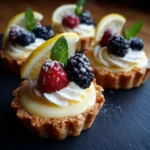
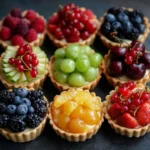
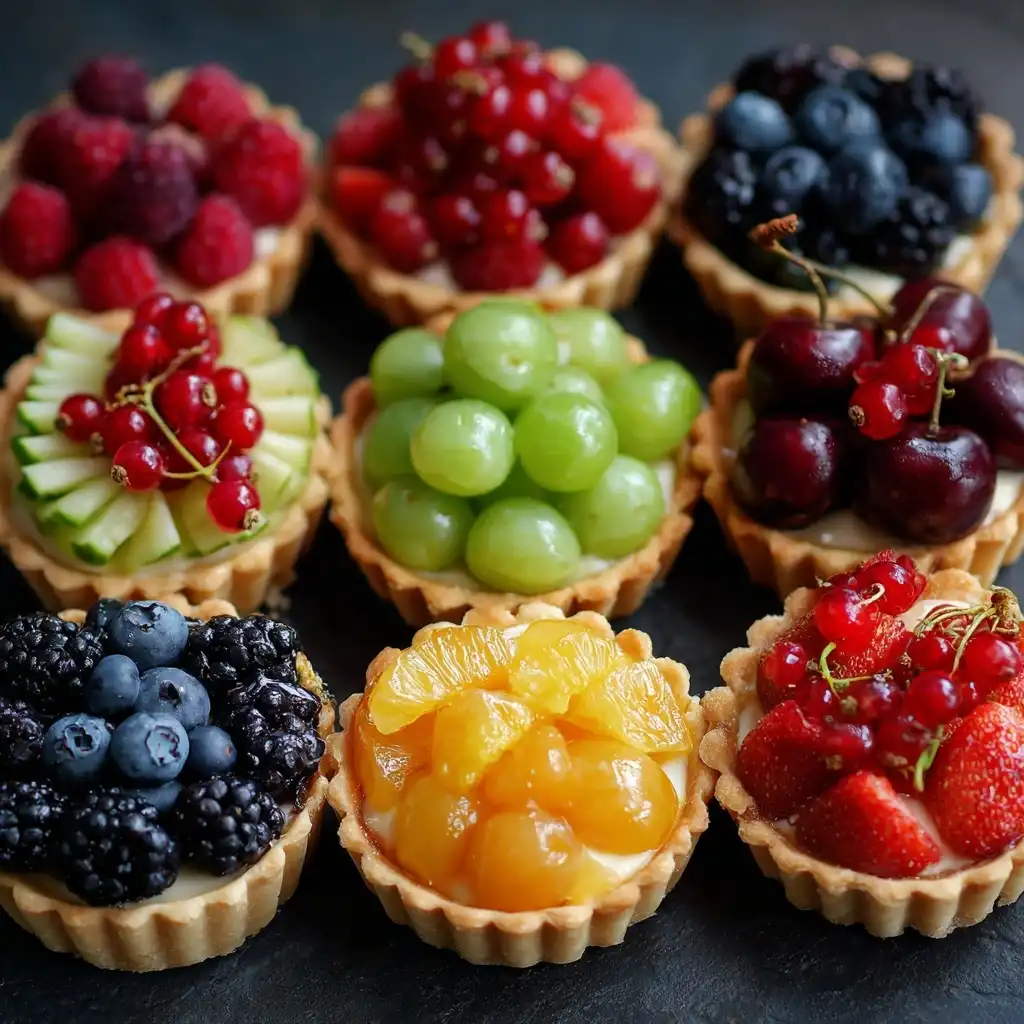
Mini Fruit Tartlets are the epitome of elegant simplicity—bite-sized, buttery pastry shells filled with luscious custard or pastry cream and crowned with vibrant, seasonal fresh fruits. Perfect for afternoon tea, bridal showers, holiday buffets, or even as a sophisticated dessert for weeknight entertaining, these petite tarts deliver big flavor, visual charm, and textural harmony in every delicate mouthful. Their miniature scale invites creativity, encourages portion control, and makes them ideal for serving diverse palates without overwhelming guests. Whether you’re a seasoned baker or a curious beginner, mastering Mini Fruit Tartlets opens the door to endless customization while building foundational skills in pastry making, custard preparation, and fruit presentation.
The History
The lineage of the fruit tart traces back centuries through European confectionery traditions. While rustic fruit-filled pastries appeared across medieval Europe—particularly in France and England—the refined, structured tartlet emerged more distinctly during the 17th and 18th centuries in French haute pâtisserie. Early versions used simple shortcrust (pâte brisée) or sweetened shortbread-like doughs (pâte sucrée), baked blind to ensure crispness before being filled with cooked fruit preserves or early forms of crème pâtissière—a custard thickened with egg yolks and flour or cornstarch. The “mini” iteration gained momentum in the mid-20th century alongside the rise of canapés and cocktail-party culture, where bite-sized desserts became essential for ease of service and aesthetic cohesion. By the 1980s and ’90s, culinary television and glossy food magazines popularized the polished, jewel-toned mini tartlet—often styled with geometric fruit arrangements and glossy apricot glaze—as a hallmark of modern patisserie. Today, Mini Fruit Tartlets honor that legacy while embracing global influences—from matcha-infused creams in Japanese-inspired versions to tropical mango-passionfruit fillings reflecting Caribbean and Southeast Asian flavors—proving that tradition and innovation coexist beautifully in every tiny shell.
Ingredients Breakdown
Understanding each component is key to achieving balance, texture, and stability in Mini Fruit Tartlets:
- Tart Shells (Pâte Sucrée): All-purpose flour provides structure; confectioners’ sugar ensures tenderness and subtle sweetness without graininess; unsalted butter contributes richness, flakiness, and that signature melt-in-the-mouth quality; egg yolk adds binding power, moisture, and golden color; a pinch of salt enhances all other flavors and balances sweetness.
- Pastry Cream (Crème Pâtissière): Whole milk forms the creamy base and carries infused aromatics (like vanilla bean or citrus zest); granulated sugar sweetens and helps stabilize the custard; egg yolks act as the primary thickener and lend luxurious silkiness; cornstarch or flour prevents curdling and ensures smooth, spoonable consistency; high-quality vanilla extract—or scraped seeds from a real vanilla bean—adds depth and complexity; a touch of butter at the end enriches mouthfeel and imparts shine.
- Fruit Topping: Fresh, ripe, in-season fruit is non-negotiable for peak flavor and firm texture—berries, stone fruits, kiwi, grapes, figs, and citrus segments all work beautifully. Underripe fruit lacks sweetness and aroma; overripe fruit turns mushy and releases excess water, risking soggy shells. Fruit should always be thoroughly dried before arranging to prevent condensation and maintain crispness.
- Finishing Glaze: A warm, strained apricot glaze (made from sieved apricot jam + water + lemon juice, gently heated) adds subtle fruity sweetness, professional sheen, and a light protective barrier that seals in freshness and prevents browning. Alternatives include neutral apple jelly, peach preserves, or even a delicate honey-lemon syrup for a refined, less traditional finish.
Step-by-Step Recipe
- Prepare the Pâte Sucrée Dough: In a food processor, pulse cold cubed butter and confectioners’ sugar until sandy. Add flour and salt; pulse to combine. Add egg yolk and 1–2 tsp ice water; pulse just until dough begins to clump. Turn onto parchment, flatten into a disc, wrap tightly, and chill for at least 2 hours (or up to 3 days).
- Preheat & Prep Molds: Preheat oven to 350°F (175°C). Lightly grease standard 24-cup mini muffin tin—or use non-stick silicone mini tart molds (preferred for easy release and clean edges).
- Roll & Line Tart Shells: On a lightly floured surface, roll chilled dough to 1/8-inch thickness. Using a 2.5-inch round cutter (or inverted small glass), cut circles. Gently press each into muffin cups, ensuring even thickness and no air pockets. Trim excess with a paring knife. Prick bases with a fork. Freeze for 15 minutes.
- Bake Blind: Line shells with parchment and fill with pie weights or dry beans. Bake 15 minutes. Remove weights and parchment; bake 8–10 minutes more until golden and dry to the touch. Cool completely in pan on a wire rack (~20 min), then carefully unmold.
- Make Pastry Cream: Heat milk, half the sugar, and vanilla bean (or extract) in a saucepan until steaming (do not boil). Whisk remaining sugar, cornstarch, and egg yolks in a bowl until pale and thick. Slowly pour hot milk into yolk mixture while whisking constantly. Return to saucepan; cook over medium-low heat, whisking continuously, until thick, bubbling, and coats the back of a spoon (~5–7 min). Strain immediately into a clean bowl. Press plastic wrap directly onto surface. Chill 3+ hours (preferably overnight).
- Fill & Assemble: Whip chilled pastry cream briefly with a spatula to loosen. Pipe or spoon 1–1.5 tsp into each cooled shell using a piping bag fitted with a plain round tip (#5 or #6). Smooth tops gently.
- Arrange Fruit: Pat fruit pieces completely dry with paper towels. Arrange artfully—halved strawberries fan outward, blueberries cluster in threes, kiwi slices form concentric rings, figs lay flat with seeds facing up. Prioritize color contrast and symmetry.
- Glaze: Warm apricot jam with 1 tsp water and ¼ tsp lemon juice in a small saucepan over low heat. Strain through a fine-mesh sieve. Using a soft pastry brush, gently coat each fruit piece with a thin, even layer of glaze. Let set 5 minutes before serving.
Tips
- Chill Everything: Cold butter, cold dough, and cold baking vessels prevent shrinkage and promote flaky, sturdy shells. Never skip the freezing step before blind baking.
- Blind Baking Is Non-Negotiable: Skipping weights leads to puffing, bubbling, or slumping shells. Use ceramic pie weights or dried beans—they’re reusable and effective.
- Avoid Soggy Bottoms: Ensure shells are fully cooled before filling—and fill no more than 2 hours before serving. If prepping ahead, store unfilled shells airtight at room temperature for up to 2 days, or freeze for 1 month.
- Stabilize Your Cream: For make-ahead reliability, add ½ tsp unflavored gelatin (bloomed in 1 tbsp cold water) to the hot pastry cream just before straining. This prevents weeping and holds shape beautifully, especially in humid climates.
- Master the Glaze Temperature: Too hot = melts cream and blurs fruit edges. Too cool = streaky or cloudy. Aim for 105–110°F (40–43°C)—warm to the touch but not steaming.
- Use the Right Knife: When cutting fruit, opt for a serrated paring knife for berries and stone fruits to minimize crushing; a sharp chef’s knife works best for firmer fruits like apples or pears (tossed in lemon juice first).
- Work in Batches: Fill and garnish tartlets in stages—not all at once—to maintain consistent texture and appearance. Assemble the final batch just before serving for maximum freshness.
- Test Doneness Visually: A perfectly baked shell has an even golden hue—not pale (underbaked) nor dark amber (overbaked and bitter). Edges should be crisp; base should feel dry, not soft or doughy.
Variations and Customizations
The versatility of Mini Fruit Tartlets invites endless reinvention across flavor profiles, dietary needs, and cultural inspirations:
- Dietary Adaptations: Gluten-free? Substitute 1:1 GF flour blend (with xanthan gum) in the pâte sucrée. Vegan? Use cold-pressed coconut oil or vegan butter, flax “egg” (1 tbsp ground flax + 2.5 tbsp water), and cornstarch-thickened coconut milk pastry cream. Dairy-free? Almond or oat milk works beautifully in custard—just add ¼ tsp extra cornstarch per cup to compensate for lower protein content.
- Flavor-Infused Shells: Add 1 tbsp finely grated orange zest + ½ tsp orange blossom water to dough for citrus elegance; fold in 1 tsp matcha powder for earthy vibrancy; or stir in 2 tbsp crushed toasted pistachios for nutty crunch and visual appeal.
- Cream Variations: Lemon curd offers bright acidity and glossy sheen; mascarpone whipped cream delivers airy richness; coconut crème anglaise adds tropical nuance; chocolate ganache (white or dark) creates decadent contrast beneath ruby-red raspberries.
- Global Twists: Japanese: Yuzu-infused cream + shiso leaf garnish + black sesame crust. Mediterranean: Lavender-honey pastry cream + fresh figs + candied rose petals + crushed amaretti. Tropical: Mango-coconut pastry cream + dragon fruit + toasted coconut flakes + lime zest. French Provincial: Black currant coulis swirl + fresh red currants + violet sugar dusting.
- Seasonal Rotations: Spring: Rhubarb compote + strawberry + edible violets. Summer: Peach-raspberry coulis + nectarine + mint. Autumn: Poached pear + caramel drizzle + walnut crumble. Winter: Blood orange segments + pomegranate arils + cardamom cream.
- Textural Accents: Sprinkle with flaky sea salt before glazing for savory-sweet balance; add a quenelle of crème fraîche or Greek yogurt for tang; top with micro basil, chervil, or edible flowers for herbaceous freshness and visual drama.
Health Considerations and Nutritional Value
While Mini Fruit Tartlets are inherently indulgent, mindful ingredient choices and portion awareness can enhance their nutritional profile without sacrificing pleasure:
- Calorie Awareness: A single 2.5-inch tartlet (shell + 15g cream + 20g fruit + glaze) averages 90–130 calories—significantly less than full-size tarts or slice-of-cake portions. Their small size naturally supports mindful eating and portion control.
- Fruit Benefits: Fresh fruit contributes fiber, vitamins (notably C and K), antioxidants (anthocyanins in berries, lycopene in watermelon), and natural enzymes. Choosing deeply pigmented fruits maximizes phytonutrient density.
- Healthy Fats: Butter contains fat-soluble vitamins (A, D, E, K) and butyrate—a gut-supportive short-chain fatty acid. For heart-health focus, substitute up to 25% of butter with cold-pressed avocado or walnut oil in the dough.
- Sugar Moderation: Traditional recipes use refined sugar, but alternatives like coconut sugar (lower glycemic index) or monk fruit blend (zero-calorie, heat-stable) work well in both dough and pastry cream—though texture may vary slightly. Reduce sugar in cream by up to 25% without compromising stability.
- Allergen Notes: Naturally nut-free and soy-free (when using pure butter and dairy), but easily adapted for common allergens. Always label clearly when serving—especially for gluten, dairy, egg, or tree nut sensitivities.
- Digestibility: The combination of fat (butter), protein (eggs, dairy), and fiber (fruit) slows gastric emptying, promoting satiety and stable blood sugar—unlike highly refined, sugar-dominant desserts.
- Mindful Indulgence: These tartlets exemplify the “quality over quantity” philosophy: rich ingredients used intentionally, minimal processing, and celebration of whole-food components—making them a nourishing treat rather than mere empty calories.
Ingredients
For the Pâte Sucrée Tart Shells (Makes 24)
- 1 ¼ cups (155g) all-purpose flour, plus extra for dusting
- ½ cup (60g) confectioners’ sugar, sifted
- ¼ tsp fine sea salt
- ½ cup (115g) unsalted butter, very cold and cubed
- 1 large egg yolk, cold
- 1–2 tsp ice water, as needed
For the Vanilla Pastry Cream (Crème Pâtissière) (Makes ~1 ½ cups)
- 1 ¼ cups (300ml) whole milk
- ¼ vanilla bean, split and seeds scraped (or 1 ½ tsp pure vanilla extract)
- ⅓ cup (65g) granulated sugar, divided
- 3 large egg yolks
- 3 tbsp (24g) cornstarch
- 2 tbsp (28g) unsalted butter, cold and cubed
- Pinch of salt
For Assembly & Garnish
- 1 ½–2 cups mixed seasonal fresh fruit (e.g., strawberries, blueberries, kiwi, blackberries, raspberries, mango, figs), washed, dried, and cut uniformly
- ½ cup (120g) apricot jam (preferably seedless)
- 1 tsp water
- ¼ tsp fresh lemon juice
- Optional: edible flowers, mint leaves, or micro herbs for finishing
Directions
- Make the Dough: In a food processor, combine flour, confectioners’ sugar, and salt. Pulse 2–3 times to mix. Add cold butter cubes; pulse until mixture resembles coarse crumbs with some pea-sized butter pieces remaining (~10 one-second pulses). Add egg yolk and 1 tsp ice water; pulse just until dough begins to gather into clumps. If too dry, add second tsp water. Turn dough onto parchment; gather into a disc, wrap tightly, and refrigerate minimum 2 hours (up to 3 days).
- Preheat & Prepare Pan: Position rack in center of oven. Preheat to 350°F (175°C). Lightly grease a 24-cup mini muffin tin or prepare silicone mini tart molds.
- Roll & Cut: On a lightly floured surface, roll chilled dough to ⅛-inch thickness. Using a 2.5-inch round cutter, stamp out discs. Gently lift each with an offset spatula and press into prepared molds—press firmly into bottom and up sides, smoothing seams. Trim excess dough flush with rim using a paring knife. Prick base 3–4 times with fork. Place entire pan in freezer for 15 minutes.
- Blind Bake: Line frozen shells with parchment and fill with pie weights or dried beans. Bake 15 minutes. Carefully lift out parchment with weights. Return shells to oven and bake 8–10 minutes more, until evenly golden brown and dry-looking. Transfer pan to wire rack; cool completely (~20 minutes). Gently pop out shells. Cool fully before filling (at least 30 more minutes).
- Prepare Pastry Cream: In a heavy-bottomed saucepan, combine milk, vanilla bean pod + seeds (or extract), and half the sugar (⅙ cup). Bring to a gentle simmer over medium heat—do not boil. Meanwhile, whisk remaining sugar, cornstarch, egg yolks, and pinch of salt in a heatproof bowl until pale and thick (~1 minute). Slowly pour about ½ cup hot milk into yolk mixture while whisking vigorously. Then slowly whisk yolk mixture back into saucepan. Cook over medium-low heat, whisking constantly and scraping bottom/sides, until mixture thickens, bubbles gently, and coats the back of a spoon (5–7 minutes). Immediately strain through a fine-mesh sieve into a clean bowl. Stir in cold butter until fully melted and incorporated. Discard vanilla pod if used. Press plastic wrap directly onto surface. Refrigerate minimum 3 hours—preferably overnight.
- Assemble: Give pastry cream a gentle stir with a spatula to soften. Fit a piping bag with a plain round tip (#5 or #6) and fill with cream. Pipe 1–1.5 tsp into each cooled shell, leveling off with a small offset spatula or butter knife. Arrange fruit neatly on top—patting each piece dry first. Refrigerate assembled tartlets for 15 minutes to set.
- Glaze: In a small saucepan, combine apricot jam, water, and lemon juice. Heat over low heat, stirring, until melted and smooth (~2 minutes). Remove from heat and strain through fine-mesh sieve into a small bowl. Let cool slightly until warm—not hot (~105°F). Using a soft silicone pastry brush, gently apply a thin, even coat over all fruit surfaces. Let rest 5 minutes before serving.
- Serve: Enjoy within 2 hours of assembly for optimal texture. Store unfilled shells airtight at room temperature up to 2 days, or freeze up to 1 month. Filled tartlets (unglazed) keep refrigerated 6–8 hours; glazed tartlets are best served same-day.
FAQ
- Can I make the tart shells ahead?
- Absolutely. Baked, unfilled shells keep airtight at room temperature for 2 days, refrigerated for up to 5 days, or frozen for 1 month. Thaw frozen shells at room temperature 30 minutes before filling.
- Why did my pastry cream curdle?
- Curdling usually occurs from overheating (boiling too vigorously) or adding hot milk too quickly to yolks without tempering. Always temper yolks slowly, whisk constantly while cooking, and never let the mixture reach a full rolling boil. If minor lumps appear, strain immediately.
- How do I prevent fruit from bleeding color onto the cream?
- Pat fruit *extremely* dry before placing. Avoid juicy fruits like watermelon or overripe peaches. Berries benefit from a light dusting of powdered sugar 5 minutes before assembly—it draws out excess moisture. Glazing promptly also forms a seal.
- Can I use store-bought pastry cream?
- You can—but most commercial versions contain stabilizers and artificial flavors that mute freshness. For best results and superior texture, homemade is strongly recommended. If using store-bought, choose a high-fat, minimally processed brand and chill thoroughly before piping.
- My shells shrank while baking. What went wrong?
- Common causes: dough wasn’t sufficiently chilled before baking, was overworked (developing gluten), or wasn’t frozen before blind baking. Also, pressing dough too thinly in the base or stretching it while lining molds encourages shrinkage.
- What’s the best fruit for summer tartlets?
- Strawberries, raspberries, blackberries, blueberries, peaches, nectarines, plums, and cherries all shine. Pair tart berries with sweet cream; pair sweet stone fruits with lemon-kissed or lavender-infused cream for balance.
- Can I freeze assembled tartlets?
- Not recommended. Freezing causes fruit to weep, cream to separate, and shells to lose crispness. Freeze only unbaked dough or fully baked, unfilled shells.
- How do I achieve a glossy, professional glaze?
- Straining is essential to remove jam solids. Reheat gently—never boil post-straining. Apply with a clean, soft brush in one direction, then rotate and repeat for full coverage. Let set 5 minutes before serving for maximum shine.
- Can I make these gluten-free?
- Yes—with excellent results. Substitute 1:1 gluten-free all-purpose flour blend containing xanthan gum. Add ½ tsp extra xanthan gum to dough if blend doesn’t include it. Chill dough 30 minutes longer before rolling, as GF dough is more fragile.
- What tools make this recipe easier?
- Mini muffin tin with straight-sided cups, silicone tart molds (for flawless release), food processor (for perfect dough texture), fine-mesh sieve (for silky cream and smooth glaze), piping bags with small round tips, offset spatula, bench scraper, and a digital kitchen scale (for precision).
Summary
Mini Fruit Tartlets are a timeless, versatile, and visually stunning dessert that marries classic French pastry technique with seasonal, whole-food ingredients—offering endless opportunities for creative expression and thoughtful customization.
With crisp buttery shells, velvety pastry cream, and jewel-toned fresh fruit finished with a glossy apricot glaze, they deliver restaurant-worthy elegance in every delicate, hand-held bite—perfect for celebrations, gatherings, or simply savoring life’s sweetest, simplest pleasures.