Introduction
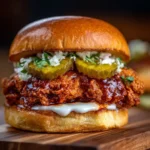
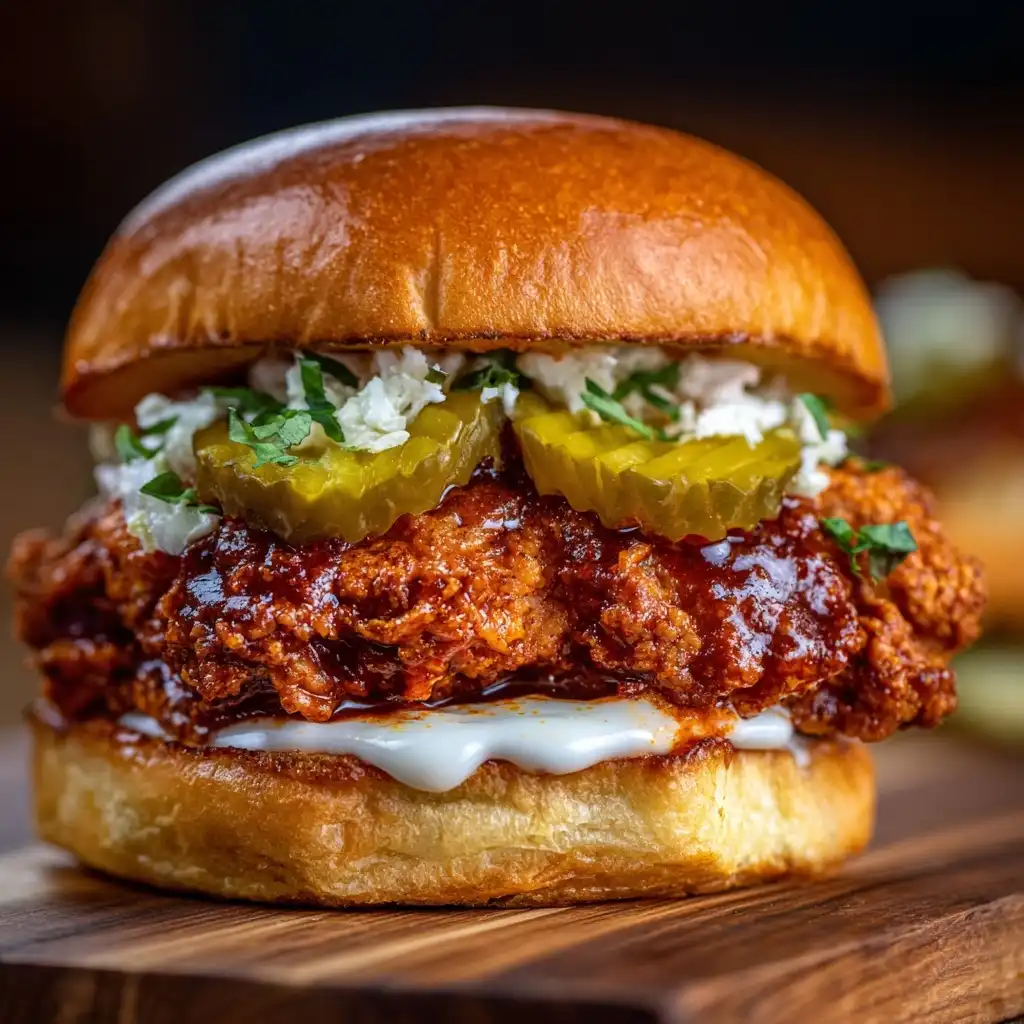
The Nashville Hot Chicken Sandwich is more than just a meal—it’s a cultural phenomenon, a fiery testament to Southern ingenuity, and a beloved staple of American comfort food with global appeal. Originating in the vibrant music city of Nashville, Tennessee, this bold, spicy, and deeply flavorful sandwich combines perfectly crisp, double-fried chicken breast or thigh with a signature cayenne-laced hot oil glaze, nestled between soft, butter-toasted brioche or white bread and balanced with cooling, creamy accompaniments like pickles and buttermilk ranch. Its unapologetic heat, textural contrast, and soulful authenticity have propelled it from a local secret to a nationwide obsession—appearing on menus from James Beard Award-winning restaurants to food trucks, grocery store freezer aisles, and home kitchens across continents. Whether you’re a seasoned heat-seeker or a curious newcomer, the Nashville Hot Chicken Sandwich invites you to experience Southern hospitality at its most electrifying: fiery, generous, and unforgettable.
The History
The roots of Nashville Hot Chicken trace back to the 1930s in the historically Black neighborhood of North Nashville, where it emerged not as a gimmick—but as an act of culinary retribution, resilience, and resourcefulness. According to widely accepted oral history, Thornton Prince—a charismatic local man known for his late-night escapades—returned home one morning after a particularly rowdy evening. His girlfriend, frustrated by his behavior, decided to “teach him a lesson” by spiking his fried chicken with an unusually heavy dose of cayenne pepper. To her surprise—and perhaps dismay—Thornton loved it. He recognized something special in that searing, smoky, aromatic heat, and soon began refining the recipe in his family’s kitchen. By 1945, he and his sister, Pearl, opened Prince’s Hot Chicken Shack on Jefferson Street—a cornerstone of Nashville’s thriving African American business and cultural corridor during segregation. There, they perfected the technique: marinating chicken overnight in buttermilk and spices, pressure-frying it to golden perfection, then brushing it liberally with a sizzling blend of lard (later adapted to vegetable oil), cayenne, brown sugar, garlic powder, paprika, and black pepper. For decades, Prince’s remained a local treasure, passed down through generations and fiercely guarded in technique and flavor. It wasn’t until the early 2000s—bolstered by features in national publications like Saveur and Food & Wine, followed by viral social media moments and celebrity endorsements—that Nashville Hot Chicken exploded beyond Middle Tennessee. Today, it stands as a powerful symbol of Black culinary heritage, regional pride, and the transformative power of flavor—its legacy preserved by institutions like Prince’s, Bolton’s Spicy Chicken & Fish, Hattie B’s, and countless home cooks who honor its origins while evolving its expression.
Ingredients Breakdown
Every element of the Nashville Hot Chicken Sandwich plays a deliberate, synergistic role—balancing heat, fat, acid, crunch, and creaminess. Understanding each component deepens both appreciation and execution:
- Chicken: Traditionally boneless, skinless chicken thighs (preferred for their rich fat content, tenderness, and ability to absorb marinade) or breasts (leaner, firmer texture). Thighs yield juicier, more forgiving results—especially crucial when frying and coating in hot oil.
- Buttermilk Marinade: Acts as both tenderizer and flavor carrier. The lactic acid breaks down proteins gently, while the tang complements the spice. Full-fat buttermilk delivers superior richness and adhesion for breading.
- Dry Brine (Optional but Recommended): A light salting of chicken 1–2 hours before marinating enhances seasoning penetration and improves moisture retention during frying.
- Seasoned Flour Blend: All-purpose flour forms the base, enriched with cornstarch (for extra crispness and lighter texture), baking powder (for subtle lift and airiness), and a foundational spice mix—paprika (smoky-sweet depth), garlic powder, onion powder, dried oregano, white pepper, and cayenne (for baseline warmth).
- Frying Oil: Neutral high-smoke-point oils are essential—peanut, canola, or high-oleic sunflower oil. Traditional Nashville purveyors often use refined lard or shortening for unmatched richness and crust integrity, though modern adaptations favor plant-based alternatives for accessibility and dietary needs.
- Hot Oil Glaze (“The Heat”): The soul of the dish. Made by heating oil (traditionally lard or vegetable oil) with a custom spice blend—cayenne pepper (the dominant heat source), smoked paprika (for earthy complexity), brown sugar (to round sharp heat and add subtle caramel notes), garlic powder, onion powder, dry mustard, ground cumin, white pepper, and a pinch of cinnamon or clove (for aromatic nuance). The temperature of the oil when poured over fried chicken is critical: too cool, and the glaze won’t adhere; too hot, and it risks burning the spices or cooking the chicken further.
- Bread: Soft, slightly sweet, and sturdy enough to hold up to grease and sauce without disintegrating. Classic choices include milk bread, brioche buns (buttery and tender), potato rolls, or even Texas toast—always lightly toasted or griddled in butter for structural integrity and added richness.
- Cooling Accoutrements: Essential for flavor equilibrium. Dill pickle chips (thin, crisp, vinegary) cut through fat and heat. Buttermilk-based ranch or comeback sauce (a Southern mayonnaise-based condiment with ketchup, horseradish, Worcestershire, and spices) provides cooling creaminess and umami depth. Some variations include thinly sliced raw red onion or quick-pickled onions for brightness and bite.
- Optional Garnishes: Fresh cilantro, crumbled blue cheese, crumbled bacon, pickled jalapeños, or a drizzle of honey-bourbon glaze for sweet-heat contrast.
Step-by-Step Recipe
Makes 4 sandwiches | Total time: ~3 hours (includes marinating)
- Prepare the Chicken: Pat 4 boneless, skinless chicken thighs (about 1.5 lbs total) *very* dry with paper towels. Place in a large bowl. In a separate bowl, whisk together 2 cups full-fat buttermilk, 2 tbsp hot sauce (Frank’s RedHot or Crystal), 1 tbsp apple cider vinegar, 1 tsp kosher salt, 1 tsp black pepper, 1 tsp garlic powder, and 1 tsp onion powder. Pour marinade over chicken, ensuring each piece is fully submerged. Cover and refrigerate for *at least 4 hours*, preferably *overnight* (12–18 hours ideal).
- Dry Brine (Optional but Highly Recommended): 1–2 hours before marinating, lightly season chicken with ½ tsp kosher salt per thigh and let rest uncovered in the fridge. This step significantly improves texture and seasoning depth.
- Prepare the Seasoned Flour: In a shallow dish or large pie plate, combine 1½ cups all-purpose flour, ¼ cup cornstarch, 1 tbsp baking powder, 1 tbsp smoked paprika, 1 tsp garlic powder, 1 tsp onion powder, 1 tsp dried oregano, ½ tsp white pepper, ½ tsp cayenne pepper, 1 tsp brown sugar, and 1½ tsp kosher salt. Whisk thoroughly and set aside.
- Heat the Oil: In a heavy-bottomed Dutch oven or deep cast-iron skillet, pour 2–3 inches of peanut or canola oil. Heat over medium-high heat to 350°F (175°C). Use a deep-fry thermometer for accuracy—maintaining consistent temperature is vital for even cooking and optimal crispness.
- Bread the Chicken: Remove chicken from marinade one piece at a time, letting excess drip off. Dredge thoroughly in seasoned flour, pressing firmly to ensure full, even coating. Shake off excess. Place breaded pieces on a wire rack set over parchment paper. Let rest for 5–10 minutes—this allows the coating to hydrate and adhere better during frying.
- First Fry (Par-Fry): Carefully lower 2–3 pieces into hot oil (do not overcrowd). Fry for 6–7 minutes, turning once halfway, until golden brown and cooked through (internal temp 165°F/74°C). Remove with tongs or a spider strainer and place on a wire rack over a baking sheet to drain. Let cool slightly (5 minutes)—this sets the crust and prepares for the second fry.
- Second Fry (Crisp Fry): Increase oil temperature to 375°F (190°C). Return chicken to oil in batches and fry for 2–3 minutes until deeply golden, ultra-crisp, and blistered. Remove and drain again on wire rack. Let rest 2 minutes—this allows internal steam to escape and prevents sogginess when glazed.
- Prepare the Hot Oil Glaze: While chicken rests, prepare the glaze. In a small, heavy saucepan, combine ½ cup neutral oil (or lard), 2–4 tbsp cayenne pepper (adjust to heat preference), 1 tbsp smoked paprika, 1 tsp garlic powder, 1 tsp onion powder, 1 tsp dry mustard, ½ tsp ground cumin, ½ tsp white pepper, 1 tsp brown sugar, ¼ tsp ground cinnamon, and ½ tsp kosher salt. Warm over low heat for 3–4 minutes, stirring constantly, until fragrant and just beginning to bubble at the edges. Do *not* let it smoke or brown—remove from heat immediately once spices are fully infused (approx. 220–240°F / 105–115°C). Let sit 1 minute to settle.
- Glaze the Chicken: Working quickly and carefully (glaze is extremely hot), use a pastry brush or spoon to generously coat *both sides* of each fried chicken piece with the warm (not scalding-hot) oil mixture. Brush in one direction for even coverage. The glaze should shimmer and cling—not pool. Place glazed chicken back on the wire rack for 1–2 minutes to allow slight absorption and cooling.
- Toast the Buns: While chicken glazes, split 4 brioche buns and toast them cut-side down in a skillet with 1 tbsp unsalted butter over medium heat until golden brown and crisp (2–3 min). Alternatively, bake in a 375°F (190°C) oven for 4–5 minutes.
- Assemble the Sandwiches: Spread 1 tbsp buttermilk ranch or comeback sauce on the bottom bun. Layer with 1 glazed chicken thigh. Top generously with 3–4 thin dill pickle chips and a small handful of thinly sliced red onion (optional). Drizzle with an additional ½ tsp glaze or a touch of honey for balance (optional). Cap with top bun. Serve immediately—while hot, crispy, and gloriously messy.
Tips
- Temperature is Everything: Use a reliable deep-fry thermometer. Oil that’s too cool leads to greasy, soggy chicken; too hot causes burning and uneven cooking. Maintain 350°F for first fry, 375°F for second fry.
- Don’t Skip the Double Fry: The two-stage process creates unparalleled crispness. First fry cooks the chicken and sets the crust; second fry puffs and shatters the exterior for maximum crunch and moisture retention.
- Marinate Overnight: Extended buttermilk marination dramatically improves tenderness, flavor penetration, and breading adhesion. Even 4 hours helps—but 12+ is transformative.
- Press the Coating: When dredging, press the flour mixture firmly onto the chicken with your palms. This creates a thicker, more textured crust that holds up to glazing and stacking.
- Let Glaze Cool Slightly: If the hot oil glaze is poured directly from boiling heat, it can overcook the chicken surface or cause the spices to burn and turn bitter. Let it rest 60–90 seconds off heat before brushing.
- Work in Small Batches: Glaze only 1–2 pieces at a time to prevent cooling and separation. Keep remaining glaze warm over very low heat (stirring gently) if assembling multiple sandwiches.
- Use a Wire Rack, Not Paper Towels: Draining fried chicken on a wire rack prevents steam buildup and keeps the bottom crust crisp—critical for sandwich integrity.
- Toast Buns in Butter, Not Oil: Butter adds richness, color, and a subtle sweetness that complements the heat. Clarified butter prevents burning.
- Balance Heat with Acid & Fat: Never skip the pickles—they’re non-negotiable for palate cleansing. Ranch or comeback sauce isn’t just garnish; it’s functional counterpoint.
- Protect Your Hands: Wear disposable gloves when handling cayenne-heavy glaze, and avoid touching your face or eyes. Wash hands thoroughly with soap and cool water (not hot, which opens pores and intensifies burn).
- Scale Heat Thoughtfully: Start with 2 tbsp cayenne for “Medium.” 3 tbsp = “Hot.” 4+ tbsp = “Nashville Fire.” Remember: heat builds over time—what tastes manageable at first may intensify after 2–3 bites.
- Fresh Spices Matter: Ground cayenne, paprika, and spices lose potency after 6–12 months. Buy from reputable spice merchants or grind whole chilies yourself for peak aroma and heat clarity.
Variations and Customizations
The beauty of Nashville Hot Chicken lies in its adaptability—honoring tradition while inviting creativity. Here are thoughtfully curated variations, tested for balance and authenticity:
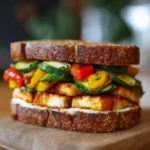
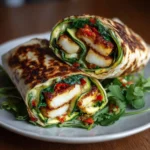
- Vegetarian/Vegan Nashville Hot “Chicken”: Use thick-cut, pressed tofu, seitan cutlets, or king oyster mushroom “scallopini” (sliced lengthwise, pounded thin). Marinate in buttermilk substitute (soy or oat milk + lemon juice + nutritional yeast + miso paste), then follow same breading and double-fry method. Glaze with vegan oil blend (add ½ tsp liquid smoke for depth). Serve on vegan brioche with cashew ranch and house-made pickles.
- Brined & Smoked Hybrid: After dry brining, cold-smoke chicken thighs for 30–45 minutes over hickory or cherry wood before marinating and frying. Adds a subtle, sophisticated layer of wood-fired complexity beneath the heat.
- Breakfast Hot Chicken Sandwich: Swap brioche for a toasted English muffin or buttermilk biscuit. Top glazed chicken with a runny sunny-side-up egg, melted American cheese, and a swipe of chipotle-maple syrup. Serve with maple-dusted sweet potato fries.
- Gourmet Upscale Version: Use heritage-breed chicken thighs, pan-sear then finish in oven for controlled crispness. Glaze with a reduction of hot oil, bourbon, blackstrap molasses, and orange zest. Serve on toasted brioche with whipped feta, candied pecans, and micro arugula.
- Low-Oil Air Fryer Adaptation: For health-conscious cooks: double-dredged chicken is air-fried at 400°F (200°C) for 12–15 min, flipping halfway, until internal temp reaches 165°F. Glaze is applied post-cook using a fine-mist oil sprayer infused with spices—or brushed with a thinned glaze mixed with 1 tsp honey and 1 tsp vinegar for tackiness.
- Global Fusion Twists:
- Korean-Inspired: Add gochujang and toasted sesame oil to glaze; top with kimchi slaw and scallions.
- Mexican-Inspired: Infuse glaze with ancho and chipotle powders; serve with avocado crema, pickled red onions, and cotija.
- Japanese-Inspired: Use shichimi togarashi in glaze; serve on milk bun with yuzu-kosho ranch and nori strips.
- Dietary Modifications:
- Gluten-Free: Substitute rice flour + tapioca starch blend for all-purpose flour; use GF-certified spices and sauces.
- Keto/Low-Carb: Replace flour with almond flour + psyllium husk + grated Parmesan; fry in avocado oil; serve in lettuce cups or keto buns.
- Whole30/Paleo: Use coconut aminos instead of hot sauce in marinade; glaze with compliant spices and avocado oil; serve in collard green wraps with avocado crema.
- Sauce Swaps: While ranch and comeback are classics, try Alabama white sauce (mayo, vinegar, horseradish, black pepper), pimento cheese spread, roasted garlic aioli, or a cooling cucumber-dill yogurt sauce.
- Heat Level Tiers (Official Nashville-Inspired Scale):
- “Mild”: 1 tbsp cayenne + 1 tsp chipotle powder (smoky, approachable)
- “Medium”: 2 tbsp cayenne + ½ tsp cayenne-infused oil (balanced heat)
- “Hot”: 3 tbsp cayenne + ½ tsp ground habanero (intense, lingering)
- “X-Hot”: 4 tbsp cayenne + ¼ tsp ghost pepper powder (extreme, for experienced eaters only)
- “Fire”: 5 tbsp cayenne + ⅛ tsp Carolina Reaper extract (not recommended for home use—strictly professional)
Health Considerations and Nutritional Value
A single Nashville Hot Chicken Sandwich (using chicken thighs, brioche bun, standard glaze, ranch, and pickles) typically contains approximately 720–850 calories, 42–50g protein, 45–55g total fat (12–16g saturated), 45–55g carbohydrates (including 6–8g sugars), and 1,100–1,800mg sodium—depending on portion size, oil absorption, and glaze quantity. While undeniably indulgent, thoughtful preparation can enhance its nutritional profile without sacrificing authenticity:
- Protein Powerhouse: Chicken thighs offer more monounsaturated fats (heart-healthy), zinc, iron, and B vitamins (especially B6 and niacin) than breasts—supporting metabolism, immunity, and energy production. Removing excess skin before cooking reduces saturated fat by ~30%.
- Spice Benefits: Cayenne pepper contains capsaicin—a compound shown in clinical studies to temporarily boost metabolic rate, reduce appetite, and possess anti-inflammatory properties. Paprika contributes antioxidant-rich carotenoids like capsanthin and beta-carotene.
- Smart Frying Practices: Using high-oleic sunflower or avocado oil (rich in vitamin E and stable at high heat) minimizes formation of harmful oxidation byproducts compared to reused or overheated conventional oils. Filtering and reusing oil up to 3–4 times (if properly stored and strained) reduces waste and environmental impact.
- Reducing Sodium Strategically: Cut table salt in marinade and flour by 25%, rely on herb-forward seasoning (oregano, thyme, smoked paprika), and use low-sodium hot sauce or make your own (vinegar, cayenne, garlic, no salt added). Pickles contribute ~250mg sodium per serving—opt for reduced-sodium or homemade versions.
- Adding Functional Veggies: Layer in grilled zucchini ribbons, roasted poblano strips, or shredded purple cabbage slaw for fiber, antioxidants, and volume without significant calorie increase.
- Portion Awareness: Serve with a substantial side of roasted sweet potatoes, charred broccoli, or black-eyed pea salad—high-fiber, nutrient-dense accompaniments that promote satiety and balance blood sugar response.
- Considerations for Specific Diets:
- High Blood Pressure: Prioritize low-sodium glaze, skip added salt in marinade, choose whole-grain bun, and emphasize potassium-rich toppings (avocado, tomato, spinach).
- Diabetes-Friendly: Opt for leaner chicken breast, air-fry or oven-bake instead of deep-fry, use sugar-free glaze (replace brown sugar with monk fruit blend), and pair with non-starchy veggie sides.
- GERD/Acid Reflux: Avoid excessive cayenne, skip vinegar-heavy marinades, use mild paprika instead of smoked, and incorporate soothing elements like ripe banana slices or almond milk-based ranch.
- Myth-Busting: Contrary to popular belief, moderate spicy food does *not* cause ulcers (H. pylori bacteria and NSAID use are primary causes) and may even support gastric mucosal health. However, those with active gastritis or IBS-D should proceed cautiously and consult a healthcare provider.
Ingredients
For the Chicken & Marinade:
- 4 boneless, skinless chicken thighs (1.5 lbs / 680g), trimmed of excess fat
- 2 cups full-fat buttermilk
- 2 tbsp Frank’s RedHot Original Cayenne Pepper Sauce (or Crystal)
- 1 tbsp apple cider vinegar
- 1½ tsp kosher salt (plus more for optional dry brine)
- 1 tsp freshly ground black pepper
- 1 tsp garlic powder
- 1 tsp onion powder
For the Seasoned Flour:
- 1½ cups all-purpose flour (or gluten-free 1:1 blend)
- ¼ cup cornstarch
- 1 tbsp baking powder
- 1 tbsp smoked paprika
- 1 tsp garlic powder
- 1 tsp onion powder
- 1 tsp dried oregano
- ½ tsp white pepper
- ½ tsp cayenne pepper (for baseline heat)
- 1 tsp brown sugar
- 1½ tsp kosher salt
For Frying:
- 2–3 inches neutral frying oil (peanut, canola, or high-oleic sunflower), approx. 4–5 cups
For the Hot Oil Glaze:
- ½ cup neutral frying oil or refined lard
- 2–4 tbsp cayenne pepper (see Heat Level Guide above)
- 1 tbsp smoked paprika
- 1 tsp garlic powder
- 1 tsp onion powder
- 1 tsp dry mustard
- ½ tsp ground cumin
- ½ tsp white pepper
- 1 tsp brown sugar
- ¼ tsp ground cinnamon
- ½ tsp kosher salt
For Assembly:
- 4 brioche buns (or preferred sandwich roll), split and buttered
- ½ cup buttermilk ranch dressing or comeback sauce
- 12–16 thin dill pickle chips (Kosher-style preferred)
- ¼ cup thinly sliced red onion (optional, or quick-pickled)
- Extra virgin olive oil or honey (optional finishing drizzle)
Directions
- Marinate the Chicken: In a large non-reactive bowl, whisk together buttermilk, hot sauce, apple cider vinegar, 1½ tsp kosher salt, black pepper, garlic powder, and onion powder. Add chicken thighs, ensuring fully submerged. Cover and refrigerate for 4–18 hours.
- Prepare Dry Brine (Optional): 1–2 hours before marinating, season chicken lightly with ½ tsp kosher salt per thigh. Refrigerate uncovered.
- Make Seasoned Flour: In a wide, shallow dish, combine flour, cornstarch, baking powder, smoked paprika, garlic powder, onion powder, oregano, white pepper, cayenne, brown sugar, and 1½ tsp kosher salt. Whisk until uniform. Set aside.
- Heat Oil: In a heavy 5–6 qt Dutch oven, add oil to 2–3 inch depth. Heat over medium-high heat to 350°F (175°C). Maintain with thermometer.
- Bread Chicken: Remove chicken from marinade, letting excess drip. Dredge each piece thoroughly in seasoned flour, pressing firmly. Place on wire rack. Rest 5–10 min.
- First Fry: Fry 2–3 pieces at 350°F for 6–7 min, turning once, until golden and cooked through (165°F internal). Drain on wire rack. Rest 5 min.
- Second Fry: Raise oil to 375°F (190°C). Fry same pieces 2–3 min until ultra-crisp and deeply golden. Drain again. Rest 2 min.
- Make Glaze: In small saucepan, combine oil and all glaze spices. Warm over low heat 3–4 min, stirring constantly, until fragrant and just bubbling. Remove from heat. Rest 1 min.
- Glaze Chicken: Brush both sides of each piece generously with warm glaze. Let rest 1–2 min on rack.