Introduction
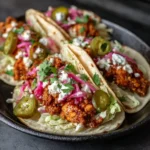
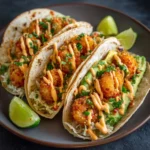
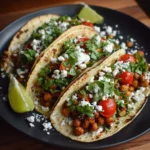
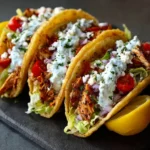
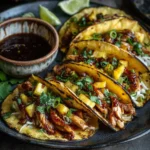
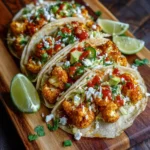
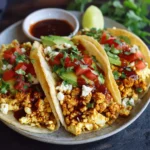
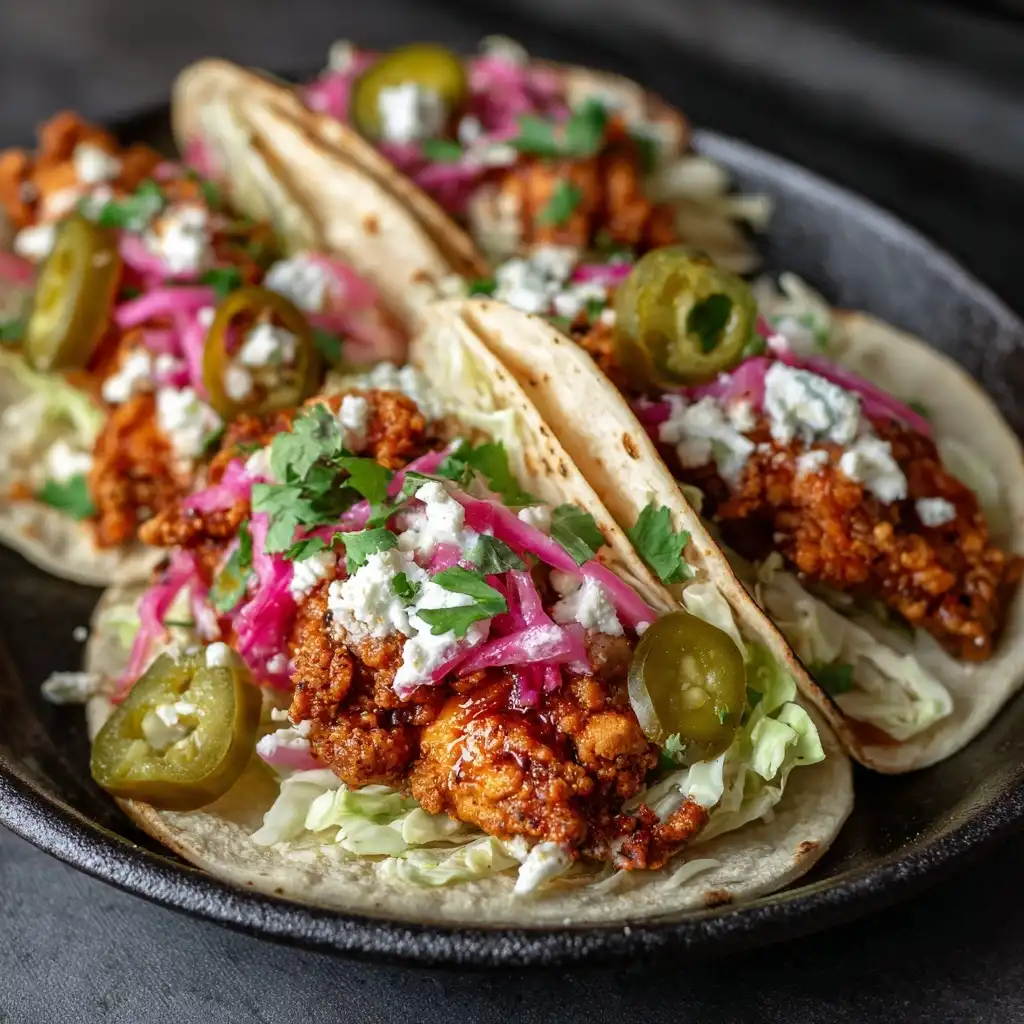
Nashville Hot Chicken Tacos are a bold, boundary-pushing fusion dish that marries the fiery, soul-satisfying legacy of Southern fried chicken with the vibrant, handheld versatility of Mexican street food. Born from the creative cross-pollination of regional American cuisines and modern culinary experimentation, these tacos reimagine the iconic heat-and-sweet balance of Nashville’s legendary hot chicken—traditionally served on white bread with pickles—as a dynamic, customizable, and deeply flavorful taco experience. Crispy, spice-laced chicken rests atop warm corn or flour tortillas and is elevated with cooling, tangy, and texturally rich accompaniments: pickled red onions, creamy avocado crema, fresh cilantro, crumbled queso fresco, and a bright lime squeeze. More than just a trendy mashup, Nashville Hot Chicken Tacos represent a celebration of culinary audacity—where tradition meets improvisation, heat meets harmony, and every bite delivers crunch, fire, freshness, and comfort in equal, exhilarating measure.
The History
The roots of Nashville Hot Chicken trace back to the 1930s–1940s in Nashville, Tennessee, where folklore credits Thornton Prince—a charismatic local chef and owner of Prince’s Hot Chicken Shack—with inventing the dish as a spicy “revenge meal” for a jilted lover. Whether apocryphal or authentic, the story underscores the dish’s defiant, unapologetic spirit. Prince began marinating and frying chicken in a proprietary blend of cayenne, brown sugar, paprika, garlic powder, and other spices, then finishing it with a sizzling, oil-based “hot sauce” poured directly over the freshly fried bird. Over decades, Prince’s became a cultural institution, inspiring generations of chefs and spawning countless variations across Music City—from mild “medium” to face-melting “XX Hot.” Meanwhile, tacos have long been central to Mexican-American foodways, evolving regionally across the U.S. into everything from Tex-Mex staples to gourmet street food innovations. The convergence of these two traditions gained serious traction in the early 2010s, as food trucks and upscale casual restaurants in cities like Austin, Los Angeles, and Atlanta began experimenting with hot chicken as taco protein. Chefs recognized the natural synergy: the chicken’s crispy crust holds up beautifully against soft tortillas; its deep umami and sweet-heat profile complements classic taco toppings; and its inherent boldness invites playful customization. By the mid-2010s, Nashville Hot Chicken Tacos had secured a permanent place on menus nationwide—and today, they’re a beloved fixture at festivals, pop-ups, supper clubs, and home kitchens alike, symbolizing a deliciously democratic evolution of American food culture.
Ingredients Breakdown
Every exceptional Nashville Hot Chicken Taco relies on thoughtfully layered ingredients—each contributing texture, temperature contrast, acidity, fat, heat, and aroma. Let’s explore them in detail:
- Fried Chicken: Boneless, skinless chicken thighs are preferred over breasts for their higher fat content, superior moisture retention during frying, and richer flavor absorption—essential when carrying intense spice. Thighs remain juicy even after double-dredging and high-heat frying.
- Dry Brine & Buttermilk Marinade: A dual-stage tenderizing process begins with a salt-sugar dry brine (often with onion/garlic powder) applied 1–4 hours ahead. This draws out moisture, then reabsorbs seasoned liquid for deeper flavor and improved texture. Followed by a buttermilk soak (minimum 2 hours, ideally overnight), which further tenderizes via lactic acid while adding subtle tang and helping the breading adhere.
- Flour Blend: All-purpose flour forms the base, but many chefs add cornstarch (15–25% by weight) for extra crispness and reduced gumminess. Some incorporate toasted cornmeal or rice flour for nuanced grit and golden color.
- Hot Sauce Base: The signature “Nashville glaze” isn’t vinegar-forward like Louisiana-style hot sauces—it’s an oil-infused, spice-saturated paste. Typically made by whisking together melted shortening or neutral oil (like peanut or grapeseed), cayenne pepper (the true heat engine), smoked paprika (for depth and earthiness), brown sugar (to temper heat and build caramelized complexity), garlic powder, onion powder, dried oregano, and a touch of cumin or mustard powder. Optional additions include ground chipotle for smokiness, Korean gochugaru for fruity heat, or a splash of apple cider vinegar for brightness.
- Tortillas: Double-warmed 6-inch corn tortillas offer authentic earthiness, pliability, and structural integrity—especially when lightly charred on a comal or skillet. Flour tortillas (preferably restaurant-grade, high-fat varieties) provide chewier softness and better heat retention—ideal for serving immediately. Many chefs use a hybrid approach: two stacked corn tortillas for authenticity and sturdiness.
- Cooling Counterpoints: Pickled red onions (quick-pickled in lime juice, apple cider vinegar, sugar, and salt) deliver sharp acidity and vibrant color. A house-made avocado crema—blended ripe Hass avocado, sour cream or Mexican crema, lime zest and juice, garlic, and cilantro—offers lush richness and herbal brightness. Fresh jalapeños or serranos add vegetal heat without oiliness.
- Finishing Elements: Crumbled queso fresco or cotija contributes salty, milky tang and delicate granular texture. Thinly sliced radishes add peppery crunch and visual freshness. Micro-cilantro or whole-leaf cilantro lends aromatic lift. A final generous squeeze of fresh lime juice ties all components together with essential acidity.
Step-by-Step Recipe
- Prep the Chicken (1–24 hours ahead): Pat 1.5 lbs boneless, skinless chicken thighs completely dry. In a small bowl, combine 1 tbsp kosher salt, 1 tsp brown sugar, 1 tsp garlic powder, 1 tsp onion powder, and ½ tsp black pepper. Rub evenly over chicken, cover, and refrigerate for at least 1 hour—or up to 24 hours for maximum penetration.
- Buttermilk Soak: In a large bowl or resealable bag, whisk together 1.5 cups buttermilk, 2 tbsp hot sauce (Frank’s RedHot or similar), 1 tbsp yellow mustard, 1 tsp smoked paprika, and 1 tsp Worcestershire sauce. Add brined chicken, ensuring full submersion. Refrigerate for minimum 2 hours, preferably 8–12 hours.
- Prepare Dredge: In a wide, shallow dish, combine 1.5 cups all-purpose flour, ¼ cup cornstarch, 1 tbsp baking powder (for extra lift and crispness), 1 tbsp smoked paprika, 2 tsp garlic powder, 2 tsp onion powder, 1 tsp dried oregano, 1 tsp ground cumin, ½ tsp cayenne (for baseline heat), and 1 tsp black pepper. Whisk thoroughly and set aside.
- Fry the Chicken: Heat 2–3 inches of peanut or canola oil in a heavy-bottomed Dutch oven or cast-iron pot to 350°F (use a deep-fry thermometer). Remove chicken from buttermilk, letting excess drip off—do not shake or pat. Dredge each piece thoroughly in flour mixture, pressing firmly to adhere. Shake off loose flour. Carefully lower into hot oil—do not overcrowd (fry in 2–3 batches). Fry for 5–6 minutes per side, or until deep golden brown and internal temperature reaches 165°F. Transfer to a wire rack set over a baking sheet; let rest 2–3 minutes.
- Make the Hot Glaze: While chicken rests, prepare glaze: In a small saucepan over low heat, warm ½ cup peanut oil or lard until shimmering (~275°F). Whisk in ¼ cup cayenne pepper, 2 tbsp smoked paprika, 2 tbsp light brown sugar, 1 tbsp garlic powder, 1 tbsp onion powder, 1 tsp dried oregano, ½ tsp ground cumin, ½ tsp mustard powder, and ¼ tsp black pepper. Simmer gently for 2–3 minutes—do not boil—to bloom spices and meld flavors. Remove from heat and stir in 1 tsp apple cider vinegar and ½ tsp lime juice.
- Glaze & Rest: Using tongs, dip each fried chicken piece into the hot glaze, coating fully. Place glazed pieces back on the wire rack. Let rest 3–5 minutes—this allows glaze to set slightly and prevents immediate grease bleed into tortillas.
- Warm Tortillas: Heat a dry cast-iron skillet or comal over medium-high heat. Warm each corn tortilla for ~30 seconds per side until pliable and lightly blistered. Stack wrapped in a clean kitchen towel or cloth-lined tortilla warmer to retain steam and flexibility.
- Assemble Tacos: Place one warm tortilla on a plate. Top with 1–2 oz glazed chicken (torn or sliced for easier eating). Spoon generously with pickled red onions, drizzle with avocado crema, scatter crumbled queso fresco and radish slices, garnish with cilantro leaves, and finish with a generous squeeze of fresh lime juice. Serve immediately.
Tips
- Temperature Control Is Non-Negotiable: Use a reliable deep-fry thermometer—oil below 340°F yields greasy, soggy chicken; above 375°F burns the breading before the interior cooks. Maintain steady 350°F throughout frying.
- Double-Dip for Maximum Crunch: For ultra-crispy results, dredge chicken in flour, dip back in buttermilk (lightly), then dredge again in flour—pressing firmly both times. This creates a shaggy, multi-layered crust that holds glaze beautifully.
- Let Glaze Cool Slightly Before Applying: If glaze is too hot (>220°F), it will melt off the chicken instead of adhering. Let it cool 1–2 minutes off heat before dipping—warm enough to coat, cool enough to cling.
- Prep Components Ahead: Make pickled onions up to 5 days ahead; avocado crema (with extra lime juice) stays vibrant for 2 days refrigerated; dry spice blends last months in airtight jars. Fry chicken just before service—but you can fry, glaze, and hold on a wire rack in a 200°F oven for up to 20 minutes if needed.
- Adjust Heat Thoughtfully: Cayenne varies wildly in Scoville units. Start with 3 tbsp for medium heat (not mild)—you can always add more cayenne to the glaze later. Keep a small bowl of plain honey or maple syrup nearby to offer guests a quick sweet counterpoint.
- Tortilla Technique Matters: Never microwave corn tortillas—they steam into mush. Always dry-heat them. For extra pliability, wrap warmed tortillas in foil for 5 minutes before serving—steam softens them without compromising integrity.
- Serve Immediately—But Strategically: Assemble tacos tableside or in front of guests whenever possible. The contrast between searing-hot chicken, cool crema, and crisp garnishes is fleeting—and magical. Have all components pre-portioned and within arm’s reach.
- Oil Reuse & Disposal: Strain cooled frying oil through cheesecloth into a sealed container. Reuse up to 3 times for frying—just watch for darkening or smoke point drop. Never pour oil down the drain; solidify with ice, scoop into trash, or recycle at a local collection center.
Variations and Customizations
The beauty of Nashville Hot Chicken Tacos lies in their incredible adaptability—easily tailored to dietary needs, flavor preferences, seasonal availability, and cultural inspiration. Here’s how to make them your own:
- Dietary Adaptations: For gluten-free tacos, swap AP flour for a 1:1 GF blend containing xanthan gum, and use certified GF corn tortillas. For dairy-free, omit buttermilk (substitute unsweetened almond milk + 1 tbsp apple cider vinegar, rested 5 min), skip cheese, and make crema with avocado + coconut yogurt + lime. Vegan versions use battered and fried oyster mushrooms or pressed, marinated tofu “thighs,” glazed with a smoky, cayenne-forward oil blend.
- Heat-Level Spectrum: Mild: Reduce cayenne to 1 tbsp, add 1 tbsp sweet paprika; finish with honey drizzle. Medium: Standard ¼ cup cayenne + 1 tsp chipotle powder. Hot: Add 1 tsp ghost pepper powder *off heat* or 1 finely minced habanero to glaze. XX Hot: Infuse oil with dried Carolina Reaper flakes before making glaze—and serve with warning labels and milk on standby.
- Regional Twists: Texas-Style: Swap brown sugar for molasses; add 1 tsp ancho chile powder and top with pickled jalapeños + charred sweet corn. Korean-Inspired: Use gochujang + gochugaru in glaze; top with kimchi slaw and toasted sesame. Caribbean Fusion: Add allspice, ginger, and orange zest to marinade; glaze with scotch bonnet-infused oil; garnish with mango-jalapeño salsa.
- Protein Swaps: Try hot-glazed smoked turkey breast (brined 12 hrs, then cold-smoked then fried), crispy duck confit (shredded and tossed in glaze), or even grilled shrimp brushed with diluted glaze and finished with lime zest.
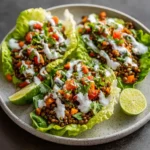
- Tortilla Innovations: Blue corn tortillas add earthy sweetness and stunning color. Cassava or plantain tortillas bring tropical starchiness and gluten-free heft. For low-carb, use large butter lettuce cups or grilled portobello “shells.”
- Garnish Galaxy: Elevate with candied pecans for crunch and sweetness; crumbled bacon for smoky salt; roasted tomatillo salsa for green tang; black garlic aioli for umami depth; or microgreens like pea shoots or radish sprouts for delicate freshness.
- Breakfast Version: Serve on warm flour tortillas with scrambled eggs folded into the hot chicken, topped with avocado crema, crumbled cotija, and pickled red onions—perfect for brunch or late-night cravings.
Health Considerations and Nutritional Value
While Nashville Hot Chicken Tacos are undeniably indulgent, mindful preparation and thoughtful ingredient choices can significantly improve their nutritional profile—without sacrificing flavor or authenticity. A standard serving (2 tacos, ~6 oz chicken, 2 small corn tortillas, 2 tbsp crema, ¼ cup pickled onions, 1 oz cheese, garnishes) contains approximately 580–690 calories, 32–42g protein, 28–38g total fat (8–12g saturated), 45–55g carbohydrates, and 6–9g fiber. Key health considerations include:
- Fat Quality Matters: Choosing heart-healthy frying oils like high-oleic sunflower, avocado, or peanut oil (rich in monounsaturated fats) over hydrogenated shortenings or palm oil reduces trans fats and improves lipid profiles. Lard—when sourced from pasture-raised pigs—is also a traditional, nutrient-dense option rich in vitamin D and choline.
- Sodium Awareness: The glaze and brine contribute significant sodium (≈900–1,300mg per serving). Reduce salt in brine by 30%, skip added salt in flour dredge, and rely on spice complexity—not just salt—for flavor. Opt for low-sodium soy sauce or coconut aminos in marinades for umami without excess sodium.
- Spice as Medicine: Cayenne pepper contains capsaicin—a compound shown in clinical studies to support metabolism, reduce inflammation, and improve circulation. Smoked paprika provides antioxidant-rich carotenoids like capsanthin. Garlic and onion powders retain allicin precursors with cardiovascular benefits.
- Fiber & Micronutrient Boost: Corn tortillas offer resistant starch and B vitamins; avocado crema delivers heart-healthy monounsaturated fats, potassium, and folate; pickled onions supply prebiotic fiber (inulin) and vitamin C; radishes add glucosinolates linked to detoxification support.
- Balancing Blood Sugar: The combination of high-quality protein, healthy fats, and complex carbs slows glucose absorption. Adding a side of roasted sweet potato or black bean puree further stabilizes energy release—ideal for sustained satiety.
- Portion Intelligence: Serving three smaller tacos (4-inch tortillas) instead of two large ones encourages mindful eating and portion control. Pair with a simple arugula salad dressed in lime vinaigrette to increase volume and micronutrient density without added calories.
- Allergen Transparency: Clearly label common allergens: gluten (in flour dredge and some tortillas), dairy (in buttermilk, crema, cheese), eggs (if used in batter), and tree nuts (if using nut oils). Offer dedicated GF/DF prep stations when serving groups.
Ultimately, Nashville Hot Chicken Tacos can absolutely fit into a balanced, joyful, and health-conscious lifestyle—when approached with intention, respect for ingredients, and culinary creativity.
Ingredients
For the Chicken & Brine:
- 1.5 lbs boneless, skinless chicken thighs, trimmed and cut into 2-inch strips
- 1 tbsp kosher salt
- 1 tsp light brown sugar
- 1 tsp garlic powder
- 1 tsp onion powder
- ½ tsp freshly ground black pepper
For the Buttermilk Marinade:
- 1.5 cups full-fat buttermilk
- 2 tbsp Frank’s RedHot Original Cayenne Pepper Sauce (or similar)
- 1 tbsp yellow mustard
- 1 tbsp smoked paprika
- 1 tsp Worcestershire sauce
For the Dredge:
- 1.5 cups all-purpose flour (or gluten-free 1:1 blend)
- ¼ cup cornstarch
- 1 tbsp baking powder
- 1 tbsp smoked paprika
- 2 tsp garlic powder
- 2 tsp onion powder
- 1 tsp dried oregano
- 1 tsp ground cumin
- ½ tsp cayenne pepper (for base heat)
- 1 tsp black pepper
For the Nashville Hot Glaze:
- ½ cup refined peanut oil or lard
- ¼ cup high-quality cayenne pepper powder (see Tips for heat calibration)
- 2 tbsp smoked paprika
- 2 tbsp light brown sugar, packed
- 1 tbsp garlic powder
- 1 tbsp onion powder
- 1 tsp dried oregano
- ½ tsp ground cumin
- ½ tsp mustard powder
- ¼ tsp black pepper
- 1 tsp apple cider vinegar
- ½ tsp fresh lime juice
For the Tacos & Toppings:
- 12 small (6-inch) corn tortillas (or flour, if preferred)
- 1 cup Quick-Pickled Red Onions (see Directions)
- 1 cup Avocado Crema (see Directions)
- ½ cup crumbled queso fresco or cotija
- ½ cup thinly sliced radishes
- Fresh cilantro leaves, for garnish
- 2 limes, cut into wedges
For Quick-Pickled Red Onions:
- 1 large red onion, very thinly sliced
- ½ cup fresh lime juice (about 3–4 limes)
- ½ cup apple cider vinegar
- ¼ cup granulated sugar
- 1.5 tsp kosher salt
- ½ tsp red pepper flakes (optional)
For Avocado Crema:
- 2 ripe Hass avocados
- ½ cup full-fat sour cream or Mexican crema
- 2 tbsp fresh lime juice (plus zest of 1 lime)
- 1 small clove garlic, grated or minced
- ¼ cup fresh cilantro leaves
- ½ tsp kosher salt
- 2–3 tbsp cold water (as needed for consistency)
Directions
To Make Quick-Pickled Red Onions (Start 30+ Minutes Ahead):
- In a non-reactive bowl or jar, combine sliced red onion, lime juice, apple cider vinegar, sugar, salt, and red pepper flakes (if using).
- Stir well to dissolve sugar and salt. Let sit at room temperature for minimum 30 minutes—or refrigerate for up to 5 days. Stir occasionally. Drain slightly before using, reserving pickling liquid for dressings or cocktails.
To Make Avocado Crema:
- In a food processor or high-speed blender, combine avocados (pitted and scooped), sour cream or crema, lime juice and zest, garlic, cilantro, and salt.
- Blend until perfectly smooth, scraping down sides as needed. With motor running, slowly add cold water 1 tbsp at a time until desired drizzling consistency is reached (should coat the back of a spoon but still flow). Taste and adjust lime or salt. Transfer to an airtight container, press plastic wrap directly onto surface, and refrigerate up to 2 days.
To Prepare the Chicken:
- Brine: In a medium bowl, combine salt, brown sugar, garlic powder, onion powder, and black pepper. Rub mixture evenly over chicken pieces. Place in a covered container and refrigerate 1–24 hours.
- Marinate: In another bowl, whisk together buttermilk, hot sauce, mustard, smoked paprika, and Worcestershire. Add brined chicken, ensuring full submersion. Cover and refrigerate 2–12 hours.
- Dredge: Set up dredging station: place flour mixture in a wide, shallow dish. Remove chicken from buttermilk one piece at a time, letting excess drip off (do not shake or pat). Dredge thoroughly, pressing to adhere. Place on a wire rack and let rest 5–10 minutes—this helps coating set.
To Fry & Glaze:
- Heat 2–3 inches of oil in a heavy pot to 350°F over medium-high heat. Use a deep-fry thermometer for accuracy.
- Fry chicken in batches (do not crowd) for 5–6 minutes per side, until deep golden and internal temp reaches 165°F. Transfer to a wire rack over a baking sheet. Let rest 2–3 minutes.
- Meanwhile, prepare glaze: In a small saucepan, warm oil over low heat until shimmering (≈275°F). Whisk in all glaze spices and sugar. Simmer gently 2–3 minutes—do not boil. Remove from heat; stir in vinegar and lime juice.
- Dip each piece of hot chicken into warm glaze, coating fully. Return to wire rack. Let rest 3–5 minutes before assembling.
To Warm Tortillas & Assemble:
- Heat a dry cast-iron skillet or comal over medium-high heat. Warm each tortilla for 25–30 seconds per side until soft, pliable, and lightly speckled. Stack in a clean cloth-lined tortilla warmer or wrapped in foil.
- Place one warm tortilla on a plate. Layer with 1–2 oz hot chicken. Top generously with pickled onions, a generous drizzle of avocado crema, crumbled cheese, radish slices, cilantro, and a final squeeze of lime juice.
- Serve immediately—with extra lime wedges, napkins, and maybe a tall glass of sweet tea or hibiscus agua fresca.
FAQ
- Can I bake the chicken instead of frying?
- Yes—but expect different texture. For best results: marinate as directed, dredge, then arrange on a wire rack over a parchment-lined baking sheet. Lightly spray with avocado oil. Bake at 425°F for 20–25 minutes, flipping halfway, until golden and 165°F internally. Glaze after baking. Crispness won’t match frying, but it’s a viable lower-oil alternative.
- Why use chicken thighs instead of breasts?
- Thighs contain more intramuscular fat and connective tissue, yielding juicier, more flavorful, and forgiving results—especially critical when subjected to high-heat frying and potent glazes. Breasts dry out easily and lack the richness needed to balance intense heat.
- My glaze seized or separated—what went wrong?
- Glaze separation usually occurs when oil is overheated (causing emulsifiers to break) or when cold ingredients are added too quickly. Always warm oil gently, whisk constantly while adding spices, and remove from heat before adding acidic liquids. If separation occurs, whisk vigorously off heat—or blend with 1 tsp cold water to re-emulsify.
- How do I store leftovers—and can I reheat them?
- Store components separately: glazed chicken