Introduction
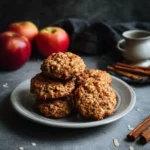
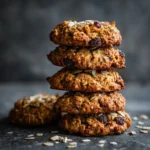
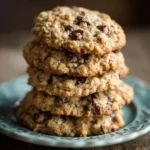
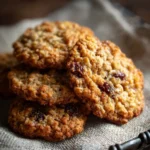
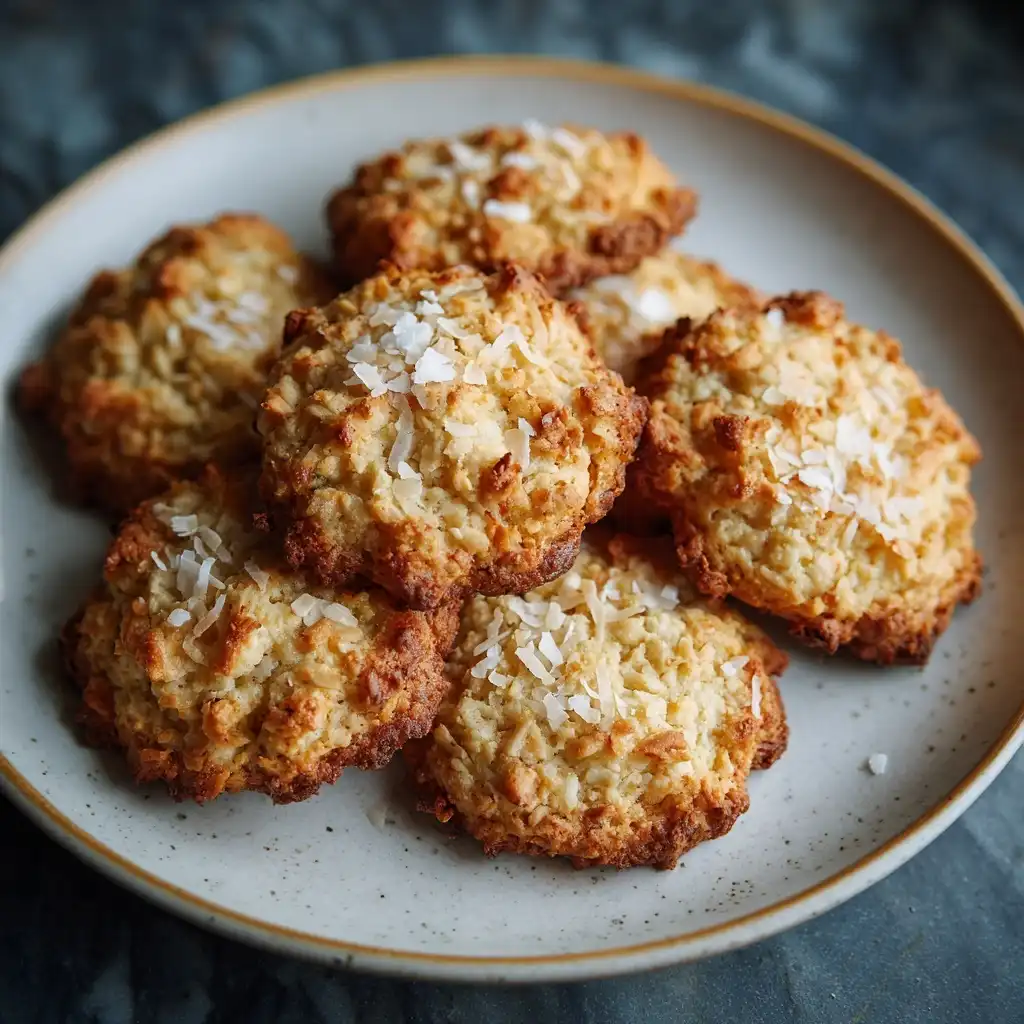
Oatmeal Coconut Cookies are a beloved classic—a warm, chewy, nutty-sweet treat that marries the hearty earthiness of rolled oats with the rich, tropical creaminess of shredded coconut. Whether enjoyed fresh from the oven with a glass of cold milk, packed into lunchboxes, or gifted in festive tins, these cookies evoke comfort, nostalgia, and wholesome indulgence. Their simplicity belies their depth: golden edges give way to soft, slightly dense centers studded with toasted coconut flakes and tender oat clusters. Universally adaptable—gluten-free, vegan, low-sugar, or protein-boosted—they’re as functional as they are flavorful, making them a pantry staple for bakers of all skill levels and dietary needs.
The History
The origins of oatmeal cookies trace back to the 19th century, when Scottish and Irish immigrants brought oat-based baking traditions to North America—oats being a hardy, affordable grain well-suited to cooler climates. Early versions were rustic, often made with lard, molasses, and coarse oatmeal. The modern oatmeal cookie as we know it began gaining traction in the early 1900s, buoyed by the rise of commercial rolled oats (notably Quaker Oats’ 1877 launch) and home economics movements that promoted economical, nutritious baking. Coconut entered the mainstream American cookie lexicon in the 1920s–30s, following expanded importation routes and aggressive marketing by companies like Pacific Coast Borax (which owned the “Cocoanut” brand) and later, the Hawaiian-based Hawaiian Pineapple Company (now Dole), which promoted tropical ingredients through cookbooks and radio ads. By the 1940s, oatmeal-coconut combinations appeared regularly in community cookbooks and women’s magazines—prized for their shelf-stability, kid-friendly appeal, and ability to stretch scarce ingredients during wartime rationing. Today, oatmeal coconut cookies symbolize cross-cultural fusion: the Old World resilience of oats meets the Pacific Rim vibrancy of coconut—evolving continuously through health trends, global flavor fusions, and artisanal reinterpretations.
Ingredients Breakdown
Understanding each ingredient’s role unlocks consistency, texture control, and customization potential:
- Old-Fashioned Rolled Oats (not instant or steel-cut): Provide structure, chew, and soluble fiber (beta-glucan). Their flat, flaky surface absorbs moisture evenly and contributes to that signature “oaty” bite. Toasting them pre-mixing deepens nuttiness and reduces raw oat flavor.
- Unsweetened Shredded Coconut (medium or fine): Adds moisture retention, subtle sweetness, and tropical aroma. Unsweetened ensures control over overall sugar content; sweetened coconut can make cookies overly cloying and cause excessive spreading. Toasting enhances caramel notes and prevents sogginess.
- Granulated Sugar & Brown Sugar (light or dark): Granulated sugar promotes spread and crispness; brown sugar (with its molasses content) adds moisture, chew, acidity (which tenderizes gluten), and butterscotch depth. A 1:1 ratio balances texture—too much brown sugar yields cakey cookies; too much granulated makes them brittle.
- Unsalted Butter (softened, not melted): Delivers richness, flakiness, and leavening via steam pockets. Softened (65–68°F) allows proper creaming—trapping air for lift without greasiness. Salted butter can be used, but omit added salt to avoid oversalting.
- Egg (large, room temperature): Acts as binder, emulsifier, and moisture reservoir. Room temperature incorporates more smoothly and improves dough elasticity. For vegan versions, flax or chia “eggs” (1 tbsp ground seed + 2.5 tbsp water, rested 5 min) mimic binding and moisture.
- Pure Vanilla Extract: Enhances all other flavors—opt for real vanilla (not imitation) for floral warmth and complexity. Alcohol-based extract also aids in gluten development inhibition.
- Baking Soda (not powder): Reacts with brown sugar’s acidity to produce carbon dioxide—lifting the dough just enough while promoting browning (Maillard reaction). Too much causes soapy aftertaste; too little yields dense, pale cookies.
- Fine Sea Salt: Not just for seasoning—it sharpens sweetness, balances fat, and strengthens gluten minimally for cohesive structure. Flaky salt sprinkled on top before baking adds textural contrast.
- Optional Add-Ins: Toasted walnuts or pecans (adds crunch and omega-3s), dark chocolate chunks (70%+ cacao for bitterness balance), dried cranberries or chopped dates (natural sweetness + chew), orange or lemon zest (bright citrus lift), or a pinch of cardamom or cinnamon (warm spice nuance).
Step-by-Step Recipe
- Prep & Preheat: Position oven racks in upper and lower thirds. Preheat oven to 350°F (177°C). Line two large baking sheets with parchment paper or silicone baking mats—never wax paper (melts) or bare metal (sticks and over-browns bottoms).
- Toast the Oats & Coconut: Spread 2 cups rolled oats and 1 cup unsweetened shredded coconut evenly on a rimmed baking sheet. Bake 8–10 minutes, stirring halfway, until fragrant and lightly golden. Cool completely—this step is non-negotiable for flavor depth and preventing premature melting of butter in dough.
- Cream Butter & Sugars: In a large bowl, beat 1 cup (2 sticks / 227g) softened unsalted butter, ¾ cup (150g) granulated sugar, and ¾ cup (165g) packed light brown sugar with an electric mixer on medium speed for 2–3 minutes until pale, fluffy, and free of graininess. Scrape bowl thoroughly.
- Incorporate Wet Ingredients: Beat in 1 large room-temperature egg and 2 tsp pure vanilla extract until fully combined and glossy—about 45 seconds. Avoid overmixing past this stage.
- Dry Ingredient Integration: In a separate bowl, whisk together 1 tsp baking soda, 1 tsp fine sea salt, and cooled toasted oats/coconut mixture. Gradually add dry mixture to wet in 3 additions, mixing on low speed *just until no flour streaks remain*. Overmixing develops gluten → tough cookies.
- Fold in Optional Mix-Ins: Using a silicone spatula, gently fold in up to 1 cup total of add-ins (e.g., ½ cup toasted walnuts + ½ cup dark chocolate chunks) until evenly distributed.
- Chill the Dough (Critical Step): Cover bowl tightly and refrigerate dough for *minimum 60 minutes, ideally 2–4 hours or overnight*. Chilling solidifies butter, slows spread, concentrates flavors, and allows starches to hydrate—resulting in thicker, more flavorful, evenly baked cookies. Do not skip.
- Portion & Bake: Scoop chilled dough using a 1.5-tablespoon cookie scoop (or #40 scoop, ~1.25 oz each). Roll into balls, then gently flatten to ¾-inch thickness. Place 2 inches apart on prepared sheets. Optional: sprinkle tops with flaky sea salt or extra toasted coconut.
- Bake Strategically: Bake one sheet at a time in center rack for 11–13 minutes. Rotate pan front-to-back at 7 minutes. Cookies are done when edges are deep golden brown and centers look *set but still soft*—they’ll firm up as they cool. Underbake slightly for chewy centers; bake 1–2 minutes longer for crispier edges.
- Cool Completely: Let cookies cool on baking sheet for 5 minutes (they’ll finish setting), then transfer to wire racks to cool fully—minimum 20 minutes—before serving. This prevents crumbling and allows coconut oils to re-solidify.
Tips
- Measure Oats by Weight When Possible: Volume measurements vary wildly—1 cup rolled oats can weigh 75–100g depending on packing. Use a kitchen scale: 100g per cup ensures precision.
- Butter Temperature Is Everything: Too cold → crumbly dough; too warm → greasy, flat cookies. Test by pressing finger: should leave slight indentation without sinking in or sliding off.
- Don’t Skip the Toast: Raw oats taste grassy; raw coconut tastes dusty. Toasting transforms both—unlocking Maillard compounds and volatile aromatics. Watch closely—it burns fast.
- Chill Between Batches: If baking multiple sheets, return dough to fridge for 15 minutes between scooping. Warm dough spreads uncontrollably.
- Rotate Pans Mid-Bake: Home ovens have hot spots. Rotating ensures even browning and prevents burnt edges or pale centers.
- Use Dark Cookie Sheets: They absorb more heat → faster browning. Light/aluminum sheets reflect heat → paler, softer bottoms. Adjust time ±1 minute accordingly.
- Understand Carryover Cooking: Cookies continue cooking on the hot sheet for 5 minutes post-oven. Pull them out *just before* you think they’re done.
- Store Smart: Keep cooled cookies in an airtight container at room temp up to 5 days. Layer with parchment to prevent sticking. For longer storage, freeze baked cookies (up to 3 months) or unbaked dough balls (up to 6 months)—bake frozen, adding 1–2 minutes.
- Revive Stale Cookies: Place in a 300°F oven for 3–5 minutes—moisture redistributes, coconut regains crispness, and butter re-emulsifies.
- Batch Consistency Tip: Use a cookie scoop *every time*, and level off with a bench scraper. Hand-rolled sizes cause uneven baking.
Variations and Customizations
Oatmeal Coconut Cookies are a canvas for creativity—here’s how to tailor them to every preference and occasion:
- Gluten-Free Version: Substitute certified GF old-fashioned oats (cross-contamination is common in standard oats) and use a 1:1 GF baking blend (like Bob’s Red Mill) *in place of ¼ cup of the oats only*—do not replace all oats, as GF blends lack binding fiber. Add ½ tsp xanthan gum if blend doesn’t include it.
- Vegan Version: Replace butter with 1 cup refined coconut oil (solid at room temp) or vegan butter (Miyoko’s or Earth Balance); use flax egg (1 tbsp ground flax + 2.5 tbsp water); ensure coconut is unsweetened and sugar is vegan-certified (some brown sugar uses bone char filtration).
- Lower-Sugar Version: Reduce total sugar to 1 cup (½ cup each granulated & brown), add 2 tbsp unsweetened applesauce for moisture, and boost flavor with 1 tsp almond extract + ½ tsp cinnamon. Expect slightly denser texture.
- High-Protein Boost: Add ¼ cup unflavored or vanilla whey or plant-based protein powder + 1 extra tbsp milk (dairy or unsweetened almond) to compensate for dryness. Reduce oats by 2 tbsp to maintain ratio.
- Tropical Twist: Add ¼ cup freeze-dried pineapple or mango powder, 1 tsp lime zest, and swap 1 tbsp vanilla for coconut extract. Top with toasted macadamia nuts.
- Spiced Chai Version: Whisk 1 tsp ground ginger, ½ tsp cardamom, ¼ tsp cloves, and ¼ tsp black pepper into dry ingredients. Steep 1 chai tea bag in warm milk, cool, and use in place of 1 tbsp liquid if dough feels dry.
- Chocolate-Dipped: Once fully cooled, dip half of each cookie in tempered dark, milk, or white chocolate. Sprinkle with toasted coconut or flaky salt before chocolate sets.
- Stuffed Cookies: Flatten dough ball, place 1 tsp dulce de leche or date paste in center, seal, and roll. Chill 15 min before baking—creates gooey, caramelized surprise.
- Bar Cookie Format: Press dough evenly into a greased 9×13-inch pan. Bake at 350°F for 22–26 minutes until golden and set. Cool completely before cutting into squares—ideal for parties or meal prep.
- Mini Cookies: Use a #60 scoop (½ tablespoon) and bake 8–10 minutes. Perfect for gatherings, kids’ snacks, or cookie towers.
Health Considerations and Nutritional Value
A single standard-sized oatmeal coconut cookie (approx. 30g, recipe yields ~24 cookies) contains roughly:
- Calories: 135–155 kcal
- Total Fat: 7–8.5g (mostly unsaturated from coconut and nuts; saturated fat ~4g from coconut oil/butter)
- Carbohydrates: 17–19g (including 1–1.5g dietary fiber from oats and coconut)
- Sugars: 9–11g (naturally occurring from coconut + added sugars)
- Protein: 1.5–2g
- Sodium: 110–130mg
Nutritional Highlights:
- Beta-Glucan Powerhouse: Oats deliver soluble fiber proven to lower LDL cholesterol, stabilize blood sugar, and support gut microbiota diversity.
- Medium-Chain Triglycerides (MCTs): Coconut contains lauric acid—an antimicrobial, brain-fuel MCT shown to increase satiety and support metabolic flexibility (though evidence is emerging, not conclusive).
- Natural Electrolytes: Coconut provides potassium and magnesium—supporting nerve function and muscle recovery.
- Antioxidant-Rich: Toasted oats develop phenolic compounds; coconut contains gallic acid and caffeic acid—scavenging free radicals.
Considerations:
- Sugar Moderation: While delicious, frequent high-sugar intake correlates with inflammation and insulin resistance. Pair cookies with protein (Greek yogurt) or fiber (apple slices) to slow glucose absorption.
- Saturated Fat Context: Coconut’s saturated fat differs structurally from animal-based fats—but guidelines still recommend limiting to <10% daily calories. Enjoy mindfully as part of a varied diet.
- Allergen Awareness: Contains tree nuts (if using walnuts/pecans), coconut (classified as a tree nut by FDA), and gluten (unless GF oats used). Always label clearly for guests.
- Not a “Health Food”—But a Healthier Indulgence: Compared to chocolate chip or sugar cookies, oatmeal coconut offers more fiber, less refined flour, and beneficial plant compounds—making it a *nutritionally superior treat*, not a functional food.
Ingredients
- 2 cups (180g) old-fashioned rolled oats (certified gluten-free if needed)
- 1 cup (80g) unsweetened shredded coconut (medium or fine)
- 1 cup (227g / 2 sticks) unsalted butter, softened to 65–68°F
- ¾ cup (150g) granulated sugar
- ¾ cup (165g) packed light brown sugar
- 1 large egg, room temperature
- 2 teaspoons pure vanilla extract
- 1 teaspoon baking soda
- 1 teaspoon fine sea salt
- (Optional) 1 cup total mix-ins: toasted walnuts, dark chocolate chunks, dried cranberries, etc.
- (Optional finishing) Flaky sea salt or extra toasted coconut
Directions
- Preheat oven to 350°F (177°C). Line two large baking sheets with parchment paper or silicone mats.
- Spread oats and coconut on a rimmed baking sheet. Bake 8–10 minutes, stirring once, until fragrant and golden. Cool completely on wire rack—minimum 20 minutes.
- In large bowl, beat butter, granulated sugar, and brown sugar with electric mixer on medium 2–3 minutes until light and fluffy. Scrape bowl.
- Beat in egg and vanilla until smooth and glossy (~45 sec).
- In separate bowl, whisk baking soda, salt, and cooled oat-coconut mixture.
- Add dry mixture to wet in 3 parts on low speed, mixing *just until combined*. Do not overmix.
- Gently fold in optional mix-ins with spatula until evenly distributed.
- Cover dough tightly and chill minimum 1 hour, ideally 2–4 hours or overnight.
- Scoop 1.5-tbsp portions, roll into balls, flatten slightly to ¾-inch thick. Space 2 inches apart.
- Bake one sheet at a time on center rack 11–13 minutes, rotating at 7 minutes, until edges are deep golden and centers look set but soft.
- Cool on sheet 5 minutes, then transfer to wire rack to cool completely (20+ min) before serving.
FAQ
- Can I use quick oats instead of old-fashioned?
- No—quick oats are cut finer and cook faster, resulting in mushy, greasy, overly dense cookies that lack chew. Instant oats will disintegrate. Stick with old-fashioned rolled oats for ideal texture.
- Why did my cookies spread too much?
- Likely causes: butter too warm, dough not chilled long enough, baking soda expired, or using sweetened coconut (higher moisture + sugar = more spread). Also check oven temperature accuracy with an oven thermometer.
- Can I freeze the dough?
- Absolutely! Portion dough balls onto parchment, freeze solid (2 hours), then transfer to freezer bag. Bake straight from frozen—add 1–2 minutes to bake time. Dough keeps 6 months frozen.
- My cookies turned out dry/crumbly. What went wrong?
- Overmixing after adding dry ingredients develops gluten; overbaking dries them out; using too much flour (if measuring by volume); or substituting oil for butter (oil lacks emulsifying proteins). Also, old oats lose moisture—check expiration.
- Is coconut considered a nut allergy risk?
- Yes—the FDA classifies coconut as a tree nut for labeling purposes. Though botanically a fruit, its protein structure can trigger reactions in some with tree nut allergies. Consult an allergist if uncertain.
- How do I make them crispier?
- Use all granulated sugar (no brown), bake 1–2 minutes longer, chill dough only 30 minutes (less hydration time), and cool completely on wire rack (air circulation removes residual steam).
- Can I make these dairy-free without coconut oil?
- Yes—use high-quality vegan butter (look for ≥80% fat content, like Miyoko’s). Avoid margarine or low-fat spreads—they contain too much water and cause sogginess.
- Why do recipes say “don’t overmix”?
- Overmixing activates gluten in any flour present (even small amounts in oats) and warms butter prematurely, leading to toughness, greasiness, and irregular spread. Mix only until uniform.
- Can I add protein powder?
- Yes—but limit to ¼ cup unflavored or vanilla whey/plant protein + add 1 extra tbsp liquid (milk or water) and reduce oats by 2 tbsp. Otherwise, cookies turn chalky and crumbly.
- What’s the best way to store for freshness?
- Airtight container at room temperature for 5 days. For longer, layer between parchment in freezer bag—freeze up to 3 months. Thaw at room temp 15 minutes or warm in oven at 300°F for 4 minutes.
Summary
Oatmeal Coconut Cookies are a timeless, versatile, and deeply satisfying treat rooted in resourceful baking traditions—where humble oats meet tropical coconut to create chewy, golden-brown perfection. With mindful ingredient selection, precise technique (especially toasting and chilling), and endless customization options, they effortlessly bridge nostalgia and modern wellness.
Whether you’re seeking a gluten-free snack, a vegan dessert, a protein-packed pick-me-up, or simply the soul-warming joy of a perfectly balanced cookie, this recipe delivers—with every bite a harmonious blend of earthy, sweet, nutty, and aromatic delight.