Introduction
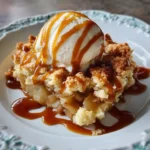
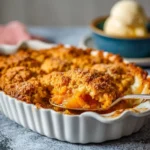
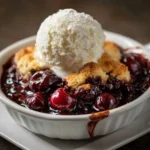
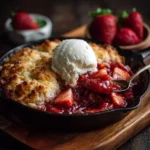
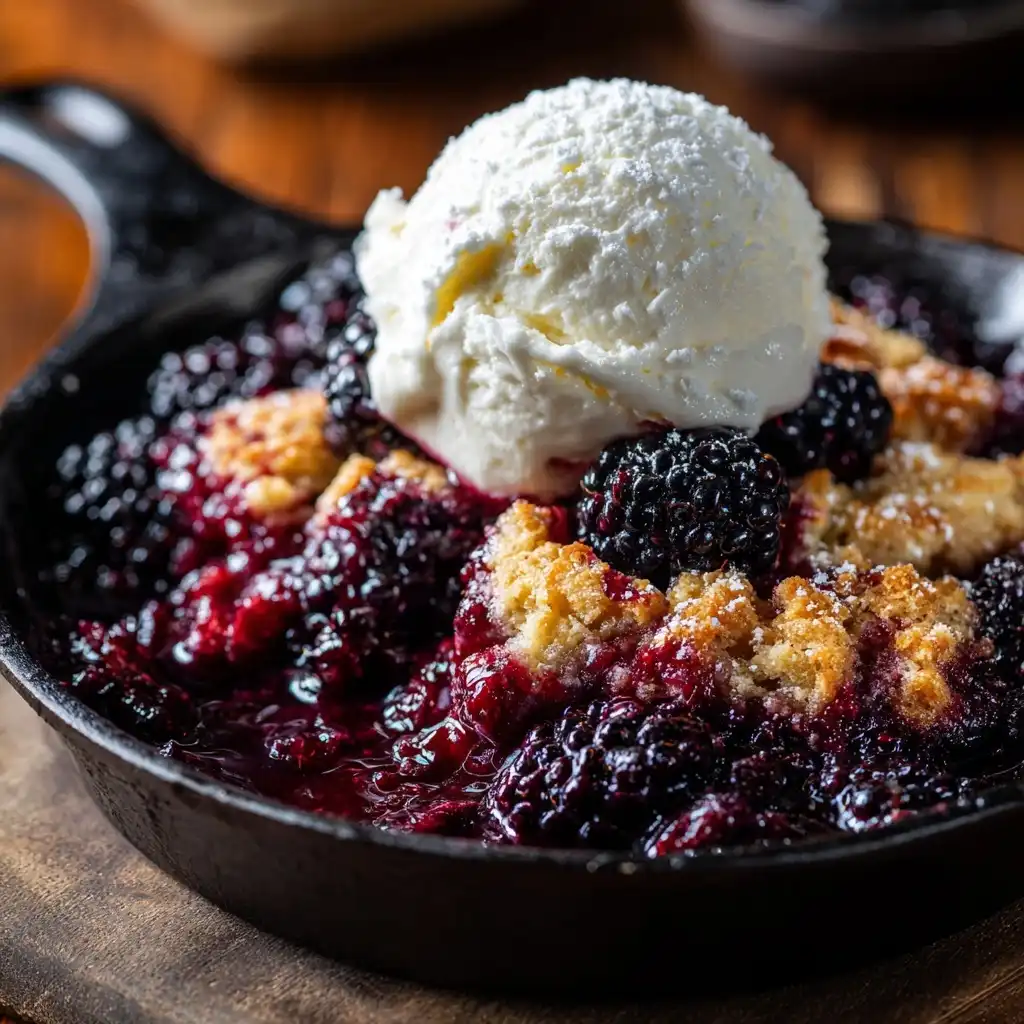
The Old Fashioned Blackberry Cobbler is more than just a dessert—it’s a cherished heirloom of American home cooking, evoking the warmth of sun-drenched porches, summer harvests, and generations gathered around cast-iron stovetops. This rustic, bubbling, golden-topped cobbler celebrates the deep, tart-sweet essence of ripe blackberries at their peak, transforming them into a soul-soothing symphony of fruit, spice, butter, and tender biscuit-like topping. Unlike pies or crisps, the cobbler’s defining feature lies in its thick, spoonable fruit filling crowned with a soft, slightly crisp, cakey or drop-biscuit crust—baked until it puffs and caramelizes at the edges. It’s comfort food elevated by simplicity, authenticity, and seasonal reverence—a true testament to “making do with what’s in the garden and the pantry.” Whether served warm with a scoop of vanilla bean ice cream, a drizzle of fresh cream, or simply as-is with a fork straight from the dish, this cobbler carries the quiet dignity of tradition—and the joyful urgency of summer’s fleeting abundance.
The History
The origins of the cobbler trace back to 17th-century England, where early versions—known as “cotter’s pie” or “cottage pie”—were humble, crustless fruit desserts baked in earthenware dishes over open hearths. When English settlers arrived in colonial America, they adapted the concept using locally abundant fruits (like blackberries, which grow wild across much of North America) and scarce resources: no refined pastry flour, no precise ovens, no refrigeration. What emerged was the distinctly American cobbler—so named for its “cobbled” or irregular, stone-like crust surface, formed by dropping spoonfuls of dough or batter over stewing fruit. By the mid-1800s, cobblers became staples in Appalachian kitchens, Midwest farmhouses, and Southern homesteads, especially during late spring and summer when blackberry brambles overflowed with plump, juicy berries. The “Old Fashioned” designation signals adherence to pre-industrial methods: no instant mixes, no stabilizers, no artificial flavors—just real fruit, honest butter, stone-ground flour (when available), and slow, attentive baking. Historical cookbooks like The Carolina Housewife (1847) and Fannie Farmer’s Boston Cooking-School Cook Book (1896) include variations that emphasize minimal ingredients and intuitive technique—precisely the ethos behind this recipe. Even today, family recipes passed down in faded index cards or handwritten ledgers often specify “wild-picked blackberries,” “lard or farm-fresh butter,” and “baked in a well-seasoned cast-iron skillet”—all hallmarks of its enduring, unpretentious legacy.
Ingredients Breakdown
Every ingredient in this Old Fashioned Blackberry Cobbler serves both functional and flavorful purpose—nothing is filler, nothing is arbitrary. Here’s why each matters:
- Fresh Blackberries (6–7 cups): The star—and non-negotiable. Wild blackberries offer intense tannic depth and floral notes; cultivated varieties (like ‘Navaho’ or ‘Triple Crown’) provide larger, juicier berries with balanced sweetness. Avoid frozen unless absolutely necessary—and if used, thaw *and drain thoroughly* to prevent excess water from turning the filling soupy. Never use canned or syrup-packed berries; their texture collapses and sugar content throws off balance.
- Granulated Sugar (1 to 1¼ cups): Adjust based on berry tartness and personal preference. Ripe, sun-warmed berries may need only 1 cup; underripe or wild ones may require up to 1¼. We avoid brown sugar in the filling to preserve bright fruit clarity—though a tablespoon can be added for molasses depth if desired.
- Lemon Juice (2 tbsp) & Zest (1 tsp): Acid brightens flavor, prevents browning, and helps thicken naturally via pectin activation. Freshly squeezed is essential—bottled juice lacks volatile citrus oils that lift the entire profile.
- Unsalted Butter (3 tbsp, cold): Cut into the fruit before baking, it enriches mouthfeel, adds subtle richness, and helps create glossy, cohesive syrup—not watery runoff. Salted butter can be used, but adjust added salt accordingly.
- All-Purpose Flour (2 tbsp): A modest, traditional thickener. Too much yields gluey filling; too little leads to leakage. For gluten-free adaptation, use a 1:1 blend with xanthan gum (e.g., Bob’s Red Mill).
- Ground Cinnamon (½ tsp) & Nutmeg (¼ tsp): Warm, aromatic spices that complement—but never overwhelm—the blackberry’s natural complexity. Toast whole spices and grind fresh for maximum impact.
- For the Topping: A classic “drop biscuit” style—soft, tender, slightly tangy, and golden. Includes buttermilk (for tenderness and lift), baking powder + baking soda (dual leaveners for reliable rise), cold butter (cut in for flaky pockets), and a touch of turbinado sugar for sparkle and crunch.
- Buttermilk (¾ cup): Not a substitute—its acidity reacts with leaveners, tenderizes gluten, and imparts subtle tang. If unavailable, make “sour milk” (¾ cup whole milk + 1 tbsp white vinegar, rested 5 min).
- Cold Unsalted Butter (½ cup, cubed): Critical for texture. When cut into flour, it creates steam pockets during baking = light, layered crumb. Grate frozen butter for easiest incorporation.
- Heavy Cream or Whole Milk (2 tbsp, for brushing): Adds sheen and encourages browning. Optional but highly recommended.
- Turbinado Sugar (2 tbsp): Coarse, caramel-scented crystals that resist melting, delivering audible crunch and visual appeal. Granulated sugar works, but lacks textural drama.
Step-by-Step Recipe
Yield: 9×13-inch baking dish (or two 8-inch square dishes) — serves 10–12
Prep Time: 30 minutes
Bake Time: 45–55 minutes
Cool Time: At least 30 minutes before serving (essential for setting)
- Preheat & Prep: Position oven rack in lower-middle position. Preheat oven to 375°F (190°C). Generously butter a 9×13-inch glass or ceramic baking dish (or seasoned cast-iron skillet). Set aside.
- Prepare the Filling: In a large, non-reactive bowl (stainless steel or glass), gently combine blackberries, sugar, lemon juice, lemon zest, cinnamon, nutmeg, and salt. Stir just until evenly coated—avoid crushing berries. Let macerate 15 minutes at room temperature. This draws out juices and begins natural pectin release.
- Thicken & Enrich: After maceration, stir in 2 tablespoons all-purpose flour and 3 tablespoons cold unsalted butter, cut into small cubes. Gently fold until flour is fully dispersed and butter is evenly distributed (small specks visible). Transfer mixture to prepared baking dish, spreading evenly. Do not press down—preserve air pockets for bubbling.
- Make the Biscuit Topping: In a medium bowl, whisk together 2 cups all-purpose flour, ¼ cup granulated sugar, 1 tablespoon baking powder, ½ teaspoon baking soda, and ½ teaspoon fine sea salt. Add ½ cup cold, cubed unsalted butter. Using a pastry cutter, two forks, or fingertips, cut butter into flour mixture until it resembles coarse crumbs with some pea-sized pieces remaining. Avoid overworking—warm butter = dense topping.
- Incorporate Buttermilk: Make a well in center. Pour in ¾ cup cold buttermilk. Using a silicone spatula or wooden spoon, gently stir *just until* a shaggy, slightly sticky dough forms—about 12–15 strokes. Do not knead. Batter will be lumpy and moist—not smooth. Overmixing develops gluten and yields toughness.
- Drop & Distribute: Spoon chilled dough by heaping ¼-cup portions evenly over hot blackberry filling. Do not flatten—let mounds rise naturally. Leave small gaps between dollops for steam escape and even baking.
- Finish & Bake: Brush tops lightly with 2 tablespoons heavy cream or whole milk. Sprinkle generously with 2 tablespoons turbinado sugar. Place dish on a parchment-lined baking sheet (to catch potential bubbles). Bake 45–55 minutes, rotating halfway, until topping is deeply golden brown, puffed, and firm to gentle touch—and filling bubbles vigorously at edges with thick, glossy syrup (not thin or watery). Internal temperature of filling should read 205–210°F on an instant-read thermometer.
- Cool & Set: Remove from oven and place on a wire rack. Let rest *undisturbed* for at least 30 minutes—ideally 45–60. This allows starches to fully gel and syrup to thicken. Cutting too soon releases steam and causes filling to weep.
Tips
- Select Berries Wisely: Pick blackberries when fully black, plump, and slightly dusty (bloom)—never shiny or red-tinged. They should detach easily from the vine with a gentle tug. Store unwashed in single layer on paper towel-lined tray, refrigerated up to 3 days.
- Control Moisture Relentlessly: Excess water is the #1 cobbler killer. Always drain thawed frozen berries *thoroughly* in a colander, then pat dry with clean towels. For very juicy batches, increase flour to 3 tbsp—or add 1 tsp quick-cooking tapioca for superior thickening without cloudiness.
- Cold Is Crucial—Twice Over: Cold butter in topping + cool buttermilk ensures steam pockets form properly. Chill mixing bowl and utensils 10 minutes prior if kitchen is warm.
- Don’t Skip the Maceration: That 15-minute rest isn’t optional—it jumpstarts flavor development, balances sweetness/tartness, and jumpstarts thickening chemistry. Taste filling after macerating and adjust sugar or lemon if needed.
- Know Your Oven: Gas ovens often run hotter on top; electric may have hot spots. Use an oven thermometer. If topping browns too fast before filling bubbles, tent loosely with foil after 30 minutes.
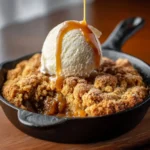
- Cast-Iron Magic: Baking in a preheated, well-seasoned 10-inch cast-iron skillet yields unparalleled crust-to-filling ratio and dramatic caramelization. Preheat skillet in oven while preparing filling, then carefully add fruit mixture (watch for splatter), then topping.
- Test Doneness Correctly: Don’t rely solely on color. Insert a knife or skewer into center topping—it should emerge with just a few moist crumbs (not wet batter). Filling must bubble *vigorously* at edges—not just simmering.
- Room-Temp Serving Wins: While delicious warm, cobbler reaches peak texture and flavor at room temperature—filling is perfectly set, topping retains tender-crisp duality, and flavors harmonize.
Variations and Customizations
This recipe is a canvas—not a cage. Honor tradition while making it your own:
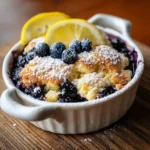
- Blackberry-Blueberry Blend (Classic Southern): Replace 2 cups blackberries with ripe blueberries. Adds floral sweetness and deeper purple hue. Reduce sugar by 2 tbsp.
- Spiced Brandy Blackberry: Stir 2 tbsp high-quality brandy (like E&J or Paul Masson) and ¼ tsp ground cloves into filling with lemon juice. Adds warmth and sophistication—ideal for holiday gatherings.
- Herb-Infused (Garden-Fresh): Add 1 tbsp finely chopped fresh thyme or lemon verbena to filling. Surprising, elegant, and cuts richness beautifully.
- Oat-Streusel Topping (Crunch Lover’s Dream): Replace biscuit topping with streusel: 1 cup rolled oats, ½ cup flour, ½ cup brown sugar, ½ tsp cinnamon, 6 tbsp cold butter. Mix until crumbly; press lightly over filling.
- Vegan Adaptation: Use plant-based butter (Miyoko’s or Earth Balance sticks), full-fat coconut milk + 1 tbsp apple cider vinegar (instead of buttermilk), flax egg (1 tbsp ground flax + 3 tbsp water, rested 5 min) if needed for binding, and maple syrup (reduce sugar by ¼ cup) for nuanced sweetness.
- Gluten-Free Version: Substitute 2 cups certified GF all-purpose blend (with xanthan gum) for flour in both filling and topping. Increase baking powder to 1¼ tsp in topping for optimal rise.
- Mini Individual Cobblers: Portion filling and topping into buttered 6-oz ramekins. Bake at 375°F for 28–32 minutes. Perfect for portion control and presentation.
- Breakfast Cobbler Twist: Add ¼ cup old-fashioned oats and 2 tbsp chopped pecans to topping. Serve with Greek yogurt instead of ice cream.
Health Considerations and Nutritional Value
While undeniably indulgent, this Old Fashioned Blackberry Cobbler offers meaningful nutritional upside—especially when approached mindfully:
- Blackberry Powerhouse: One cup fresh blackberries delivers ~30% DV vitamin C, 36% DV vitamin K, 25% DV manganese, plus 8g fiber (32% DV) and potent anthocyanins—antioxidants linked to reduced inflammation, improved cognitive function, and cardiovascular support. Their low glycemic index (25) means slower blood sugar rise vs. many desserts.
- Natural Sweetness Strategy: Using ripe, in-season berries minimizes added sugar needs. Our base 1 cup sugar yields ~28g per serving (vs. 45g+ in many bakery cobblers). Further reductions are possible—start with ¾ cup and taste after maceration.
- Whole Grain Option: Substitute up to ½ cup of the all-purpose flour in topping with white whole wheat flour for added fiber and B vitamins—no compromise on tenderness when balanced correctly.
- Butter vs. Oil: Real butter contains fat-soluble vitamins (A, D, E, K2) and butyrate—an anti-inflammatory short-chain fatty acid shown to support gut health. We prioritize quality: grass-fed, cultured butter when possible.
- Portion Awareness: A generous 1-cup serving contains approx. 320–360 calories, 55g carbs (22g sugars), 6g protein, 9g fat (5g saturated), and 5g fiber. Paired with ½ cup low-fat vanilla Greek yogurt (adds 12g protein, probiotics), it becomes a balanced, satisfying treat—not just empty calories.
- Considerations: Naturally high in fructose—moderate intake advised for those with fructose malabsorption or IBS. Gluten-containing—omit only if medically necessary (see GF variation above). Sodium is low (~180mg/serving) unless salted butter is used excessively.
- Functional Additions: Stir 1 tsp chia seeds into filling for omega-3s and extra thickening. Top with crushed walnuts for heart-healthy fats and magnesium.
Ingredients
Makes one 9×13-inch cobbler (10–12 servings)
- 6 to 7 cups fresh blackberries (about 1.5–1.75 lbs), rinsed, stems removed, drained well
- 1 to 1¼ cups granulated sugar (start with 1 cup; adjust after macerating)
- 2 tablespoons fresh lemon juice (from 1 large lemon)
- 1 teaspoon finely grated lemon zest
- 3 tablespoons unsalted butter, cold, cut into ¼-inch cubes
- 2 tablespoons all-purpose flour
- ½ teaspoon ground cinnamon
- ¼ teaspoon freshly grated nutmeg
- ¼ teaspoon fine sea salt
- For the Topping:
- 2 cups all-purpose flour (spooned & leveled)
- ¼ cup granulated sugar
- 1 tablespoon baking powder
- ½ teaspoon baking soda
- ½ teaspoon fine sea salt
- ½ cup unsalted butter, cold, cubed
- ¾ cup cold buttermilk
- 2 tablespoons heavy cream or whole milk (for brushing)
- 2 tablespoons turbinado sugar (for sprinkling)
Directions
- Preheat oven to 375°F (190°C). Generously butter a 9×13-inch baking dish (or 10-inch cast-iron skillet). Place on center rack to preheat slightly if using cast iron.
- In a large bowl, gently combine blackberries, sugar, lemon juice, lemon zest, cinnamon, nutmeg, and salt. Let sit 15 minutes at room temperature, stirring once halfway.
- Stir in 2 tablespoons flour and 3 tablespoons cold butter cubes until evenly distributed. Transfer to prepared dish, spreading evenly without pressing.
- In another bowl, whisk flour, ¼ cup sugar, baking powder, baking soda, and salt. Add cold butter cubes. Cut in with pastry cutter or fingers until mixture resembles coarse crumbs with visible pea-sized butter pieces.
- Pour in cold buttermilk. Stir with spatula just until shaggy dough forms—do not overmix. Batter will be lumpy and moist.
- Spoon dough by heaping ¼-cup portions over blackberry filling, spacing evenly. Do not flatten.
- Brush tops lightly with cream or milk. Sprinkle generously with turbinado sugar.
- Place dish on parchment-lined baking sheet. Bake 45–55 minutes, rotating halfway, until topping is deep golden and puffed, and filling bubbles thickly at edges.
- Remove from oven. Cool on wire rack at least 30 minutes before serving. Serve warm or room temperature, optionally with vanilla ice cream, whipped cream, or crème fraîche.
FAQ
- Can I make this cobbler ahead?
- Absolutely! Assemble filling and topping up to 1 day ahead, cover tightly, and refrigerate unbaked. Add 5–8 minutes to bake time. Or bake fully, cool completely, cover, and refrigerate up to 4 days. Reheat gently at 325°F until warmed through (20–25 min), covered with foil to prevent over-browning.
- Why did my filling turn out runny?
- Most common causes: underripe berries (low natural pectin), insufficient maceration time, excess moisture from un-drained frozen berries, or underbaking (filling must reach 205°F+ and bubble vigorously). Next time, add 1 tsp quick-cooking tapioca or increase flour to 3 tbsp—and always bake until syrup is visibly thick and glossy.
- Can I freeze blackberry cobbler?
- Yes—but best frozen *unbaked*. Assemble fully, wrap dish tightly in plastic + foil, and freeze up to 3 months. Thaw overnight in fridge, then bake as directed (may need +10 min). Baked cobbler freezes well for 2 months—thaw overnight, reheat covered at 325°F.
- What’s the difference between cobbler, crisp, crumble, and buckle?
- Cobbler features a biscuit or cake-like topping dropped or rolled over fruit. Crisp uses oat-and-butter streusel. Crumble is British-style, flour-based streusel (often no oats). Buckle is a cake-based dessert with fruit folded in batter and streusel topping—more like a coffee cake. This is unequivocally a cobbler.
- Can I use other berries?
- Yes—raspberries, boysenberries, or marionberries work beautifully. Adjust sugar downward by ¼ cup for raspberries (more delicate/tart); increase by 2 tbsp for less tart varieties like loganberries. Blueberries benefit from 1 tsp lemon juice extra to balance earthiness.
- Is lard traditional in old-fashioned cobblers?
- Historically, yes—especially in Southern and rural recipes where lard was more accessible than butter. It yields an exceptionally flaky, rich topping. Substitute ½ cup chilled leaf lard for butter in topping (keep cold!). Flavor is neutral when high-quality.
- My topping sank into the filling—what went wrong?
- Usually due to warm butter (melts before steam forms), overmixing topping (gluten development), or adding topping to cold filling (no thermal shock to set batter). Ensure butter is icy cold, mix minimally, and bake in preheated oven.
Summary
The Old Fashioned Blackberry Cobbler is a timeless celebration of summer’s bounty—where tart-sweet, jewel-toned blackberries bubble beneath a tender, golden, buttery biscuit crown, all baked slowly to evoke generations of hearthside hospitality. Rooted in resourcefulness and reverence for seasonal fruit, it rewards patience, honors simplicity, and delivers profound comfort in every steaming, syrup-draped bite.
Whether served from a chipped enamel dish at a family reunion or elegantly plated for guests, this cobbler isn’t just dessert—it’s edible memory, slow-food philosophy, and the quiet magic of transforming humble ingredients into something deeply, unforgettably nourishing.