Introduction
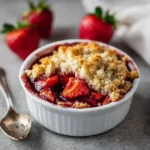
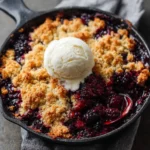
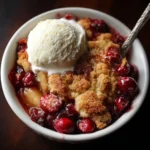
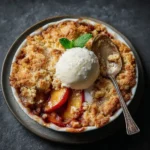
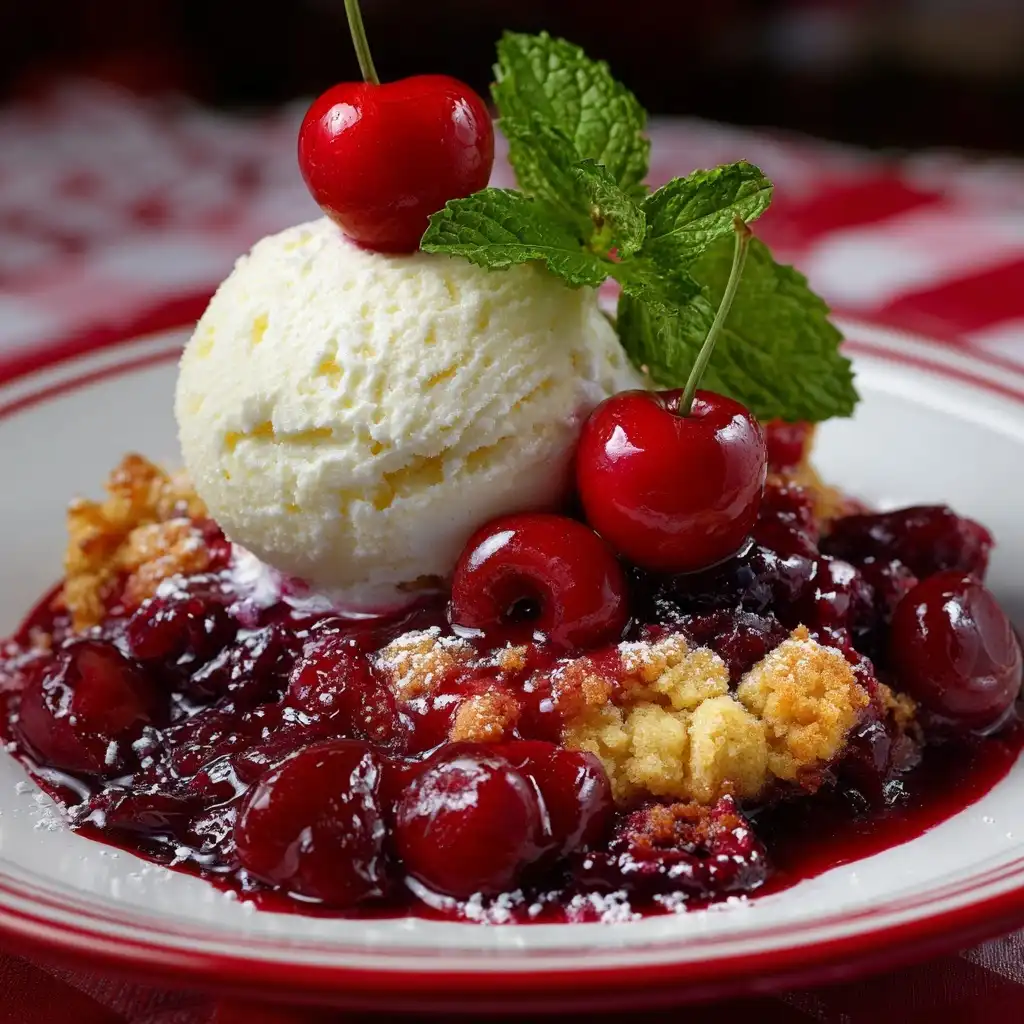
The Old Fashioned Cherry Cobbler is more than just a dessert—it’s a cherished emblem of American home baking tradition, evoking the warmth of hearthside kitchens, summer orchard harvests, and generations gathered around a checkered tablecloth. With its bubbling, ruby-red cherry filling crowned by a golden, biscuit-like or cakey topping, this cobbler strikes a perfect balance between tart and sweet, rustic and refined. Unlike pies that demand precision or crisps that rely on oats and buttery streusel, the cobbler embraces simplicity, flexibility, and soul-satisfying comfort—making it an enduring favorite for beginner bakers and seasoned cooks alike. Whether served warm with a scoop of vanilla bean ice cream, drizzled with homemade bourbon caramel, or enjoyed solo with a dusting of powdered sugar, the Old Fashioned Cherry Cobbler remains a timeless celebration of seasonal fruit and heartfelt hospitality.
The History
The origins of the cobbler trace back to 17th-century England, where early versions—known as “cobs” or “cobblers”—were essentially fruit-filled dumplings or crustless puddings baked in pots over open fires. When English settlers arrived in colonial America, they adapted the dish using available ingredients: wild or cultivated cherries (especially sour varieties like Montmorency), cornmeal, flour, lard or butter, and minimal sweeteners like maple syrup or molasses. By the mid-1800s, the term “cobbler” had evolved to describe a deep-dish fruit dessert topped with dropped batter, scone-like dough, or biscuit rounds—so named because the uneven, “cobbled” surface resembled a cobblestone street. In the Midwest and Appalachia, cherry cobblers became particularly beloved due to abundant native cherry groves and the fruit’s natural preservability via drying and preserving. During the Great Depression and WWII rationing eras, cobblers surged in popularity as economical, pantry-friendly desserts—requiring no pie crust (saving precious shortening and flour), utilizing canned or frozen fruit when fresh wasn’t available, and stretching modest ingredients into something deeply nourishing and morale-boosting. Today, the Old Fashioned Cherry Cobbler honors this resilient legacy—not as a museum piece, but as a living tradition constantly renewed through family recipes passed down in faded index cards, handwritten cookbooks, and oral instruction (“just until it looks right,” “a glug of butter,” “bake ‘til the edges bubble like a brook”). Its history is written not in textbooks alone, but in stained aprons, cast-iron skillets, and the unmistakable aroma of cinnamon-kissed cherries rising through an old farmhouse window.
Ingredients Breakdown
Every exceptional Old Fashioned Cherry Cobbler begins with intentionality—even in its simplicity. Below is a meticulous breakdown of each ingredient’s role, sourcing notes, and functional purpose:
- Fresh or Frozen Tart Cherries (4–5 cups, pitted): Montmorency or Balaton cherries are ideal—their high acidity balances sweetness and provides natural pectin for a luxuriously thick, glossy filling. Fresh cherries offer peak brightness and floral nuance; frozen (unsweetened) retain firmness and consistency year-round. Avoid pre-sweetened or syrup-packed cherries—they add excess liquid and obscure nuanced flavor.
- Granulated Sugar (¾–1 cup): Acts as both sweetener and texture modulator—drawing out cherry juices while aiding caramelization. Reduce slightly if using very ripe fruit or adding liqueur; increase marginally for frozen or extra-tart cherries.
- Brown Sugar (¼ cup, light or dark): Adds depth, molasses richness, and moisture retention. Dark brown sugar intensifies caramel notes; light offers subtler warmth. Never omit—this is the secret to the filling’s velvety mouthfeel.
- Lemon Juice (1½ tbsp) & Zest (1 tsp): Brightens flavor, enhances cherry’s natural acidity, and prevents browning. Freshly squeezed is non-negotiable—bottled juice lacks volatile citrus oils essential for aromatic lift.
- Cornstarch (3 tbsp): The preferred thickener for cobblers—neutral flavor, clear gel, and reliable performance at high heat. Arrowroot may be substituted (use same amount), but tapioca starch yields a glossier, chewier set better suited to pies than cobblers.
- Ground Cinnamon (1 tsp) & Allspice (¼ tsp): Warm, earthy spices that complement rather than dominate. Allspice adds subtle clove-cardamom-anise complexity—a hallmark of truly old-fashioned preparations. Skip nutmeg unless specifically called for in heirloom variants.
- Salted Butter (4 tbsp, cold & cubed, plus 2 tbsp for topping): Cold butter cut into the dry topping creates flaky, tender layers; melted butter brushed over the top before baking ensures rich browning and a delicate sheen. Unsalted butter is acceptable—but adjust added salt accordingly.
- All-Purpose Flour (1¼ cups): Provides structure without toughness. For gluten-free adaptations, a 1:1 GF blend with xanthan gum works reliably—avoid almond or oat flours alone, which yield crumbly or gummy results.
- Baking Powder (2 tsp) & Baking Soda (¼ tsp): Dual leaveners ensure optimal rise and tenderness. Baking soda neutralizes acidity from cherries and lemon, while baking powder delivers consistent lift. Do not substitute or omit either.
- Whole Milk (¾ cup) or Buttermilk (¾ cup): Buttermilk adds tang and tenderness; whole milk yields a milder, richer crumb. Avoid low-fat or plant-based milks unless fortified—coconut or oat milk may curdle or impart off-notes.
- Vanilla Extract (1½ tsp, pure): Bourbon-vanilla extract deepens fruit flavor and rounds edges. Imitation vanilla tastes artificial and fails to integrate harmoniously.
- Coarse Turbinado Sugar (2 tbsp): Sprinkled atop before baking for textural contrast—crunchy, caramelized crystals that catch light and delight the tongue.
Step-by-Step Recipe
This method prioritizes clarity, reliability, and reverence for time-honored technique—no shortcuts, no guesswork, just steady, satisfying results:
- Preheat & Prep: Position oven rack in the lower third. Preheat oven to 375°F (190°C). Generously butter a 9×13-inch ceramic or glass baking dish (or well-seasoned cast iron if using). Have all ingredients measured and ready—mise en place is essential for seamless assembly.
- Prepare the Filling: In a large stainless-steel or enameled Dutch oven (not reactive aluminum), combine pitted cherries, granulated sugar, brown sugar, lemon juice and zest, cornstarch, cinnamon, and allspice. Gently toss with a silicone spatula until evenly coated—avoid crushing berries. Let stand 15 minutes at room temperature to macerate and release natural juices.
- Simmer to Thicken: Place pot over medium-low heat. Cook, stirring constantly with a wooden spoon, until mixture comes to a gentle simmer and thickens visibly—about 6–8 minutes. It should coat the back of the spoon and bubble steadily (not violently). Remove from heat and cool slightly—5 minutes—until warm but no longer steaming. This step is critical: undercooked filling = runny cobbler; overcooked = mushy cherries and starchy film.
- Make the Topping Batter: In a large bowl, whisk together flour, baking powder, baking soda, and ½ tsp fine sea salt. Using a pastry cutter or two forks, cut in 4 tbsp cold, cubed butter until mixture resembles coarse meal with some pea-sized pieces remaining. Stir in turbinado sugar. In a separate measuring cup, whisk milk, vanilla, and 1 large egg until smooth. Pour wet ingredients over dry; stir gently with a fork *just* until combined—do not overmix. Batter will be thick, shaggy, and slightly lumpy. Overworking develops gluten, leading to toughness.
- Assemble with Care: Pour warm (not hot) cherry filling into the prepared baking dish, spreading evenly. Drop chilled batter by generous ¼-cup portions across the surface—do not spread or flatten. Leave small gaps between mounds to allow steam to escape and promote even baking. The topping should cover ~75% of the surface—intentional gaps let the filling bubble up attractively.
- Finish & Bake: Dot exposed filling areas with remaining 2 tbsp cold butter (cut into small pieces). Sprinkle entire surface evenly with reserved 2 tbsp turbinado sugar. Place dish on a parchment-lined baking sheet (to catch potential bubbles). Bake 45–52 minutes—until topping is deeply golden brown, edges are vigorously bubbling, and a toothpick inserted into the thickest part of the topping (avoiding cherry pockets) emerges clean or with moist crumbs. Rotate dish halfway through for even browning.
- Cool & Set: Remove from oven and rest on a wire rack for *at least 30 minutes* before serving. This crucial resting period allows the filling to fully set—reducing runniness and letting flavors meld. Serve warm, never piping hot.
Tips
- Pitting Pro-Tip: Use a sturdy cherry pitter—never a knife—for speed and safety. Freeze pitted cherries on a tray first, then bag them; they’ll stay separated and won’t clump.
- Acid Balance: If your cherries taste flat, add ½ tsp apple cider vinegar along with lemon juice—it lifts flavor without detectable sourness.
- Butter Temperature Matters: Too warm = greasy, dense topping. Too cold = uneven incorporation. Keep butter refrigerated until the moment you cut it in.
- Don’t Skip the Rest: Cutting into the cobbler too soon releases steam and collapses structure. Patience rewards you with clean slices and cohesive texture.
- Oven Thermometer Essential: Many ovens run hot or cold. An inexpensive oven thermometer ensures accurate baking—critical for proper setting and browning.
- Cast Iron Note: If using a 10-inch cast iron skillet, reduce baking time by 5–7 minutes and monitor closely—the heavy metal retains intense heat.
- Visual Doneness Cues: Look for deep amber edges, a matte (not wet-shiny) surface on topping, and thick, slow bubbles—not rapid, watery bursts—at the perimeter.
- Reheating Gracefully: To revive leftovers, cover loosely with foil and warm at 325°F for 15–20 minutes. Add a splash of water to the pan bottom if drying out.
Variations and Customizations
The Old Fashioned Cherry Cobbler joyfully welcomes creativity—while honoring its foundational integrity. Here are authentic, tested variations that expand its repertoire without compromising character:
- Cherry-Almond: Fold ½ cup toasted sliced almonds into the filling; add ½ tsp almond extract to the batter. Garnish with additional slivers and a drizzle of amaretto cream.
- Bourbon-Cherry: Stir 2 tbsp aged bourbon into warm filling after cooking. Boost warmth with a pinch of freshly grated orange zest. Serve with bourbon-spiked whipped cream.
- Oat-Top Cobbler: Replace ¼ cup flour in topping with old-fashioned rolled oats (not quick oats) for rustic texture and nutty depth. Add 1 tbsp maple syrup to wet ingredients.
- Spiced Black Cherry: Substitute half the cherries with pitted black cherries (like Bing) and increase allspice to ½ tsp. Add 2 whole star anise to filling while simmering—remove before assembling.
- Gluten-Free Classic: Use certified GF 1:1 flour blend + ½ tsp xanthan gum. Increase milk by 1 tbsp. Top with GF oat crumble (oats, GF flour, brown sugar, butter).
- Vegan Adaptation: Replace butter with cold vegan butter sticks (Miyoko’s or Country Crock); use flax egg (1 tbsp ground flax + 2.5 tbsp water); swap milk for full-fat coconut milk. Ensure sugars are vegan-certified.
- Mini Individual Cobblers: Divide filling and batter among six 6-oz ramekins. Bake at 375°F for 28–32 minutes. Perfect for portion control or elegant entertaining.
- Winter Cherry-Cranberry: Combine 3 cups tart cherries + 1 cup fresh cranberries. Increase sugar to 1¼ cups and add ¼ tsp ground ginger. Simmer 2 minutes longer for cranberry softening.
- Herbal Infusion: Steep 1 tsp fresh thyme leaves in warm milk for 5 minutes before mixing into batter. Strain and discard herbs. Pairs beautifully with goat cheese ice cream.
- Maple-Sage Variation: Replace brown sugar with pure maple syrup (reduce granulated sugar to ½ cup); add 1 tsp finely minced fresh sage to filling. Earthy-sweet and unforgettable.
Health Considerations and Nutritional Value
An honest assessment acknowledges both nourishment and indulgence—without dogma or denial. A standard 9×13-inch cobbler yields ~12 servings. Per 1-serving portion (⅟₁₂th, approx. 1 cup with topping), values are estimates:
- Calories: ~320–360 kcal (varies by sugar/butter amounts and topping density)
- Total Fat: 10–12g (6–7g saturated; primarily from butter—choose grass-fed for higher CLA and vitamin K2)
- Carbohydrates: 54–58g (38–42g naturally occurring sugars from fruit + added sugars)
- Dietary Fiber: 2–3g (cherries contribute anthocyanins and soluble fiber; enhance with oat or whole-wheat flour substitutions)
- Protein: 3–4g (modest but present from flour and milk)
- Vitamins & Minerals: Excellent source of Vitamin C (cherries), Manganese (cherries, whole grains), and Potassium. Contains antioxidants including quercetin, cyanidin, and ellagic acid—linked to reduced inflammation and cardiovascular support.
Nutrition Notes & Mindful Enjoyment:
- Sugar Awareness: Traditional recipes use significant added sugar—consider reducing granulated sugar by ¼ cup and relying on ripe cherries’ natural sweetness. Never eliminate brown sugar entirely—it contributes vital moisture and Maillard reaction compounds.
- Butter vs. Oil: Butter delivers irreplaceable flavor and texture. Substituting oil yields greasier, less structured topping. If reducing saturated fat, use half butter/half unsweetened applesauce in the batter only—not the filling.
- Portion Strategy: Serve smaller portions (⅔ cup) alongside protein-rich accompaniments: Greek yogurt, cottage cheese, or a dollop of crème fraîche—slows sugar absorption and increases satiety.
- Cherry Benefits: Tart cherries contain melatonin (supporting sleep) and anti-gout compounds (anthocyanins inhibit uric acid production). Frozen cherries retain >95% of fresh nutrients.
- Not “Diet Food”—and That’s Okay: This is celebratory food. Its value lies in cultural continuity, emotional nourishment, and mindful pleasure—not calorie counting. Honor it as such.
Ingredients
Makes 12 servings
- 4½ cups pitted tart cherries (fresh or unsweetened frozen)
- ¾ cup granulated sugar
- ¼ cup packed light brown sugar
- 1½ tablespoons fresh lemon juice
- 1 teaspoon finely grated lemon zest
- 3 tablespoons cornstarch
- 1 teaspoon ground cinnamon
- ¼ teaspoon ground allspice
- 4 tablespoons unsalted butter, cold and cubed
- 1¼ cups all-purpose flour
- 2 teaspoons baking powder
- ¼ teaspoon baking soda
- ½ teaspoon fine sea salt
- 2 tablespoons turbinado sugar (plus extra for sprinkling)
- ¾ cup whole milk or buttermilk
- 1½ teaspoons pure vanilla extract
- 1 large egg
- 2 tablespoons unsalted butter, cold and cut into small pieces (for dotting)
Directions
- Preheat oven to 375°F (190°C). Butter a 9×13-inch baking dish. Line a rimmed baking sheet with parchment paper and set aside.
- In a large saucepan, combine cherries, granulated sugar, brown sugar, lemon juice, lemon zest, cornstarch, cinnamon, and allspice. Stir gently to coat. Let stand 15 minutes at room temperature.
- Place saucepan over medium-low heat. Cook, stirring constantly with a wooden spoon, until mixture simmers gently and thickens to a glossy, spoon-coating consistency—6–8 minutes. Remove from heat and cool 5 minutes.
- Meanwhile, in a large bowl, whisk flour, baking powder, baking soda, and salt. Cut in 4 tbsp cold butter with a pastry cutter until mixture resembles coarse crumbs with some pea-sized pieces. Stir in 2 tbsp turbinado sugar.
- In a separate bowl, whisk milk, vanilla, and egg until smooth. Pour over flour mixture. Stir gently with a fork just until combined—batter will be thick and shaggy. Do not overmix.
- Pour warm cherry filling into prepared baking dish. Drop batter by ¼-cup portions evenly over filling (7–9 mounds). Dot exposed filling with remaining 2 tbsp cold butter pieces. Sprinkle entire surface generously with turbinado sugar.
- Place dish on prepared baking sheet. Bake 45–52 minutes, rotating halfway, until topping is deep golden brown and edges bubble thickly. A toothpick in topping center should emerge clean or with moist crumbs.
- Let cool on a wire rack for at least 30 minutes before serving. Serve warm, optionally with vanilla ice cream, whipped cream, or crème fraîche.
FAQ
- Can I make this cobbler ahead of time?
- Yes! Assemble filling and topping separately up to 24 hours ahead. Store filling covered in fridge; keep topping batter chilled (cover bowl tightly). Assemble cold and bake—add 3–5 minutes to bake time. Fully baked cobbler keeps refrigerated for 4 days—reheat covered with foil at 325°F.
- Why did my filling turn out runny?
- Most commonly: insufficient cornstarch activation (didn’t simmer long enough), using sweetened or syrup-packed cherries (added liquid), or slicing into cobbler before full cooling. Always simmer until thick and glossy—and wait the full 30 minutes before serving.
- Can I use canned cherries?
- Only if packed in water or their own juice—not syrup. Drain thoroughly and reduce added sugar by ¼ cup. Expect softer texture and milder flavor than fresh/frozen.
- My topping sank into the filling. What went wrong?
- Usually caused by pouring hot (not warm) filling into dish—steam weakens batter structure—or overmixing batter until gluten develops. Also occurs if batter is too thin (excess milk) or oven temp is too low.
- Is there a way to make it less sweet?
- Absolutely. Reduce granulated sugar to ½ cup. Keep brown sugar at ¼ cup for moisture. Add 1 tsp lemon juice and a pinch of salt to brighten and balance. Taste filling before baking—you can always add a little more sugar.
- Can I freeze cherry cobbler?
- Yes—best frozen unbaked. Assemble completely, cover tightly with plastic wrap + foil, and freeze up to 3 months. Bake straight from frozen: add 15–20 minutes to bake time and tent with foil if topping browns too quickly.
- What’s the difference between cobbler, crisp, crumble, and buckle?
- A cobbler has a biscuit- or cake-like topping *dropped* over fruit; a crisp features an oat-and-butter streusel; a crumble is British-style, often without oats and more flour-forward; a buckle is a fruit-studded coffee cake with a distinct risen batter. Texture, structure, and regional roots differ significantly.
- Can I use other fruits?
- Yes—peach, blueberry, apple, or mixed berry work beautifully. Adjust sugar and thickener: berries need 1 tbsp less cornstarch; apples require 1 extra tbsp and 5 minutes longer simmer.
Summary
The Old Fashioned Cherry Cobbler is a soul-deep American classic—born of resourcefulness, perfected by generations, and defined by its vibrant, tart-sweet cherry filling crowned with a tender, golden, buttery topping. It asks for little but rewards abundantly: patience during maceration and baking, respect for quality ingredients, and the willingness to savor tradition one warm, fragrant bite at a time.
More than dessert, it’s edible heritage—a vessel for memory, generosity, and the quiet magic that happens when fruit, flour, butter, and time come together in humble, glorious harmony.