Introduction
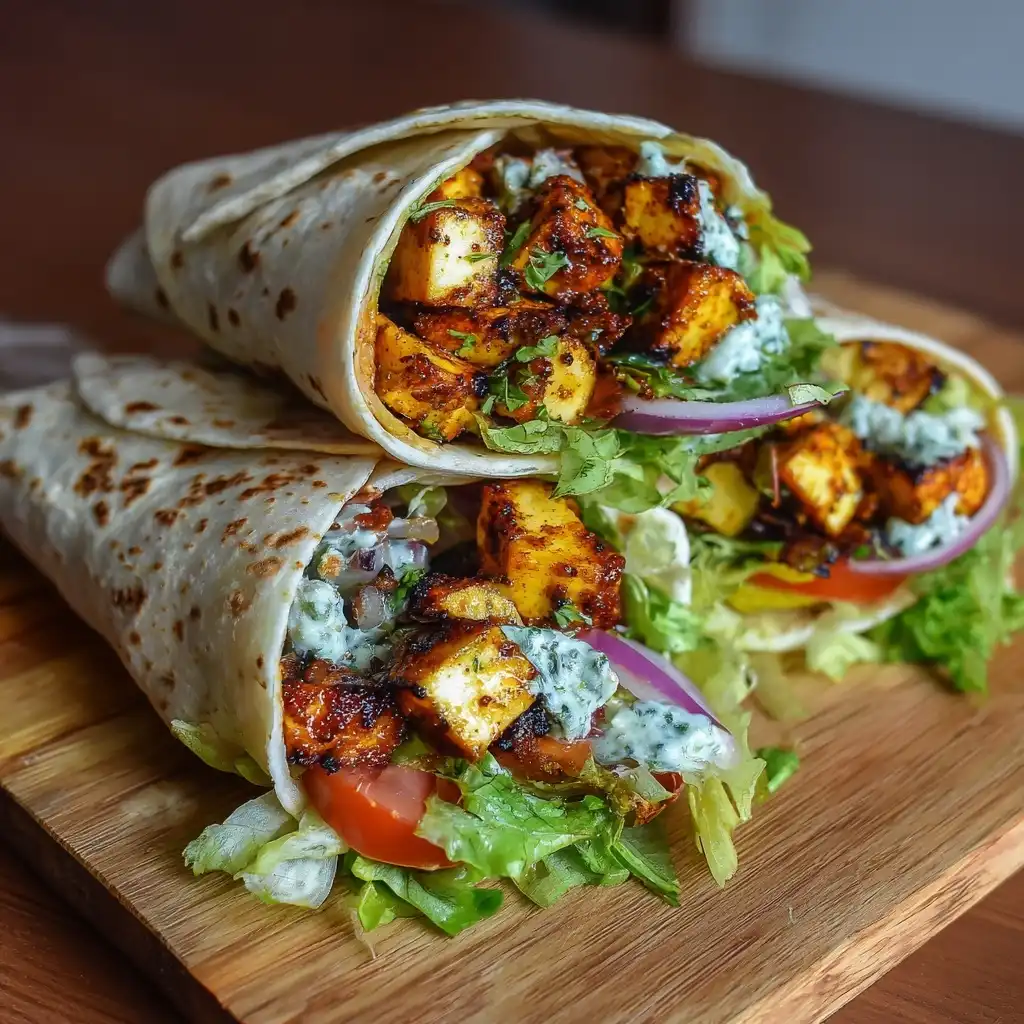
The Paneer Tikka Wrap is a vibrant, modern fusion of traditional Indian street food and contemporary global wrap culture—offering bold flavors, hearty nutrition, and effortless portability. Born from the beloved North Indian appetizer Paneer Tikka, this wrap transforms marinated, grilled cottage cheese cubes into a satisfying handheld meal wrapped in soft, warm flatbread. It bridges authenticity and innovation: the smoky char of tandoor-grilled paneer meets the convenience of a lunchbox-ready format, while layers of crisp vegetables, zesty chutneys, and aromatic spices create a symphony of textures and tastes. Whether served at bustling Mumbai food trucks, upscale Delhi cafés, or homemade weeknight dinners, the Paneer Tikka Wrap embodies India’s culinary adaptability—celebrating regional roots while embracing global food trends like grab-and-go wellness, plant-forward eating, and customizable bowls-in-a-wrap.
The History
The origins of the Paneer Tikka Wrap trace back to the evolution of tikka—a cooking technique rooted in Mughal-era tandoor traditions, where marinated proteins were skewered and roasted in clay ovens for intense flavor and tenderness. Paneer, India’s fresh, non-melting cottage cheese, became a popular vegetarian alternative to meat tikka during the 19th and early 20th centuries, especially in Punjab and Uttar Pradesh, where dairy-rich agriculture supported its widespread use. As urbanization accelerated post-Independence, street vendors began serving paneer tikka on skewers with mint-coriander chutney and lemon wedges—a precursor to today’s wrap format. The true transformation occurred in the late 1990s and early 2000s, influenced by globalization: Indian chefs returning from abroad introduced Middle Eastern-inspired flatbread wraps (like shawarma and falafel wraps) to metro cities, inspiring local adaptations. Mumbai’s “Tikka Roll” vendors—pioneers in wrapping grilled paneer in paratha or rumali roti—laid the groundwork. By the 2010s, social media, food delivery platforms (Zomato, Swiggy), and health-conscious millennial consumers catalyzed the formalization of the Paneer Tikka Wrap as a distinct menu item—featuring whole-wheat or multigrain wraps, vegan yogurt marinades, and globally inspired toppings like avocado or pickled red onions. Today, it appears on menus from London curry houses to New York food halls, symbolizing India’s dynamic culinary diplomacy.
Ingredients Breakdown
Every exceptional Paneer Tikka Wrap begins with thoughtfully sourced, high-quality components—each playing a precise role in flavor development, texture contrast, nutritional balance, and structural integrity:
- Paneer (Indian Cottage Cheese): Fresh, firm, low-moisture paneer is essential—it must hold its shape during marination and grilling without crumbling or releasing excess water. Homemade paneer offers superior creaminess and mild sweetness; store-bought versions should be soaked in warm water for 15–20 minutes to rehydrate and remove brine. Opt for organic or grass-fed milk-based paneer when possible for richer flavor and higher conjugated linoleic acid (CLA) content.
- Yogurt Marinade Base: Full-fat, live-culture dahi (Indian yogurt) provides tang, tenderizing lactic acid, and creamy binding power. Greek yogurt works as a thicker, protein-dense alternative. For vegan versions, unsweetened coconut or cashew yogurt—fortified with lemon juice and apple cider vinegar—mimics acidity and viscosity.
- Aromatic Spice Blend (Tikka Masala): A layered spice profile defines authenticity: Kashmiri red chili powder (for vibrant color and mild heat), garam masala (warmth and depth), smoked paprika (tandoori illusion), ground kasuri methi (bitter-herbal finish), turmeric (earthiness and golden hue), and freshly grated ginger-garlic paste (pungent brightness). Toasting whole spices (cumin, coriander, black pepper) before grinding unlocks volatile oils and intensifies aroma.
- Fresh Vegetables: Bell peppers (red/yellow/green) add sweetness and crunch; red onions contribute sharpness and structural bite; cherry tomatoes offer juicy acidity; and baby spinach or lettuce lend freshness and bulk. Optional additions include grilled zucchini, corn kernels, or purple cabbage for color and phytonutrient diversity.
- Flatbread Wrapper: Whole-wheat chapati or multigrain roti delivers fiber and rustic authenticity; soft paratha adds richness; gluten-free options include brown rice or almond-flour tortillas. For enhanced pliability, lightly warm the wrap before assembling—this prevents cracking and improves foldability.
- Chutneys & Sauces: Mint-coriander chutney (fresh herbs, green chilies, lemon, cumin) offers cooling heat; tamarind-date chutney contributes sweet-sour complexity; and a drizzle of spiced yogurt sauce (whisked dahi with chaat masala and roasted cumin) adds creaminess and tang. Vegan alternatives use soaked cashews blended with lime and dates.
- Finishing Touches: Crumbled sev (crunchy chickpea noodles), pomegranate arils (for jewel-toned tartness), roasted peanuts or cashews (nutty crunch), fresh cilantro, and a final squeeze of lemon juice elevate aroma, texture, and visual appeal.
Step-by-Step Recipe
- Prepare the Paneer: Cut 300g firm paneer into 1-inch cubes. Gently press between two paper towels or a clean muslin cloth for 5 minutes to remove surface moisture—critical for marinade adhesion and grill sear.
- Make the Marinade: In a large bowl, whisk together ¾ cup full-fat yogurt, 1 tbsp ginger-garlic paste, 1 tsp Kashmiri chili powder, 1 tsp garam masala, ½ tsp smoked paprika, ¼ tsp turmeric, 1 tsp kasuri methi, 1 tsp chaat masala, 1 tsp sugar (to balance acidity), 1 tsp salt, and juice of 1 lemon. Adjust spice level with green chilies (finely minced) if desired.
- Marinate: Add paneer cubes and 1 cup mixed bell pepper and red onion chunks to the marinade. Fold gently using a silicone spatula—do not stir vigorously. Cover and refrigerate for minimum 2 hours, ideally 6–8 hours (overnight yields deepest flavor and tenderness).
- Skewer & Grill: Thread marinated paneer and vegetables onto stainless steel or pre-soaked bamboo skewers. Grill on medium-high heat (tandoor, charcoal grill, or stovetop grill pan) for 8–10 minutes, turning every 2–3 minutes until paneer develops golden-brown char marks and vegetables soften slightly but retain crunch. Alternatively, bake at 200°C (400°F) for 15–18 minutes on a parchment-lined tray, flipping halfway.
- Warm the Wrap: Heat 1 large (10-inch) whole-wheat roti on a dry tawa or skillet for 20 seconds per side until pliable and lightly speckled. Keep covered with a damp cloth to retain moisture.
- Assemble: Spread 2 tbsp mint-coriander chutney evenly over the center of the roti, leaving a 1.5-inch border. Layer ½ cup shredded romaine or butter lettuce, then place grilled paneer-vegetable skewer pieces (remove from skewers) in a horizontal line down the center. Drizzle with 1 tbsp tamarind-date chutney and 1 tbsp spiced yogurt sauce. Scatter 1 tbsp crumbled sev, 1 tbsp pomegranate arils, 1 tsp roasted cumin powder, and a generous pinch of fresh cilantro.
- Wrap Technique: Fold the bottom edge up over the filling, then fold both sides inward tightly. Roll forward firmly but gently—applying even pressure to compact ingredients without squeezing out sauces. Optional: Lightly toast the seam-side down on the tawa for 30 seconds to seal.
- Serve Immediately: Slice diagonally in half for presentation. Serve with extra chutneys on the side, lemon wedges, and a small bowl of chilled mint water (pudina paani) for palate cleansing.
Tips
- PANEER QUALITY IS NON-NEGOTIABLE: Avoid pre-packaged paneer that’s overly rubbery or sour-tasting. Make your own using 1 liter whole milk + 2 tbsp lemon juice/vinegar—strain curds in muslin, hang 30 minutes, then press under a weighted plate for 2 hours. This yields superior texture and neutral flavor.
- MARINATION TIME MATTERS: While 2 hours works, 8+ hours allows yogurt enzymes to gently break down paneer proteins—resulting in unprecedented tenderness. Never exceed 24 hours, as excessive acidity can cause graininess.
- GRILL TEMPERATURE CONTROL: Too hot = burnt exterior, raw interior; too low = steamed, pale paneer. Aim for visible smoke and consistent sizzle upon contact. Brush skewers lightly with mustard oil before grilling for extra char and aroma.
- WRAP PLIABILITY HACK: If roti cracks during rolling, brush lightly with warm milk or ghee before warming—it restores elasticity. For gluten-free wraps, add ½ tsp xanthan gum to dry flour blend to prevent crumbling.
- SAUCE CONSISTENCY TIP: Chutneys should coat the back of a spoon—not run off. If too thin, simmer with ½ tsp cornstarch slurry; if too thick, loosen with ice-cold water, 1 tsp at a time.
- MAKE-AHEAD STRATEGY: Marinate paneer overnight; grill just before assembly. Pre-chop vegetables and store separately in airtight containers. Blend chutneys up to 5 days ahead—store in glass jars with oil layer on top to preserve color and freshness.
- TEXTURE BALANCE: Always include at least one crunchy element (sev, julienned cucumber, toasted nuts) and one juicy element (tomatoes, pomegranate, mango) to avoid monotony. Overloading with wet ingredients causes sogginess—layer sauces *under* greens, not over paneer.
- FLAVOR ENHANCEMENT TRICK: Finish with a dusting of amchur (dry mango powder) or black salt (kala namak) for bright, umami-laced tang—especially effective for vegan versions lacking dairy tang.
Variations and Customizations
The Paneer Tikka Wrap is inherently versatile—adaptable to dietary needs, seasonal produce, regional preferences, and creative experimentation:
- Vegan Paneer Tikka Wrap: Substitute paneer with baked tofu cubes or soy-based “vegan paneer” (blended tofu + tapioca starch + nutritional yeast). Use coconut yogurt marinade and cashew-based chutneys. Garnish with hemp seeds and sunflower sprouts for complete protein.
- High-Protein Power Wrap: Add 2 tbsp crumbled hard-boiled egg or grilled chicken tikka strips alongside paneer. Boost with 1 tbsp pumpkin seed butter swirled into yogurt sauce.
- Low-Carb/Keto Version: Replace roti with large butter lettuce or collard green leaves as the wrap base. Use full-fat Greek yogurt, increase healthy fats with avocado slices and olive oil drizzle, and omit sugar from marinade.
- Spice-Level Customization: Mild: Replace green chilies with roasted red bell pepper puree. Medium: Add ½ tsp crushed black pepper + 1 slit green chili. Fiery: Infuse marinade with ghost pepper oil (1 drop) or sprinkle with dried Bhut Jolokia flakes.
- Regional Twists: Punjabi Style—add boiled potatoes and amritsari kalonji (nigella) seeds. Bengali Style—swap mint chutney for date-tamarind-palm jaggery chutney + poppy seed garnish. South Indian Style—use dosa batter crepe as wrapper, add curry leaves and mustard seeds to marinade.
- Global Fusion Versions: Mediterranean—marinate with za’atar, sumac, and lemon zest; top with feta, olives, and tzatziki. Mexican-Inspired—add chipotle-smoked paprika, corn, black beans, and avocado-lime crema. Japanese-Inspired—use yuzu kosho marinade, shiitake mushrooms, nori strips, and wasabi-mayo drizzle.
- Seasonal Adaptations: Summer—add grilled peaches, mint, and basil; Winter—roast sweet potato cubes and caramelized onions; Monsoon—include steamed broccoli and ginger-infused chutney for immunity support.
- Kid-Friendly Version: Omit chilies entirely; use mild paprika + turmeric only. Shape paneer into fun forms (hearts, stars) with cookie cutters before marinating. Include hidden veg purée (carrot-beetroot) in chutney.
Health Considerations and Nutritional Value
A well-constructed Paneer Tikka Wrap is a nutrient-dense, balanced meal—offering high-quality plant-based protein, complex carbohydrates, heart-healthy fats, and a broad spectrum of micronutrients. Per standard serving (1 wrap, ~350g), approximate nutritional profile includes:
- Calories: 420–480 kcal (adjustable based on oil usage, paneer fat %, and wrap type)
- Protein: 22–28g (paneer provides ~18g/100g; complemented by yogurt, legume-based chutneys, and nuts)
- Fiber: 8–12g (whole-wheat roti contributes 4–5g; vegetables add 3–6g; chutneys with seeds/nuts supply 1–2g)
- Healthy Fats: 14–18g (mostly monounsaturated from mustard/groundnut oil and paneer; omega-3s from flax or walnuts if added)
- Vitamins & Minerals: Rich in calcium (paneer, fortified yogurt), vitamin C (bell peppers, lemon), vitamin A (beta-carotene in peppers/carrots), iron (spinach, whole grains), zinc (paneer, seeds), and B-complex vitamins (yogurt, whole grains). Kasuri methi and turmeric provide potent antioxidants (flavonoids, curcumin).
Dietary Considerations:
- Lactose Sensitivity: Traditional yogurt marinade contains lactose—but fermentation reduces levels significantly. Use lactose-free yogurt or coconut yogurt for full elimination.
- Gluten-Free: Ensure roti is certified GF (rice, buckwheat, or jowar-based); verify spice blends are not adulterated with wheat fillers.
- Sodium Control: Reduce added salt by 50% and rely on potassium-rich ingredients (tomatoes, spinach) and umami boosters (roasted garlic, nutritional yeast) for flavor depth.
- Blood Sugar Management: Pair with high-fiber wrap and vinegar-based marinade (lowers glycemic load). Avoid sugary chutneys—opt for date-sweetened versions with controlled portions.
- Weight Management: Prioritize portion control (1 moderate wrap), emphasize volume via non-starchy veggies, and use air-frying or grilling instead of deep-frying paneer.
- Gut Health Support: Live-culture yogurt and fermented chutneys (if unpasteurized) introduce beneficial probiotics; fiber from whole grains and vegetables feeds gut microbiota.
Contraindications & Mindful Modifications: Individuals with irritable bowel syndrome (IBS) may benefit from low-FODMAP swaps: replace onion/garlic with infused oil, use lactose-free yogurt, and limit high-FODMAP chutney ingredients (mango, dates, cashews). Those managing kidney disease should consult a dietitian regarding phosphorus content in paneer and processed spices.
Ingredients
- 300g firm, fresh paneer, cut into 1-inch cubes
- ¾ cup full-fat plain yogurt (or coconut yogurt for vegan)
- 1 tbsp ginger-garlic paste (freshly grated)
- 1 tsp Kashmiri red chili powder (plus more for garnish)
- 1 tsp garam masala (homemade preferred)
- ½ tsp smoked paprika
- ¼ tsp turmeric powder
- 1 tsp dried kasuri methi (crushed)
- 1 tsp chaat masala
- 1 tsp sugar (optional, balances acidity)
- 1 tsp fine sea salt (adjust to taste)
- Juice of 1 medium lemon (about 2 tbsp)
- 1 large red bell pepper, deseeded and cubed
- 1 medium red onion, cut into 1-inch chunks
- 10–12 cherry tomatoes, halved
- 1 large whole-wheat roti or multigrain paratha (10-inch diameter)
- ½ cup fresh romaine or butter lettuce, shredded
- ¼ cup mint-coriander chutney (see recipe below)
- 2 tbsp tamarind-date chutney
- 2 tbsp spiced yogurt sauce (see recipe below)
- 1 tbsp sev (thin chickpea noodles)
- 1 tbsp pomegranate arils
- Fresh cilantro leaves, for garnish
- Lemon wedges, for serving
Mint-Coriander Chutney: Blend 1 cup fresh coriander leaves, ½ cup fresh mint leaves, 1–2 green chilies, 1 clove garlic, ½ inch ginger, 1 tsp cumin seeds, juice of 1 lime, and ¼ tsp salt until smooth. Thin with 1–2 tbsp cold water if needed.
Spiced Yogurt Sauce: Whisk ½ cup thick plain yogurt, ½ tsp roasted cumin powder, ¼ tsp chaat masala, pinch of black salt, and 1 tsp lemon juice until creamy.
Directions
- Prep Paneer: Place paneer cubes on a triple-layered paper towel. Top with another towel and press gently with a flat plate for 5 minutes to extract excess moisture. Pat dry.
- Make Marinade: In a spacious mixing bowl, combine yogurt, ginger-garlic paste, Kashmiri chili, garam masala, smoked paprika, turmeric, kasuri methi, chaat masala, sugar, salt, and lemon juice. Whisk vigorously for 1 minute until emulsified and frothy.
- Combine & Marinate: Add paneer, bell pepper, red onion, and cherry tomatoes to marinade. Using a flexible spatula, fold from bottom upward—ensuring every piece is coated. Cover with cling film and refrigerate for minimum 2 hours, preferably 8 hours.
- Grill or Bake: Preheat grill or grill pan to medium-high. Thread marinated items onto skewers (leave space between pieces for even cooking). Grill 8–10 minutes, turning frequently, until paneer is golden and vegetables are tender-crisp. For oven method: arrange on parchment-lined tray; bake at 200°C (400°F) for 15–18 minutes, flipping once at 8 minutes.
- Warm Roti: Heat tawa or skillet over medium flame. Place roti directly on surface; cook 20 seconds per side until soft, pliable, and lightly blistered. Wrap immediately in a clean cotton napkin to retain steam.
- Assemble Wrap: Lay warm roti flat. Spread mint-coriander chutney evenly across center third. Layer lettuce. Arrange grilled paneer and vegetables horizontally over greens. Drizzle tamarind-date chutney and spiced yogurt sauce in parallel lines. Scatter sev, pomegranate, and cilantro.
- Roll Securely: Fold bottom edge up over filling. Fold left and right edges inward snugly. Roll forward with steady, even pressure—tucking filling in as you go. Press seam-side down for 10 seconds to seal.
- Serve: Cut diagonally with a sharp serrated knife. Serve immediately with lemon wedges, extra chutneys, and chilled pudina paani.
FAQ
- Can I make Paneer Tikka Wrap without a grill?
- Absolutely. Use a heavy-bottomed cast-iron skillet or non-stick tawa over medium-high heat—cook paneer 3–4 minutes per side until golden. Air fryer method: 200°C (390°F) for 12–14 minutes, shaking basket twice. Oven broil: 10 minutes on high broil setting, flipping halfway.
- How do I prevent the wrap from becoming soggy?
- Key strategies: 1) Press paneer thoroughly pre-marination; 2) Drain grilled vegetables on paper towels before assembling; 3) Apply chutneys *under* leafy greens—not directly on roti; 4) Assemble no more than 5 minutes before eating; 5) Use sturdy, low-moisture greens like romaine or cabbage instead of spinach alone.
- Is store-bought paneer suitable? Which brands are recommended?
- Yes—if chosen carefully. Opt for refrigerated, minimally processed paneer with short ingredient lists (milk, food-grade acid, salt). Recommended Indian brands: Amul (Gold variant), Mother Dairy Fresh, or Nandini. Internationally: Cedar Grove Organic (USA), Sainsbury’s Free From (UK). Avoid vacuum-sealed, long-shelf-life paneer—it often contains stabilizers and lacks freshness.
- Can I freeze Paneer Tikka Wrap components?
- Marinated paneer freezes exceptionally well: portion into airtight bags, freeze up to 3 months. Thaw overnight in fridge before grilling. Cooked paneer can also be frozen but may soften slightly. Do NOT freeze assembled wraps—they become watery and untextured. Chutneys freeze for 2 months in ice cube trays—thaw and stir before use.
- What’s the best way to reheat leftovers?
- Reheat grilled paneer and veggies in a skillet with 1 tsp oil over medium heat for 2–3 minutes—restores char and texture. Never microwave the assembled wrap—it makes roti rubbery and separates sauces. Reheat components separately, then reassemble fresh.
- Are there nut-free alternatives to sev?
- Yes. Replace sev with roasted chickpeas (crushed), toasted quinoa puffs, or crispy fried lotus root chips. For gluten-free + nut-free, try roasted mung bean noodles or puffed amaranth.
- How can I make this kid-friendly without sacrificing flavor?
- Omit green chilies and reduce chili powder by half. Add 1 tsp roasted carrot or beetroot purée to marinade for natural sweetness and color. Use fun-shaped paneer, serve with colorful dipping sauces (sweet tamarind + cool mint), and involve kids in assembly—let them choose toppings from a “wrap bar.”
- Can I prepare this for a large gathering or party?
- Effortlessly scalable! Marinate paneer in bulk (up to 1kg) and grill in batches. Set up a DIY wrap station: warm rotis stacked under a damp cloth, grilled paneer in chafing dishes, chilled chutneys in ramekins, and toppings in labeled bowls. Provide tongs, squeeze bottles, and step-by-step signage. Prep time per wrap drops to under 60 seconds.
Summary
The Paneer Tikka Wrap is a masterclass in Indian culinary ingenuity—transforming centuries-old tandoori techniques into a nourishing, portable, and endlessly adaptable modern meal that honors tradition while embracing global wellness trends and personalized eating.
With its perfect harmony of smoky-spiced paneer, vibrant vegetables, zesty chutneys, and wholesome whole-grain wrap, it delivers restaurant-quality flavor, robust nutrition, and joyful customization—all in one beautifully bundled, hand-held experience.