Pasta Primavera with Lemon & Basil: A Fresh, Vibrant Celebration of Spring
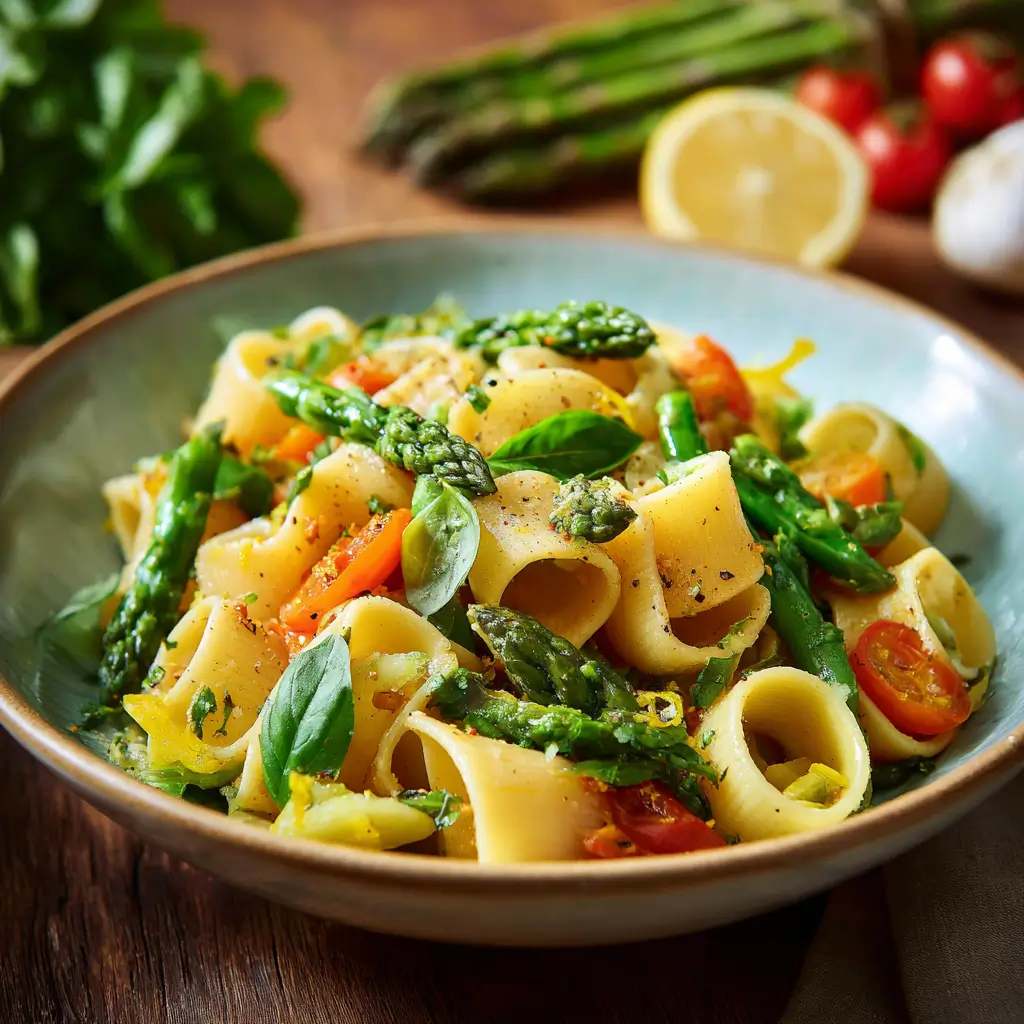
There’s something undeniably magical about a dish that captures the essence of spring in every bite. Pasta Primavera with Lemon & Basil is exactly that—a light, colorful, and refreshing pasta dish that bursts with the flavors of fresh vegetables, fragrant herbs, and zesty citrus. Perfect for both weeknight dinners and special gatherings, this recipe brings brightness to your table with minimal effort and maximum taste. Whether you’re a long-time fan of Italian-inspired cuisine or just discovering the joy of seasonal cooking, this version of Pasta Primavera elevates the classic with a bright lemon twist and aromatic basil leaves.
The History of Pasta Primavera
The story of Pasta Primavera is as vibrant as the dish itself. While its roots are often attributed to Italian-American cuisine, its origin is more modern and surprisingly New York-centric. The dish gained widespread fame in the 1970s at Le Câtelain, a now-closed restaurant in Manhattan, where it was reportedly created by chef Sirio Maccioni and his team after a spontaneous dinner for media personalities. Faced with limited ingredients late one night, the chefs tossed together whatever fresh vegetables were on hand with pasta, olive oil, cream, and Parmesan—giving birth to what would soon become a culinary sensation.
Word spread quickly through food circles, and soon, Pasta Primavera appeared on menus across the United States. It symbolized a shift toward lighter, vegetable-forward dishes during a time when American palates were beginning to embrace freshness and seasonality. Though variations exist—with some versions using cream sauces and others opting for oil-based dressings—the core idea remains the same: celebrate spring produce in a simple, elegant pasta dish. Our take on this classic incorporates lemon and basil to enhance the natural brightness, making it not only a tribute to tradition but also a celebration of modern flavor profiles.
Ingredients Breakdown: Why Each Component Matters
Every ingredient in this Pasta Primavera plays a crucial role in building layers of flavor, texture, and nutrition. Let’s explore them in detail:
- Pasta (preferably fettuccine or linguine): These flat, ribbon-like pastas hold onto sauce beautifully and provide an ideal canvas for the mix of vegetables and dressing. Opt for high-quality dried or fresh egg-free pasta made from durum wheat semolina for optimal texture.
- Fresh lemon: Both the zest and juice contribute essential acidity and floral notes. Lemon zest contains aromatic oils that elevate the dish without adding liquid, while the juice provides a tangy punch that cuts through richness.
- Fresh basil: A hallmark of Italian cooking, basil adds sweet, slightly peppery, and minty notes. Its volatile oils are best preserved when added at the end of cooking, so we use it generously as a garnish and mix-in.
- Garlic: Minced garlic sautéed gently in olive oil forms the flavor foundation of the dish. Be careful not to burn it—golden is perfect; brown is bitter.
- Olive oil: Use a good quality extra-virgin olive oil for both sautéing and finishing. It contributes fruitiness and helps emulsify the sauce, giving the pasta a silky mouthfeel.
- Spring vegetables: We use a colorful medley including asparagus, cherry tomatoes, yellow squash, zucchini, bell peppers, and peas. Each brings unique textures and sweetness. Asparagus offers crunch, tomatoes burst with juiciness, squash lends softness, and peas add pop and color.
- Shallot or red onion: Finely diced shallots add mild allium depth without overpowering the delicate flavors. Red onion can be used as a substitute for a sharper bite.
- Parmesan cheese (optional): Adds umami and saltiness. For a vegan option, skip or use nutritional yeast.
- Salt and black pepper: Essential for seasoning each layer of the dish. Always season in stages—not just at the end—for balanced flavor.
- Vegetable broth (or pasta water): Used to deglaze the pan and create a light, cohesive sauce that coats every strand of pasta.
This thoughtful combination ensures that no single ingredient dominates; instead, they work in harmony to create a symphony of tastes and sensations.
Step-by-Step Recipe: How to Make Pasta Primavera with Lemon & Basil
- Prepare the Ingredients: Begin by washing and chopping all vegetables uniformly for even cooking. Cut asparagus into 1-inch pieces, halve cherry tomatoes, slice squash and zucchini into half-moons, dice bell pepper, and mince garlic and shallot. Zest one lemon and juice two lemons, keeping them separate. Tear fresh basil leaves into small pieces and set aside.
- Cook the Pasta: Bring a large pot of salted water to a boil (use about 1 tablespoon of salt per quart of water). Add the pasta and cook according to package instructions until al dente—usually 8–10 minutes for dried pasta. Before draining, reserve 1 cup of starchy pasta water. Drain the pasta but do not rinse—it needs the starch to help the sauce cling.
- Sauté the Aromatics: While the pasta cooks, heat 3 tablespoons of extra-virgin olive oil in a large skillet or sauté pan over medium heat. Add the minced shallot and cook for 2–3 minutes until translucent. Add the garlic and stir for 30 seconds until fragrant—do not let it brown.
- Add the Hardier Vegetables: Toss in the asparagus and bell pepper. Sauté for 4–5 minutes, stirring occasionally, until they begin to soften but still retain a crisp-tender texture.
- Incorporate Softer Vegetables: Add the zucchini, yellow squash, and peas. Cook for another 3–4 minutes until vibrant and tender. If the pan looks dry, splash in a few tablespoons of vegetable broth or water to prevent sticking and promote steaming.
- Add Tomatoes and Deglaze: Stir in the cherry tomatoes and cook for 1–2 minutes just until they start to release their juices. Pour in 1/2 cup of reserved pasta water or vegetable broth to deglaze the pan, scraping up any browned bits for added flavor.
- Combine Pasta and Vegetables: Add the drained pasta to the skillet. Toss everything together gently using tongs or a large spoon. Let the mixture simmer for 1–2 minutes so the flavors meld.
- Dress with Lemon and Oil: Remove the pan from heat. Drizzle in the fresh lemon juice (about 1/4 cup), sprinkle in the lemon zest, and add another 2–3 tablespoons of olive oil. Toss again to coat evenly. The residual heat will warm the lemon without making it bitter.
- Finish with Basil and Cheese: Fold in most of the torn basil leaves. Taste and adjust seasoning with salt and freshly ground black pepper. If using, sprinkle grated Parmesan over the top or serve on the side.
- Serve Immediately: Plate the Pasta Primavera right away while hot. Garnish with additional basil, a twist of lemon zest, and optional Parmesan. Serve with lemon wedges on the side for extra brightness.
Tips for the Best Pasta Primavera
- Don’t Overcook the Vegetables: The key to great texture is maintaining a crisp-tender bite. Overcooked veggies turn mushy and lose their vibrant color.
- Use Starchy Pasta Water: This golden liquid is your secret weapon for creating a silky, restaurant-quality sauce that clings to every noodle.
- Bloom the Garlic Properly: Sauté garlic briefly—only until fragrant. Burnt garlic turns bitter and ruins the balance of the dish.
- Season in Layers: Salt the pasta water well, season the vegetables as they cook, and taste before serving. Layered seasoning results in deeper flavor.
- Prep Ahead When Possible: Chop all vegetables in advance to streamline cooking. You can even blanch harder vegetables like asparagus ahead of time and finish them in the pan.
- Choose Peak-Season Produce: This dish shines when made with ripe, in-season vegetables. In spring and early summer, farmers’ markets offer the best options.
- Embrace Imperfection: Uniformity isn’t necessary—slightly uneven cuts add rustic charm and varied textures.
- Keep the Heat Moderate: High heat can scorch delicate ingredients like garlic and basil. Medium heat allows flavors to develop without burning.
Variations and Customizations
Pasta Primavera is wonderfully adaptable. Here are some creative ways to personalize your dish:
- Protein Boost: Add grilled chicken, shrimp, scallops, or flaked salmon for a heartier meal. For plant-based protein, include chickpeas, white beans, or marinated tofu cubes.
- Creamy Version: Stir in 1/4 to 1/2 cup of heavy cream, crème fraîche, or mascarpone for a richer, silkier texture—perfect for cooler months.
- Vegan Option: Skip the cheese or replace Parmesan with nutritional yeast. Ensure all other ingredients are plant-based.
- Gluten-Free: Use gluten-free pasta made from rice, corn, quinoa, or legumes. Cook carefully to avoid mushiness and rinse only if required by the brand.
- Herb Swaps: While basil is classic, try adding parsley, dill, chives, or mint for different herbal notes. Mint pairs especially well with lemon.
- Spicy Kick: Add red pepper flakes during sautéing or drizzle with chili oil before serving.
- Different Pasta Shapes: Try penne, farfalle, fusilli, or spaghetti. Twisted shapes like rotini trap sauce and small vegetables beautifully.
- Roasted Vegetables: For deeper flavor, roast asparagus, cherry tomatoes, and squash on a sheet pan at 400°F (200°C) for 15–20 minutes before mixing with cooked pasta.
- Lemon Alternatives: Substitute lime or orange for a different citrus profile—lime adds tropical flair, while orange brings sweetness.
- Seafood Twist: Mix in sautéed shrimp or scallops along with capers and olives for a Mediterranean-inspired version.
Health Considerations and Nutritional Value
Pasta Primavera with Lemon & Basil is inherently nutritious, especially when prepared with whole ingredients and minimal added fats. Here’s a breakdown of its health benefits:
- Low in Saturated Fat: Using olive oil as the primary fat source provides heart-healthy monounsaturated fats and antioxidants.
- High in Fiber: Thanks to the abundance of vegetables and whole-grain pasta (if used), this dish supports digestive health and helps maintain steady blood sugar levels.
- Rich in Vitamins and Antioxidants: The colorful vegetable mix delivers vitamins A (from bell peppers and squash), C (from tomatoes and lemon), K (from asparagus and basil), and folate. These nutrients support immune function, skin health, and cellular repair.
- Hydration Support: Many spring vegetables—like zucchini and tomatoes—have high water content, contributing to daily hydration needs.
- Anti-Inflammatory Properties: Olive oil, garlic, lemon, and basil all contain compounds shown to reduce inflammation in the body.
- Customizable for Dietary Needs: Easily adapted for vegan, vegetarian, dairy-free, and gluten-free diets.
Nutritionally, a typical serving (about 1.5 cups) contains approximately:
- Calories: 380–450 (depending on oil, cheese, and pasta quantity)
- Protein: 12–16g
- Carbohydrates: 60–70g (with 8–10g fiber if using whole grain)
- Fat: 12–18g (mostly unsaturated)
- Sodium: 400–600mg (adjustable based on added salt)
To make it even healthier:
- Use whole wheat or legume-based pasta for more fiber and protein.
- Reduce oil slightly and rely on pasta water for creaminess.
- Boost vegetable volume to at least 50% of the dish for increased micronutrient density.
- Avoid heavy cream unless desired for indulgence.
Ingredients
- 12 oz (340g) fettuccine or linguine (or preferred pasta)
- 3 tbsp extra-virgin olive oil, plus more for drizzling
- 1 medium shallot, finely diced (or 1/2 small red onion)
- 3 cloves garlic, minced
- 1 bunch asparagus (about 1 cup), trimmed and cut into 1-inch pieces
- 1 cup cherry tomatoes, halved
- 1 small zucchini, sliced into half-moons
- 1 small yellow squash, sliced into half-moons
- 1/2 red or yellow bell pepper, thinly sliced
- 1/2 cup frozen or fresh peas
- Zest and juice of 2 lemons (zest from 1 is sufficient)
- 1 cup fresh basil leaves, torn (plus extra for garnish)
- 1/2 cup grated Parmesan cheese (optional, omit for vegan)
- Salt and freshly ground black pepper, to taste
- 1/2 to 1 cup reserved pasta water or vegetable broth
- Lemon wedges, for serving
Directions
- Bring a large pot of generously salted water to a boil. Add pasta and cook until al dente. Reserve 1 cup of pasta water, then drain and set aside.
- In a large skillet over medium heat, warm 3 tablespoons of olive oil. Add diced shallot and sauté for 2–3 minutes until soft and translucent.
- Add minced garlic and stir for 30 seconds until fragrant.
- Add asparagus and bell pepper. Cook for 4–5 minutes, stirring occasionally.
- Add zucchini, yellow squash, and peas. Cook for 3–4 minutes until vegetables are tender-crisp.
- Stir in cherry tomatoes and cook 1–2 minutes until slightly softened.
- Pour in 1/2 cup of reserved pasta water or broth to deglaze the pan. Scrape up any flavorful bits from the bottom.
- Add the cooked pasta to the skillet. Toss to combine and let simmer for 1–2 minutes.
- Remove from heat. Stir in lemon juice, lemon zest, and additional olive oil. Season with salt and pepper.
- Fold in torn basil leaves and half the Parmesan (if using).
- Taste and adjust seasoning. Add more pasta water if needed for moisture.
- Divide into bowls. Top with remaining basil, extra Parmesan, and a drizzle of olive oil. Serve immediately with lemon wedges on the side.
FAQ
Can I make Pasta Primavera ahead of time?
Yes, though it’s best served fresh. You can prep and chop vegetables up to a day in advance and store them separately. Reheat gently with a splash of water or broth to refresh the texture.
How long does leftovers last?
Store in an airtight container in the refrigerator for up to 3 days. Reheat in a skillet over low heat with a bit of olive oil or water to prevent drying.
Can I freeze this dish?
Not recommended. Freezing affects the texture of the vegetables and pasta, making them mushy upon thawing.
Why did my pasta turn out dry?
You likely didn’t use enough starchy pasta water. Always reserve some before draining and use it to loosen the sauce. Add gradually until desired consistency is reached.
Can I use dried basil instead of fresh?
Fresh basil is strongly preferred due to its vibrant aroma and flavor. Dried basil lacks the same intensity and can taste dusty. If necessary, use 1 teaspoon dried for every 1/4 cup fresh—but fresh is ideal.
Is this dish gluten-free?
Only if you use gluten-free pasta. Be sure to check labels on all ingredients, including broth and cheese, if preparing for someone with celiac disease.
What wine pairs well with Pasta Primavera?
A crisp white wine such as Pinot Grigio, Sauvignon Blanc, or Vermentino complements the lemon and herb notes beautifully.
Summary
Pasta Primavera with Lemon & Basil is a radiant, seasonal dish that celebrates fresh vegetables, bright citrus, and aromatic herbs in perfect harmony. Light yet satisfying, it’s a versatile, wholesome meal that brings the spirit of spring to your table with every forkful.