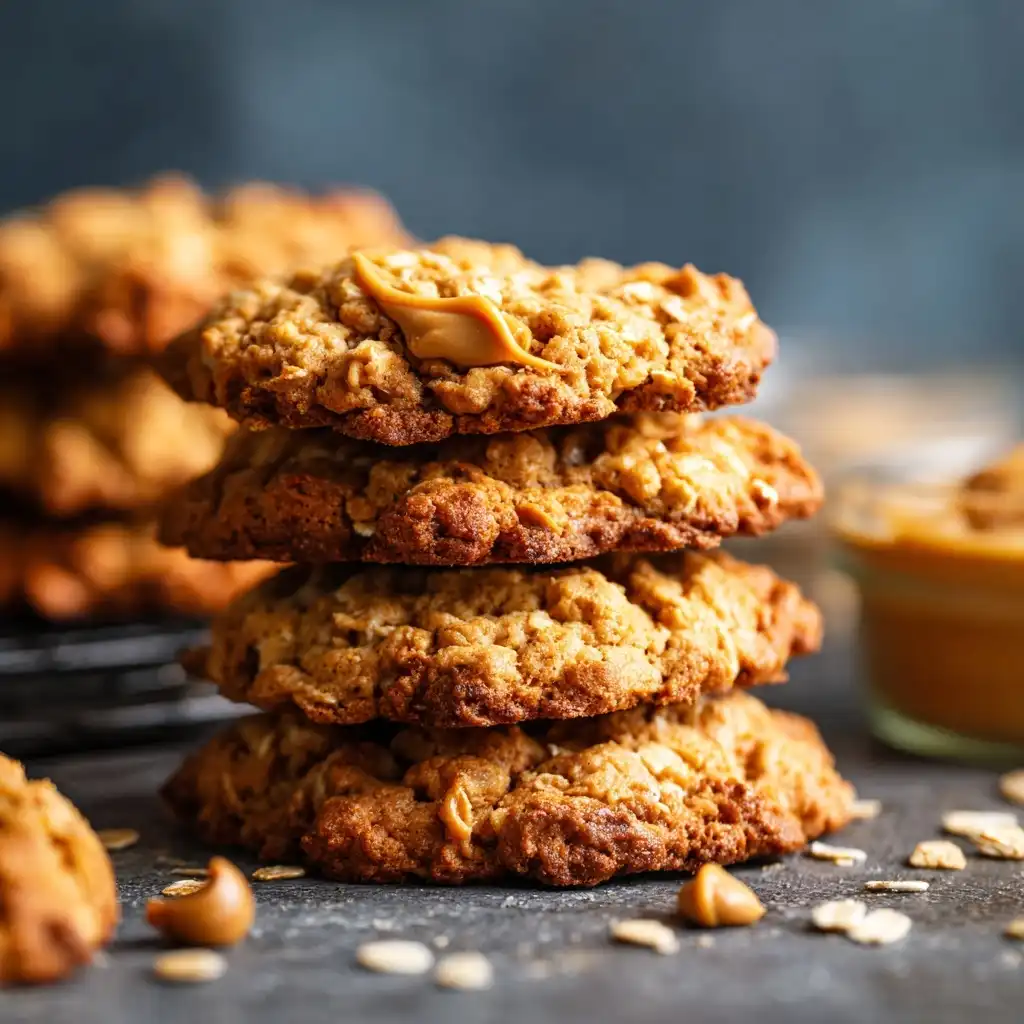
Introduction
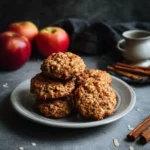
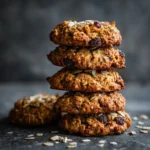
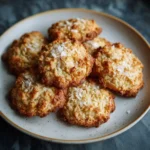
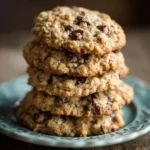
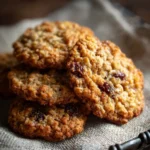
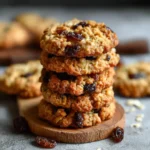
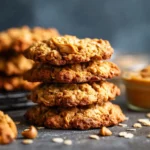
Peanut butter oatmeal cookies are a beloved classic—a warm, nostalgic fusion of hearty whole grains and rich, nutty indulgence. More than just a sweet treat, they embody comfort in edible form: chewy yet slightly crisp at the edges, generously studded with plump oats, and imbued with the unmistakable, savory-sweet depth of natural peanut butter. Whether enjoyed fresh from the oven with a glass of cold milk, packed into lunchboxes, or gifted in mason jars for holidays and bake sales, these cookies strike the perfect balance between wholesome satisfaction and decadent delight. Their enduring popularity spans generations—not only for their approachable flavor profile but also for their remarkable versatility, adaptability to dietary needs, and forgiving nature for bakers of all skill levels.
The History
The origins of peanut butter oatmeal cookies trace back to the early-to-mid 20th century, emerging alongside two pivotal American food movements: the rise of peanut butter as an affordable, protein-rich staple and the growing cultural embrace of oatmeal as a nutritious, economical pantry item. Peanut butter itself was popularized after Dr. John Harvey Kellogg patented a process for making it in 1895, and by the 1920s—especially during the Great Depression—its affordability and shelf stability made it a kitchen essential. Oats, long cultivated in Scotland and introduced widely in North America by European settlers, gained renewed attention in the 1930s and ’40s for their fiber content and satiating properties. Early versions of oatmeal cookies appeared in community cookbooks and home economics pamphlets, often featuring molasses or raisins; peanut butter entered the mix shortly thereafter, likely first as a substitution for shortening or added flavor enhancer. The iconic “no-bake” variation—using melted peanut butter, honey or syrup, and quick oats—gained traction in the 1950s, thanks to its simplicity and child-friendly appeal. Over time, both baked and no-bake iterations evolved, influenced by regional preferences, wartime rationing innovations, and the post-war boom in packaged baking aids (like pre-measured oat blends and creamy shelf-stable peanut butters). Today, peanut butter oatmeal cookies appear in countless forms—from gluten-free bakery displays to gourmet food truck menus—and remain a cornerstone of American cookie culture, symbolizing resourcefulness, warmth, and timeless taste.
Ingredients Breakdown
Every exceptional peanut butter oatmeal cookie begins with intentionality—each ingredient plays a precise functional and sensory role:
- Peanut Butter: The soul of the cookie. Creamy peanut butter delivers smooth richness and binds ingredients; natural varieties (with just peanuts and salt) yield deeper flavor and less sweetness, while conventional brands (with added sugar and hydrogenated oils) enhance spread and chew. Crunchy peanut butter introduces delightful textural contrast and nutty bursts—but may require extra mixing care to avoid clumping.
- Oats: Rolled oats (old-fashioned) are ideal—they retain structure during baking, provide chewy substance, and absorb moisture without turning gummy. Quick oats can be used for a softer, more uniform texture (though cookies may spread more); steel-cut oats are not recommended due to their dense, unyielding nature. For certified gluten-free cookies, always choose oats labeled as such, as cross-contamination with wheat is common in standard oat processing.
- Sugars: A dual-sugar system is key. Brown sugar (light or dark) contributes moisture, acidity (via molasses), and caramel notes that enhance browning and chew; granulated sugar adds crispness to the edges and aids in spreading and aeration during creaming. The ratio influences texture: more brown sugar = chewier cookies; more granulated = crisper, thinner cookies.
- Fats: Unsalted butter provides flakiness, dairy richness, and superior browning (thanks to milk solids), while also contributing to lift and tenderness. Some recipes use all peanut butter for a richer, denser result—or substitute part butter with coconut oil for a dairy-free option (note: coconut oil solidifies when cool, affecting texture).
- Eggs: Act as emulsifiers and structural agents. The yolk adds fat and richness; the white contributes protein and binding. Room-temperature eggs incorporate more evenly into the batter, ensuring uniform texture and optimal rise.
- Leavening Agents: Baking soda is most common—it reacts with the acidity in brown sugar and peanut butter to produce carbon dioxide, encouraging lift and spread. Baking powder may be added in small amounts for extra puff, especially in thicker or cake-like variations.
- Flour: All-purpose flour provides gluten structure—just enough to hold shape without toughness. Whole wheat pastry flour can replace up to half the AP flour for added fiber and nuttiness; bread flour is too strong and will make cookies tough.
- Flavor Enhancers: Pure vanilla extract adds aromatic complexity; a pinch of flaky sea salt intensifies sweetness and balances fat; cinnamon or nutmeg offer subtle warmth; a splash of bourbon or maple extract deepens the caramel-peanut profile.
- Optional Mix-Ins: Chocolate chips (semisweet, milk, or dark), roasted peanuts, dried cranberries, banana chips, toasted coconut, or even a swirl of jam or dulce de leche each bring unique dimensions—sweet, tart, crunchy, or creamy—that elevate the base recipe without compromising integrity.
Step-by-Step Recipe
- Prep Work (15 minutes): Position oven racks in the upper and lower thirds. Preheat oven to 350°F (175°C). Line two large baking sheets with parchment paper or silicone baking mats—do not grease directly, as excess fat causes over-spreading. Measure all ingredients precisely; whisk dry ingredients (flour, oats, baking soda, salt, spices) in a medium bowl and set aside. Bring butter and eggs to room temperature (about 30–60 minutes on the counter). If using natural peanut butter, stir thoroughly to reincorporate separated oils.
- Creaming Stage (3–5 minutes): In a large stand mixer fitted with the paddle attachment (or using a hand mixer), beat softened unsalted butter, creamy peanut butter, brown sugar, and granulated sugar on medium speed until light, fluffy, and pale—scraping down the bowl halfway. This step incorporates air, which translates to tender crumb and proper rise. Avoid under- or over-creaming: under-creamed batter yields dense cookies; over-creamed may cause excessive spread.
- Adding Wet Ingredients (2 minutes): Add eggs one at a time, beating well after each addition until fully incorporated and glossy. Mix in vanilla extract (and any liquid flavorings like maple or bourbon) until just combined. Pause to scrape the bowl thoroughly.
- Dry Ingredient Incorporation (1–2 minutes): With mixer on low speed, gradually add the dry ingredient mixture in three additions, mixing only until no streaks of flour remain—do not overmix. Overmixing develops gluten, leading to tough, rubbery cookies. Use a flexible spatula for final folds to ensure full integration, especially near the bottom of the bowl.
- Folding in Mix-Ins (1 minute): Gently fold in optional add-ins (e.g., chocolate chips, chopped peanuts) using a spatula—just until evenly distributed. For chunky peanut butter lovers, reserve ¼ cup of chopped roasted peanuts to press onto tops of dough balls before baking for visual appeal and crunch.
- Chilling (Essential – 30 minutes to 72 hours): Cover bowl tightly and refrigerate dough for at least 30 minutes (up to 3 days). Chilling solidifies fats, preventing overspreading, enhances flavor development through hydration and enzyme activity, and improves dough handling. For best results, chill 2 hours or overnight.
- Portioning & Shaping (5 minutes): Using a 1.5-tablespoon cookie scoop or rounded tablespoon, portion chilled dough into balls. Roll gently between palms to smooth—avoid compacting too tightly. Place dough balls at least 3 inches apart on prepared sheets (they will spread significantly). Optional: flatten each ball slightly with a fork in a crisscross pattern for traditional appearance—or leave rounded for puffier, bakery-style cookies.
- Baking (10–13 minutes per batch): Bake one sheet at a time in the center of the oven for 10–12 minutes (rotate pan halfway through). Cookies are done when edges are golden brown and set, centers appear soft and slightly puffed but not raw or wet-looking, and tops lose their glossy sheen. They will continue to set as they cool. Do not overbake—underbaked centers yield chewy perfection; overbaked leads to dryness.
- Cooling & Setting (15–20 minutes): Let cookies cool on baking sheets for 5 minutes—this allows internal structure to firm. Then transfer carefully to wire racks to cool completely (10–15 minutes). Resist the urge to move them too soon; fragile centers need time to stabilize. Fully cooled cookies develop optimal chew and flavor harmony.
Tips
- Measure Flour Correctly: Spoon flour into measuring cup and level off with a knife—never scoop directly from the bag, which compacts flour and adds up to 25% extra, resulting in dry, crumbly cookies.
- Use a Timer Religiously: Oven temperatures vary wildly—even 10°F can mean the difference between chewy and brittle. Set timers for every stage: chilling, baking, cooling.
- Rotate Pans Mid-Bake: Most home ovens have hot spots. Rotating pans ½ turn halfway ensures even browning and consistent texture.
- Don’t Skip the Chill: Skipping chilling leads to flat, greasy, misshapen cookies. If you’re in a rush, freeze dough balls for 15 minutes instead—but never bake straight from the fridge without at least brief rest at room temp (2–3 min) to prevent thermal shock.
- Invest in Quality Peanut Butter: Avoid reduced-fat or “natural-style” peanut butters with added stabilizers like palm oil—they behave unpredictably. Opt for brands with only peanuts + salt (or peanuts only), and stir well before measuring.
- Calibrate Your Oven: Use an independent oven thermometer. Many built-in thermostats run 25–50°F off—leading to underbaked centers or burnt edges.
- Batch Consistency Matters: Use a cookie scoop for uniform size—this guarantees even baking. If scooping by hand, weigh dough portions (30–35g each) for professional-level consistency.
- Store Smart: Keep fully cooled cookies in an airtight container at room temperature for up to 5 days. Layer with parchment to prevent sticking. For longer storage, freeze baked cookies (up to 3 months) or unbaked dough balls (up to 6 months)—bake frozen, adding 1–2 minutes to bake time.
- Revive Stale Cookies: Place hardened cookies on a parchment-lined sheet and bake at 300°F for 3–5 minutes—they’ll regain chew and aroma.
- Keep a Baking Journal: Note ambient humidity, altitude, brand substitutions, and oven quirks. Small adjustments compound into major improvements over time.
Variations and Customizations
The peanut butter oatmeal cookie is a canvas—infinitely adaptable to seasonal whims, pantry constraints, and dietary frameworks:
- Gluten-Free: Substitute all-purpose flour with a 1:1 certified gluten-free blend (like Bob’s Red Mill or King Arthur); use certified GF oats; add ¼ tsp xanthan gum if your blend doesn’t include it. For extra binding, add 1 tbsp ground flaxseed mixed with 3 tbsp water (let sit 5 min before adding).
- Vegan: Replace butter with vegan butter or refined coconut oil; use flax or chia “eggs” (1 tbsp ground seed + 2.5 tbsp water per egg); ensure peanut butter is vegan (no honey); swap brown sugar for coconut sugar or organic cane sugar (some brown sugars use bone char).
- Protein-Packed: Stir in 2–3 tbsp unflavored or vanilla whey or plant-based protein powder (reduce flour by 1 tbsp per tbsp protein); add ¼ cup powdered peanut butter (PB2) for intensified flavor without added fat.
- Lower-Sugar: Reduce granulated sugar by ¼ cup and brown sugar by 2 tbsp; boost flavor with 1 tsp molasses and ½ tsp cinnamon; use monk fruit–erythritol blend (1:1 replacement) or allulose for better browning and texture than stevia.
- Grain-Free: Replace oats with certified gluten-free puffed rice cereal or crushed gluten-free pretzels; substitute flour with almond flour or cassava flour (adjust liquids accordingly—almond flour absorbs more, cassava less).
- Spiced & Seasonal: Add 1 tsp pumpkin pie spice + 2 tbsp canned pumpkin purée (reduce butter by 1 tbsp); stir in ½ tsp cardamom + orange zest for Middle Eastern flair; fold in candied ginger and black pepper for bold warmth.
- Decadent Upscale: Use Valrhona Dulcey or white chocolate chunks; drizzle with dark chocolate ganache post-cooling; sprinkle with Maldon salt and toasted sesame seeds; infuse peanut butter with espresso powder (½ tsp per cup) for mocha depth.
- No-Bake Energy Bites: Combine 1 cup creamy PB, ⅓ cup honey or maple syrup, 1 tsp vanilla, ¼ tsp salt, 2½ cups rolled oats, and mix-ins. Roll into balls and refrigerate 1 hour. These keep for 2 weeks refrigerated or 3 months frozen.
- Savory-Sweet Twist: Add 2 tbsp finely grated aged cheddar, 1 tsp smoked paprika, and 2 tbsp chopped crispy bacon—ideal for holiday cheese boards or adventurous palates.
- Overnight Oatmeal Cookie Bars: Press dough into a lined 9×13 pan and bake at 350°F for 22–26 minutes. Cool completely before cutting into squares—perfect for meal prep and portion control.
Health Considerations and Nutritional Value
A single standard peanut butter oatmeal cookie (approx. 32g, based on a recipe yielding 24 cookies) offers a compelling nutritional profile—when crafted mindfully:
- Calories: ~140–170 kcal—moderate for a treat, especially considering satiety factors.
- Protein: ~4–6g per cookie—primarily from peanut butter and oats, supporting muscle maintenance and prolonged fullness.
- Fiber: ~2–3g (10–12% DV)—oats supply beta-glucan, a soluble fiber clinically shown to support healthy cholesterol levels and stable blood sugar response.
- Healthy Fats: ~8–10g monounsaturated and polyunsaturated fats—peanut butter’s oleic acid supports cardiovascular health and anti-inflammatory pathways.
- Vitamins & Minerals: Notable sources of magnesium (muscle/nerve function), vitamin E (antioxidant), niacin (B3), zinc, and manganese—all critical for metabolic efficiency and cellular repair.
Considerations for Sensitive Populations:
- Allergies: Peanuts are a top-8 allergen. Always label clearly if serving others; consider sunflower seed butter or soy nut butter alternatives for safe substitutions (note: texture and flavor shift significantly).
- Diabetes-Friendly Options: Prioritize high-fiber oats, reduce total sugars, increase cinnamon (shown to modestly improve insulin sensitivity), and pair cookies with a source of protein or healthy fat (e.g., Greek yogurt dip) to slow glucose absorption.
- Heart Health: Choose unsalted peanut butter and limit added sodium (<100mg per cookie); emphasize unsaturated fats; avoid hydrogenated oils and palm oil—common in commercial peanut butters.
- Digestive Sensitivity: Some individuals experience bloating from oats’ fermentable carbohydrates (FODMAPs). Soaking oats overnight or using sprouted oats may improve tolerance. Low-FODMAP alternatives include quinoa flakes or certified low-FODMAP oat products (Monash-certified).
- Weight Management: Portion control remains vital—cookies are energy-dense. Pre-portioning dough and freezing prevents impulsive overconsumption. Pairing with nutrient-dense foods (e.g., apple slices, cottage cheese) creates balanced snacks.
Ultimately, peanut butter oatmeal cookies can absolutely coexist within a balanced, mindful eating pattern—not as “guilty pleasures,” but as intentional, nourishing expressions of culinary joy.
Ingredients
- ¾ cup (170g) unsalted butter, softened to room temperature
- 1 cup (255g) creamy natural peanut butter (just peanuts + salt)
- 1 cup (200g) packed light brown sugar
- ½ cup (100g) granulated sugar
- 2 large eggs, room temperature
- 2 tsp pure vanilla extract
- 1¾ cups (220g) all-purpose flour, spooned & leveled
- 1 tsp baking soda
- ½ tsp fine sea salt
- 3 cups (270g) old-fashioned rolled oats (certified gluten-free if needed)
- 1 cup (175g) semisweet chocolate chips (optional but highly recommended)
- ½ cup (70g) coarsely chopped roasted peanuts (optional, for topping)
Directions
- Preheat oven to 350°F (175°C). Line two large baking sheets with parchment paper or silicone baking mats.
- In a medium bowl, whisk together flour, baking soda, and salt. Set aside.
- In the bowl of a stand mixer fitted with the paddle attachment, combine softened butter, peanut butter, brown sugar, and granulated sugar. Beat on medium speed for 3–4 minutes, until light, fluffy, and pale in color. Scrape down bowl thoroughly.
- Add eggs one at a time, beating well after each addition until fully incorporated and glossy. Mix in vanilla extract until combined.
- Reduce mixer speed to low. Gradually add dry ingredients in three parts, mixing only until no flour streaks remain—approximately 30 seconds per addition. Do not overmix.
- Using a silicone spatula, gently fold in rolled oats and chocolate chips until evenly distributed. Fold in reserved chopped peanuts if using.
- Cover bowl tightly with plastic wrap and refrigerate dough for at least 30 minutes—or ideally 2 hours or overnight—for optimal flavor and texture.
- Using a 1.5-tablespoon cookie scoop, portion chilled dough into balls. Roll gently between palms, then place 3 inches apart on prepared baking sheets. Optional: flatten each slightly with a fork dipped in flour, or press 2–3 additional chopped peanuts onto the top of each.
- Bake one sheet at a time on center rack for 10–12 minutes, rotating pan halfway through, until edges are golden and set and centers appear softly puffed but no longer glossy or wet.
- Let cookies cool on baking sheets for exactly 5 minutes—then transfer to wire racks to cool completely, about 10–15 minutes. Enjoy warm or at room temperature.
FAQ
- Can I use crunchy peanut butter?
- Yes! Crunchy peanut butter adds wonderful texture and nutty pops—but stir it very well before measuring to distribute oils evenly. You may notice slightly less spread and a heartier bite. Reduce mix-in peanuts if using crunchy to avoid overwhelming crunch.
- Why did my cookies spread too much?
- Common causes include: butter too warm (should be cool but pliable, not greasy), insufficient chilling time, using quick oats instead of rolled oats, omitting baking soda, or measuring flour incorrectly (too little). Also check oven calibration—low temps delay set time, causing excessive spread.
- Can I make these ahead and freeze?
- Absolutely. Portion dough into balls, freeze on a tray until solid (1–2 hours), then transfer to freezer bags for up to 6 months. Bake straight from frozen—add 1–2 minutes to bake time. Baked cookies freeze beautifully for up to 3 months in airtight containers with parchment layers.
- My cookies turned out dry/crumbly—what went wrong?
- Most likely: too much flour (scooped vs. spooned), overbaking, overmixing the dough, or using too much granulated sugar relative to brown sugar. Natural peanut butter with low oil content can also contribute—always stir well before using.
- Are these cookies suitable for kids’ lunchboxes?
- Yes—with caveats. Ensure school policies allow peanut products (many do not). For peanut-free zones, substitute sunflower seed butter and verify all ingredients (e.g., chocolate chips) are peanut-free. These cookies hold up well and stay moist for 2–3 days in insulated lunch containers.
- Can I double this recipe?
- You can—but mix in two separate batches for best results. Doubling increases mixing time and heat buildup, risking overworked dough or uneven creaming. If doubling, chill dough immediately after mixing and portion before second batch begins.
- What’s the best way to store leftovers?
- Store completely cooled cookies in an airtight container at room temperature for up to 5 days. For longer freshness, layer with parchment and refrigerate up to 10 days—or freeze for up to 3 months. To refresh, bake at 300°F for 4 minutes.
- Can I make these without eggs?
- Yes—substitute each egg with 1 flax egg (1 tbsp ground flaxseed + 2½ tbsp warm water, rested 5 minutes) or ¼ cup unsweetened applesauce. Texture will be slightly denser and more cake-like, but still delicious. Reduce baking time by 1 minute.
- Why does the recipe call for both brown and granulated sugar?
- Brown sugar adds moisture, acidity (from molasses), and chew; granulated sugar promotes spread, crisp edges, and lightens texture. Together, they create the ideal balance of chewy center and delicate rim—neither alone achieves the same result.
- Can I add other spices or extracts?
- Entirely encouraged! Try 1 tsp cinnamon + ¼ tsp nutmeg for warmth; ½ tsp espresso powder for depth; 1 tbsp bourbon or 1 tsp maple extract for nuanced sweetness. Add spices to dry ingredients; extracts to wet ingredients.
Summary
Peanut butter oatmeal cookies are a timeless, adaptable masterpiece—melding the earthy richness of peanut butter, the hearty chew of rolled oats, and the nuanced sweetness of dual sugars into a cookie that satisfies cravings while delivering meaningful nutrition.
With careful attention to ingredient quality, precise technique (especially creaming and chilling), and thoughtful customization, these cookies transcend nostalgia to become a year-round staple—wholesome enough for breakfast, elegant enough for gifting, and comforting enough to heal any day.