Introduction
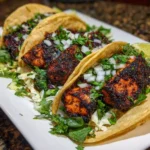
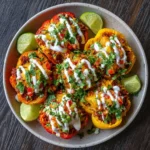
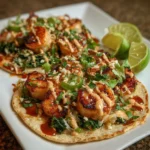
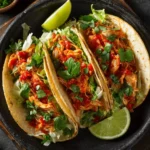
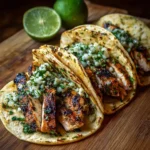
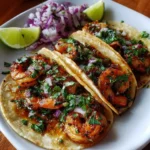
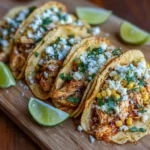
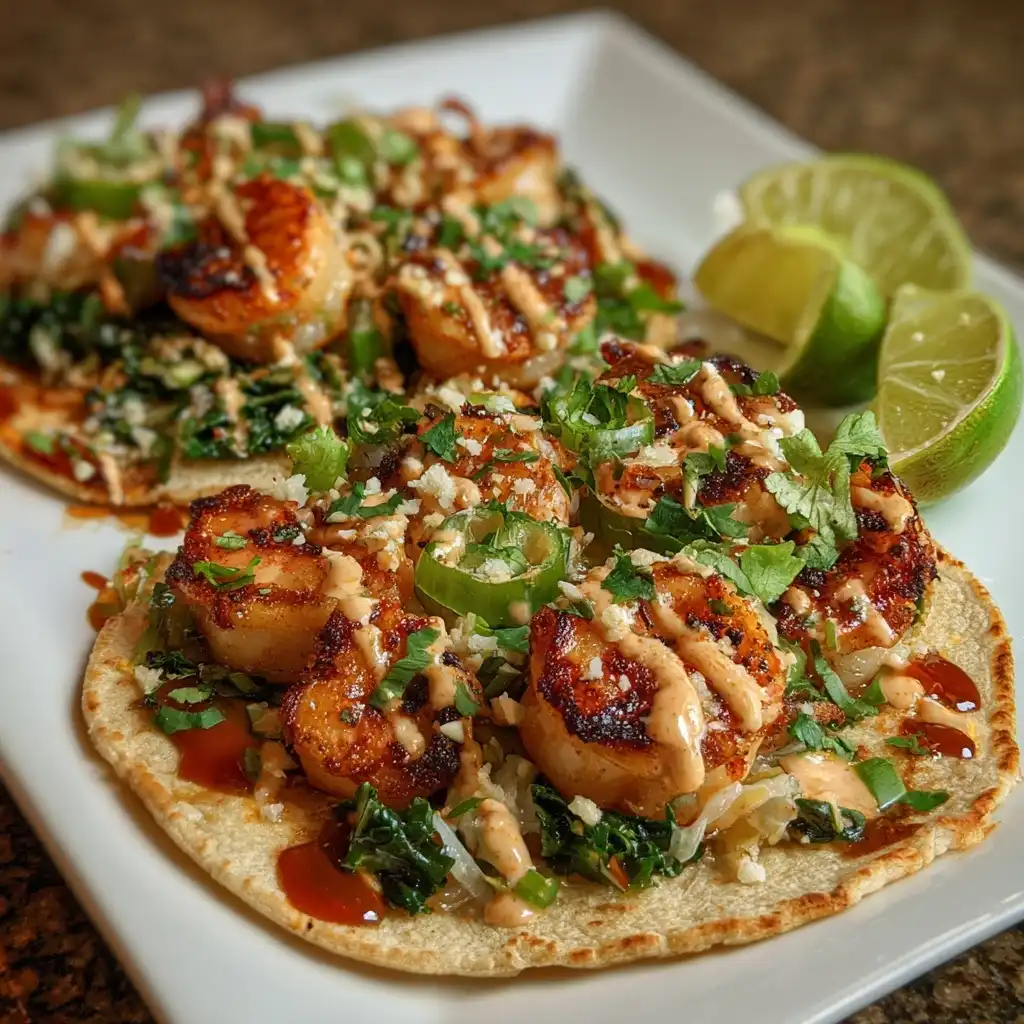
Peanut Lime Shrimp Tacos are a vibrant, globally inspired fusion dish that marries the bold, zesty brightness of Southeast Asian flavors with the comforting, handheld convenience of Mexican street food. These tacos burst with layers of contrasting yet harmonious notes—tangy lime, savory-sweet peanut sauce, briny-sweet shrimp, crisp fresh vegetables, and aromatic herbs—all nestled in warm, pliable tortillas. Far from a mere novelty, this dish represents the delicious evolution of modern home cooking: accessible, restaurant-worthy, nutritionally balanced, and endlessly adaptable. Whether served at a casual weeknight dinner, a lively backyard gathering, or an elevated taco bar for guests, Peanut Lime Shrimp Tacos deliver big flavor without demanding professional technique—making them as joyful to prepare as they are to devour.
The History
While no single “origin story” exists for Peanut Lime Shrimp Tacos—as they are a contemporary culinary creation rather than a traditional regional dish—their roots stretch across continents and centuries. The use of peanuts in savory sauces traces back to West Africa (where groundnuts were domesticated over 7,000 years ago) and later flourished across Southeast Asia, particularly in Thai and Vietnamese cuisines, where peanut-based dressings and dipping sauces like nam prik phao and satay sauce became staples. Lime, a cornerstone of both Latin American and Southeast Asian cooking, was introduced to the Americas via Spanish colonization after originating in the Malay Archipelago and spreading through Persian and Arab trade routes. Shrimp tacos themselves have deep ties to Baja California’s coastal communities, where fishermen began serving grilled or battered shrimp on corn tortillas as early as the mid-20th century. The modern fusion emerged organically in the 2000s and 2010s amid rising interest in global pantry staples, food truck innovation, and the “flavor-first” movement championed by chefs like Roy Choi and publications such as Bon Appétit and Food & Wine. Today, Peanut Lime Shrimp Tacos symbolize culinary cross-pollination at its most delicious—and democratized—form: a testament to how cultural exchange, ingredient accessibility, and home cook creativity continue to redefine what “taco night” can mean.
Ingredients Breakdown
Understanding each component is key to mastering balance and texture in this recipe:
- Shrimp: Large (21/25 or 26/30 count per pound), peeled and deveined, preferably wild-caught Gulf or Pacific shrimp for superior sweetness and firmness. Frozen is perfectly acceptable—just thaw thoroughly and pat *extremely* dry to ensure proper searing and prevent steaming.
- Lime: Both zest and juice are essential. The zest contributes intense aromatic oils, while the juice provides bright acidity that cuts through richness. Use organic limes if possible to avoid wax residue when zesting.
- Peanut Butter: Opt for natural, unsweetened, no-stir creamy or crunchy peanut butter (with just peanuts + salt). Avoid brands with added sugars, hydrogenated oils, or palm oil, which can separate or burn easily. For depth, a small amount of roasted peanut butter or toasted crushed peanuts added at the end enhances nuttiness.
- Aromatics: Fresh garlic (minced fine), fresh ginger (grated on a microplane), and shallots (thinly sliced) form the foundational “sofrito” base—providing pungent, spicy, and sweet-savory complexity.
- Chile Heat: Red pepper flakes offer controllable, toasty heat; sriracha or sambal oelek adds garlicky, fermented depth; jalapeño (seeded and finely diced) brings fresh, vegetal fire. Adjust based on preference and audience.
- Fish Sauce: A Southeast Asian umami powerhouse—not for “fishiness,” but for deep, savory-salty complexity (use Thai or Vietnamese brands like Red Boat or Three Crabs). Substitute tamari or coconut aminos for gluten-free or vegan versions.
- Honey or Maple Syrup: Balances acidity and salt with gentle sweetness. Raw local honey adds floral notes; pure maple syrup lends earthy warmth and works well for vegans.
- Coconut Milk (Light or Full-Fat): Adds creaminess and subtle sweetness while tempering acidity. Light coconut milk keeps calories lower; full-fat yields silkier, richer sauce. Shake well before measuring.
- Tortillas: Double up on 6-inch corn tortillas (warmed on a dry comal or skillet until pliable and lightly blistered) for authenticity and structural integrity—or use soft flour tortillas for flexibility. Gluten-free options like cassava or almond flour tortillas work beautifully when warmed properly.
- Toppings: A curated mix is crucial: thinly sliced red cabbage for crunch and color; pickled red onions for tangy-sweet contrast; chopped cilantro and Thai basil for herbal lift; crushed roasted peanuts for textural echo; optional avocado slices or quick-pickled jicama for creaminess or brightness.
Step-by-Step Recipe
- Prep All Components: Zest and juice limes; mince garlic and ginger; slice shallots and jalapeño; chop herbs; measure all sauce ingredients into a bowl; drain and pat shrimp bone-dry with paper towels; toast peanuts (if using raw) in a dry skillet over medium-low heat for 4–5 minutes until fragrant and golden, then cool and crush coarsely.
- Make the Peanut-Lime Sauce: In a small saucepan over low heat, combine peanut butter, lime juice (¼ cup), lime zest (1 tsp), minced garlic (1 clove), grated ginger (½ tsp), fish sauce (1 tbsp), honey (1 tbsp), red pepper flakes (¼ tsp), and light coconut milk (⅓ cup). Whisk constantly for 3–4 minutes until smooth, glossy, and slightly thickened—do not boil. Remove from heat and stir in 1 tsp additional lime juice. Taste and adjust: more lime for brightness, honey for balance, fish sauce for savoriness, or chile for heat. Set aside to cool slightly (it will thicken further as it cools).
- Marinate the Shrimp (Optional but Recommended): In a bowl, toss shrimp with 1 tbsp of the prepared sauce, 1 tsp lime juice, and a pinch of salt. Let sit at room temperature for 10–15 minutes (no longer—shrimp can “cook” in acid).
- Warm Tortillas: Heat a cast-iron skillet or griddle over medium-high heat. Warm each corn tortilla for 30–45 seconds per side until soft, pliable, and lightly speckled. Stack in a clean kitchen towel-lined basket or tortilla warmer to keep steamy and flexible.
- Cook the Shrimp: Heat 1 tbsp neutral oil (avocado or grapeseed) in the same skillet over medium-high heat until shimmering. Add shrimp in a single layer—do not crowd. Cook 1–1.5 minutes per side until opaque, pink, and lightly caramelized at the edges. Remove immediately to a clean plate; do not overcook.
- Assemble with Intention: Spread 1–2 tsp of warm (not hot) peanut-lime sauce onto the center of each warm tortilla. Arrange 3–4 shrimp horizontally. Top generously with shredded red cabbage, pickled red onions, fresh cilantro and Thai basil leaves, a sprinkle of crushed roasted peanuts, and optional avocado slices. Finish with a final drizzle of sauce and a generous squeeze of fresh lime juice.
- Serve Immediately: Present tacos upright on a platter with extra lime wedges, extra sauce in a small ramekin, and a bowl of extra toppings for customization. Best enjoyed within 15 minutes of assembly to preserve texture contrast.
Tips
- Dry Shrimp = Golden Shrimp: Excess moisture is the #1 enemy of sear. After thawing, place shrimp on triple-layered paper towels, gently press, and let rest 5 minutes before patting again.
- Sauce Consistency Control: If sauce thickens too much upon cooling, whisk in warm water or lime juice, ½ tsp at a time, until pourable but still coatable.
- No-Burn Peanut Butter: Always warm peanut butter with liquid first—never heat it dry. Low and slow prevents scorching and separation.
- Heat Management: Cook shrimp fast and hot—but only when the pan is properly preheated. A drop of water should skitter and evaporate instantly.
- Tortilla Integrity Tip: Double up corn tortillas—they’re stronger, less prone to tearing, and hold wet ingredients better. Lightly brush the outside with oil before warming for extra pliability.
- Make-Ahead Friendly: Sauce keeps refrigerated in an airtight container for up to 1 week. Pickled onions last 2 weeks. Pre-chop aromatics and store separately. Shrimp can be marinated up to 30 minutes ahead—but cook just before serving.
- Rest Before Serving: Let cooked shrimp rest 2 minutes before assembling—this allows residual heat to finish cooking gently and retains juiciness.
- Acid Timing: Always add final lime juice *after* cooking—heat dulls volatile citrus oils, so finishing with fresh juice delivers maximum aroma and brightness.
- Texture Layering: Alternate crunchy (cabbage, peanuts), creamy (avocado, sauce), chewy (shrimp), and herbal (cilantro/basil) in every bite for sensory satisfaction.
- Leftover Magic: Extra sauce makes an incredible salad dressing, grain bowl drizzle, or dipping sauce for spring rolls or grilled chicken skewers.
Variations and Customizations
This recipe thrives on personalization—here’s how to adapt it for dietary needs, seasonal produce, pantry limitations, or global inspiration:
- Protein Swaps: Replace shrimp with grilled or sautéed scallops (sear 90 seconds per side), marinated and baked tofu cubes (extra-firm, pressed and tossed in 1 tbsp sauce before roasting at 400°F for 20 mins), shredded rotisserie chicken, or even spiced black beans for a hearty vegetarian version.
- Nut-Free Option: Substitute sunflower seed butter or tahini (start with 2 tbsp + extra lime/fish sauce to balance bitterness) for peanut butter. Toasted pumpkin seeds make excellent crunchy topping replacements.
- Gluten-Free Assurance: Verify fish sauce and soy-based condiments are certified GF. Use certified GF tamari instead of soy sauce if substituting. Corn tortillas are naturally GF—just check packaging for cross-contamination warnings.
- Vegan Adaptation: Use maple syrup instead of honey, coconut aminos instead of fish sauce, and ensure tortillas are vegan (no lard). Add a splash of nutritional yeast to the sauce for umami depth.
- Low-Carb/Keto Version: Serve filling in butter lettuce cups or grilled portobello mushroom “buns.” Increase healthy fats with extra avocado, sesame oil in sauce, or a sprinkle of hemp hearts.
- Thai-Inspired Twist: Add 1 tsp lemongrass paste (or finely minced fresh stalk) to the sauce; swap cilantro for sawtooth herb (culantro) or Thai basil exclusively; top with crushed roasted cashews and a sprinkle of dried shrimp (optional).
- Mexican-Meets-Thai Fusion: Stir ½ tsp chipotle in adobo (minced) into the sauce; top with crumbled cotija cheese and pickled jalapeños; serve with a side of mango-avocado salsa.
- Grill Master Edition: Skewer marinated shrimp and grill over medium charcoal for smoky char. Brush with reserved sauce during last minute of grilling. Toast tortillas directly on grill grates.
- Spice Level Spectrum: Mild—omit chiles, use only ⅛ tsp red pepper flakes. Medium—add 1 seeded jalapeño. Hot—include ribs/seeds, add ½ tsp sambal, or finish with pickled Thai chiles.
- Seasonal Variations: Spring—top with radish sprouts and pea shoots. Summer—add grilled pineapple or mango relish. Fall—substitute roasted delicata squash ribbons for cabbage. Winter—add pomegranate arils and watercress.
Health Considerations and Nutritional Value
Peanut Lime Shrimp Tacos are not only flavorful but also nutritionally intelligent when prepared mindfully. A standard serving (2 tacos with 4 oz shrimp, ¼ cup sauce, ½ cup cabbage, 2 tbsp onions, 1 tbsp peanuts, and two 6-inch corn tortillas) offers approximately:
- Calories: 380–420 kcal (moderate, balanced across macros)
- Protein: 24–28g (high-quality, complete protein from shrimp + peanuts)
- Healthy Fats: 16–19g (predominantly monounsaturated from peanuts and avocado, plus omega-3s from shrimp)
- Carbohydrates: 32–38g (mostly complex, fiber-rich carbs from corn tortillas and vegetables; ~6–8g naturally occurring sugars)
- Fiber: 6–8g (from cabbage, onions, lime, peanuts, and whole-grain or sprouted tortillas if substituted)
- Vitamins & Minerals: Excellent source of Vitamin C (lime, cabbage), Vitamin B12 and selenium (shrimp), magnesium and niacin (peanuts), folate (tortillas), and probiotics (fermented pickled onions).
Key Health Highlights:
- Heart-Healthy Profile: Naturally low in saturated fat and sodium (when fish sauce is used sparingly and no added salt is needed), rich in potassium (shrimp, lime, cabbage) and unsaturated fats—supporting healthy blood pressure and cholesterol levels.
- Gut-Friendly Elements: Fermented pickled onions provide live probiotics; high-fiber vegetables and resistant starch from cooled corn tortillas feed beneficial gut bacteria.
- Anti-Inflammatory Boost: Ginger, garlic, lime polyphenols, and peanut resveratrol act synergistically to reduce oxidative stress.
- Weight-Conscious Friendly: High protein and fiber promote satiety; volume eating (lots of low-cal veggies) increases fullness without excess calories.
- Considerations: Those with peanut allergies must avoid entirely—see nut-free variations above. Individuals managing histamine intolerance may wish to limit fermented components (fish sauce, pickled onions) and opt for fresh lime and tamari. For lower sodium, reduce fish sauce by half and add a splash of lemon juice + pinch of sea salt to compensate.
Ingredients
- 1 lb large shrimp (21/25 or 26/30 count), peeled and deveined, tails removed
- 3 medium limes (zested and juiced — about ¼ cup juice + 1 tsp zest)
- ½ cup natural creamy or crunchy peanut butter (no added sugar/oil)
- ⅓ cup light coconut milk (well-shaken)
- 1 tbsp Thai or Vietnamese fish sauce (or coconut aminos for vegan/GF)
- 1 tbsp raw honey or pure maple syrup
- 1 clove garlic, minced
- ½ tsp fresh ginger, finely grated
- ¼ tsp red pepper flakes (plus more to taste)
- 1 small shallot, very thinly sliced
- 1 small jalapeño, seeded and finely diced (optional)
- 1 tbsp neutral high-heat oil (avocado, grapeseed, or refined coconut)
- ½ tsp kosher salt (plus more to taste)
- ¼ tsp freshly ground black pepper
- 8 (6-inch) corn tortillas (or flour/GF alternative)
- 1½ cups thinly shredded red cabbage
- ½ cup quick-pickled red onions (see note below)
- ¼ cup fresh cilantro leaves, roughly chopped
- 2 tbsp fresh Thai basil leaves (or regular basil if unavailable)
- 3 tbsp roasted unsalted peanuts, coarsely crushed
- Lime wedges, for serving
Note: To quick-pickle red onions — Thinly slice 1 small red onion. Submerge in ½ cup apple cider vinegar + 1 tbsp sugar + ½ tsp salt + 2 tbsp warm water for 15+ minutes. Drain before using.
Directions
- In a small saucepan over low heat, combine peanut butter, lime juice (¼ cup), lime zest (1 tsp), minced garlic, grated ginger, fish sauce, honey, red pepper flakes, and coconut milk. Whisk constantly for 3–4 minutes until smooth, warm, and slightly thickened. Do not boil. Remove from heat and stir in 1 tsp additional lime juice. Taste and adjust seasoning. Transfer to a bowl and set aside to cool slightly (10 minutes).
- Pat shrimp completely dry with paper towels. In a bowl, gently toss shrimp with 1 tbsp of the peanut-lime sauce, 1 tsp lime juice, ¼ tsp salt, and ¼ tsp black pepper. Let marinate at room temperature for 10–15 minutes.
- Heat oil in a large nonstick or cast-iron skillet over medium-high heat until shimmering. Add marinated shrimp in a single layer—do not overcrowd. Cook 1–1.5 minutes per side, until opaque, pink, and lightly caramelized. Transfer to a clean plate and tent loosely with foil.
- While shrimp rests, warm tortillas: Heat a dry skillet over medium-high. Warm each tortilla 30–45 seconds per side until soft, pliable, and lightly blistered. Stack in a clean kitchen towel to retain steam.
- To assemble: Spread 1–2 tsp warm peanut-lime sauce down the center of each tortilla. Place 3–4 shrimp horizontally. Top with shredded cabbage, pickled onions, cilantro, Thai basil, and crushed peanuts. Finish with a final drizzle of sauce and a generous squeeze of fresh lime juice.
- Serve immediately with extra lime wedges and remaining sauce on the side.
FAQ
- Can I use frozen shrimp?
- Absolutely—most high-quality frozen shrimp are flash-frozen at peak freshness and often outperform “fresh” counter shrimp that’s been previously frozen and thawed. Thaw overnight in the refrigerator or use the cold-water method (place sealed bag in cold water for 15–20 minutes), then drain and pat *very* dry.
- Why does my peanut sauce separate or become grainy?
- Separation occurs when peanut butter is overheated or mixed with insufficient liquid. Always start with peanut butter + liquid (coconut milk/lime juice), whisk constantly over low heat, and never let it boil. Graininess usually means the peanut butter wasn’t fully emulsified—whisk vigorously or use an immersion blender for silky results.
- Can I make these ahead for a party?
- Yes—with smart staging: Sauce, pickled onions, and prepped veggies can be made 2–3 days ahead. Marinate shrimp up to 30 minutes ahead—but cook *just* before serving. Warm tortillas right before assembling. Set up a DIY taco bar with all components labeled and garnishes in small bowls for interactive fun.
- What if I don’t have fish sauce?
- Fish sauce contributes irreplaceable umami depth, but you can substitute: 1 tsp tamari + ¼ tsp anchovy paste (for non-vegan), or 1 tsp coconut aminos + ⅛ tsp white miso paste (for vegan). Skip entirely and boost savoriness with extra lime zest and a pinch of mushroom powder.
- Are corn tortillas gluten-free?
- Traditional 100% corn tortillas are naturally gluten-free—but always verify labels, as some brands add wheat flour or process in shared facilities. Look for certified GF labels if celiac or highly sensitive.
- How do I prevent soggy tacos?
- Three keys: (1) Pat shrimp bone-dry before cooking; (2) Use warm—not hot—sauce (heat breaks down tortilla structure); (3) Assemble just before eating. If prepping for guests, serve components separately and let everyone build their own.
- Can I bake the shrimp instead of pan-searing?
- Yes—for hands-off ease: Toss dry shrimp with 1 tbsp oil, salt, and pepper. Spread on a parchment-lined baking sheet. Roast at 425°F for 6–8 minutes until opaque and curled. Broil 30 seconds for light char. Cool slightly before saucing.
- Is there a way to make these lower in sugar?
- Easily: Reduce honey/maple syrup to 2 tsp or omit entirely—the natural sweetness of shrimp and peanuts often suffices. Compensate with extra lime zest and a pinch of flaky sea salt to enhance perception of sweetness.
- What wine or beverage pairs best?
- A crisp, off-dry Riesling or sparkling Vouvray balances spice and acidity. For non-alcoholic: Thai iced tea (unsweetened), hibiscus-lime agua fresca, or chilled green tea with mint.
- How long do leftovers last?
- Store components separately: Sauce (1 week refrigerated), pickled onions (2 weeks), cooked shrimp (3 days refrigerated—reheat gently in sauce), tortillas (room temp 2 days or freeze). Do not store assembled tacos—they’ll soften and lose texture.
Summary
Peanut Lime Shrimp Tacos are a masterclass in global flavor harmony—uniting zesty lime, rich peanut, umami-packed fish sauce, and sweet-savory shrimp in a vibrant, texturally thrilling handheld meal that’s as nutritious as it is unforgettable.
With make-ahead flexibility, endless customization for dietary needs, and restaurant-quality results achievable in under 30 minutes, these tacos aren’t just dinner—they’re a joyful, confident expression of modern, mindful cooking.