Salmon & Avocado Sushi Bowls: A Fresh, Flavorful Fusion of Japanese-Inspired Cuisine
Introduction
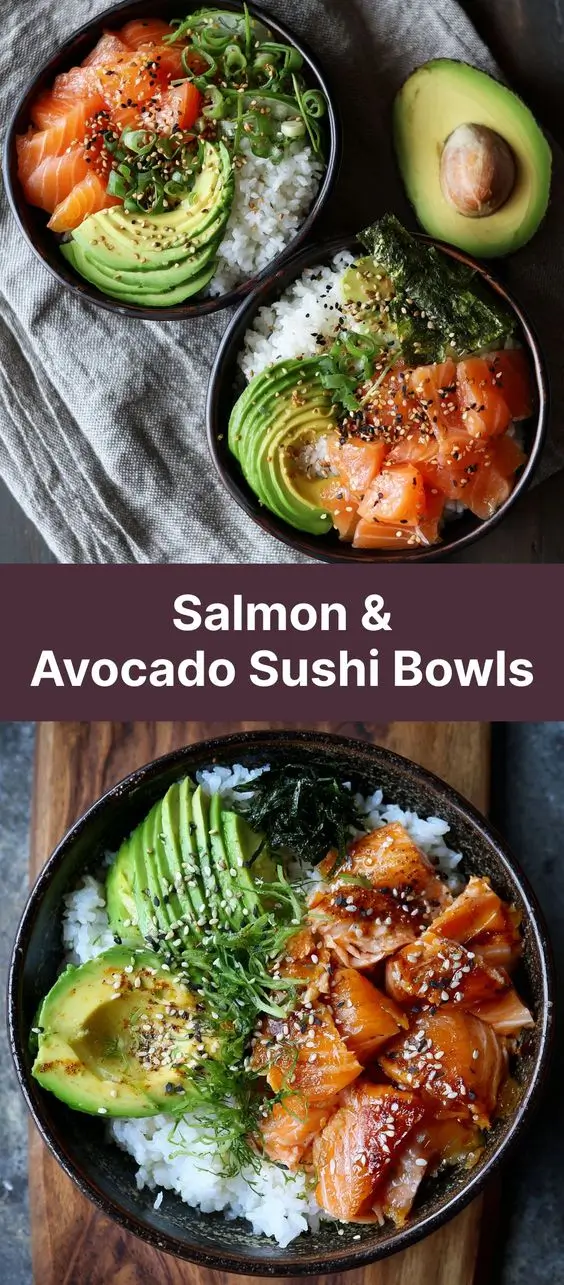
Imagine the bold, clean flavors of traditional sushi—fresh salmon, creamy avocado, crisp cucumber, and perfectly seasoned rice—but served in a vibrant, deconstructed bowl format that’s both satisfying and easy to prepare. The Salmon & Avocado Sushi Bowl is more than just a meal; it’s a celebration of texture, color, and balance. Perfect for lunch, dinner, or meal prep, this dish brings together the best elements of Japanese cuisine with modern Western convenience.
Unlike conventional sushi rolls that require rolling mats and precision, sushi bowls are accessible to home cooks of all levels. They’re customizable, nutritious, and incredibly delicious. Whether you’re hosting a casual dinner, looking for a healthy post-workout meal, or simply craving something fresh and light, this Salmon & Avocado Sushi Bowl delivers on every level. Let’s dive deep into what makes this dish so special—from its roots in culinary tradition to how you can make it your own.
The History
To understand the evolution of the Salmon & Avocado Sushi Bowl, we must first explore the origins of sushi itself. Sushi began in Southeast Asia as a method of preserving fish by fermenting it with rice and salt—a technique known as narezushi, dating back over 2,000 years. This practice eventually made its way to Japan around the 8th century, where it evolved into hayazushi, or “fast sushi,” using vinegar to acidify the rice and speed up fermentation.
By the Edo period (1603–1868), sushi had transformed into nigiri—hand-pressed mounds of vinegared rice topped with raw fish—sold at street stalls in Tokyo (then Edo). Raw tuna and salmon were not originally common in traditional Japanese sushi due to concerns about parasites in freshwater fish, but advancements in freezing technology in the 20th century made these fish safe and desirable.
Salmon, particularly Atlantic salmon, wasn’t widely consumed in Japan until Norwegian exporters introduced farmed salmon in the 1980s. Its rich fat content and mild flavor quickly won favor, making salmon one of the most popular sushi ingredients worldwide.
Avocado, though not native to Japan, was introduced to Japanese cuisine through cultural exchange with California in the mid-20th century. The now-iconic California roll—featuring crab (or imitation), avocado, and cucumber—was invented in Los Angeles in the 1960s to appeal to Western palates unfamiliar with raw fish. This fusion trend laid the groundwork for modern interpretations like the sushi bowl.
The “sushi bowl” concept emerged in the 2010s as part of the global bowl food movement—think grain bowls, poke bowls, buddha bowls—that emphasizes layered ingredients, visual appeal, and balanced nutrition. It’s especially popular among health-conscious eaters and busy professionals seeking quick, nourishing meals without sacrificing flavor.
Today, the Salmon & Avocado Sushi Bowl stands as a testament to cross-cultural innovation—honoring Japanese techniques while embracing global tastes and dietary preferences. It reflects how food evolves across borders, adapting to new lifestyles while retaining its soul.
Ingredients Breakdown
The magic of the Salmon & Avocado Sushi Bowl lies in the harmony of its components. Each ingredient plays a distinct role in contributing to flavor, texture, temperature, and nutritional value. Let’s take an in-depth look at each element:
Sushi Rice
The foundation of any great sushi dish is properly prepared short-grain Japanese rice. Known for its sticky texture and slightly sweet taste when cooked, sushi rice holds the bowl together literally and figuratively. After cooking, it’s seasoned with a mixture of rice vinegar, sugar, and salt, giving it that signature tangy-sweet profile essential to authentic sushi.
Fresh Salmon
High-quality, sushi-grade salmon is crucial. “Sushi-grade” means the fish has been flash-frozen to kill parasites and handled under strict hygiene standards, making it safe to consume raw. Look for bright orange-pink flesh with marbling (fat streaks), which indicates freshness and richness. Wild-caught Alaskan salmon offers a cleaner taste and higher omega-3 content, while farmed Atlantic salmon tends to be fattier and more buttery.
Ripe Avocado
Creamy Hass avocados add luxurious mouthfeel and healthy monounsaturated fats. When sliced or cubed, they contrast beautifully with the firmness of raw salmon and the chewiness of rice. Their subtle nuttiness complements the savory umami of soy sauce and fish.
Cucumber
English or Persian cucumbers are ideal because they have thinner skins and fewer seeds. Diced or julienned, they provide a refreshing crunch and help cut through the richness of salmon and avocado.
Carrots
Shredded or thinly sliced carrots contribute sweetness, color, and beta-carotene. They also add textural variety and pair well with sesame seeds and soy-based dressings.
Scallions (Green Onions)
Finely chopped scallions bring a mild onion bite and pop of green. Both white and green parts are used—the whites offer sharper flavor, while the greens lend freshness.
Sesame Seeds
Both white and black sesame seeds are commonly sprinkled on top for nutty aroma and visual flair. Toasting them lightly enhances their flavor dramatically.
Nori (Seaweed Sheets)
Dried laver seaweed adds umami depth and a hint of ocean brine. While traditionally used to wrap maki rolls, in sushi bowls it’s often crumbled or cut into strips for garnish. Some people enjoy eating whole sheets on the side.
Ginger (Pickled)
Also known as *gari*, pickled ginger serves multiple purposes: it cleanses the palate between bites, aids digestion, and adds a sweet-tangy zing. Typically pink-tinted due to the pickling process, it’s non-negotiable for authenticity.
Soy Sauce or Tamari
Used as a condiment or dressing base, soy sauce provides saltiness and umami. For gluten-free options, tamari (a richer, thicker soy sauce made without wheat) works perfectly.
Wasabi
This pungent green horseradish-like paste delivers heat that clears the sinuses and enhances the fish’s flavor. Real wasabi is rare and expensive; most commercial versions are blends of horseradish, mustard, and green food coloring.
Sriracha or Spicy Mayo (Optional)
For those who love a kick, sriracha or a homemade spicy mayo (mayo + sriracha + lime juice) can be drizzled on top. This fusion touch caters to contemporary taste buds that crave boldness.
Lime or Lemon Juice
A splash of citrus brightens the entire bowl, enhancing other flavors and preventing the avocado from browning too quickly.
Optional Add-ins
- Mango: Adds tropical sweetness that pairs surprisingly well with salmon.
- Edamame: Boiled and shelled soybeans add plant-based protein and a pop of green.
- Radish: Thinly sliced daikon or red radishes offer peppery crunch.
- Microgreens or sprouts: Alfalfa, broccoli, or sunflower sprouts boost nutrition and elegance.
- Tempura flakes (katsuage): For crunch lovers, these crispy bits add texture contrast.
- Furikake: A Japanese seasoning blend of dried fish, seaweed, sesame seeds, and sugar—excellent for sprinkling.
Step-by-Step Recipe
Now that we’ve explored the components, let’s walk through how to assemble the perfect Salmon & Avocado Sushi Bowl at home. This recipe serves 2 generously or 4 as light portions.
Ingredients
- 1 cup sushi rice (short-grain Japanese rice)
- 1¼ cups water
- 2 tablespoons rice vinegar
- 1 tablespoon sugar
- ½ teaspoon salt
- 8 oz sushi-grade salmon, skin removed and diced into ½-inch cubes
- 1 ripe avocado, peeled, pitted, and cubed
- ½ English cucumber, seeded and finely diced
- 1 small carrot, julienned or shredded
- 2 scallions, thinly sliced
- 1 sheet nori, cut into thin strips or crumbled
- 1 tablespoon toasted sesame seeds (white or black)
- 2 tablespoons pickled ginger (gari)
- 2 teaspoons wasabi paste (optional)
- ¼ cup soy sauce or tamari (for serving)
- 1 tablespoon lime juice
- 1 teaspoon sesame oil (optional, for drizzling)
- Sriracha or spicy mayo (optional, for topping)
Directions
- Prepare the Sushi Rice: Rinse the rice under cold water until the water runs clear. Combine rice and water in a saucepan, bring to a boil, then reduce heat to low, cover, and simmer for 18–20 minutes until water is absorbed and rice is tender. Remove from heat and let sit, covered, for 10 minutes.
- Season the Rice: In a small bowl, mix rice vinegar, sugar, and salt until dissolved. Transfer cooked rice to a large wooden or glass bowl (avoid metal, which can react). Gently fold in the vinegar mixture using a rice paddle or spatula. Fan the rice while mixing to cool it rapidly and give it a glossy finish. Cover with a damp cloth until ready to use.
- Prep the Toppings: While the rice cools, dice the salmon into uniform cubes. Place in a chilled bowl and refrigerate until assembly. Cube the avocado and toss gently with lime juice to prevent browning. Dice the cucumber, shred the carrot, slice the scallions, and set aside.
- Toast the Sesame Seeds: In a dry skillet over medium heat, toast sesame seeds for 2–3 minutes, stirring frequently, until golden and fragrant. Set aside to cool.
- Assemble the Bowls: Divide the seasoned sushi rice evenly between two deep bowls. Begin layering toppings: place salmon cubes in one section, avocado in another, followed by cucumber, carrots, scallions, and pickled ginger.
- Add Garnishes: Sprinkle with toasted sesame seeds, crumbled nori, and a pinch of furikake if using. Drizzle with a little sesame oil or spicy mayo for extra richness.
- Serve Immediately: Present each bowl with small dishes of soy sauce, extra wasabi, and additional pickled ginger on the side. Encourage diners to mix everything together just before eating for full flavor integration.
Tips
- Use Cold Ingredients: Keep salmon and avocado chilled until the last moment to preserve texture and safety.
- Don’t Overcook the Rice: Sushi rice should be sticky but not mushy. Follow cooking times precisely and avoid stirring too much after cooking.
- Fan the Rice: Fanning helps evaporate excess moisture and gives the rice its signature shine and slight tang.
- Cut Uniform Pieces: Even-sized cuts ensure balanced bites and professional presentation.
- Customize Sauces: Mix soy sauce with a bit of rice vinegar, sesame oil, honey, and grated ginger for a house-made ponzu-style dressing.
- Keep It Colorful: Use a variety of colorful vegetables not only for aesthetics but also for diverse phytonutrients.
- Chill the Bowls: Serve in pre-chilled bowls to keep ingredients fresh longer, especially in warm environments.
- Buy Quality Fish: Always purchase “sushi-grade” or “sashimi-grade” salmon from a reputable fishmonger or grocery store with high turnover.
- Label Leftovers Clearly: If storing, label containers clearly and consume within 24 hours for best quality and safety.
- Prevent Browning: Store avocado pieces with lemon/lime juice and plastic wrap pressed directly onto the surface.
Variations and Customizations
The beauty of the Salmon & Avocado Sushi Bowl is its adaptability. Here are some creative ways to switch things up based on dietary needs, seasonal availability, or personal taste:
Cooked Salmon Option
If you’re uncomfortable serving raw fish or want a heartier version, bake or pan-sear the salmon with a teriyaki glaze or miso marinade. Flaked warm salmon adds comfort and richness.
Vegetarian/Vegan Version
Omit the salmon and replace it with marinated tofu, tempura sweet potato, or sautéed mushrooms. Use vegan mayo for spicy sauce and skip fish-based toppings like bonito flakes.
Low-Carb/Keto Adaptation
Swap sushi rice for cauliflower rice. Pulse raw cauliflower florets in a food processor, then sauté briefly with rice vinegar, sugar substitute, and salt to mimic sushi rice flavor.
Gluten-Free Option
Ensure tamari (gluten-free soy sauce) is used instead of regular soy sauce. Verify that all packaged ingredients (e.g., furikake, spicy mayo) are certified gluten-free.
Poke Bowl Style
Marinate diced salmon in soy sauce, sesame oil, green onions, and a touch of honey for 15–20 minutes before assembling. This Hawaiian-inspired twist infuses deeper flavor into the fish.
Buddha Bowl Fusion
Incorporate quinoa, kale, roasted beets, chickpeas, and tahini dressing for a nutrient-dense, plant-forward alternative.
Kids’ Version
Remove wasabi and spicy sauces. Use cooked salmon or imitation crab sticks. Add sweet mango or corn kernels to appeal to younger palates.
Breakfast Sushi Bowl
Yes, breakfast! Use cold sushi rice or steamed sweet potatoes as a base, top with smoked salmon, avocado, soft-boiled egg, and everything bagel seasoning for a brunch-worthy twist.
Seafood Medley
Add tuna, shrimp, scallops, or even tobiko (flying fish roe) for a luxurious platter effect.
Seasonal Twists
- Spring: Add snap peas, radishes, and edible flowers.
- Summer: Include ripe tomatoes, corn, and fresh herbs like cilantro or mint.
- Fall: Roasted kabocha squash or apples add warmth.
- Winter: Pickled vegetables and fermented kimchi introduce probiotic benefits and bold flavor.
Health Considerations and Nutritional Value
The Salmon & Avocado Sushi Bowl isn’t just delicious—it’s packed with nutrients that support overall health. Let’s break down its key benefits and considerations:
Omega-3 Fatty Acids
Salmon is one of the richest sources of EPA and DHA omega-3 fatty acids, which are essential for brain function, heart health, and reducing inflammation. Regular consumption may lower triglycerides, improve joint mobility, and support mental well-being.
Healthy Fats
Avocado contributes monounsaturated fats that help absorb fat-soluble vitamins (A, D, E, K) and promote satiety. These fats are linked to reduced risk of cardiovascular disease.
High-Quality Protein
With approximately 20–25 grams of protein per serving (depending on salmon quantity), this bowl supports muscle repair, immune function, and sustained energy levels.
Fiber Content
While traditional sushi rice is low in fiber, adding vegetables like cucumber, carrots, edamame, and leafy greens increases dietary fiber, aiding digestion and blood sugar regulation.
Low in Saturated Fat
When prepared without heavy sauces or fried toppings, this dish is naturally low in saturated fat, making it heart-healthy.
Vitamins and Minerals
- Vitamin D: Salmon is one of the few natural food sources of vitamin D, vital for bone health and immunity.
- Vitamin B12: Supports nerve function and red blood cell production.
- Potassium: Found in avocado and cucumber, helps regulate blood pressure.
- Folate: Present in leafy greens and edamame, important for cell division and pregnancy health.
- Iodine: From seaweed (nori), essential for thyroid function.
Considerations
- Mercury Levels: While salmon is generally low in mercury compared to tuna or swordfish, pregnant women and young children should still consume it in moderation (2–3 servings per week is considered safe).
- Sodium Intake: Soy sauce is high in sodium. To reduce salt, use low-sodium tamari, dilute with water, or serve sauce on the side for controlled dipping.
- Raw Fish Safety: Only consume raw fish labeled “sushi-grade.” Immunocompromised individuals, elderly persons, and pregnant women may wish to opt for cooked salmon.
- Caloric Density: Due to healthy fats, this bowl can be calorie-rich. Portion control is advised for weight management goals.
- Allergens: Contains fish, soy (soy sauce), and possibly sesame. Substitute accordingly for allergies.
Approximate Nutritional Profile (Per Serving – Based on 2 Servings Total):
- Calories: ~550–650 kcal
- Protein: 25–30g
- Fat: 25–30g (mostly unsaturated)
- Carbohydrates: 50–60g
- Fiber: 6–8g
- Sugar: 8–10g (includes natural sugars from rice and vegetables)
- Sodium: 800–1200mg (varies with soy sauce amount)
Note: Values will vary depending on specific ingredients and portion sizes.
FAQ
Can I make this bowl ahead of time?
Yes, but with caveats. You can cook and season the rice, chop vegetables, and prepare sauces up to one day in advance. Store them separately in airtight containers in the refrigerator. However, assemble the bowls fresh to prevent sogginess and avocado browning.
Is frozen salmon safe for raw consumption?
Yes—if it has been commercially frozen according to FDA guidelines (-20°C/-4°F for 7 days or -35°C/-31°F for 15 hours), which kills parasites. Thaw in the refrigerator before use.
What does “sushi-grade” mean?
It’s not a legal term but a market designation indicating the fish was caught, handled, and frozen quickly to ensure freshness and safety for raw consumption. Always buy from trusted sources.
Can I use brown rice instead of white?
Absolutely. Short-grain brown rice can be used for added fiber and nutrients. It has a nuttier flavor and firmer texture, so adjust cooking time and liquid accordingly.
How do I store leftovers?
Store uneaten portions in an airtight container in the fridge for up to 24 hours. Note that the texture of raw salmon and avocado may degrade slightly upon reheating or prolonged storage.
Can I heat the bowl?
You can serve it warm by using warm rice and adding seared or baked salmon. However, traditional sushi is served at room temperature or chilled. Avoid microwaving raw fish.
Are there vegetarian alternatives to fish?
Yes! Try marinated tofu, tempeh, grilled mushrooms, or even jackfruit seasoned with seaweed and soy sauce to mimic umami depth.
Why is my sushi rice too sticky or too dry?
Stickiness depends on rice type and water ratio. Too sticky? Use slightly less water next time. Too dry? Increase water by 1–2 tablespoons. Rinsing removes excess starch, so don’t skip that step.
Can I freeze sushi rice?
Yes, but texture may change slightly upon thawing. Freeze in portion-sized containers and reheat gently with a splash of water to restore moisture.
Is wasabi really that spicy?
Real wasabi has a sharp, fleeting heat that hits the nose rather than the tongue. Most commercial pastes are milder and earthier. Start with a small amount and adjust to taste.
Summary
The Salmon & Avocado Sushi Bowl is a modern culinary masterpiece that blends tradition with innovation, offering a nutritious, flavorful, and visually stunning meal that’s simple to customize and enjoy any day of the week.
Packed with omega-3s, fresh vegetables, and wholesome ingredients, it’s a versatile dish that satisfies both the palate and the body—perfect for health enthusiasts, busy families, and adventurous foodies alike.