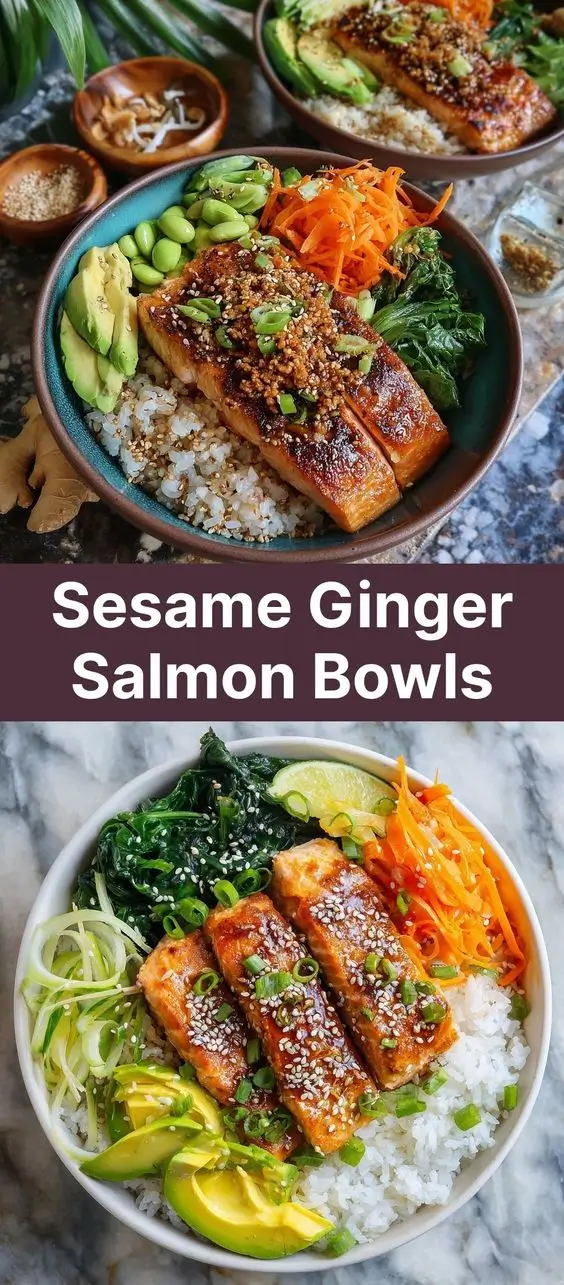
Sesame Ginger Salmon Bowls: A Flavorful, Healthy Meal You Can’t Resist
The History of Sesame Ginger Salmon Bowls
The Sesame Ginger Salmon Bowl is a modern culinary creation that blends the rich traditions of Asian cuisine with contemporary Western food trends. While salmon has long been a staple in Pacific Northwest and Scandinavian diets, its fusion with bold Asian flavors like sesame and ginger emerged prominently in the late 20th century, particularly through the rise of pan-Asian and fusion restaurants in North America.
Ginger, a pungent root native to Southeast Asia, has been used for thousands of years not only for its flavor but also for its medicinal properties. Similarly, sesame seeds and oil have deep roots in Middle Eastern, African, and East Asian cuisines, prized for their nutty taste and nutritional value. When these ingredients are combined with high-quality salmon—a fish celebrated for its omega-3 fatty acids and tender texture—they create a dish that’s both satisfying and health-forward.
The “bowl” format itself gained popularity in the 2010s as part of the clean eating and meal prep movements. Grain bowls, Buddha bowls, and poke-inspired dishes brought together proteins, vegetables, and grains in balanced, colorful presentations. The Sesame Ginger Salmon Bowl fits perfectly into this trend, offering a restaurant-quality meal that can be made at home with relative ease. Today, it’s a favorite among health-conscious eaters, seafood lovers, and anyone looking for a quick yet gourmet-feeling dinner option.
Ingredients Breakdown
Every ingredient in a Sesame Ginger Salmon Bowl plays a crucial role in building layers of flavor, texture, and nutrition. Here’s a detailed look at what goes into this vibrant dish:
For the Salmon:
- Fresh Salmon Fillets: Ideally skin-on, center-cut fillets for even cooking and crispy skin. Wild-caught salmon is preferred for its superior flavor and sustainability.
- Soy Sauce (or Tamari): Adds saltiness and umami depth. Use low-sodium soy sauce to control salt levels or tamari for a gluten-free alternative.
- Fresh Ginger: Grated or finely minced, it provides a zesty, slightly spicy kick that defines the marinade.
- Garlic: Minced fresh garlic enhances aroma and adds savory complexity.
- Sesame Oil: Toasted sesame oil delivers an intense nutty fragrance—use sparingly as it’s potent.
- Rice Vinegar: Offers a mild tang that balances the richness of the salmon and oil.
- Honey or Maple Syrup: A touch of sweetness helps caramelize the glaze and counteracts salt and acid.
- Red Pepper Flakes (optional): For a hint of heat, adjust according to spice tolerance.
For the Bowl Base:
- Short-Grain Brown Rice or Sushi Rice: Sticky rice holds the bowl together; brown rice adds fiber and a nuttier taste.
- Quinoa (alternative): A protein-rich, gluten-free grain that adds fluffiness and nutrition.
For the Vegetables and Toppings:
- Shredded Carrots: Crunchy, sweet, and rich in beta-carotene.
- Sliced Cucumber: Refreshing and hydrating, adds cool contrast.
- Edamame: Steamed and shelled soybeans provide plant-based protein and a pop of color.
- Avocado Slices: Creamy texture and heart-healthy fats.
- Green Onions: Thinly sliced for sharpness and visual appeal.
- Red Cabbage (shredded): Adds crunch and anthocyanin antioxidants.
- Snap Peas or Bean Sprouts: For extra freshness and crispness.
For the Garnish and Finish:
- Toasted Sesame Seeds: White or black, for nuttiness and elegance.
- Crispy Fried Shallots or Onions: Optional, for a gourmet crunch.
- Lime Wedges: For a final squeeze of citrus brightness.
- Sriracha or Chili Crisp: Drizzled on top for those who love heat.
Step-by-Step Recipe
Ingredients
- 4 (6 oz) salmon fillets, skin-on
- ¼ cup soy sauce (low-sodium)
- 2 tbsp toasted sesame oil
- 2 tbsp rice vinegar
- 1 tbsp honey or maple syrup
- 1 tbsp fresh ginger, grated
- 3 cloves garlic, minced
- ½ tsp red pepper flakes (optional)
- 1½ cups uncooked brown rice or sushi rice
- 3 cups water or broth (for cooking rice)
- 1 cup shredded carrots
- 1 cucumber, thinly sliced
- 1 cup shelled edamame
- 1 avocado, sliced
- ½ red cabbage, thinly shredded
- 4 green onions, sliced
- 2 tbsp sesame seeds, toasted
- Lime wedges, for serving
Directions
- Prepare the Rice: Rinse the rice under cold water until the water runs clear. In a medium pot, combine rice and water (or broth). Bring to a boil, then reduce heat to low, cover, and simmer for 25–30 minutes for brown rice (or 18 minutes for white sushi rice). Remove from heat and let sit covered for 10 minutes. Fluff with a fork and set aside.
- Marinate the Salmon: In a bowl, whisk together soy sauce, sesame oil, rice vinegar, honey, grated ginger, minced garlic, and red pepper flakes. Place salmon fillets in a shallow dish or resealable bag and pour half of the marinade over them. Reserve the other half for basting and drizzling. Marinate for 15–30 minutes in the refrigerator (do not exceed 1 hour, as the acid can begin to “cook” the fish).
- Cook the Salmon: Preheat oven to 400°F (200°C). Line a baking sheet with parchment paper. Remove salmon from marinade and place skin-side down on the baking sheet. Discard used marinade. Bake for 12–15 minutes, or until the salmon flakes easily with a fork. For a caramelized finish, broil for the last 1–2 minutes, watching closely to prevent burning. Alternatively, sear the salmon skin-side down in a hot skillet with a little oil for 5–6 minutes, flip, and cook for another 3–4 minutes.
- Prepare the Vegetables: While the salmon cooks, assemble your toppings. Place shredded carrots, cucumber slices, edamame, avocado, red cabbage, and green onions in separate bowls or arrange them on a platter for easy assembly.
- Assemble the Bowls: Start with a base of warm rice in each serving bowl. Place a cooked salmon fillet on top. Arrange vegetables around the salmon. Drizzle with reserved marinade (heated briefly if desired for safety) or a fresh mix of soy sauce and sesame oil.
- Garnish and Serve: Sprinkle with toasted sesame seeds, add a few slices of lime, and offer sriracha or chili crisp on the side. Serve immediately while warm.
Tips for the Perfect Sesame Ginger Salmon Bowl
- Don’t Over-Marinate: Since the marinade contains acidic ingredients (vinegar), marinating longer than 30 minutes can alter the texture of the salmon, making it mealy.
- Sear for Crispy Skin: If you enjoy crispy salmon skin, pan-searing is better than baking. Make sure the skin is dry before placing it in a hot, oiled skillet.
- Use Fresh Ginger: Freshly grated ginger has a brighter, more vibrant flavor than powdered. Freeze leftover ginger for future use—it grates easily when frozen.
- Toast Your Sesame Seeds: Lightly toast sesame seeds in a dry pan over medium heat for 2–3 minutes until golden and fragrant. This enhances their flavor significantly.
- Meal Prep Friendly: Cook rice and chop vegetables ahead of time. Store in airtight containers in the fridge for up to 4 days. Marinate and cook salmon the day of serving for best quality.
- Balanced Bowls: Aim for a mix of colors, textures, and macronutrients—carbs, protein, healthy fats, and fiber—for a satisfying and nutritious meal.
- Warm the Bowl: For a truly restaurant-style experience, warm your serving bowls before assembling to keep the food hot longer.
Variations and Customizations
The beauty of the Sesame Ginger Salmon Bowl lies in its versatility. Here are some creative ways to customize it:
- Protein Swap: Replace salmon with grilled tuna, shrimp, chicken, tofu, or tempeh for different dietary preferences.
- Grain Alternatives: Try cauliflower rice for a low-carb version, farro for a chewy texture, or forbidden black rice for dramatic color and antioxidants.
- Vegetable Rotations: Use roasted broccoli, sautéed bok choy, pickled radishes, or kimchi for varied flavors and textures.
- Sauce Variations: Add peanut butter to the marinade for a Thai twist, or use miso paste for deeper umami. A drizzle of yuzu kosho or ponzu sauce adds citrusy heat.
- Raw Option: Serve the salmon as a tartare (finely diced and mixed with the marinade) atop the bowl for a raw, ceviche-style presentation.
- Kid-Friendly Version: Reduce or omit ginger and garlic, skip the heat, and add sweet corn or mango for natural sweetness.
- Poke Bowl Style: Chill the rice and salmon, dice the salmon, and serve everything cold with seaweed salad and tobiko (fish roe).
Health Considerations and Nutritional Value
Sesame Ginger Salmon Bowls aren’t just delicious—they’re packed with nutrients that support overall well-being. Let’s break down the health benefits of key components:
- Salmon: One of the best sources of omega-3 fatty acids (EPA and DHA), which are essential for brain health, reducing inflammation, and supporting heart function. Salmon is also high in vitamin D, selenium, and high-quality protein.
- Whole Grains (Brown Rice/Quinoa): Rich in fiber, B vitamins, magnesium, and complex carbohydrates that provide sustained energy. Quinoa is a complete protein, containing all nine essential amino acids.
- Vegetables: Carrots offer beta-carotene (converted to vitamin A), cucumbers are hydrating, cabbage supports gut health with fiber and sulforaphane, and edamame provides plant-based protein and isoflavones.
- Avocado: Loaded with monounsaturated fats, potassium, and fiber, helping to lower bad cholesterol and promote satiety.
- Sesame Seeds: Contain calcium, iron, zinc, and lignans that may help balance hormones and reduce oxidative stress.
- Ginger: Known for its anti-inflammatory and digestive-soothing properties, ginger can help reduce nausea and muscle pain.
Nutritional Estimate (per serving, with brown rice and full toppings):
- Calories: ~650–750
- Protein: 35–40g
- Fat: 30–35g (mostly healthy fats)
- Carbohydrates: 60–70g
- Fiber: 10–12g
- Sodium: 800–1000mg (can be reduced with low-sodium soy sauce)
This dish is naturally gluten-free if using tamari instead of soy sauce, and can be adapted to be dairy-free, nut-free, and low-carb. It’s suitable for Mediterranean, pescatarian, and flexitarian diets.
Frequently Asked Questions (FAQ)
Can I make this bowl ahead of time?
Yes! You can cook the rice, chop the vegetables, and prepare the marinade up to 3 days in advance. However, marinate and cook the salmon the same day for the best texture and flavor.
Can I use frozen salmon?
Absolutely. Thaw frozen salmon in the refrigerator overnight. Pat it dry before marinating to ensure proper adhesion of the sauce and a good sear.
Is it safe to reuse the marinade?
No—do not reuse marinade that has come into contact with raw fish. Always reserve a portion before adding it to the salmon, or boil the used marinade for at least 1 minute to kill bacteria if you want to use it as a sauce.
What can I substitute for rice vinegar?
Apple cider vinegar or white wine vinegar can work in a pinch, though they’ll alter the flavor slightly. Avoid distilled white vinegar, as it’s too harsh.
How do I store leftovers?
Store components separately in airtight containers in the refrigerator for up to 3 days. Reheat salmon gently to avoid drying it out, or enjoy it cold in a salad or wrap.
Can I grill the salmon?
Yes! Grilling adds a smoky flavor. Oil the grill grates well and cook skin-side down first for 4–5 minutes, then flip carefully and cook for another 3–4 minutes.
Are there mercury concerns with salmon?
Salmon is generally low in mercury compared to other fish like tuna or swordfish. Wild-caught Alaskan salmon is considered one of the safest choices. The FDA recommends 2–3 servings of low-mercury fish per week for adults, including pregnant women.
Summary
Sesame Ginger Salmon Bowls combine succulent, flavor-packed salmon with a vibrant array of vegetables, wholesome grains, and a zesty marinade for a meal that’s as nutritious as it is delicious. Easy to customize, perfect for meal prep, and loved by seafood enthusiasts and health seekers alike, this bowl is a must-have in your weekly rotation.