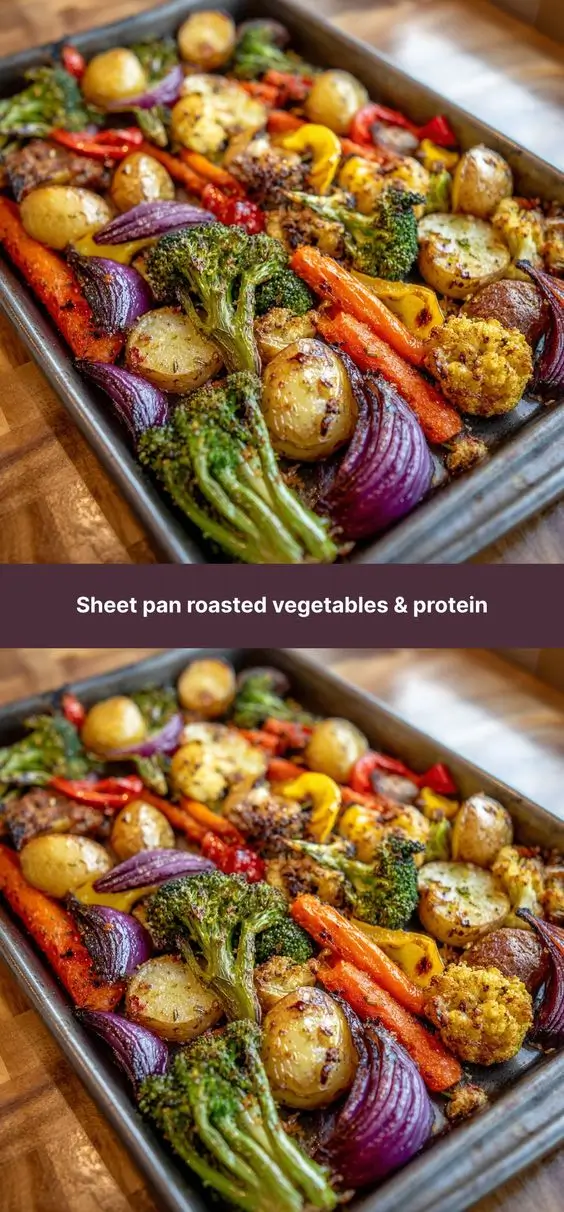
Sheet Pan Roasted Vegetables & Protein: The Ultimate One-Pan Meal
The History
The concept of roasting food on a flat pan dates back centuries, with ancient civilizations using open flames and flat stones to cook meats and vegetables. However, the modern version of sheet pan meals—where both protein and vegetables are roasted together on a single baking tray—emerged more recently as part of the fast-paced, health-conscious culinary movement of the 2000s. Popularized by food bloggers and meal-prep enthusiasts, sheet pan dinners became a go-to solution for busy families and individuals seeking nutritious, flavorful, and low-effort meals. Their rise coincided with the increasing availability of high-temperature ovens in home kitchens and a growing appreciation for caramelization, browning, and the Maillard reaction—the chemical process that gives roasted foods their rich, savory depth.
In recent years, sheet pan roasting has become a staple in clean-eating diets, Whole30 programs, keto lifestyles, and plant-forward nutrition plans. Chefs and home cooks alike praise it for minimizing cleanup, maximizing flavor, and offering endless customization. Whether inspired by Mediterranean mezze platters, Middle Eastern kebabs, or American barbecue traditions, the sheet pan method unites global flavors under one simple technique: high heat, even distribution, and minimal intervention.
Ingredients Breakdown
A successful sheet pan roasted meal hinges on selecting the right combination of ingredients that roast evenly and complement each other in flavor and texture. Here’s a detailed breakdown:
Vegetables (Choose 4–6 types for variety):
- Root Vegetables: Carrots, sweet potatoes, parsnips, beets, and turnips hold up well to high heat and develop a natural sweetness when roasted.
- Cruciferous Vegetables: Broccoli, cauliflower, and Brussels sprouts caramelize beautifully and add a satisfying bite.
- Alliums: Red onions, shallots, and garlic cloves infuse the entire dish with aromatic depth.
- Squashes: Zucchini, yellow squash, and bell peppers roast quickly and bring color and moisture.
- Mushrooms: Cremini, shiitake, or white button mushrooms add umami richness and a meaty texture.
Protein Options (Choose one or mix two for balance):
- Chicken: Boneless, skin-on or skinless thighs and breasts are ideal. Thighs stay juicier during roasting.
- Beef: Flank steak, sirloin tips, or marinated skirt steak offer bold flavor and tender results.
- Pork: Tenderloin, chops, or boneless ribs roast evenly and pair well with sweet and savory glazes.
- Seafood: Salmon fillets, shrimp, or scallops can be added in the last 10–15 minutes to prevent overcooking.
- Plant-Based Proteins: Extra-firm tofu (pressed), tempeh, or seitan cubes absorb marinades and crisp nicely on the edges.
Pantry Staples & Flavor Enhancers:
- Oils: High smoke-point oils like avocado oil, refined olive oil, or grapeseed oil prevent burning.
- Acids: Lemon juice, balsamic vinegar, or apple cider vinegar brighten flavors and balance richness.
- Herbs & Spices: Fresh rosemary, thyme, oregano; dried paprika, cumin, garlic powder, onion powder, smoked paprika, turmeric, or chili flakes.
- Seasonings: Sea salt, freshly ground black pepper, and optional finishing salts like flaky Maldon.
- Marinades & Sauces: Soy sauce, tamari, harissa, pesto, tahini, honey, maple syrup, Dijon mustard, or yogurt-based marinades.
Step-by-Step Recipe
- Preheat the Oven: Set your oven to 425°F (220°C). This high temperature ensures proper browning and caramelization.
- Prepare the Sheet Pan: Line a large rimmed baking sheet (half-sheet pan, approx. 18×13 inches) with parchment paper or lightly grease with oil to prevent sticking. For extra non-stick protection, use silicone baking mats.
- Chop the Vegetables: Cut all vegetables into uniform sizes—about 1-inch pieces—to ensure even cooking. Denser vegetables like carrots and potatoes should be slightly smaller than softer ones like zucchini.
- Season the Vegetables: In a large bowl, toss the chopped vegetables with 2–3 tablespoons of oil, 1 teaspoon salt, ½ teaspoon black pepper, and your choice of spices (e.g., garlic powder, paprika, thyme). Mix thoroughly until evenly coated.
- Marinate the Protein (Optional but Recommended): While vegetables rest, prepare your protein. For chicken or beef, marinate for at least 15 minutes (or up to 24 hours) in a mixture of oil, acid (lemon juice or vinegar), herbs, and seasonings. For tofu or tempeh, press excess water out first, then marinate.
- Arrange on the Pan: Spread the vegetables in a single layer across the sheet pan, ensuring they aren’t overcrowded. Overcrowding leads to steaming instead of roasting.
- Add the Protein: Place the marinated protein on top of or beside the vegetables. If using raw meat or poultry, nestle it into the veggie bed for moisture retention. For seafood like salmon or shrimp, add these later to avoid overcooking.
- Roast First Stage: Place the pan in the preheated oven and roast for 20 minutes. This allows root vegetables to begin softening and browning.
- Flip and Rotate: After 20 minutes, remove the pan, flip the protein, stir the vegetables gently, and rotate the pan front-to-back for even heat distribution.
- Add Delicate Items: If using zucchini, mushrooms, cherry tomatoes, or seafood, add them now so they don’t become mushy.
- Continue Roasting: Return the pan to the oven for another 15–25 minutes, depending on the thickness of the protein and tenderness of the veggies. Chicken should reach an internal temperature of 165°F (74°C); beef or pork 145°F (63°C) for medium.
- Broil for Finish (Optional): For extra browning and crispiness, switch the oven to broil for 2–3 minutes at the end—watch closely to prevent burning.
- Rest and Serve: Remove from oven, let the protein rest for 5 minutes, then slice or serve whole. Garnish with fresh herbs, lemon zest, grated Parmesan, or a drizzle of olive oil.
Tips
- Use Two Pans if Needed: Overcrowding is the #1 mistake. Use two sheet pans if necessary to maintain airflow and promote roasting over steaming.
- Don’t Skip the Flip: Stirring halfway ensures even browning and prevents soggy bottoms.
- Layer by Density: Place harder vegetables (potatoes, carrots) closer to the heating element (back of oven) and delicate ones (peppers, tomatoes) toward the front.
- Dry Ingredients Well: Pat proteins and washed vegetables dry before seasoning to enhance browning.
- Pre-Roast Dense Veggies: For mixed-density vegetables, roast potatoes and carrots for 10 minutes before adding softer ones like broccoli.
- Use a Meat Thermometer: Ensures perfect doneness without guesswork, especially important for chicken and pork.
- Let It Rest: Allow protein to rest after roasting to retain juices when sliced.
- Rotate the Pan: Ovens have hot spots—rotating the pan front-to-back halfway through promotes even cooking.
- Cool Before Storing: Let leftovers cool completely before refrigerating to prevent condensation and sogginess.
- Reheat Properly: Reheat in the oven or air fryer instead of the microwave to preserve texture.
Variations and Customizations
The beauty of sheet pan roasting lies in its adaptability. Here are some delicious variations to try:
1. Mediterranean Style
Toss cherry tomatoes, red onions, bell peppers, zucchini, and eggplant with olive oil, oregano, and lemon juice. Pair with marinated chicken or lamb. Finish with feta cheese and fresh parsley.
2. Southwest Fiesta Bowl
Roast sweet potatoes, corn, red onions, and poblano peppers with cumin, chili powder, and smoked paprika. Add grilled chicken or black beans. Top with avocado, cilantro, and lime wedges.
3. Asian-Inspired Glazed
Use broccoli, snap peas, baby bok choy, and carrots tossed in sesame oil, ginger, and garlic. Marinate salmon or tofu in a soy-honey-garlic glaze. Garnish with sesame seeds and green onions.
4. Autumn Harvest Blend
Combine butternut squash, Brussels sprouts, apples, and red onions with thyme, rosemary, and a touch of maple syrup. Roast with turkey cutlets or pork tenderloin.
5. Greek Lemon-Herb
Mix potatoes, cherry tomatoes, red onion, and olives with lemon juice, garlic, and oregano. Roast with chicken thighs or halloumi cheese for a vegetarian twist.
6. Low-Carb/Keto-Friendly
Stick to non-starchy vegetables: cauliflower, broccoli, asparagus, mushrooms, and bell peppers. Use fatty cuts like salmon, chicken thighs, or beef. Drizzle with herb-infused butter or ghee.
7. Vegan Power Bowl
Roast chickpeas (dried and soaked, then tossed in oil and spices), sweet potatoes, kale, and red cabbage. Serve over quinoa or lentils with tahini-lemon dressing.
8. Breakfast-for-Dinner Option
Roast potatoes, bell peppers, onions, and cherry tomatoes. Add cooked sausage or plant-based links. Crack eggs into wells in the last 10 minutes for shakshuka-style bites.
Health Considerations and Nutritional Value
Sheet pan roasted vegetables and protein offer a nutritionally balanced meal packed with fiber, vitamins, and lean protein. Here’s what makes it a healthy choice:
- Low in Added Sugars: When prepared without sugary glazes, this meal supports blood sugar control and weight management.
- Rich in Fiber: Vegetables provide soluble and insoluble fiber, promoting digestive health and satiety.
- Heart-Healthy Fats: Using olive oil or avocado oil contributes monounsaturated fats, which support cardiovascular wellness.
- High-Quality Protein: Supports muscle maintenance, immune function, and hormone production.
- Vitamin & Mineral Dense: Colorful vegetables deliver vitamins A, C, K, potassium, folate, and antioxidants like beta-carotene and lycopene.
- Anti-Inflammatory Benefits: Garlic, turmeric, rosemary, and cruciferous vegetables contain compounds that may reduce inflammation.
- Gluten-Free & Dairy-Free Potential: Easily adaptable for common dietary restrictions.
- Portion Control Friendly: Pre-portioned meals help manage calorie intake, especially when batch-cooked.
Nutritional Estimate (per serving, approximate):
| Nutrient | Amount |
|---|---|
| Calories | 350–450 kcal |
| Protein | 25–35g |
| Fat | 15–20g (mostly unsaturated) |
| Carbohydrates | 30–40g |
| Dietary Fiber | 6–9g |
| Sugars | 8–12g (naturally occurring) |
| Sodium | 400–700mg (adjustable) |
Note: Values vary based on ingredients and portion sizes. Reduce sodium by using low-sodium soy sauce or limiting added salt. Increase protein by adding legumes or doubling the protein portion.
Ingredients
- 2 cups diced sweet potatoes (1-inch cubes)
- 1 cup chopped carrots
- 1 cup broccoli florets
- 1 bell pepper (any color), sliced
- 1 small red onion, cut into wedges
- 1 cup mushrooms, halved
- 1 lb (450g) protein of choice (chicken breast, salmon, tofu, etc.)
- 3 tablespoons olive oil (or avocado oil)
- 1 tablespoon lemon juice or apple cider vinegar
- 2 cloves garlic, minced
- 1 teaspoon sea salt
- ½ teaspoon black pepper
- 1 teaspoon dried herbs (e.g., thyme, oregano, rosemary)
- Optional: 1 teaspoon smoked paprika, turmeric, or chili flakes
- Optional garnishes: fresh parsley, basil, Parmesan, lemon zest, toasted nuts
Directions
- Preheat oven to 425°F (220°C). Line a large baking sheet with parchment paper.
- In a large mixing bowl, combine sweet potatoes, carrots, broccoli, bell pepper, red onion, and mushrooms.
- Add 2 tablespoons oil, lemon juice, garlic, salt, pepper, herbs, and spices. Toss until evenly coated.
- Spread vegetables in a single layer on the prepared sheet pan.
- In another bowl, coat the protein with 1 tablespoon oil and additional seasoning. Place on the pan with the vegetables.
- Roast for 20 minutes, then remove from oven. Flip the protein and stir the vegetables.
- If using delicate items (like zucchini or shrimp), add them now.
- Return to oven and roast for another 15–25 minutes, until vegetables are tender and protein is fully cooked.
- Optional: Broil for 2–3 minutes for extra browning.
- Remove, rest protein for 5 minutes, then serve warm. Garnish as desired.
FAQ
Can I roast frozen vegetables?
It’s best to use fresh or thawed-and-dried frozen vegetables. Frozen veggies release excess moisture, leading to steaming rather than roasting. If using frozen, spread them on a towel to absorb water first.
How long do leftovers last?
Store cooled leftovers in an airtight container in the refrigerator for up to 4 days. Reheat in the oven at 375°F for 10–15 minutes to restore texture.
Can I freeze sheet pan meals?
Yes, though texture may change slightly upon thawing. Freeze in portioned containers for up to 3 months. Thaw overnight in the fridge before reheating.
Why are my vegetables soggy?
Overcrowding, low oven temperature, or excess moisture are common causes. Ensure space between items, preheat properly, and pat ingredients dry.
Can I cook everything at once?
Yes, but consider staggered addition—add quicker-cooking items like asparagus or cherry tomatoes halfway through.
Is sheet pan cooking healthy?
Yes! It requires little oil, preserves nutrients better than boiling, and encourages vegetable consumption. Avoid charring excessively to minimize harmful compounds.
What kind of pan should I use?
A heavy-duty rimmed baking sheet (like aluminized steel) works best. Dark pans brown faster; light-colored pans offer more control. Avoid nonstick if broiling at high heat.
Can I make this gluten-free?
Absolutely. Just ensure any sauces or marinades (like soy sauce) are certified gluten-free. Use tamari instead of regular soy sauce.
Summary
Sheet pan roasted vegetables and protein is a versatile, nutritious, and time-saving meal that brings bold flavors and vibrant colors to your table with minimal effort. From prep to plate, it’s the ultimate solution for healthy weeknight dinners, meal prep, and stress-free entertaining.