Introduction
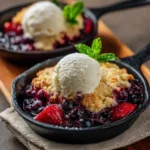
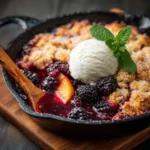
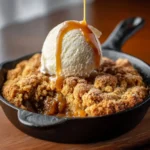
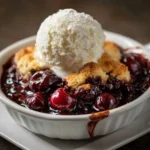
Southern Blackberry Biscuit Cobbler is the soul-soothing, buttery, fruit-forward love letter from the American South — a warm, comforting marriage of flaky, golden biscuit dough and juicy, tart-sweet wild blackberries baked until bubbling and fragrant. Unlike traditional cobblers that rely on a poured batter or crisp topping, this regional treasure proudly features drop biscuits or rolled-and-cut biscuits placed directly atop stewed blackberries, creating a tender, slightly crisp crown that soaks up just enough syrupy juice without collapsing into mush. It’s the kind of dessert served at church suppers, summer porch gatherings, and Sunday dinners after fried chicken — unpretentious, deeply flavorful, and steeped in generational wisdom. Whether you’re a lifelong Southerner or discovering this gem for the first time, this cobbler isn’t just food — it’s hospitality, memory, and terroir in a cast-iron skillet.
The History
The origins of Southern Blackberry Biscuit Cobbler trace back to 19th-century rural kitchens across the Piedmont, Appalachia, and the Deep South — regions where blackberry brambles grew prolifically along fence rows, creek banks, and abandoned fields. Before commercial orchards and year-round grocery access, foraged blackberries were a seasonal lifeline: rich in vitamin C, abundant in late spring through midsummer, and easily preserved or cooked fresh. Early versions evolved from “slump” and “grunt” desserts brought by English and Scots-Irish settlers — rustic fruit desserts cooked stovetop with dumpling-like dough — but adapted to Southern pantries stocked with buttermilk, lard or leaf lard, self-rising flour (popularized by the 1889 introduction of White Lily), and cane sugar rather than refined beet sugar. By the early 20th century, community cookbooks like *The Junior League of Birmingham’s The Treasury of Southern Recipes* (1959) and *The Savannah Cookbook* (1963) featured variations labeled “Blackberry Dumpling,” “Biscuit-Topped Berry Cobbler,” and “Hot Sack Cobbler” — all pointing to the same technique: spooning thickened berries into a hot skillet, crowning them with biscuits, and baking until golden and aromatic. Notably, the biscuit-topped version distinguished itself from the more common “drop-batter” cobblers of Texas and the Midwest, reflecting the South’s reverence for flaky, tender biscuit craftsmanship — a skill passed down mother-to-daughter, often without written measurements, guided instead by the “feel” of the dough and the sound of berries popping in the oven.
Ingredients Breakdown
Every ingredient in Southern Blackberry Biscuit Cobbler serves a purpose rooted in tradition and texture — nothing is arbitrary, and substitutions should be made thoughtfully to honor the dish’s integrity:
- Fresh Blackberries (6–7 cups, lightly rinsed and stemmed): Wild or cultivated, small-berried varieties (like ‘Kiowa’ or native dewberries) offer superior flavor concentration and less water content than large commercial hybrids. Avoid frozen berries unless fully thawed and drained — excess ice crystals dilute the syrup and inhibit biscuit rise.
- Granulated Cane Sugar (1 to 1¼ cups): Traditional Southern recipes favor pure cane sugar for its clean sweetness and caramel notes when baked. Adjust downward if berries are exceptionally ripe; increase slightly if using underripe or tart-foraged fruit.
- Lemon Juice (2–3 tbsp) & Zest (from 1 lemon): Brightens the deep berry flavor, balances sweetness, and helps preserve vibrant color. Meyer lemon adds floral nuance; regular Eureka works beautifully too.
- Cornstarch (¼ cup) or ClearJel® (3 tbsp): Cornstarch is classic and widely available, yielding a glossy, medium-thick syrup. ClearJel® (a modified cornstarch) is preferred by heritage bakers for freeze-thaw stability and superior high-heat clarity — critical if making ahead or serving leftovers.
- Unsalted Butter (½ cup, cubed & chilled): Leaf lard was historically used for ultimate flakiness and neutral richness; modern versions use high-fat European-style butter (82–84% fat) for superior layers and browning. Salted butter may be used, but reduce added salt in biscuit dough accordingly.
- Self-Rising Flour (2½ cups): The cornerstone of authentic Southern biscuits — pre-mixed flour, leavening (baking powder), and salt in precise ratio. White Lily or Martha White brands are gold standards due to low-protein soft wheat that yields tender, lofty biscuits. If unavailable, substitute by combining 2½ cups all-purpose flour + 3½ tsp baking powder + 1 tsp fine sea salt.
- Buttermilk (¾–1 cup, well-chilled): Adds tang, tenderness, and activates leavening. Low-fat or full-fat both work; avoid ultra-pasteurized buttermilk if possible — its altered protein structure can yield gummy biscuits. For dairy-free authenticity, some Appalachian cooks historically used soured whole milk (1 tbsp vinegar + 1 cup milk, rested 5 min).
- Heavy Cream or Whole Milk (2–3 tbsp, for brushing): Creates a luminous, deeply bronzed crust. A light sprinkle of coarse turbinado sugar before baking adds subtle crunch and sparkle.
- Optional Enhancers: A pinch of freshly grated nutmeg (not cinnamon — too dominant), ½ tsp almond extract folded into the berry mixture, or a splash of bourbon (1 tbsp) for depth — all used sparingly to complement, not overwhelm, the blackberry essence.
Step-by-Step Recipe
- Prep the Berries: In a large stainless steel or enameled Dutch oven, combine blackberries, sugar, lemon juice, lemon zest, and cornstarch. Stir gently with a silicone spatula until evenly coated — avoid crushing berries. Let macerate 20–30 minutes at room temperature to draw out natural juices.
- Cook the Filling: Place pot over medium-low heat. Cook, stirring frequently with a wooden spoon, until berries soften and release abundant juice (about 8–10 minutes). Increase heat to medium and bring to a gentle simmer. Cook 4–5 more minutes, stirring constantly, until syrup thickens to a glossy, coat-the-back-of-a-spoon consistency. Remove from heat; stir in optional bourbon or almond extract. Transfer to a 13″x9″ glass baking dish or seasoned 12″ cast-iron skillet. Cool slightly — warm (not hot) filling prevents biscuit dough from melting prematurely.
- Chill Your Tools: Place mixing bowl, pastry cutter or fork, and measuring cups in freezer for 10 minutes. Cold tools = cold fat = flaky biscuits.
- Mix Dry Ingredients: In chilled bowl, whisk together self-rising flour and 1 tsp granulated sugar. Cut in chilled butter using a pastry cutter or two forks until mixture resembles coarse crumbs with some pea-sized pieces remaining.
- Hydrate Gently: Pour in ¾ cup chilled buttermilk. Using a silicone spatula or fork, stir *just until* a shaggy dough forms — about 12–15 strokes. Do NOT overmix. If dough seems dry, add buttermilk 1 tbsp at a time. Dough should hold together when pinched but remain slightly tacky.
- Portion & Shape: Turn dough onto lightly floured parchment. Pat gently to ¾” thickness. Using a 2½” round biscuit cutter (dip in flour between cuts), stamp out biscuits. Gather scraps, pat once, and re-cut — avoid overworking. For rustic charm, drop heaping ¼-cup portions directly onto cooled filling (they’ll spread slightly).
- Arrange & Chill: Place biscuits evenly spaced over berry filling — they should nearly touch but not overlap. Brush tops generously with heavy cream or whole milk. Sprinkle with turbinado sugar and a whisper of flaky sea salt.
- Bake with Precision: Preheat oven to 425°F (convection off) with rack positioned in lower third. Place baking dish on a preheated heavy-duty baking sheet (prevents under-browning and catches bubbles). Bake 22–26 minutes — until biscuits are deeply golden brown, puffed, and firm to light touch, and filling bubbles vigorously at edges.
- Rest Imperatively: Remove from oven and let rest *undisturbed* for 25–30 minutes. This allows syrup to set slightly and biscuits to finish steaming internally — rushing this step causes runny filling and soggy bottoms.
- Serve Warm: Scoop generous portions into bowls. Traditionally served unadorned, but a scoop of real vanilla bean ice cream, a drizzle of buttermilk panna cotta, or a dollop of clabbered cream elevates without masking.
Tips
- Blackberry Wisdom: Pick berries in the cool morning hours after dew dries — they’re firmer and less prone to crushing. Store unwashed in single layers on paper-towel-lined trays in the fridge up to 3 days. For peak flavor, use within 48 hours of picking or purchasing.
- Fat Temperature Is Non-Negotiable: Butter must be *cold* — straight from the fridge (not freezer-hard) — and remain visible as distinct flecks in the flour. Warm fat melts prematurely, coating flour proteins and inhibiting gluten development needed for lift.
- Buttermilk Matters: Shake the carton vigorously before measuring — buttermilk separates naturally. Use the entire mixture, including the thicker curds; they contribute acidity and tenderness.
- Don’t Skip the Rest: That 25–30 minute rest isn’t optional downtime — it’s functional chemistry. As the cobbler cools, starches retrograde, thickening the syrup further, while residual heat finishes cooking the biscuit interiors without drying them out.
- Oven Thermometer Required: Southern ovens — especially older gas models — often run hot or cold. An inexpensive oven thermometer ensures your 425°F is accurate. Under-baking yields doughy biscuits; over-baking burns sugar and dries out fruit.
- Cast Iron Know-How: If using cast iron, ensure it’s well-seasoned. Preheat skillet empty for 5 minutes before adding filling — this jumpstarts caramelization and prevents sticking. Never immerse hot cast iron in water; cool completely before cleaning with stiff brush and hot water only.
- Altitude Adjustment: At 3,000+ feet, reduce sugar by 1 tbsp per cup, increase buttermilk by 1–2 tbsp, and bake at 435°F for 20–22 minutes — higher heat compensates for faster evaporation and slower leavening.
- Make-Ahead Mastery: Prepare berry filling up to 3 days ahead; store covered in fridge. Biscuit dough can be shaped, placed on parchment, and frozen solid (then bagged); bake straight from frozen — add 5–7 minutes to bake time.
Variations and Customizations
This cobbler is gloriously adaptable — a canvas for seasonal abundance and pantry creativity — while honoring its Southern roots:
- Blackberry-Peach Fusion: Replace 2 cups blackberries with peeled, sliced freestone peaches. Add ¼ tsp ground ginger to filling for warmth. Maintain same thickener and sugar levels — peaches add juiciness but less acidity.
- Heritage Grain Twist: Substitute up to ½ cup self-rising flour with stone-ground white cornmeal or heirloom soft red winter wheat flour for nutty depth and subtle grit. Reduce buttermilk by 1 tbsp to compensate for cornmeal’s absorbency.
- Brunch Cobbler: Fold 2 beaten eggs and 2 tbsp chopped fresh mint into biscuit dough before cutting. Serve warm with crumbled cooked bacon and a drizzle of local honey — transforms dessert into savory-sweet centerpiece.
- Gluten-Free Grace: Use a 1:1 GF flour blend *with xanthan gum* (like King Arthur Measure for Measure) + 1½ tsp additional xanthan gum. Add 1 tbsp psyllium husk powder to dough for elasticity. Chill dough 30 minutes before cutting.
- Vegan Victory: Replace butter with chilled refined coconut oil (neutral flavor) or vegan butter stick. Use plant-based buttermilk (1 tbsp apple cider vinegar + 1 cup unsweetened soy or oat milk). Brush biscuits with almond milk + maple syrup glaze. Thicken filling with arrowroot instead of cornstarch.
- Spiced & Smoked: Infuse ¼ cup of the buttermilk with 1 star anise pod and 2 black peppercorns (steep 15 min, strain) for biscuits. Or add ¼ tsp smoked sea salt to biscuit dough — echoes old-time smokehouse techniques.
- Mini Skillet Individual Servings: Divide filling among six 6″ seasoned cast-iron skillets. Top each with one 2″ biscuit. Bake 18–20 minutes. Perfect for dinner parties — no sharing required!
Health Considerations and Nutritional Value
While Southern Blackberry Biscuit Cobbler is rightly celebrated as comfort food, mindful preparation reveals notable nutritional strengths — especially when approached with whole-food integrity:
- Blackberry Powerhouse: One cup of raw blackberries delivers ~30mg vitamin C (33% DV), 8g dietary fiber (28% DV), potent anthocyanins (linked to reduced inflammation and improved cognitive function), ellagic acid (a phytochemical with studied anti-carcinogenic properties), and manganese (25% DV) essential for bone health and antioxidant enzyme function.
- Smart Sweetening: Reducing sugar by ¼ cup (using 1 cup instead of 1¼) lowers added sugars to ~22g per serving (based on 12 servings) — still within FDA’s <25g/day limit for women. Relying on ripe berries’ natural fructose minimizes need for excess sweetener.
- Flour Intelligence: Choosing White Lily self-rising flour (made from 100% soft red winter wheat) provides more B vitamins (thiamin, niacin) and iron than standard all-purpose. For increased fiber and phytonutrients, swap ⅓ of flour with finely ground, certified gluten-free oats or toasted oat bran.
- Fat Quality Focus: Using grass-fed, cultured butter or pastured lard boosts conjugated linoleic acid (CLA), vitamin K2, and omega-3s. These fats support satiety, hormone balance, and nutrient absorption — especially for fat-soluble vitamins in berries.
- Dairy-Delight Balance: Buttermilk contributes probiotics (Lactobacillus bulgaricus, Streptococcus thermophilus) and calcium. Opting for full-fat buttermilk enhances mouthfeel and slows gastric emptying — promoting longer-lasting fullness versus low-fat alternatives.
- Portion Mindfulness: Serving size matters. A modest ¾-cup portion (filling + one biscuit) contains ~320–360 calories, 5–6g protein, 50–55g carbs (12–14g fiber), and 12–14g fat — nutritionally dense when balanced with a lean protein and green vegetable at mealtime.
- Contraindications to Note: Those managing blood sugar should pair cobbler with Greek yogurt or cottage cheese to slow glucose response. Individuals with celiac disease must verify GF flour certification and avoid cross-contamination with wheat flour in shared kitchens. High-FODMAP diets may limit portions due to fructose load — consult a registered dietitian.
Ingredients
- 6–7 cups fresh blackberries, gently rinsed and stems removed
- 1 to 1¼ cups granulated cane sugar (adjust based on berry tartness)
- 2–3 tablespoons fresh lemon juice (preferably from organic lemons)
- Zest of 1 lemon (finely grated, avoid white pith)
- ¼ cup cornstarch or 3 tablespoons ClearJel®
- ½ cup unsalted butter, very cold and cubed (or high-quality leaf lard)
- 2½ cups White Lily or Martha White self-rising flour (or DIY blend: 2½ cups AP flour + 3½ tsp baking powder + 1 tsp fine sea salt)
- ¾–1 cup well-chilled buttermilk (shaken well)
- 2–3 tablespoons heavy cream or whole milk (for brushing)
- 2 tablespoons turbinado sugar (for topping)
- Pinch of flaky sea salt (for finishing)
Directions
- In a large heavy-bottomed pot, combine blackberries, sugar, lemon juice, lemon zest, and cornstarch. Stir gently to coat berries evenly. Let stand at room temperature for 20–30 minutes to macerate.
- Place pot over medium-low heat. Cook, stirring frequently with a wooden spoon, for 8–10 minutes until berries soften and release juice. Increase heat to medium and bring to a gentle simmer. Continue cooking 4–5 minutes longer, stirring constantly, until syrup thickens to a glossy, spoon-coating consistency. Remove from heat and stir in optional enhancements (e.g., 1 tbsp bourbon or ½ tsp almond extract). Transfer to a 13″x9″ baking dish or 12″ seasoned cast-iron skillet. Let cool slightly (warm, not hot) — about 10 minutes.
- Place mixing bowl, pastry cutter, and measuring cups in freezer for 10 minutes.
- In chilled bowl, whisk together self-rising flour and 1 teaspoon sugar. Add cold cubed butter. Cut in with pastry cutter or fork until mixture resembles coarse crumbs with visible pea-sized butter pieces.
- Pour in ¾ cup chilled buttermilk. Stir with silicone spatula or fork just until a shaggy dough forms — about 12–15 strokes. If too dry, add buttermilk 1 tablespoon at a time. Do not overmix.
- Turn dough onto lightly floured parchment paper. Gently pat to ¾-inch thickness. Using a 2½-inch round biscuit cutter (floured between cuts), cut biscuits. Gather scraps, pat once, and re-cut. Alternatively, drop ¼-cup portions directly onto filling.
- Arrange biscuits evenly over warm berry filling — they should nearly touch. Brush tops generously with heavy cream or whole milk. Sprinkle with turbinado sugar and a whisper of flaky sea salt.
- Preheat oven to 425°F (convection off) with rack in lower third. Place baking dish on preheated heavy-duty baking sheet.
- Bake 22–26 minutes, until biscuits are deeply golden brown, puffed, and firm to light touch, and filling bubbles vigorously at edges.
- Remove from oven and let rest undisturbed for 25–30 minutes to allow syrup to set and biscuits to finish steaming.
- Serve warm in bowls. Optional accompaniments: vanilla bean ice cream, clabbered cream, or buttermilk panna cotta.
FAQ
- Can I use frozen blackberries?
- Yes — but thaw completely in a colander, then press gently to remove *all* excess liquid (measure after draining). Frozen berries release more water and may require 1 extra tsp cornstarch. Do not rinse thawed berries — you’ll lose flavor and color.
- Why does my biscuit topping sink or become gummy?
- Most commonly caused by: (1) Filling too hot when biscuits are added — melts butter prematurely; (2) Overmixing biscuit dough — develops gluten, causing toughness; (3) Underbaking — biscuits need full time to set structure; (4) Thickener breakdown — cornstarch breaks down with prolonged boiling; use ClearJel® or add thickener *after* initial simmer.
- Can I prepare this cobbler the night before?
- Absolutely. Assemble filling and refrigerate uncovered (to prevent condensation) up to 12 hours. Prepare biscuit dough, shape into rounds, place on parchment, cover loosely, and refrigerate up to 8 hours. Assemble cold filling + cold biscuits just before baking — no need to bring to room temp.
- What’s the best way to reheat leftovers?
- Individual portions: Microwave 45–60 seconds, then finish under broiler 1–2 minutes for crisp biscuit revival. Full dish: Cover loosely with foil and bake at 325°F for 15–18 minutes until warmed through. Avoid reheating multiple times — syrup degrades.
- Is there a traditional Southern beverage pairing?
- Yes! Sweet tea (unsweetened or lightly sweetened with cane syrup), buttermilk, or a tall glass of homemade lemonade. For adults, a splash of peach brandy or a bourbon sour complements the berry’s tannins beautifully.
- My biscuits didn’t rise much — what went wrong?
- Check your self-rising flour’s freshness — baking powder loses potency after 6 months. Ensure buttermilk is active (fizzles when mixed with baking soda). Over-flouring the work surface or rolling too thin also limits lift. And never skip the cold fat — warmth = steam loss before oven spring.
- Can I make this dairy-free without sacrificing texture?
- Yes — use chilled refined coconut oil (not virgin) for fat, unsweetened soy or oat milk + 1 tbsp apple cider vinegar for buttermilk, and arrowroot starch in place of cornstarch. Add 1 tsp apple cider vinegar to dough for extra lift. Brush biscuits with maple syrup–almond milk wash for browning.
- How do I know when the cobbler is perfectly done?
- Look for three signs: (1) Biscuits are deep golden brown with crisp, defined edges; (2) Filling bubbles *vigorously* around the perimeter and emits a rich, jammy aroma (not raw fruit smell); (3) Inserting a toothpick into center biscuit yields clean or moist crumbs — no wet batter.
Summary
Southern Blackberry Biscuit Cobbler is a time-honored celebration of seasonal abundance, biscuit mastery, and humble elegance — where sun-warmed blackberries meet feather-light, buttery biscuits in a ritual of patience, precision, and love. It’s not merely dessert; it’s edible heritage, baked slowly, shared generously, and remembered fondly long after the last crumb is gone.