Introduction
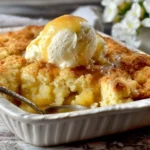
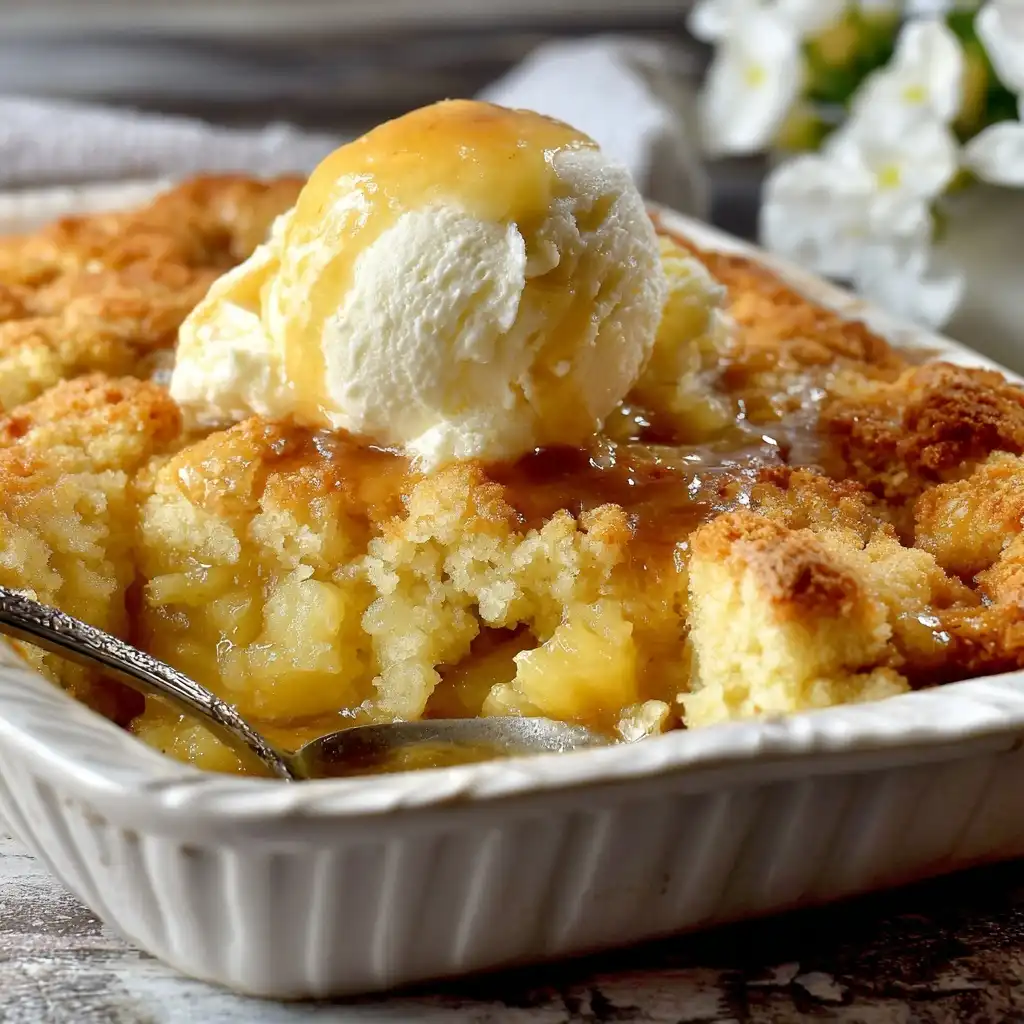
Southern Pineapple Cobbler is more than just a dessert—it’s a warm, golden-hued embrace of Southern hospitality, nostalgia, and soul-soothing comfort. Born from the resourceful ingenuity of generations of home cooks across the American South, this beloved treat transforms simple pantry staples and seasonal fruit into a bubbling, buttery, caramel-kissed masterpiece. With its tender, cake-like topping crowned over juicy, tangy-sweet pineapple, it evokes memories of Sunday suppers, church potlucks, front-porch gatherings, and summer evenings cooled by ceiling fans and sweet tea. Unlike its cousin, the crisp or crumble, the cobbler’s signature lies in its “cobbled” appearance—rough, rustic mounds of batter or biscuit dough that rise and set like golden islands amid a luscious, syrupy fruit base. This version celebrates the tropical brightness of pineapple—whether fresh, canned, or even frozen—balanced with brown sugar depth, warm spices, and a hint of citrus zest for vibrancy. It’s humble enough for weeknight ease yet elegant enough to grace holiday tables, and it’s always best served warm, with a generous scoop of vanilla ice cream melting slowly into every crevice.
The History
The origins of the cobbler stretch back centuries—to medieval England, where “coble” referred to something rounded or lumpy, and early cobblers were essentially fruit pies with a thick, coarse crust. When English settlers arrived in colonial America, they adapted the concept using local fruits and available flours, often omitting refined pastry in favor of simpler, quicker toppings due to scarcity of butter, sugar, and ovens. By the 18th and 19th centuries, cobblers had taken root across Appalachia and the Deep South, evolving regionally: Georgia peach cobblers, North Carolina blackberry cobblers, and Texas pecan cobblers all tell distinct stories of terroir and tradition. Pineapple, however, entered the Southern cobbler repertoire later—not as a native crop, but as a symbol of prosperity and exotic allure. In the late 19th and early 20th centuries, canned pineapple (pioneered by James Dole in Hawaii in 1901) became widely accessible across the U.S., especially after railroads and refrigerated transport expanded distribution. Southern cooks—many working with limited refrigeration and seeking shelf-stable ingredients—embraced canned pineapple for its consistent sweetness, convenience, and vibrant acidity that cut through rich, buttery batters. Church cookbooks from the 1930s–1950s—like those published by Methodist Women’s Auxiliaries and Baptist Ladies’ Societies—feature dozens of pineapple cobbler variations, often handwritten with notes like “Use the juice!” or “Add a splash of sherry if you’ve got it.” The dish also reflects African American culinary innovation: enslaved cooks and their descendants elevated humble ingredients with profound technique—mastering caramelization, understanding starch-thickened syrups, and developing the perfect tender-yet-structured biscuit-topping ratio. Today, Southern Pineapple Cobbler stands as a delicious convergence of Indigenous fruit knowledge, West African cooking sensibilities, European baking traditions, and Hawaiian agricultural enterprise—a true testament to America’s layered foodways.
Ingredients Breakdown
Every ingredient in this Southern Pineapple Cobbler plays a deliberate role—not just in flavor, but in texture, structure, and chemistry. Let’s explore them in detail:
- Pineapple: The star. Fresh pineapple offers bright, enzymatic tartness and floral complexity—but requires careful preparation (core removal, juicing, and sometimes brief maceration to soften fibers). Canned pineapple in its own juice is the most common and reliable choice—its mild acidity is balanced, its texture holds up beautifully during baking, and the juice contributes essential liquid and natural sweetness. Avoid pineapple packed in heavy syrup unless reducing added sugars elsewhere; “light” or “100% juice” options are ideal. Crushed pineapple adds body and moisture; tidbits offer pleasant textural contrast; rings can be chopped for visual appeal. Frozen pineapple (thawed and well-drained) works in a pinch—but expect slightly softer fruit and potential dilution if not strained.
- Granulated Sugar: Provides baseline sweetness, aids in caramelization of the fruit layer, and helps aerate the batter for lift. Often paired with brown sugar for depth.
- Brown Sugar (light or dark): Adds molasses-driven richness, moisture retention, and a subtle toffee note. Dark brown sugar intensifies color and complexity; light brown yields a milder, more balanced profile. Its hygroscopic nature keeps the cobbler moist for days.
- All-Purpose Flour: The structural backbone of the topping. Standard bleached or unbleached AP flour delivers optimal tenderness without toughness. For gluten-free versions, a 1:1 certified GF blend (with xanthan gum) works reliably—though texture may be slightly denser.
- Baking Powder & Baking Soda: A dual-leavening system ensures maximum rise and airy crumb. Baking powder provides most lift; baking soda reacts with acidic components (pineapple juice, brown sugar, buttermilk if used) to enhance browning and neutralize excess tang.
- Ground Cinnamon & Nutmeg: Warm, aromatic spices that complement pineapple’s tropical character without overpowering. Freshly grated nutmeg makes a discernible difference—its volatile oils release nuanced clove-like and citrusy top notes.
- Salt: Not merely for seasoning—salt heightens all other flavors, controls yeast activity (if using buttermilk), strengthens gluten bonds subtly, and balances sweetness. Fine sea salt or kosher salt (adjusted for volume) is preferred for even distribution.
- Unsalted Butter: Used both in the fruit layer (for richness and emulsification) and in the topping (for flakiness and flavor). Cold, cubed butter creates steam pockets as it melts—key to a tender, layered topping. Melted butter yields a denser, more cake-like result (also delicious, but stylistically distinct).
- Whole Milk or Buttermilk: Liquid binder that hydrates dry ingredients and activates leaveners. Buttermilk adds gentle acidity for tenderness and subtle tang—ideal for balancing pineapple’s brightness. Whole milk yields a richer mouthfeel; low-fat milk works but may produce a drier topping.
- Vanilla Extract: Pure, Madagascar Bourbon vanilla adds warmth, floral depth, and roundness. Imitation vanilla lacks complexity and can taste artificial when baked.
- Lemon or Lime Zest: A small amount brightens the entire profile—cutting sweetness, lifting aromatics, and enhancing pineapple’s natural citric notes. Never skip this subtle but transformative touch.
- Optional Enhancements: A tablespoon of cornstarch or tapioca starch stabilizes the fruit filling and prevents excess runniness; a splash of rum, coconut milk, or orange juice deepens tropical nuance; toasted coconut flakes or chopped macadamia nuts add crunch and regional flair.
Step-by-Step Recipe
Makes one 9×13-inch or two 8×8-inch baking dishes (serves 10–12)
- Preheat & Prep: Position oven rack in the lower third of your oven. Preheat to 350°F (175°C). Generously grease your baking dish(es) with unsalted butter or nonstick spray, then lightly dust with granulated sugar—this creates a delicate caramelized crust on the bottom edge.
- Prepare the Fruit Layer: In a large bowl, combine 2 (20 oz) cans of crushed pineapple in juice (or 4 cups fresh/frozen, well-drained), 1 cup packed light brown sugar, ½ cup granulated sugar, ¼ cup unsalted butter (cut into small cubes), 1 tsp ground cinnamon, ¼ tsp freshly grated nutmeg, ½ tsp fine sea salt, and the finely grated zest of 1 medium lemon. Stir gently but thoroughly until sugars dissolve and butter begins to soften. Let sit at room temperature for 15 minutes to macerate—this draws out juices and melds flavors.
- Make the Topping Batter: In a separate medium bowl, whisk together 2 cups all-purpose flour, 2 tsp baking powder, ½ tsp baking soda, 1 tsp ground cinnamon, ¼ tsp nutmeg, and ½ tsp salt. In a small bowl or liquid measuring cup, combine 1 cup whole milk (or buttermilk), 2 large eggs (room temperature), 2 tsp pure vanilla extract, and 2 tbsp melted unsalted butter. Pour wet ingredients into dry ingredients and stir with a silicone spatula or wooden spoon *just until combined*—do not overmix. A few small lumps are ideal; overmixing develops gluten and leads to toughness. Let batter rest 5 minutes to hydrate flour fully and relax gluten.
- Assemble with Care: Pour the pineapple mixture evenly into the prepared baking dish. Gently spoon the batter over the top—in dollops, not smoothed. Using the back of a spoon or an offset spatula, carefully spread batter to cover most of the surface, leaving some fruit edges visible for visual appeal and caramelized “lace.” Do *not* stir or mix—the layers must remain distinct.
- Bake with Precision: Place dish on a parchment-lined or foil-lined baking sheet (to catch any potential bubbling over). Bake for 55–65 minutes—or until a toothpick inserted into the center of the topping comes out clean or with moist crumbs (not wet batter), the edges are deeply golden and slightly pulled away from the pan, and the fruit layer bubbles vigorously around the perimeter. Internal temperature of the topping should read 205–210°F on an instant-read thermometer.
- Cool Strategically: Remove from oven and let rest on a wire rack for *at least 30 minutes* before serving. This allows the filling to thicken, the topping to set, and the steam to redistribute—preventing a soupy collapse or scalding-hot filling. For optimal texture, serve warm—not piping hot.
Tips
- Drain Pineapple Thoughtfully: If using canned pineapple, reserve the juice! You’ll need ½ cup for the batter—don’t discard it. If using fresh, save every drop of extracted juice.
- Butter Temperature Matters: For a flaky, layered topping, use *cold* butter cut into ¼-inch cubes and cut into the dry ingredients with a pastry cutter or fingers until pea-sized. Then add liquids. For a softer, more cake-like topping (the classic Southern style), melt the butter and whisk into wet ingredients.
- Don’t Skip the Rest: Letting the batter rest for 5 minutes allows the flour to fully hydrate and the baking powder to begin activating—resulting in better rise and more even texture.
- Watch the Oven: Ovens vary wildly. Start checking at 50 minutes. If the topping browns too quickly, tent loosely with aluminum foil—but only after 40 minutes to ensure proper rise.
- Embrace the “Cobble”: Don’t strive for smoothness. Rustic peaks and valleys create more surface area for caramelization—and more places for ice cream to nestle.
- Thickener Hack: If your pineapple is exceptionally juicy (e.g., very ripe fresh fruit), whisk 1 tbsp cornstarch into the sugar mixture before adding liquids—this prevents a watery filling without masking flavor.
- Room-Temperature Eggs: Cold eggs can cause batter to seize or separate. Pull them out 30 minutes ahead—or place in warm water for 5 minutes.
- Grease + Sugar Trick: Coating the pan with butter *then* sugar creates a delicate, crackly, caramelized rim—elevating both flavor and presentation.
- Make-Ahead Friendly: Assemble up to 1 day ahead—cover tightly and refrigerate unbaked cobbler. Add 5–10 minutes to bake time and let come to cool room temp for 20 minutes before baking.
- Reheating Perfection: To refresh leftovers, cover loosely with foil and reheat in a 325°F oven for 15–20 minutes. Or microwave individual portions at 50% power in 30-second bursts until warmed through.
Variations and Customizations
This cobbler is gloriously adaptable—here are time-tested, chef-approved riffs that honor tradition while inviting creativity:
- Tropical Twist: Replace ¼ cup pineapple juice with full-fat coconut milk; fold ½ cup toasted unsweetened coconut flakes and ⅓ cup chopped macadamia nuts into the batter. Garnish with extra coconut and lime wedges.
- Spiced Rum Infusion: Stir 2 tbsp dark rum and ½ tsp ground ginger into the fruit mixture before baking. Serve with rum-spiked whipped cream.
- Whole Grain & Nutrient-Dense: Substitute ½ cup of the all-purpose flour with white whole wheat flour or oat flour; add 2 tbsp ground flaxseed and ¼ cup chopped walnuts to the batter. Slightly heartier, deeply flavorful.
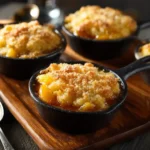
- Mini Individual Cobblers: Divide batter and filling among 6–8 greased 6-oz ramekins. Bake at 375°F for 28–32 minutes—perfect for portion control and elegant presentation.
- “Upside-Down” Style: Arrange pineapple rings (or thick chunks) in the bottom of the pan, sprinkle with brown sugar and butter, then pour batter over top. Inverts after baking for a glossy, caramelized top—reminiscent of a pineapple upside-down cake hybrid.
- Double-Fruit Fusion: Fold in 1 cup fresh or frozen mango chunks or banana slices (tossed in 1 tsp lemon juice to prevent browning) with the pineapple for layered sweetness and texture.
- Vegan Adaptation: Use flax eggs (2 tbsp ground flax + 6 tbsp water, rested 10 min), vegan butter, unsweetened almond or soy milk, and replace brown sugar with coconut sugar. Ensure baking powder is aluminum-free and vegan-certified.
- Gluten-Free Version: Use a trusted 1:1 gluten-free flour blend (like King Arthur or Bob’s Red Mill); add ½ tsp xanthan gum if not included. Increase milk by 1–2 tbsp as GF flours absorb more liquid.
- Brunch Cobbler: Add ¼ cup shredded sharp cheddar to the batter and a pinch of cayenne for a sweet-savory, Southern-style “cheese cobbler” inspired by Appalachian traditions.
- Decadent Finish: Brush warm cobbler with brown butter glaze (melt 3 tbsp butter, swirl in ¼ cup powdered sugar, 1 tsp vanilla, and 1 tbsp pineapple juice) and sprinkle with flaky sea salt.
Health Considerations and Nutritional Value
While Southern Pineapple Cobbler is undeniably indulgent—and meant to be savored as a celebratory treat—it also offers meaningful nutritional benefits when approached mindfully. Pineapple is rich in bromelain—an enzyme with anti-inflammatory properties that aids digestion—and is an excellent source of vitamin C (supporting immunity and collagen synthesis), manganese (essential for bone health and antioxidant function), and dietary fiber (especially when fresh or unsweetened canned). The brown sugar contributes trace minerals like calcium and potassium, while whole wheat or oat flour variations increase B-vitamins and prebiotic fiber. That said, traditional preparations are moderate-to-high in added sugars and saturated fat—primarily from butter and refined sweeteners. A standard serving (⅛ of a 9×13 dish) contains approximately 320–380 calories, 55–65g carbohydrates (of which 30–40g are sugars), 6–8g fat (4–5g saturated), 4–5g protein, and 1–2g fiber. To align with wellness goals without sacrificing joy:
- Reduce Added Sugar: Decrease granulated sugar by ¼ cup; rely on pineapple’s natural sweetness and brown sugar’s depth. Many find the cobbler perfectly balanced with just ¾ cup total sugar.
- Increase Fiber: Swap ½ cup flour for oat flour or add 2 tbsp psyllium husk or ground chia seeds to the dry ingredients.
- Boost Protein: Add 2 tbsp whey or plant-based protein powder to the dry mix (adjust milk slightly if batter thickens).
- Smart Serving: Pair with Greek yogurt instead of ice cream for added protein and probiotics—or enjoy a modest portion alongside a leafy green salad dressed with citrus vinaigrette for balance.
- Portion Mindfully: Use smaller ramekins or serve ½-cup portions. Remember: satisfaction comes from quality, not quantity.
- Allergen Notes: Naturally nut-free and soy-free (unless modified). Easily dairy-free and egg-free with substitutions. Always verify labels on canned goods (some contain sulfites or added citric acid).
Ultimately, nourishment extends beyond macronutrients—it includes cultural connection, intergenerational joy, mindful presence, and the deep comfort of shared tradition. Eating this cobbler slowly, with loved ones, and with gratitude is part of its holistic wellness value.
Ingredients
- 2 (20 oz) cans crushed pineapple in juice (reserve ½ cup juice), OR 4 cups fresh pineapple, finely diced and juiced
- 1 cup packed light brown sugar
- ½ cup granulated sugar
- ¼ cup unsalted butter, cold and cubed (for fruit layer)
- 1 tsp ground cinnamon
- ¼ tsp freshly grated nutmeg
- ½ tsp fine sea salt
- Zest of 1 medium lemon
- 2 cups all-purpose flour
- 2 tsp baking powder
- ½ tsp baking soda
- 1 tsp ground cinnamon (additional)
- ¼ tsp nutmeg (additional)
- ½ tsp salt (additional)
- 1 cup whole milk or buttermilk
- 2 large eggs, room temperature
- 2 tsp pure vanilla extract
- 2 tbsp unsalted butter, melted (for batter)
- Additional unsalted butter and granulated sugar for greasing pan
Directions
- Preheat oven to 350°F (175°C). Position rack in lower third. Grease a 9×13-inch baking dish with butter, then dust generously with granulated sugar.
- In a large bowl, combine crushed pineapple (with reserved ½ cup juice), brown sugar, granulated sugar, ¼ cup cold cubed butter, 1 tsp cinnamon, ¼ tsp nutmeg, ½ tsp salt, and lemon zest. Stir until well blended. Let sit 15 minutes.
- In a medium bowl, whisk together flour, 2 tsp baking powder, ½ tsp baking soda, 1 tsp cinnamon, ¼ tsp nutmeg, and ½ tsp salt.
- In a separate small bowl, whisk milk, eggs, vanilla, and 2 tbsp melted butter until smooth.
- Pour wet ingredients into dry ingredients. Stir gently with a spatula just until no dry streaks remain—do not overmix. Let batter rest 5 minutes.
- Pour pineapple mixture into prepared dish. Spoon batter over top in dollops; gently spread to cover surface, leaving some fruit visible.
- Place dish on a lined baking sheet. Bake 55–65 minutes, until topping is golden brown, edges pull from pan, and a toothpick inserted into center comes out clean or with moist crumbs.
- Let cool on wire rack for at least 30 minutes before serving. Serve warm with vanilla ice cream, whipped cream, or coconut milk yogurt.
FAQ
- Can I use fresh pineapple instead of canned?
- Absolutely—and highly encouraged for peak flavor! Choose a ripe, fragrant pineapple with golden-yellow skin and sweet aroma at the base. Peel, core, and finely dice (a food processor pulse works well). Juice the scraps thoroughly—use that liquid in place of canned juice. Fresh pineapple is more acidic and less sweet, so consider adding 1–2 tbsp extra brown sugar to the fruit layer.
- Why did my cobbler turn out soggy?
- Sogginess usually stems from excess liquid or underbaking. Ensure pineapple is well-drained (especially fresh or frozen), avoid overmixing batter (which releases gluten and traps moisture), and bake until internal temperature reaches 205–210°F. Also, never skip the 30-minute rest—it’s critical for setting.
- Can I make this ahead and freeze it?
- Yes! For best results, assemble unbaked cobbler, cover tightly with plastic wrap + foil, and freeze up to 3 months. Thaw overnight in fridge, let sit at room temp 30 minutes, then bake as directed—adding 10–15 minutes. Baked cobbler freezes well too: cool completely, wrap in foil, freeze up to 2 months. Reheat covered at 325°F until warmed through (30–40 min).
- What’s the difference between a cobbler, crisp, and crumble?
- A cobbler features a biscuit- or cake-like batter or dough topping dropped in “cobbled” mounds. A crisp uses a streusel topping with oats, flour, butter, and sugar—baked until crunchy. A crumble is similar to a crisp but traditionally oat-free, relying on flour-butter-sugar clumps. All share fruit bases—but texture and heritage differ distinctly.
- My topping didn’t rise properly. What went wrong?
- Check your leaveners: baking powder loses potency after 6–12 months; test by stirring ½ tsp into ¼ cup hot water—if it doesn’t fizz vigorously, replace it. Also confirm your baking soda isn’t expired, and ensure acidic ingredients (pineapple juice, brown sugar) are present to activate it. Overmixing batter also deflates air bubbles needed for lift.
- Can I substitute coconut sugar or maple syrup?
- Coconut sugar works 1:1 for brown sugar (adds caramel-molasses notes), but reduce other liquids by 1–2 tbsp as it’s less moist. Maple syrup can replace *part* of the granulated sugar (¼–½ cup), but add 1 extra tbsp flour to compensate for added liquid—and reduce milk slightly. Avoid substituting all sugar with syrup, as it changes structure significantly.
- Is there a way to make it less sweet without losing flavor?
- Yes! Reduce granulated sugar to ⅓ cup and brown sugar to ¾ cup. Boost flavor with extra lemon zest (1½ tsp), ¼ tsp cardamom, or a splash of orange blossom water (¼ tsp) in the batter. The pineapple’s natural tartness will shine through beautifully.
- How do I store leftovers?
- Cover tightly and refrigerate up to 5 days. Reheat individual portions in microwave (50% power, 30-sec bursts) or whole dish covered with foil in 325°F oven for 20 minutes. Avoid freezing with dairy toppings (ice cream/whipped cream)—add those fresh when serving.
Summary
Southern Pineapple Cobbler is a time-honored, soul-warming dessert rooted in Southern ingenuity, tropical abundance, and intergenerational love—where juicy pineapple meets spiced brown sugar and a tender, golden-brown biscuit-like topping baked to bubbling perfection. It’s endlessly customizable, nutritionally thoughtful when adapted mindfully, and always best shared slowly, with ice cream, laughter, and gratitude.