Introduction
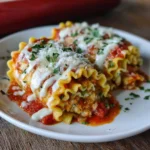
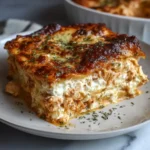
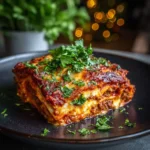
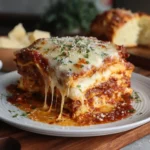
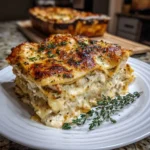
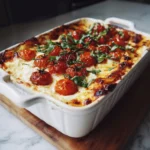
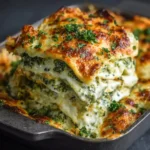
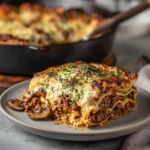
Spicy Arrabbiata Beef Lasagna is a bold, modern fusion that marries the fiery soul of Italian arrabbiata—a classic “angry” tomato sauce born from Roman ingenuity—with the comforting, layered richness of traditional beef lasagna. This isn’t just lasagna with heat—it’s a meticulously balanced symphony where slow-braised ground beef, aromatic herbs, crushed red pepper flakes, garlic, and San Marzano tomatoes converge beneath tender pasta sheets and creamy ricotta–mozzarella–parmesan layers. Designed for those who crave depth, texture, and a lingering, warming spice that builds rather than overwhelms, this dish transforms weeknight dinners into celebratory moments and elevates potlucks into showstoppers. Whether you’re an arrabbiata purist or a lasagna traditionalist stepping out of your culinary comfort zone, this recipe honors authenticity while fearlessly innovating—delivering robust flavor, satisfying heft, and a vibrant crimson hue that promises excitement in every forkful.
The History
The roots of Spicy Arrabbiata Beef Lasagna trace back through two distinct but deeply intertwined culinary lineages: the rustic simplicity of Roman arrabbiata sauce and the layered grandeur of Neapolitan and Emilian lasagna traditions. Arrabbiata, meaning “angry” or “enraged” in Italian, originated in mid-20th century Rome as a peasant sauce born from scarcity—tomatoes, garlic, olive oil, dried oregano, and abundant red pepper flakes were pantry staples that delivered maximum flavor with minimal cost. Its sharp, pungent heat was never meant to shock, but to awaken and enliven. Meanwhile, lasagna—particularly lasagne al forno—evolved across Italy’s regions: Bologna claimed its meaty ragù alla bolognese (often with pancetta, carrots, celery, and wine), while Naples favored rich ricotta and mozzarella pairings, and Sicily introduced cinnamon and raisins in some versions. The fusion into *Spicy Arrabbiata Beef Lasagna* emerged organically in the late 1990s and early 2000s among Italian-American chefs and home cooks experimenting with regional cross-pollination—replacing the mellow sweetness of Bolognese with the assertive tang and fire of arrabbiata, and adapting it to suit American tastes that increasingly embraced bold, global-inspired heat. Today, it stands as a testament to culinary evolution: respectful of tradition yet unafraid to reinterpret—where centuries-old technique meets contemporary palate preferences for complexity, spice, and layered satisfaction.
Ingredients Breakdown
Every element in this Spicy Arrabbiata Beef Lasagna serves a precise purpose—flavor, texture, structure, or balance. Below is a detailed, chef-level breakdown of why each ingredient matters:
- San Marzano DOP Tomatoes (canned, whole or crushed): Grown near Mount Vesuvius, these plum tomatoes offer unparalleled sweetness, low acidity, thick flesh, and rich umami depth—essential for building a complex, non-cloying arrabbiata base. Their natural pectin helps thicken the sauce without flour or reduction overkill.
- Extra-Virgin Olive Oil (cold-pressed, fruity, medium-peppery): Not just for sautéing—it carries volatile aromatics, emulsifies the sauce, adds fruit-forward notes, and prevents the garlic from scorching. A high-quality oil contributes a subtle bitterness that counterbalances sweetness and heat.
- Fresh Garlic (minced, not pre-minced): Raw garlic provides sharp, sulfurous bite; gently cooked garlic becomes sweet and nutty. For arrabbiata, we use *two stages*: a portion sautéed until fragrant (not browned) for base aroma, and a final raw addition off-heat for bright, piercing top notes that cut through richness.
- Crushed Red Pepper Flakes (Calabrian preferred): Far more than generic heat—Calabrian flakes offer fruity, smoky, slightly fermented complexity alongside clean capsaicin burn. Toasting them lightly in oil at the start unlocks essential oils and deepens their resonance. Quantity is calibrated to build gradually—not spike.
- Tomato Paste (double-concentrated, Italian): Adds concentrated umami, caramelized sweetness, and body. It’s briefly cooked (“blooming”) in olive oil until brick-red and fragrant—this step eliminates raw taste and develops Maillard-driven depth critical for anchoring the sauce.
- Dry Red Wine (Chianti, Montepulciano, or Barbera): Deglazes the pan, lifts fond, adds tannic structure and bright acidity. Alcohol evaporates, leaving only aromatic esters and fruit complexity—never “boozy.” Avoid “cooking wine”—its salt and preservatives ruin balance.
- Beef Chuck (85/15, freshly ground): Chuck offers ideal marbling—melting fat renders during browning, basting the meat and enriching the sauce with collagen that breaks down into luxurious gelatin. Leaner cuts yield dry, crumbly results; fattier blends can overwhelm. Grinding fresh ensures no fillers or preservatives.
- Pancetta (finely diced, optional but highly recommended): Adds savory, salty, porky depth and renders fat superior to butter or oil for initial sautéing. Its cured umami bridges the gap between tomato brightness and beef earthiness.
- Yellow Onion & Carrot (finely minced, “soffritto” style): Not just flavor—the carrot adds natural sweetness and pectin; onion contributes sulfur compounds and aromatic backbone. Both are sweated slowly (not fried) to dissolve raw edges and build foundational sweetness without bitterness.
- Fresh Basil (whole leaves, added at multiple stages): Early stems simmer for herbal infusion; fresh leaves stirred in at the end provide volatile, anise-like top notes that lift the entire dish and temper heat.
- Ricotta (whole-milk, full-fat, well-drained): Provides creamy, mild tang and delicate curd structure. Must be drained overnight in cheesecloth to prevent watery layers. Low-fat ricotta separates and turns grainy when baked.
- Mozzarella (fresh, low-moisture, grated by hand): Fresh mozzarella adds milky stretch and moisture; low-moisture (like Sorrento or Grande) delivers superior melt and browning. Pre-shredded contains anti-caking starches that inhibit melting and create greasy pools.
- Parmigiano-Reggiano (aged 24+ months, microplaned): Delivers intense, crystalline umami, nuttiness, and salinity. Its granular texture aids binding in the cheese layer and creates golden, lacy edges when baked.
- No-Boil Lasagna Noodles (oven-ready, durum wheat): Engineered to absorb precisely the right amount of liquid from the sauce—eliminating soggy bottoms or undercooked centers. They soften uniformly and provide structural integrity for tall, sliceable layers.
- Heavy Cream (optional, for ricotta mixture): A tablespoon adds silkiness and richness without making the filling heavy—balances acidity and rounds out spice. Never substitute with milk or half-and-half; they lack fat stability and may cause separation.
- Sea Salt & Freshly Cracked Black Pepper (Maldon or flaky, Tellicherry): Salt enhances all flavors and controls perception of heat; coarse black pepper adds floral, citrusy warmth that complements chile heat rather than competing with it.
Step-by-Step Recipe
This method prioritizes control, layering of flavor, and foolproof texture—each stage is engineered to maximize depth and prevent common lasagna pitfalls (sogginess, blandness, uneven cooking, sauce separation).
- Prep & Drain Ricotta (Overnight or Minimum 4 Hours Ahead): Line a fine-mesh strainer with triple-layer cheesecloth or a coffee filter. Spoon whole-milk ricotta into it. Place over a bowl and refrigerate uncovered. Discard accumulated whey. Properly drained ricotta should hold soft peaks—not runny, not stiff.
- Toast & Bloom (10 Minutes): Heat 3 tbsp extra-virgin olive oil in a heavy-bottomed Dutch oven or large saucepan over medium-low heat. Add 1½ tsp crushed Calabrian red pepper flakes. Stir constantly for 45–60 seconds until fragrant and oil shimmers with flecks of red—do not let flakes darken or smoke. Immediately add 3 tbsp double-concentrated tomato paste. Cook, stirring, for 4–5 minutes until paste darkens to brick-red and smells caramelized and sweet—not burnt. Remove from heat; set aside to cool slightly.
- Sauté Aromatics (12 Minutes): In same pot (no need to wipe), increase heat to medium. Add 4 oz finely diced pancetta (optional but recommended); cook until translucent and edges begin to crisp (~5 min). Add 1 finely minced yellow onion and 1 small finely minced carrot. Reduce heat to medium-low. Sweat gently—stirring every 90 seconds—for 7 minutes until softened, translucent, and sweet, with no browning. This builds the “soffritto” foundation without bitterness.
- Bloom Garlic & Spice (2 Minutes): Push soffritto to sides. Add 6 cloves minced garlic (reserve 1 clove raw) and stir into center for 60 seconds until fragrant—do not brown. Stir in toasted tomato paste mixture. Add ½ tsp dried oregano and ¼ tsp freshly grated nutmeg (for depth, not detectability).
- Build Sauce Base (20 Minutes Simmer): Pour in ½ cup dry red wine. Scrape bottom vigorously with wooden spoon to lift all fond. Simmer 3 minutes until alcohol evaporates. Add 2 (28-oz) cans San Marzano DOP tomatoes (crushed by hand or with immersion blender for rustic texture—do not puree smooth). Stir in 1 tsp sea salt, ½ tsp black pepper, and 4–5 fresh basil stems (leaves removed, stems bruised). Bring to gentle simmer, then reduce heat to lowest possible setting. Partially cover and simmer *unstirred* for 20 minutes—this allows flavors to meld without breaking down tomatoes.
- Brown Beef (8 Minutes): While sauce simmers, heat 1 tbsp olive oil in large skillet over medium-high heat. Add 1½ lbs freshly ground beef chuck. Break into small pieces with wooden spoon. Season with 1 tsp salt. Cook undisturbed 3 minutes to develop crust. Flip/turn and continue browning until deeply caramelized (not gray)—about 5 more minutes. Transfer all beef and accumulated juices to sauce pot.
- Slow-Simmer Ragù (90 Minutes Minimum): Return sauce to gentle simmer. Partially cover. Cook 90 minutes, stirring *only* every 20 minutes. Skim excess surface fat after 45 minutes if desired (but retain some for richness). Sauce should thicken to coat spoon heavily—no pooling liquid. If too thin, simmer uncovered last 15 minutes. If too thick, stir in 2–3 tbsp hot water or low-sodium beef broth. Taste and adjust: more salt? A pinch more red pepper? A splash of balsamic vinegar for brightness? Remove from heat. Stir in reserved raw garlic and ½ cup fresh basil leaves (torn, not chopped). Cool to warm (not hot) before assembling.
- Prepare Cheese Filling (5 Minutes): In bowl, combine drained ricotta, 1½ cups shredded low-moisture mozzarella, 1 cup microplaned Parmigiano-Reggiano, 1 large egg, 1 tbsp heavy cream, ½ tsp salt, ¼ tsp black pepper, and zest of ½ lemon (brightens richness). Fold gently until uniform—do not overmix.
- Assemble Lasagna (15 Minutes): Preheat oven to 375°F (190°C). Grease 9×13-inch deep baking dish (3-inch sides). Spread 1 cup warm arrabbiata sauce thinly across bottom. Layer 4 no-boil noodles (slightly overlapping if needed). Spread ⅓ of ricotta mixture evenly. Top with 1½ cups arrabbiata sauce. Repeat layers twice more: noodles → ricotta → sauce. Final layer: noodles, remaining sauce, then remaining 1½ cups mozzarella + ½ cup Parmigiano. Dot with 1 tbsp cold butter cubes (adds golden, flavorful crust).
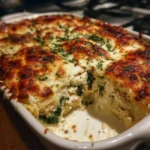
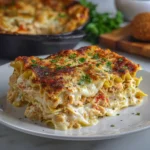
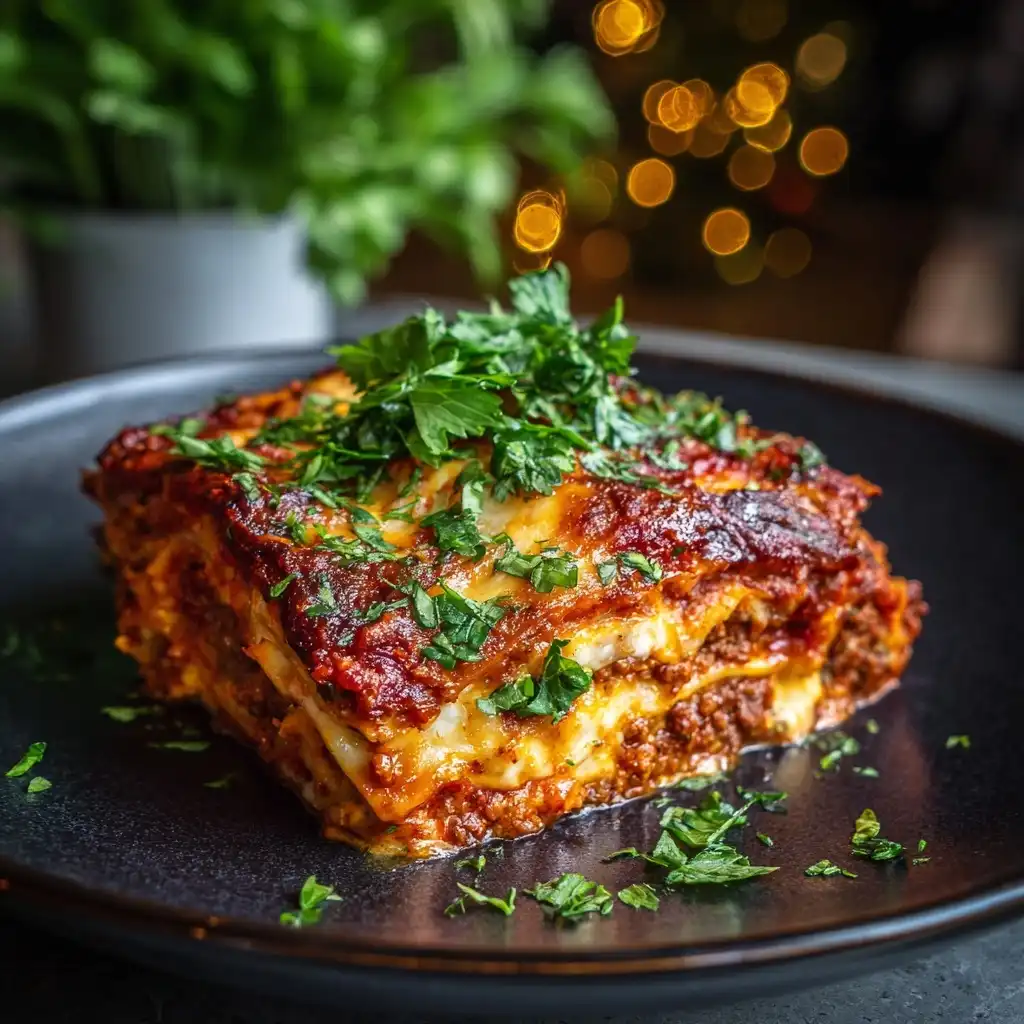
- Bake & Rest (75 Minutes Total): Cover tightly with parchment-lined aluminum foil (prevents drying and steaming). Bake 45 minutes. Remove foil. Rotate pan. Bake uncovered 25–30 minutes until top is deeply golden, bubbling at edges, and internal temperature reaches 165°F (use instant-read thermometer inserted 2 inches from side). Let rest *undisturbed* for 35 minutes—this is non-negotiable. Resting sets layers, reabsorbs steam, prevents collapse, and allows heat to distribute evenly for clean slices.
Tips
- Resting Is Non-Negotiable: Cutting into lasagna before 30–40 minutes of rest guarantees soupy, sliding layers. The starches in noodles and cheese need time to fully gelatinize and bind. Set a timer—and resist temptation.
- Layer Thickness Matters: Too much sauce per layer = sogginess. Too little = dry noodles. Use measuring cups: 1 cup base sauce, 1½ cups per middle layer, 1 cup top sauce. Ricotta layer should be ~¾-inch thick—spread with offset spatula for evenness.
- Control Spice Gradually: Add red pepper in three stages: toasted in oil (foundation heat), stirred into sauce mid-simmer (mid-range warmth), and a final ¼ tsp raw flakes sprinkled on top before baking (bright, upfront kick). This creates dimensional heat—not one-note burn.
- Don’t Skip the Pancetta (or Substitute Wisely): If avoiding pork, use 2 tbsp anchovy paste (melted into oil first)—it delivers identical umami depth and salt without fishiness. Never omit this savory anchor.
- Prevent Noodle Overlap Gaps: Cut no-boil noodles in half lengthwise and stagger seams like bricks. This eliminates exposed sauce channels that lead to crunchy, undercooked strips.
- Bake in the Center Rack: Ensures even heat circulation. Top rack browns too fast; bottom rack risks undercooked center. Rotate pan 180° halfway through uncovered bake.
- Cool Foil Before Removing: After covered bake, let foil sit 2 minutes before removing—prevents condensation from dripping onto hot cheese and creating pale, rubbery patches.
- Use a Sharp, Hot Knife: Dip chef’s knife in hot water and wipe dry between each cut. Saw gently—don’t press down. Clean slices require precision, not force.
- Make Ahead Smartly: Assemble up to 24 hours ahead—cover and refrigerate unbaked. Add 10 minutes to covered bake time. Or freeze unbaked (wrap in foil + plastic) up to 3 months. Thaw overnight in fridge before baking.
- Sauce Consistency Check: Ideal arrabbiata for lasagna should mound on a spoon and hold shape for 3 seconds—not drip, not clump. Too thin? Simmer uncovered. Too thick? Whisk in hot broth 1 tbsp at a time.
Variations and Customizations
This recipe is a canvas—respecting core principles while inviting creativity. All variations preserve structural integrity and heat balance.
- Vegetarian Arrabbiata Lasagna: Replace beef with 2 cups roasted, cubed eggplant (salted, drained, tossed in oil, roasted at 425°F until caramelized) + 1½ cups sautéed cremini mushrooms (high-heat sear for umami). Boost umami with 2 tbsp nutritional yeast in ricotta and 1 tsp soy sauce in sauce.
- Spicy Arrabbiata Chicken Lasagna: Substitute ground chicken thigh (not breast) for beef. Sear with 1 tsp smoked paprika + ½ tsp cumin. Add ¼ cup sun-dried tomatoes (chopped, oil-packed) to sauce for tart-sweet contrast.
- Gluten-Free Version: Use certified GF no-boil lasagna noodles (Tinkyada or Barilla). Ensure all sauces, cheeses, and wines are GF-certified (some wines use gluten-based fining agents). Add 1 tsp xanthan gum to ricotta mix for binding.
- Low-Carb / Keto Adaptation: Replace noodles with 6 large, blanched zucchini ribbons (½-inch thick, salted 10 min, patted dry) or 8–10 thin slices of roasted delicata squash. Reduce tomato quantity by ⅓ and add 2 tbsp tomato powder for concentration.
- Extra-Hearty “Roman Street Food” Style: Stir ½ cup cooked lentils (green or black) into cooled arrabbiata sauce. Add ¼ cup chopped black olives and 2 tbsp capers (rinsed) to ricotta layer for briny, textural contrast.
- Smoky Arrabbiata Twist: Add 1 tsp chipotle powder (not adobo sauce—too wet) to toasted tomato paste step. Finish sauce with 1 tsp smoked sea salt and garnish with pickled Fresno chiles.
- Herb-Forward “Garden Arrabbiata”: Double fresh basil. Add 2 tbsp chopped fresh oregano + 1 tbsp chopped fresh marjoram to ricotta. Stir 1 tsp lemon verbena into sauce at end.
- White Arrabbiata Lasagna (Bianca Arrabbiata): Replace tomatoes with 3 cups roasted garlic white bean purée (cannellini, roasted garlic, lemon zest, olive oil). Infuse heat via 1 tsp infused chili oil swirled into purée and ½ tsp Aleppo pepper in ricotta.
- Seafood Arrabbiata Lasagna: Replace beef with 1 lb chopped calamari + ½ lb chopped shrimp (sautéed separately in olive oil, garlic, and lemon zest). Add 2 tbsp chopped fennel bulb to soffritto. Finish sauce with 1 tbsp Pernod.
- Breakfast Lasagna Fusion: Layer with scrambled eggs mixed with ricotta, crumbled spicy Italian sausage, roasted peppers, and fontina. Top with fried eggs pre-bake—bake just until set.
Health Considerations and Nutritional Value
While indulgent, this Spicy Arrabbiata Beef Lasagna can be part of a balanced diet when portioned mindfully and adapted with intention. A standard serving (1/8 of 9×13 pan, approx. 1.5 cups) contains approximately:
- Calories: 520–580 kcal (varies by cheese/noodle choice)
- Protein: 32–38g (high-quality complete protein from beef, ricotta, and eggs—supports satiety and muscle maintenance)
- Fat: 28–34g (predominantly monounsaturated from olive oil and cheese; includes beneficial conjugated linoleic acid [CLA] from grass-fed beef)
- Carbohydrates: 34–40g (primarily complex carbs from durum wheat noodles; fiber ~3g from tomatoes, onions, carrots, and herbs)
- Sodium: 720–890mg (moderate—reduced by using low-sodium broth, no-salt-added tomatoes, and limiting added salt; potassium from tomatoes helps balance)
- Vitamins & Minerals: Rich in Vitamin A (from carrots, tomatoes), Vitamin C (tomatoes, basil), Calcium (cheeses, ricotta), Iron (beef), Lycopene (bioavailable from cooked, oil-rich tomatoes—linked to heart and prostate health), and Capsaicin (from chiles—shown to boost metabolism and reduce inflammation).
Key Health Notes:
- Capsaicin Benefits: The chile heat isn’t just flavor—it’s functional. Capsaicin has been studied for its thermogenic effect (mild calorie-burning boost), analgesic properties, and antioxidant activity. Regular consumption correlates with reduced cardiovascular risk in population studies.
- Olive Oil Advantage: Extra-virgin olive oil contributes polyphenols (oleocanthal, hydroxytyrosol) with potent anti-inflammatory and neuroprotective effects—especially when used raw (final basil/garlic stir-in) and gently heated (not fried).
- Tomato Lycopene Boost: Cooking tomatoes in oil increases lycopene bioavailability by up to 400%. This powerful antioxidant is linked to reduced oxidative stress and lower incidence of certain chronic diseases.
- Portion Wisdom: Serve with a large, vibrant side salad (arugula, radicchio, lemon vinaigrette) to increase volume, fiber, and micronutrients without adding significant calories. A 1.5-cup portion delivers robust nutrition without excess.
- Adaptations for Specific Needs: For lower saturated fat, use 93% lean beef and reduce mozzarella by ¼ cup, replacing with ½ cup crumbled feta (higher calcium, less fat). For higher fiber, add ¼ cup cooked quinoa to ricotta mixture. For lower sodium, omit pancetta and use tamari instead of salt in early stages.
Ingredients
Makes 12 servings (9×13-inch pan)
- 3 tbsp extra-virgin olive oil (plus 1 tbsp for beef)
- 1½ tsp crushed Calabrian red pepper flakes (adjust to taste)
- 3 tbsp double-concentrated Italian tomato paste
- 4 oz pancetta, finely diced (optional but recommended; substitute 2 tbsp anchovy paste if avoiding pork)
- 1 large yellow onion, finely minced (about 1½ cups)
- 1 medium carrot, finely minced (about ½ cup)
- 6 cloves garlic, minced (plus 1 additional clove, minced raw for finishing)
- ½ tsp dried oregano
- ¼ tsp freshly grated nutmeg
- ½ cup dry red wine (Chianti, Montepulciano, or Barbera)
- 2 (28-oz) cans San Marzano DOP whole or crushed tomatoes
- 1½ tsp sea salt (plus more to taste)
- 1 tsp freshly cracked black pepper (plus more to taste)
- 4–5 fresh basil stems (leaves removed, stems bruised)
- 1½ lbs ground beef chuck (85/15 fat ratio, freshly ground)
- ½ cup fresh basil leaves, torn (plus more for garnish)
- 32 oz whole-milk ricotta (drained overnight as instructed)
- 3 cups low-moisture mozzarella, shredded (divided)
- 1½ cups Parmigiano-Reggiano, microplaned (divided)
- 1 large egg
- 1 tbsp heavy cream
- Zest of ½ lemon
- 16 no-boil lasagna noodles (standard 9×13 size; about 12 oz)
- 1 tbsp cold unsalted butter, cubed (for topping)
Directions
- Drain Ricotta: Line a fine-mesh strainer with triple-layer cheesecloth or a coffee filter. Spoon ricotta into it. Place over a bowl and refrigerate uncovered for at least 4 hours—or preferably overnight.
- Toast Flakes & Bloom Paste: In a heavy-bottomed Dutch oven or large saucepan, heat 3 tbsp olive oil over medium-low heat. Add red pepper flakes and stir constantly 45–60 sec until fragrant. Add tomato paste and cook, stirring, 4–5 min until brick-red and caramelized. Remove from heat; cool slightly.
- Sauté Pancetta & Soffritto: Increase heat to medium. Add pancetta; cook 5 min until translucent. Add onion and carrot; reduce heat to medium-low. Sweat 7 min until soft and sweet—no browning.
- Infuse Garlic & Herbs: Push soffritto to sides. Add 6 cloves minced garlic; stir 60 sec until fragrant. Stir in tomato paste mixture, oregano, and nutmeg.
- Build Sauce Base: Pour in wine; scrape fond. Simmer 3 min. Add tomatoes, salt, pepper, and basil stems. Bring to gentle simmer, then reduce heat to lowest setting. Partially cover; simmer 20 min unstirred.
- Brown Beef: Heat 1 tbsp olive oil in large skillet over medium-high. Add beef and 1 tsp salt. Brown deeply (8 min total), breaking into small pieces. Transfer to sauce pot.
- Simmer Ragù: Return sauce to gentle simmer. Partially cover; cook 90 min, stirring every 20 min. Skim excess fat after 45 min. Adjust thickness and seasoning. Remove from heat. Stir in raw garlic and torn basil. Cool to warm.
- Make Ricotta Filling: In bowl, combine drained ricotta, 1½ cups mozzarella, 1 cup Parmigiano, egg, cream, ½ tsp salt, ¼ tsp pepper, and lemon zest. Fold gently until uniform.