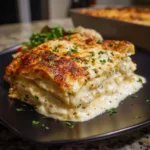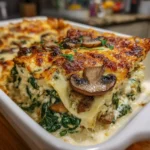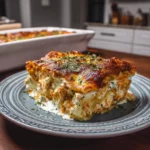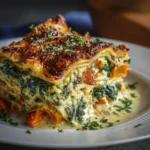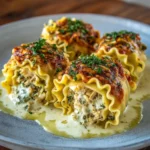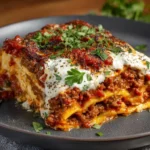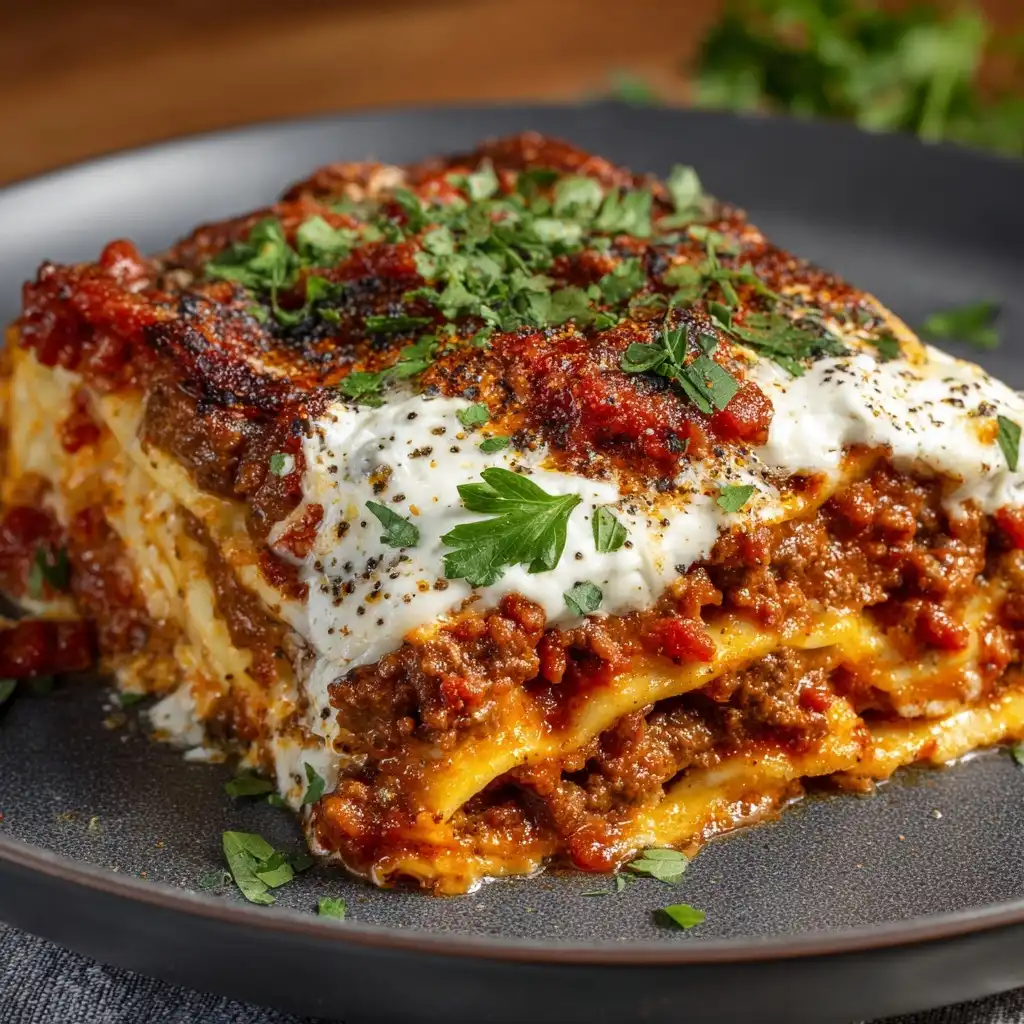
Introduction
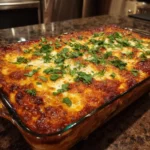
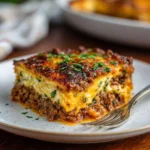
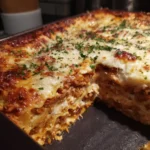
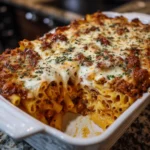
Welcome to a bold, deeply flavorful reimagining of a timeless classic: Spicy Italian Sausage-Free Beef Lasagna. This isn’t just a substitution—it’s a culinary evolution. Designed for those who love the rich, robust heat and savory depth of traditional Italian sausage lasagna but choose to omit pork-based sausage for dietary, ethical, religious, or health reasons, this recipe delivers *all* the complexity without compromise. Whether you’re following a pork-free lifestyle (such as halal, kosher, or personal preference), managing food sensitivities, reducing saturated fat, or simply seeking cleaner protein options, this lasagna proves that extraordinary flavor doesn’t require traditional sausage. We build heat and umami through an artfully layered blend of grass-fed ground beef, house-blended spices, roasted vegetables, slow-simmered San Marzano tomato sauce, and creamy, herb-flecked ricotta—all baked to golden, bubbling perfection. It’s hearty enough for Sunday suppers, elegant enough for dinner parties, and comforting enough to become your new family heirloom recipe.
The History
Lasagna’s origins trace back to medieval Italy—some scholars point to 13th-century texts like the Liber de Coquina, which describes layered pasta sheets with grated cheese and spices—but the modern meat-and-tomato version didn’t emerge until tomatoes were widely adopted in Southern Italy after the 18th century. Traditional “lasagna alla bolognese” from Emilia-Romagna uses a slow-cooked ragù of beef and pork (often pancetta or prosciutto), while Neapolitan versions lean into spicy, rustic flavors with Calabrian chiles and fennel pollen—hallmarks of Italian sausage. However, regional variations have always existed: Abruzzo’s lasagna al forno sometimes omits pork entirely, relying on lamb or beef; Sicilian versions may feature eggplant and raisins; and many rural households adapted based on local livestock and seasonal produce. The rise of conscientious eating—from halal and kosher certifications to plant-forward lifestyles and allergen-aware cooking—has catalyzed a renaissance in sausage-free interpretations. This Spicy Italian Sausage-Free Beef Lasagna honors that legacy: it respects tradition by preserving the soul of Italian layering, technique, and balance, while innovating with intention—using globally inspired spice architecture, modern sourcing ethics, and nutritional mindfulness—making it both historically grounded and unmistakably contemporary.
Ingredients Breakdown
Every ingredient in this lasagna is chosen for purpose—not just flavor, but function, texture, nutrition, and authenticity:
- Ground Beef (90/10 or 93/7 lean-to-fat ratio): Provides deep umami, rich mouthfeel, and structural integrity. Grass-fed beef adds omega-3s and a nuanced, mineral-forward taste that stands up to bold seasonings.
- Roasted Red Bell Peppers & Fire-Roasted Tomatoes: Introduce natural sweetness, smoky depth, and vibrant acidity—replacing the caramelized sugars and char notes often contributed by browned sausage.
- Fennel Seeds + Toasted Cumin + Crushed Red Pepper Flakes + Smoked Paprika: A signature “sausage-inspired” spice quartet. Fennel seeds mimic the anise-like aromatic backbone; cumin adds earthy warmth; red pepper flakes deliver clean, building heat; smoked paprika contributes subtle barbecue-like complexity and visual richness.
- Fresh Garlic & Yellow Onion (finely diced): The aromatic foundation—sautéed slowly to develop sweetness and eliminate raw bite.
- Tomato Paste (double-concentrated): Acts as a flavor amplifier and natural thickener—its Maillard-browned depth replaces the gelatinous body and richness of rendered sausage fat.
- Dry Red Wine (Chianti or Montepulciano): Adds bright acidity, tannic structure, and fruit-forward nuance; alcohol cooks off, leaving only complexity.
- Low-Sodium Beef Broth & San Marzano DOP-Certified Crushed Tomatoes: The dual-sauce base—broth enhances savoriness (without excess sodium), while San Marzanos offer low acidity, high sweetness, and velvety texture essential for authentic Italian character.
- Ricotta (whole-milk, part-skim, or full-fat): Whisked with egg, lemon zest, fresh basil, parsley, garlic powder, and a touch of nutmeg for lift, creaminess, and herbal brightness—replacing the fatty, mild dairy role of traditional ricotta-sausage blends.
- Mozzarella (fresh mozzarella di bufala or high-moisture whole-milk): Melts luxuriously and develops delicate blisters when baked—providing stretch, sheen, and milky sweetness.
- Pecorino Romano (aged 12+ months): Salty, tangy, granular—used both in the ricotta layer and as a finishing grating. Its sharpness cuts through richness and echoes the piquancy of cured pork rinds often found in artisanal sausages.
- No-Boil Lasagna Noodles (oven-ready): Engineered to absorb liquid evenly—eliminating prep time and ensuring consistent tenderness across every layer. Look for non-GMO, bronze-die extruded noodles for superior sauce adhesion.
- Olive Oil (extra-virgin, cold-pressed): Used for sautéing and drizzling—adds peppery fruitiness and polyphenol-rich antioxidants.
- Fresh Herbs (basil, flat-leaf parsley, oregano): Added at multiple stages—infusing the sauce, enriching the ricotta, and garnishing the finished dish—for layered freshness that mimics the herbaceous finish of high-quality sausage.
Step-by-Step Recipe
- Prep & Preheat: Position oven rack to center position. Preheat oven to 375°F (190°C). Lightly grease a 9×13-inch heavy-gauge stainless steel or ceramic baking dish (avoid thin aluminum, which can warp or over-brown edges).
- Toast & Grind Spices: In a dry skillet over medium-low heat, toast 1½ tsp fennel seeds, 1 tsp cumin seeds, and ½ tsp black peppercorns for 2–3 minutes until fragrant and lightly golden. Cool slightly, then grind finely using a mortar & pestle or spice grinder. Combine with 1 tsp crushed red pepper flakes, 1½ tsp smoked paprika, 1 tsp dried oregano, ½ tsp garlic powder, and ½ tsp onion powder. Set aside.
- Sauté Aromatics: Heat 2 tbsp extra-virgin olive oil in a large Dutch oven or heavy-bottomed pot over medium heat. Add 1 large yellow onion (finely diced) and 4 cloves garlic (minced). Sauté 6–8 minutes until translucent and sweet—but not browned. Stir frequently to prevent scorching.
- Bloom Tomato Paste & Spices: Push aromatics to the side. Add 3 tbsp double-concentrated tomato paste to the cleared space. Cook, stirring constantly, for 2 minutes until brick-red and fragrant. Then stir in the entire spice blend and cook 1 minute more—this “blooms” volatile oils and deepens flavor exponentially.
- Brown the Beef: Increase heat to medium-high. Add 2 lbs grass-fed ground beef (90/10). Break apart with a wooden spoon and cook 8–10 minutes until deeply browned (not gray), stirring occasionally to encourage fond development. Drain *only if excess grease pools*—a small amount of rendered fat enhances flavor and texture.
- Deglaze & Simmer: Pour in ½ cup dry red wine. Scrape bottom vigorously to lift all browned bits (fond)—this is flavor gold. Simmer 3 minutes until alcohol evaporates. Add 1 (28 oz) can San Marzano DOP-certified crushed tomatoes, 1 (12 oz) jar fire-roasted diced tomatoes (with juices), 1 (12 oz) jar roasted red peppers (drained and chopped), and 1 cup low-sodium beef broth. Stir well. Bring to a gentle simmer, then reduce heat to low. Partially cover and cook for 1 hour 15 minutes, stirring every 15 minutes. Skim any surface foam. Sauce should be thick, glossy, and cling to a spoon—not watery or broken.
- Prepare Ricotta Layer: While sauce simmers, combine in a bowl: 3 cups whole-milk ricotta, 1 large egg, ¼ cup finely grated Pecorino Romano, ¼ cup chopped fresh basil, 2 tbsp chopped flat-leaf parsley, 1 tsp lemon zest, ½ tsp freshly grated nutmeg, ½ tsp fine sea salt, and ¼ tsp black pepper. Whisk vigorously until smooth, airy, and fully homogenized—no lumps. Refrigerate until ready to layer.
- Assemble Lasagna: Spread 1 cup warm meat sauce evenly across bottom of prepared dish. Place 4 no-boil lasagna noodles side-by-side (they’ll overlap slightly—this is ideal). Top with ⅓ of remaining sauce (approx. 2 cups), spreading gently to edges. Dollop ⅓ of ricotta mixture (about 1¼ cups) in small mounds, then use an offset spatula to swirl and spread *thinly*—don’t press down hard. Sprinkle with ⅓ cup shredded mozzarella and 2 tbsp grated Pecorino. Repeat layers twice more (noodles → sauce → ricotta → cheeses), ending with a final noodle layer. Top with remaining sauce (reserve ~½ cup), then 1½ cups shredded mozzarella and ¼ cup grated Pecorino Romano. Drizzle top with 1 tbsp olive oil and a light sprinkle of red pepper flakes.
- Bake Strategically: Cover tightly with double-layered foil (tent slightly so cheese doesn’t stick). Bake 30 minutes. Remove foil. Rotate dish 180°. Bake uncovered 20–25 minutes until top is deeply golden, edges bubble vigorously, and internal temperature reaches 165°F (74°C) when measured at center with an instant-read thermometer.
- Rest & Serve: Remove from oven and let rest *undisturbed* for 35–45 minutes. This crucial step allows starches to set, layers to cohere, and residual heat to finish cooking—preventing a soupy, collapsed slice. Garnish with fresh basil ribbons, extra Pecorino, and a drizzle of high-quality olive oil before serving.
Tips
- Texture Control: If your ricotta seems grainy or watery, strain it overnight in cheesecloth-lined fine-mesh strainer over a bowl in the fridge. You’ll gain creaminess and lose excess moisture that could dilute layers.
- Sauce Consistency Mastery: Too thin? Simmer uncovered 10 extra minutes. Too thick? Stir in 1–2 tbsp warm broth—not water—to restore silkiness without dulling flavor.
- Noodle Expansion Awareness: No-boil noodles absorb ~3x their weight in liquid. Ensure every layer is fully covered with sauce—especially corners and edges—to prevent dry, crunchy patches.
- Make-Ahead Magic: Assemble up to 24 hours ahead. Cover tightly and refrigerate unbaked. Add 10–15 minutes to covered bake time if going straight from fridge to oven.
- Freezer-Friendly Framework: Fully assemble (unbaked), wrap in foil + plastic, freeze up to 3 months. Thaw overnight in fridge before baking—no need to adjust time.
- Cheese Selection Nuance: For maximum melt and flavor, shred mozzarella yourself from a block—pre-shredded contains anti-caking agents that inhibit flow. Use Pecorino Romano over Parmigiano-Reggiano for sharper, saltier punch that mirrors cured pork notes.
- Heat Calibration: Prefer milder heat? Reduce red pepper flakes to ½ tsp and add ¼ tsp sweet paprika. Love inferno-level spice? Stir in 1 tsp Calabrian chile paste into the sauce during last 10 minutes of simmering.
- Resting Is Non-Negotiable: Cutting too soon causes structural collapse and sauce weeping. Set a timer—even impatient guests will thank you for clean, proud slices.
- Leftover Sauce Strategy: Freeze extra sauce in 1-cup portions for future spaghetti nights, shakshuka bases, or pizza toppings—never waste that labor of love.
- Golden Edge Trick: For ultra-crispy, caramelized perimeter, place baking dish on a preheated heavy baking stone or inverted sheet pan during final uncovered bake.
Variations and Customizations
This recipe is designed as a vibrant canvas—adaptable to preferences, pantries, and occasions:
- Vegetarian Reinvention: Replace beef with 2 cups cooked lentils (French or black) + 1 cup crumbled tempeh (marinated in soy sauce, liquid smoke, and fennel seed). Boost umami with 1 tbsp nutritional yeast and 1 tsp Marmite in the sauce.
- Gluten-Free Grace: Use certified GF oven-ready lasagna noodles (Tinkyada or Barilla GF) and verify all broth, tomato products, and spices are GF-certified (many blends contain wheat fillers).
- Keto/Ketogenic Adaptation: Swap noodles for thinly sliced zucchini or eggplant ribbons (salted, pressed, and patted dry). Reduce tomatoes by half; increase roasted peppers and add ¼ cup sun-dried tomato paste. Use full-fat ricotta and extra cheese for satiety.
- Halal-Certified Version: Ensure beef is Zabiha-halal certified. Substitute wine with ½ cup unsweetened pomegranate juice + 1 tbsp apple cider vinegar for equivalent acidity and fruit complexity.
- Low-FODMAP Option: Omit onion and garlic. Use garlic-infused olive oil and 1 tbsp asafoetida (hing) powder when blooming spices. Replace regular ricotta with lactose-free ricotta and omit high-FODMAP herbs like oregano—use only basil and parsley (in moderation).
- Spicy Mediterranean Twist: Add ½ cup chopped kalamata olives and 2 tbsp capers to sauce; replace fennel with 1 tsp ground coriander and add ¼ cup crumbled feta to ricotta layer.
- Smoky Southwest Fusion: Replace fennel and cumin with 1 tsp chipotle powder + 1 tsp cocoa powder. Stir in 1 cup roasted corn and ½ cup black beans (rinsed) into final sauce layer.
- Herb-Forward Garden Style: Double fresh herbs—add 2 tbsp chopped oregano and 1 tbsp chopped marjoram to ricotta. Fold 1 cup baby spinach (wilted and squeezed) into ricotta mixture.
- Breakfast Lasagna Variation: Layer with scrambled eggs mixed with ricotta, crumbled cooked bacon (if pork is acceptable) or turkey bacon, and cheddar instead of mozzarella—bake at 350°F for 40 minutes.
- Mini Individual Lasagnas: Use 8-ounce ramekins. Reduce bake time to 25 minutes covered + 12 minutes uncovered. Perfect for portion control or elegant appetizers.
Health Considerations and Nutritional Value
This Spicy Italian Sausage-Free Beef Lasagna is thoughtfully engineered for wellness without sacrificing indulgence. Per standard serving (1/12 of recipe, approx. 1¾ cups):
- Calories: ~485 kcal — balanced between complex carbs (noodles), lean protein (beef + dairy), and heart-healthy fats (olive oil, cheese).
- Protein: 32g — high-quality complete protein from grass-fed beef and dairy supports muscle maintenance, satiety, and metabolic health.
- Fat: 22g total — 11g saturated (within USDA-recommended limits when consumed as part of varied diet); rich in monounsaturated fats from olive oil and conjugated linoleic acid (CLA) from grass-fed beef—linked to anti-inflammatory benefits.
- Carbohydrates: 36g — primarily from whole-grain–optional noodles (see variation tips), fiber-rich tomatoes, roasted peppers, and onions. Net carbs ~31g; glycemic load is moderate due to high protein/fat content slowing absorption.
- Fiber: 5g — from vegetables and tomato skins; supports digestive regularity and microbiome diversity.
- Sodium: ~620mg — significantly lower than conventional lasagna (often >1,200mg) thanks to low-sodium broth, no added salt in sauce beyond seasoning, and reliance on herb/spice depth rather than salt-bomb condiments.
- Vitamins & Minerals: Excellent source of Vitamin A (from peppers, tomatoes, cheese), Vitamin C (peppers, tomatoes, lemon zest), Calcium (ricotta, mozzarella, Pecorino), Iron (grass-fed beef), and Lycopene (bioavailable from cooked, oil-enriched tomatoes—shown to support cardiovascular and prostate health).
- Allergen Notes: Contains gluten (noodles), dairy (cheeses, ricotta), and eggs. Easily adaptable for common allergies (see Variations section).
- Dietitian-Approved Highlights: No added sugars (tomato products are puree-only), zero artificial preservatives or colors, naturally nitrate-free, and optimized for nutrient synergy—e.g., vitamin C in peppers enhances non-heme iron absorption from beef; fat-soluble vitamins (A, K) are bioenhanced by olive oil.
- Portion Mindfulness: The generous serving size encourages satisfaction with one portion—reducing temptation for second helpings. Resting time also promotes mindful eating by allowing satiety signals to register before serving.
Ingredients
- 2 tbsp extra-virgin olive oil, plus 1 tbsp for drizzling
- 1 large yellow onion, finely diced (about 1½ cups)
- 4 cloves garlic, minced
- 3 tbsp double-concentrated tomato paste
- 1½ tsp fennel seeds
- 1 tsp cumin seeds
- ½ tsp black peppercorns
- 1 tsp crushed red pepper flakes (adjust to taste)
- 1½ tsp smoked paprika
- 1 tsp dried oregano
- ½ tsp garlic powder
- ½ tsp onion powder
- 2 lbs grass-fed ground beef (90/10 or 93/7 lean-to-fat ratio)
- ½ cup dry red wine (Chianti, Montepulciano, or Sangiovese)
- 1 (28 oz) can San Marzano DOP-certified crushed tomatoes
- 1 (12 oz) jar fire-roasted diced tomatoes, with juices
- 1 (12 oz) jar roasted red peppers, drained and finely chopped
- 1 cup low-sodium beef broth
- 12 no-boil lasagna noodles (regular or whole-wheat, non-GMO preferred)
- 3 cups whole-milk ricotta cheese (strained if watery)
- 1 large egg
- ¼ cup finely grated Pecorino Romano cheese, plus extra for garnish
- ¼ cup chopped fresh basil leaves
- 2 tbsp chopped flat-leaf parsley
- 1 tsp lemon zest
- ½ tsp freshly grated nutmeg
- ½ tsp fine sea salt
- ¼ tsp freshly ground black pepper
- 1½ cups shredded whole-milk mozzarella cheese
Directions
- Preheat oven to 375°F (190°C). Grease a 9×13-inch baking dish with olive oil or line with parchment paper for easy release.
- In a dry skillet over medium-low heat, toast fennel seeds, cumin seeds, and black peppercorns for 2–3 minutes until fragrant and lightly golden. Transfer to a spice grinder or mortar and pestle; grind to a fine powder. Mix with crushed red pepper flakes, smoked paprika, dried oregano, garlic powder, and onion powder. Set aside.
- In a large Dutch oven, heat 2 tbsp olive oil over medium heat. Add diced onion and cook 6–8 minutes until soft and translucent. Add minced garlic and cook 1 minute more until aromatic.
- Push onions to sides. Add tomato paste to center and cook 2 minutes, stirring constantly, until darkened and fragrant. Stir in spice blend and cook 1 minute.
- Add ground beef. Break apart and cook 8–10 minutes until deeply browned. Drain excess fat only if pooling.
- Pour in red wine. Scrape bottom to lift fond. Simmer 3 minutes until alcohol evaporates.
- Add crushed tomatoes, fire-roasted tomatoes (with juices), roasted red peppers, and beef broth. Stir well. Bring to a gentle simmer, then reduce heat to low. Partially cover and cook 1 hour 15 minutes, stirring every 15 minutes. Sauce should be thick and cohesive.
- Meanwhile, prepare ricotta mixture: In a bowl, whisk together ricotta, egg, ¼ cup Pecorino Romano, basil, parsley, lemon zest, nutmeg, salt, and pepper until smooth and lump-free. Refrigerate.
- To assemble: Spread 1 cup sauce in bottom of dish. Lay 4 noodles side-by-side (slight overlap OK). Top with 2 cups sauce, then 1¼ cups ricotta mixture (swirled thinly), ⅓ cup mozzarella, and 2 tbsp Pecorino. Repeat two more times. Top with final noodle layer, remaining sauce (reserve ½ cup), 1½ cups mozzarella, ¼ cup Pecorino, and drizzle with 1 tbsp olive oil. Sprinkle with extra red pepper flakes.
- Cover tightly with double-layered foil. Bake 30 minutes. Remove foil, rotate dish, and bake uncovered 20–25 minutes until golden and bubbling at edges.
- Let rest 35–45 minutes before slicing. Garnish with fresh basil, extra Pecorino, and olive oil.
FAQ
- Can I use regular lasagna noodles instead of no-boil?
- Yes—but you must boil them first according to package directions until *al dente*, drain thoroughly, rinse with cold water, and lay flat on oiled parchment to prevent sticking. No-boil noodles are strongly recommended for ease, consistency, and superior sauce integration.
- Why does the recipe call for grass-fed beef?
- Grass-fed beef offers higher levels of omega-3 fatty acids, CLA, vitamin E, and antioxidant compounds compared to grain-finished beef. Its richer, more complex flavor also stands up beautifully to bold spices—reducing the need for excess salt or fat to achieve satisfaction.
- My ricotta layer turned out watery—what went wrong?
- Most commercial ricottas contain stabilizers and excess whey. Always strain ricotta overnight in cheesecloth for optimal texture. Also, ensure egg is fully incorporated and avoid overmixing once combined—vigorous whisking aerates, but overworking can break emulsions.
- Can I make this dairy-free?
- Absolutely—with thoughtful swaps: Use cashew ricotta (soaked raw cashews blended with lemon, nutritional yeast, garlic, and salt), vegan mozzarella shreds (Miyoko’s or Daiya Cutting Board), and omit Pecorino or use a nut-based alternative. Note: flavor profile shifts toward earthy/nutty rather than salty/umami—but remains deeply satisfying.
- Is the red wine necessary? Can I substitute?
- Wine adds acidity, fruit, and complexity that’s difficult to replicate—but yes: substitute with ½ cup unsweetened pomegranate juice + 1 tbsp apple cider vinegar for halal/kosher needs, or ½ cup low-sodium vegetable broth + 1 tsp balsamic vinegar for depth. Avoid cooking wines—they contain salt and additives.
- How do I prevent soggy lasagna?
- Three keys: (1) Simmer sauce until thick and glossy—no visible liquid pooling; (2) Use no-boil noodles and ensure every layer is fully submerged in sauce; (3) Rest *at least* 35 minutes before cutting—this allows starches to fully gel and moisture to redistribute.
- Can I add vegetables like spinach or mushrooms?
- Yes! Sauté 10 oz sliced cremini mushrooms until golden and moisture evaporates, then fold into sauce. Or wilt 5 oz fresh spinach, squeeze *very* dry, and fold into ricotta mixture. Both add nutrients and texture—just avoid adding raw or watery veggies directly.
- What’s the best way to reheat leftovers?
- For single servings: Microwave covered with damp paper towel, 60–90 seconds. For full pan: Cover with foil and bake at 350°F for 20–25 minutes until heated through. Add a splash of broth or water to top before covering if dry.
- Can I prepare the sauce ahead of time?
- Absolutely—and highly recommended! Sauce tastes even better after 2–3 days in the fridge as flavors meld.