Introduction
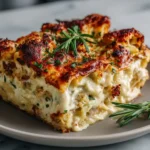
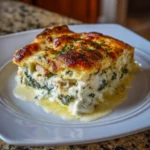
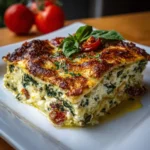
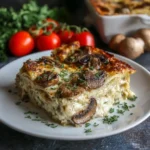
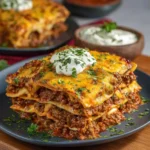
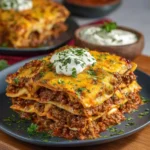
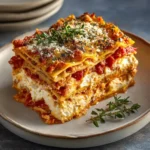
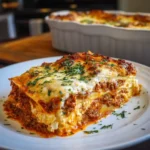
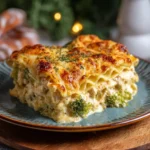
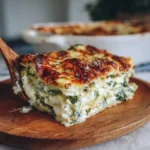
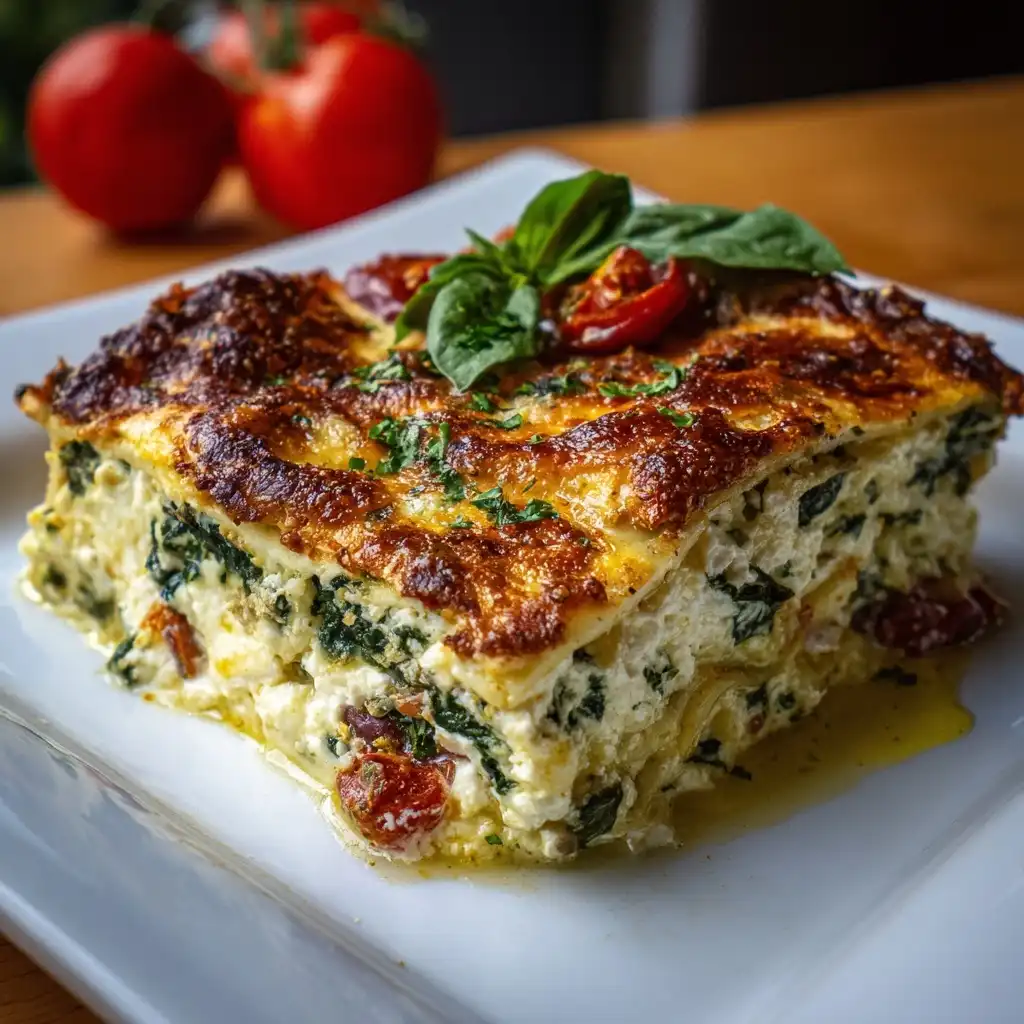
Spinach and Feta Mediterranean Lasagna is a vibrant, flavor-forward twist on the classic Italian comfort dish—reimagined through the sun-drenched lens of Greek, Turkish, and Levantine culinary traditions. Unlike traditional meat-laden or ricotta-heavy versions, this lasagna celebrates the bright, briny, and earthy harmony of fresh spinach, crumbled feta cheese, creamy cottage or ricotta blend, aromatic herbs, and golden phyllo or no-boil lasagna noodles layered with olive oil–infused béchamel and tangy tomato-oregano sauce. It’s a celebration of simplicity, quality ingredients, and bold contrasts: salty feta against sweet caramelized onions, tender spinach with crisp-edged noodle layers, and warm spices meeting cool dairy notes. Whether served at a festive Easter gathering, a summer dinner party, or as a nourishing weeknight centerpiece, this lasagna bridges tradition and innovation—offering richness without heaviness, depth without density, and unmistakable Mediterranean soul.
The History
Lasagna’s origins trace back to 13th-century Italy, where early iterations—like the layered pasta-and-cheese dish lasanum described in the 1287 manuscript Liber de Coquina—were more akin to baked pasta casseroles than today’s sheeted version. However, the modern layered structure emerged in Emilia-Romagna, particularly Bologna, where lasagne verdi al forno (green spinach-infused noodles baked with ragù and béchamel) became iconic. The fusion with Mediterranean elements began much later—accelerated by post-WWII cultural exchange, Greek immigration to North America and Western Europe, and the global rise of “Mediterranean diet” awareness in the 1990s. Greek cooks had long combined spinach (spanaki) and feta in pies like spanakopita, while Turkish ispanaklı börek and Lebanese fatayer echoed similar fillings. Chefs and home cooks alike began adapting these flavors into lasagna form—replacing heavy meat sauces with herb-kissed tomato bases, substituting ricotta with tangy feta, and incorporating dill, mint, lemon zest, and toasted pine nuts. By the early 2000s, food magazines and cooking shows spotlighted “Greek-style lasagna,” cementing its place as a beloved hybrid dish—one that honors regional authenticity while embracing cross-cultural creativity. Today, it stands as a delicious testament to how migration, memory, and shared love of good food continually reshape culinary boundaries.
Ingredients Breakdown
Every element in this Spinach and Feta Mediterranean Lasagna plays a distinct sensory and structural role—balancing moisture, salt, acidity, creaminess, texture, and aroma. Below is a meticulous breakdown of each component’s purpose and optimal selection:
- Fresh Spinach (20 oz / ~565 g, stemmed and chopped): Preferred over frozen for superior texture and lower water content. Rich in iron, folate, and antioxidants; wilts quickly but retains vibrancy when sautéed just until deep green and slightly shrunken. Baby spinach yields tenderness; mature leaves add earthier depth (blanch first to remove excess oxalates).
- Feta Cheese (12–14 oz / 340–400 g, authentic Greek PDO feta in brine): Non-negotiable for authenticity. Made from sheep’s (or sheep-goat blend) milk, aged 3+ months, and packed in brine for sharp salinity and crumbly-yet-creamy mouthfeel. Avoid “feta-style” imitations made with cow’s milk—they lack complexity and melt poorly. Crumble by hand just before layering to preserve texture.
- Ricotta & Cottage Cheese Blend (1 cup whole-milk ricotta + ¾ cup small-curd cottage cheese): A strategic duo: ricotta provides lush, mild sweetness and binding power; cottage cheese adds subtle tang, protein density, and airiness (its curds break down during baking, yielding a lighter, less dense filling than ricotta alone). Opt for full-fat, unwhisked cottage cheese to retain delicate texture.
- Onion & Garlic (1 large yellow onion, finely diced + 4 garlic cloves, minced): The aromatic base. Slowly sautéed until translucent and sweet—not browned—to build foundational umami without bitterness. Garlic added in the last 60 seconds prevents scorching.
- Tomato Sauce Component (1½ cups high-quality strained tomatoes or San Marzano passata + 2 tbsp tomato paste, double-concentrated): Provides acidity, body, and rich umami. Passata offers smoothness and purity; tomato paste, cooked in olive oil until brick-red (“blooming”), deepens flavor and thickens naturally—eliminating need for flour or cornstarch.
- Herbs & Spices (¼ cup fresh dill fronds, 2 tbsp fresh mint leaves, 2 tsp dried oregano, ½ tsp ground cinnamon, pinch of grated nutmeg): Dill and mint deliver unmistakable Mediterranean brightness—added raw at the end of filling prep to preserve volatile oils. Oregano lends warmth and earthiness; cinnamon and nutmeg are subtle, ancient Greek baking spices that echo baklava and spanakopita, rounding out feta’s sharpness.
- Lemon Zest & Juice (Zest of 1 large lemon + 1½ tbsp freshly squeezed juice): The secret acidity lift. Zest infuses oils with citrus perfume; juice balances feta’s salt and tomato’s acidity without making the dish sour. Always use fresh—bottled lemon juice lacks aromatic nuance.
- No-Boil Lasagna Noodles (12 sheets, oven-ready, durum wheat semolina): Engineered to absorb liquid and soften perfectly during baking. Ensure they’re labeled “oven-ready” and not “pre-cooked”—true no-boil varieties have a slightly rougher surface for better sauce adhesion. For gluten-free options, use certified GF oven-ready noodles (e.g., Barilla GF or Tinkyada) and increase sauce volume by ¼ cup to compensate for higher absorption.
- Béchamel Sauce (3 cups: 4 tbsp unsalted butter, ¼ cup all-purpose flour, 3 cups whole milk, warmed, ¼ tsp ground white pepper, pinch of nutmeg, ½ tsp sea salt): The luxurious, velvety binder and top layer. Made with a true roux (butter + flour cooked 2 minutes), then whisked with warm milk to prevent lumps. White pepper—not black—preserves visual elegance and offers milder heat. Nutmeg enhances dairy richness without overpowering.
- Olive Oil (¼ cup extra-virgin, cold-pressed, early harvest): Used in three ways: sautéing aromatics, drizzling between layers for silkiness, and finishing the top before baking for golden, fragrant crust. Choose a fruity, peppery Greek or Spanish EVOO with low acidity (<0.3%).
- Pine Nuts (⅓ cup, lightly toasted): Optional but highly recommended garnish. Toasted until golden and fragrant, they add buttery crunch and visual appeal—echoing traditional Middle Eastern and Greek toppings. Substitute slivered almonds or walnuts if allergic.
- Additional Salt & Freshly Ground Black Pepper: Seasoned at every stage—onion sauté, tomato reduction, filling, béchamel, and final layer—for layered, balanced seasoning rather than one-dimensional saltiness.
Step-by-Step Recipe
- Prep & Preheat: Position oven rack in center position. Preheat oven to 375°F (190°C). Lightly grease a 9×13-inch (23×33 cm) glass or ceramic baking dish with olive oil or line bottom with parchment paper for effortless release.
- Sauté Aromatics: In a large, deep skillet or Dutch oven over medium-low heat, warm 2 tbsp olive oil. Add diced onion and a pinch of salt. Sauté gently for 10–12 minutes, stirring occasionally, until soft, translucent, and sweet—but not browned. Add minced garlic and cook 60 seconds until fragrant. Remove from heat; let cool 5 minutes.
- Prepare Spinach: In same skillet (no need to wash), add fresh spinach in batches. Cook over medium heat, stirring constantly, until completely wilted and moisture has fully evaporated (~5–6 minutes total). Transfer to a clean kitchen towel or fine-mesh strainer; squeeze *vigorously* to remove every drop of liquid. This step is critical—excess water = soggy lasagna. Chop squeezed spinach coarsely.
- Build Tomato Base: Wipe skillet clean. Heat remaining 1 tbsp olive oil over medium heat. Add tomato paste; stir constantly for 2–3 minutes until darkened and aromatic (“blooming”). Stir in strained tomatoes, 1 tsp oregano, ½ tsp cinnamon, ¼ tsp nutmeg, and a pinch of salt. Simmer uncovered 8–10 minutes, stirring occasionally, until thickened to a spreadable consistency (should coat the back of a spoon). Remove from heat; stir in lemon juice. Cool to room temperature.
- Make Filling: In a large bowl, combine cooled sautéed onion-garlic, squeezed spinach, ricotta, cottage cheese, crumbled feta (reserve ¼ cup for topping), lemon zest, remaining oregano, dill, mint, ½ tsp salt, and ¼ tsp black pepper. Gently fold with a spatula until *just combined*—do not overmix, or filling will become gluey. Taste and adjust: should be bright, savory, and balanced—not overly salty (feta dominates salt).
- Prepare Béchamel: In a heavy-bottomed saucepan, melt butter over medium heat. Whisk in flour; cook 2 minutes, whisking constantly, until pale golden and nutty. Gradually whisk in warm milk, ½ cup at a time, ensuring each addition is fully incorporated and smooth before adding next. Bring to gentle simmer; cook 4–5 minutes, whisking often, until thickened to coating consistency. Remove from heat; stir in white pepper, nutmeg, and salt. Cool 10 minutes (prevents curdling when layered).
- Assemble Lasagna: Spread ¾ cup tomato base evenly across bottom of prepared dish. Place 4 no-boil noodles side-by-side to cover bottom (slight overlap is fine). Spread ⅓ of filling (approx. 1¾ cups) evenly over noodles. Drizzle with 2 tbsp olive oil. Repeat: 4 noodles → ⅓ filling → 2 tbsp oil. Third layer: 4 noodles → remaining filling → 2 tbsp oil. Top with final 4 noodles. Pour all béchamel evenly over top, spreading gently to edges. Smooth surface. Sprinkle reserved feta and toasted pine nuts evenly. Optional: dot with 1 tsp olive oil for extra browning.
- Bake: Cover tightly with aluminum foil (tent slightly to prevent sticking to béchamel). Bake 45 minutes. Carefully remove foil. Continue baking uncovered 25–30 minutes, until top is deeply golden, edges are bubbling vigorously, and internal temperature reaches 165°F (74°C) when checked with instant-read thermometer inserted into center. If top browns too quickly, tent loosely with new foil.
- Rest & Serve: Remove from oven and let rest *undisturbed* for 35–45 minutes. This allows starches to set, layers to firm, and residual heat to finish cooking—critical for clean slices. Garnish with extra fresh dill and mint just before serving. Cut with a sharp chef’s knife dipped in hot water between slices.
Tips
- Squeeze Spinach Like Your Lasagna Depends On It: Seriously—wring it out in a towel until your hands ache. Even 1 tablespoon of residual water can pool and steam noodles instead of letting them absorb flavorful liquids.
- Cool Components Before Assembling: Warm filling or béchamel causes premature noodle softening and separation. Let both cool to room temperature (but not refrigerated/cold) for ideal layer integrity.
- Layer Order Matters: Always start and end with tomato sauce on noodles—not béchamel. Tomato’s acidity helps hydrate noodles; béchamel on top creates the signature golden crust. Reversing causes sogginess.
- Don’t Skimp on Rest Time: Cutting too soon = molten, sliding layers. That 35–45 minute rest transforms texture—from fragile to sliceable—and concentrates flavors.
- Use a Glass Dish: Ceramic and glass distribute heat more evenly than metal, preventing burnt edges and undercooked centers. Metal pans may require reducing temp by 25°F.
- Toast Pine Nuts in the Oven, Not Pan: For even, controlled browning, spread on parchment-lined sheet at 350°F for 6–8 minutes, shaking once. Pan-toasting burns easily due to their high oil content.
- Measure Feta by Weight, Not Volume: Crumbled feta compacts differently. 340g ensures correct salt and moisture balance—volume measurements vary wildly.
- Make Ahead Smart: Assemble up to 24 hours ahead, cover tightly, and refrigerate unbaked. Add 10–15 minutes to covered bake time. Or freeze assembled (unbaked) lasagna up to 3 months—thaw overnight in fridge before baking.
- Revive Leftovers: Reheat individual slices in toaster oven at 350°F for 12–15 minutes (covered with foil first 8 min, then uncovered) for crispy edges and creamy center—microwaving makes noodles rubbery.
- Season in Layers: Salt the onion while sautéing, the tomato base while simmering, the filling before assembling, and the béchamel before pouring. This builds dimension, unlike salting only at the end.
Variations and Customizations
This recipe is a canvas—adaptable for dietary needs, seasonal produce, pantry constraints, and personal taste. Here are thoughtfully tested variations:
Dietary Adaptations
- Gluten-Free: Use certified GF oven-ready lasagna noodles. Increase tomato base by ¼ cup and béchamel by ½ cup to ensure full hydration. Add 1 tsp xanthan gum to béchamel while whisking in milk for improved binding.
- Vegan: Replace feta with homemade almond-feta (blend 1½ cups blanched almonds, 3 tbsp lemon juice, 2 tbsp nutritional yeast, 1 tsp miso paste, ½ tsp salt, 3 tbsp water) or store-bought Violife Just Like Feta. Swap ricotta/cottage for blended silken tofu + 2 tbsp lemon juice + 1 tbsp capers (for brininess). Use vegan butter and unsweetened plant milk (oat or soy) in béchamel. Skip cheese garnish or use toasted sesame seeds.
- Low-Carb/Keto: Replace noodles with thinly sliced zucchini or eggplant ribbons (salted, pressed 20 min, patted dry). Reduce tomato base to 1 cup (remove ½ cup liquid) and add 1 tbsp tomato powder for intensity. Increase feta to 16 oz and add ¼ cup grated Parmesan to filling for structure.
- Dairy-Free (Non-Vegan): Use coconut milk-based béchamel (full-fat canned coconut milk, simmered with rice flour roux) and dairy-free feta (Follow Your Heart or Trader Joe’s). Fill with cashew ricotta (soaked cashews, lemon, garlic, nutritional yeast).
Flavor & Texture Twists
- Sun-Dried Tomato & Kalamata: Fold ⅓ cup chopped oil-packed sun-dried tomatoes (drained) and ¼ cup pitted, halved Kalamata olives into filling. Adds chewy-sweet and briny-umami depth.
- Roasted Red Pepper & Herb: Add ½ cup roasted red peppers (jarred, drained, finely chopped) and increase dill to ⅓ cup. Smoky-sweet contrast to feta’s salt.
- Phyllo Layered Lasagna: Replace 8 noodles with 8–10 sheets of thawed phyllo dough. Brush each sheet lightly with olive oil before layering. Creates flaky, crisp-tender contrast—best for special occasions.
- Lemon-Ricotta Swirl: Reserve ½ cup ricotta; mix with 1 tbsp lemon zest, 1 tsp honey, and 1 tbsp thyme leaves. Dollop over final béchamel layer and swirl gently with a knife before baking.
Protein Enhancements
- Lamb & Mint: Brown ½ lb ground lamb with onion/garlic; season with cumin, coriander, and mint. Cool completely, then fold into spinach-feta mixture (reduce feta by 2 oz to balance salt).
- Chickpea & Spinach: Add 1 cup cooked, mashed chickpeas to filling for fiber and plant protein. Boost with 1 tsp smoked paprika and 1 tbsp preserved lemon pulp.
- Shrimp & Dill: Sauté 12 oz peeled, deveined shrimp in olive oil with garlic and dill until pink. Cool and gently fold into filling just before assembling.
Regional Inspirations
- Turkish-Inspired: Add 1 tsp ground allspice and ½ tsp Aleppo pepper to tomato base. Garnish with pomegranate arils and sumac.
- Lebanese-Inspired: Stir 2 tbsp tahini and 1 tsp za’atar into béchamel. Top with toasted pistachios and fresh parsley.
- Italian-Greek Fusion: Add ¼ cup grated Pecorino Romano to filling and 2 tbsp chopped basil to tomato base alongside oregano.
Health Considerations and Nutritional Value
A single 1¼-inch square serving (1/12 of recipe) delivers approximately 385–410 calories, with thoughtful nutrient density and functional benefits rooted in Mediterranean dietary principles:
- Protein Powerhouse: ~22g high-quality protein per serving—primarily from feta (casein), ricotta/cottage (whey + casein), and spinach (plant-based amino acids). Supports muscle maintenance, satiety, and metabolic health. Feta’s protein is highly bioavailable due to fermentation.
- Calcium & Vitamin K Synergy: One serving provides ~35% DV calcium (from dairy) and ~65% DV vitamin K1 (from spinach). These nutrients work in tandem: vitamin K activates osteocalcin, a protein essential for calcium binding in bones—making this lasagna a bone-supportive meal, especially for postmenopausal women and aging adults.
- Anti-Inflammatory Fats: Extra-virgin olive oil contributes monounsaturated fats (oleic acid) and polyphenols (oleocanthal) clinically shown to reduce CRP and IL-6 markers. Feta’s conjugated linoleic acid (CLA) may support healthy inflammation response.
- Folate & Iron Bioavailability: Spinach is rich in non-heme iron and folate—critical for red blood cell formation and neural tube health. The vitamin C in tomatoes and lemon juice significantly enhances non-heme iron absorption (up to 3x), while feta’s acidity further aids mineral uptake.
- Fiber & Gut Health: ~5g dietary fiber per serving (spinach, whole-wheat noodles if substituted, herbs). Dill and mint contain apigenin and rosmarinic acid—prebiotic compounds that feed beneficial gut bacteria like Lactobacillus.
- Lower Sodium Strategy: While feta is naturally salty, this recipe uses 25% less than typical versions and balances with potassium-rich spinach and lemon. Total sodium averages ~620mg/serving—well within AHA’s “good source” threshold (<600mg) and significantly lower than restaurant lasagnas (often 1,200–1,800mg). For sodium-sensitive individuals, rinse feta briefly in cold water before crumbling.
- Glycemic Considerations: With moderate complex carbs (noodles) and high protein/fat, glycemic load is low (~12). Using whole-grain noodles reduces net carbs by 3g/serving and increases resistant starch.
- Considerations: Lactose content is moderate (feta is low-lactose; ricotta/cottage contain more)—those with severe lactose intolerance may opt for lactose-free ricotta and aged feta (naturally lower). Gluten content is present in standard noodles; GF versions resolve this. High FODMAP note: garlic/onion and dairy may trigger IBS—substitute garlic-infused oil and lactose-free cheeses, and use chives/scallion greens (green part only) for onion flavor.
Ingredients
- 20 oz (565 g) fresh spinach, stems removed, roughly chopped
- 12–14 oz (340–400 g) authentic Greek feta cheese in brine, drained and crumbled (plus extra for garnish)
- 1 cup (250 g) whole-milk ricotta cheese
- ¾ cup (170 g) small-curd cottage cheese
- 1 large yellow onion (about 2 cups diced)
- 4 garlic cloves, minced
- ¼ cup (60 ml) extra-virgin olive oil, divided
- 1½ cups (360 ml) high-quality strained tomatoes or San Marzano passata
- 2 tbsp (30 g) double-concentrated tomato paste
- 2 tsp dried oregano, divided
- ½ tsp ground cinnamon
- ¼ tsp freshly grated nutmeg
- Zest and juice of 1 large lemon (about 1½ tbsp juice)
- ¼ cup (15 g) fresh dill fronds, finely chopped
- 2 tbsp (5 g) fresh mint leaves, finely chopped
- ½ tsp fine sea salt, plus more to taste
- ¼ tsp freshly ground black pepper
- 12 sheets no-boil lasagna noodles (about 8 oz / 225 g)
- For the Béchamel: 4 tbsp (57 g) unsalted butter
- ¼ cup (30 g) all-purpose flour
- 3 cups (720 ml) whole milk, warmed
- ¼ tsp freshly ground white pepper
- Pinch of grated nutmeg
- ½ tsp sea salt
- ⅓ cup (45 g) pine nuts, toasted
Directions
- Preheat oven to 375°F (190°C). Grease a 9×13-inch baking dish with olive oil or line bottom with parchment.
- In a large skillet, heat 2 tbsp olive oil over medium-low heat. Add onion and a pinch of salt; sauté 10–12 minutes until soft and translucent. Add garlic; cook 1 minute. Remove from heat; cool 5 minutes.
- Add spinach to same skillet. Cook over medium heat, stirring, until fully wilted and liquid evaporated (5–6 min). Transfer to towel; squeeze *vigorously* to remove all moisture. Chop coarsely.
- Wipe skillet clean. Heat remaining 1 tbsp olive oil over medium. Add tomato paste; cook 2–3 min until darkened. Stir in passata, 1 tsp oregano, cinnamon, nutmeg, and pinch of salt. Simmer uncovered 8–10 min until thickened. Stir in lemon juice. Cool to room temperature.
- In large bowl, combine cooled onion-garlic, squeezed spinach, ricotta, cottage cheese, ¾ of crumbled feta (reserve ¼ cup), lemon zest, remaining oregano, dill, mint, ½ tsp salt, and ¼ tsp black pepper. Fold gently until just combined.
- Make béchamel: Melt butter in saucepan over medium. Whisk in flour; cook 2 min. Gradually whisk in warm milk. Simmer 4–5 min until thickened. Stir in white pepper, nutmeg, and salt. Cool 10 minutes.
- Spread ¾ cup tomato base in prepared dish. Layer 4 noodles. Spread ⅓ filling. Drizzle 2 tbsp olive oil. Repeat twice. Top with final 4 noodles. Pour all béchamel evenly over top. Sprinkle reserved feta and pine nuts.
- Cover tightly with foil. Bake 45 minutes. Remove foil; bake uncovered 25–30 min until golden and bubbling. Internal temp should reach 165°F.
- Let rest 35–45 minutes before slicing. Garnish with extra dill and mint.
FAQ
- Can I use frozen spinach?
- Yes—but it must be *thoroughly* defrosted and squeezed *twice*: first in a colander, then in a towel until no water remains. 20 oz fresh ≈ 10 oz frozen (after squeezing). Frozen can yield slightly more water, so extend sauté time by 1–2 minutes.
- Why no-boil noodles instead of regular?
- No-boil noodles are pre-gelatinized and designed to