Stuffed Bell Peppers with Quinoa: A Nutritious and Flavorful Delight
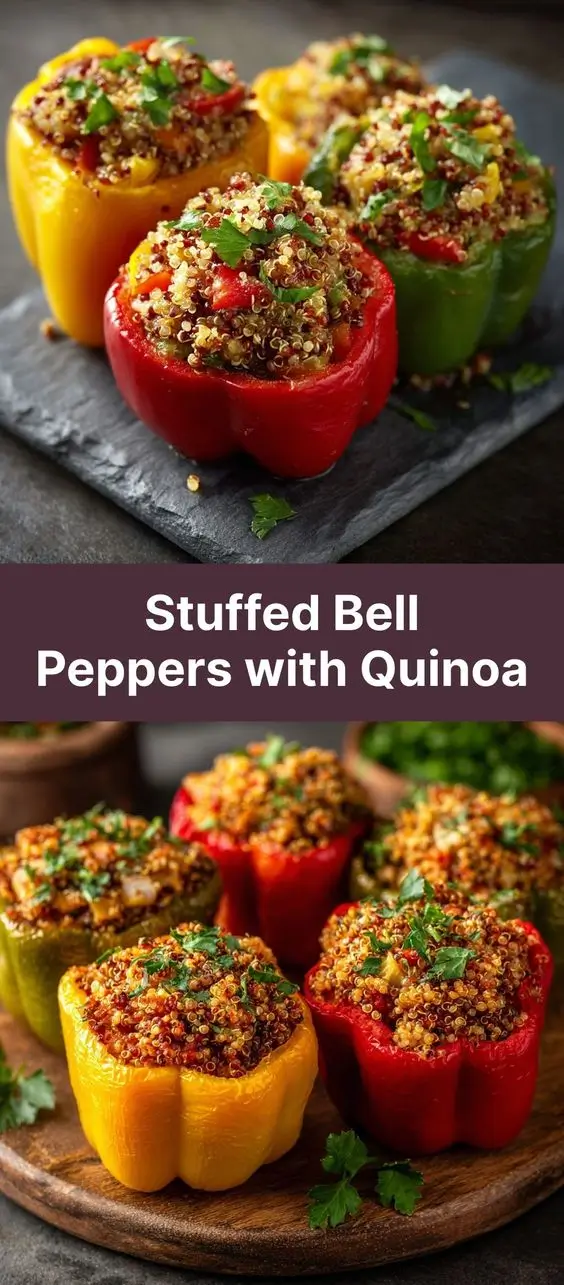
There’s something deeply satisfying about biting into a perfectly cooked bell pepper, tender yet slightly crisp, filled with a hearty, wholesome mixture of quinoa, vegetables, herbs, and spices. Stuffed bell peppers have long been cherished across cultures for their vibrant colors, balanced nutrition, and comforting warmth. When quinoa replaces traditional rice or ground meat as the stuffing base, the dish becomes not only gluten-free but also packed with plant-based protein, fiber, and essential nutrients. Whether you’re following a vegetarian, vegan, or health-conscious diet, this modern twist on a classic favorite is both nourishing and delicious.
The History of Stuffed Bell Peppers
Stuffed vegetables have roots stretching back centuries and are found in cuisines around the globe, from the Middle East to Eastern Europe, the Mediterranean, and Latin America. Known as “dolma” in Turkish and Balkan traditions (though that term usually refers to stuffed grape leaves), vegetable stuffing techniques traveled through trade routes and cultural exchange. In countries like Hungary, stuffed peppers are called “töltött paprika,” while in Greece they’re known as “gemista”—typically tomatoes and peppers stuffed with rice, herbs, and sometimes meat.
In the Americas, particularly in Mexico and the southern United States, stuffed peppers evolved with local ingredients—often including ground beef, corn, beans, and chili spices. As global interest in healthy eating grew in the late 20th century, so did the popularity of alternative grains like quinoa. Originally cultivated by the Andean civilizations over 5,000 years ago, quinoa was dubbed a “superfood” by modern nutritionists due to its complete amino acid profile. Its mild nutty flavor and fluffy texture make it an ideal substitute for rice in stuffed pepper recipes, offering greater nutritional density without compromising taste.
Today, quinoa-stuffed bell peppers represent a fusion of ancient culinary wisdom and contemporary wellness trends. They symbolize a shift toward plant-forward meals that don’t sacrifice satisfaction or flavor—making them a staple in clean-eating blogs, meal prep guides, and family dinner rotations worldwide.
Ingredients Breakdown: Why Each Component Matters
The magic of stuffed bell peppers lies not just in their appearance but in the thoughtful combination of ingredients that create layers of flavor, texture, and nutrition. Let’s take a closer look at each component and why it contributes uniquely to the final dish:
- Bell Peppers: Choose large, firm bell peppers—red, yellow, orange, or green—for maximum cavity space and sweetness. Red and yellow peppers are riper and contain more vitamin C and beta-carotene than their green counterparts. Their natural hollow shape makes them perfect edible vessels.
- Quinoa: This ancient grain (technically a seed) is a complete protein, meaning it contains all nine essential amino acids. It absorbs flavors beautifully and provides a light, fluffy texture that holds up well during baking. Rinse it thoroughly before cooking to remove saponins, which can impart bitterness.
- Onion and Garlic: These aromatics form the flavor foundation. Sautéed until soft and fragrant, they add depth and umami richness to the filling.
- Mushrooms: Finely chopped mushrooms enhance the savory, meaty quality of the stuffing—ideal for vegetarians seeking a satisfying bite. Cremini or white button mushrooms work well; portobellos add even deeper flavor.
- Zucchini and Corn: These vegetables add moisture, color, and seasonal freshness. Zucchini softens during baking, blending seamlessly into the mix, while corn adds a touch of natural sweetness and pleasant crunch.
- Black Beans or Lentils: For added protein and fiber, legumes are essential. Black beans bring earthiness and creaminess, while lentils (especially brown or green) hold their shape and offer a firmer texture.
- Tomato Sauce or Diced Tomatoes: Used both inside the stuffing and at the bottom of the baking dish, tomato products prevent drying and infuse acidity that balances the richness of other ingredients.
- Spices: Cumin, smoked paprika, oregano, and chili powder provide warmth and complexity. Fresh herbs like cilantro or parsley brighten the dish right before serving.
- Cheese (Optional): If not following a vegan diet, shredded mozzarella, feta, or Parmesan adds creaminess and saltiness. Nutritional yeast can be used as a dairy-free alternative for cheesy flavor.
- Olive Oil: A good-quality extra virgin olive oil enhances sautéing and enriches the overall mouthfeel.
- Vegetable Broth: Cooking quinoa in broth instead of water intensifies the savory notes throughout the stuffing.
Each ingredient plays a role—not just in flavor, but in creating a nutritionally balanced, visually appealing, and texturally dynamic meal that satisfies hunger and supports long-term health.
Step-by-Step Recipe: How to Make Perfect Quinoa-Stuffed Bell Peppers
Ingredients
- 4 large bell peppers (any color)
- 1 cup uncooked quinoa (rinsed well)
- 2 cups low-sodium vegetable broth
- 2 tablespoons olive oil
- 1 medium onion, finely diced
- 3 cloves garlic, minced
- 8 oz mushrooms (cremini or white), finely chopped
- 1 small zucchini, diced
- 1 cup corn kernels (fresh, frozen, or canned)
- 1 (15 oz) can black beans, drained and rinsed
- 1 (14.5 oz) can diced tomatoes, undrained
- 1 teaspoon ground cumin
- 1 teaspoon smoked paprika
- ½ teaspoon dried oregano
- ¼ teaspoon chili powder (optional)
- Salt and freshly ground black pepper, to taste
- ¼ cup fresh cilantro or parsley, chopped
- ½ cup shredded mozzarella or feta cheese (optional, omit for vegan)
- ½ cup tomato sauce or marinara sauce (for the baking dish)
Directions
- Preheat Oven & Prepare Peppers: Preheat your oven to 375°F (190°C). Slice the tops off the bell peppers and remove the cores, seeds, and white membranes. Try to cut a flat surface on the bottom so they stand upright. If needed, trim a tiny bit off the base—but be careful not to pierce the inside. Blanch the peppers in boiling water for 3–4 minutes to soften slightly; then drain and set aside.
- Cook the Quinoa: In a medium saucepan, combine rinsed quinoa and vegetable broth. Bring to a boil, then reduce heat to low, cover, and simmer for 15 minutes or until liquid is absorbed and quinoa is fluffy. Remove from heat and let sit, covered, for 5 minutes. Fluff with a fork.
- Sauté the Vegetables: While quinoa cooks, heat olive oil in a large skillet over medium heat. Add onions and sauté for 4–5 minutes until translucent. Add garlic and cook for another 30 seconds until fragrant. Stir in mushrooms, zucchini, and corn; cook for 6–8 minutes, stirring occasionally, until vegetables release moisture and begin to brown slightly.
- Build the Filling: To the skillet, add the cooked quinoa, black beans, diced tomatoes (with juice), cumin, smoked paprika, oregano, chili powder, salt, and pepper. Stir well to combine and cook for another 3–4 minutes to meld the flavors. Taste and adjust seasoning as needed. Remove from heat and stir in fresh herbs and cheese (if using).
- Assemble the Peppers: Spread tomato sauce evenly on the bottom of a 9×13-inch baking dish to prevent sticking and add moisture. Stand the prepared bell peppers upright in the dish. Spoon the quinoa mixture generously into each pepper, pressing down gently to pack it in. Overfill slightly, as the mixture may settle during baking.
- Add Moisture & Cover: Pour about ½ cup of water or additional broth around the base of the peppers in the dish (not over the tops) to create steam and keep them moist. Cover the dish tightly with aluminum foil.
- Bake: Place in the preheated oven and bake for 30 minutes covered. Then remove the foil, sprinkle the tops with extra cheese if desired, and bake uncovered for another 15–20 minutes, until peppers are tender-crisp and lightly caramelized at the edges.
- Serve: Let cool for 5 minutes before serving. Garnish with additional fresh herbs, a drizzle of olive oil, or a dollop of Greek yogurt or sour cream if desired.
Tips for Success: Mastering Your Stuffed Peppers
- Choose Uniform Peppers: Pick bell peppers of similar size and shape so they cook evenly. Look for ones with flat bottoms that can stand without tipping.
- Don’t Skip Rinsing Quinoa: Always rinse quinoa under cold water using a fine-mesh strainer to wash away saponins, which can make it taste bitter or soapy.
- Bland? Boost Umami: If your filling tastes flat, add a splash of soy sauce, tamari, or Worcestershire (vegan version if needed), or a tablespoon of tomato paste while sautéing vegetables for deeper flavor.
- Prevent Sogginess: After blanching, pat the peppers dry inside to avoid excess moisture. Also, ensure your filling isn’t too wet—drain tomatoes and beans thoroughly.
- Make Ahead Friendly: You can prepare the filling up to two days in advance and store it in the fridge. Assemble and bake when ready. Alternatively, fully assemble the peppers, cover, and refrigerate overnight before baking.
- Freeze for Later: Baked stuffed peppers freeze well. Cool completely, wrap individually in plastic, then place in freezer bags. Reheat in the oven at 350°F for 25–30 minutes from frozen.
- Crispy Tops: For a golden, crispy top, broil for the last 2–3 minutes after baking—watch closely to avoid burning.
- Use Leftovers: Extra filling can be served as a grain bowl over greens, used as a taco filling, or reheated as a side dish.
Variations and Customizations: Make It Your Own
One of the greatest strengths of this recipe is its versatility. With a few tweaks, you can adapt it to suit different dietary needs, flavor profiles, or seasonal ingredients:
- Mediterranean Style: Use bulgur or farro instead of quinoa, add sun-dried tomatoes, Kalamata olives, spinach, and crumbled feta. Season with oregano and lemon zest.
- Mexican-Inspired: Mix in taco seasoning, use brown rice or keep quinoa, add jalapeños, avocado slices, and top with salsa, lime juice, and cilantro. Serve with tortilla chips on the side.
- Italian Twist: Add Italian sausage (plant-based or turkey), marinara sauce, basil, and Parmesan. Top with breadcrumbs and mozzarella for a baked pasta-like finish.
- Breakfast Version: Stuff with scrambled eggs, spinach, hash browns, and cheese. Bake until heated through—perfect for brunch!
- Kid-Friendly: Reduce spices, add sweet corn and mild cheese, and let kids help stuff the peppers. Call them “Pepper Boats” for fun appeal.
- Low-Carb Option: Replace quinoa with cauliflower rice. Sauté with garlic and herbs for a lighter, keto-friendly version.
- Protein-Packed: Add lean ground turkey, chicken, or plant-based crumbles for extra satiety.
- Gluten-Free Assurance: Ensure all packaged ingredients (broth, sauces, spices) are certified gluten-free if needed.
- Allergy-Friendly: Omit cheese for dairy-free, use coconut aminos instead of soy sauce, and check labels for cross-contamination risks.
Health Considerations and Nutritional Value
Stuffed bell peppers with quinoa aren’t just tasty—they’re a powerhouse of nutrition. Here’s how this dish supports a healthy lifestyle:
Nutrient Highlights
- Vitamin C: One red bell pepper provides over 200% of your daily vitamin C needs—an antioxidant crucial for immune function, collagen production, and iron absorption.
- Fiber: Thanks to quinoa, beans, corn, and vegetables, these peppers deliver 8–10 grams of fiber per serving, promoting digestive health and helping regulate blood sugar.
- Plant-Based Protein: Quinoa and black beans together offer about 15–18 grams of protein per serving—ideal for vegetarians and vegans.
- Complex Carbohydrates: Unlike refined grains, quinoa releases energy slowly, preventing spikes in insulin and supporting sustained energy levels.
- Antioxidants: Colored peppers contain carotenoids like lutein and zeaxanthin (good for eye health) and anthocyanins (in purple varieties).
- Low in Saturated Fat: Naturally low-fat and cholesterol-free, especially when made without cheese or meat.
- Rich in Minerals: Contains iron, magnesium, phosphorus, and manganese from quinoa and legumes—important for metabolism, bone health, and enzyme function.
Dietary Benefits
- Weight Management: High-volume, low-calorie ingredients fill you up without excess calories. Average serving: ~350–400 kcal depending on additions.
- Heart Health: Fiber, unsaturated fats (from olive oil), and potassium help maintain healthy blood pressure and cholesterol levels.
- Diabetes-Friendly: Low glycemic index ingredients make this suitable for those managing blood glucose, especially when portion-controlled.
- Pregnancy Support: Folate from quinoa and beans is vital for fetal development, while iron helps prevent anemia.
Note: Be mindful of sodium if using canned ingredients—opt for no-salt-added versions and season to taste. Those with kidney issues should monitor potassium intake from beans and tomatoes.
Frequently Asked Questions (FAQ)
Can I make stuffed peppers ahead of time?
Yes! Assemble up to one day in advance and refrigerate before baking. You can also freeze unbaked or baked peppers for up to 3 months.
Can I cook them in an Instant Pot or air fryer?
Yes. For Instant Pot, place trivet in pot, add 1 cup water, set peppers on trivet, seal, and pressure cook on high for 10 minutes with quick release. For air fryer, halve peppers and cook at 370°F for 12–15 minutes.
Why are my peppers still hard after baking?
Larger or greener peppers take longer. Blanching beforehand helps. If needed, extend baking time by 10–15 minutes and cover with foil to retain moisture.
Can I use brown rice instead of quinoa?
Absolutely. Cook rice separately and use in equal measure. Brown rice will give a chewier texture and slightly nuttier flavor.
Are stuffed peppers healthy?
Yes—they’re rich in fiber, vitamins, and plant-based protein while being naturally low in saturated fat and free from refined grains when made with whole food ingredients.
How do I reheat leftovers?
Reheat in oven at 350°F for 15–20 minutes or microwave individual portions for 2–3 minutes, covering loosely to retain moisture.
Can I make them vegan?
Yes—simply omit cheese or use a plant-based alternative, and ensure all other ingredients (like broth) are vegan-friendly.
Summary
Stuffed bell peppers with quinoa are a vibrant, nutrient-dense meal that combines bold flavors, colorful produce, and wholesome ingredients for a dish that’s as healthy as it is delicious. Perfect for weeknight dinners, meal prep, or impressing guests, this recipe celebrates the harmony of taste and wellness in every bite.