Introduction
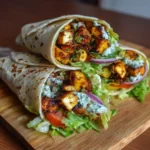
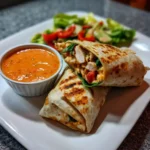
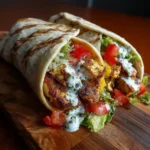
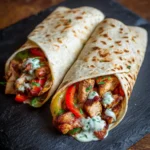
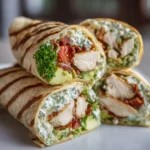
The Sweet Chili Chicken Wrap is a vibrant, restaurant-worthy handheld meal that marries the bold tang of Asian-inspired sweet chili sauce with tender, savory grilled or sautéed chicken—encased in a soft, pliable tortilla and elevated with crisp vegetables, creamy accents, and aromatic herbs. Designed for both weeknight practicality and weekend indulgence, this wrap delivers layers of flavor, texture, and color in every bite. It’s not just lunch or dinner—it’s a culinary bridge between Thai street food, American convenience, and modern global fusion. Whether you’re meal prepping for busy professionals, packing school lunches, hosting casual get-togethers, or simply craving something fresh yet deeply satisfying, the Sweet Chili Chicken Wrap rises to the occasion with ease, adaptability, and unmistakable appeal.
The History
While no single chef or region can claim sole authorship of the Sweet Chili Chicken Wrap, its origins are deeply rooted in the cross-cultural evolution of Southeast Asian flavors meeting Western fast-casual formats. Sweet chili sauce—a staple condiment across Thailand, Vietnam, and Malaysia—gained international traction in the 1980s and ’90s through exported bottled versions (notably brands like Mae Ploy and Flying Goose) and the proliferation of pan-Asian restaurants in North America and Europe. As consumers grew more familiar with its addictive balance of sugar, vinegar, garlic, and mild chilies, chefs began incorporating it beyond dipping—marinating proteins, glazing stir-fries, and drizzling over salads. The “wrap” format, popularized in the U.S. by chains like Chipotle and Qdoba in the late 1990s and early 2000s, offered the perfect vehicle: portable, customizable, and structurally forgiving for saucy, moist fillings. Home cooks soon followed, adapting the concept with accessible ingredients—grilled chicken breast, store-bought wraps, shredded cabbage, and pre-made sauces—leading to viral recipe shares on food blogs, Pinterest, and early YouTube cooking channels. Over time, the Sweet Chili Chicken Wrap evolved from a trendy café menu item into a beloved kitchen staple, continually refined with healthier swaps (whole grain tortillas, Greek yogurt-based dressings), gourmet upgrades (pickled daikon, toasted sesame oil finish), and dietary accommodations (gluten-free, dairy-free, low-carb alternatives). Its enduring popularity reflects a broader cultural shift toward globally influenced, health-conscious, and visually compelling everyday meals.
Ingredients Breakdown
Every exceptional Sweet Chili Chicken Wrap begins with intentional, high-quality components—each playing a distinct role in building harmony of taste, texture, temperature, and nutrition. Below is a comprehensive functional breakdown:
- Chicken Breast (or Thigh): Lean, versatile, and protein-dense. Breast offers a mild canvas ideal for absorbing marinade; thigh provides richer flavor and juicier texture, especially when cooked at higher heat or for longer durations. Skinless, boneless cuts ensure quick cooking and clean presentation.
- Sweet Chili Sauce: The soul of the dish—typically made from red chilies, garlic, vinegar, sugar (often palm or brown), and salt. Look for versions with minimal preservatives and no high-fructose corn syrup for cleaner flavor. Homemade versions allow full control over sweetness, heat, and thickness.
- Marinade Enhancers: Soy sauce (or tamari for gluten-free) adds umami depth and salt balance; rice vinegar or lime juice contributes brightness and tenderizing acidity; minced garlic and grated ginger offer aromatic warmth; a touch of honey or maple syrup reinforces caramelization during cooking.
- Tortillas: Large (10–12 inch) flour tortillas are traditional for pliability and structural integrity—but whole wheat, spinach, coconut, almond flour, or even lettuce “wraps” serve diverse dietary needs. Warming them before assembly prevents cracking and improves foldability.
- Crisp Vegetables: Shredded green cabbage adds crunch and volume without overpowering; matchstick carrots lend subtle sweetness and color; thinly sliced red bell pepper brings vibrancy and mild vegetal notes; optional additions include cucumber ribbons, julienned daikon radish, or pickled red onions for acidity and contrast.
- Creamy Elements: A light drizzle of sriracha mayo (mayo + sriracha + lime zest), avocado crema (blended avocado + Greek yogurt + lime), or cashew-based “ranch” balances the sauce’s sweetness and adds mouth-coating richness.
- Fresh Herbs & Garnishes: Cilantro leaves deliver citrusy freshness; Thai basil offers anise-like complexity; chopped scallions add sharpness and visual pop; crushed roasted peanuts or sesame seeds contribute nuttiness and textural contrast.
- Optional Umami Boosters: A light sprinkle of furikake, crumbled nori, toasted white sesame seeds, or even a few drops of fish sauce (for authenticity-minded cooks) deepens savoriness without overt “fishiness.”
Step-by-Step Recipe
- Prepare the Chicken Marinade: In a medium bowl, whisk together ¼ cup sweet chili sauce, 2 tbsp soy sauce (or tamari), 1 tbsp rice vinegar, 1 tbsp fresh lime juice, 2 tsp grated fresh ginger, 2 minced garlic cloves, 1 tsp honey, ½ tsp ground white pepper, and a pinch of red pepper flakes (optional, for extra heat). Set aside 2 tablespoons for finishing; reserve the rest for marinating.
- Marinate the Chicken: Place 1.5 lbs (680g) boneless, skinless chicken breasts or thighs—sliced into ½-inch thick strips or butterflied and pounded to ¼-inch thickness—into a resealable bag or shallow dish. Pour in the marinade, seal or cover, and refrigerate for at least 30 minutes (ideal: 2–4 hours; avoid exceeding 12 hours for breast, as acidity may begin to “cook” the surface).
- Cook the Chicken: Heat 1 tbsp neutral oil (avocado, grapeseed, or refined coconut) in a large nonstick or cast-iron skillet over medium-high heat. Remove chicken from marinade (discard used marinade) and pat dry with paper towels for optimal sear. Cook in a single layer without crowding—about 4–5 minutes per side for breasts, 5–6 minutes total for thighs—until internal temperature reaches 165°F (74°C) and edges caramelize slightly. Transfer to a cutting board, tent loosely with foil, and rest 5 minutes before slicing into thin, bite-sized pieces.
- Warm the Tortillas: Stack tortillas and wrap in damp paper towels. Microwave for 20–30 seconds until pliable—or heat individually on a dry skillet over medium heat for 15–20 seconds per side until soft and lightly flecked with golden spots.
- Assemble the Base Layer: Lay a warm tortilla flat on a clean work surface. Spread 1–2 tsp of creamy element (e.g., sriracha mayo) in a horizontal band across the center third of the tortilla, leaving a 1.5-inch border on all sides.
- Add the Veggie Foundation: Evenly distribute ½ cup shredded green cabbage, ¼ cup matchstick carrots, and 2 tbsp thinly sliced red bell pepper directly over the creamy layer.
- Layer the Protein: Arrange ¾ cup warm, sliced chicken in a single, compact row atop the vegetables.
- Drizzle & Garnish: Lightly drizzle reserved 2 tbsp sweet chili sauce over the chicken. Scatter 1 tbsp chopped fresh cilantro, 1 tsp sliced scallions, and 1 tsp crushed roasted peanuts or sesame seeds.
- Wrap Tightly: Fold the bottom edge up over the filling, then fold in both sides snugly. Roll forward firmly but gently, tucking as you go, until fully sealed. For best results, wrap in parchment paper or foil and let rest seam-side down for 2–3 minutes before serving—this helps ingredients settle and prevents unraveling.
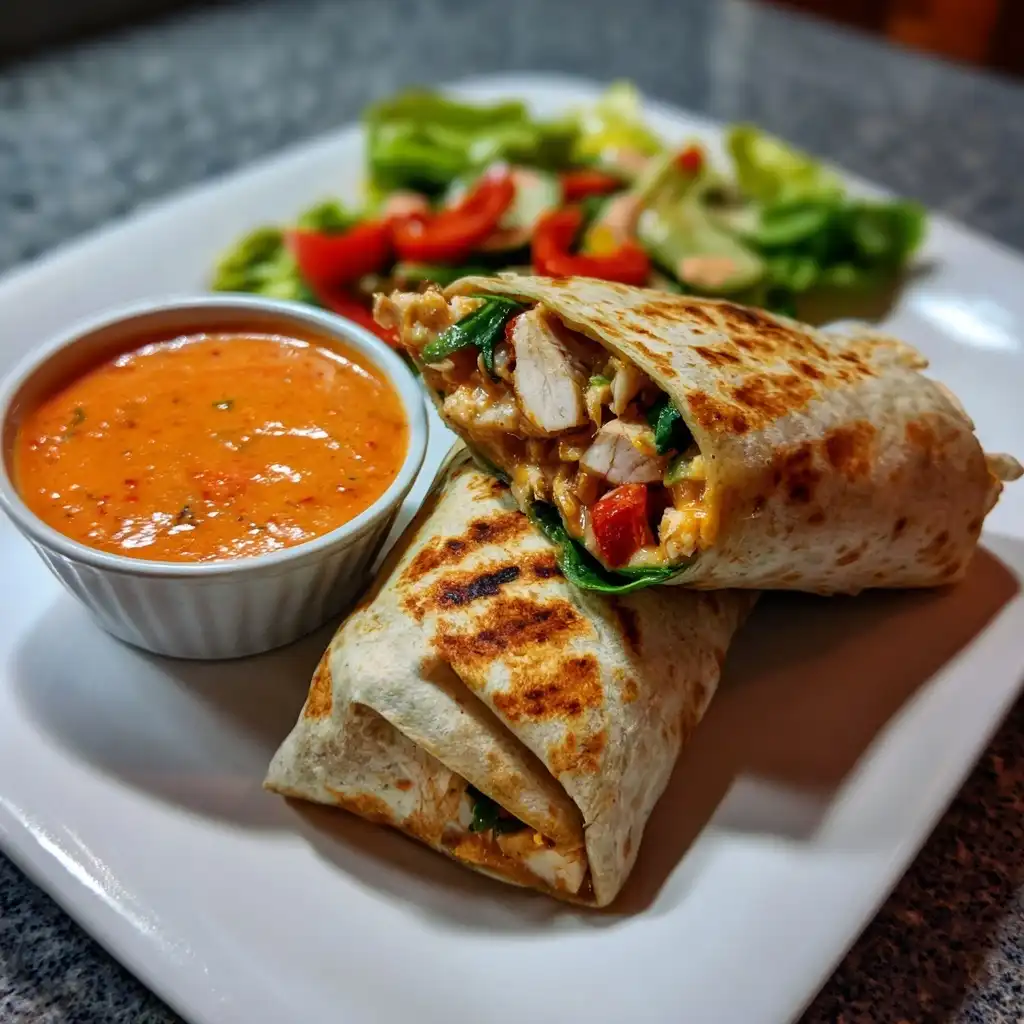
- Serve & Enjoy: Slice diagonally in half for presentation, or serve whole. Accompany with extra sweet chili sauce for dipping, a small side of kimchi, or a simple cucumber-lime slaw.
Tips
- Pat Chicken Dry Before Cooking: Excess moisture prevents browning and encourages steaming—always blot thoroughly after marinating for maximum caramelization and texture.
- Don’t Skip the Rest: Letting cooked chicken rest ensures juices redistribute, yielding moister bites—not just drier, stringy shreds.
- Warm Tortillas Properly: Cold or stiff tortillas crack under pressure. Steam-microwaving is fastest, but dry-skillet heating adds subtle toastiness and improves elasticity.
- Layer Wet Ingredients Strategically: Place creamy spreads *under* veggies—not on top—to create a moisture barrier that prevents soggy tortillas. Never put sauce directly on bare tortilla without a buffer layer.
- Use a “Taco Press” Technique: When rolling, apply gentle downward pressure with your fingertips as you rotate—this compacts filling and creates a tight, self-holding cylinder.
- Double-Wrap for Meal Prep: For grab-and-go lunches, wrap finished wraps first in parchment, then in aluminum foil or reusable beeswax wrap. They’ll stay fresh and intact for up to 24 hours refrigerated.
- Prevent Sogginess Overnight: If prepping ahead, store components separately: cooked chicken (cooled, airtight), pre-shredded veggies (in damp paper towel-lined container), sauce (in small jar), and tortillas (wrapped in cloth or paper towel). Assemble within 30 minutes of eating.
- Boost Flavor Without Extra Sugar: Add a splash of toasted sesame oil (¼ tsp) to the marinade or finishing drizzle—it amplifies aroma and umami without sweetness.
- Grill for Smoky Depth: For outdoor or indoor grill marks and charred nuance, use a grill pan or outdoor grill. Brush grates lightly with oil to prevent sticking.
- Make It Kid-Friendly: Omit chili flakes and reduce garlic/ginger by half; add diced apple or pear for natural sweetness; serve with fun-shaped cookie cutters for mini wraps.
Variations and Customizations
The Sweet Chili Chicken Wrap is inherently modular—designed to reflect personal preferences, seasonal produce, pantry availability, and dietary frameworks. Here’s how to reimagine it endlessly:
Dietary Adaptations
- Gluten-Free: Use certified GF tamari or coconut aminos instead of soy sauce; choose GF-certified tortillas (brown rice, cassava, or almond flour blends) or large butter lettuce or napa cabbage leaves.
- Dairy-Free/Vegan: Replace chicken with marinated baked tofu, tempeh strips, or chickpea “scramble”; swap mayo-based creams for cashew sour cream or blended silken tofu + lime + miso; ensure sweet chili sauce contains no fish sauce (check labels).
- Low-Carb/Keto: Serve filling in a low-carb tortilla (almond/coconut flour-based, <5g net carbs), or ditch the wrap entirely—present as a deconstructed “Sweet Chili Chicken Bowl” over cauliflower rice, zucchini noodles, or massaged kale.
- Paleo/Whole30: Use compliant sweet chili sauce (made with dates or coconut sugar, no soy, no sugar alcohols); substitute coconut aminos for soy; bind with mashed avocado instead of mayo; wrap in collard green leaves.
Flavor & Texture Twists
- Thai-Inspired: Add kaffir lime leaves to marinade; garnish with Thai basil, crushed peanuts, and a squeeze of calamansi or yuzu; swap carrots for julienned green mango.
- Korean Fusion: Mix 1 tsp gochujang into sweet chili sauce; add quick-pickled cucumbers and kimchi slaw; top with toasted sesame oil and nori strips.
- Mexican-Asian Hybrid: Stir chipotle powder into marinade; add black beans, corn, and pickled red onions; drizzle with avocado-cilantro crema.
- Breakfast Version: Use leftover grilled chicken; add scrambled eggs or tofu scramble; include sautéed spinach and roasted sweet potato cubes; finish with sriracha-maple drizzle.
Seasonal & Local Swaps
- Spring: Substitute asparagus ribbons, pea shoots, and radish sprouts; use lemon instead of lime; garnish with edible flowers.
- Summer: Add grilled zucchini, cherry tomatoes, and fresh corn; finish with basil oil and watermelon radish ribbons.
- Fall: Incorporate roasted delicata squash, caramelized shallots, and arugula; enhance marinade with apple cider vinegar and cinnamon pinch.
- Winter: Use braised chicken thighs; add roasted beets, shredded Brussels sprouts, and pomegranate arils; finish with orange zest and toasted walnuts.
Gourmet Upgrades
- Smoked Chicken: Cold-smoke chicken thighs at 225°F for 1.5 hours before marinating and searing for complex depth.
- House-Made Sweet Chili Sauce: Simmer 1 cup chopped red Fresno chilies, ½ cup rice vinegar, ⅔ cup palm sugar, 3 cloves garlic, 1 tbsp grated ginger, and 1 tsp salt for 25 minutes until glossy and reduced—strain for smooth version, or leave chunky.
- Infused Oils: Drizzle with lemongrass-infused oil, chili-garlic oil, or yuzu kosho vinaigrette just before serving.
- Fermented Accents: Top with house-fermented carrot sticks, kimchi kraut, or miso-marinated shiitakes.
Health Considerations and Nutritional Value
A well-constructed Sweet Chili Chicken Wrap can be a nutrient-dense, balanced meal supporting sustained energy, gut health, immune function, and metabolic wellness—when mindful ingredient choices and portion awareness guide preparation. Below is a detailed nutritional and physiological perspective:
Nutrient Profile (Approximate per Standard Wrap)
- Calories: 420–540 kcal (varies by tortilla type, oil usage, and creamy element)
- Protein: 32–41g (primarily from chicken; supports muscle synthesis, satiety, and thermogenesis)
- Carbohydrates: 38–52g (mostly complex from whole grain tortillas and vegetables; fiber ranges 6–10g depending on veggie load and tortilla fiber content)
- Fats: 12–18g (predominantly heart-healthy monounsaturated fats from avocado, olive oil, or nuts; ~2–3g saturated fat)
- Vitamins & Minerals: Rich in vitamin C (bell peppers, lime), vitamin A (carrots, cabbage), B6 & B12 (chicken), folate (leafy greens), potassium (cabbage, chicken), and magnesium (nuts, seeds, whole grains)
Functional Health Benefits
- Blood Sugar Balance: The high-protein, high-fiber, moderate-carb profile promotes gradual glucose release—especially when paired with vinegar-rich marinades (acetic acid slows gastric emptying) and low-glycemic sweeteners like coconut sugar or monk fruit in homemade sauce.
- Gut Microbiome Support: Raw cabbage and carrots supply prebiotic fiber (inulin, cellulose); fermented garnishes (kimchi, sauerkraut) introduce beneficial lactobacilli strains; ginger and garlic possess antimicrobial and anti-inflammatory properties.
- Antioxidant Density: Red chilies contain capsaicin (linked to metabolism support and pain modulation); bell peppers and carrots boast carotenoids (beta-carotene, lycopene); cilantro and scallions provide quercetin and kaempferol—flavonoids associated with reduced oxidative stress.
- Inflammation Modulation: Ginger and turmeric (if added) inhibit COX-2 enzymes; omega-3s from walnuts or flaxseed garnishes counterbalance pro-inflammatory omega-6s; absence of refined sugars and industrial seed oils further lowers systemic inflammatory load.
Considerations & Mitigations
- Sodium Awareness: Store-bought sweet chili sauce and soy sauce can be high in sodium (up to 700mg per 2 tbsp). Reduce by using low-sodium tamari, diluting sauce with lime juice or coconut aminos, or preparing homemade versions with controlled salt.
- Sugar Content: Many commercial sauces contain 10–14g added sugar per tablespoon. Opt for brands with ≤4g per serving or make your own—using date paste, monk fruit, or erythritol for keto versions.
- Food Safety: Marinate chicken below 40°F (4°C); never reuse raw marinade unless boiled for ≥1 minute; cook to 165°F (74°C) minimum; refrigerate assembled wraps within 2 hours.
- Allergen Transparency: Common allergens include soy (soy sauce), gluten (wheat tortillas), tree nuts (peanut garnish), and sesame (seeds/oil). Always label clearly for shared kitchens or sensitive diners.
Who May Benefit Most?
This wrap shines for active individuals seeking post-workout protein, office professionals needing focus-supportive meals (B vitamins + healthy fats), those managing prediabetes or insulin resistance (low glycemic impact), and families aiming for veggie-forward, minimally processed meals. Its adaptability also makes it ideal for intuitive eaters practicing gentle nutrition—honoring hunger, fullness, and pleasure without restriction.
Ingredients
Makes 4 generous wraps
- 1.5 lbs (680g) boneless, skinless chicken breasts or thighs
- ¼ cup premium sweet chili sauce (plus 2 tbsp reserved for finishing)
- 2 tbsp low-sodium soy sauce or tamari (GF)
- 1 tbsp unseasoned rice vinegar
- 1 tbsp fresh lime juice (about 1 lime)
- 2 tsp freshly grated ginger
- 2 garlic cloves, finely minced
- 1 tsp raw honey or pure maple syrup
- ½ tsp freshly ground white pepper
- ¼ tsp red pepper flakes (optional)
- 1 tbsp high-heat oil (avocado, grapeseed, or refined coconut)
- 4 large (10–12 inch) soft flour tortillas (or whole wheat, spinach, GF alternative)
- 2 cups finely shredded green cabbage
- 1 cup matchstick-cut carrots
- ½ cup thinly sliced red bell pepper
- ¼ cup sriracha mayo (½ cup mayo + 1 tbsp sriracha + ½ tsp lime zest)
- ¼ cup fresh cilantro leaves, roughly chopped
- 2 scallions, thinly sliced (green and white parts)
- 2 tbsp roasted unsalted peanuts or toasted white sesame seeds
- Lime wedges, for serving
Directions
- In a medium mixing bowl, combine ¼ cup sweet chili sauce, soy sauce, rice vinegar, lime juice, grated ginger, minced garlic, honey, white pepper, and red pepper flakes (if using). Whisk vigorously until smooth and emulsified. Set aside 2 tablespoons in a small ramekin for finishing.
- Place chicken in a large resealable plastic bag or shallow glass dish. Pour in marinade, ensuring each piece is fully coated. Seal or cover and refrigerate for 30 minutes to 4 hours.
- Heat oil in a large heavy-bottomed skillet or grill pan over medium-high heat until shimmering. Remove chicken from marinade (discard excess marinade) and pat extremely dry with paper towels. Arrange in a single uncrowded layer.
- Cook chicken undisturbed for 4–5 minutes (breasts) or 5–6 minutes (thighs), until deeply golden on the bottom. Flip and cook until second side is caramelized and internal temperature reads 165°F (74°C) on an instant-read thermometer. Transfer to a cutting board, tent with foil, and rest for 5 minutes.
- While chicken rests, prepare vegetables: shred cabbage, julienne carrots, and slice bell pepper. Place in separate bowls or one large mixing bowl.
- In a small bowl, stir together sriracha mayo ingredients until smooth. Refrigerate until ready to use.
- Warm tortillas: Stack and wrap in a slightly damp paper towel. Microwave on high for 25 seconds—or heat individually on dry skillet for 15 seconds per side until soft and pliable.
- Assemble wraps: Lay a warm tortilla flat. Spread 1.5 tsp sriracha mayo horizontally across center third. Layer ½ cup cabbage, ¼ cup carrots, and 2 tbsp bell pepper evenly over sauce. Top with ¾ cup sliced chicken in a neat row.
- Drizzle reserved 2 tbsp sweet chili sauce over chicken. Scatter 1 tbsp cilantro, 1 tsp scallions, and 1 tsp peanuts or sesame seeds.
- Begin rolling: Fold bottom edge up over filling, then fold left and right sides inward about 1.5 inches. Roll forward tightly, applying gentle pressure to seal. Place seam-side down on plate and rest for 2–3 minutes before slicing in half on diagonal.
- Serve immediately with lime wedges and extra sweet chili sauce for dipping. Best enjoyed within 30 minutes of assembly for optimal texture.
FAQ
- Can I make this ahead of time?
- Yes—with smart separation. Cook and cool chicken, shred veggies, prep sauce, and warm tortillas up to 1 day ahead—but assemble no more than 30 minutes before serving to prevent sogginess. Store components separately in airtight containers in the refrigerator.
- What’s the best sweet chili sauce brand?
- Look for minimal, recognizable ingredients: Mae Ploy (authentic, moderately spicy), Thai Kitchen (milder, widely available), or Dragonfly (organic, no HFCS). For full control, make your own—recipes abound online using fresh chilies, palm sugar, and rice vinegar.
- Can I use frozen chicken?
- Absolutely—just thaw completely in the refrigerator overnight before marinating. Never marinate or cook from frozen, as uneven thawing increases bacterial risk and compromises texture.
- Why does my tortilla crack when I roll?
- Most often due to cold, dry, or overworked tortillas. Always warm them properly (steam or dry heat), use fresh tortillas (not stale or overly thin), and avoid overstuffing. A light brush of neutral oil before warming adds flexibility.
- How do I make it spicier?
- Add minced fresh Thai bird’s eye chilies to the marinade; increase red pepper flakes; stir ½ tsp gochugaru or sambal oelek into the finishing sauce; or serve with extra chili oil on the side.
- Is there a vegetarian version?
- Yes! Replace chicken with extra-firm pressed tofu, tempeh, seitan, or seasoned chickpeas. Marinate and pan-sear similarly. Boost umami with a splash of liquid aminos or nutritional yeast in the sauce.
- Can I freeze Sweet Chili Chicken Wraps?
- Not recommended once assembled—the moisture from sauce and veggies breaks down tortilla structure and causes freezer burn. However, cooked, marinated chicken freezes beautifully for up to 3 months. Thaw overnight before assembling.
- What sides pair well?
- Light, acidic, or cooling accompaniments balance the wrap’s richness: cucumber-lime slaw, miso-ginger edamame, jasmine rice salad, chilled soba noodle toss, or a simple watercress and grapefruit salad.
- My sauce is too thick/thin—how do I fix it?
- Too thick? Whisk in ½ tsp lime juice or rice vinegar at a time until desired consistency. Too thin? Simmer gently in a small saucepan for 2–3 minutes to reduce, or stir in ¼ tsp arrowroot slurry (mixed with cold water) and heat until glossy.
- Can kids enjoy this?
- Easily! Omit chili flakes and reduce garlic/ginger by half. Use mild sauce or dilute with lime juice. Add diced apple or banana for natural sweetness. Cut into pinwheels or use fun-shaped cutters for toddler appeal.
Summary
The Sweet Chili Chicken Wrap is a masterclass in global flavor harmony—uniting the bright, sticky-sweet heat of Southeast Asian chili sauce with tender, umami-rich chicken, crunchy fresh vegetables, creamy accents, and fragrant herbs—all wrapped in a soft, pliable tortilla for effortless portability and endless customization.
Whether adapted for gluten-free, vegan, keto, or whole-food lifestyles—or elevated with smoked proteins, house-made ferments, and seasonal produce—it remains a nourishing, satisfying, and deeply joyful expression of modern, mindful eating.