Introduction
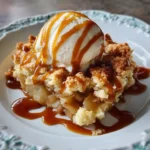
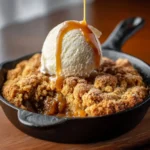
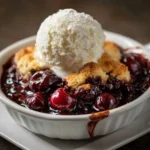
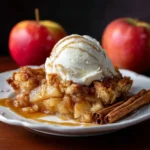
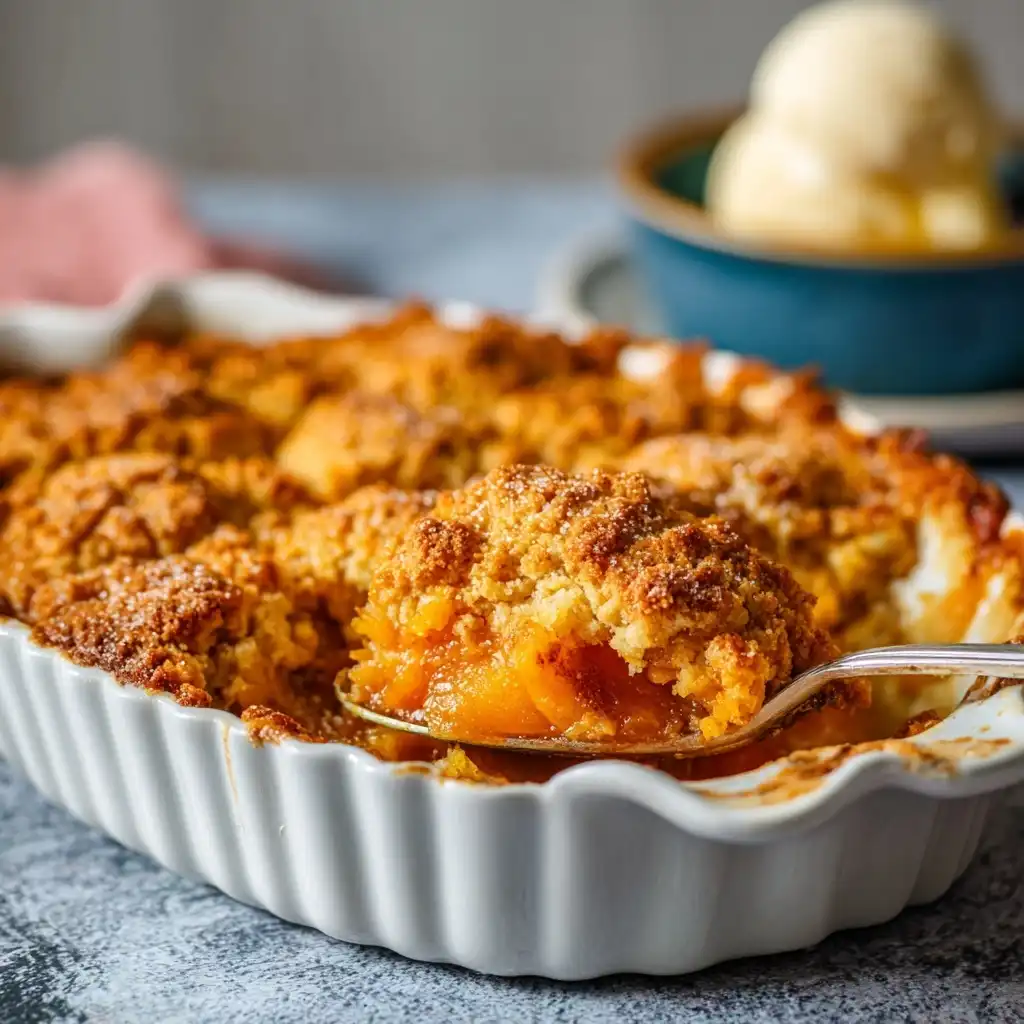
Sweet Potato Cobbler is a soul-warming, deeply comforting Southern dessert that bridges the rich heritage of traditional cobblers with the earthy sweetness and velvety texture of roasted or mashed sweet potatoes. Unlike fruit-based cobblers—such as peach or blackberry—this version transforms humble sweet potatoes into a luscious, spiced custard-like base, crowned with a tender, golden-brown biscuit or cake-like topping. It’s more than just a dessert; it’s a culinary heirloom passed down through generations in African American, Appalachian, and Deep South kitchens—often served at Sunday suppers, holiday gatherings, church potlucks, and family reunions. Its nostalgic aroma—cinnamon, nutmeg, brown sugar, and butter melding with caramelized sweet potato—evokes memories of hearthside cooking, cast-iron skillets, and generational wisdom shared over steaming bowls topped with cold vanilla ice cream or a drizzle of bourbon-infused whipped cream.
The History
The origins of Sweet Potato Cobbler trace back to the antebellum and post-Reconstruction eras in the rural American South, where resourcefulness, seasonal abundance, and cultural fusion shaped everyday cuisine. Sweet potatoes—native to Central and South America and introduced to North America via Spanish and Portuguese traders—thrived in the warm, sandy soils of the Carolinas, Georgia, and Tennessee. Enslaved Africans brought deep knowledge of root vegetable preparation, stewing techniques, and spice blending (including West African uses of ginger and allspice), which profoundly influenced how sweet potatoes were cooked and elevated beyond sustenance into celebration. By the late 19th century, “cobbler” had evolved from its British roots (a term originally describing a “cobbled-together” pastry) into a distinctly American concept: a baked fruit (or vegetable) filling topped with dropped biscuits, pie crust, or sponge batter. Cookbooks like What Mrs. Fisher Knows About Old Southern Cooking (1881)—the first published by an African American woman, Abby Fisher—feature early iterations of sweet potato desserts, though not explicitly labeled “cobbler.” The dish gained wider recognition during the Great Depression and WWII, when sweet potatoes served as an affordable, nutrient-dense alternative to scarce ingredients like wheat flour and refined sugar. Regional variations bloomed: Louisiana versions often include pecans and molasses; Lowcountry cooks add orange zest and cardamom; Ozark hill families bake theirs in wood-fired ovens with lard-enriched biscuit dough. Today, Sweet Potato Cobbler stands as both a testament to resilience and a vibrant symbol of Southern culinary identity—honored by chefs like Sean Brock, Carla Hall, and Michael Twitty, who recontextualize it in modern fine dining while fiercely preserving its ancestral integrity.
Ingredients Breakdown
Understanding each ingredient’s role ensures success—and reveals why substitutions matter:
- Sweet Potatoes (2–2½ lbs, about 3–4 medium): Choose orange-fleshed varieties like Beauregard or Jewel for optimal sweetness, moisture, and beta-carotene content. Avoid white or garnet types unless specified—they yield drier, less creamy results. Baking (not boiling) concentrates flavor and reduces excess water, preventing a soggy cobbler.
- Unsalted Butter (¾ cup, divided): Used both in the filling (for richness and emulsification) and topping (for flakiness and browning). European-style butter (82–86% fat) yields superior tenderness and caramel notes.
- Brown Sugar (1 cup, packed light or dark): Provides deep molasses undertones and moisture retention. Dark brown sugar intensifies caramel and spice complexity; light offers subtler sweetness. Never substitute granulated sugar alone—it lacks moisture and acidity needed for proper texture.
- Granulated Sugar (¼ cup): Balances acidity and boosts browning via the Maillard reaction. Optional but recommended for structural lift in the topping.
- Spices (2 tsp ground cinnamon, ½ tsp ground nutmeg, ¼ tsp ground ginger, ⅛ tsp ground cloves, pinch of allspice): This warm, layered spice blend echoes West African and Caribbean traditions. Freshly grated nutmeg vastly outperforms pre-ground; consider toasting whole spices and grinding them for maximum aromatic intensity.
- Sea Salt (1 tsp fine, plus extra for finishing): Not merely for seasoning—salt heightens sweetness, balances fat, and strengthens gluten in the biscuit topping. Use flaky sea salt (like Maldon) as a finishing touch for textural contrast.
- Vanilla Extract (2 tsp pure, not imitation): Adds floral depth and rounds out spice heat. For luxury, infuse your own vanilla bean paste or add ½ split, scraped bean pod to the milk mixture.
- Whole Milk (¾ cup) + Heavy Cream (¼ cup): The dairy duo provides liquid without diluting flavor. Whole milk contributes protein and subtle sweetness; heavy cream adds fat for tenderness and luxurious mouthfeel. Evaporated milk (½ cup) is a classic Southern swap—adds concentrated dairy richness and caramel notes.
- Eggs (2 large, room temperature): Act as binders and leaveners—especially vital in the custard-like filling. Room temperature ensures even emulsification and prevents curdling when mixed with warm sweet potatoes.
- All-Purpose Flour (1½ cups, plus 2 tbsp for topping): Provides structure. For gluten-free adaptations, use a 1:1 certified GF blend with xanthan gum (e.g., King Arthur or Bob’s Red Mill).
- Baking Powder (2 tsp) + Baking Soda (¼ tsp): Double-acting leaveners create lift and tenderness in the biscuit topping. Baking soda neutralizes acidity (from brown sugar, buttermilk if used) and promotes browning.
- Buttermilk (½ cup, cold): Adds tang, tenderness, and activates baking soda. If unavailable, make a substitute: ½ cup whole milk + 1½ tsp white vinegar or lemon juice, rested 5 minutes until slightly curdled.
- Optional Enhancements: ½ cup toasted pecans or walnuts (for crunch), 2 tbsp bourbon or dark rum (adds complexity and cuts sweetness), 1 tbsp molasses (for deeper color and mineral notes), 1 tsp orange zest (brightens spice profile), or 2 tbsp crystallized ginger (for chewy heat).
Step-by-Step Recipe
- Roast the Sweet Potatoes: Preheat oven to 400°F (200°C). Pierce washed, unpeeled sweet potatoes deeply with a fork. Place directly on middle oven rack (no foil or tray) and roast 45–75 minutes—until extremely tender when pierced with a knife and skin blisters and darkens slightly. Cool 20 minutes. Scoop flesh into a large bowl, discarding skins. Mash with a potato masher (not a food processor—overmixing causes gumminess) until smooth with no lumps. Measure exactly 2 cups mashed (reserve extras for breakfast hash or soup!). Let cool to lukewarm (~100°F).
- Prepare the Filling Base: In a saucepan over medium-low heat, melt ½ cup unsalted butter. Whisk in brown sugar, granulated sugar, spices, and salt. Cook 2–3 minutes, stirring constantly, until fragrant and syrupy—but do not boil. Remove from heat and whisk in vanilla. Gradually whisk in lukewarm mashed sweet potatoes until fully incorporated and glossy. Let cool 10 minutes.
- Temper the Dairy & Eggs: In a separate bowl, whisk together milk, heavy cream (or evaporated milk), and eggs. Slowly pour this mixture into the sweet potato base while whisking vigorously to prevent scrambling. Stir until completely smooth and uniform. Taste and adjust: add more salt (⅛ tsp) if flat, more cinnamon (¼ tsp) if muted, or a splash of cream if too thick. Cover and refrigerate 30 minutes—this chills the base, improves layer separation, and prevents topping from sinking.
- Make the Biscuit Topping: In a chilled bowl, whisk together 1½ cups flour, 2 tbsp sugar, baking powder, baking soda, and ½ tsp salt. Cut in remaining ¼ cup cold butter using a pastry cutter, two forks, or fingertips—working quickly until mixture resembles coarse meal with pea-sized butter bits. Stir in cold buttermilk just until shaggy dough forms (do not overmix—lumps are ideal). Turn onto lightly floured surface; gently pat into ¾-inch-thick rectangle. Fold dough letter-style (like a business letter) twice—this builds flaky layers. Chill 15 minutes.
- Assemble & Bake: Preheat oven to 375°F (190°C) with rack in lower third. Pour chilled sweet potato mixture into a well-buttered 9×13-inch ceramic or glass baking dish (or two 8×8-inch dishes for faster baking). Roll chilled biscuit dough to ½-inch thickness. Cut into 2-inch squares, circles, or rustic diamonds. Arrange evenly over filling, leaving small gaps for steam escape. Brush tops with melted butter or cream; sprinkle generously with turbinado sugar and a pinch of flaky salt.
- Bake to Perfection: Place dish on a parchment-lined baking sheet (to catch drips). Bake 45–55 minutes—until filling is bubbling vigorously at edges and biscuit topping is deeply golden, puffed, and sounds hollow when tapped. A toothpick inserted into the center of a biscuit should come out clean; into the filling, it should show thick, set custard—not liquid. If topping browns too fast, tent loosely with foil after 30 minutes.
- Cool & Serve: Let rest on a wire rack for *at least* 30 minutes before serving—this allows filling to fully set and prevents collapse. Serve warm (never piping hot), ideally with vanilla bean ice cream, crème fraîche, or a bourbon-maple glaze (¼ cup pure maple syrup + 1 tbsp bourbon + ½ tsp butter, warmed).
Tips
- Texture Is Everything: Overmashing sweet potatoes creates excess starch gelatinization—leading to gummy filling. Use a hand masher or ricer, never a blender. If mixture seems watery after mixing, strain through a fine-mesh sieve for 5 minutes to remove excess liquid.
- Temperature Control Saves Lives (and Cobblers): Warm sweet potatoes + cold dairy = scrambled eggs. Lukewarm sweet potatoes + room-temp eggs + cold dairy = seamless emulsion. Always chill assembled cobbler before baking—this prevents premature activation of leaveners and ensures clean layering.
- Butter Matters—Literally: Cold butter in topping = flaky layers. Melted butter in filling = silkiness and sheen. Substitute lard or coconut oil (refined, for neutral taste) for a historic or dairy-free twist—but expect denser, less airy topping.
- Don’t Skip the Rest: Cutting into cobbler too soon releases trapped steam, causing filling to weep and topping to become soggy. That 30-minute wait isn’t optional—it’s the difference between “good” and “legendary.”
- Oven Thermometers Are Non-Negotiable: Most home ovens run hot or cold. An inexpensive oven thermometer ensures accurate baking temps—critical for even browning and custard setting.
- Batch & Freeze Smart: Prepare filling up to 3 days ahead; store covered in fridge. Biscuit dough can be frozen raw (cut into shapes, freeze on parchment, then bag) for up to 3 months—bake straight from frozen, adding 8–10 minutes to bake time.
- Revive Leftovers Like a Pro: Reheat individual portions in a toaster oven (not microwave) at 325°F for 12–15 minutes—topping crisps, filling warms evenly. Add a dot of butter on top before reheating for gloss.
Variations and Customizations
Sweet Potato Cobbler is gloriously adaptable—here are time-tested, chef-approved twists:
- Gluten-Free Sweet Potato Cobbler: Replace all-purpose flour with 1½ cups King Arthur Gluten-Free Measure-for-Measure Flour. Add 1 tsp xanthan gum if not included. Use GF baking powder. Top with almond flour–brown sugar crumble (½ cup almond flour + ¼ cup brown sugar + 3 tbsp cold butter + pinch salt) for extra crunch.
- Vegan Sweet Potato Cobbler: Swap sweet potatoes roasted in coconut oil; use coconut milk (full-fat, canned) + unsweetened soy milk for dairy; replace eggs with flax eggs (2 tbsp ground flax + 6 tbsp water, rested 10 min); use vegan butter (Miyoko’s or Earth Balance); top with oat-based biscuit (1 cup rolled oats + ½ cup oat flour + ¼ cup coconut sugar + ¼ cup cold coconut oil + ¼ cup almond milk).
- Spiced Rum Raisin Version: Soak ½ cup golden raisins in ¼ cup dark rum + 1 tsp orange zest for 1 hour. Drain (reserve liquid), fold raisins into filling, and add reserved rum-orange liquid to milk mixture. Top with rum-glazed biscuit (brush baked topping with 1 tbsp melted butter + 1 tsp rum + 1 tsp brown sugar).
- Savory-Sweet Herb Cobbler: Reduce sugar to ½ cup total. Add 1 tbsp fresh rosemary (finely minced), 1 tsp thyme, and ¼ cup grated sharp cheddar to biscuit dough. Serve alongside roasted turkey or ham—breakfast cobbler meets holiday side dish.
- Mini Mason Jar Cobblers: Portion filling into 6–8 (12-oz) wide-mouth mason jars. Top with 1½-inch biscuit rounds. Bake at 375°F for 32–38 minutes. Perfect for gifts, picnics, or portion control.
- Maple-Pecan Streusel Top: Skip biscuit topping. Make streusel: ½ cup flour, ½ cup chopped toasted pecans, ⅓ cup maple sugar, ¼ cup cold butter, ½ tsp cinnamon, pinch salt. Rub in until clumpy. Sprinkle thickly over filling before baking.
- Smoked Sweet Potato Cobbler: Roast sweet potatoes over applewood or hickory chips in a smoker (225°F for 2 hours) before mashing. Adds haunting depth—pair with chipotle-infused spice blend (add ¼ tsp smoked paprika + ⅛ tsp chipotle powder).
Health Considerations and Nutritional Value
A 1-cup serving (approx. 1/9th of a 9×13-inch cobbler) contains roughly:
- Calories: 320–380 kcal (varies by butter/sugar/topping density)
- Total Fat: 14–18g (7–9g saturated—mostly from butter; consider reducing butter by 1 tbsp and adding 1 tbsp unsweetened applesauce to filling for lower sat-fat)
- Carbohydrates: 45–52g (includes 28–34g naturally occurring sugars from sweet potatoes + added sugars)
- Fiber: 4–5g (excellent source—sweet potatoes provide resistant starch and pectin, supporting gut health and satiety)
- Protein: 5–6g (modest, but enhanced with egg and dairy)
- Vitamin A (RAE): >400% DV (from beta-carotene—powerful antioxidant for vision, immunity, and skin)
- Vitamin C: 35% DV (supports collagen synthesis and iron absorption)
- Potassium: 22% DV (crucial for blood pressure regulation and muscle function)
- Manganese & Vitamin B6: Significant amounts—support metabolism, nerve health, and red blood cell formation
Health Notes: While indulgent, Sweet Potato Cobbler offers notable nutritional advantages over many desserts: zero refined flour in the base (it’s vegetable-forward), high antioxidant density, and low glycemic impact *when portion-controlled*. To boost wellness: use coconut sugar (lower GI), increase fiber with 1 tbsp ground flaxseed in filling, add ½ cup puréed cauliflower (undetectable, adds creaminess + nutrients), or serve with Greek yogurt instead of ice cream. Those managing diabetes should monitor portions and pair with a protein-rich side (e.g., grilled chicken) to slow glucose response. For heart health, emphasize unsaturated fats—swap half the butter for avocado oil in the filling and use walnut butter in the topping.
Ingredients
For the Sweet Potato Filling:
- 2–2½ lbs (about 3–4 medium) orange-fleshed sweet potatoes (Beauregard or Jewel), scrubbed
- ½ cup (1 stick) unsalted butter, plus ¼ cup cold, cubed
- 1 cup light or dark brown sugar, firmly packed
- ¼ cup granulated sugar
- 2 tsp ground cinnamon
- ½ tsp freshly grated nutmeg (or high-quality ground)
- ¼ tsp ground ginger
- ⅛ tsp ground cloves
- Pinch of ground allspice
- 1 tsp fine sea salt, plus flaky salt for finishing
- 2 tsp pure vanilla extract
- ¾ cup whole milk
- ¼ cup heavy cream (or ½ cup evaporated milk)
- 2 large eggs, room temperature
For the Buttermilk Biscuit Topping:
- 1½ cups all-purpose flour, plus 2 tbsp for dusting
- 2 tbsp granulated sugar
- 2 tsp baking powder
- ¼ tsp baking soda
- ½ tsp fine sea salt
- ½ cup cold unsalted butter, cut into ½-inch cubes
- ½ cup cold buttermilk (or DIY: ½ cup milk + 1½ tsp vinegar)
- Additional melted butter or cream for brushing
- Turbinado (raw) sugar for sprinkling
Directions
- Roast & Mash Sweet Potatoes: Preheat oven to 400°F (200°C). Pierce sweet potatoes all over with a fork. Place directly on oven rack and roast until very tender (45–75 min). Cool 20 min. Scoop flesh into a bowl; mash until smooth. Measure 2 cups—cool to lukewarm (~100°F).
- Make Spiced Butter Syrup: In a saucepan over medium-low, melt ½ cup butter. Whisk in brown sugar, granulated sugar, spices, and 1 tsp salt. Cook 2–3 min until fragrant and syrupy. Remove from heat; stir in vanilla.
- Combine Filling: Whisk warm spice mixture into mashed sweet potatoes until smooth. In another bowl, whisk milk, cream, and eggs. Gradually whisk dairy-egg mixture into sweet potato base until homogeneous. Refrigerate 30 min.
- Prepare Biscuit Dough: In a bowl, whisk flour, 2 tbsp sugar, baking powder, baking soda, and ½ tsp salt. Cut in ¼ cup cold butter until pea-sized. Stir in cold buttermilk just until shaggy. Gently fold 2x on floured surface; pat to ¾-inch thick. Fold letter-style twice. Chill 15 min.
- Assemble: Preheat oven to 375°F (190°C). Butter a 9×13-inch baking dish. Pour chilled filling in. Roll dough to ½-inch; cut into shapes. Arrange over filling. Brush with butter/cream; sprinkle with turbinado sugar and flaky salt.
- Bake: Place dish on parchment-lined sheet. Bake 45–55 min until filling bubbles at edges and topping is deep golden. Tent with foil if browning too fast after 30 min.
- Cool & Serve: Rest on wire rack 30 min minimum. Serve warm with ice cream, crème fraîche, or bourbon-maple glaze.
FAQ
- Can I make this ahead?
- Absolutely. Filling keeps 3 days refrigerated; biscuit dough keeps 2 days refrigerated or 3 months frozen. Assemble and bake day-of—or refrigerate assembled cobbler overnight (cover tightly) and bake straight from cold, adding 5–8 minutes to bake time.
- Why did my filling sink or become watery?
- Likely causes: sweet potatoes too hot when mixing (scrambled eggs), undercooked filling (needs full 45+ min at 375°F), or excess moisture from boiled (not roasted) potatoes. Always roast, always chill, always bake until center is set.
- Can I use canned sweet potatoes?
- Not recommended—canned versions contain added syrup, preservatives, and inconsistent texture. If essential, drain *thoroughly*, rinse under cold water, and press dry in cheesecloth for 10 minutes before using.
- My topping came out tough or dense. What went wrong?
- Overmixing dough, using warm butter, or substituting buttermilk with regular milk (no acid to activate baking soda) are top culprits. Also ensure your baking powder is fresh—test by stirring ½ tsp into ¼ cup hot water; it should bubble vigorously within 30 seconds.
- Is there a lower-sugar version?
- Yes. Reduce total sugar to ½ cup (all brown), add 1 tsp monk fruit extract or 2 tbsp date paste, and boost spice (cinnamon + nutmeg) for perceived sweetness. Top with unsweetened coconut flakes instead of turbinado sugar.
- Can I cook this in a Dutch oven or cast iron skillet?
- Yes—and highly encouraged for authentic flavor! Use a 12-inch seasoned skillet. Follow same steps, but reduce bake time by 5–7 minutes (metal conducts heat faster). Finish under broiler 1–2 min for extra browning.
- How do I store leftovers?
- Cool completely. Cover tightly and refrigerate up to 5 days. Freeze unbaked or baked cobbler up to 3 months—wrap dish in double layers of plastic + foil. Thaw overnight in fridge before reheating.
- What’s the best way to reheat?
- To preserve texture: individual portions in a 325°F oven for 12–15 min, covered with foil first 8 min, then uncovered. Or air-fry at 320°F for 6–8 min. Avoid microwaving—the topping turns rubbery.
Summary
Sweet Potato Cobbler is a time-honored Southern masterpiece—a velvety, spiced sweet potato custard baked beneath a golden, flaky biscuit crown, rooted in African American ingenuity and agricultural abundance.
With careful attention to roasting technique, temperature control, and layered spicing, it delivers profound comfort, remarkable nutrition, and endless customization—from vegan and gluten-free to bourbon-kissed and smoked—making it as versatile as it is unforgettable.