Introduction
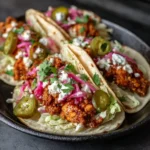
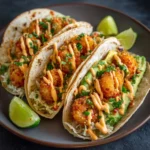
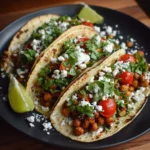
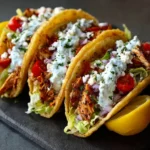
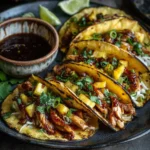
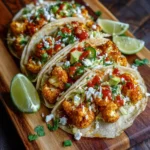
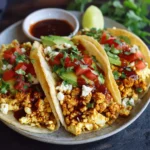
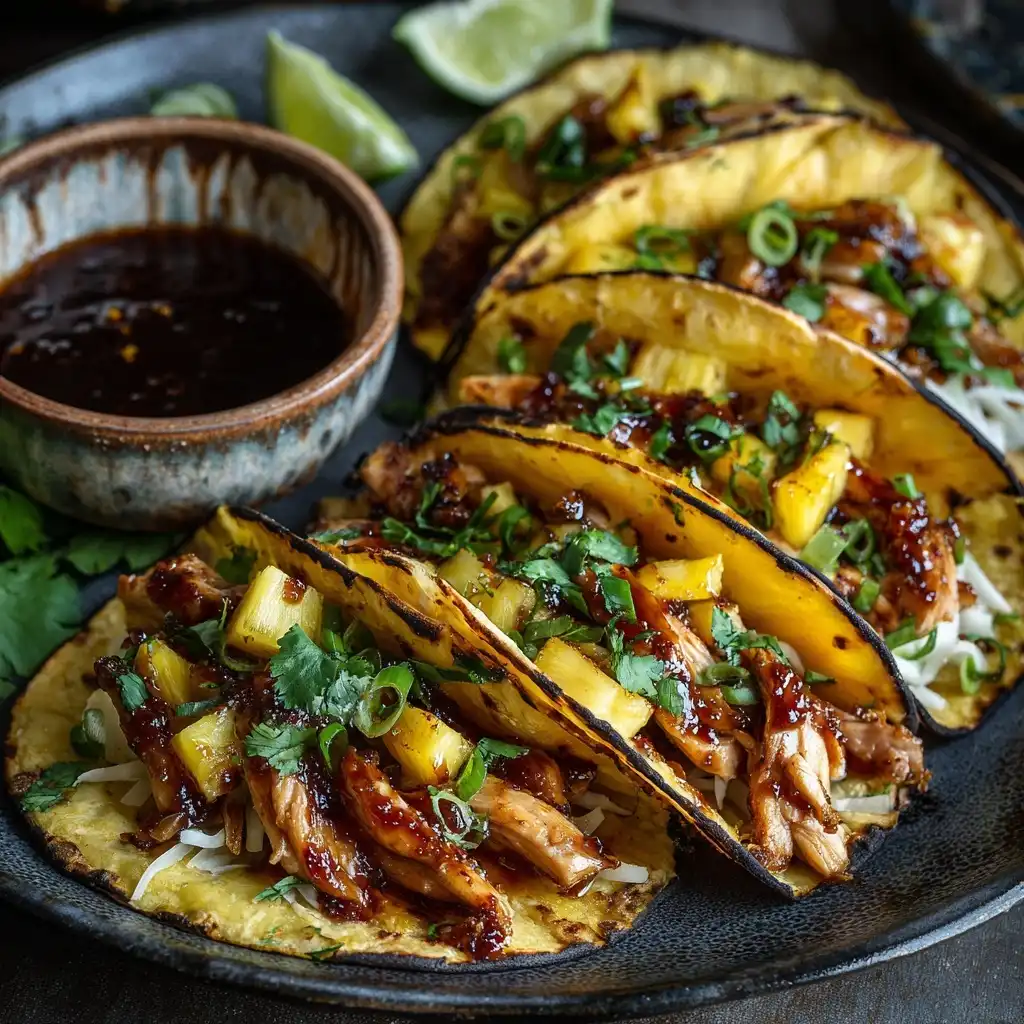
Welcome to a vibrant, flavor-forward fusion that bridges the bold umami of Japanese teriyaki with the bright, tropical sweetness of pineapple—and wraps it all in the warm, pliable embrace of soft corn or flour tortillas. Teriyaki Chicken Pineapple Tacos are more than just a meal; they’re a celebration of global culinary harmony—where savory, sweet, tangy, and smoky notes dance together in every bite. Whether served at a backyard fiesta, a weeknight family dinner, or as an elevated appetizer at a summer gathering, these tacos deliver restaurant-quality excitement with accessible ingredients and approachable techniques. Their eye-catching golden-brown chicken, glossy teriyaki glaze, juicy grilled pineapple, and fresh garnishes make them as photogenic as they are delicious—guaranteed to spark conversation, cravings, and repeat requests.
The History
While tacos themselves trace their roots to pre-Columbian Mesoamerica—where indigenous peoples used hand-patted maize tortillas to hold roasted meats and salsas—the modern concept of the taco has evolved dramatically through centuries of cultural exchange. The teriyaki technique, meanwhile, originates in Japan during the Edo period (1603–1868), where “teri” (luster) and “yaki” (grill or broil) described a cooking method centered on glazing proteins with a soy-based, mirin-sweetened sauce to create a rich, caramelized sheen. The fusion of teriyaki and tacos is a quintessential example of 20th- and 21st-century culinary globalization—accelerated by post-war U.S. military presence in Japan, the rise of Hawaiian regional cuisine (notably the iconic teriyaki beef and pineapple combo popularized in the 1950s–60s), and the mainstream embrace of food trucks and fusion concepts in cities like Los Angeles, Portland, and Miami. Chefs and home cooks alike began experimenting with cross-cultural pairings in the early 2000s, and by the 2010s, teriyaki chicken tacos—often featuring grilled pineapple as a nod to Hawaiian-Japanese-American synergy—had become a staple on trendy menus and viral social media feeds. This dish embodies what food anthropologists call “culinary bricolage”: the creative recombination of existing elements into something wholly new, yet deeply rooted in tradition.
Ingredients Breakdown
Every exceptional taco begins with intentionality—not just in flavor, but in texture, temperature, and balance. Below is a meticulous breakdown of each component and why it matters:
- Chicken Breast or Thighs: Boneless, skinless chicken thighs are highly recommended for their superior marbling, tenderness, and resistance to drying out during grilling or pan-searing. Chicken breast offers a leaner option but requires careful attention to avoid toughness—marinating longer and cooking to exactly 165°F internal temperature is essential.
- Low-Sodium Soy Sauce: The foundational umami base. Using low-sodium soy sauce gives precise control over salt levels, especially when combined with salty ingredients like fish sauce (optional) or toasted sesame oil. Tamari is an excellent gluten-free alternative; coconut aminos offer a milder, slightly sweeter soy-free option.
- Mirin: A sweet rice wine with subtle acidity and nuanced complexity—distinct from rice vinegar or dry sherry. Authentic hon-mirin (true mirin) contains about 14% alcohol and natural sugars, contributing both gloss and depth. If unavailable, substitute with a blend of 2 parts dry sherry + 1 part brown sugar + ½ tsp white vinegar—but note that the subtle fermentation notes will differ.
- Real Maple Syrup or Brown Sugar: Adds rich caramel notes and aids in caramelization. Pure maple syrup contributes mineral complexity and a delicate woodsy aroma; dark brown sugar adds molasses depth. Avoid pancake syrup—it contains high-fructose corn syrup and artificial flavors that muddy the glaze.
- Fresh Ginger & Garlic: Grated (not powdered) for maximum aromatic volatility. Fresh ginger brings citrusy heat and brightness that cuts through richness; garlic provides pungent depth that mellows beautifully when cooked. Microplane graters yield the finest texture and fullest flavor release.
- Pineapple: Use ripe but firm fresh pineapple—never canned in heavy syrup. Fresh pineapple contains bromelain, a natural tenderizer that subtly enhances chicken texture while lending enzymatic brightness. Grilling concentrates its sugars and introduces smoky complexity. If using frozen (unsweetened) pineapple chunks, thaw and pat *very* dry to prevent steaming instead of searing.
- Lime Juice & Zest: Lime juice adds vital acidity to balance the sauce’s sweetness; zest imparts volatile citrus oils that elevate aroma without added liquid. Bottled lime juice lacks nuance and can taste metallic—always use freshly squeezed.
- Tortillas: Double-warmed 6-inch corn tortillas provide earthy authenticity and structural integrity; lightly charred edges add smokiness. Flour tortillas (preferably street-taco style—thin, pliable, and griddle-toasted) offer chewier texture and neutral canvas. For gluten-free needs, certified GF corn or cassava tortillas work well—just warm gently to avoid cracking.
- Signature Garnishes: Each plays a distinct sensory role: thinly sliced red onion (soaked in lime juice for 10 minutes to mellow sharpness), chopped fresh cilantro (bright, herbal top note), crumbled cotija or queso fresco (salty, milky contrast), and optional pickled jalapeños (acidic heat). Toasted sesame seeds add nutty crunch and visual polish.
Step-by-Step Recipe
- Prepare the Teriyaki Marinade & Glaze (30 minutes active + 2 hours minimum marinating): In a non-reactive bowl, whisk together ⅓ cup low-sodium soy sauce, ¼ cup mirin, 3 tbsp pure maple syrup (or packed dark brown sugar), 1½ tbsp rice vinegar, 1 tbsp freshly grated ginger, 3 minced garlic cloves, 1 tsp toasted sesame oil, ½ tsp black pepper, and optional ½ tsp fish sauce (for extra umami depth). Reserve ¼ cup of this mixture for basting/glazing; refrigerate the rest for marinating. Place 1.5 lbs boneless, skinless chicken thighs (cut into 1-inch cubes or thin ¼-inch strips for faster cook time) into a resealable bag or shallow dish. Pour marinade over chicken, seal, and refrigerate for at least 2 hours—or ideally overnight—for deep flavor penetration. Turn bag occasionally.
- Prep Pineapple & Aromatics (15 minutes): Core and slice fresh pineapple into ½-inch thick rings, then cut into 1-inch wedges or chunks. Toss lightly with 1 tsp neutral oil (avocado or grapeseed), pinch of salt, and optional ½ tsp smoked paprika for subtle depth. Thinly slice ½ medium red onion and soak in juice of 1 lime + 1 tbsp water for 10 minutes. Chop ¼ cup fresh cilantro leaves and stems. Crumble ⅓ cup cotija cheese. Toast 1 tbsp white sesame seeds in a dry skillet over medium-low heat until golden (1–2 minutes); cool completely.
- Grill or Pan-Sear Chicken & Pineapple (12–15 minutes): Preheat grill to medium-high (375–400°F) or cast-iron skillet over medium-high heat until smoking lightly. Remove chicken from marinade, shaking off excess (discard used marinade). Grill or sear chicken 4–5 minutes per side, turning once, until deeply caramelized and internal temperature reaches 165°F. During the last 2 minutes of cooking, add pineapple pieces to the same heat source—grill 1–2 minutes per side until grill-marked and slightly softened. Transfer both to a clean plate and tent loosely with foil.
- Reduce the Reserved Glaze (5 minutes): In a small saucepan, bring the reserved ¼ cup marinade to a gentle simmer over medium heat. Cook, stirring frequently, for 3–4 minutes until reduced by one-third and thickened to a light syrup consistency (it should coat the back of a spoon). Remove from heat and stir in 1 tsp fresh lime juice and ½ tsp lime zest.
- Finish & Assemble (5 minutes): Slice grilled chicken into bite-sized pieces if desired. Return chicken and pineapple to hot pan or grill for 60 seconds to rewarm, then pour reduced glaze over top. Toss gently to coat evenly—avoid overcooking, which can toughen chicken or break down pineapple. Warm tortillas: Heat corn tortillas individually on dry comal/griddle for 30 seconds per side until pliable and lightly speckled; stack wrapped in a clean kitchen towel to steam slightly. For flour tortillas, heat 15–20 seconds per side until soft and blistered.
- Build Each Taco with Precision: Place 2–3 oz glazed chicken and 2–3 pineapple pieces onto center of warm tortilla. Top with pickled red onion, fresh cilantro, crumbled cotija, toasted sesame seeds, and optional pickled jalapeños. Finish with a final tiny squeeze of fresh lime juice directly over filling—this “brightening” step activates all flavors just before eating.
Tips
- Marinate Smart, Not Long: While overnight marinating is ideal for flavor, avoid exceeding 24 hours—especially with fresh pineapple present in the marinade. Bromelain enzymes can begin to break down chicken proteins excessively, resulting in mushy texture. If using pineapple juice *in* the marinade (instead of fresh fruit), limit marination to 2 hours max.
- Sauce Consistency Is King: The glaze must be reduced to the right viscosity—too thin and it’ll pool in the taco; too thick and it’ll harden upon cooling. Test by dipping a cold spoon into the hot glaze, then running your finger across the back—if the line holds cleanly without dripping, it’s ready.
- Dry Ingredients Before Cooking: Pat chicken and pineapple *extremely* dry with paper towels before grilling. Surface moisture causes steaming instead of searing—robbing you of that essential Maillard reaction and caramelized crust.
- Double-Warm Tortillas: First, heat them briefly on the griddle or skillet to enhance pliability and develop flavor. Then wrap in a clean, damp (not wet) cloth-lined basket or towel-lined bowl and cover with a lid or second towel. The trapped steam keeps them soft and prevents cracking during assembly.
- Layer Temperature Strategically: Place warm components (chicken, pineapple, glaze) first, then add cool/cold garnishes (onions, cilantro, cheese) last. This preserves crispness and prevents wilting or premature melting.
- Acid Is Your Ally: Always finish with a splash of fresh lime juice—even after glazing. That final acidic lift balances sweetness, refreshes the palate, and ties every element together harmoniously.
- Leftover Magic: Extra glaze freezes beautifully for up to 3 months in ice cube trays—pop out cubes as needed for stir-fries, roasted veggies, or salad dressings. Leftover grilled chicken and pineapple make stellar additions to grain bowls, fried rice, or omelets the next day.
Variations and Customizations
This recipe is inherently adaptable—designed to reflect your pantry, preferences, dietary needs, and seasonal availability. Here’s how to make it uniquely yours:
- Protein Swaps: Try grilled flank steak marinated identically for a richer, beefier profile. Shrimp cooks in under 3 minutes—add during final minute of grilling. Tofu (extra-firm, pressed 30 minutes, cubed) or tempeh absorbs teriyaki beautifully; pan-fry until golden before glazing. For a seafood twist, use scallops—dry thoroughly and sear in butter for luxurious sweetness.
- Vegan/Vegetarian Version: Replace chicken with king oyster mushrooms (sliced thickly, “scallops”-style) or marinated and grilled cauliflower steaks. Use tamari + coconut aminos blend for soy-free umami, and swap maple syrup for agave or date syrup. Add nori flakes for oceanic depth and nutritional yeast for cheesy savoriness.
- Gluten-Free Adaptation: Use tamari or certified GF soy sauce. Ensure mirin is naturally GF (most are, but verify label). Skip soy-based fish sauce or use GF fish sauce alternative. Choose certified GF corn or cassava tortillas—and always check spice blends for hidden wheat fillers.
- Heat Level Control: Mild: Omit chiles entirely; garnish with roasted poblano strips. Medium: Add 1 finely minced serrano (seeds removed) to marinade or use pickled jalapeños. Hot: Include ½ tsp gochujang in marinade or drizzle finished tacos with sriracha-mayo (mix 2 tbsp mayo + 1 tsp sriracha + ½ tsp lime juice).
- Grill vs. Stovetop vs. Oven Options: No grill? Use a heavy-bottomed stainless steel or cast-iron skillet on high heat—press chicken gently with a spatula for even contact. For oven roasting: Arrange marinated chicken and pineapple on parchment-lined sheet pan; roast at 425°F for 18–22 minutes, flipping halfway, then broil 2 minutes to caramelize. Air fryer method: Cook at 375°F for 12–14 minutes, shaking basket halfway.
- Global Twists: Korean-inspired: Add 1 tbsp gochujang + ½ tsp toasted sesame oil to marinade; garnish with quick-pickled daikon radish. Hawaiian-style: Add 1 tbsp macadamia nut butter to glaze; top with toasted macadamia halves. Mexican-Japanese: Swap lime for yuzu juice; garnish with avocado crema and crushed pepitas.
- Meal Prep Friendly: Marinate chicken up to 2 days ahead. Grill chicken and pineapple, then store separately in airtight containers for up to 4 days. Reheat chicken gently in skillet with 1 tsp broth; pineapple is best added cold or room-temp to preserve texture. Assemble tacos fresh.
Health Considerations and Nutritional Value
When prepared mindfully, Teriyaki Chicken Pineapple Tacos can be a nutrient-dense, balanced meal that supports wellness goals—without sacrificing satisfaction. Here’s a detailed nutritional perspective per serving (2 tacos, assuming 4 total servings):
- Calories & Macronutrients: Approximately 420–480 kcal per serving. Protein: 32–38g (excellent complete protein from chicken + complementary amino acids from sesame and corn tortillas). Healthy fats: 12–16g (mostly unsaturated—from avocado oil, sesame oil, and natural poultry fat). Complex carbohydrates: 38–44g (fiber-rich corn tortillas + natural sugars from pineapple + resistant starch if using slightly underripe pineapple).
- Vitamins & Minerals: Pineapple delivers 100%+ DV of vitamin C per serving—supporting immunity and collagen synthesis. Chicken provides B6, B12, selenium, and zinc. Red onions and cilantro contribute quercetin and apigenin (anti-inflammatory flavonoids). Sesame seeds add calcium, magnesium, copper, and lignans (phytoestrogens linked to heart and bone health). Lime juice enhances non-heme iron absorption from plant-based garnishes.
- Sodium Awareness: Traditional teriyaki is sodium-dense. Our low-sodium soy sauce + mindful portioning keeps sodium around 680–750mg per serving—well within the American Heart Association’s <1,500mg daily recommendation for most adults. Further reduce by rinsing marinated chicken quickly before cooking (though some flavor loss occurs) or using coconut aminos (350mg sodium per tbsp vs. ~900mg in regular soy).
- Sugar Transparency: Natural sugars come exclusively from maple syrup and pineapple—no refined white sugar. One serving contains ~14g total sugar, of which ~9g are naturally occurring fructose/glucose from fruit. The glycemic load remains moderate due to high fiber, protein, and fat content slowing glucose absorption.
- Dietary Accommodations: Naturally dairy-free (if omitting cheese), egg-free, and nut-free (unless adding macadamia variation). Easily made Whole30-compliant by omitting sugar/maple syrup and using date paste + extra coconut aminos + apple cider vinegar for sweetness/acid balance. Keto-friendly? Not traditionally—but adapt with lettuce cups, extra avocado, and sugar-free teriyaki (use erythritol + xanthan gum-thickened glaze) for ~8g net carbs per serving.
- Functional Food Benefits: Bromelain in fresh pineapple may aid digestion and reduce post-meal inflammation. Ginger supports gut motility and nausea relief. Fermented soy (in aged soy sauce/tamari) provides beneficial isoflavones and gut-supportive peptides. Antioxidant-rich cilantro helps detoxify heavy metals; lime boosts bioavailability of polyphenols in onions and pineapple.
Ingredients
- 1.5 lbs boneless, skinless chicken thighs (or breasts), cut into 1-inch pieces or thin strips
- ⅓ cup low-sodium soy sauce (or tamari for gluten-free)
- ¼ cup authentic mirin (not “mirin-style” seasoning)
- 3 tbsp pure maple syrup (or packed dark brown sugar)
- 1½ tbsp unseasoned rice vinegar
- 1 tbsp freshly grated ginger (about 1-inch knob)
- 3 large garlic cloves, finely minced
- 1 tsp toasted sesame oil
- ½ tsp freshly ground black pepper
- Optional: ½ tsp fish sauce (for umami depth)
- 1 medium ripe but firm fresh pineapple, cored and cut into 1-inch chunks
- 1 tsp neutral high-heat oil (avocado, grapeseed, or peanut)
- ¼ tsp smoked paprika (optional, for pineapple)
- ½ medium red onion, very thinly sliced
- Juice of 1 lime + 1 tbsp water (for quick-pickle onion)
- ¼ cup fresh cilantro leaves and tender stems, roughly chopped
- ⅓ cup crumbled cotija or queso fresco cheese
- 1 tbsp white sesame seeds, toasted
- 4 (6-inch) corn tortillas or flour tortillas
- Extra lime wedges for serving
- Optional: Pickled jalapeños, avocado slices, or chili-lime crema
Directions
- In a medium bowl, whisk together soy sauce, mirin, maple syrup, rice vinegar, grated ginger, minced garlic, sesame oil, black pepper, and optional fish sauce until fully dissolved and smooth.
- Reserve ¼ cup of the marinade in a small container and refrigerate. Pour remaining marinade over chicken in a resealable bag or shallow dish. Seal tightly and refrigerate for at least 2 hours—or up to 18 hours for maximum tenderness and flavor.
- Prepare pineapple: Core and cut into 1-inch chunks. Toss with neutral oil, smoked paprika (if using), and a pinch of salt. Set aside.
- Make quick-pickle onions: Combine sliced red onion, lime juice, and water in a small bowl. Let sit at room temperature for at least 10 minutes (up to 1 hour).
- Heat grill or heavy skillet over medium-high heat until very hot. Remove chicken from marinade, shaking off excess; discard used marinade.
- Grill or sear chicken 4–5 minutes per side, turning once, until deeply caramelized and cooked through (165°F internal temp). During last 2 minutes, add pineapple to same heat source and grill 1–2 minutes per side until marked and slightly softened.
- Transfer chicken and pineapple to a clean plate; tent with foil. In a small saucepan, bring reserved ¼ cup marinade to a gentle simmer. Cook 3–4 minutes, stirring often, until reduced by one-third and syrupy.
- Remove glaze from heat; stir in 1 tsp fresh lime juice and ½ tsp lime zest.
- Return chicken and pineapple to hot pan or grill for 60 seconds to rewarm, then pour reduced glaze over top. Toss gently to coat evenly.
- Warm tortillas individually on dry griddle or skillet for 30 seconds per side until pliable and lightly speckled. Stack in a clean kitchen towel to steam slightly.
- To assemble: Place 2–3 oz glazed chicken and 2–3 pineapple pieces onto center of warm tortilla. Top with pickled red onion, fresh cilantro, crumbled cotija, toasted sesame seeds, and optional jalapeños. Finish with a generous squeeze of fresh lime juice.
- Serve immediately, with extra lime wedges and napkins—these tacos are meant to be savored, not rushed.
FAQ
- Can I make this recipe ahead of time?
- Absolutely! Marinate chicken up to 2 days in advance. Grill chicken and pineapple, then store separately in airtight containers in the refrigerator for up to 4 days. Reheat chicken gently in a skillet with 1 tsp broth or water to retain moisture; pineapple is best served at room temperature or slightly chilled to preserve texture. Assemble tacos fresh for optimal warmth and crunch.
- Why does my teriyaki glaze look watery or never thicken?
- Several factors affect reduction: too much residual marinade clinging to chicken (always shake off excess), using “mirin-style” seasoning (which contains corn syrup and won’t reduce properly), or insufficient simmer time. Ensure you’re using real hon-mirin and cook the reserved portion over medium heat—not low—until it coats the back of a spoon. If still thin, add ¼ tsp arrowroot slurry (mixed with cold water) and simmer 30 seconds more.
- Can I use canned pineapple?
- You *can*, but it’s not recommended. Canned pineapple in syrup adds excessive sugar and dilutes flavor; pineapple in juice lacks the textural integrity and enzymatic benefits of fresh fruit. If necessary, use unsweetened canned pineapple packed in 100% pineapple juice—rinse thoroughly and pat *completely* dry before grilling to avoid steaming.
- My chicken turned out tough or dry—what went wrong?
- Most commonly: overcooking (especially with breast meat) or skipping the marinade time. Chicken thighs are far more forgiving—aim for 165°F internal temperature and remove immediately. Also ensure chicken pieces are uniform in size for even cooking. Resting for 3–5 minutes after cooking allows juices to redistribute.
- Are corn tortillas gluten-free?
- Authentic 100% corn tortillas made from masa harina and water are naturally gluten-free—*but* cross-contamination is common in facilities that also process wheat. For strict gluten-free diets, choose brands certified GF (like Siete, Mission GF, or Cassava Queen) and verify packaging labels.
- How do I keep corn tortillas from cracking?
- Corn tortillas crack when cold, dry, or improperly heated. Always warm them twice: first on dry heat until pliable and lightly blistered, then wrap immediately in a clean, damp (not dripping) kitchen towel inside a covered basket or bowl. The trapped steam keeps them supple and foldable. Never microwave plain tortillas—they become rubbery.
- What can I serve alongside these tacos?
- Keep sides light and complementary: cucumber-jicama slaw with yuzu-lime dressing; edamame and seaweed salad; miso-glazed roasted carrots; or simple steamed bok choy with sesame-ginger drizzle. For heartier options, try black bean and mango quinoa salad or coconut jasmine rice with scallions.
- Can I freeze teriyaki chicken for later?
- Yes—cooked, glazed chicken freezes exceptionally well for up to 3 months. Cool completely, portion into freezer bags with as much air removed as possible, and freeze flat. Thaw overnight in refrigerator and reheat gently in skillet with 1 tsp water or broth to restore moisture. Avoid freezing raw marinated chicken with fresh pineapple—bromelain continues to act during freezing, potentially degrading texture.
Summary
Teriyaki Chicken Pineapple Tacos are a masterclass in global flavor synergy—melding Japanese umami depth, tropical fruit brightness, and Mexican textural harmony into a vibrant, restaurant-worthy dish that’s surprisingly simple to execute at home.
With customizable proteins, mindful nutrition, make-ahead flexibility, and endless variations, this recipe isn’t just a meal—it’s a versatile culinary foundation designed to inspire creativity, celebrate seasonal ingredients, and bring joy to every taco Tuesday, Sunday supper, or spontaneous weeknight feast.