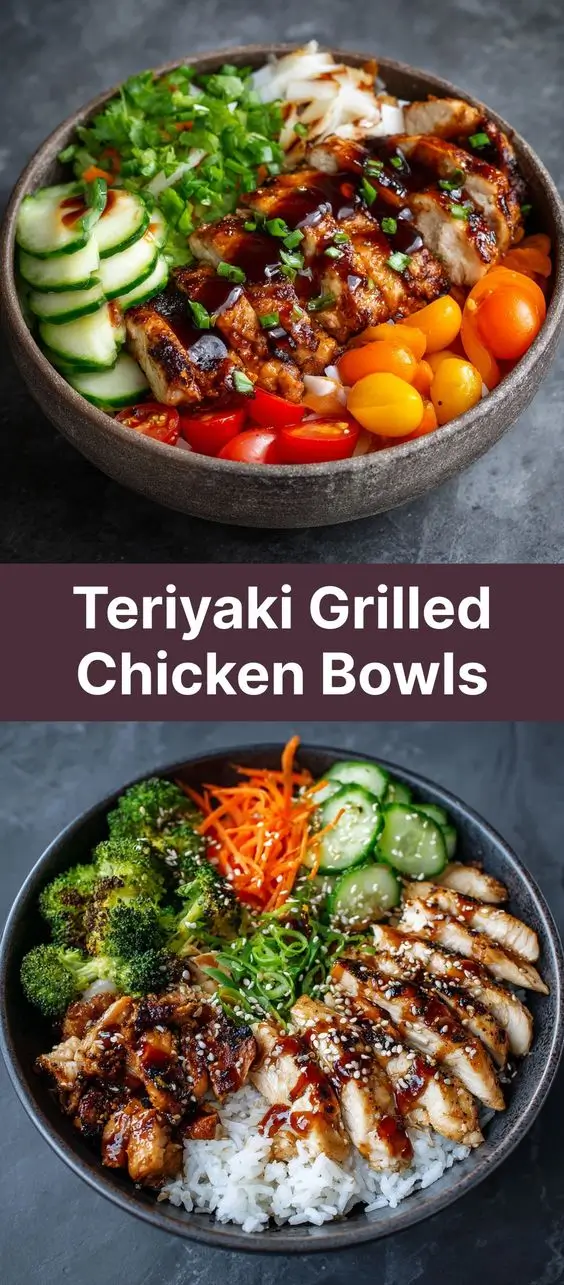
Teriyaki Grilled Chicken Bowls are a vibrant, satisfying meal that combines the bold, sweet-savory flavors of Japanese-inspired teriyaki sauce with tender grilled chicken and a colorful array of fresh vegetables and grains. Perfect for busy weeknights or meal prepping, these bowls are as nutritious as they are delicious. Whether you’re craving comfort food with an Asian twist or looking to add more balanced meals to your rotation, this dish delivers on every level—flavor, texture, and nutrition.
The History of Teriyaki and Its Culinary Journey
Teriyaki, a cooking technique deeply rooted in Japanese culinary tradition, dates back to the 17th century. The term “teriyaki” is derived from two Japanese words: “teri,” meaning luster or shine, and “yaki,” which refers to grilling or broiling. Traditionally, fish such as salmon or mackerel was broiled or grilled with a glaze made from soy sauce, mirin (sweet rice wine), and sugar, creating a glossy, flavorful finish. This method enhanced both taste and presentation, making the dish visually appealing with its shiny surface.
As Japanese immigrants traveled abroad, particularly to North America in the late 19th and early 20th centuries, teriyaki evolved to incorporate local tastes and ingredients. In the United States, it became especially popular in the mid-20th century, particularly in cities like Seattle and Los Angeles with large Japanese-American communities. Chicken emerged as a favored protein, replacing some traditional fish options, and the sauce grew sweeter to appeal to Western palates. Today, teriyaki is a global favorite, appearing in supermarkets, fast-casual restaurants, and home kitchens worldwide. The grilled chicken bowl format reflects modern trends toward healthy, customizable meals, blending traditional flavors with contemporary eating habits.
Ingredients Breakdown: What Makes This Dish Shine?
The magic of Teriyaki Grilled Chicken Bowls lies in the harmony of its components—each ingredient plays a vital role in building layers of flavor, color, and nutrition.
- Chicken Breast or Thighs: Boneless, skinless chicken breasts offer lean protein, while thighs provide more moisture and richness due to their higher fat content. Both absorb the teriyaki marinade beautifully.
- Soy Sauce (or Tamari): The backbone of the teriyaki sauce, soy sauce contributes saltiness and umami depth. For gluten-free versions, tamari is an excellent substitute.
- Mirin: A sweet rice wine that adds subtle sweetness and a delicate shine to the glaze. If unavailable, a mix of dry white wine and sugar can be used sparingly.
- Sake or Dry White Wine (optional): Used to tenderize the meat and deepen the sauce’s complexity. It also helps reduce any gaminess in the chicken.
- Brown Sugar or Honey: Adds natural sweetness and aids in caramelization during grilling. Honey brings floral notes, while brown sugar imparts molasses-like warmth.
- Fresh Ginger and Garlic: These aromatics infuse the sauce with pungent, spicy warmth and are essential for authentic flavor.
- Sesame Oil: Just a drizzle enhances aroma and adds a nutty finish. Always use toasted sesame oil for maximum impact.
- Cornstarch: Acts as a thickening agent for the sauce, giving it that signature glossy cling without being overly sticky.
- Rice (White, Brown, or Sushi Rice): The base of the bowl. Sushi rice, slightly vinegared, pairs exceptionally well with teriyaki.
- Vegetables: Common choices include steamed broccoli, sautéed bell peppers, shredded carrots, snap peas, edamame, and green onions. Pickled ginger or kimchi can add tangy contrast.
- Garnishes: Sesame seeds (white or black), sliced green onions, nori strips, and microgreens elevate both appearance and taste.
Step-by-Step Recipe: Crafting the Perfect Teriyaki Grilled Chicken Bowl
- Prepare the Teriyaki Marinade and Sauce:
In a medium saucepan, combine ½ cup soy sauce, ¼ cup mirin, ¼ cup sake (or water), 3 tablespoons brown sugar, 2 tablespoons honey, 2 minced garlic cloves, and 1 tablespoon freshly grated ginger. Bring to a gentle simmer over medium heat, stirring until sugar dissolves. In a small bowl, mix 1 tablespoon cornstarch with 2 tablespoons cold water to make a slurry. Slowly whisk into the sauce and cook for 2–3 minutes until thickened and glossy. Remove half for marinating and reserve the rest for basting and drizzling. - Marinate the Chicken:
Place 1.5 lbs of chicken (cut into even-sized pieces) in a resealable bag or shallow dish. Pour half of the cooled teriyaki sauce over the chicken, ensuring all pieces are coated. Marinate for at least 30 minutes, or ideally 2–4 hours in the refrigerator for deeper flavor. - Cook the Rice:
Rinse 1 cup of sushi or jasmine rice under cold water until the water runs clear. Cook according to package instructions—typically 1 part rice to 1.25 parts water, simmered covered for 15–18 minutes. Once done, fluff with a fork and let it rest. For extra flavor, stir in 1 teaspoon rice vinegar and a pinch of sugar. - Grill the Chicken:
Preheat grill (or grill pan) to medium-high heat. Remove chicken from marinade, shaking off excess. Grill for 5–7 minutes per side, depending on thickness, basting frequently with reserved teriyaki sauce. Chicken should reach an internal temperature of 165°F (74°C). Let rest for 5 minutes before slicing. - Prepare the Vegetables:
While chicken grills, steam broccoli for 4–5 minutes until bright green and tender-crisp. Sauté sliced bell peppers and onions in a little sesame oil for 3–4 minutes. Blanch snap peas for 2 minutes in boiling water, then shock in ice water. Shred carrots using a peeler or grater. - Assemble the Bowls:
Divide cooked rice among serving bowls. Arrange sliced grilled chicken and an assortment of vegetables attractively over the rice. Drizzle with warm teriyaki sauce, sprinkle with sesame seeds and green onions. Add optional garnishes like pickled ginger, nori, or avocado slices.
Tips for Success: Elevate Your Teriyaki Game
- Don’t Over-Marinate Chicken in Acidic Mixtures: While longer marination increases flavor, too much time in a soy-based marinade can begin to “cook” the chicken and alter its texture. Stick to 4 hours max unless using a milder marinade.
- Control the Grill Heat: High heat causes sugar in the sauce to burn quickly. Keep flames moderate and watch closely when basting. Use indirect heat if possible.
- Double the Sauce: You’ll use sauce for marinating, basting, and drizzling. Make extra and store in the fridge for up to 2 weeks or freeze for later.
- Rest the Chicken: Letting grilled chicken rest ensures juices redistribute, keeping each bite moist and flavorful.
- Batch-Cook for Meal Prep: This recipe is ideal for preparing 4–5 servings ahead. Store components separately to maintain texture—combine just before eating.
- Use Fresh Aromatics: Avoid powdered ginger and garlic. Freshly grated ginger has a brighter, spicier profile crucial to authentic taste.
- Add Texture Contrast: Include crunchy elements like tempura flakes, crushed peanuts, or crispy fried shallots for added dimension.
Variations and Customizations: Make It Your Own
One of the greatest strengths of Teriyaki Grilled Chicken Bowls is their adaptability. Here are creative ways to personalize them:
- Protein Swaps: Try grilled salmon, shrimp, tofu, tempeh, or even thinly sliced flank steak for variety.
- Gluten-Free Version: Use tamari instead of soy sauce and ensure all other ingredients (like mirin) are certified gluten-free.
- Keto-Friendly Option: Replace rice with cauliflower rice, reduce sugar in the sauce using erythritol or monk fruit, and increase healthy fats with avocado and sesame oil.
- Vegan Adaptation: Use pressed extra-firm tofu or seitan. Marinate and grill as you would chicken. Swap honey for maple syrup in the sauce.
- Spicy Kick: Add sriracha, gochujang, or red pepper flakes to the teriyaki sauce. Top bowls with chili crisp or sliced jalapeños.
- Fruit Infusion: Pineapple or mango chunks complement teriyaki’s sweetness. Grill pineapple alongside the chicken for a tropical twist.
- Noodle Base: Substitute rice with soba noodles, udon, or rice vermicelli for a different mouthfeel.
- Global Fusion: Add kimchi for Korean flair, top with cilantro and lime for a Southeast Asian touch, or serve over quinoa with roasted sweet potatoes for a Californian vibe.
Health Considerations and Nutritional Value
Teriyaki Grilled Chicken Bowls can be a well-balanced meal rich in protein, fiber, vitamins, and complex carbohydrates—especially when prepared mindfully.
Nutritional Highlights (per serving, approximate):
- Calories: 450–550 kcal
- Protein: 35–40g (excellent source for muscle repair and satiety)
- Carbohydrates: 45–55g (mostly from rice and vegetables; choose brown rice for added fiber)
- Fat: 10–15g (primarily healthy fats from sesame oil and garnishes)
- Sodium: Can range from 800–1200mg depending on soy sauce usage. Opt for low-sodium soy sauce to reduce intake.
- Vitamins & Minerals: Rich in vitamin C (from bell peppers, broccoli), vitamin A (carrots), iron (chicken), and B vitamins.
Health Tips:
- Watch Sugar Intake: Traditional teriyaki sauce can be high in added sugars. Reduce sugar by 25–50% or use natural sweeteners like coconut sugar or monk fruit.
- Balanced Portions: Follow the plate method—½ vegetables, ¼ protein, ¼ whole grains—for optimal nutrient distribution.
- Heart-Healthy Swaps: Use olive oil instead of sesame oil if desired, and limit sodium to support cardiovascular health.
- Digestive Benefits: Fermented garnishes like kimchi or pickled ginger promote gut health through probiotics.
- Allergen Awareness: Soy, sesame, and gluten are common allergens. Offer alternatives for sensitive diners.
Ingredients
- 1.5 lbs boneless, skinless chicken breasts or thighs
- ½ cup low-sodium soy sauce (or tamari for gluten-free)
- ¼ cup mirin (sweet rice wine)
- ¼ cup sake or dry white wine (optional)
- 3 tbsp brown sugar
- 2 tbsp honey (or maple syrup for vegan)
- 2 cloves garlic, minced
- 1 tbsp fresh ginger, grated
- 1 tbsp cornstarch
- 2 tbsp water (for slurry)
- 1 cup sushi or jasmine rice
- 1.25 cups water (for rice)
- 1 tsp rice vinegar (optional, for rice)
- 1 tbsp toasted sesame oil (divided)
- 1 head broccoli, cut into florets
- 1 red bell pepper, sliced
- 1 cup snap peas
- 1 carrot, julienned or shredded
- 2 green onions, sliced
- 1 tbsp white and/or black sesame seeds
- Pickled ginger, nori strips, avocado (optional)
Directions
- In a saucepan, combine soy sauce, mirin, sake, brown sugar, honey, garlic, and ginger. Simmer over medium heat for 5 minutes, stirring occasionally.
- Mix cornstarch with water to form a slurry. Whisk into the sauce and cook another 2–3 minutes until thickened. Remove from heat and let cool slightly. Reserve half for later; use the other half to marinate the chicken.
- Place chicken in a bowl or zip-top bag. Pour half the sauce over it, seal, and refrigerate for 30 minutes to 4 hours.
- Rinse rice thoroughly. Combine with water in a pot, bring to a boil, then reduce to low, cover, and simmer for 15–18 minutes. Turn off heat and let steam for 10 minutes. Fluff and stir in rice vinegar if using.
- Heat grill or grill pan to medium-high. Remove chicken from marinade and grill for 5–7 minutes per side, basting with reserved sauce, until internal temperature reaches 165°F. Rest for 5 minutes, then slice.
- While chicken cooks, steam broccoli for 4–5 minutes. Sauté bell peppers in ½ tbsp sesame oil for 3–4 minutes. Blanch snap peas for 2 minutes, then chill. Shred carrot.
- To assemble, divide rice among bowls. Top with chicken, broccoli, peppers, snap peas, carrots, and green onions. Drizzle with warm teriyaki sauce and sprinkle with sesame seeds and optional garnishes.
FAQ
Q: Can I bake the chicken instead of grilling?
A: Absolutely! Preheat oven to 400°F (200°C). Place marinated chicken on a lined baking sheet and bake for 20–25 minutes, basting halfway with sauce.
Q: How long does leftover teriyaki sauce keep?
A: Up to 2 weeks in the refrigerator in a sealed jar. Reheat gently before use.
Q: Can I freeze grilled teriyaki chicken?
A: Yes. Freeze cooked chicken in portions for up to 3 months. Thaw in the fridge and reheat gently on the stove or microwave.
Q: Is teriyaki sauce healthy?
A: It can be! By reducing sugar, using low-sodium soy sauce, and controlling portion size, teriyaki can fit into a balanced diet.
Q: Can I make this in advance for meal prep?
A: Definitely. Cook all components, store separately in airtight containers, and assemble within 4 days for best quality.
Q: Why did my sauce turn out too thick or too thin?
A: Too thick? Add a splash of water or broth. Too thin? Simmer longer or add another ½ tsp cornstarch slurry.
Q: Can I use frozen vegetables?
A: Yes, but thaw and pat dry first to avoid sogginess. Fresh or flash-frozen work best.
Summary
Teriyaki Grilled Chicken Bowls blend the rich, glossy flavors of Japanese-inspired teriyaki with juicy grilled chicken, fluffy rice, and vibrant vegetables for a wholesome, restaurant-quality meal at home. Easy to customize, packed with nutrients, and perfect for any night of the week, this dish brings bold taste and colorful balance to your table.