Introduction
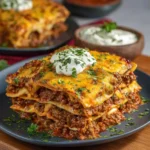
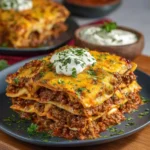
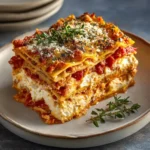
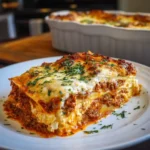
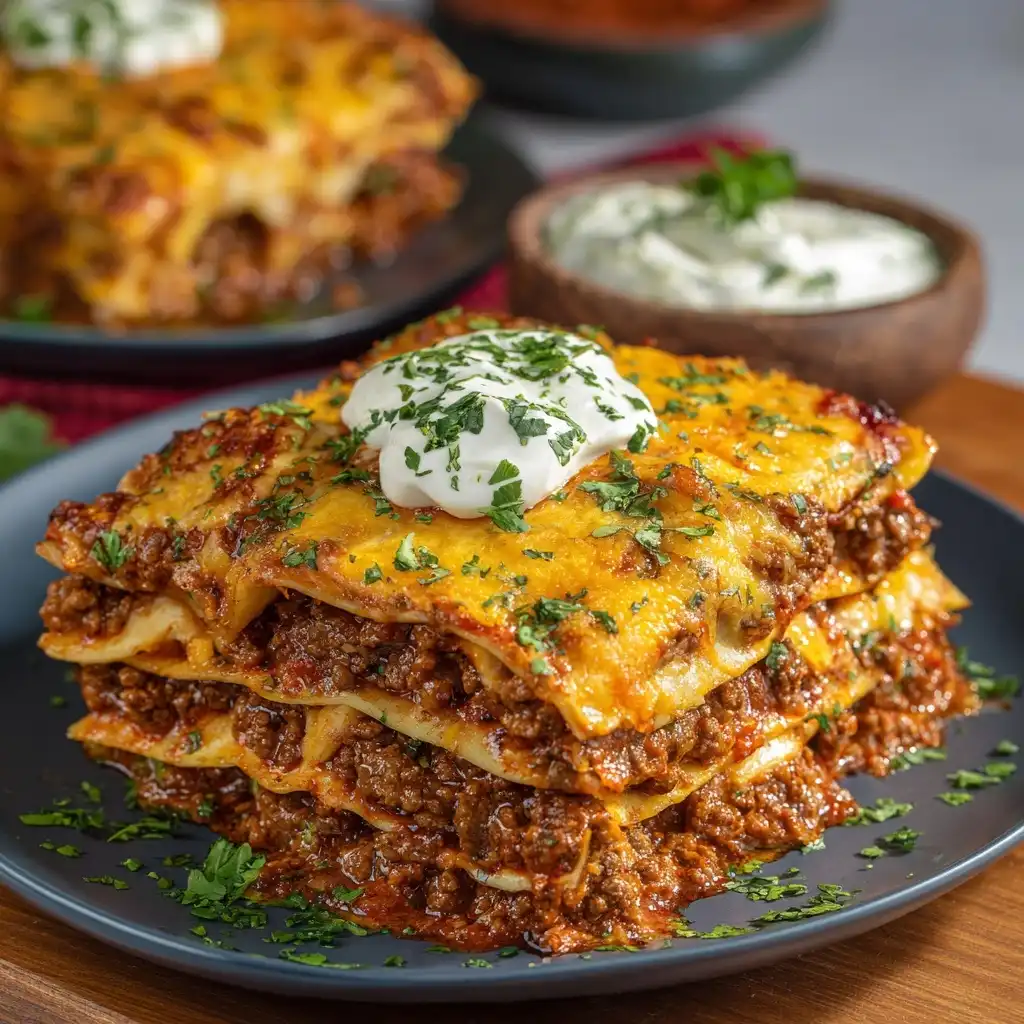
Tex-Mex Beef Lasagna is a bold, vibrant fusion dish that marries the comforting structure of traditional Italian lasagna with the fiery spirit, smoky depth, and zesty brightness of Texan and Mexican culinary traditions. Unlike its European counterpart—often layered with ricotta, mozzarella, and delicate tomato sauce—this hearty casserole swaps out mild cheeses for sharp cheddar and pepper jack, replaces delicate herbs with cumin, chili powder, and fresh cilantro, and infuses every layer with seasoned ground beef, black beans, roasted corn, and tangy verde or enchilada-style sauces. It’s not just dinner—it’s a fiesta in a baking dish: rich yet balanced, spicy but approachable, deeply savory with bright acidic notes, and universally loved by kids and adults alike. Whether served at Sunday family dinners, game-day spreads, potlucks, or weeknight meals with minimal cleanup, Tex-Mex Beef Lasagna delivers maximum flavor, texture, and satisfaction—all while honoring the soulful, resourceful roots of both cuisines.
The History
The origins of Tex-Mex Beef Lasagna are delightfully modern and unapologetically American—a testament to culinary innovation born from cultural cross-pollination. While traditional lasagna traces back to 13th-century Italy (with early mentions in the De honesta voluptate et valetudine cookbook), and Tex-Mex cuisine emerged organically in the borderlands of Texas and Northern Mexico following the 1848 Treaty of Guadalupe Hidalgo, the fusion iteration didn’t appear in mainstream cookbooks until the late 20th century. Early Tex-Mex staples—like chili con carne, enchiladas, and nachos—were already beloved for their robust flavors and crowd-pleasing versatility. As home cooks in the 1970s and ’80s began experimenting with “casseroles” as efficient, oven-baked one-dish meals, lasagna noodles—readily available, structurally sound, and neutral in flavor—became an ideal canvas for Tex-Mex ingredients. Food magazines like Bon Appétit and regional publications such as The Dallas Morning News featured early versions in the 1990s, often calling them “Southwest Lasagna” or “Chili Lasagna.” The dish gained viral traction in the 2010s via Pinterest and food blogs, where layers of refried beans, jalapeños, and melted cheese went viral under hashtags like #TexMexDinner and #FiestaFood. Today, it stands as a proud symbol of culinary hybridity—neither strictly Italian nor purely Mexican, but authentically Texan: adaptable, generous, unpretentious, and deeply flavorful.
Ingredients Breakdown
Every component in Tex-Mex Beef Lasagna serves a distinct functional and sensory purpose—building layers of richness, heat, acidity, creaminess, crunch, and earthiness. Understanding each ingredient’s role empowers you to customize intelligently:
- Lasagna Noodles: Use no-boil (oven-ready) noodles for convenience and optimal texture—they absorb liquid without turning mushy. Traditional boiled noodles work too, but require precise timing and thorough draining to prevent sogginess.
- Ground Beef (85/15 or 90/10): Provides deep umami, protein density, and a satisfying chew. Chuck blend adds richness; leaner cuts keep it lighter. Browning thoroughly (until deeply caramelized, not just gray) unlocks critical Maillard-driven flavor.
- Onion & Garlic: Aromatics foundational to both Italian soffritto and Tex-Mex sofrito. Yellow onions lend sweetness when sautéed; garlic adds pungent warmth—minced finely for even distribution.
- Spice Blend: Cumin (earthy, warm), chili powder (smoky-sweet, often a blend of ancho, guajillo, and cayenne), smoked paprika (for depth and subtle barbecue nuance), dried oregano (Mexican variety preferred—more citrusy than Mediterranean), and cayenne (for adjustable heat). Toasting whole spices before grinding intensifies aroma.
- Tomato Base: Crushed tomatoes (not diced or whole) provide body and acidity without excess water. Some recipes use fire-roasted tomatoes for charred complexity—or even a splash of tomato paste cooked until brick-red for concentrated umami.
- Beans: Black beans (rinsed and drained) add fiber, creamy texture, and visual contrast. Pinto beans or refried beans (mixed into the meat layer) deepen authenticity and binding power.
- Corn: Fresh, frozen (thawed), or canned (well-drained) sweet corn introduces pop, sweetness, and textural relief—especially golden roasted corn for nutty caramelization.
- Green Chiles: Mild yet flavorful roasted green chiles (like Hatch or Anaheim) offer vegetal brightness and gentle heat. For more punch, add minced jalapeños (seeds removed for less heat) or serranos.
- Cheeses: A three-cheese system ensures balance: sharp cheddar (tangy, melty, golden), Monterey Jack (buttery, ultra-creamy, excellent melt), and pepper jack (spicy kick with subtle heat). Ricotta is typically omitted—but if used, blend with lime zest and chipotle for Tex-Mex flair.
- Creamy Element: Sour cream or Mexican crema adds cooling tang and silkiness—folded into cheese layers or swirled on top before baking. Greek yogurt (full-fat) works as a lower-cal alternative with similar tartness.
- Fresh Garnishes: Chopped cilantro (bright, citrusy), sliced radishes (crisp, peppery), pickled red onions (tangy, vivid), avocado or guacamole (buttery richness), and lime wedges (acidic lift) transform the finished dish from hearty to restaurant-worthy.
Step-by-Step Recipe
- Preheat & Prep: Preheat oven to 375°F (190°C). Lightly grease a 9×13-inch baking dish (glass or ceramic preferred for even heating). Gather all ingredients and measure spices precisely—this is not a “pinch-and-hope” recipe.
- Sauté Aromatics: In a large heavy-bottomed skillet or Dutch oven over medium heat, warm 1 tbsp olive oil or avocado oil. Add 1 finely diced yellow onion; cook 4–5 minutes until translucent. Stir in 4 minced garlic cloves and cook 60 seconds until fragrant—do not brown.
- Brown the Beef: Increase heat to medium-high. Add 2 lbs lean ground beef. Break apart with a wooden spoon and cook, stirring occasionally, until deeply browned (8–10 minutes)—no pink remains, and fond develops on the pan bottom. Drain excess fat (leave ~1 tbsp for flavor).
- Bloom the Spices: Reduce heat to medium-low. Stir in 2 tbsp chili powder, 1½ tbsp ground cumin, 1 tsp smoked paprika, 1 tsp dried Mexican oregano, ½ tsp cayenne (adjust to taste), and 1 tsp kosher salt. Cook 2 minutes, stirring constantly—this “blooms” volatile oils and deepens flavor dramatically.
- Build the Sauce Base: Pour in 24 oz (3 cups) crushed tomatoes (preferably fire-roasted), 1 (15 oz) can black beans (rinsed and drained), 1 cup roasted corn kernels, and 1 (4 oz) can diced green chiles (drained). Stir well, scraping up browned bits. Simmer uncovered 8–10 minutes until thickened slightly and fragrant. Remove from heat; cool 5 minutes.
- Prepare Cheese Mixture: In a large bowl, combine 2 cups shredded sharp cheddar, 1½ cups shredded Monterey Jack, 1 cup shredded pepper jack, 1 cup full-fat sour cream, ½ cup chopped fresh cilantro, 1 tsp lime zest, ½ tsp black pepper, and ¼ tsp garlic powder. Mix gently until uniform—do not overwork.
- Layer the Lasagna: Spread ¾ cup of the beef mixture evenly across the bottom of the prepared dish. Place 4 no-boil lasagna noodles side-by-side to cover (they’ll expand). Top with ⅓ of remaining beef mixture, spreading gently. Dollop ⅓ of cheese mixture over beef and spread lightly—don’t press down. Repeat layers twice more (noodles → beef → cheese), ending with a final noodle layer. Top with remaining cheese mixture, spreading smoothly. Optional: sprinkle extra ½ cup cheddar and 2 tbsp crumbled cotija for golden crust.
- Bake Covered: Cover tightly with aluminum foil (tent slightly to prevent cheese sticking). Bake 25 minutes.
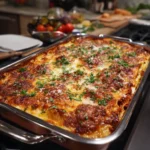
- Bake Uncovered: Remove foil. Continue baking 20–25 minutes until noodles are tender (test with fork at edge), cheese is bubbling vigorously, and edges are golden-brown.
- Rest & Serve: Let stand undisturbed for 20–25 minutes—this is non-negotiable. Resting allows starches to set, prevents sliding layers, and lets cheese reabsorb moisture for clean slices. Garnish generously before serving.
Tips
- Texture Control: If your sauce seems too wet after simmering, stir in 1 tbsp masa harina or cornstarch slurry (1 tsp cornstarch + 1 tbsp cold water) and simmer 2 more minutes. Too thick? Add 2–3 tbsp beef broth or tomato juice.
- No-Boil Noodle Hack: For foolproof tenderness, briefly soak noodles in hot tap water (2–3 minutes) before layering—especially helpful in high-altitude or dry-climate baking.
- Flavor Layering: Sauté spices *after* browning beef—not before—to avoid burning. Also, deglaze the pan with ¼ cup dark beer, bourbon, or apple cider vinegar after browning for incredible depth.
- Cheese Matters: Shred your own cheese—pre-shredded contains anti-caking agents that inhibit melting. Keep cheeses cold before shredding for cleaner cuts.
- Heat Management: For consistent spice, remove jalapeño seeds/membranes (where capsaicin lives). Taste sauce before assembling—remember heat intensifies slightly during baking.
- Make-Ahead Magic: Assemble up to 24 hours ahead, cover tightly, and refrigerate unbaked. Add 10–15 minutes to covered bake time. Or freeze assembled (unbaked) lasagna for up to 3 months—thaw overnight in fridge before baking.
- Crust Perfection: For extra-crispy top, broil 2–3 minutes after baking—watch closely! Or brush top layer with melted butter + chili-lime salt before final uncovered bake.
- Resting Is Ritual: Cutting too soon = soupy, separated layers. Set a timer. Serve with warm flour tortillas for scooping—elevates the experience.
Variations and Customizations
This recipe thrives on personalization. Here are chef-tested, crowd-approved adaptations—each preserving structural integrity while expanding flavor horizons:
- Vegetarian Tex-Mex Lasagna: Replace beef with 2 cups cooked lentils + 1 cup crumbled tempeh or textured vegetable protein (TVP) rehydrated in chipotle adobo. Boost umami with 1 tbsp soy sauce or tamari and 1 tsp nutritional yeast in the sauce.
- Chicken or Turkey Version: Use 2 lbs ground chicken thigh or 93% lean ground turkey. Add 1 tsp ground coriander and ½ tsp allspice for aromatic complexity. Sauté with 1 diced poblano for smoky sweetness.
- Green Chile Enchilada Style: Swap tomato-based sauce for 3 cups homemade or premium green chile enchilada sauce (roasted tomatillo + serrano + garlic base). Use Oaxaca cheese instead of Monterey Jack for stringy melt.
- Breakfast Lasagna: Layer with scrambled eggs mixed with chorizo, roasted potatoes, and queso fresco. Top with a cheese-sour cream blend and bake until set—ideal for holiday brunch.
- Low-Carb/Keto Option: Substitute lasagna noodles with thinly sliced zucchini (salted, pressed, and patted dry) or blanched eggplant ribbons. Thicken sauce with xanthan gum (¼ tsp) and increase cheese ratio for binding.
- Smoky Chipotle Variation: Stir 2 tbsp adobo sauce + 1 minced chipotle into the beef mixture. Add ½ tsp cocoa powder for mole-inspired depth.
- Seafood Fusion: Layer with spiced shrimp and white fish (cod or halibut) sautéed in lime-cilantro butter. Replace black beans with black-eyed peas and top with avocado crema.
- Gluten-Free: Use certified GF no-boil lasagna noodles (brown rice or quinoa-based). Ensure chili powder and spices are GF-certified (cross-contamination risk exists).
- Instant Pot / Pressure Cooker Method: Brown beef and sauté aromatics using Saute mode. Add spices, tomatoes, beans, corn, chiles; pressure cook 5 minutes. Cool, assemble in oven-safe insert, and bake as directed (or use “Keep Warm” + broil function for finishing).
- Potluck Portability: Bake in disposable aluminum pans. Wrap tightly in double foil + insulated carrier. Reheat at venue using warming tray or low oven (250°F for 20 mins).
Health Considerations and Nutritional Value
A single 1-cup serving (approx. 1/12th of a 9×13-inch pan) provides approximately:
- Calories: 420–480 kcal (varies by cheese/fat content)
- Protein: 28–32g (high-quality complete protein from beef + dairy)
- Fiber: 8–10g (from black beans, corn, tomatoes, and whole-grain noodles if substituted)
- Fat: 20–24g (mostly unsaturated from cheese and olive oil; saturated fat ~11g—reduced with part-skim cheeses and lean beef)
- Sodium: 680–850mg (moderate; reduce by using low-sodium tomatoes, beans, and limiting added salt)
- Vitamins & Minerals: Excellent source of iron (beef), calcium (cheese), vitamin C (tomatoes, chiles, lime), folate (black beans), and antioxidants (cumin, paprika, cilantro)
Dietary Adaptations:
- Heart-Healthy: Use 95% lean beef, low-sodium beans/tomatoes, and replace half the cheese with cottage cheese blended with lime juice and herbs. Add spinach (chopped, sautéed, and squeezed dry) for extra nutrients.
- Diabetic-Friendly: Focus on low-glycemic carbs: swap noodles for roasted butternut squash ribbons or shirataki noodles. Monitor portion size (¾ cup max) and pair with leafy green salad dressed in lime vinaigrette.
- Dairy-Free: Use cashew-based “queso” (soaked cashews + roasted red peppers + chipotle + nutritional yeast) and coconut-based sour cream. Vegan cheese shreds (Miyoko’s or Violife) melt surprisingly well.
- Anti-Inflammatory Boost: Add turmeric (¼ tsp) with black pepper to spice blend, include ¼ cup chopped kale in cheese mixture, and garnish with pumpkin seeds (magnesium + zinc).
- Allergen Notes: Naturally nut-free and egg-free. Contains gluten (unless GF noodles used) and dairy. Always verify spice blend labels for hidden allergens (e.g., wheat fillers).
Ingredients
- 2 tablespoons olive oil or avocado oil
- 1 large yellow onion, finely diced (about 1½ cups)
- 4 cloves garlic, minced
- 2 pounds 85/15 ground beef (or 90/10 for leaner option)
- 2 tablespoons chili powder (ancho-based preferred)
- 1½ tablespoons ground cumin
- 1 teaspoon smoked paprika
- 1 teaspoon dried Mexican oregano
- ½ teaspoon cayenne pepper (adjust to heat preference)
- 1 teaspoon kosher salt (plus more to taste)
- ½ teaspoon freshly ground black pepper
- 24 ounces crushed tomatoes (fire-roasted recommended)
- 1 (15-ounce) can black beans, rinsed and drained
- 1 cup roasted corn kernels (fresh, frozen/thawed, or canned/drained)
- 1 (4-ounce) can diced green chiles, drained (Hatch or Anaheim)
- 12 no-boil lasagna noodles (regular or whole wheat)
- 2 cups shredded sharp cheddar cheese
- 1½ cups shredded Monterey Jack cheese
- 1 cup shredded pepper jack cheese
- 1 cup full-fat sour cream (or Mexican crema)
- ½ cup finely chopped fresh cilantro
- 1 teaspoon finely grated lime zest
- ¼ teaspoon garlic powder
- Optional toppings: sliced radishes, pickled red onions, avocado slices, crumbled cotija, lime wedges, extra cilantro
Directions
- Preheat oven to 375°F (190°C). Lightly grease a 9×13-inch baking dish.
- In a large skillet or Dutch oven over medium heat, warm olive oil. Add diced onion and sauté until soft and translucent, about 4–5 minutes. Stir in minced garlic and cook 1 minute until fragrant.
- Increase heat to medium-high. Add ground beef. Cook, breaking it apart with a wooden spoon, until fully browned and no pink remains (8–10 minutes). Drain excess fat, leaving about 1 tablespoon in the pan.
- Reduce heat to medium-low. Stir in chili powder, cumin, smoked paprika, oregano, cayenne, salt, and black pepper. Cook 2 minutes, stirring constantly to toast spices.
- Pour in crushed tomatoes, black beans, roasted corn, and green chiles. Stir well, scraping up any browned bits. Simmer uncovered for 8–10 minutes, until mixture thickens slightly. Remove from heat and let cool for 5 minutes.
- In a large bowl, combine cheddar, Monterey Jack, pepper jack, sour cream, cilantro, lime zest, and garlic powder. Mix until evenly combined—do not overmix.
- Spoon ¾ cup of the cooled beef mixture into the bottom of the prepared baking dish, spreading evenly.
- Place 4 no-boil lasagna noodles over the sauce, overlapping slightly if needed to cover completely.
- Spoon one-third of the remaining beef mixture over noodles and spread gently. Dollop one-third of the cheese mixture on top and spread lightly.
- Repeat layering two more times: noodles → beef → cheese mixture.
- Top with a final layer of noodles. Spread remaining cheese mixture evenly over the top. Optional: sprinkle with extra shredded cheddar and crumbled cotija.
- Cover tightly with aluminum foil (tent slightly to prevent cheese from sticking). Bake for 25 minutes.
- Remove foil and bake uncovered for 20–25 minutes, until noodles are tender when pierced with a fork, cheese is golden and bubbling, and edges are crisp.
- Let rest for 20–25 minutes before cutting. This step ensures clean, intact layers and optimal texture.
- Garnish generously with fresh cilantro, sliced radishes, pickled red onions, avocado, and lime wedges. Serve warm.
FAQ
- Can I make this lasagna ahead of time?
- Absolutely. Assemble up to 24 hours in advance, cover tightly with plastic wrap and foil, and refrigerate unbaked. Add 10–15 minutes to the covered bake time. For longer storage, freeze assembled (unbaked) lasagna for up to 3 months—thaw overnight in the refrigerator before baking.
- Why do I need to let it rest before serving?
- Resting allows the starches in the noodles to fully hydrate and set, the cheese proteins to re-coagulate, and excess steam to dissipate. Skipping this results in sloppy, soupy layers that slide apart instead of holding their shape. Twenty minutes is ideal—set a timer!
- Can I use regular boiled lasagna noodles instead of no-boil?
- Yes—but adjust technique. Boil noodles until al dente (1–2 minutes less than package directs), drain well, rinse with cold water, and lay flat on parchment to prevent sticking. Layer immediately to avoid drying. You may need to reduce sauce liquid slightly (simmer 2–3 minutes longer) since boiled noodles release less moisture.
- My lasagna turned out watery—what went wrong?
- Common causes: excess moisture in beans/corn (always drain/rinse thoroughly), under-simmered sauce (needs thickening before layering), over-layered sour cream (use full-fat, not low-fat or whipped), or skipping the rest period. Next time, blot corn with paper towels and simmer sauce until it coats the back of a spoon.
- How spicy is this recipe—and how can I control heat?
- With ½ tsp cayenne and green chiles, it’s moderately spicy (Scoville ~1,500–2,500 units)—approachable for most. To reduce: omit cayenne, use mild green chiles only, and remove jalapeño seeds. To increase: add 1 minced serrano or ½ tsp chipotle powder to sauce.
- Can I substitute the cheeses?
- Yes—with attention to melt and flavor. Queso blanco offers mild saltiness but doesn’t melt well alone—blend with Jack. Asadero or Chihuahua cheese melts beautifully and adds authentic Mexican character. Avoid aged cheeses like Parmesan in layers (too granular); reserve for garnish.
- Is there a way to make it gluten-free?
- Yes. Use certified gluten-free no-boil lasagna noodles (brands like Barilla GF or DeBoles Brown Rice). Verify all spices, canned goods, and broth are GF-certified. Note: GF noodles may require slightly more liquid—add 2 tbsp broth to sauce if needed.
- What sides pair best with Tex-Mex Beef Lasagna?
- Keep it balanced: a crisp green salad with lime-cilantro vinaigrette, Mexican street corn (elote), black bean & mango salsa, warm flour or corn tortillas, and chilled horchata or agua fresca. For lighter fare, roasted zucchini or jicama sticks with Tajín.
- Can I freeze leftovers?
- Yes—individual portions freeze exceptionally well. Cool completely, wrap tightly in freezer-safe wrap + foil, and freeze up to 2 months. Thaw overnight in fridge, then reheat covered at 350°F for 20–25 minutes, uncovering last 5 minutes to crisp top.
- Why does my cheese layer look greasy or separate?
- Overheating or using low-fat dairy causes separation. Always use full-fat sour cream and freshly shredded cheese. Avoid stirring cheese mixture excessively. If reheating, add a splash of milk or broth and stir gently over low heat.
Summary
Tex-Mex Beef Lasagna is a masterclass in bold, harmonious fusion—uniting Italian structure with Southwestern soul through layers of smoky-spiced beef, creamy pepper jack and cheddar, roasted corn, black beans, and zesty green chiles—all bound by no-boil noodles and crowned with vibrant, cooling garnishes.
It’s endlessly customizable, nutritionally robust, make-ahead friendly, and guaranteed to turn any ordinary weeknight into a festive, flavor-forward celebration—proving that tradition isn’t static, but a living, evolving, delicious conversation across borders and generations.