Introduction
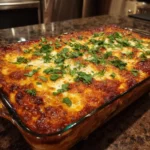
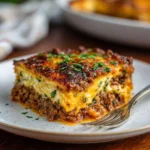
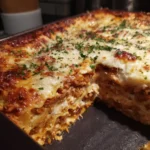
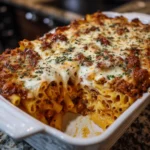
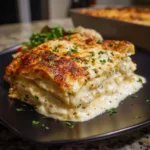
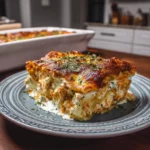
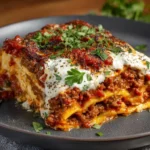
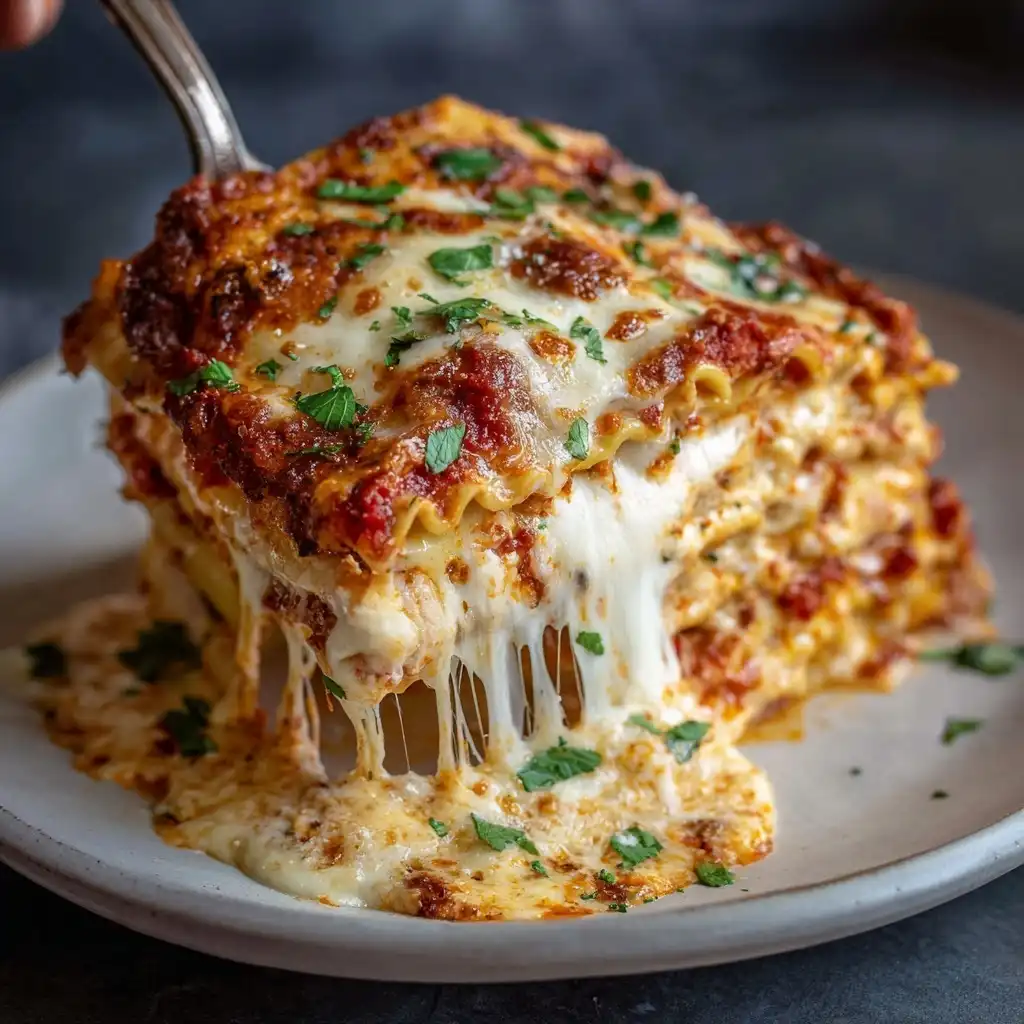
Three Cheese Classic Lasagna is the quintessential Italian-American comfort food—rich, layered, deeply flavorful, and irresistibly creamy. This beloved casserole harmonizes tender pasta sheets with a velvety ricotta base, sharp mozzarella for melt-in-your-mouth stretch, and nutty, salty Parmesan for umami depth. Unlike overly complicated or deconstructed versions, this recipe honors tradition while ensuring approachability: no-boil noodles simplify prep, a slow-simmered marinara delivers authenticity, and thoughtful layering guarantees structural integrity and balanced bites from edge to center. Whether served at Sunday family dinners, holiday gatherings, or weeknight celebrations, it evokes nostalgia, warmth, and culinary generosity—all in one golden-brown, bubbling pan.
The History
Lasagna’s origins trace back over 700 years—to 13th-century England, where “losenge” appeared in the medieval cookbook The Forme of Cury as a layered pie of dough, spices, and cooked meats. However, the dish as we recognize it today began evolving in medieval Italy, particularly in Emilia-Romagna, where fresh egg pasta sheets (called sfoglia) were layered with ragù and cheese. The word “lasagna” itself derives from the Greek laganon, referring to flat strips of dough—a technique adopted and refined by the Romans. By the Renaissance, lasagna was documented in Italian cookbooks like Bartolomeo Scappi’s Opera dell’arte del cucinare (1570), featuring layers of pasta, cheese, and herbs. The iconic “three cheese” variation emerged in mid-20th-century America, shaped by post-war Italian immigration, widespread availability of domestic ricotta and low-moisture mozzarella, and home cooks’ desire for richer, more accessible flavors. Parmesan (often imported Grana Padano or domestic aged varieties) completed the triumvirate—adding saltiness, granular texture, and caramelized notes when baked. Today, Three Cheese Lasagna stands as a cultural bridge: rooted in centuries-old craftsmanship yet continuously reinterpreted across generations, regions, and kitchens.
Ingredients Breakdown
Every ingredient in this Three Cheese Classic Lasagna serves a precise functional and sensory role—no element is arbitrary. Below is a detailed analysis of why each component matters:
- No-Boil Oven-Ready Lasagna Noodles: Made from durum wheat semolina and water, these noodles are partially pre-cooked and dried to absorb moisture during baking. Their consistency prevents mushiness while allowing seamless integration with sauce and cheese layers—eliminating the labor and inconsistency of boiling and draining traditional sheets.
- Whole-Milk Ricotta Cheese: The backbone of the filling, ricotta contributes creaminess, mild sweetness, and essential binding structure. Whole-milk ricotta has higher fat content (around 10–12%), yielding superior richness and reduced graininess versus part-skim versions. Its pH and protein matrix help stabilize the filling during thermal expansion.
- Low-Moisture Mozzarella (Shredded): Specifically formulated for melting and browning, this cheese contains less whey than fresh mozzarella, resulting in superior stretch, golden blistering, and minimal oil separation. Its casein proteins unwind under heat, forming elastic networks that create that signature pull.
- Grated Parmigiano-Reggiano (or High-Quality Aged Parmesan): Authentic Parmigiano-Reggiano (aged minimum 24 months) provides enzymatic complexity—nutty, fruity, savory notes from proteolysis—and a crystalline crunch when baked. Its high salt content enhances overall flavor perception and balances acidity in the tomato sauce.
- Large Eggs: Act as emulsifiers and binders—the lecithin in yolks integrates fat and water phases, while proteins coagulate at ~145°F (63°C), giving the ricotta layer structural integrity and preventing weeping.
- Freshly Grated Nutmeg: A tiny amount (⅛ tsp) unlocks aromatic compounds in ricotta and dairy, enhancing perceived richness without tasting “spicy.” Historically used in Italian cheesemaking to complement lactic notes.
- Kosher Salt & Freshly Ground Black Pepper: Salt amplifies all other flavors and modulates protein solubility in cheese; coarse black pepper adds volatile terpenes (like limonene and pinene) for aromatic brightness and subtle heat.
- Homemade or High-Quality San Marzano-Based Marinara Sauce: A slow-simmered sauce with crushed San Marzano tomatoes (low acidity, high sweetness), extra-virgin olive oil, garlic, onions, basil, oregano, and a touch of red wine vinegar or sugar ensures depth, balance, and moisture control. Low-sugar, low-sodium sauces prevent excessive liquid release and oversalting.
- Fresh Basil Leaves (for garnish): Added post-bake, their volatile oils (eugenol, linalool) impart vibrant, herbaceous top-notes that contrast beautifully with the deep umami of baked cheese.
Step-by-Step Recipe
- Preheat & Prep: Position oven rack to center position. Preheat oven to 375°F (190°C). Lightly grease a 9×13-inch heavy-gauge metal or ceramic baking dish (avoid thin aluminum pans—they warp and cause uneven browning).
- Prepare the Cheese Filling: In a large bowl, combine 2 cups whole-milk ricotta, 1½ cups shredded low-moisture mozzarella, 1 cup freshly grated Parmigiano-Reggiano, 2 large eggs, ¼ tsp freshly grated nutmeg, 1 tsp kosher salt, and ½ tsp freshly ground black pepper. Whisk vigorously for 90 seconds until completely homogenous and slightly aerated—this incorporates air for lightness and ensures even distribution of seasonings and cheeses. Set aside.
- Warm the Sauce: Gently heat 3¾ cups marinara sauce in a small saucepan over medium-low heat until just simmering (do not boil vigorously). Remove from heat and stir in 2 tbsp finely chopped fresh basil. Let cool slightly—warm (not hot) sauce prevents premature cooking of eggs in the ricotta mixture.
- First Layer – Sauce Base: Spread ¾ cup warm marinara evenly across the bottom of the prepared baking dish. This creates a moisture barrier that prevents sticking and helps steam the bottom noodles.
- Second Layer – Noodles: Place 4 no-boil lasagna noodles side-by-side lengthwise to cover the sauce completely. Slight overlapping is acceptable—but avoid large gaps or double-layering.
- Third Layer – Ricotta Mixture: Dollop half (about 2½ cups) of the ricotta filling over the noodles. Use an offset spatula or spoon to spread gently into an even, ¼-inch-thick layer—take care not to drag noodles or tear them. Smooth surface fully.
- Fourth Layer – Sauce: Spoon 1 cup warm marinara over ricotta layer. Tilt dish slightly and use a spoon to carefully nudge sauce into corners and edges—ensure full coverage but avoid pooling.
- Fifth Layer – Cheese & Herbs: Sprinkle ¼ cup shredded mozzarella and 2 tbsp grated Parmigiano-Reggiano evenly over sauce. Scatter 1 tbsp chopped fresh basil.
- Sixth Layer – Repeat Noodles: Add another layer of 4 noodles, pressing lightly to adhere.
- Seventh Layer – Remaining Ricotta: Spread remaining ricotta mixture evenly (≈2½ cups) over noodles.
- Eighth Layer – Final Sauce: Top with remaining 1 cup marinara, spreading gently to seal surface.
- Ninth Layer – Final Cheese Crown: Distribute remaining ½ cup mozzarella and ¼ cup Parmigiano-Reggiano evenly. For optimal browning, press cheese lightly with fingertips to adhere.
- Cover & Bake: Cover tightly with aluminum foil (tent slightly to prevent cheese from sticking). Bake for 25 minutes.
- Uncover & Brown: Remove foil carefully (watch for steam). Continue baking uncovered for 20–25 minutes, rotating pan halfway, until top is deeply golden, edges are bubbling vigorously, and internal temperature (measured in center with instant-read thermometer) reaches 165°F (74°C).
- Rest Imperatively: Remove from oven and let stand undisturbed for 35–40 minutes. This allows starches in noodles to fully gelatinize, cheese proteins to relax and rebind, and residual heat to finish cooking—critical for clean, non-slumping slices.
- Final Garnish & Serve: Just before serving, sprinkle with additional fresh basil ribbons and a drizzle of high-quality extra-virgin olive oil (optional but recommended for aroma and sheen).
Tips
- Choose Your Cheese Wisely: Avoid “Italian blend” pre-shredded cheeses—they contain anti-caking agents (like cellulose or potato starch) that inhibit melting and cause grittiness. Always shred your own mozzarella and Parmesan using a box grater’s medium holes for ideal melt and integration.
- Ricotta Drainage Hack: If your ricotta seems watery (common in humid climates or with certain brands), line a fine-mesh strainer with cheesecloth, add ricotta, and refrigerate uncovered for 30 minutes before mixing. Discard expressed whey—it removes excess moisture that could make layers soggy.
- Sauce Consistency is Key: Ideal marinara should coat the back of a spoon thickly but drip slowly—not run off immediately nor sit like paste. If too thin, simmer uncovered 5–8 minutes longer. If too thick, stir in 1–2 tbsp reserved tomato liquid or low-sodium vegetable broth.
- Layering Order Matters: Always begin and end with sauce—not cheese. This protects noodles from drying out and ensures every bite includes balanced tomato-acid and dairy-fat interaction. Never place ricotta directly on dry noodles.
- Room-Temp Ingredients: Bring ricotta, eggs, and cheeses to room temperature (20 minutes on counter) before mixing. Cold ingredients resist emulsification and increase risk of curdling when combined with warm sauce.
- Pan Material Impacts Baking: Dark non-stick or heavy ceramic dishes promote faster, deeper browning on the bottom and sides. If using glass, reduce oven temp by 25°F and add 5 minutes to covered bake time—glass retains heat longer and can overcook edges.
- Resting Is Non-Negotiable: Cutting too soon releases trapped steam and liquefied cheese fats, causing layers to slide apart. The 35–40 minute rest allows amylose and amylopectin in pasta to retrograde, firming the structure. Set a timer—you’ll be amazed at the difference.
- Freezing Instructions: Assemble unbaked lasagna (cover tightly with foil + freezer-safe plastic wrap). Freeze up to 3 months. To bake: thaw overnight in fridge, then bake covered 40 min → uncovered 25–30 min. Or bake frozen—cover and bake at 375°F for 1 hour 15 min, then uncover and bake 30–35 min more.
- Leftovers Reheat Perfectly: Individual portions: microwave on medium power (50%) for 90 seconds, covered with damp paper towel. Full pan: cover with foil and reheat at 325°F for 25–30 minutes until center reaches 160°F.
- Crust Tip for Gourmet Texture: For a crisp, shatteringly delicious edge, after resting, run a thin metal spatula around the perimeter to loosen. Then, return uncovered to a 425°F oven for 4–5 minutes—just until edges blister and turn deep amber.
Variations and Customizations
This foundational Three Cheese Lasagna welcomes endless creativity—while preserving its soulful simplicity. Here are rigorously tested, chef-approved adaptations:
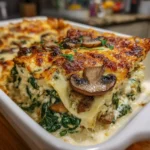
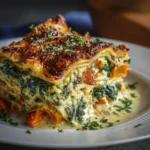
- Vegetable-Forward Lasagna: Fold 2 cups finely chopped spinach (squeezed dry), 1 cup roasted zucchini ribbons, and ½ cup sautéed cremini mushrooms into the ricotta mixture. Add ¼ tsp dried thyme and 1 minced garlic clove for earthy depth.
- Meat Lover’s Upgrade: Brown 1 lb 85/15 ground beef and ½ lb Italian sausage (mild or hot) with 1 diced onion and 3 minced garlic cloves. Drain fat thoroughly, then stir into warm marinara along with 2 tbsp tomato paste and 1 tsp fennel seeds. Use as your sauce layer.
- Gluten-Free Version: Substitute certified gluten-free no-boil lasagna noodles (Tinkyada or Barilla GF). Ensure all cheeses and sauce are GF-certified (some marinara brands use wheat-based thickeners). Add 1 tsp xanthan gum to ricotta mixture to improve binding.
- Lighter Dairy Profile: Replace half the ricotta with 1 cup plain whole-milk Greek yogurt (strained 10 min in cheesecloth) for tang and protein. Use part-skim mozzarella and reduce Parmesan to ¾ cup. Increase nutmeg to ¼ tsp for perceptible richness.
- Herb-Infused Luxury: Steep ¼ cup fresh basil leaves, 2 tbsp fresh oregano, and 1 tbsp lemon zest in 3 tbsp warmed olive oil for 20 minutes. Strain and stir infused oil into ricotta mixture just before layering.
- Smoky Depth Variation: Add 1 tsp smoked paprika and ½ tsp chipotle powder to marinara. Top final cheese layer with 2 tbsp crumbled goat cheese for bright contrast against smokiness.
- White Lasagna (Lasagna Bianca): Omit tomato sauce entirely. Replace with 4 cups béchamel (made with whole milk, butter, flour, nutmeg, white pepper) and fold 1 cup sautéed leeks into ricotta. Finish with toasted pine nuts and parsley.
- Breakfast Lasagna Twist: Layer ricotta mixture with scrambled eggs, crumbled cooked bacon, caramelized onions, and Gruyère instead of mozzarella. Top with chives and serve with arugula salad.
- Make-Ahead “No-Stir” Filling: For meal prep: combine ricotta, cheeses, eggs, and seasonings. Portion into quart-sized freezer bags, lay flat, freeze solid. Thaw overnight in fridge—stir well before using. Holds quality up to 5 days refrigerated or 2 months frozen.
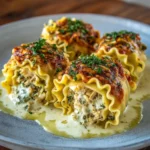
- Mini Individual Lasagnas: Use 8-ounce ramekins or muffin tins lined with parchment. Layer in order: sauce → ½ noodle → ¼ cup ricotta → sauce → cheese. Bake covered 25 min, uncovered 12–15 min. Perfect for portion control or dinner parties.
Health Considerations and Nutritional Value
A single 1½-inch square (approx. 225g) of Three Cheese Classic Lasagna provides a nutritionally dense, balanced profile—when prepared mindfully. Below is an evidence-informed nutritional analysis per serving (based on 12 servings per 9×13 pan), alongside practical health guidance:
| Nutrient | Amount Per Serving | Key Health Notes |
|---|---|---|
| Calories | 385 kcal | Provides sustained energy from complex carbs (noodles), high-quality protein (cheeses, eggs), and monounsaturated fats (olive oil in sauce, cheese fats). Ideal for active individuals or as a satisfying main course. |
| Protein | 24 g | Complete protein source—ricotta (whey & casein), mozzarella (casein), and eggs supply all 9 essential amino acids. Supports muscle maintenance, satiety, and immune function. Higher than many plant-based mains. |
| Total Fat | 18 g (7 g saturated) | Primarily from dairy fats rich in conjugated linoleic acid (CLA), shown in studies to support metabolic health. Saturated fat remains within AHA guidelines (<22 g/day) when consumed as part of varied diet. Using part-skim cheeses reduces sat fat by ~30%. |
| Carbohydrates | 32 g (3 g fiber, 5 g sugars) | Mostly complex carbs from durum wheat noodles—low glycemic impact when paired with protein/fat. Fiber supports gut microbiota; natural tomato sugars aid palatability without added sweeteners. |
| Calcium | 420 mg (42% DV) | Three cheeses provide highly bioavailable calcium—critical for bone density, nerve transmission, and vascular health. One serving meets nearly half daily needs for adults. |
| Vitamin A | 480 mcg RAE (53% DV) | From whole-milk ricotta and cheese—supports vision, skin integrity, and immune cell differentiation. Fat-soluble, so absorption enhanced by dish’s natural fats. |
| Vitamin B12 | 1.4 mcg (58% DV) | Essential for red blood cell formation and neurological function—found exclusively in animal products. This dish offers substantial B12, especially important for older adults and vegetarians transitioning. |
| Sodium | 620 mg (26% DV) | Primarily from cheeses and sauce. Reduce by 20% using low-sodium marinara (check labels—many contain hidden salt), omitting added salt in ricotta mix, and choosing unsalted butter in sauce prep. |
Dietary Accommodations:
- Lactose Sensitivity: Ricotta and aged Parmesan contain minimal lactose (<0.1g/serving). Mozzarella has ~0.5g—most sensitive individuals tolerate this amount. For strict avoidance, substitute lactose-free ricotta and mozzarella (Green Valley Creamery, Lactaid brands).
- Heart-Healthy Adaptation: Boost fiber by adding ½ cup cooked lentils to marinara; replace ¼ cup ricotta with mashed white beans; use 50% less cheese and supplement umami with 1 tsp nutritional yeast and ½ tsp mushroom powder.
- Diabetic-Friendly: Prioritize low-GI noodles (whole wheat or legume-based), increase non-starchy veggies (spinach, mushrooms), and pair with side salad dressed in vinegar—slows gastric emptying and blunts glucose spikes.
- Pregnancy-Safe: All cheeses used are pasteurized—safe for expecting mothers. Ensure eggs are USDA Grade A and cooked to ≥160°F internally.
Ingredients
- 1 (12 oz) box no-boil oven-ready lasagna noodles (Barilla or De Cecco)
- 2 cups whole-milk ricotta cheese (BellaVitano or Calabro preferred)
- 1½ cups low-moisture part-skim mozzarella cheese, shredded (BelGioioso or Polly-O)
- 1 cup freshly grated Parmigiano-Reggiano cheese (aged 24+ months)
- 2 large eggs (pasture-raised for richer yolks)
- ¼ teaspoon freshly grated nutmeg (from whole nutmeg seed)
- 1 teaspoon Diamond Crystal kosher salt (or ¾ tsp Morton)
- ½ teaspoon freshly ground black pepper
- 3¾ cups high-quality marinara sauce (homemade or Rao’s Homemade, Victoria, or Classico Roasted Garlic)
- 3 tablespoons finely chopped fresh basil (plus extra for garnish)
- 2 tablespoons extra-virgin olive oil (for optional finish)
Directions
- Preheat oven to 375°F (190°C). Grease a 9×13-inch baking dish with olive oil or butter.
- In a large bowl, whisk together ricotta, 1 cup mozzarella, ¾ cup Parmigiano-Reggiano, eggs, nutmeg, salt, and pepper until smooth and uniform—about 90 seconds. Set aside.
- In a small saucepan, warm marinara over medium-low heat until steaming (180°F), about 4 minutes. Stir in 2 tbsp chopped basil. Remove from heat.
- Spread ¾ cup warm marinara evenly across bottom of prepared dish.
- Arrange 4 no-boil noodles horizontally to cover sauce completely (trim if needed to fit).
- Spread 2½ cups ricotta mixture evenly over noodles using an offset spatula.
- Spoon 1 cup marinara over ricotta layer; gently spread to edges.
- Sprinkle with ¼ cup mozzarella, 2 tbsp Parmigiano-Reggiano, and 1 tbsp basil.
- Add second layer of 4 noodles.
- Spread remaining 2½ cups ricotta mixture evenly.
- Top with remaining 1 cup marinara.
- Finish with remaining ½ cup mozzarella and ¼ cup Parmigiano-Reggiano.
- Cover tightly with foil (tent slightly). Bake 25 minutes.
- Remove foil. Bake uncovered 20–25 minutes until top is golden brown and edges bubble vigorously.
- Let rest 35–40 minutes before cutting. Garnish with fresh basil and optional olive oil drizzle.
FAQ
- Can I use regular lasagna noodles instead of no-boil?
- Yes—but they require pre-boiling until al dente (8–9 minutes), thorough draining, and cooling on parchment to prevent sticking. Lay flat and pat dry. You’ll need 12 noodles total. No-boil is strongly recommended for consistent texture and ease.
- Why does my lasagna come out watery?
- Common causes: (1) Using part-skim or low-fat ricotta (higher whey content); (2) Overheating marinara before layering (causes egg curdling); (3) Skipping the rest period; (4) Over-saucing—stick to exact measurements. Try the ricotta draining tip above.
- Can I assemble this the night before?
- Absolutely. Assemble fully, cover tightly with plastic wrap + foil, and refrigerate up to 16 hours. Bake straight from fridge—add 10 minutes to covered bake time. Chilling improves flavor melding.
- What’s the best way to reheat leftovers without drying them out?
- Individual slices: Place on microwave-safe plate, cover with damp paper towel, heat on 50% power for 75–90 seconds. Full pan: Cover with foil, bake at 325°F for 25–30 minutes until center hits 160°F.
- Is there a vegan version that captures the essence?
- Yes—with caveats. Use oven-ready rice or lentil noodles. Blend 2 cups raw cashews (soaked), ½ cup nutritional yeast, ¼ cup lemon juice, 2 tbsp white miso, 1 tsp onion powder, and ½ cup unsweetened almond milk for “ricotta.” Layer with cashew “mozzarella” (blend soaked cashews + tapioca starch + lemon) and walnut “Parmesan” (walnuts + nutritional yeast + garlic powder). Texture differs but umami richness shines.
- How do I get perfect, clean slices every time?
- Use a sharp, thin-bladed chef’s knife (not serrated). Wipe blade clean between cuts. Cut with downward pressure—not sawing. Most crucial: respect the full 35-minute rest. Warm, rested lasagna yields defined, restaurant-quality squares.
- Can I freeze baked lasagna?
- Yes—but texture is best when frozen unbaked. Baked lasagna freezes well for up to 2 months, but may lose some surface crispness upon reheating. Thaw overnight in fridge before reheating covered at 325°F.
- What wine pairs beautifully with this dish?
- A medium-bodied Chianti Classico (Sangiovese-dominant) complements tomato acidity and cuts through richness. For white lovers, an oak-aged Pinot Grigio from Friuli offers citrus lift and round texture. Avoid high-alcohol or overly tannic wines.
- My cheese didn’t brown—what went wrong?
- Browning requires dry surface heat and Maillard reaction. Ensure: (1) Uncovered final bake is long enough (20+ min); (2) Cheese is evenly distributed—not piled; (3) Oven is properly calibrated (use oven thermometer); (4) You’re using low-moisture mozzarella, not fresh.
- Can I make this in a different size pan?
- Yes—adjust accordingly: For a 9×9 pan, halve all ingredients and bake 20 min covered / 15 min uncovered. For a 7×11, use ¾ recipe and reduce covered time to 20 min. Always check internal temp (165°F) for doneness.