Introduction
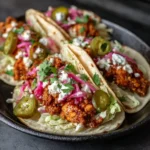
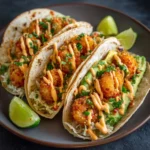
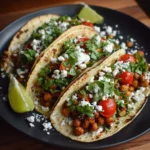
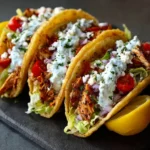
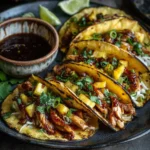
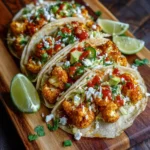
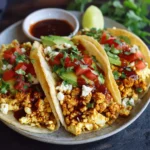
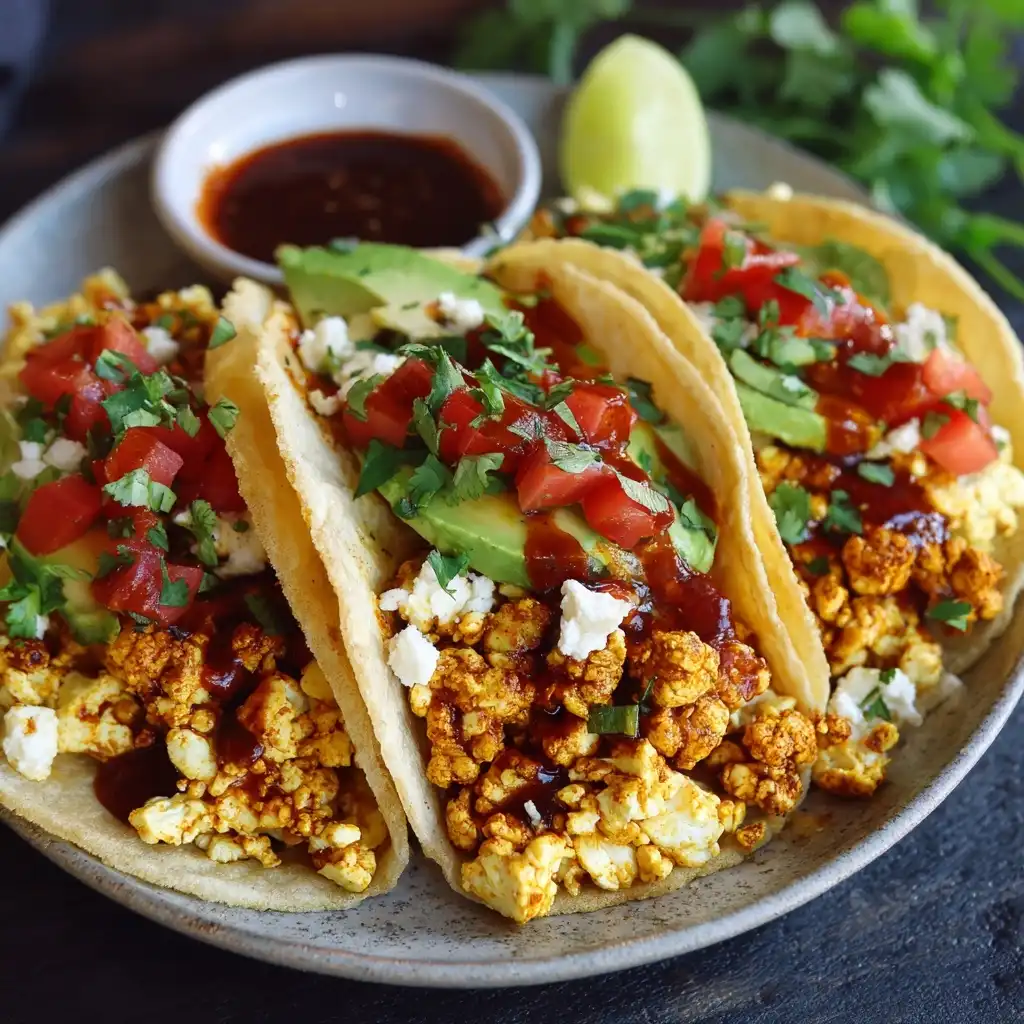
Craving bold, smoky, and deeply savory plant-based tacos that satisfy even the most devoted carnivore? Look no further than Tofu Sofritas Tacos — a vibrant, protein-rich, and culturally inspired dish that reimagines the beloved Mexican sofrito technique through a compassionate, whole-foods lens. Unlike traditional meat-based sofritas (which often use shredded beef or pork), this innovative version transforms extra-firm tofu into tender, crumbled morsels that absorb layers of complex flavor: chipotle heat, cumin earthiness, oregano’s herbal lift, garlic’s pungency, and the subtle sweetness of roasted tomatoes and onions. Born from the fusion of Mexican culinary tradition and modern plant-based innovation, Tofu Sofritas Tacos are more than just a meal—they’re a celebration of texture, aroma, and intentionality. Whether you’re vegan, vegetarian, flexitarian, or simply exploring meatless Mondays with gusto, these tacos deliver restaurant-quality depth and satisfaction in under 45 minutes—no specialty ingredients required, just heart, heat, and a well-seasoned skillet.
The History
The origin story of “sofritas” as a named menu item is relatively recent—but its roots run deep through centuries of Mesoamerican and Spanish-influenced cooking. In traditional Mexican cuisine, *sofrito* (a term borrowed from Spanish and widely used across Latin America) refers to a foundational aromatic base—typically sautéed onions, garlic, peppers, and tomatoes—that forms the soul of stews, beans, rice dishes, and sauces. While not a standalone dish historically, regional variations like *sofrito de tomate* (tomato-based) in Veracruz or *sofrito puertorriqueño* (with culantro and ají dulce) highlight how essential this technique is to flavor architecture. The modern, branded “Sofritas” emerged prominently in 2013 when Chipotle Mexican Grill launched it as their first official vegan protein option—a move hailed as a watershed moment for mainstream plant-based dining. Though Chipotle’s version uses braised, spiced organic tofu, its inspiration draws unmistakably from Oaxacan *tasajo* (thinly sliced, dried beef) preparations and Yucatecan *cochinita pibil*-adjacent slow-cooked techniques—reinterpreted for speed, scalability, and ethical sourcing. Since then, home cooks and chefs alike have reclaimed and redefined sofritas beyond corporate kitchens: emphasizing whole-food integrity, reducing sodium and oil, incorporating fermented elements like adobo or miso, and honoring Indigenous ingredients such as heirloom chiles, native corn tortillas, and foraged epazote. Tofu Sofritas Tacos, therefore, sit at a powerful intersection: ancestral wisdom meets contemporary values—respecting land, labor, lineage, and life.
Ingredients Breakdown
Every ingredient in this Tofu Sofritas recipe serves a precise functional and sensory role—no filler, no afterthoughts. Let’s explore them in detail:
- Extra-Firm Organic Tofu (16–18 oz block): Chosen for its dense, low-moisture structure that crisps beautifully and holds marinade without turning mushy. Pressing is non-negotiable—it removes excess water so the tofu becomes a flavor sponge rather than a bland sponge. Bonus: organic ensures no GMO soy and supports regenerative farming practices.
- Chipotle Peppers in Adobo Sauce (2–3 peppers + 1 tbsp sauce): Smoked, dried jalapeños rehydrated in tangy, sweet-spicy adobo (vinegar, garlic, tomato paste, spices). They provide triple-threat impact: smokiness (from slow wood-fire roasting), heat (capsaicin), and umami depth (via fermentation and caramelized sugars). Reserve extra adobo for future marinades or dressings!
- Fire-Roasted Diced Tomatoes (½ cup, undrained): Adds brightness, acidity, and natural pectin for gentle thickening. Fire-roasting intensifies sweetness and adds char notes—mimicking the caramelization you’d get from grilling fresh tomatoes. Opt for BPA-free cans or jarred versions with no added sugar or citric acid.
- Yellow or White Onion (½ medium, finely diced): Provides sharp allium backbone and textural contrast. Yellow onions offer balanced sweetness and bite; white onions bring brighter, crisper notes ideal for raw garnishes later.
- Garlic (4 large cloves, minced): Fresh garlic—not powder—is essential. Its sulfur compounds transform during sautéing into rich, nutty, almost buttery notes. Mince finely to ensure even distribution and prevent bitter burnt bits.
- Ground Cumin (1½ tsp, toasted): Toasting whole cumin seeds in a dry pan before grinding unlocks volatile oils, yielding warm, citrusy, slightly medicinal aroma. Ground cumin alone lacks this vibrancy—this step is a quiet game-changer.
- Dried Oregano (1 tsp, preferably Mexican): Mexican oregano (Lippia graveolens) is botanically distinct from Mediterranean oregano—it’s more citrus-forward, less floral, and carries subtle licorice notes that harmonize with chiles and cumin. If unavailable, substitute marjoram + a pinch of ground anise seed.
- Smoked Paprika (1 tsp): Adds another dimension of smoke without additional heat—complementing chipotle while rounding out the profile. Sweet (not hot) smoked paprika is recommended unless you prefer amplified spice.
- Natural Liquid Aminos or Low-Sodium Tamari (1½ tbsp): A gluten-free, fermented soy alternative to soy sauce—rich in amino acids that boost savoriness (umami) and aid browning via Maillard reaction. Tamari offers deeper molasses-like notes; liquid aminos lend cleaner saltiness.
- Maple Syrup or Coconut Nectar (1 tsp): Not for sweetness alone—this small amount balances acidity and heat, enhances caramelization, and mimics the subtle fructose found in traditional adobo. Avoid refined sugar, which can scorch.
- Apple Cider Vinegar (1 tsp): Brightens the entire blend, cutting through richness and lifting aromatics. Its mild fruitiness complements chipotle better than distilled white vinegar.
- Black Pepper (½ tsp, freshly cracked): Piperine enhances bioavailability of turmeric (if added) and synergizes with capsaicin for layered warmth—not just heat, but resonance.
- Avocado Oil or High-Heat Sunflower Oil (2 tbsp): Neutral-flavored, high-smoke-point oils ensure tofu browns instead of steams. Extra-virgin olive oil is *not recommended* here—it burns easily and overpowers delicate spices.
Optional but highly recommended enhancements include: ¼ tsp ground coriander (for lemony nuance), ½ tsp nutritional yeast (for cheesy depth), or a splash of orange juice (to echo traditional Yucatecan sour notes).
Step-by-Step Recipe
- Press & Prep the Tofu (15–20 min, mostly hands-off): Remove tofu from packaging and drain. Wrap tightly in several layers of clean cotton cloth or paper towels. Place on a plate, top with another plate, and weigh down with a heavy can or cast-iron skillet. Let press for at least 15 minutes—longer if time allows (up to 1 hour yields ultra-dense texture). Meanwhile, gather all other ingredients and dice onion, mince garlic, and measure spices.
- Toast & Grind Whole Spices (2 min): In a small dry skillet over medium-low heat, toast cumin seeds until fragrant and lightly golden (~90 seconds), shaking pan constantly. Immediately transfer to a mortar and pestle or spice grinder and pulse into fine powder. Add dried oregano and smoked paprika; grind briefly to combine. Set aside.
- Blend the Sofrito Base (3 min): In a high-powered blender or food processor, combine chipotle peppers, adobo sauce, fire-roasted tomatoes (with juices), garlic, onion, liquid aminos, maple syrup, apple cider vinegar, and black pepper. Blend on high until completely smooth—scraping down sides once. This puree is your flavor engine: rich, glossy, and deeply aromatic.
- Crumble & Sear the Tofu (8–10 min): Unwrap pressed tofu and crumble firmly with your fingers into uneven, bite-sized pieces (½-inch to 1-inch)—avoid over-processing into dust. Heat 1 tbsp oil in a wide, heavy-bottomed skillet (cast iron preferred) over medium-high heat until shimmering. Add half the tofu in a single layer; resist stirring for 2–3 minutes to allow golden crust formation. Flip and sear remaining side until deeply bronzed. Transfer to a clean bowl and repeat with remaining tofu and ½ tbsp oil.
- Sauté Aromatics & Bloom Spices (3 min): Reduce heat to medium. Add remaining ½ tbsp oil to same skillet. Sauté reserved diced onion until translucent and beginning to soften (~2 minutes). Stir in the freshly toasted spice blend and cook 30–60 seconds until fragrant—do not let spices burn.
- Simmer & Infuse (12–15 min): Pour blended sofrito mixture into skillet. Bring to a gentle simmer, then reduce heat to low-medium. Return seared tofu to skillet, stirring gently to coat every piece. Simmer uncovered, stirring every 2–3 minutes, until liquid reduces by ~60%, tofu darkens to mahogany, and mixture clings thickly to tofu (no pooling sauce). Adjust heat as needed—if boiling too vigorously, lower to prevent sticking; if too slow, increase slightly. Texture should be moist but not soupy—like a hearty, chunky chili.
- Rest & Deepen Flavor (5 min off-heat): Remove from heat and cover loosely with foil or a lid. Let rest 5 minutes—this allows residual heat to continue tenderizing tofu and melds flavors profoundly. Taste and adjust: add a pinch more salt if needed, a splash more vinegar for brightness, or a dash more chipotle for heat.
Tips
- Press Like a Pro: For maximum absorption, freeze tofu overnight, then thaw and press. Freezing creates ice crystals that rupture cell walls—resulting in dramatically more porous, “meatier” texture post-thaw and press.
- Don’t Skip the Sear: That initial crust isn’t just for color—it locks in moisture, builds complex Maillard compounds, and prevents disintegration during simmering. Use medium-high heat and patience—not crowding the pan is key.
- Low & Slow Simmering Wins: Rushing evaporation leads to scorched edges and uneven seasoning. Keep the sofrito at a bare simmer—not a bubble—and stir mindfully. A silicone spatula helps scrape fond from the bottom, adding back caramelized flavor.
- Taste Twice—Before & After Resting: Flavors evolve significantly during resting. Always do final seasoning *after* the 5-minute rest, when salt distributes and acidity rounds out.
- Batch & Freeze Smartly: Cooked sofritas freezes beautifully for up to 3 months. Portion into 1-cup freezer bags, press flat to remove air, and thaw overnight in fridge. Reheat gently in skillet with a splash of water or broth.
- Save Your Adobo: Store leftover chipotle-in-adobo in an airtight jar in the fridge for up to 3 weeks—or freeze in ice cube trays (1 cube = 1 tsp) for easy portioning in future sauces, dressings, or marinades.
- Texture Tweaks: Prefer “shredded” over crumbled? Use a box grater on cold, pressed tofu before sautéing. Want “chorizo-style” crumbles? Pulse tofu in food processor with spices *before* cooking for finer, more uniform granules.
- Skillet Matters: Cast iron retains heat evenly and promotes superior browning. Non-stick works—but won’t achieve the same depth of crust. Avoid thin aluminum pans that cause hot spots and burning.
Variations and Customizations
This recipe is gloriously adaptable—here’s how to make it your own, whether catering to dietary needs, seasonal produce, global pantry staples, or adventurous palates:
- Gluten-Free Verified: Ensure liquid aminos/tamari is certified GF. Swap corn tortillas for cassava or almond flour tortillas if needed. All base ingredients are naturally GF—just verify spice blends for anti-caking agents.
- Oil-Free / Whole-Food Plant-Based: Replace oil with ¼ cup low-sodium vegetable broth or aquafaba for sautéing. Sear tofu using a well-seasoned non-stick or stainless steel pan over medium heat—press extra firmly and allow longer unattended searing time for crust development.
- Smoky & Spice-Forward: Add ¼ tsp ground mesquite or hickory powder with spices. Increase chipotle to 4 peppers and add ½ tsp ancho chile powder for raisin-like sweetness and layered heat.
- Herbaceous & Fresh: Stir in 2 tbsp chopped fresh epazote (traditional Mexican herb with digestive benefits) or cilantro stems (for deeper flavor) during last 2 minutes of simmer. Finish with lime zest and micro-cilantro.
- Umami Bomb Upgrade: Add 1 tsp white miso paste (dissolved in 1 tsp warm water) with liquid aminos—or 2 rehydrated dried shiitake mushrooms (finely minced) with the onions for deep forest-floor savoriness.
- Roasted Veggie Sofritas: Roast 1 cup diced sweet potato or cauliflower at 425°F for 20 minutes until caramelized; fold in during last 5 minutes of simmer for added sweetness, texture, and nutrients.
- Breakfast Sofritas Scramble: Skip simmering—after searing tofu, toss with sofrito blend and scramble over low heat for 3–4 minutes. Serve in warm tortillas with avocado slices and pickled red onions.
- Global Twists: Japanese-Inspired: Swap chipotle for yuzu-kosho + tamari + toasted sesame oil. Moroccan: Use harissa, ras el hanout, and preserved lemon. Indian: Garam masala, ginger paste, and ghee-infused finish.
- Kid-Friendly Mild Version: Omit chipotle entirely. Use 1 tbsp tomato paste + ½ tsp smoked paprika + ¼ tsp cayenne (optional) for gentle warmth. Stir in 2 tbsp unsweetened applesauce for natural sweetness and binding.
- Protein-Packed Boost: Fold in ¼ cup cooked black lentils or hemp hearts during final rest for added fiber, iron, and complete protein profile.
Health Considerations and Nutritional Value
A single 1-cup serving (approx. 200g) of Tofu Sofritas delivers impressive nutrition without compromise—especially when paired thoughtfully with whole-grain or blue-corn tortillas and fresh toppings:
- Complete Plant Protein Powerhouse: Tofu provides all nine essential amino acids—roughly 18–22g protein per serving—supporting muscle maintenance, satiety, and metabolic health. Isoflavones in organic, non-GMO tofu may support hormonal balance and cardiovascular function when consumed regularly.
- Heart-Healthy Fats: Avocado oil contributes monounsaturated fats (oleic acid), shown to improve LDL/HDL cholesterol ratios and reduce inflammation. Tofu itself contains zero cholesterol and minimal saturated fat (<1g/serving).
- Antioxidant & Anti-Inflammatory Rich: Chipotle peppers contain capsaicin (linked to pain modulation and metabolism support); tomatoes supply lycopene (enhanced by cooking + oil); garlic offers allicin (immune and circulatory support); and cumin/oregano contribute polyphenols and rosmarinic acid.
- Fiber-Fueled Digestion: While tofu is low in fiber, the dish’s synergy with high-fiber accompaniments (black beans, roasted peppers, avocado, cabbage slaw) creates a gut-friendly, prebiotic-rich meal. Total dietary fiber easily reaches 10–12g per full taco plate.
- Sodium Savvy: At ~320–380mg sodium per serving (depending on tamari choice), this recipe stays well below FDA’s 2,300mg daily limit—and far lower than restaurant or packaged versions (often 700–1,000mg+). Rinsing canned tomatoes or using no-salt-added versions trims further.
- Vitamin & Mineral Density: Excellent source of calcium (tofu is often calcium-set), iron (enhanced by vitamin C from tomatoes and lime), magnesium, and B vitamins (especially B1/thiamine from nutritional yeast if added). Pair with lime juice to boost non-heme iron absorption by up to 300%.
- Glycemic Balance: Low glycemic index (GI ≈ 15–20) thanks to high protein/fat content and minimal added sugars. Ideal for blood sugar stability—especially when served with resistant-starch-rich blue-corn tortillas or jicama slaw.
- Considerations & Modifications: Those with soy sensitivities may substitute tempeh (steamed first, then crumbled) or king oyster mushroom “scallops” shredded finely. For thyroid concerns, ensure adequate iodine intake (iodized salt or seaweed snacks) and consume soy moderately—fermented options like tempeh are gentler. Always choose organic tofu to avoid glyphosate residues and endocrine disruptors.
Ingredients
- 1 (16–18 oz) block extra-firm organic tofu, pressed for at least 15 minutes
- 2–3 chipotle peppers in adobo sauce, plus 1 tablespoon of the adobo sauce
- ½ cup fire-roasted diced tomatoes (with juices; no salt added preferred)
- ½ medium yellow or white onion, finely diced (about ¾ cup)
- 4 large garlic cloves, minced
- 1½ teaspoons ground cumin (toasted & freshly ground preferred)
- 1 teaspoon dried Mexican oregano
- 1 teaspoon smoked paprika (sweet, not hot)
- 1½ tablespoons low-sodium liquid aminos or gluten-free tamari
- 1 teaspoon pure maple syrup or coconut nectar
- 1 teaspoon raw apple cider vinegar
- ½ teaspoon freshly cracked black pepper
- 2 tablespoons avocado oil or high-heat sunflower oil, divided
- ½ teaspoon fine sea salt (or to taste), added after resting
For Serving (Suggested): Warm 6–8 small corn tortillas (blue or yellow), sliced avocado or guacamole, pickled red onions, fresh cilantro leaves, crumbled queso fresco or vegan cotija, lime wedges, shredded purple cabbage, and radish slices.
Directions
- Press the tofu: Drain, wrap in clean kitchen towels or paper towels, place between two plates, and weight down with a heavy object (e.g., cast-iron skillet or canned goods). Press for at least 15 minutes (up to 1 hour for optimal texture).
- Toast and grind spices: In a small dry skillet over medium-low heat, toast cumin seeds until fragrant and lightly golden (~90 seconds), shaking constantly. Transfer to a mortar and pestle or spice grinder; add oregano and smoked paprika, and grind to a fine powder. Set aside.
- Prepare sofrito base: In a high-speed blender or food processor, combine chipotle peppers, adobo sauce, fire-roasted tomatoes (with juices), diced onion, minced garlic, liquid aminos, maple syrup, apple cider vinegar, and black pepper. Blend on high until completely smooth, scraping down sides as needed (~1–2 minutes).
- Sear the tofu: Unwrap pressed tofu and crumble firmly with your hands into ½–1 inch irregular pieces. Heat 1 tablespoon oil in a 12-inch heavy-bottomed skillet (cast iron recommended) over medium-high heat until shimmering. Add half the tofu in a single layer; cook undisturbed for 2–3 minutes until deeply golden on bottom. Flip and sear second side for 2 minutes. Transfer to a bowl. Repeat with remaining tofu and ½ tablespoon oil.
- Sauté aromatics: Reduce heat to medium. Add remaining ½ tablespoon oil to same skillet. Sauté reserved diced onion until soft and translucent (~2 minutes). Stir in toasted spice blend and cook 30–60 seconds until fragrant.
- Simmer to perfection: Pour in blended sofrito mixture and bring to a gentle simmer. Return seared tofu to skillet, stirring gently to coat. Reduce heat to low-medium and simmer uncovered, stirring every 2–3 minutes, for 12–15 minutes—until liquid reduces by ~60%, tofu turns rich mahogany, and mixture clings thickly (no pooling liquid).
- Rest and season: Remove from heat, cover loosely, and let rest 5 minutes. Taste and adjust with sea salt, extra vinegar for brightness, or more chipotle for heat. Serve warm in warmed tortillas with your favorite toppings.
FAQ
- Can I use silken or soft tofu?
- No—silken or soft tofu lacks structural integrity and will disintegrate. Only extra-firm or super-firm (preferably vacuum-packed) tofu works for proper crumble and sear. Firm tofu may work but requires longer pressing.
- Is there a substitute for chipotle in adobo?
- Yes—though flavor shifts. Options include: 1 tsp smoked paprika + ¼ tsp cayenne + ½ tsp tomato paste (for adobo depth); or 1 tsp ancho chile powder + ¼ tsp liquid smoke + 1 tsp balsamic vinegar. Real chipotle remains unmatched for authentic smoky heat.
- Why does my sofritas taste bland or one-dimensional?
- Most often due to un-toasted spices, skipping the tofu sear, or insufficient simmer time. Also check: Is your chipotle very old? (Flavor fades after 6 months.) Did you use low-sodium tamari but forget to adjust salt at the end? Always taste after resting.
- Can I make this in a slow cooker or Instant Pot?
- Yes—with adjustments. For Instant Pot: Sear tofu using Sauté mode, then add all ingredients except salt. Pressure cook on Manual/High for 8 minutes, natural release 10 minutes, then simmer uncovered on Sauté mode to reduce. For slow cooker: Sear tofu first, then combine all ingredients and cook on Low 3–4 hours—finish with 15–20 min open-simmer on stove to thicken.
- How long does it keep? Can I freeze it?
- Refrigerated in an airtight container: up to 5 days. Frozen in portioned, airtight bags (remove excess air): up to 3 months. Thaw overnight in fridge; reheat gently in skillet with 1 tsp water or broth to refresh moisture.
- Are corn tortillas gluten-free?
- 100% masa harina (corn flour) tortillas are naturally gluten-free—but always verify packaging for cross-contamination warnings if you have celiac disease. Look for certified GF labels.
- Can I meal prep this for the week?
- Absolutely. Cook sofritas Sunday night, store chilled. Warm portions each morning. Assemble tacos fresh daily with warm tortillas and crisp toppings—prevents sogginess and maximizes freshness and texture contrast.
- What makes this “authentic” or culturally respectful?
- This recipe honors authenticity not through rigid replication, but through reverence: using traditional techniques (sofrito base, charring, toasting), respecting Indigenous ingredients (heirloom chiles, native corn), minimizing industrial processing, and centering plant-based abundance as part of Mexican culinary heritage—not as an afterthought. It acknowledges that “vegan” and “Mexican” have coexisted for millennia via beans, squash, maize, and chiles.
- My tofu stuck to the pan—what went wrong?
- Common causes: pan not hot enough before adding tofu; tofu not dry enough (press longer); moving tofu too soon (wait for natural release); or using nonstick with degraded coating. Cast iron, properly seasoned and preheated, prevents sticking best.
- Can I double or triple the batch?
- Yes—with caveats. Double works in a 14-inch skillet. Triple requires two skillets or a large Dutch oven. Never overcrowd—sear tofu in batches. Simmer time may increase by 3–5 minutes to evaporate extra liquid.
Summary
Tofu Sofritas Tacos are a masterclass in plant-based alchemy—transforming humble tofu into a deeply flavorful, smoky, and satisfying centerpiece rooted in Mexican culinary tradition and elevated by modern whole-food wisdom. With smart technique, mindful ingredients, and customizable flair, they deliver exceptional nutrition, bold taste, and joyful versatility—proving that compassion and crave-worthiness are never mutually exclusive.
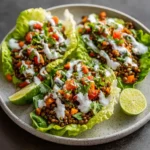
Whether served street-food style on warm blue-corn tortillas or reinvented as a grain bowl, breakfast scramble, or taco salad, this recipe invites creativity, honors heritage, and nourishes body and spirit—bite after vibrant, intentional bite.